15 Dog Breeds That Fit Illinois Apartment, Suburban, And Four-Season Living
Illinois asks a lot from a dog. Winters can bring bitter cold and snow, especially in northern parts of the state, while summers can bring substantial heat and humidity.
Housing swings from third-floor walk-ups to suburban backyards. The right breed handles all of it without drama, staying calm in tight hallways and happy on suburban sidewalks.
Some of the picks below might surprise you, especially the sprinter that naps like a professional. Here are fifteen dogs built for the full Illinois calendar.
1. French Bulldog
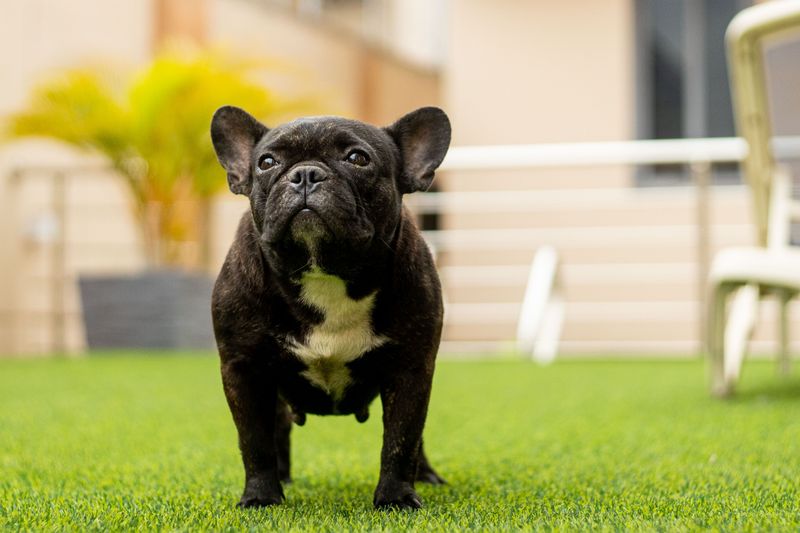
Elevator rides seem to be this breed’s favorite hobby. Frenchies are compact, quiet, and famously low on stamina demands, which suits a Lincoln Park studio beautifully.
Short walks around the block usually satisfy them. Heat is their weak spot, so summer strolls belong in early morning shade.
Cold winter weather can be uncomfortable for French Bulldogs because of their short coat, so a warm layer may be useful for brief outdoor trips. Fun bit: the breed developed in France and was particularly associated with lace workers.
2. Cavalier King Charles Spaniel
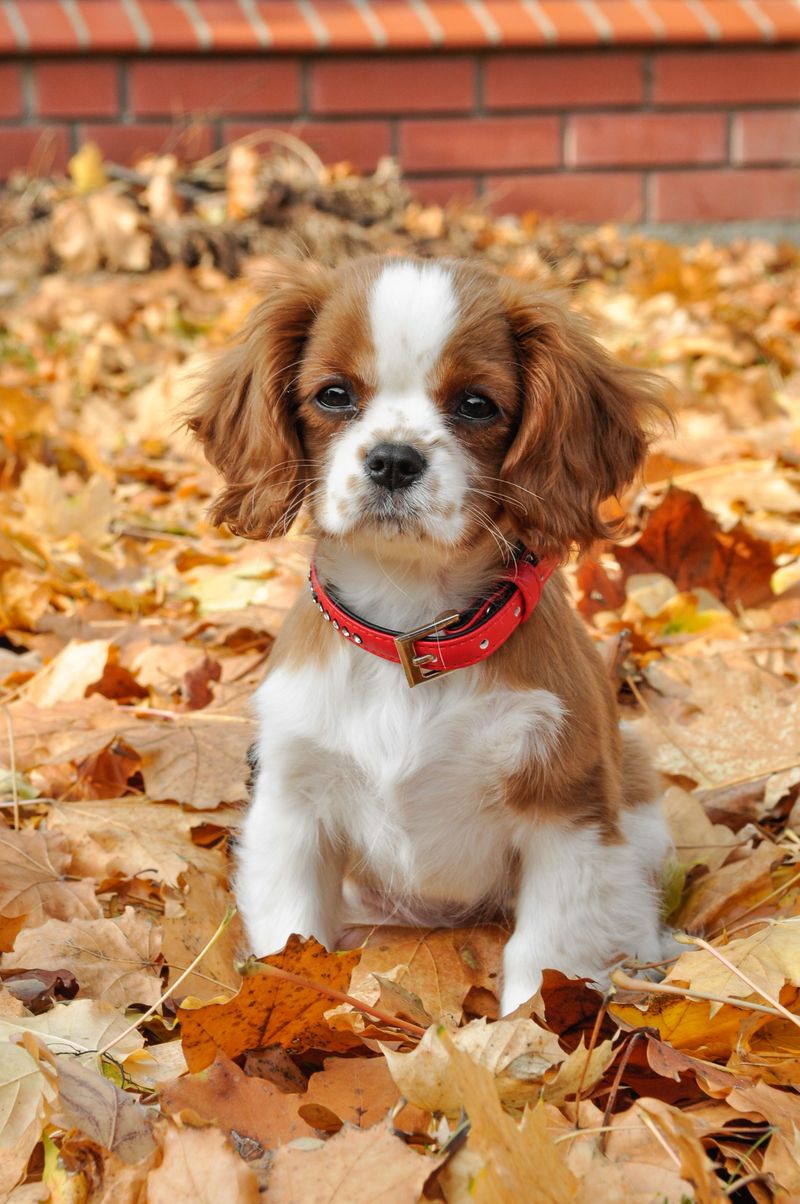
Few dogs read a room like a Cavalier. Sweet-tempered and adaptable, they settle into condo life or a fenced yard with equal enthusiasm.
Their silky coat handles Illinois autumn nicely and needs brushing twice weekly.
Moderate daily walks help keep them fit, while early training can help them adjust to hallway noise and shared-building life. Royal history bonus: King Charles II reportedly let these spaniels roam anywhere in his palace, including formal rooms.
3. Shih Tzu
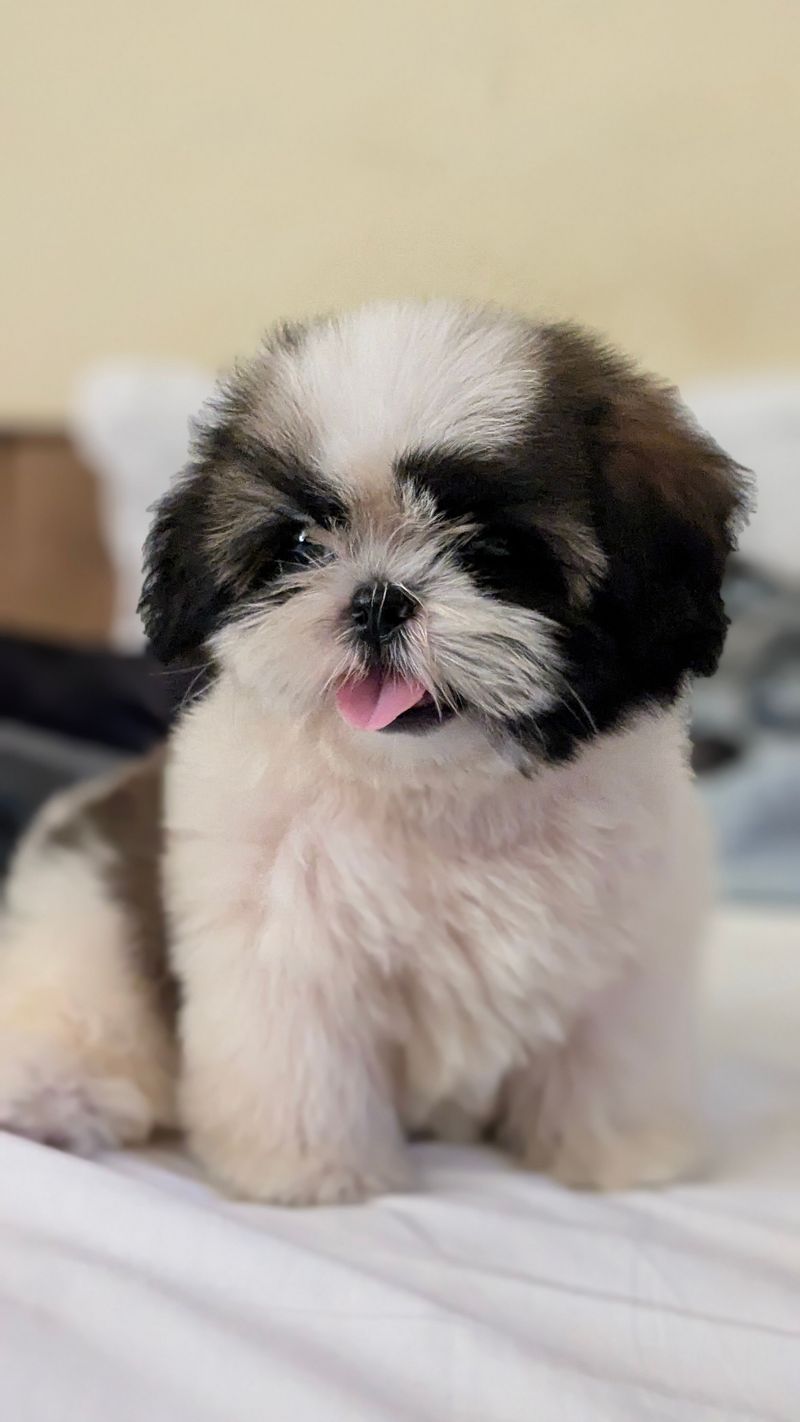
Bred as a companion dog associated with Chinese imperial courts, the Shih Tzu generally adapts well to small homes and quiet routines. In buildings with stairs, owners should consider the individual dog’s age, fitness, and comfort.
Exercise needs stay modest, roughly two short outings daily.
Their flowing coat mats fast, so many Illinois owners choose a short puppy cut for slushy months. Flat faces mean humid July afternoons deserve indoor air conditioning instead of long park loops.
4. Boston Terrier
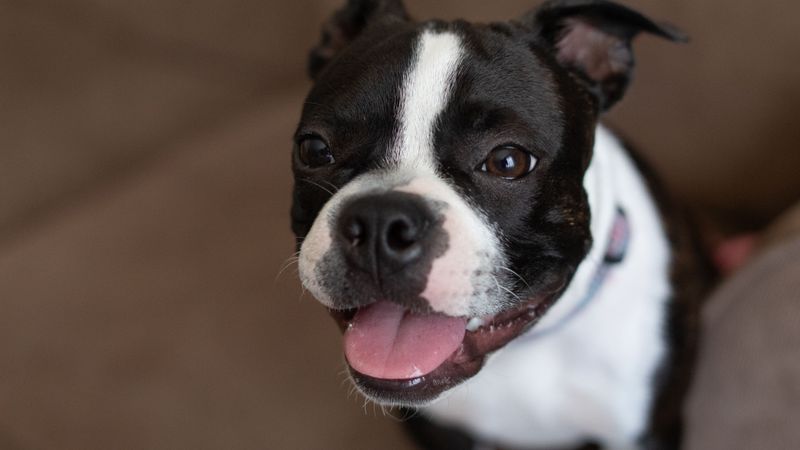
Nicknamed the American Gentleman for its tuxedo markings, this Massachusetts native fits Illinois life like a glove. Boston Terriers stay small, shed lightly, and love apartment games of fetch down a hallway.
They are chatty but not yappy, which neighbors appreciate.
Cold snaps call for a coat, and steamy days call for shorter routes. A fenced suburban yard turns them into joyful little sprinters for twenty happy minutes.
5. Miniature Schnauzer
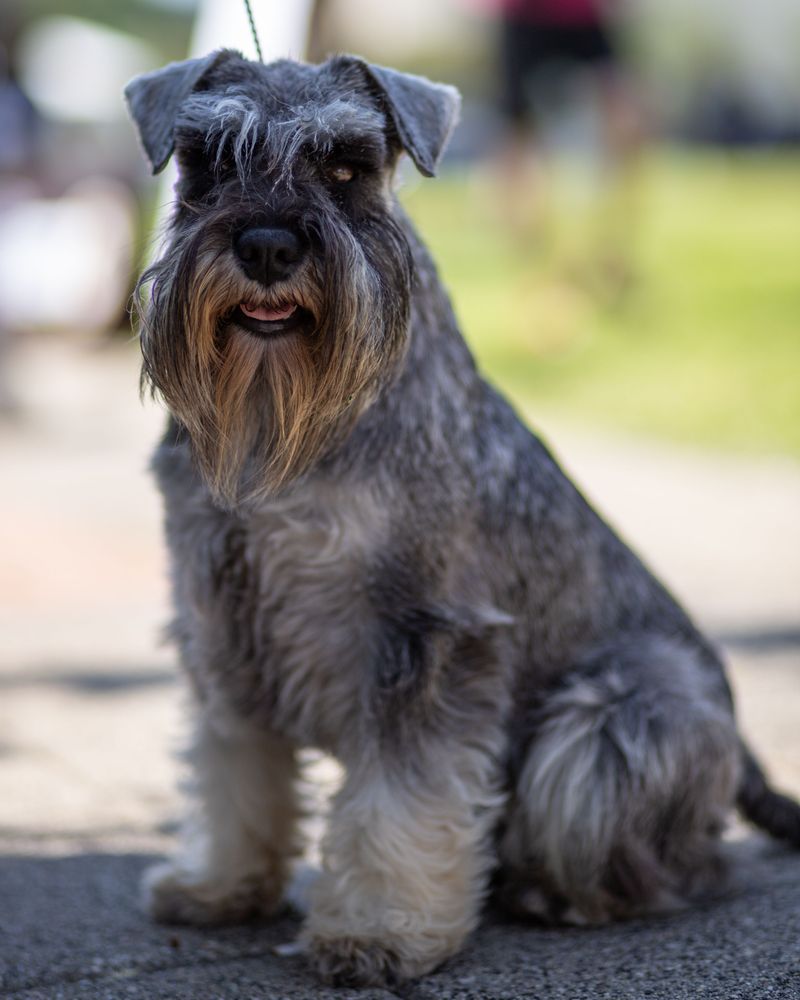
That beard hides a serious opinion about doorbells. Miniature Schnauzers make alert little watchdogs, useful in a suburban Aurora cul-de-sac or a shared building.
Their wiry coat sheds relatively little, although regular grooming is still necessary. That can make them appealing to some households concerned about loose hair, but no dog is completely allergy-free.
Plan on grooming every six to eight weeks. Daily walks plus a puzzle toy keep that busy brain content, and training curbs enthusiastic barking early.
6. Pug
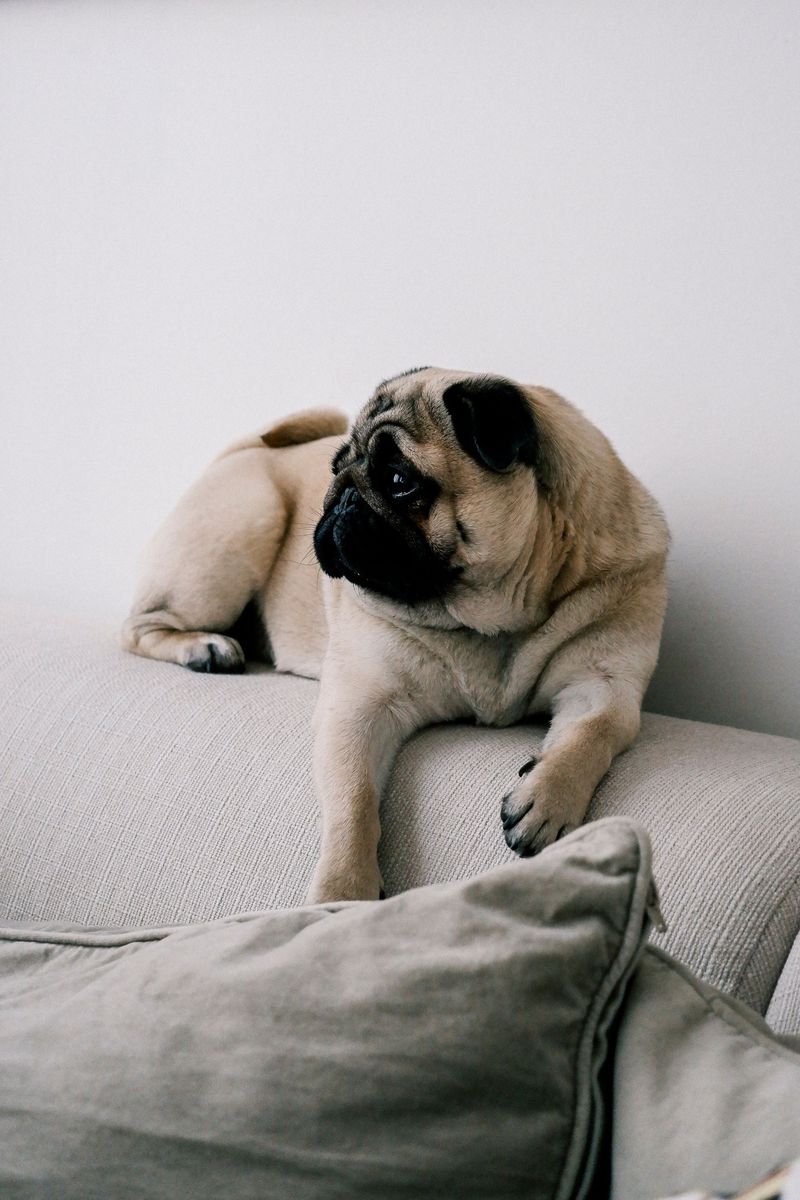
Snoring included, free of charge. Pugs bring comedy to small spaces and rarely need more than a leisurely neighborhood loop.
Their squishy faces struggle in humidity, so August walks belong at dawn or dusk.
During very cold February weather, a warm layer and shorter outdoor trips may help keep a Pug comfortable. Watch the food bowl closely, since pounds pile on fast.
Chinese emperors once kept pugs with their own guards, which explains the confidence.
7. Havanese
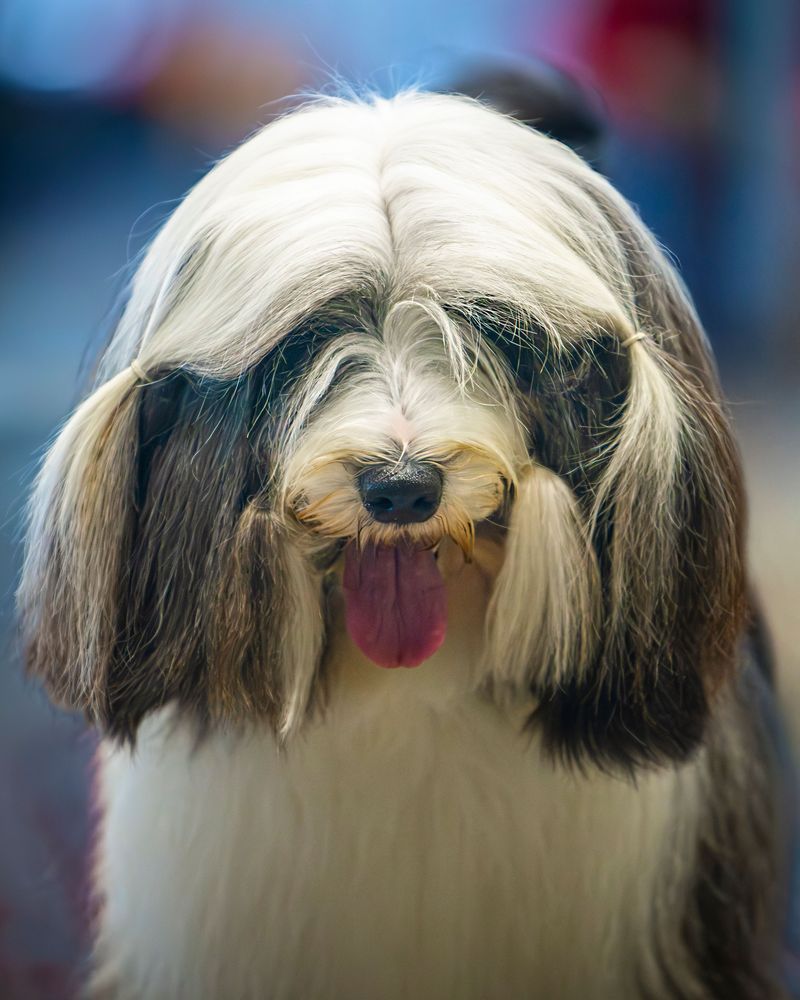
Cuba’s only native breed adapted beautifully to Midwestern condos. Havanese dogs bond hard, stay cheerful, and adjust their energy to whatever the day offers.
Their silky coat needs regular brushing but drops little hair on the rug.
Sidewalk salt can irritate paws, so a rinse after winter walks helps. Bright and trainable, they thrive on short daily lessons and love greeting neighbors in a lobby.
8. Bichon Frise
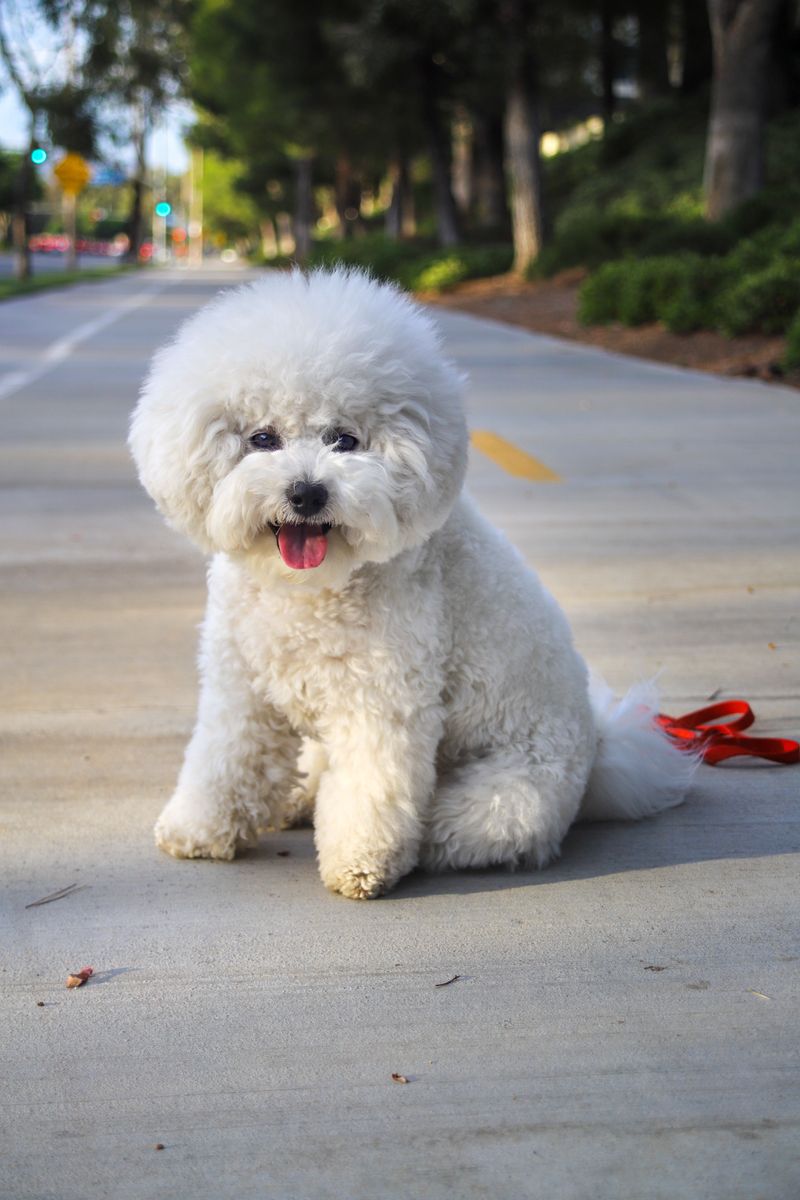
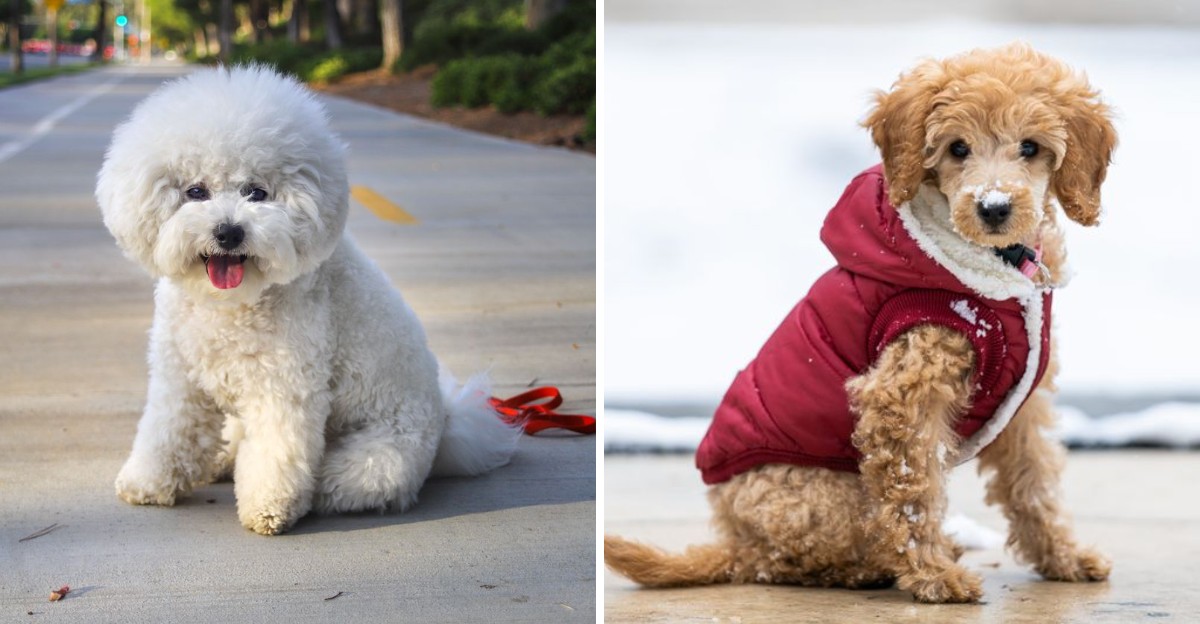
Picture a cotton ball with a sense of humor. Bichons carry a curly coat that traps loose hair, making them a favorite for sneezy households.
Grooming appointments every month or so keep them fluffy rather than tangled.
Energy runs moderate, so two walks and indoor play usually do it. They dislike long alone time, which makes them a better match for work-from-home schedules.
9. Cocker Spaniel
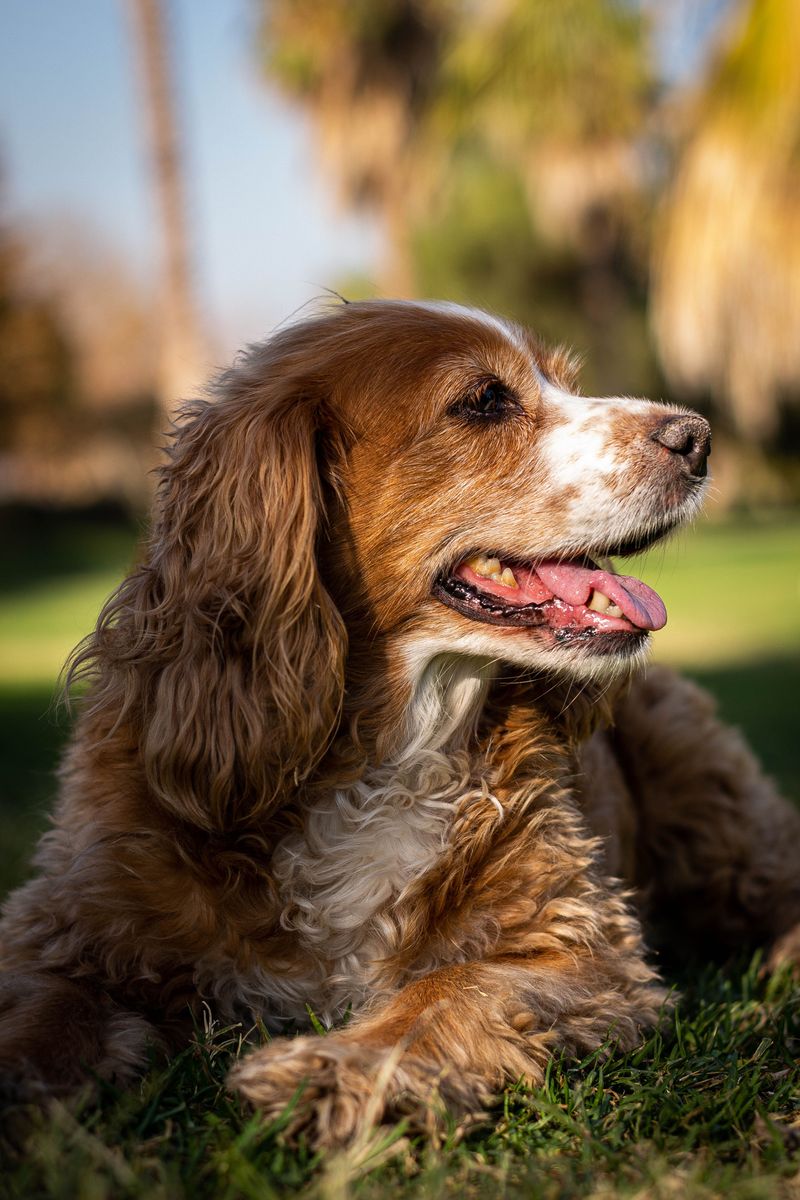
Those long ears sweep the ground like feathered brooms. Cocker Spaniels blend a soft, people-loving streak with real outdoor stamina, ideal for suburbs with parks nearby.
An hour of daily movement keeps them balanced.
Check ears weekly, especially after damp spring walks, since moisture invites trouble. Their weather-resistant coat handles crisp Illinois mornings well.
Apartment life works too, provided you commit to those daily outings without excuses.
10. Whippet
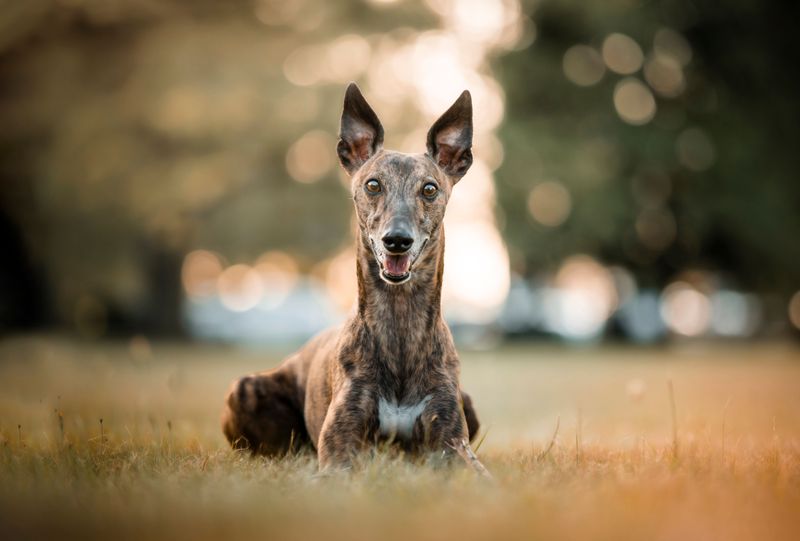
Here is the plot twist: the fastest dog on this list is also the laziest indoors. Whippets sprint hard for ten minutes, then melt onto the couch for hours.
Whippets have thin coats and can become uncomfortable in cold Illinois weather, so a well-fitting winter coat may be useful for outdoor walks.
They bark rarely, a serious perk for shared walls. Give them a securely fenced space to run, because prey drive can override any recall command.
11. Miniature Poodle
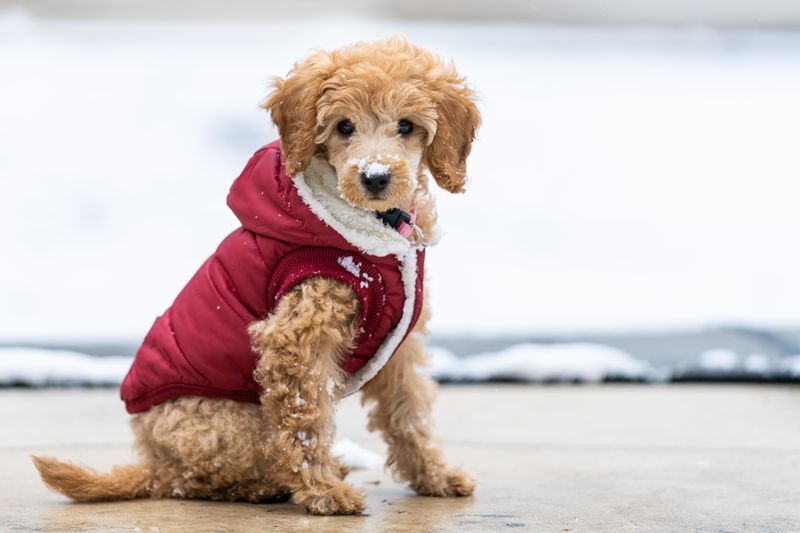
Smart enough to learn your routine and then improve on it. Miniature Poodles sit at the top of the trainability charts, which makes apartment manners easy to teach.
Their dense curls shed minimally but need clipping every six weeks.
Miniature Poodles can adapt to Illinois’ changing weather, but they still need protection from extreme cold, heat, and prolonged exposure to harsh conditions. Boredom is the real risk, so scent games and trick training beat any chew toy for keeping mischief away.
12. Dachshund
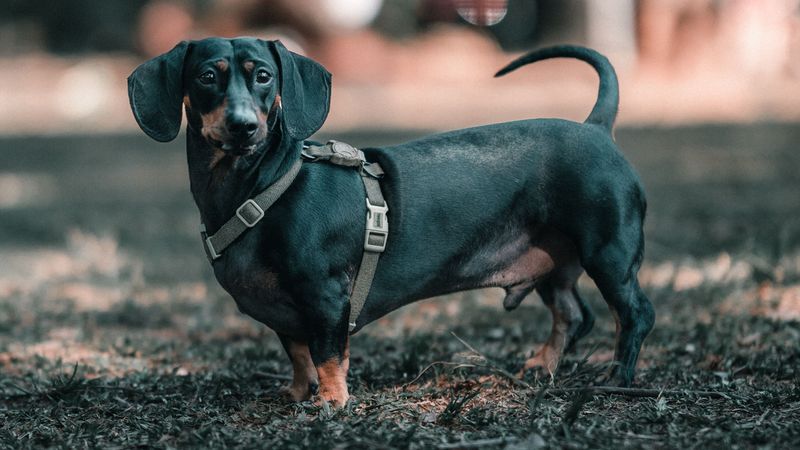
Long body, giant personality, tiny square footage required. Dachshunds were bred to hunt badgers underground, and that stubborn courage still shows at the front door.
Use a harness instead of a collar and skip repeated stair climbing to protect their backs.
Smooth coats need a sweater once temperatures drop. Short walks plus sniffing games satisfy them.
Training the bark early keeps building managers and neighbors on friendly terms.
13. Shetland Sheepdog
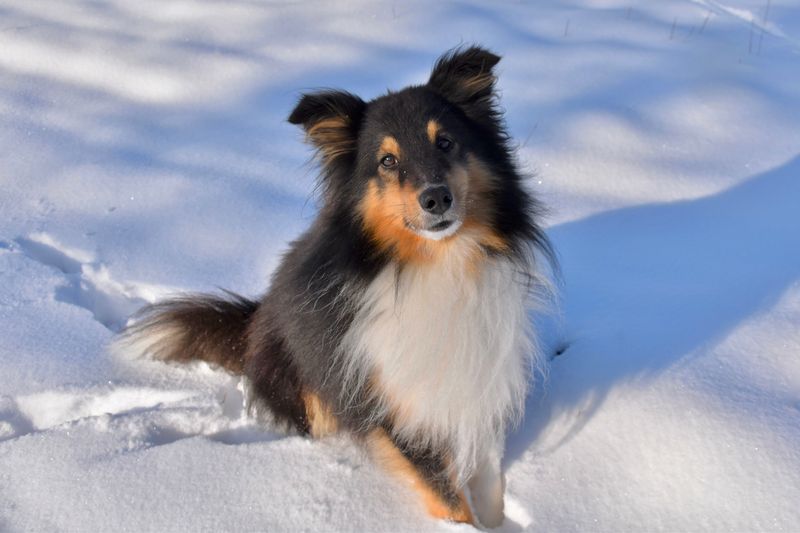
Born on windswept Scottish islands, Shelties have a thick double coat that provides useful insulation in cold weather. Even so, they still need appropriate shelter and sensible limits during severe Illinois winter conditions.
Brushing twice weekly saves your furniture.
They learn commands quickly and excel at agility, so suburban families with fenced yards get the best results. Herding instincts mean they may nudge running kids.
Redirect that energy toward games instead of ankles.
14. Labrador Retriever
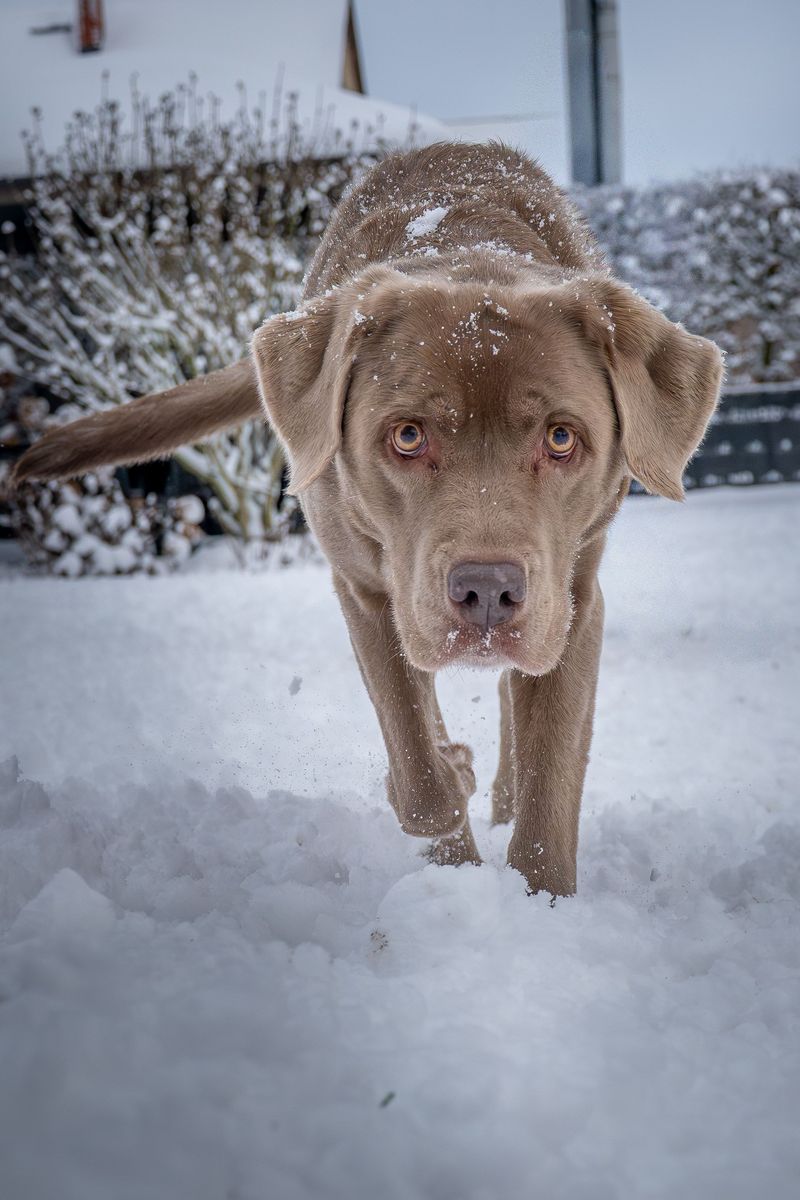
The Labrador Retriever was America’s most popular AKC-registered breed for 31 consecutive years before the French Bulldog took the top spot in 2022. Labs have a water-resistant double coat that helps them handle a range of weather, but they still need sensible limits in extreme heat and cold.
They need real exercise, about an hour daily, or the sofa suffers.
Suburban yards suit them best. Fun correction: despite the name, Labradors trace back to Newfoundland, where fishermen used them to haul nets ashore.
15. Golden Retriever
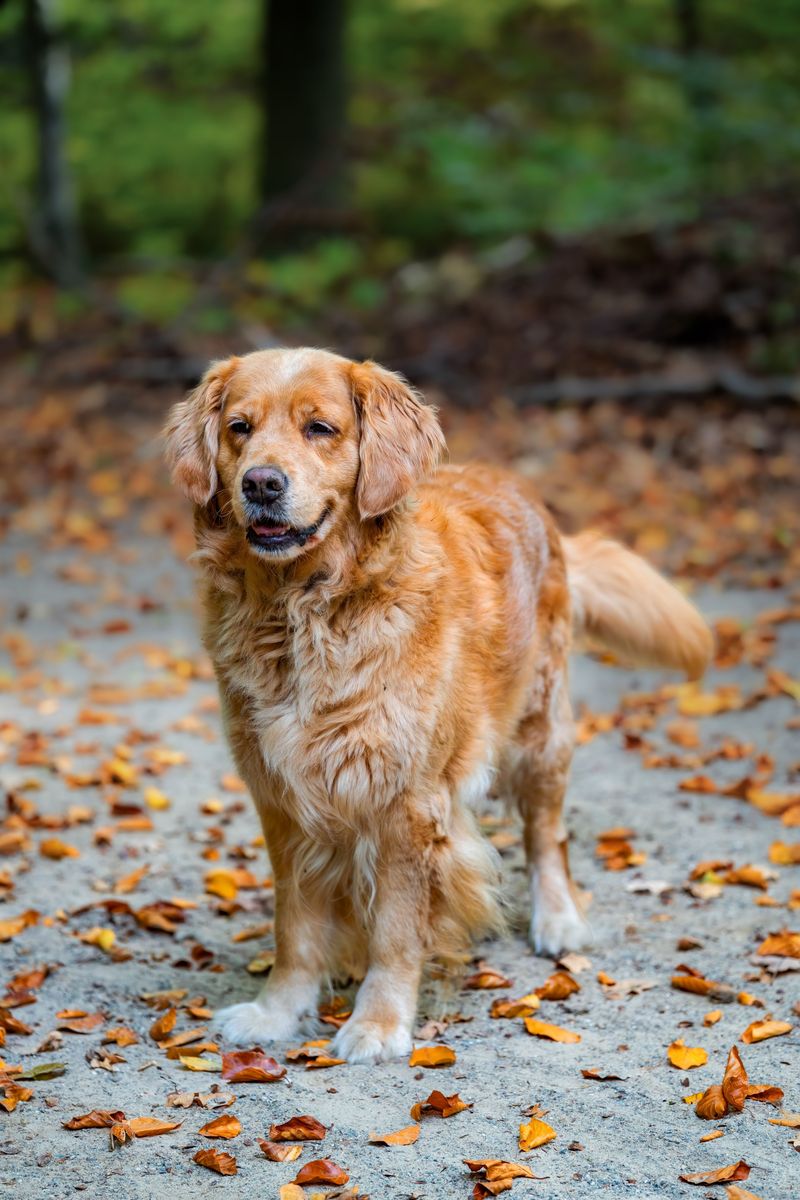
Golden Retrievers are generally friendly, eager to please, and often well suited to active families. Even a gentle, well-socialized dog should be supervised around young children.
Their feathered coat handles cold well but collects burrs and snowballs, so brush after outdoor romps.
Daily runs or fetch sessions are non-negotiable. Larger apartments can work with committed owners, though fenced suburbs suit them better.
Scottish estates developed them in the 1860s for retrieving game.