What California Dog Owners Should Know About Wildfire Smoke, Extreme Heat, And Evacuation Season
If you live in California with a dog, you already know summer brings more than beach days. Smoky skies, blistering sidewalks, and evacuation alerts have become part of the seasonal rhythm here.
The good news is that a little planning goes a long way, and most of it costs nothing but time. Think of this as the friendly rundown a neighbor might give you over the fence, covering smoke, heat, and getting out safely with your dog.
1. Bring Your Dog Indoors When the Air Turns Hazy
Smoke carries tiny particles that settle deep in a dog’s lungs, and their noses cannot filter them out.
When your local air quality index climbs into unhealthy ranges, keep outdoor time short and purposeful. Quick bathroom breaks are fine.
Long backyard lounging is not.
Check AirNow or your county air district before opening the door each morning. Dogs will not tell you the air feels wrong, so the decision falls to you.
2. Put Vigorous Exercise on Pause

Hard exercise makes dogs breathe faster and deeper, pulling more smoke into their airways.
Skip the trail run, the long hike, and the fetch marathon until the haze lifts. Your dog will not hold a grudge.
Swap physical activity for indoor enrichment instead. Puzzle feeders, scent games, and short training sessions tire dogs out surprisingly well.
A snuffle mat can burn more mental energy than a mile of walking.
3. Some Dogs Need Extra Watching

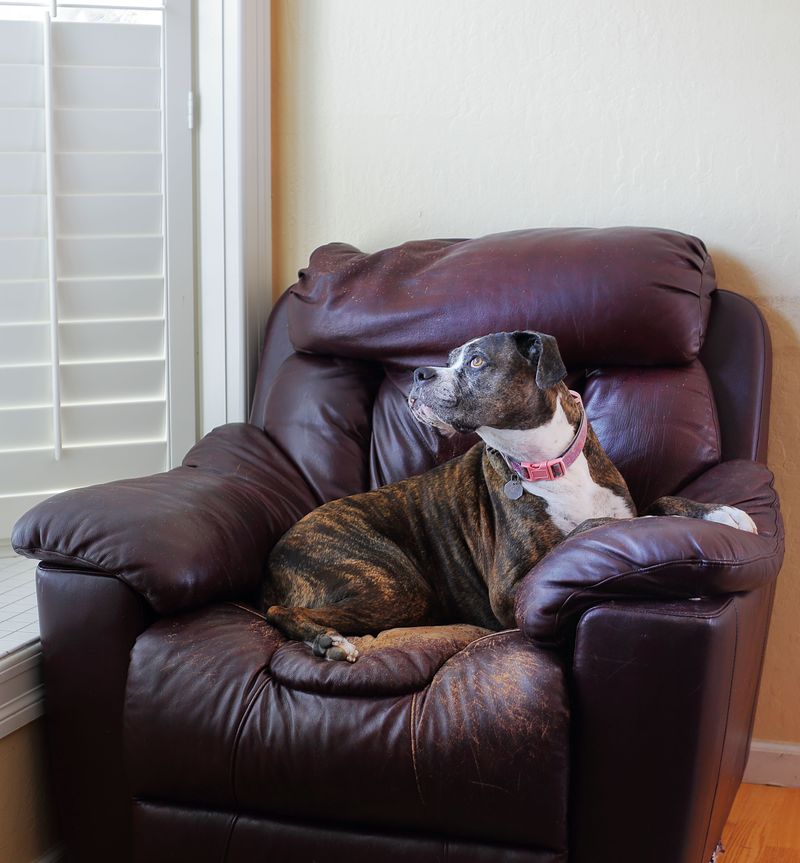
Not every dog handles smoke equally. Puppies, seniors, and flat-faced breeds like pugs, bulldogs, and Boxers struggle most.
Dogs with existing heart conditions or breathing trouble also deserve closer attention during smoky stretches.
Watch how they breathe at rest. Any change in effort, rhythm, or energy is worth noting.
Keep them in the coolest, cleanest room in your home. If your vet has prescribed medication, keep it stocked before smoke season begins.
4. Seal the House Against Drifting Smoke

Closed windows and doors make a real difference in indoor air quality during heavy smoke events.
Run your air conditioner on the recirculate setting so it is not pulling outside air in. A portable HEPA purifier in the room where your dog sleeps helps even more.
Avoid anything that adds particles indoors, such as candles, incense, or frying.
Vacuuming can stir up settled dust, so save it for clearer days.
5. Call Your Vet When Symptoms Stick Around
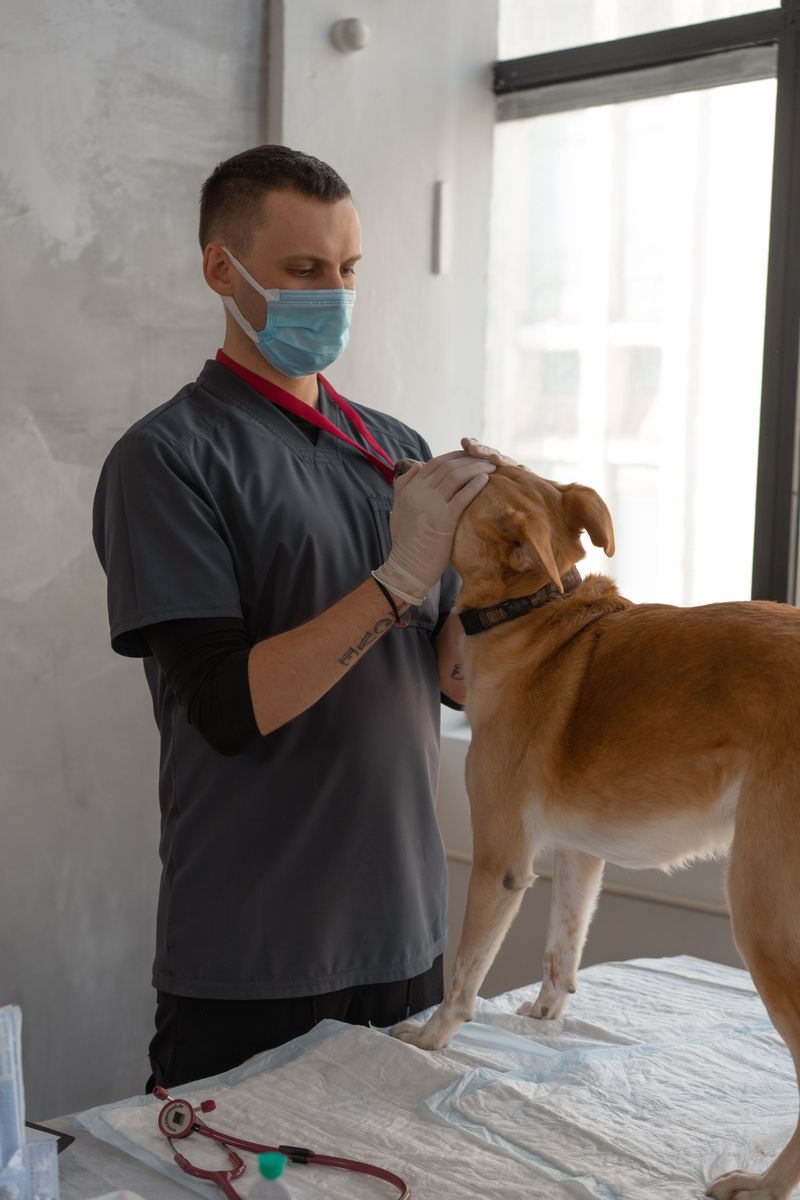
Coughing, gagging, watery eyes, nasal discharge, or unusual tiredness can all signal smoke irritation.
Reduced appetite and labored breathing deserve a phone call rather than a wait-and-see approach.
Mild symptoms that fade once the air clears are usually manageable at home. Symptoms that worsen or persist need professional eyes.
Save your regular clinic number and the nearest emergency hospital in your phone now. Searching during a stressful moment wastes time you may need.
6. Test the Pavement Before You Step Out

Asphalt can climb past 125 degrees when the air is only 75. Paw pads burn faster than most owners expect.
Try the seven-second test: press the back of your hand flat on the pavement. If you pull away, so should your dog.
Grass, dirt trails, and shaded paths stay far cooler.
Booties work for some dogs, though many need practice sessions indoors before they accept them willingly.
7. Move Walks to the Cool Edges of the Day

Early mornings and late evenings are the sweet spots during a California summer.
Pavement holds heat for hours after sunset, so an 8 p.m. walk may still feel warm underfoot. Check surfaces even after dark.
Bring a collapsible bowl and water on any outing longer than a few minutes.
Sunrise walks have an unexpected perk: quieter streets, fewer distractions, and a much calmer dog on the other end of the leash.
8. Water and Shade Are Not Optional
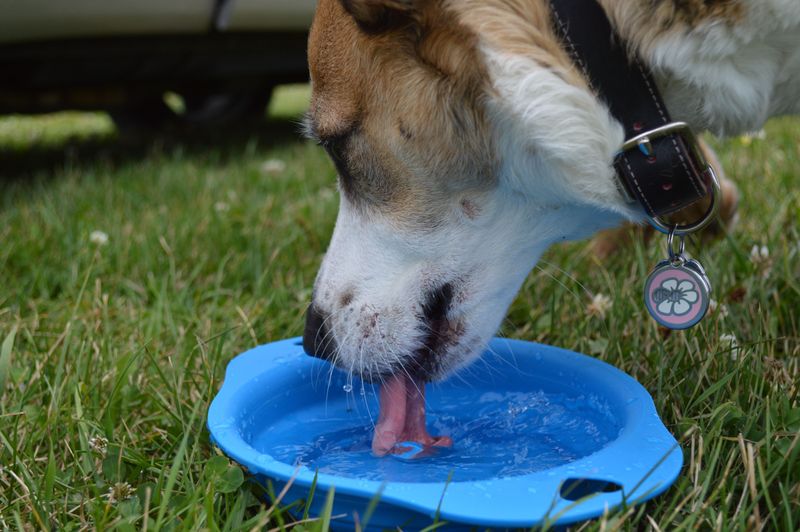
Cool, fresh water should be available every hour of every hot day, indoors and out.
Use a heavy, tip-proof bowl so an excited tail cannot empty it. Adding a second bowl in another spot is cheap insurance.
Shade shifts as the sun moves, so the shady corner at 10 a.m. may bake by 3 p.m.
Check that outdoor shelter still works in the afternoon, not just when you set it up.
9. Parked Cars Are Off Limits, and It Is the Law
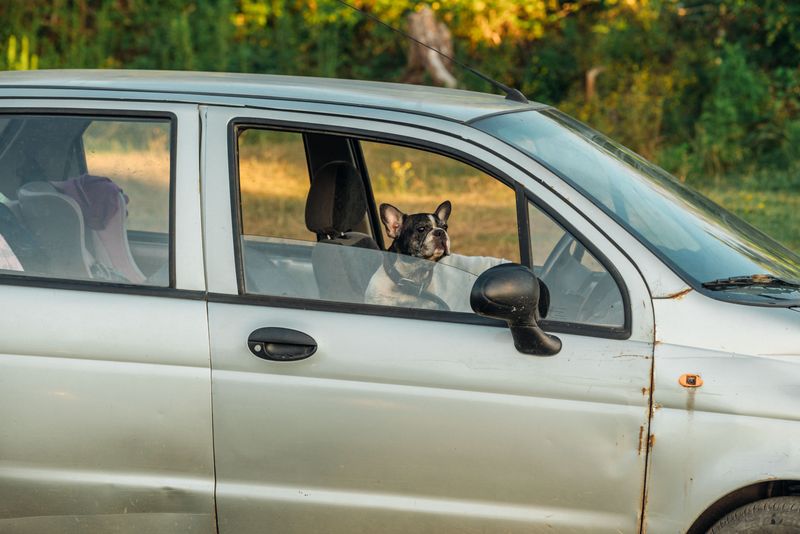
California Penal Code 597.7 makes it unlawful to leave an animal in an unattended vehicle under conditions that endanger its health.
Cracked windows do not help much. Interiors heat rapidly even on mild days.
Violations can bring fines, and cases involving serious harm may be charged as a misdemeanor.
The simplest rule works best: if your dog cannot come inside with you, leave your dog comfortably at home.
10. Recognize Overheating Early

Heavy panting, thick drool, bright red gums, wobbling, vomiting, or sudden weakness all point toward overheating.
Act quickly. Move your dog somewhere cool, offer small sips of water, and apply cool, not icy, water to the head, ears, paws, and belly.
Then call a veterinarian right away, even if your dog seems to improve.
Internal effects can continue after the outside signs fade, so professional evaluation matters more than most owners realize.
11. Pack the Go-Bag Before Fire Season Starts
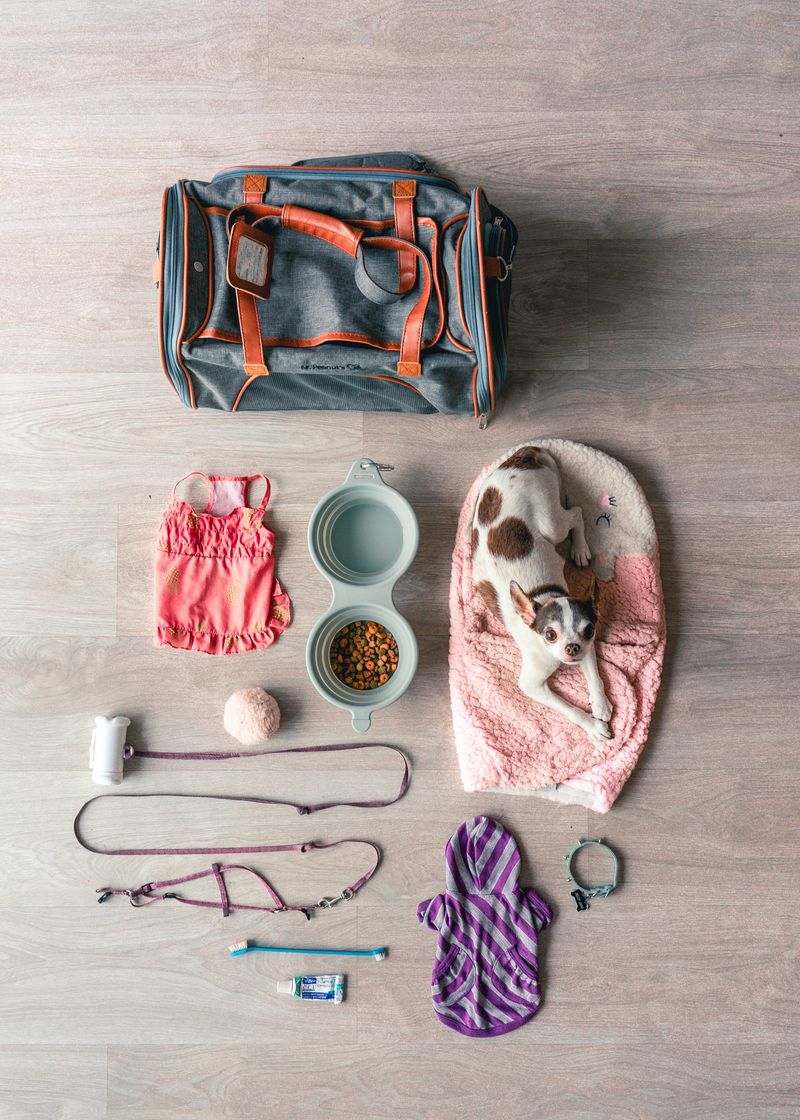
A packed bag turns a chaotic morning into a manageable one.
Include at least a week of food, bottled water, bowls, medications, a pet first aid kit, waste bags, and spare leashes and harnesses.
Add a favorite blanket or toy. Familiar smells settle nervous dogs in unfamiliar places.
Store it near your exit door, and rotate food and water every few months so nothing expires when you need it most.
12. One Carrier or Restraint Per Dog
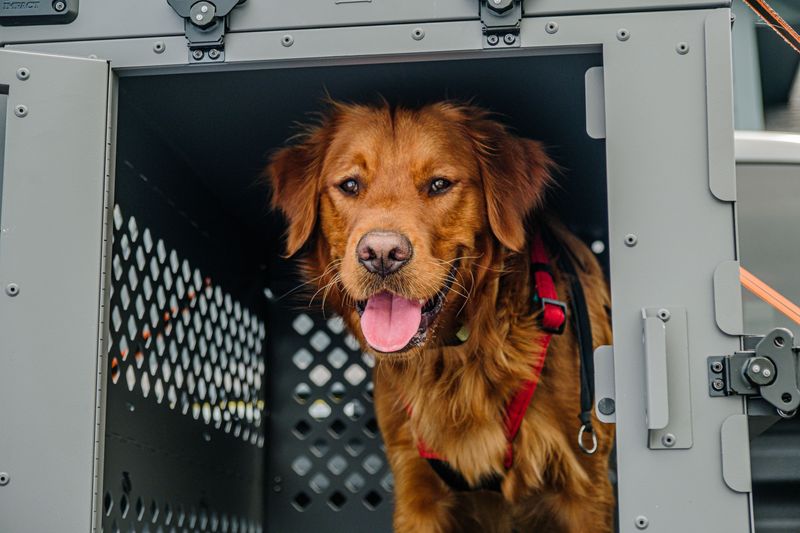
Every dog in your household needs its own carrier or secure vehicle restraint, ready and reachable.
Label each one with your dog’s name, your name, and two phone numbers. Shelters and responders rely on that information.
Get dogs comfortable with crates long before an emergency. Feed meals inside, leave the door open, and keep the mood relaxed.
A dog who already loves the crate loads in seconds instead of minutes.
13. Keep ID Tags and Microchip Details Current

Outdated phone numbers are one of the most common reasons lost dogs stay lost.
Your dog’s collar should carry a readable tag with a current number, plus an out-of-area contact who can answer if local lines are down.
Microchips only work when the registry has your latest information. Log in and check yours today.
Takes five minutes. Pays off enormously if a gate swings open during a stressful evacuation.
14. Store Records, Photos, and Proof of Ownership

Boarding facilities and emergency shelters often ask for vaccination records before accepting a dog.
Keep paper copies in your go-bag and digital copies in the cloud or on your phone. Include your vet’s contact details and any medication list.
Recent photos matter too. A picture of you together helps prove ownership if you are separated.
Snap a fresh photo each season, especially for puppies whose appearance changes fast.
15. Figure Out Where You Will Go Ahead of Time
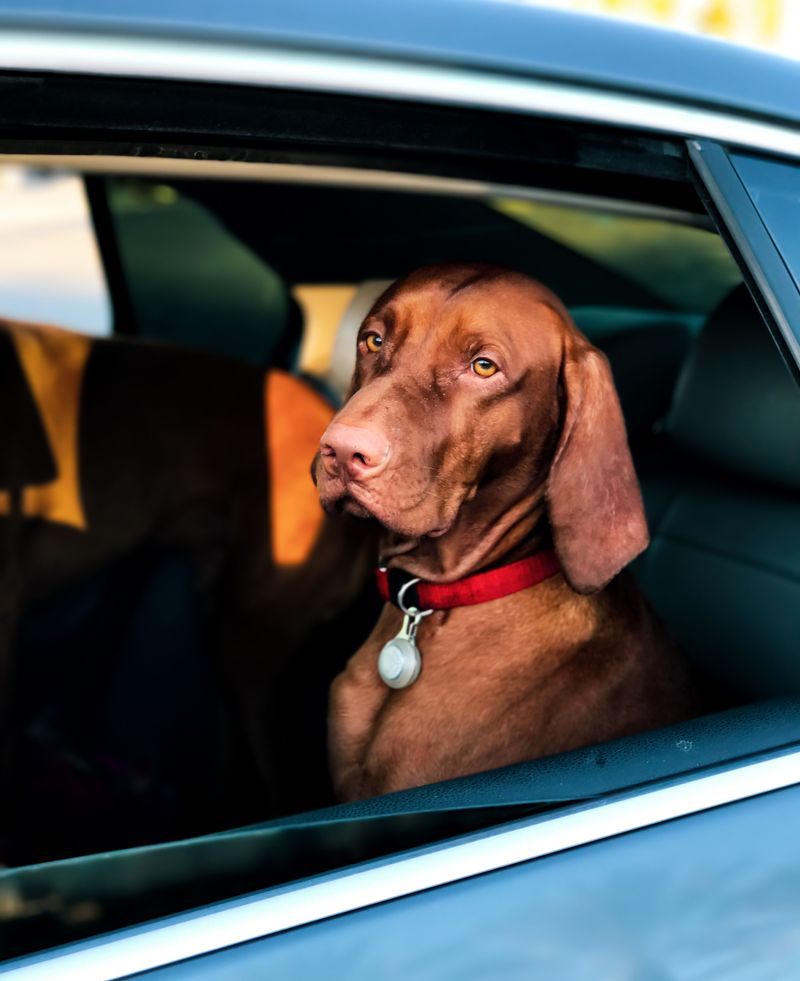
Most human emergency shelters cannot accept pets, with service animals as the usual exception.
Build a short list now: pet-friendly hotels along your likely routes, relatives outside the region, and boarding kennels in neighboring counties.
Save addresses and phone numbers offline in case cell service falters.
Some California counties do operate co-located animal shelters during emergencies. Call your county animal services to confirm what is offered where you live.
16. Line Up a Backup Person Who Can Reach Your Dog
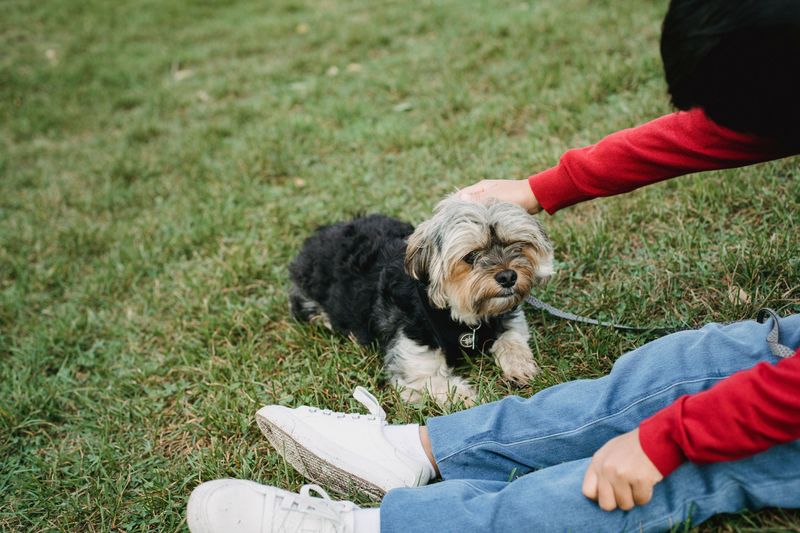
Evacuation orders rarely wait for you to finish your workday.
Ask a trusted neighbor, friend, or relative to be your designated helper. Give them a key, gate codes, and clear directions to your supplies.
Walk them through your dog’s temperament, leash habits, and hiding spots. Nervous dogs often tuck under beds.
Trade the favor. Being someone else’s backup makes the arrangement feel mutual rather than one-sided.
17. Bring Dogs In at the First Sign of Trouble
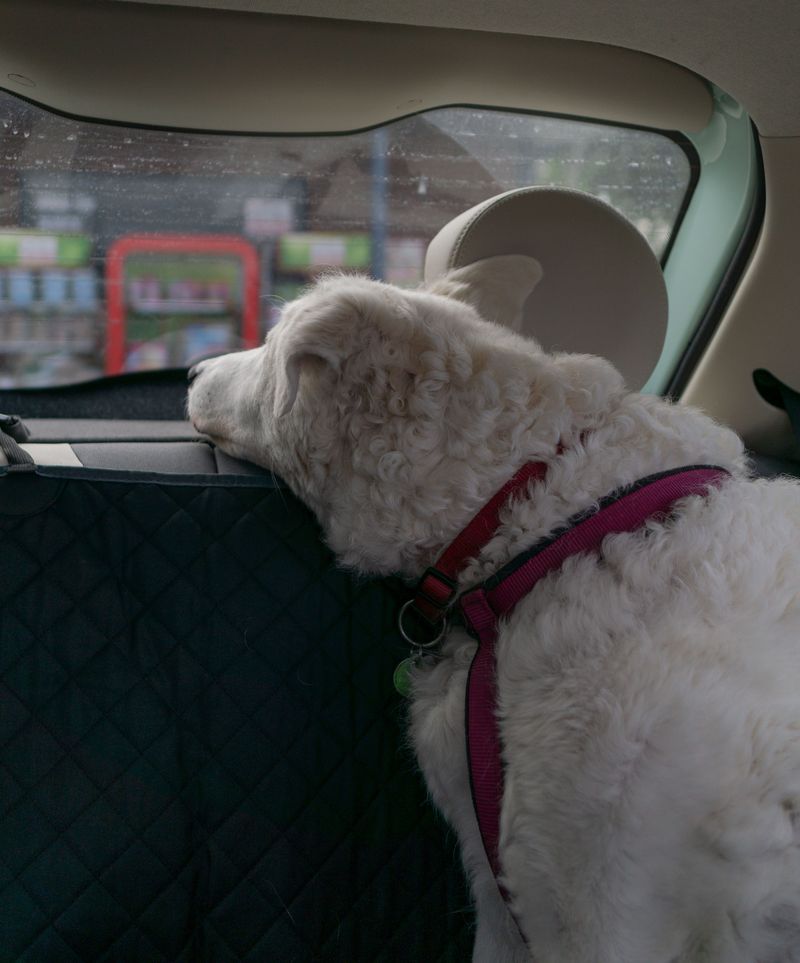
Waiting for an official order costs precious minutes.
When fire conditions build nearby, bring your dog indoors right away. Frightened animals bolt, and a loose dog turns a quick departure into a long search.
Never leave a dog chained or confined outside during a threat.
Keep leashes on hooks by the door during high-risk stretches. Small habits like that shave real time off your exit.
18. Treat an Evacuation Warning as Your Cue
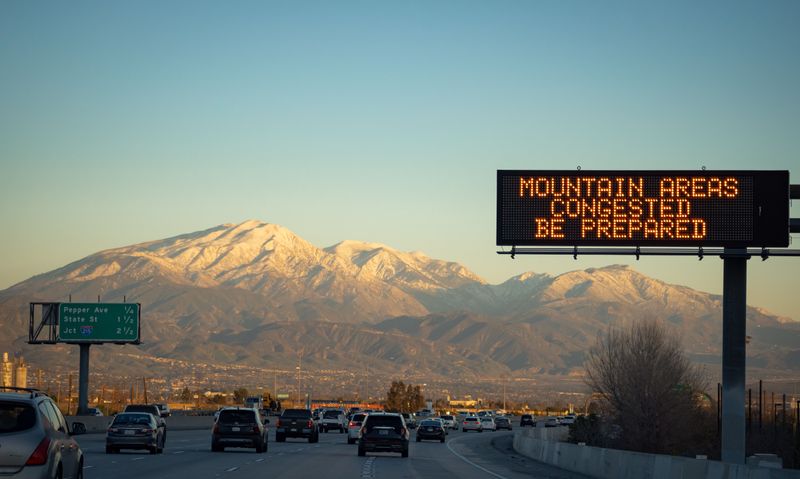
In California, a warning means a threat is possible. An order means leave now.
Anyone who needs extra time, and that includes households with animals, should use the warning phase to get moving.
Load the car, secure the dog, and go early if you can. Traffic thins considerably before orders are issued.
Leaving during a warning and returning later beats scrambling in a crowded departure. No one regrets an early start.
19. Learn Several Ways Out of Your Neighborhood
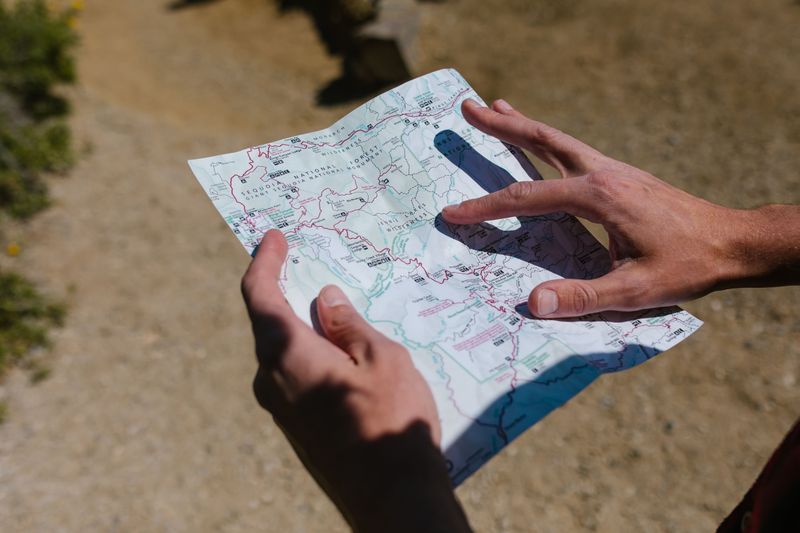
Roads close. Fires shift.
Your usual route may not be available.
Map at least two exits from your street, and drive them once so they feel familiar. Note which one climbs and which heads toward open ground.
Keep a paper map in the glove box in case navigation apps fail.
Fuel matters too. Stations may be closed, so try keeping the tank above half during peak fire months.
20. Run a Practice Drill With Your Dog
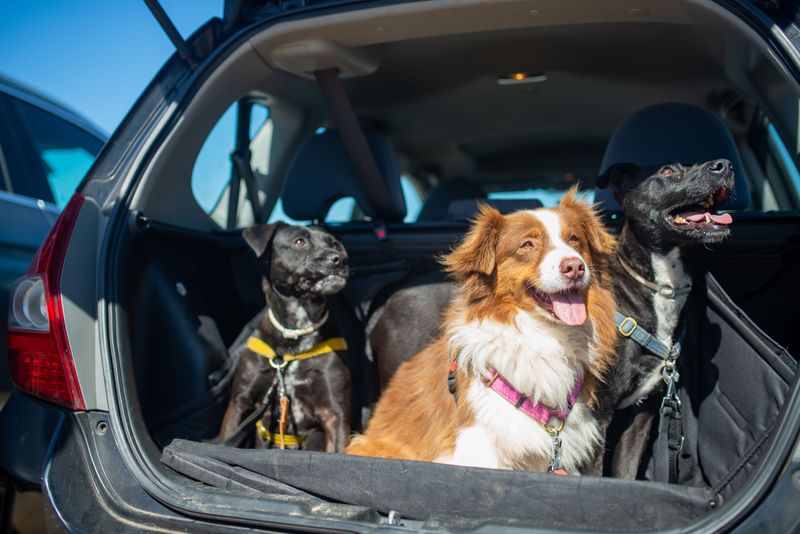
Rehearsal is the step most people skip, and it is the one that pays off fastest.
Time yourself loading the dog, the crate, the go-bag, and the water. Repeat it twice a year.
Dogs read your energy, so calm practice teaches them the routine is nothing scary.
You will finish knowing exactly what your plan looks like in motion. That confidence is the whole point.