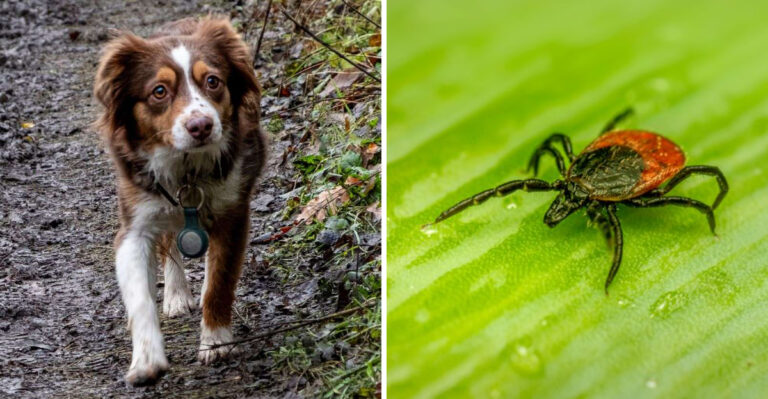
15 Dog Breeds That Fit Ohio’s Four-Season Lifestyle
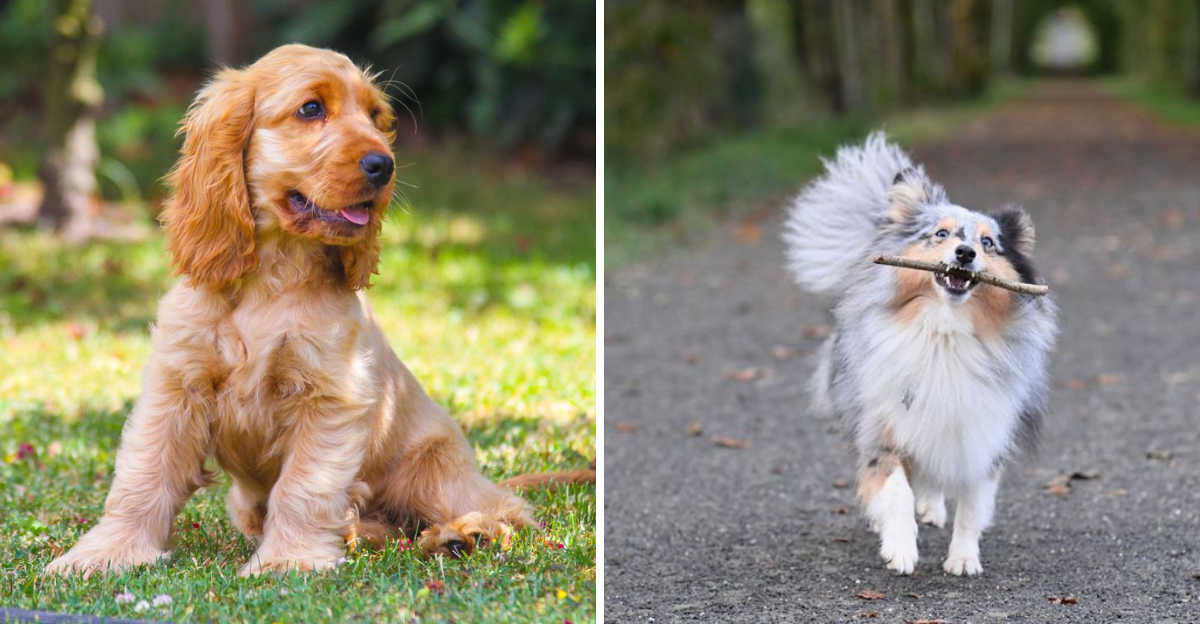
Ohio asks a lot of a dog. One week brings lake-effect snow near Cleveland, the next brings sticky August humidity along the Ohio River.
Add muddy spring trails, crunchy autumn leaves, and weekend hikes at Hocking Hills, and you need a companion built for change. Some breeds shrug off all of it with a wagging grin and a coat made for the job.
Here are fifteen that handle Buckeye weather swings with style, stamina, and a whole lot of heart.
1. Golden Retriever
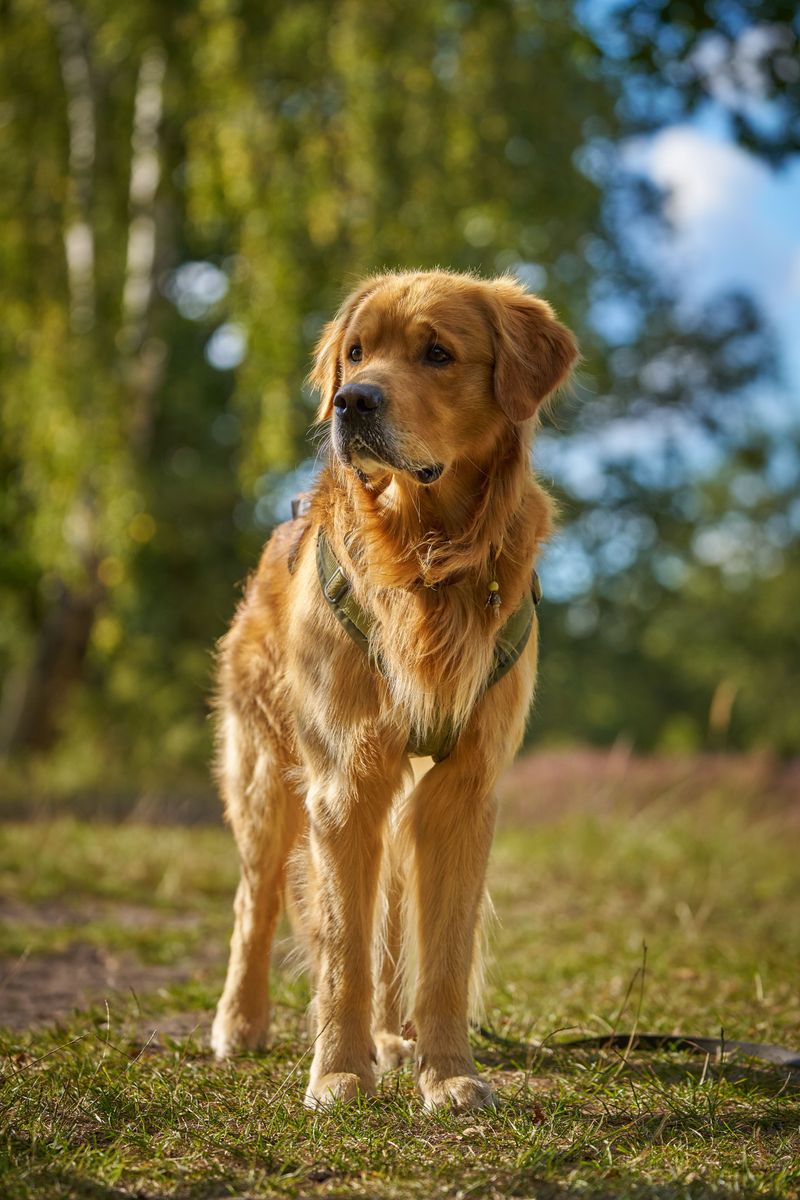
Few dogs greet a season change with more enthusiasm than a Golden. Their dense, water-repellent coat handles crisp October mornings and light snow without complaint.
Heat is the tricky part. Thick fur means shade, cool water, and shorter midday outings during humid stretches.
Goldens crave company and mental work, so hiking, jogging, and retrieving games keep them settled. Give them exercise and they will nap happily at your feet.
2. Beagle
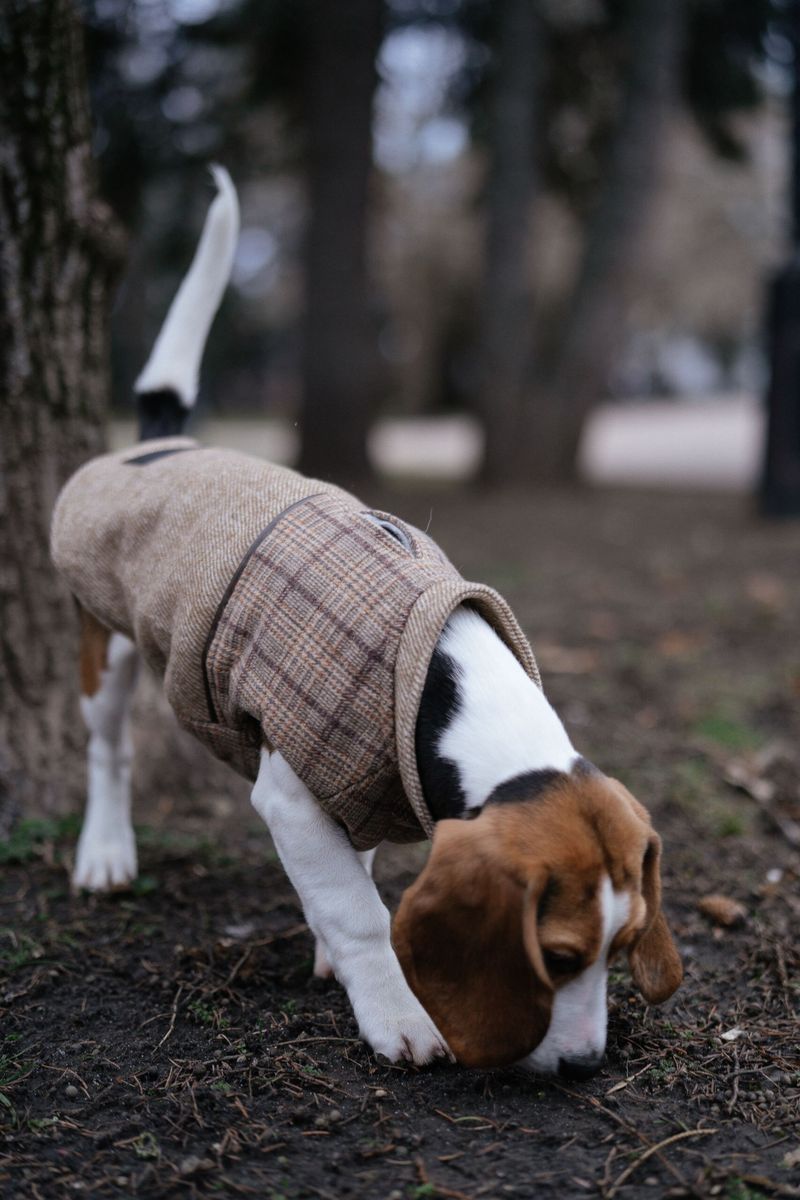
Nose down, tail up, weather irrelevant. Beagles follow scent trails through frost, drizzle, and warm afternoons thanks to a medium weather-resistant coat.
Compact and hardy, they need about an hour of daily activity, ideally sniffing and chasing with a buddy.
Two heads-ups: they shed generously, and long hours alone can bring howling. Give a Beagle company and a leash-friendly nose walk, and you have a cheerful year-round sidekick.
3. Standard Poodle
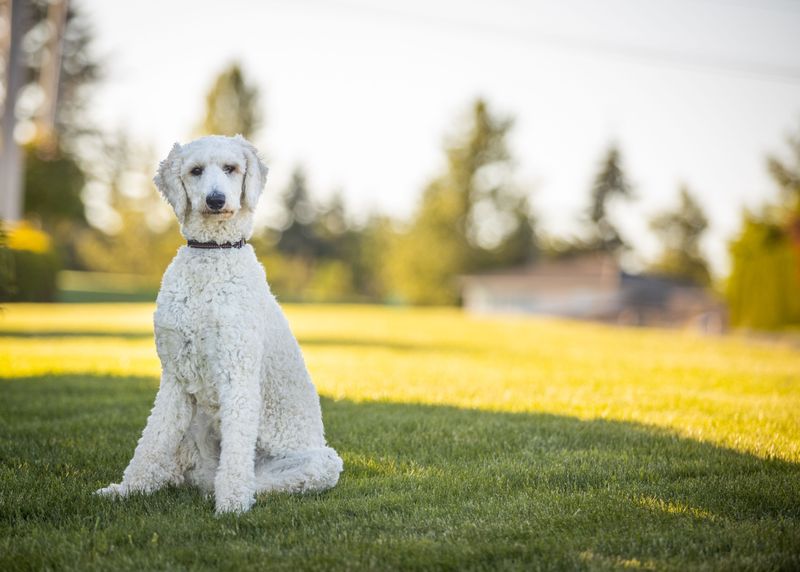
Forget the fancy-dog stereotype. Standard Poodles were water retrievers first, and that classic clip once protected joints from cold water.
Hardier in chill than the smaller varieties, they also stay comfortable in summer with a sensible trim.
Expect roughly an hour of real exercise plus brain games, since boredom turns into mischief fast. Agility, swimming, and long walks suit them.
Bonus for allergy-prone families: very little shedding.
4. English Springer Spaniel
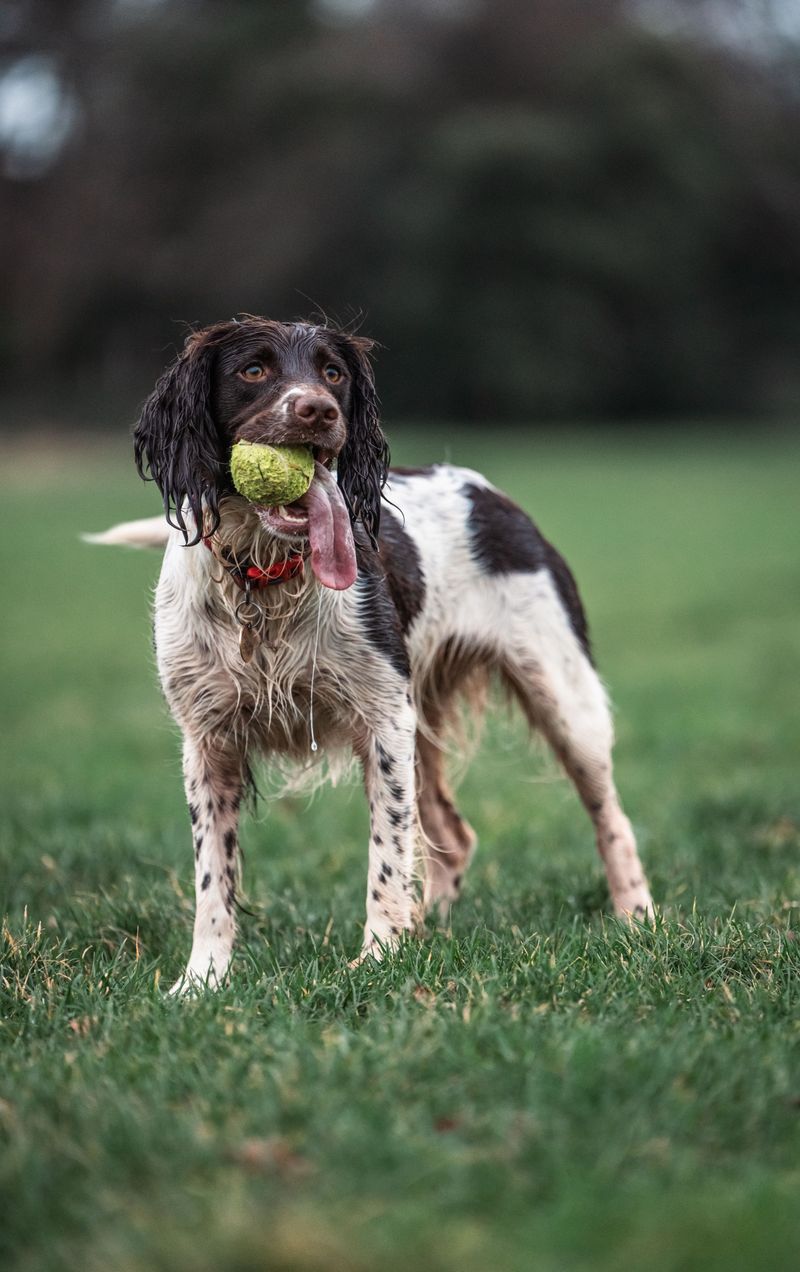
Bouncy is the word. Springers spring, especially through wet spring fields and rustling autumn cover.
Cool weather suits them well, though humid Ohio Julys call for shade and water breaks.
Plan one to two hours of vigorous work daily: jogs, retrieving games, free running, plus obedience for the brain. Field-bred lines run leaner and hotter; show lines carry more coat and a calmer gear.
Both hate being left alone.
5. Labrador Retriever
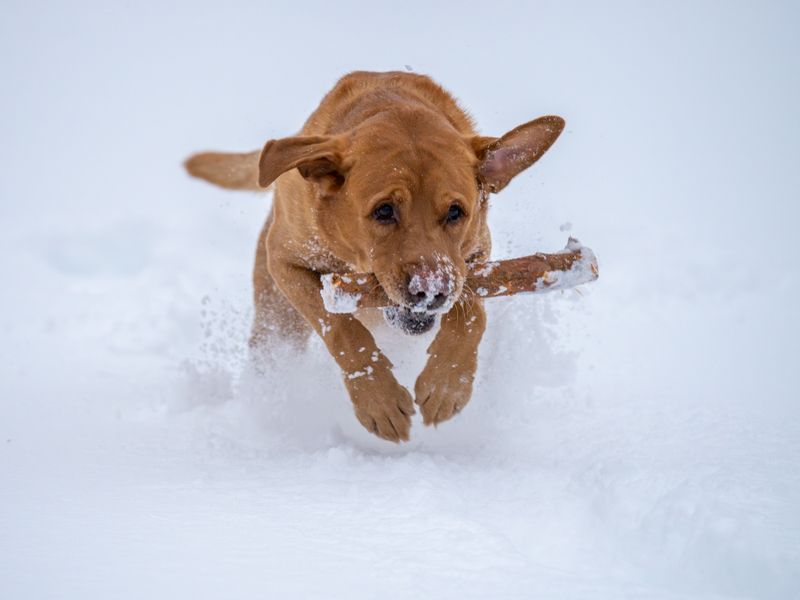
Snow drifts, creek splashes, leaf piles: the Lab treats all of it like a personal playground. That short double coat repels water and holds warmth, so January walks feel easy.
Summer needs more care, since Labs overheat when they push too hard. Swimming solves that beautifully.
Plan on several hours of movement daily, including fetch and running. Fun fact: despite the name, the breed traces back to Newfoundland, not Labrador.
6. Brittany
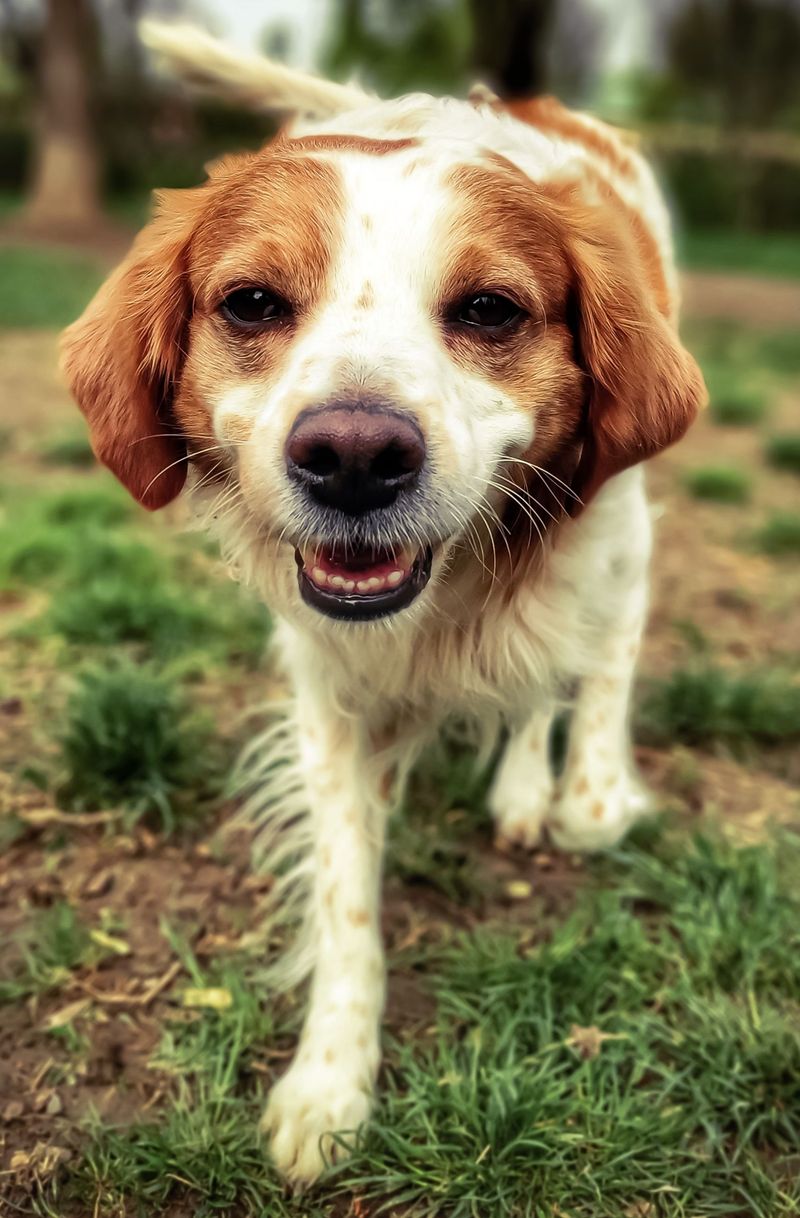
Endless energy in a tidy, medium-sized package. The Brittany bounds through stubble fields and snowy backyards with the same cheerful enthusiasm.
Their short to medium wavy coat handles varied climates, though extreme cold or heat deserves extra caution.
Give at least ninety minutes of daily physical and mental work: nose work, structured fetch, canine sports. Sensitive and sweet, Brittanys train easily, but a strong prey drive means fenced space matters.
7. German Shorthaired Pointer
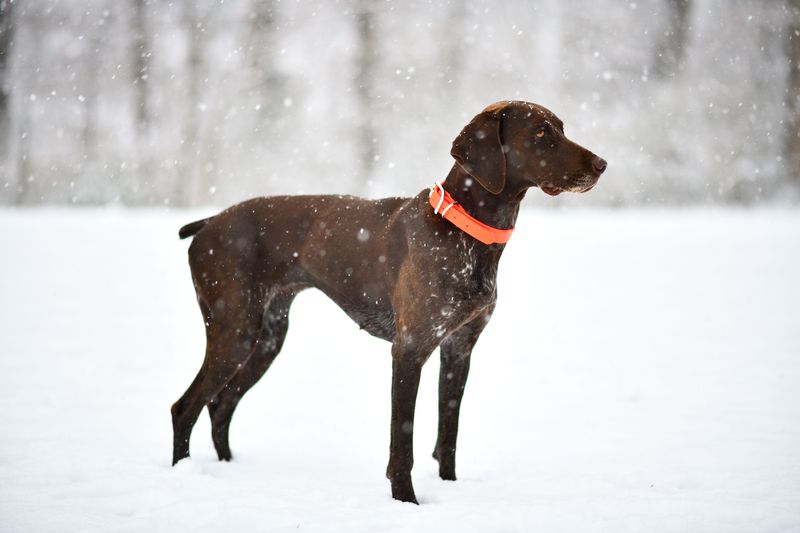
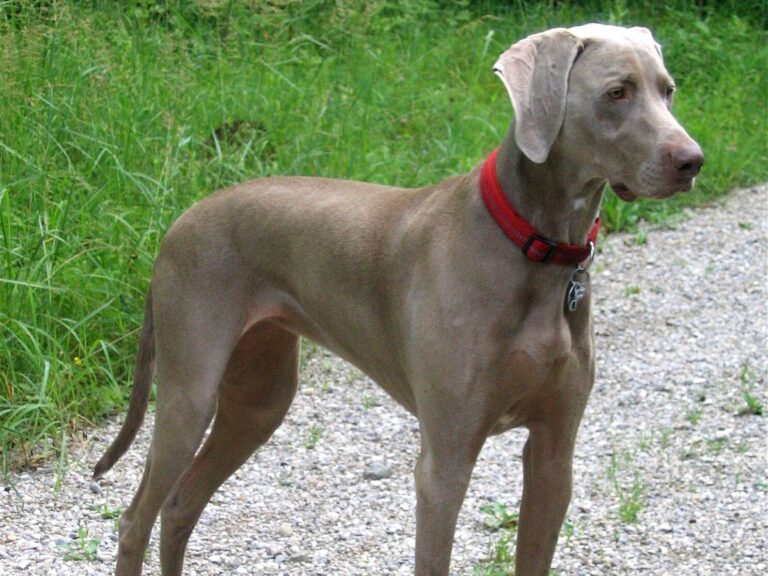
Built like a marathoner in a sleek brown coat, the GSP asks one question daily: when do we go?
Their short, water-resistant fur dries quickly after creek crossings and rainy hikes.
Insulation is limited, though, so wet and windy winter days call for a jacket and shorter loops. Aim for one to two hours of hard activity: running, swimming, scent work, agility.
Idle GSPs invent chaos.
8. Australian Shepherd
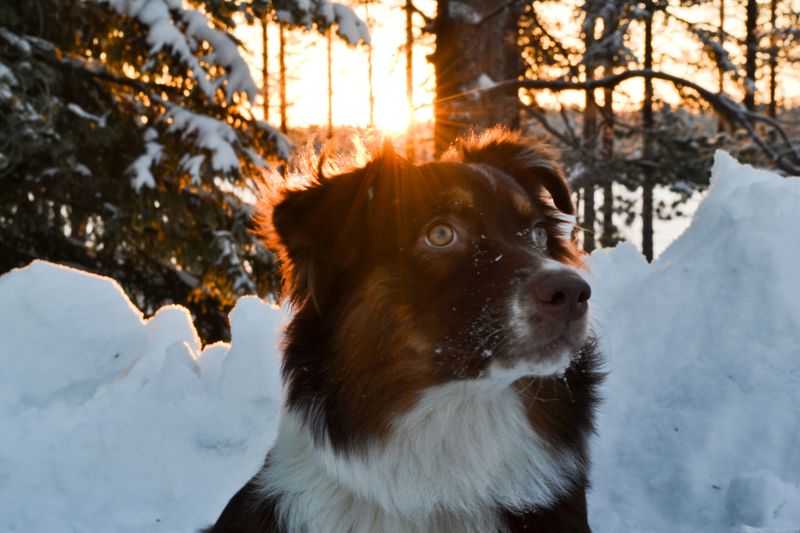
Ohio throws four seasons; the Aussie shrugs and asks for a job. That dense double coat regulates temperature in both snow and sunshine.
Brains matter as much as legs here. Long hikes, structured play, and puzzle work fill one to two hours daily.
Herding instincts run strong, so expect a shadow at your heels and some reserve around strangers. Agility, herding, and flyball channel all that drive.
9. Collie
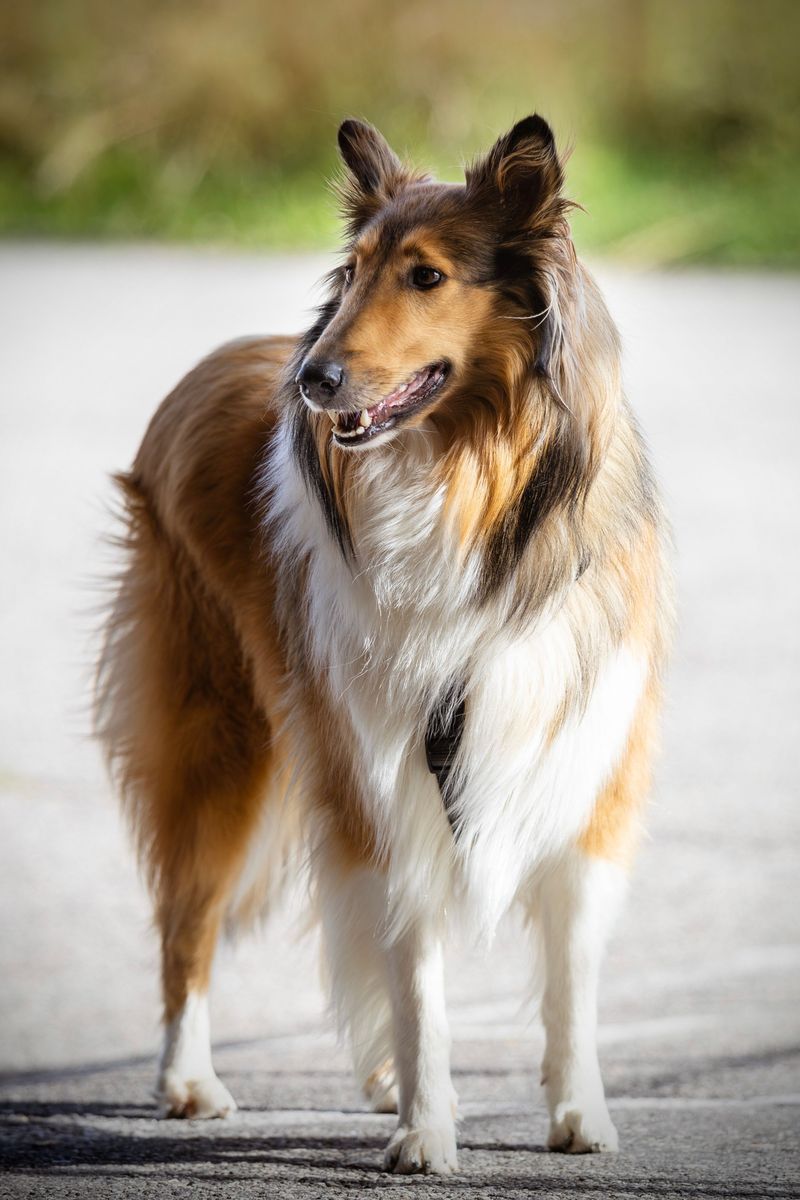
Elegance with an insulated jacket. That flowing double coat makes Collies genuinely comfortable when Ohio turns white and windy.
Their energy sits in the middle: a solid daily walk plus extra play and thinking games keeps them content.
Mild heat is fine with shade and frequent water, since all that fur traps warmth. Devoted, sensitive, and famously good with families, Collies also make talkative watchdogs.
Yes, they will announce visitors.
10. Shetland Sheepdog
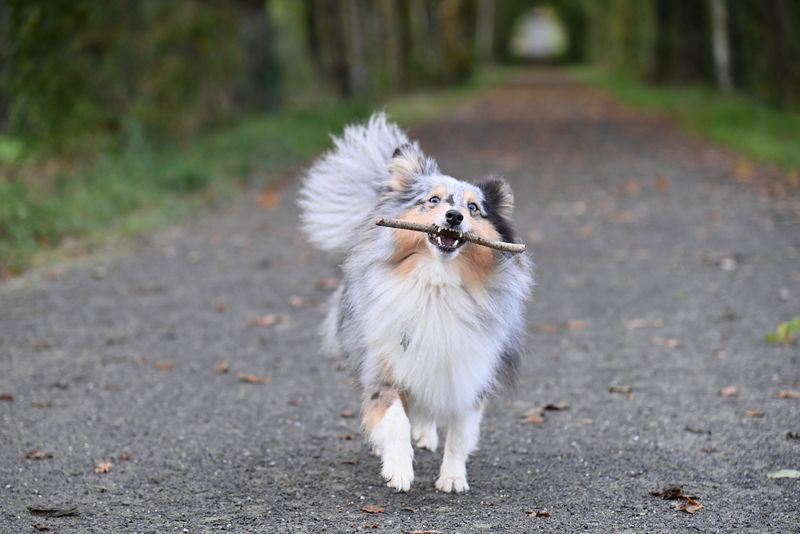
Small body, big weather resistance. Shelties carry a dense undercoat that laughs at cold snaps and flurries.
Warm months need planning, because that long coat traps heat. Shade, water, and early morning activity help a lot.
Never shave them; the coat is natural protection. These agile herders want daily vigorous exercise plus mental puzzles, and they shine in agility.
Reserved with strangers and quick to bark, they make alert little companions.
11. German Shepherd Dog
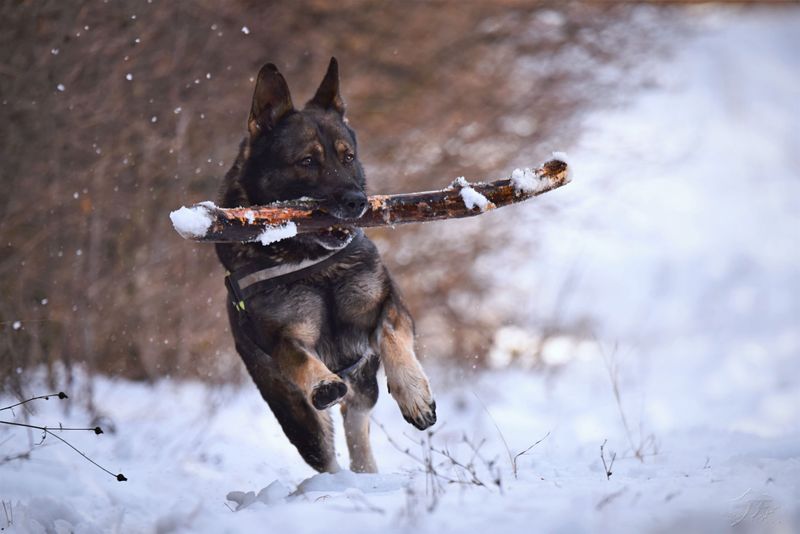
Loyalty plus horsepower. German Shepherds handle snowy trails easily, thanks to a double coat that insulates well.
Very low temperatures with harsh wind or ice still call for good judgment, and hot days require shade, water, and lighter work.
Their exercise needs run high, so long runs, tracking, herding, and agility all fit. Give one enough daily outlet and even apartment living works.
Boredom, however, gets expensive.
12. Border Collie
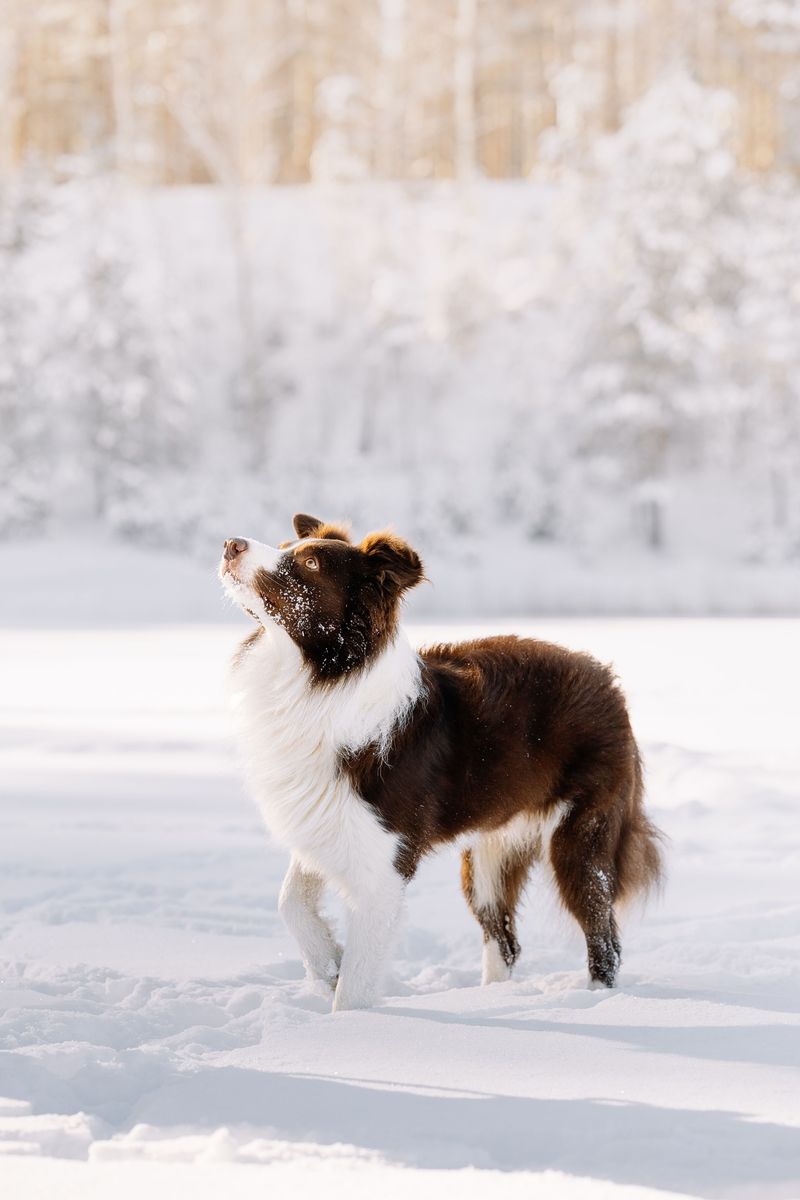
Bred in the cold, wet hills of Scotland and England, Border Collies were practically designed for changeable weather.
Their thick, weather-resistant double coat handles rain and snow, and cool temperatures often sharpen their performance.
Warm days are manageable with sensible pacing. Plan one to two hours of real work daily, plus training puzzles, because a bored Border Collie redecorates.
Herding, agility, and fetch marathons keep this brilliant athlete beautifully balanced.
13. Soft Coated Wheaten Terrier
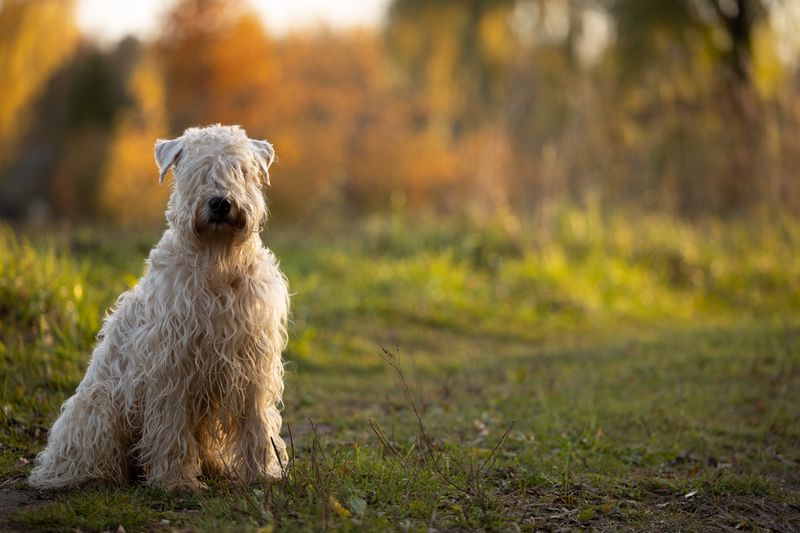
Puppy energy that never quite fades, wrapped in a silky wheaten coat. Wheatens stay bouncy and people-focused for life.
Being single-coated, they favor temperate and warmer conditions over deep freezes, so a sweater helps on frigid January outings.
Heat also has limits, meaning air conditioning beats midday sprints. Thirty to sixty minutes of daily activity works, plus hikes or agility.
Non-shedding fur is a nice household bonus.
14. Miniature Schnauzer
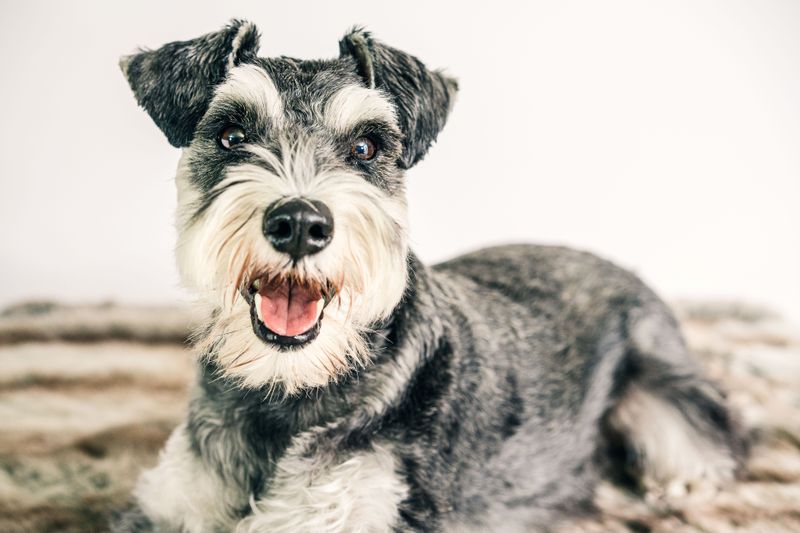
Eyebrows, beard, opinions. The Miniature Schnauzer packs enormous personality into a stocky little frame.
Moderately cold and warm weather both sit fine with them, though extreme heat deserves respect.
About an hour of daily walking, fetch, or nose work satisfies their medium engine, and puzzle toys handle the rest. Low shedding makes grooming simple enough.
Expect some barking, plus a squirrel-chasing streak that never fully retires.
15. Cocker Spaniel
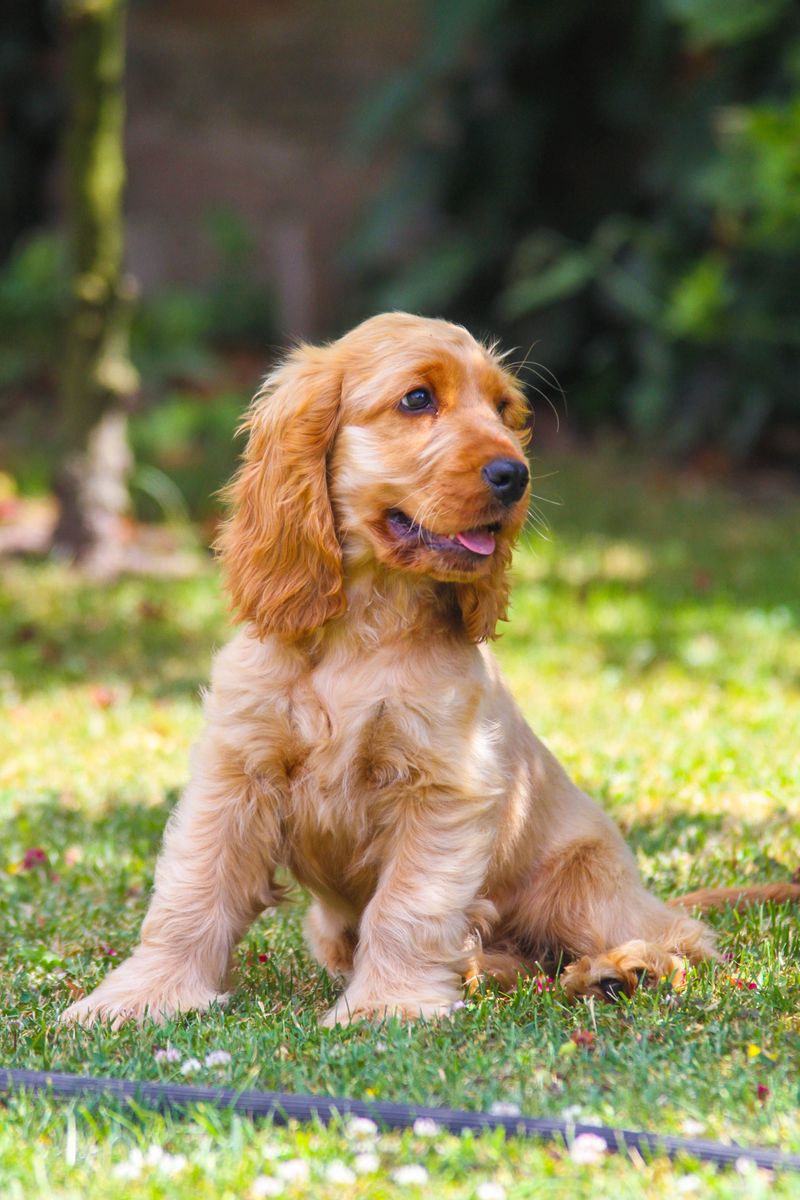
Wind, rain, snow: a Cocker Spaniel meets all three with a wagging, joyful bustle. Hardy and weather-resistant, they tolerate highs and lows reasonably well.
Very hot or frosty days still warrant shorter outings, and they should never linger outdoors in freezing temperatures.
Two daily walks plus swimming, retrieving, or scent games keep them glowing. Heavy shedding comes with the package.
Bring the brush, bring the treats, and enjoy the sunshine energy.