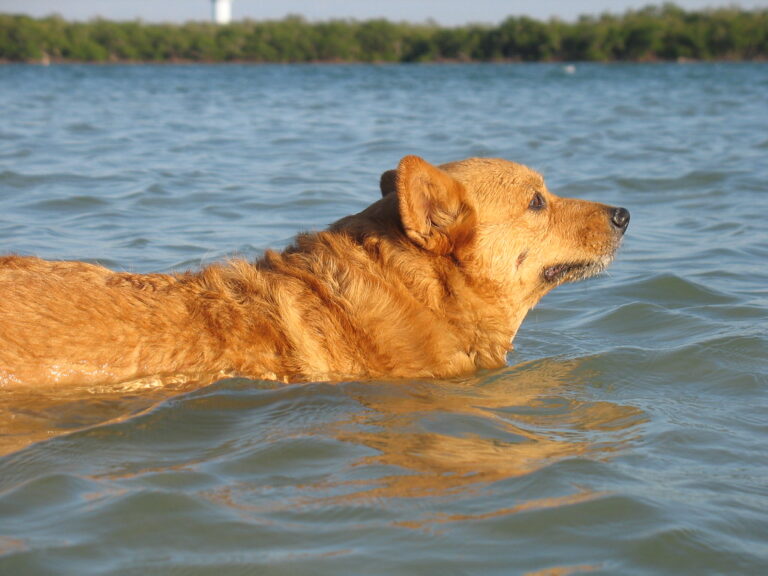
Why Tick Checks Matter After Maryland Woods And Bayside Trails
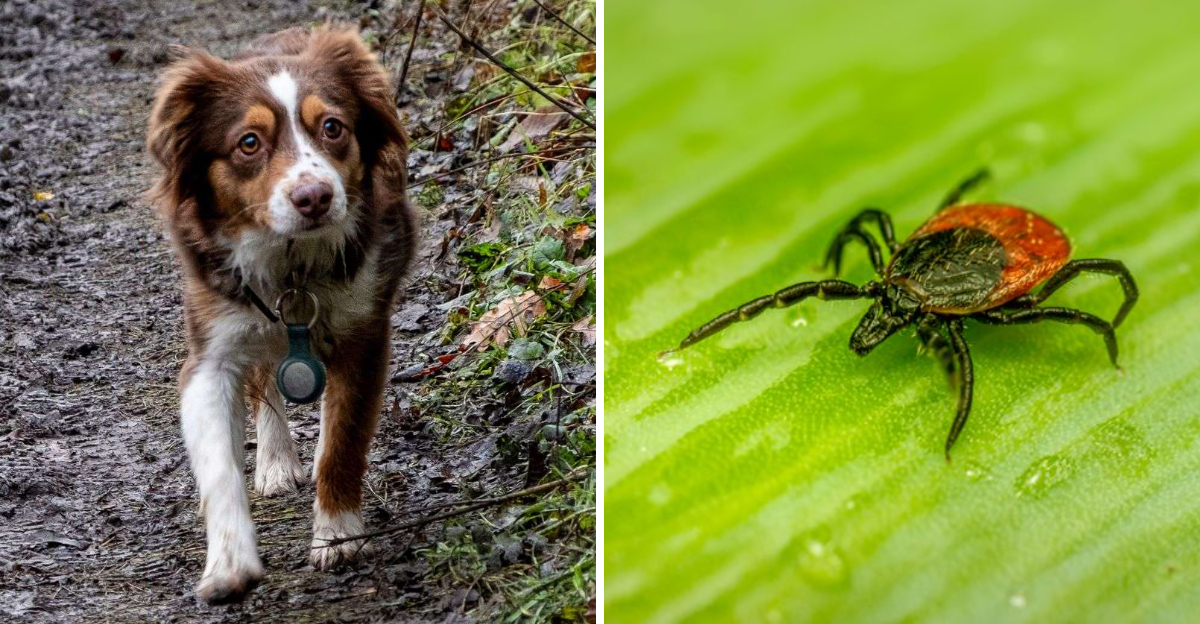
Maryland dog owners know how easy it is to head from woods to shoreline in one happy day.
Those same fun places can also be good tick habitat, so a quick check afterward is a smart habit. The goal is not to worry more, it is to catch problems early and keep your family and pets comfortable.
Here is what local owners should keep in mind after trail time.
Wooded Trails Create Classic Tick Habitat

Fresh leaf litter and brush may look harmless, yet ticks love those edges. Maryland wooded trails give them shade, moisture, and easy access to passing legs.
Staying near the trail center helps lower contact with waiting ticks. Before your group heads home, check socks, shoelaces, cuffs, and your dog’s lower legs for hitchhikers.
Even short detours onto narrow side paths can raise exposure more than many owners expect on warm busy weekend morning walks too.
Bayside Walks Are Not Automatically Safer

A breezy bay walk can feel cleaner than a forest hike. Still, grassy dunes, marsh edges, and brushy paths can hold ticks too.
Water nearby does not cancel risk on land. Give paws, ankles, and waistbands a careful look before everyone piles back into the car.
That simple habit fits beach-town outings well, especially when kids change shoes or dogs shake sand beside the parking area after long summer sunrise walks with friends nearby today.
Lyme Disease Is A Real Maryland Concern
Maryland dog owners hear about Lyme disease often, and for good reason. The state regularly reports many cases, so tick checks are not extra fuss.
After a walk, a quick scan can catch trouble early. If your dog or child seems unwell later, call your veterinarian or doctor.
Early attention also helps people describe symptoms clearly and share where they hiked that day with local medical teams. That context can guide testing and next steps safely.
Humidity Helps Ticks Stay Active

Maryland’s sticky summer air does more than make hikes sweaty. Humid weather helps ticks stay active, especially after rain or on muggy mornings.
That means a pleasant, cloudy trail day still calls for care. Pack a small towel, dry your dog’s coat, and start your tick check before relaxing indoors.
Moist grass around bayside parks and neighborhood paths can support the same quiet risk that appears deeper in the woods on warm spring days too.
A Tick May Be Crawling Before Biting
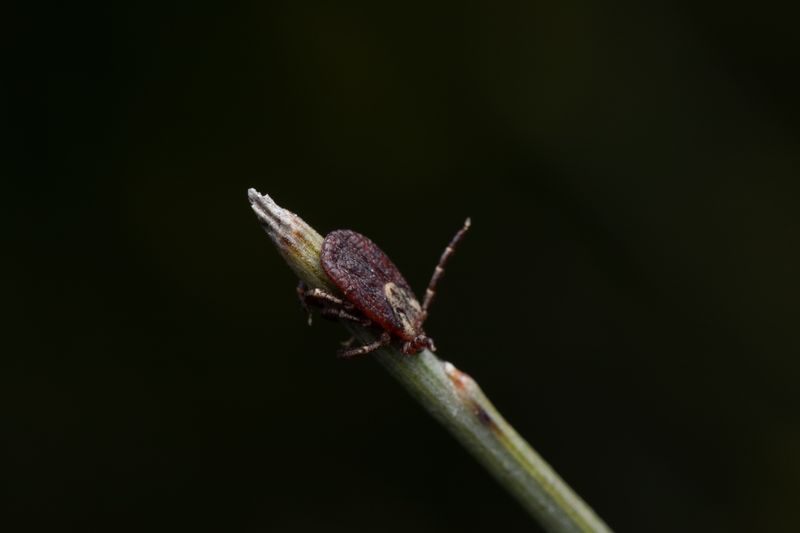
Sometimes the best news is finding a tick before it settles in. Ticks often crawl first, searching for warm, protected skin before biting.
A prompt check after hiking can catch that early stage. Showering soon after the trail may wash off unattached ticks from people, while brushing your dog helps spot movers.
Look before snacks, naps, or couch time, since loose ticks can keep wandering indoors for quite a while after outdoor play ends outside.
Quick Removal Makes A Difference
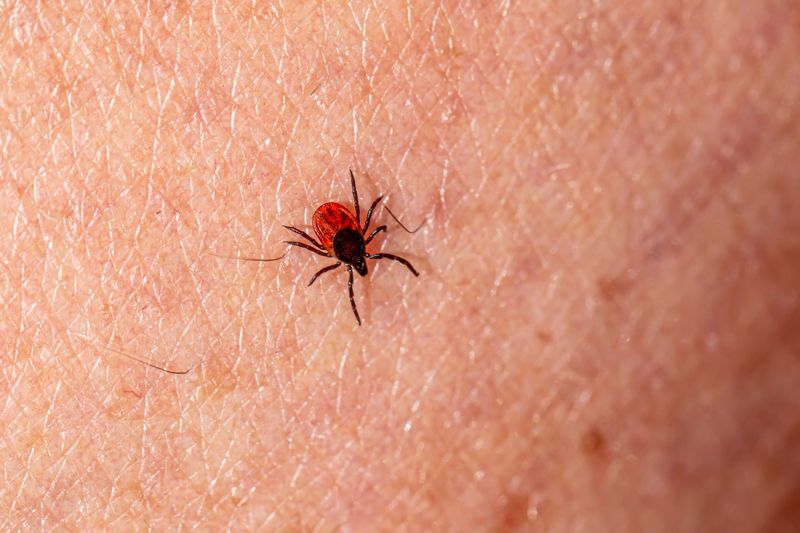
Speed matters here, but calm hands matter too. The sooner an attached tick comes off, the lower the chance of disease spread.
Use fine-tipped tweezers, grasp close to the skin, and pull straight out. If you are unsure how long it fed, ask your veterinarian or doctor what to watch for.
Do not twist, squeeze, or cover it with home remedies, because those methods are not recommended by health guidance for safe tick removal today.
Hidden Spots Need Extra Attention
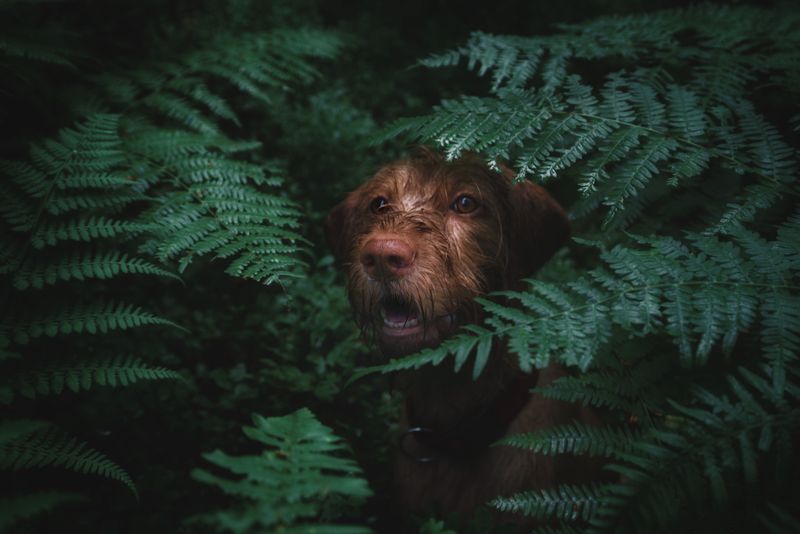
Tiny ticks are sneaky, and favorite hiding spots are easy to miss. They often settle behind ears, under arms, around waistbands, and between toes.
Dogs need the same careful search, plus checks under collars, near eyes, and under tails. Good light helps, and a slow hand scan often finds what eyes miss.
For thick coats, part the fur in small sections, especially after woods or bayside grass walks during humid late afternoon outings near home too.
Children Often Need Help With Tick Checks

Kids race ahead, collect sticks, and rarely notice something tiny on skin. Because nymph ticks can be very small, children often need help with a full check.
Start at the scalp and ears, then move to armpits, waist, knees, and toes. Turning it into a routine keeps the process quick, calm, and cooperative.
A bathroom mirror and bright lamp can help parents catch spots kids simply cannot see alone after busy trail days outdoors together.
Clothing Can Carry Ticks Home
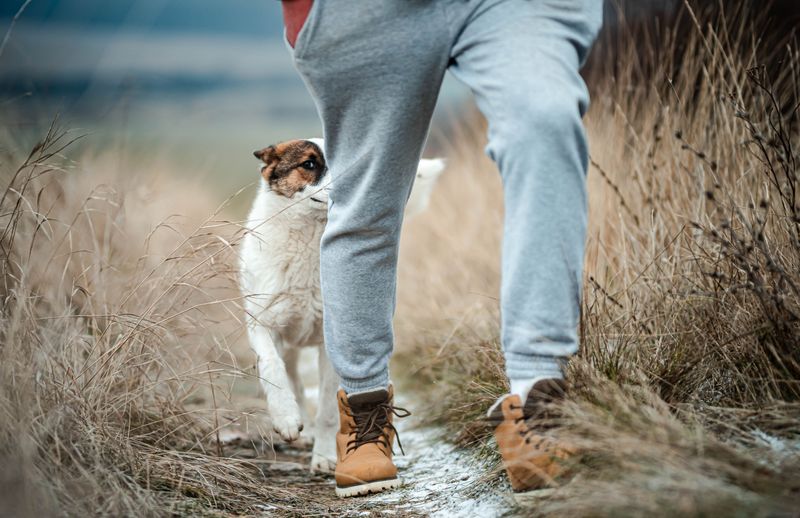
Clothes can bring the trail home long after the walk ends. Ticks cling to socks, cuffs, and shirts when you brush past grass or shrubs.
Light-colored clothing makes them easier to spot before they spread indoors. When you get home, change promptly and place outdoor clothes in a hot dryer before washing.
Permethrin-treated clothing may help reduce ticks, but permethrin belongs on gear and clothes, not on skin unless a product label says otherwise clearly.
Backpacks And Gear Can Bring Ticks Indoors

Backpacks seem innocent, yet they can ferry unwanted passengers indoors. A tick tucked into straps or mesh pockets may climb out later.
Set gear in one check spot near the door after any outing. Shake it out, inspect seams, and dry washable items or clothing on high heat before storing.
Dog leashes, seat covers, and picnic blankets deserve a look too, especially after stops beside tall grass on bay trails and wooded pull-offs nearby today.
Dogs Can Bring Ticks Back From The Trail
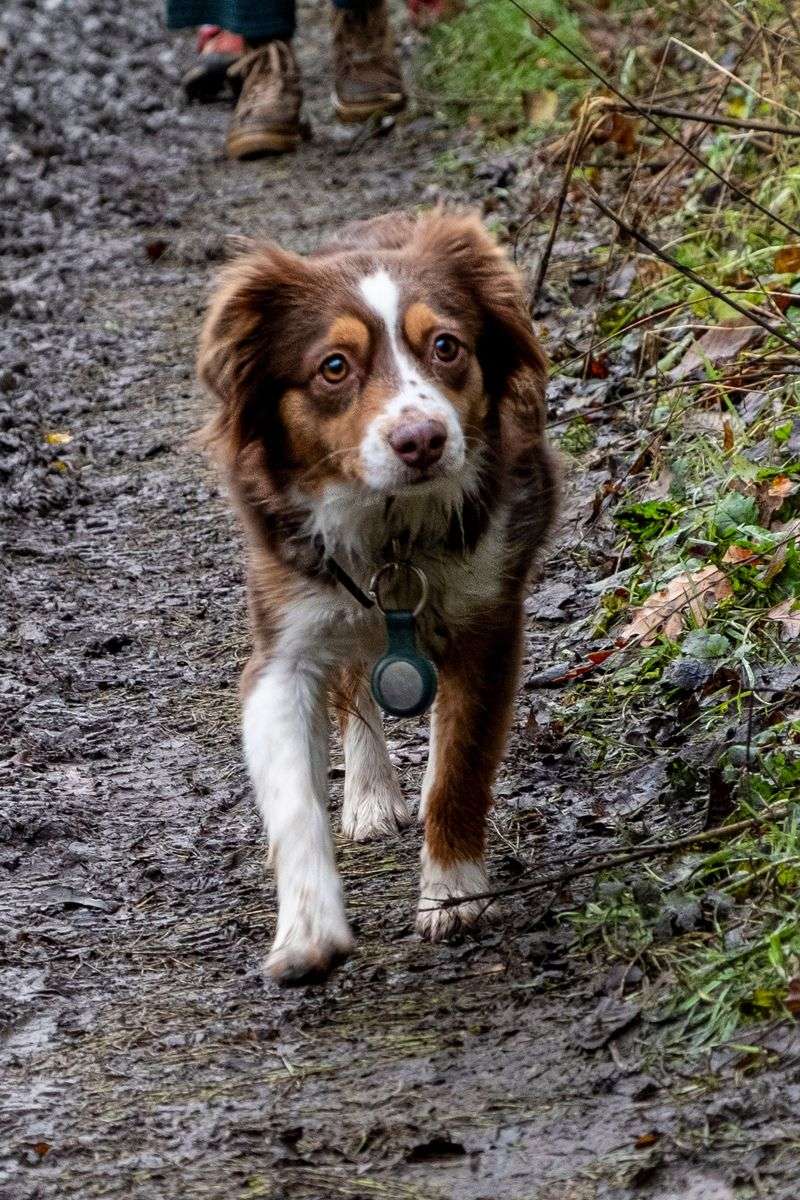
Many dogs treat every trail like a treasure hunt, nose first. That curiosity puts them close to grass, leaves, and brush where ticks wait.
Check ears, collars, necks, armpits, toes, and tails as soon as you return. Ask your veterinarian which preventives fit your dog’s age, size, health, and Maryland lifestyle.
A dog can also drop a loose tick inside, which is another reason your own check still matters after every outdoor adventure with pets.
Maryland Tickborne Illnesses Go Beyond Lyme
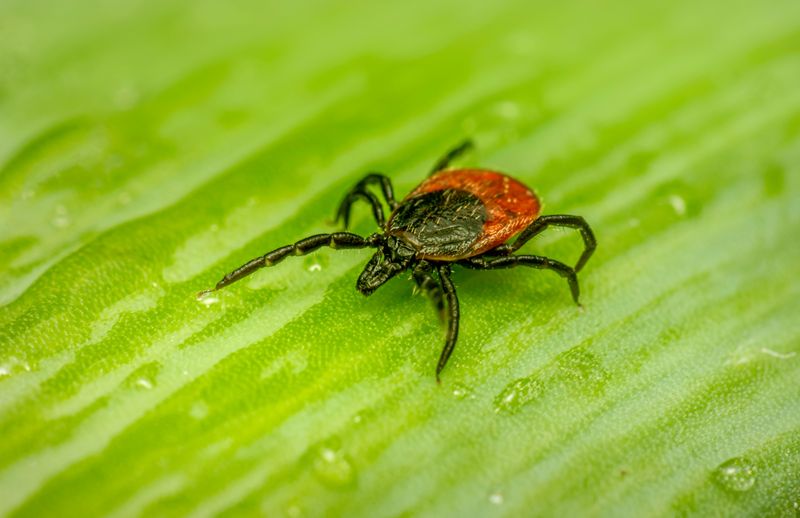
Lyme gets most of the attention, but it is not alone. Maryland also sees ehrlichiosis, anaplasmosis, babesiosis, tularemia, Powassan virus, and Rocky Mountain spotted fever.
That wider list is why routine checks stay worthwhile even when Lyme seems unlikely. If symptoms appear after a tick bite, share the trail location and timing with a medical professional.
Veterinarians need similar details when dogs act tired, sore, or off their food afterward at home or camp later.
Blacklegged Ticks Can Spread Several Diseases
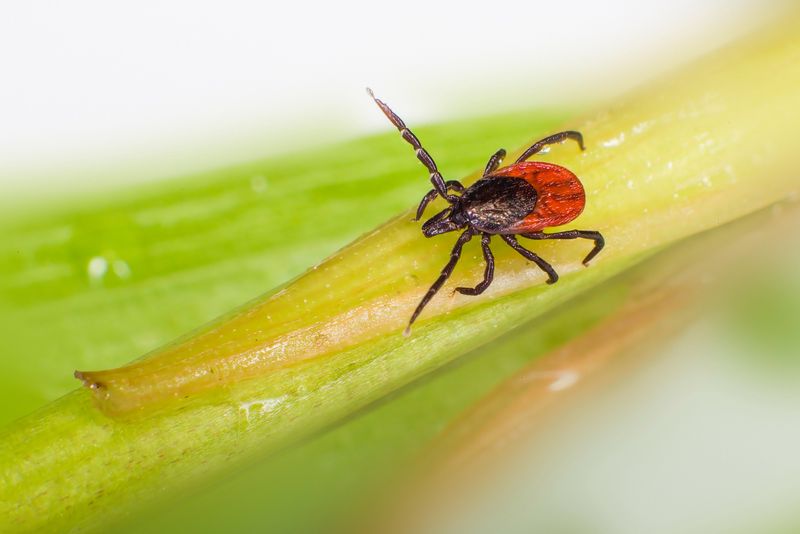
The blacklegged tick is Maryland’s best-known troublemaker, but not for one reason only. Besides Lyme disease, it can spread anaplasmosis, babesiosis, and Powassan virus.
Because this species is established across the state, checks make sense in many counties. If you save a removed tick, label where and when you found it.
That information can help a veterinarian or doctor understand possible exposures after woods, parks, or bayside trails during recent Maryland family outings together outside.
Lone Star Ticks Add Their Own Concerns
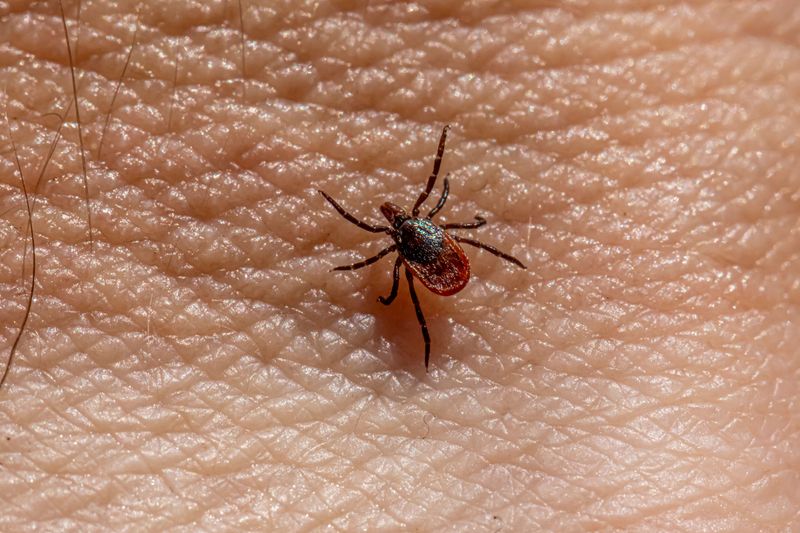
One tiny white spot gives the lone star tick its familiar name. In Maryland, this species adds concerns beyond Lyme, including ehrlichiosis and a Lyme-like rash illness called STARI.
Many people notice lone star ticks because they seem more active and persistent. That is another reason to check fast, especially after grassy, sunny, or shrubby routes.
Dogs brushing field edges can meet them too, so pet checks belong in the plan every single time outdoors.
Alpha-Gal Syndrome Is Worth Knowing About
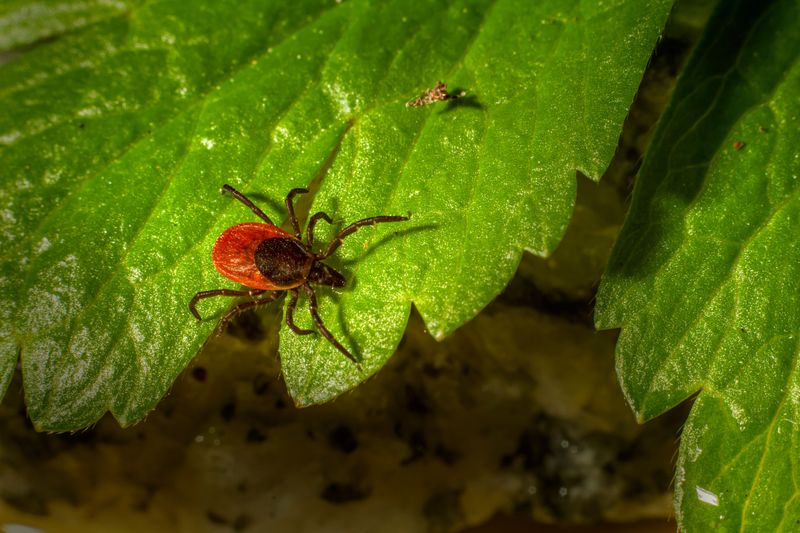
Few owners expect a tick bite to affect dinner later on. Yet lone star tick bites have been linked to alpha-gal syndrome, a delayed allergy tied to red meat and some mammal products.
Maryland is considered a hotspot, so the topic deserves calm awareness. If unusual allergy symptoms follow meals after bites, speak with a doctor for guidance.
Fast tick checks cannot prevent every case, but they can reduce the time a tick stays attached.
American Dog Ticks Can Transmit Rocky Mountain Spotted Fever
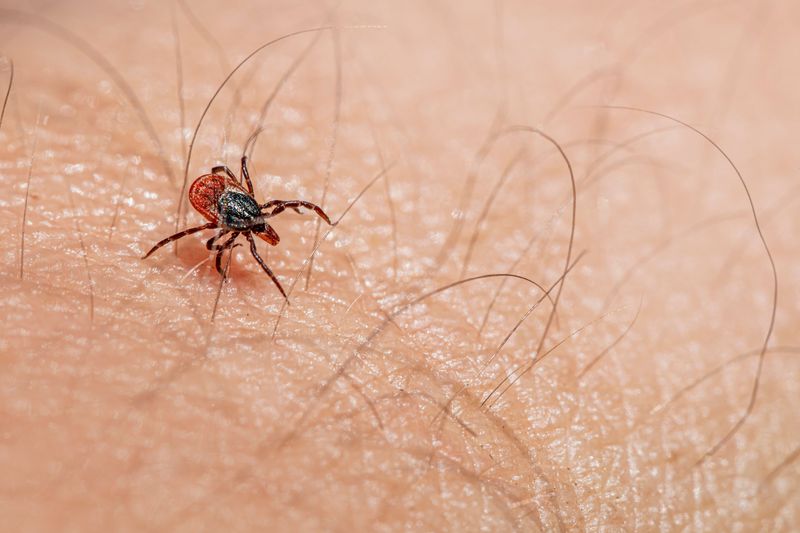
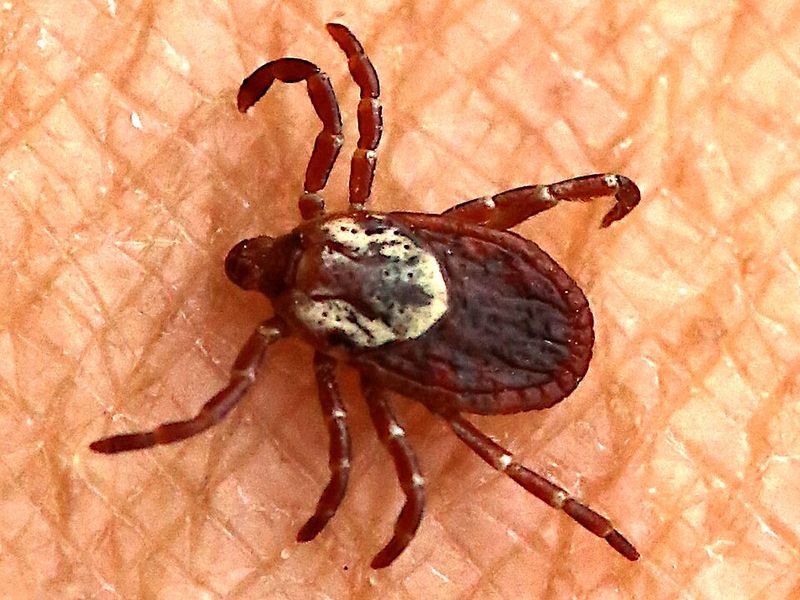
The American dog tick sounds familiar, but it should not be ignored. In Maryland and the eastern United States, it is a main carrier of Rocky Mountain spotted fever.
Early removal and prompt medical advice matter if illness follows a bite. This species can also transmit tularemia, which is another reason checks stay practical, not fussy.
Pet owners may spot it on dogs first, so compare your dog check with your own each trip home.
Tick Season Lasts Through Much Of Hiking Year
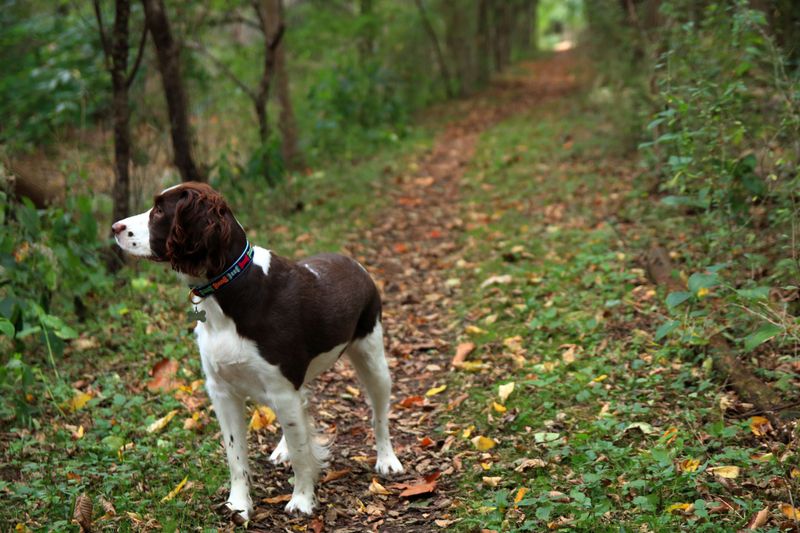
Tick season in Maryland stretches across much of hiking life. Activity often runs from early spring through late fall, with some mild winter days still active.
Nymphs peak in late spring and summer, while adult blacklegged ticks can remain active later. Keeping checks on your routine works better than guessing which month feels safe.
That steady habit helps families, weekend hikers, and dog walkers across trails, parks, shorelines, and backyards throughout the warmer months ahead.
The Best Routine Pairs Checks With Showering And Laundry
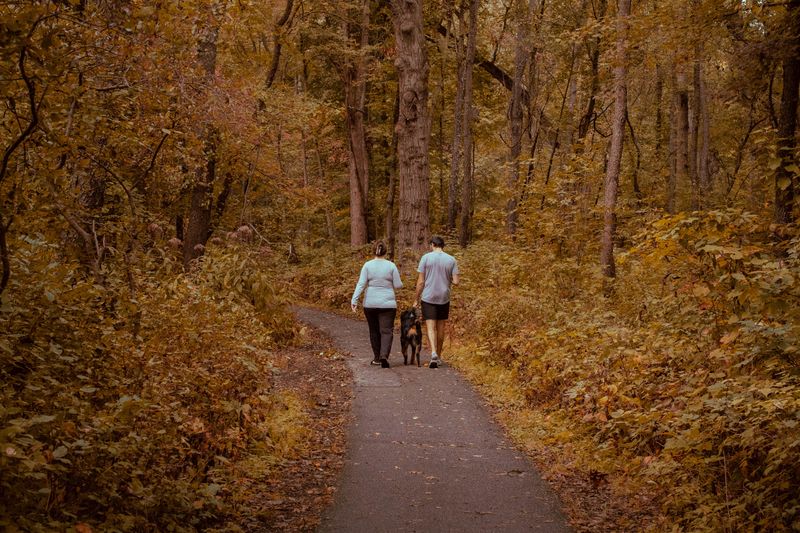
The smartest routine starts before anyone sinks into the couch. Shower within two hours, do a full body check, and send trail clothes to a hot dryer.
Pair that with a dog check and a quick gear scan for best results. Small habits after Maryland woods and bayside trails build calm, confidence, and safer adventures all year.
Once it becomes automatic, the whole family spends less time worrying and more time enjoying outdoors together confidently.