15 Georgia Dog Laws Many Owners Don’t Know About
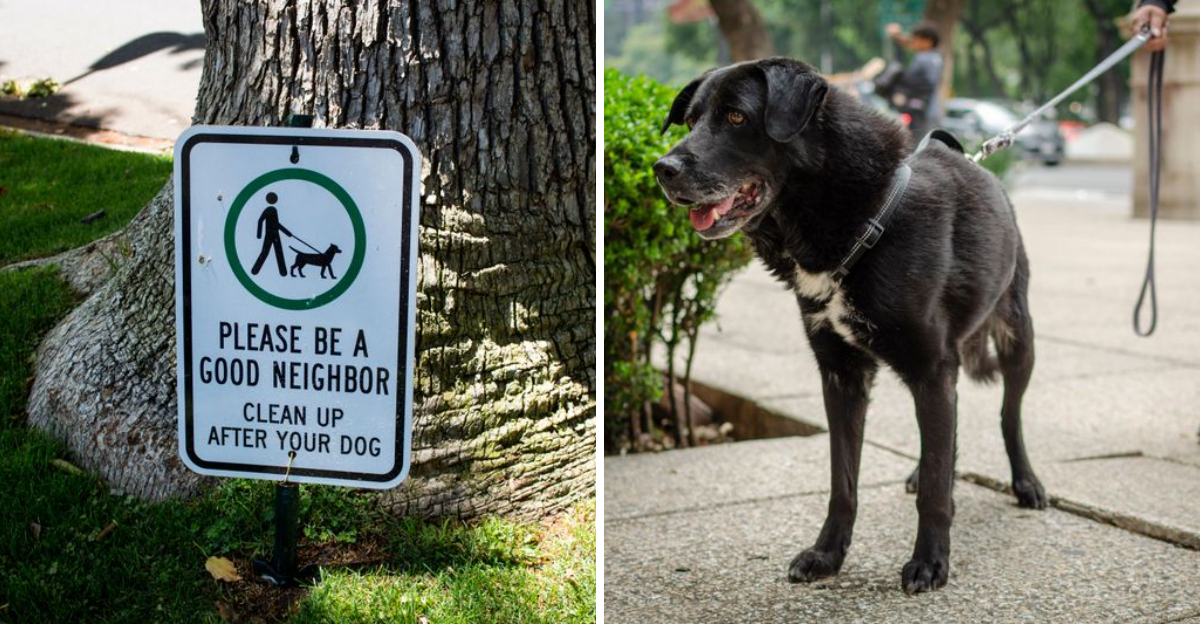
Living in Georgia with a dog is mostly easy going, but the rules behind the scenes surprise plenty of owners. Some come from state law, while others are written by your city or county.
Knowing the difference saves you fines, stress, and awkward conversations with animal control. Think of this as a friendly walkthrough from someone who has read the fine print so you do not have to.
Confirm details locally, since ordinances differ across Georgia.
1. Leash Rules Are Set Locally, Not Statewide
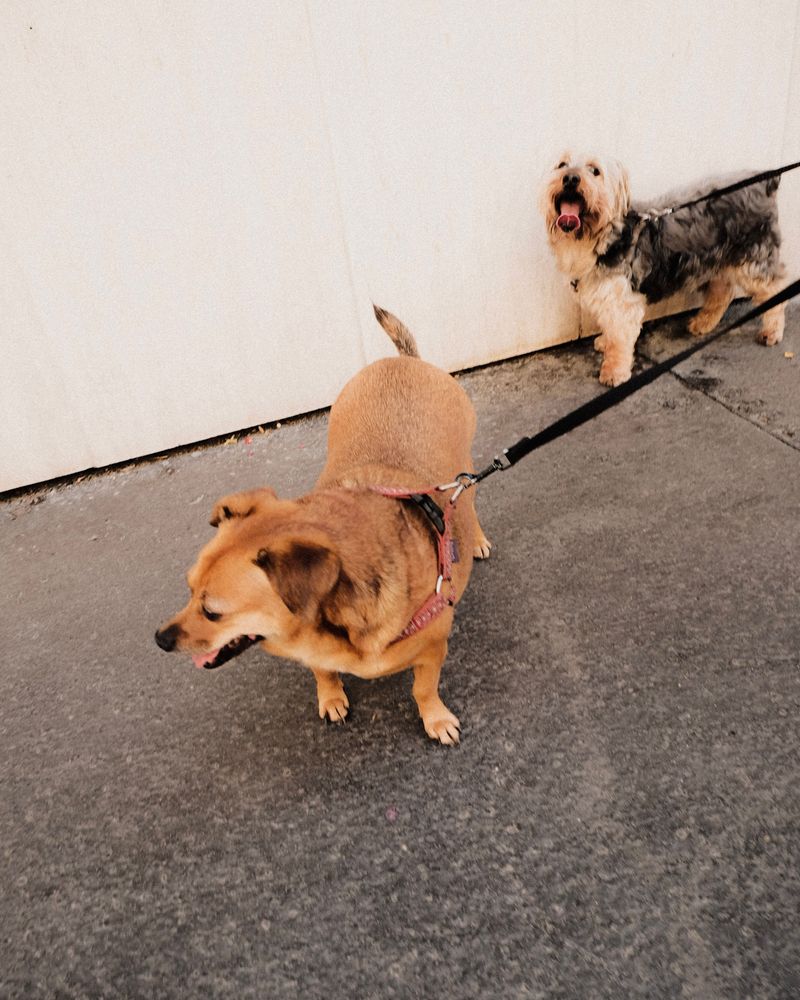
Here is the part that trips people up: Georgia has no single statewide leash law. Cities and counties write their own restraint rules instead.
What is fine in one town may bring a citation two exits down the highway. Before you unclip that leash, check your local ordinance online or call animal control.
Fines follow violations, especially if a loose dog causes an incident. A quick phone call keeps your walks worry free.
2. Rabies Shots Are Required for Every Dog
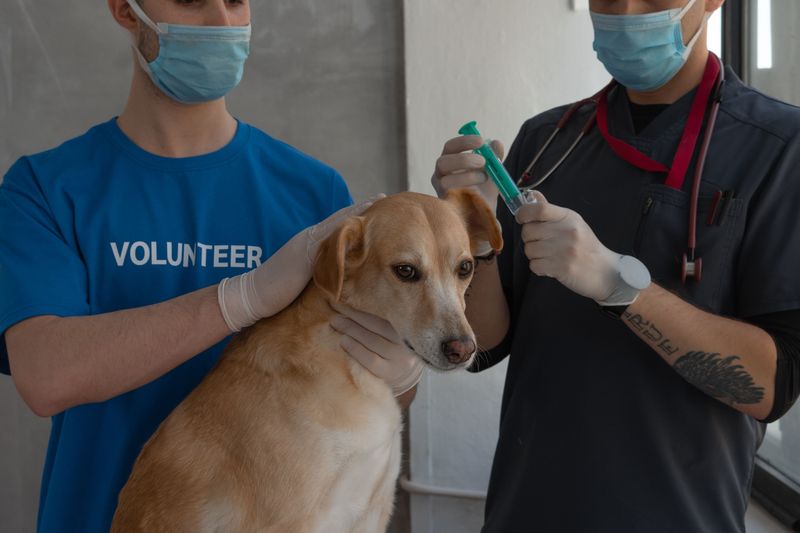
Georgia’s Rabies Control Law, O.C.G.A. 31-19, applies to all dogs twelve weeks and older. A licensed veterinarian must give the shot using an approved vaccine.
No exemptions exist, so this one is not optional. Puppies usually get their first dose near sixteen weeks, valid for one year.
Adult boosters can last up to three years, depending on the vaccine used. Keep the certificate somewhere easy to find.
3. That Little Tag Belongs on the Collar
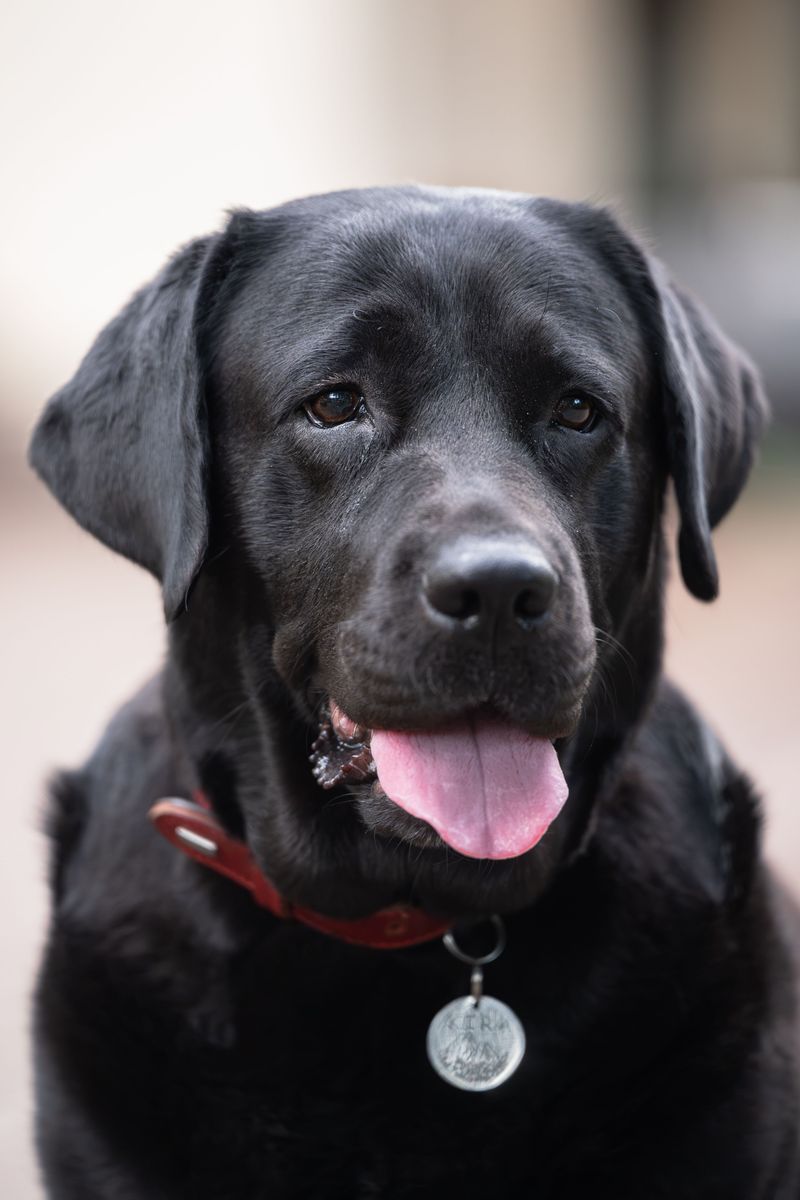
Tags are more than jingly decoration. Georgia generally requires dogs to wear a rabies tag whenever they leave the owner’s property.
The tag proves vaccination quickly and often links back to your name and address. If your dog wanders, that small piece of metal speeds up the reunion.
Some counties add their own display rules, so check yours. Pair the rabies tag with an ID tag for extra peace of mind.
4. Classified Dogs Must Be Registered
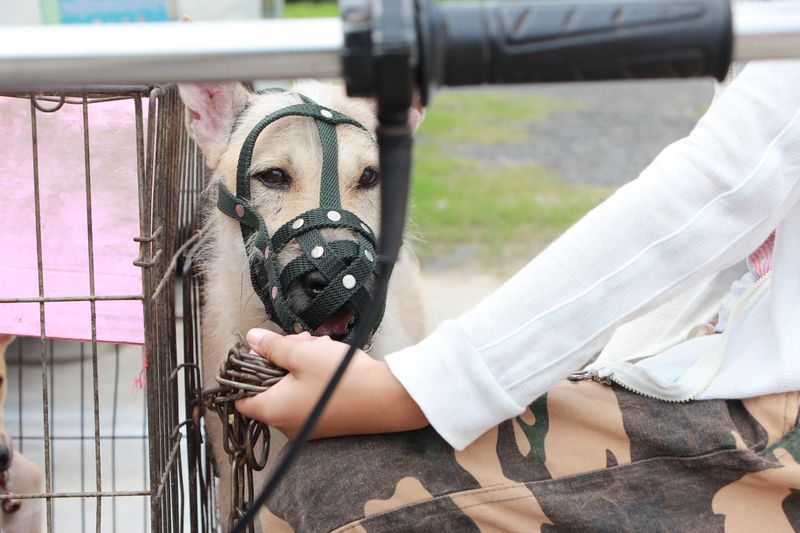
Under the Responsible Dog Ownership Act, O.C.G.A. 4-8-21, certain dogs get labeled dangerous or vicious based on behavior.
Owners of classified dogs must register the animal with the state. A certificate of registration is issued once requirements are met, and it renews each year.
Only someone eighteen or older may hold that certificate. Registration sounds intimidating, but it is mostly paperwork, fees, and following clear conditions your animal control office explains.
5. Confinement Standards for Dangerous Dogs
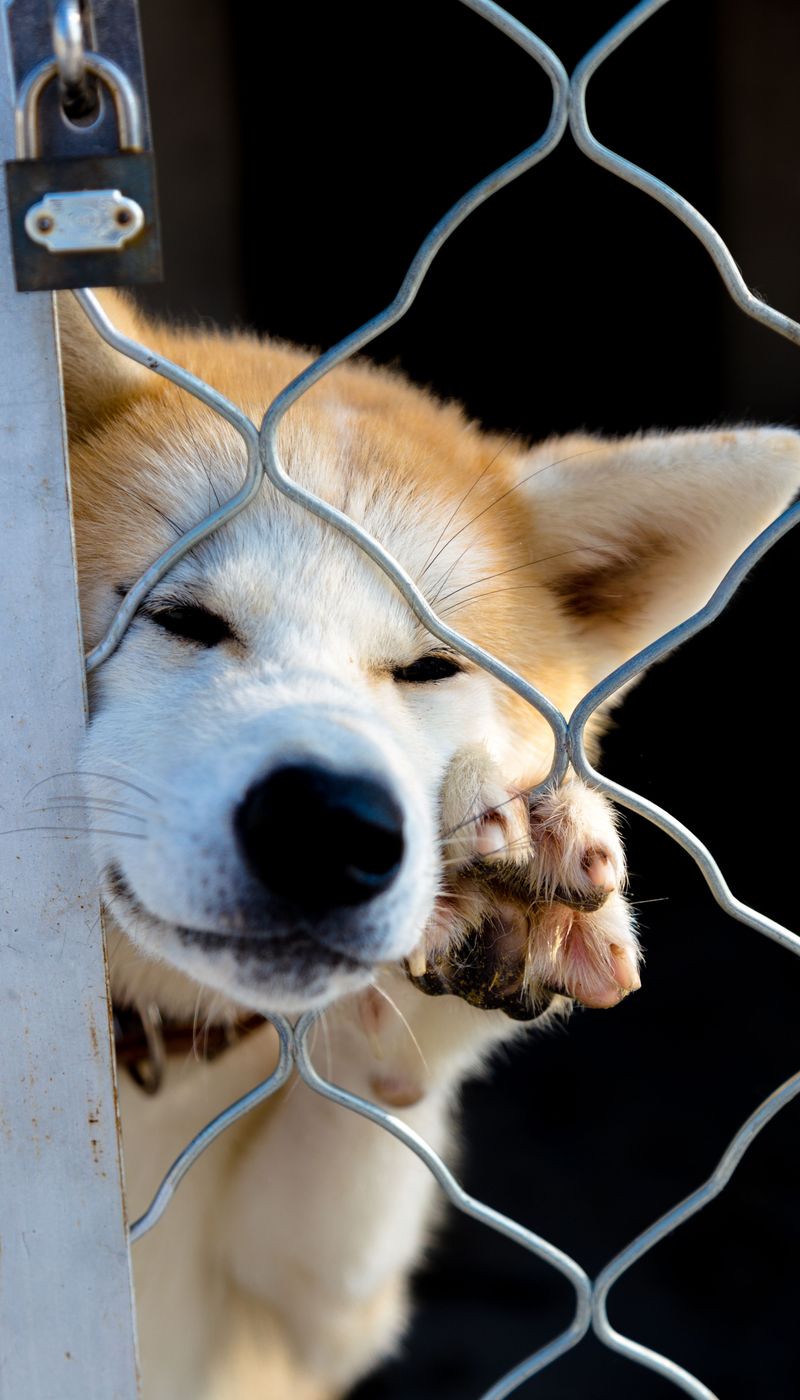
Once a dog carries the dangerous label, casual backyard containment no longer counts. State rules call for secure confinement on the property.
That means a locked enclosure, a securely fenced yard, indoors, or a sturdy crate. The setup must realistically hold a dog of that size and strength.
Inspectors may verify it, so build for reliability rather than appearance. Solid latches and regular checks make compliance simple and keep neighbors comfortable.
6. Six Foot Leash Rule Off the Property
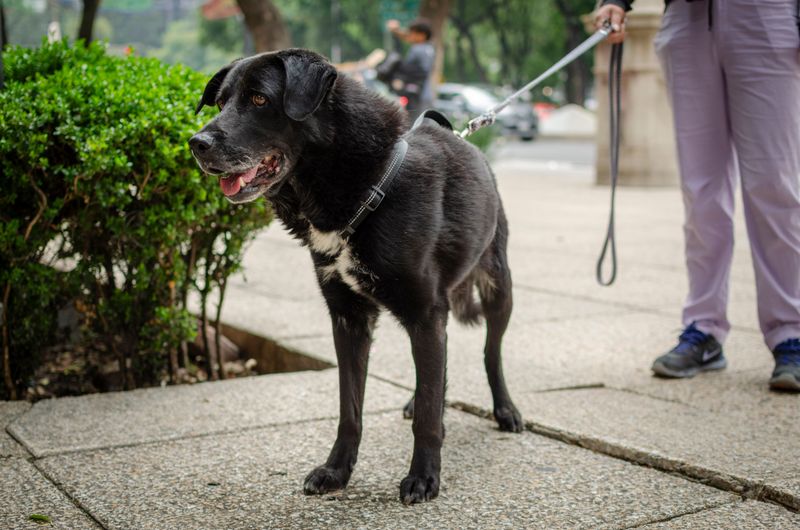
Walks look different for a dog classified as dangerous. Georgia law makes it unlawful for such a dog to be unrestrained off the owner’s property.
The leash must be six feet or shorter, held by an adult able to control the dog around people and animals.
Transport inside a closed, locked crate is another accepted option. Approved working roles like hunting, herding, or predator control are also recognized exceptions.
7. Vicious Classification Raises the Bar
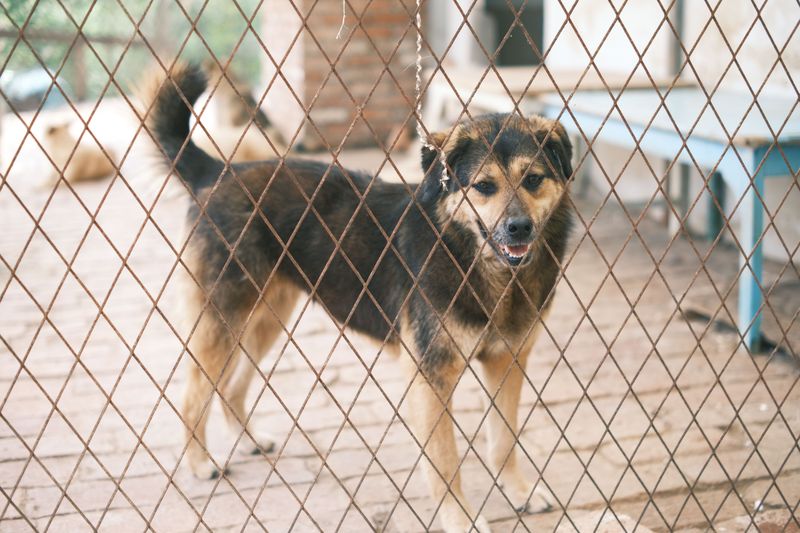
Stricter standards apply when a dog is classified as vicious. The enclosure must be built specifically to prevent escape while the dog is home.
Think locked pen, reinforced fence, or similar sturdy structure. Off the property, a muzzle plus a leash of six feet or less is required.
An adult must maintain immediate physical control, or the dog travels in a locked crate. Precise wording matters, so review the statute carefully.
8. Liability Insurance May Be Part of the Deal

Money enters the picture with vicious classifications. Owners must carry at least fifty thousand dollars in liability insurance from a Georgia authorized insurer.
Coverage applies to bodily injury or property damage connected to the dog. Some counties, including Gwinnett, set higher amounts for both dangerous and vicious dogs.
Call your agent early, since not every policy covers classified animals. Written proof is usually required when you register or renew.
9. Warning Signs Belong at Every Entrance
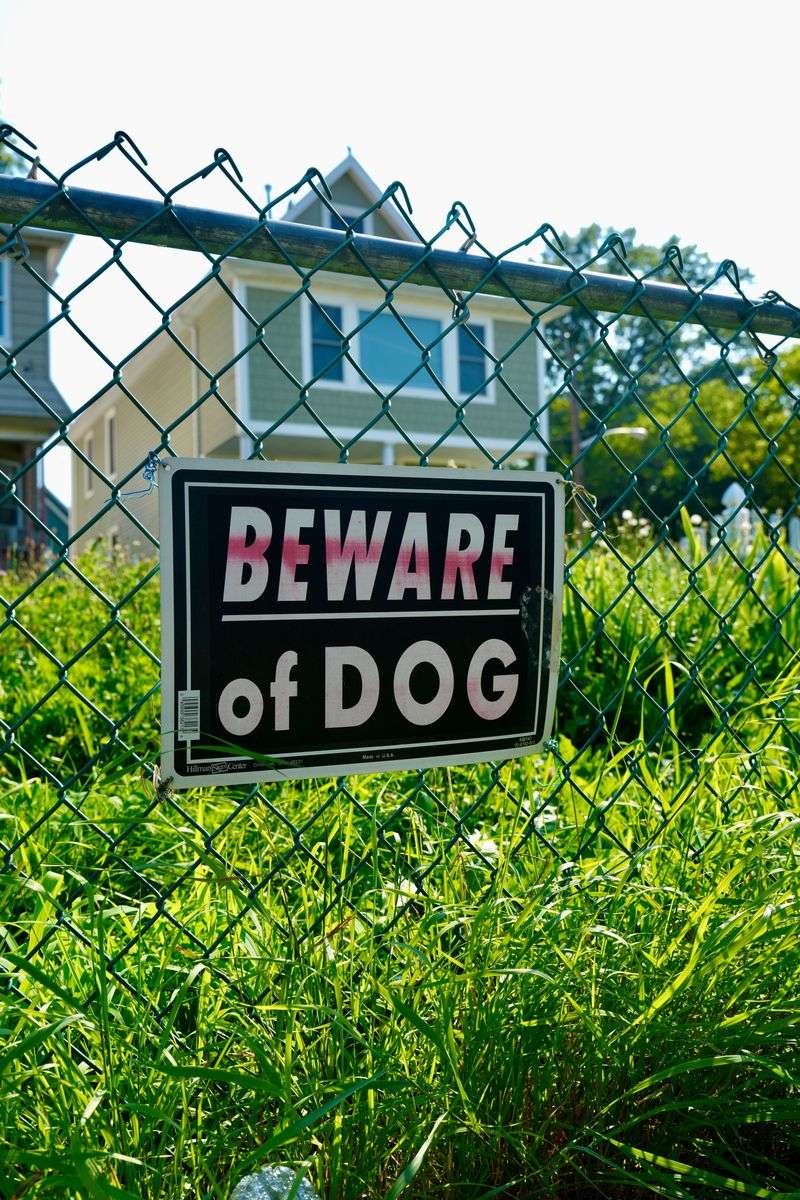
Signage is a legal step, not a decoration choice. Georgia requires clearly visible warning signs at all entrances where a classified dog lives.
The purpose is simple: give delivery drivers, meter readers, and visitors a heads up before they walk in.
Place signs where they cannot be missed, and replace faded ones promptly. Your local animal control office can describe accepted wording, size, and placement for your specific property.
10. Knowing Your Dog’s History Creates Responsibility
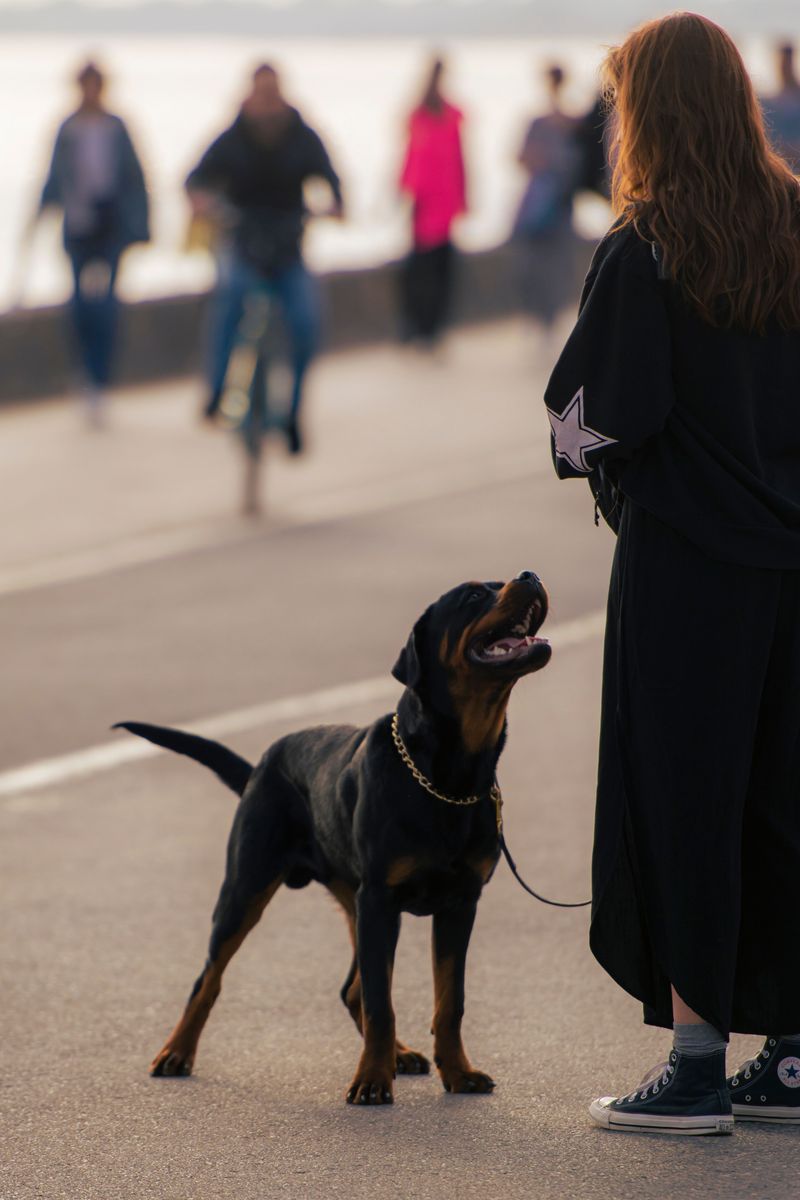
Georgia courts look closely at what an owner knew. If you knew, or should have known, your dog had dangerous tendencies, liability can follow.
A previous bite is not always necessary. Documented growling, lunging, or aggressive incidents may be enough evidence on their own.
Ignoring a local leash ordinance can also count as negligence. Training records and consistent management help show you took the situation seriously.
11. Unsafe Conditions Can Trigger Cruelty Charges
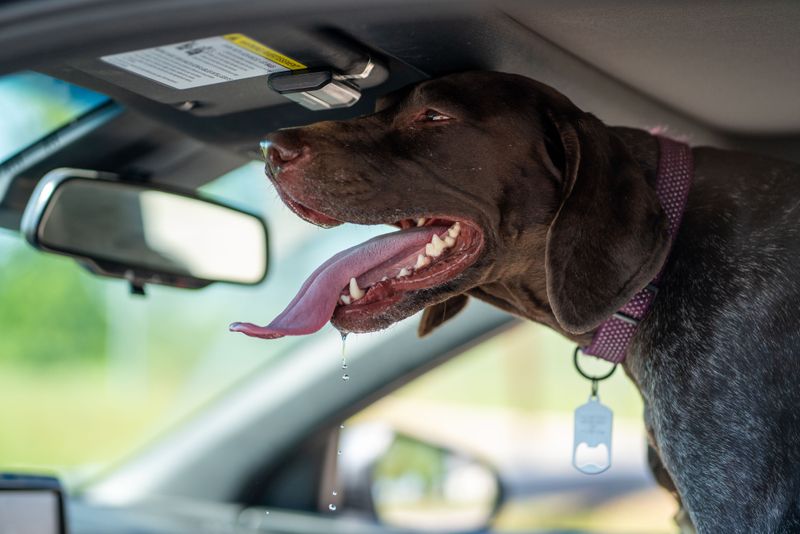
No separate statute covers unattended dogs, but the general cruelty law, O.C.G.A. 16-12-4, still applies.
Leaving a dog inside a hot vehicle without proper ventilation can qualify as cruelty when the animal suffers. Georgia summers heat cars fast, even with windows cracked.
Serious outcomes can raise charges to felony level. The safest habit is easy: run errands solo and bring your dog along for shaded walks instead.
12. Proper Care and Shelter Are Legally Required
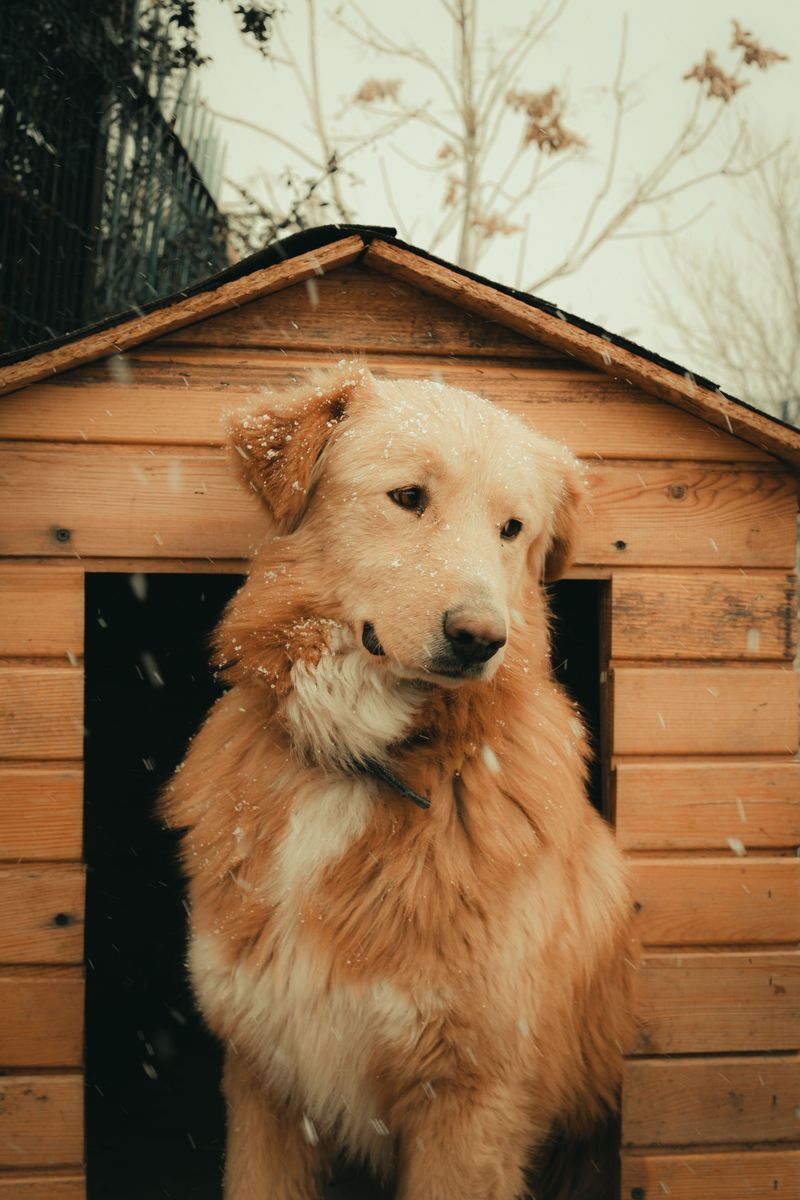
Georgia’s cruelty statute spells out basics: adequate food, water, sanitary conditions, and ventilation.
Intentionally failing to provide what a reasonable person would consider necessary is a crime. Outdoor dogs need dry, wind resistant shelter and unfrozen water during cold snaps.
Charges range from misdemeanor to felony depending on severity. Most owners meet these standards already, though a quick seasonal check of bedding, bowls, and shade is always worthwhile.
13. Service Dog Protections Come With Honesty Rules
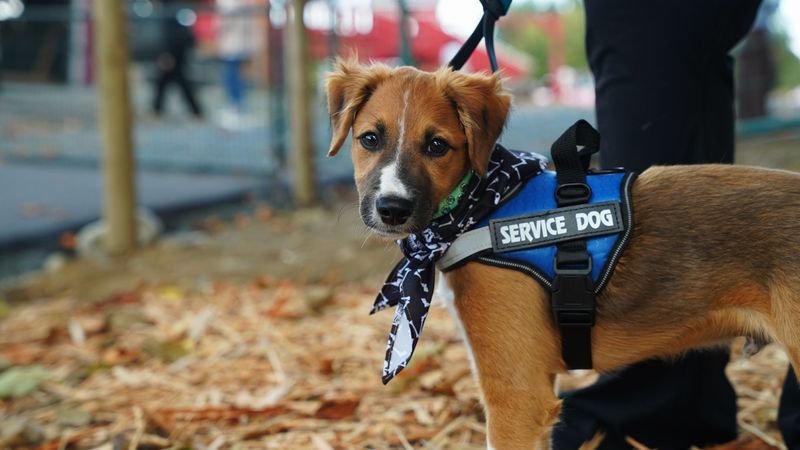
Service dogs receive real legal protections in Georgia, and misuse carries consequences. The Mara Jade Act, HB 668, addresses people who falsely present pets as service animals.
Criminal penalties apply to false claims made to gain access or accommodations. State law also clarifies that emotional support and comfort animals do not qualify as service dogs.
Genuine handlers benefit most when everyone plays straight, since fewer businesses question legitimate teams.
14. Atlanta Parks Have Their Own Playbook

Atlanta ordinances keep dogs leashed in public parks unless they are inside marked off leash areas.
Even in those zones, owners stay responsible for behavior, keeping dogs in sight and responsive to voice commands.
Dogs are barred from swimming pools, tennis courts, golf courses, lakes, and the zoo. Certain park festivals also exclude pets, so check event details before loading up the car for a downtown outing.
15. Scooping Up Is the Law, Not Just Manners
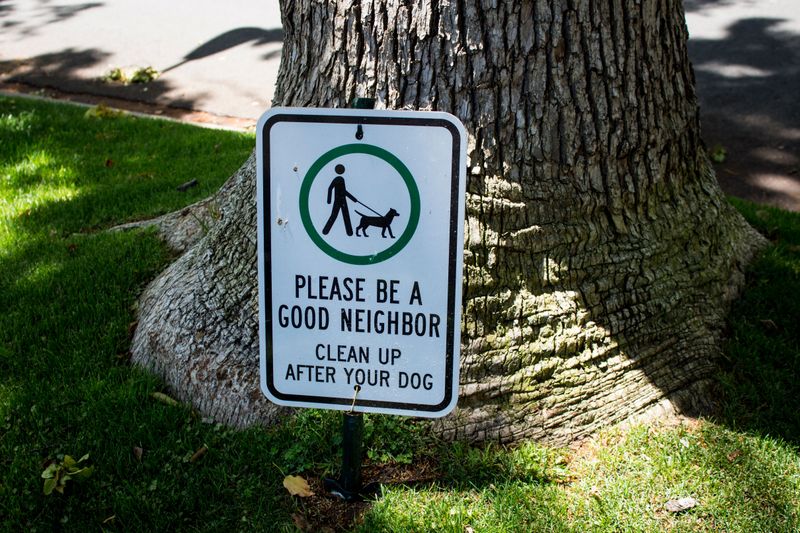
Bring bags, always. Cleanup requirements appear in ordinances across Georgia, including Atlanta, and fines follow when owners walk away.
Beyond the rule itself, waste left behind spreads parasites and keeps shared lawns unpleasant for everyone.
Clip a bag dispenser to the leash so you never rely on park supplies running out. Local governments can add more rules too, so glance at posted park signs when you arrive.