15 Harvest-Season Hazards For Dogs On Rural Illinois Roads And Field Edges
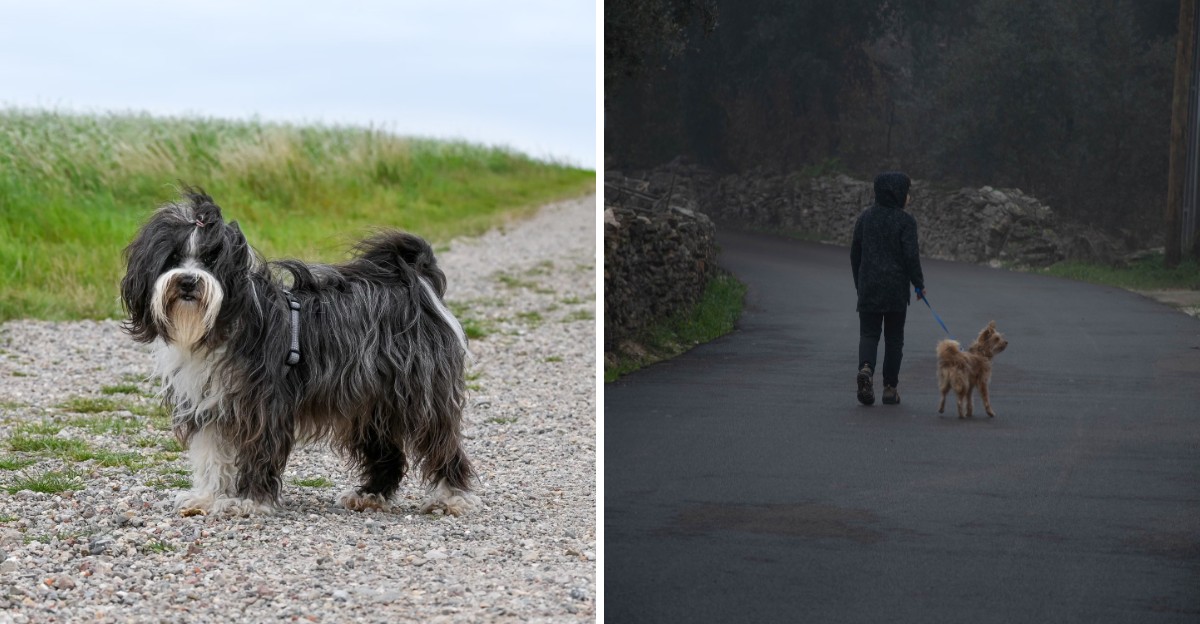
Fall walks along Illinois farm roads bring crisp air, golden fields, and plenty of interesting smells for your dog. Harvest also brings changing traffic, busy field entrances, and ground conditions that deserve a closer look.
You can still enjoy the season with a few smart route choices and a little extra attention. Knowing what to watch for helps you give working farms room while keeping your walking partner comfortable and secure.
1. Farm Machinery Entering Rural Illinois Roads
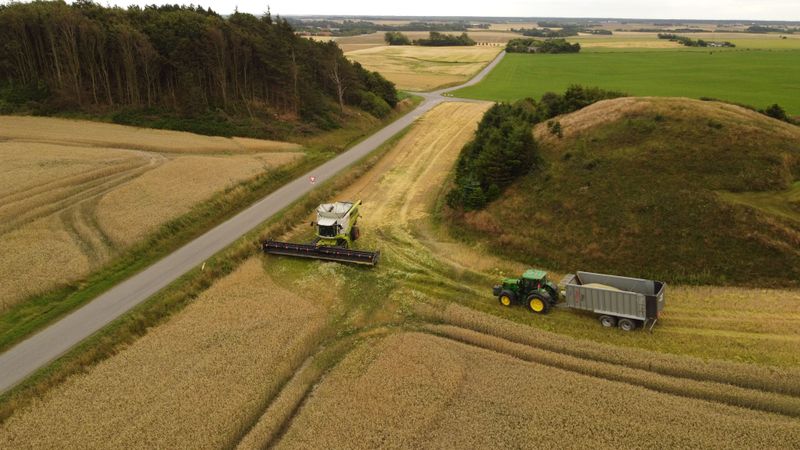
A quiet lane can become busy when a combine leaves the field. Large machines need room, and operators may not see a dog beside tall roadside plants.
Pause well away from entrances when equipment approaches. Keep your dog on a short, fixed leash without pulling it tight.
Never assume an operator has noticed you. Choose another route when machinery fills the road, and avoid squeezing past equipment along narrow shoulders, even if your dog seems calm.
2. Grain Trucks Making Wide Turns
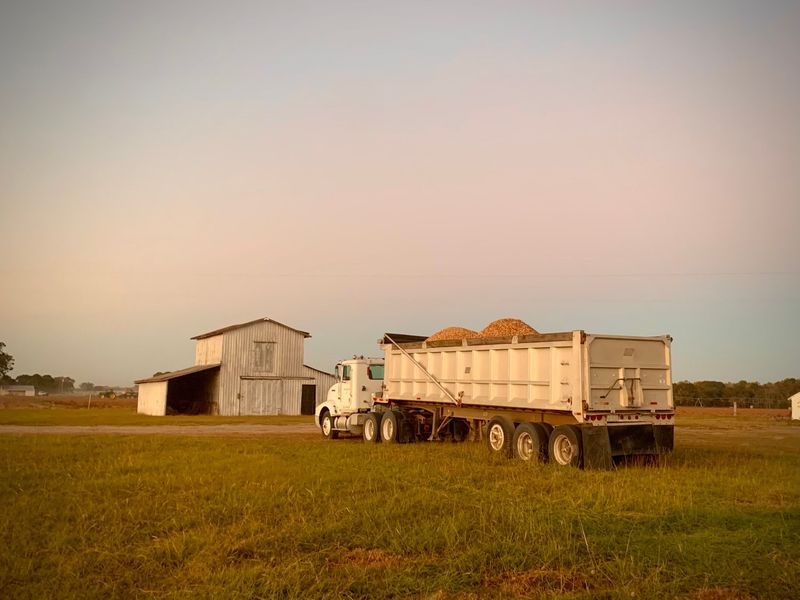
That extra space beside a turning truck is not a safe shortcut. A trailer can track closer to the corner than the truck’s front wheels.
Wait far back from intersections and farm driveways. Keep your dog beside you, away from the turning path.
Avoid standing between a truck and a ditch, fence, or gate. Let the entire vehicle finish turning before moving, and remember that another truck may follow during a busy harvest afternoon in Illinois.
3. Loose Gravel Along Road Shoulders
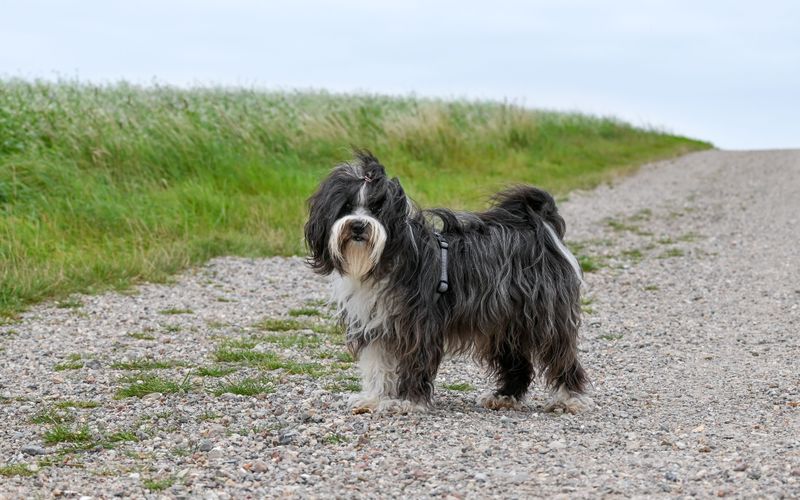
Small stones can turn an ordinary shoulder into slippery footing. Dogs may stumble, slide toward traffic, or collect sharp gravel between their pads.
Walk slowly where fresh stone has been spread. Choose firm, level ground when available, without stepping into the travel lane.
Check paws if your dog starts limping or licking a foot. Remove only loose surface grit gently, and contact your veterinarian for embedded material, bleeding, or discomfort that continues after the walk ends.
4. Deep Tire Ruts Near Field Entrances
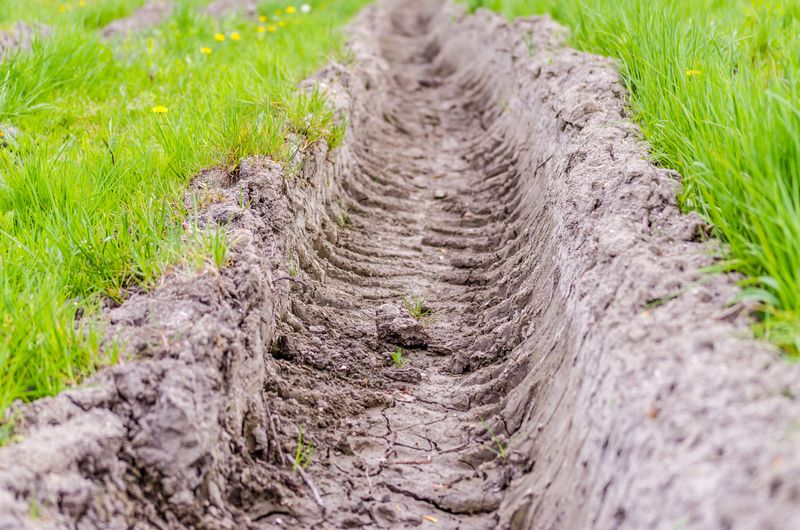
Yesterday’s smooth entrance may look very different after loaded wagons pass. Deep grooves can catch paws, twist ankles, and hide puddles with uncertain bottoms.
Scan the ground before approaching a field access point. Guide your dog around ruts using stable ground, while staying clear of traffic.
Skip muddy entrances rather than testing their depth. A shorter walk on familiar footing beats an awkward crossing, especially for puppies, older dogs, and dogs recovering from recent joint problems.
5. Crop Residue Hiding Sharp Debris
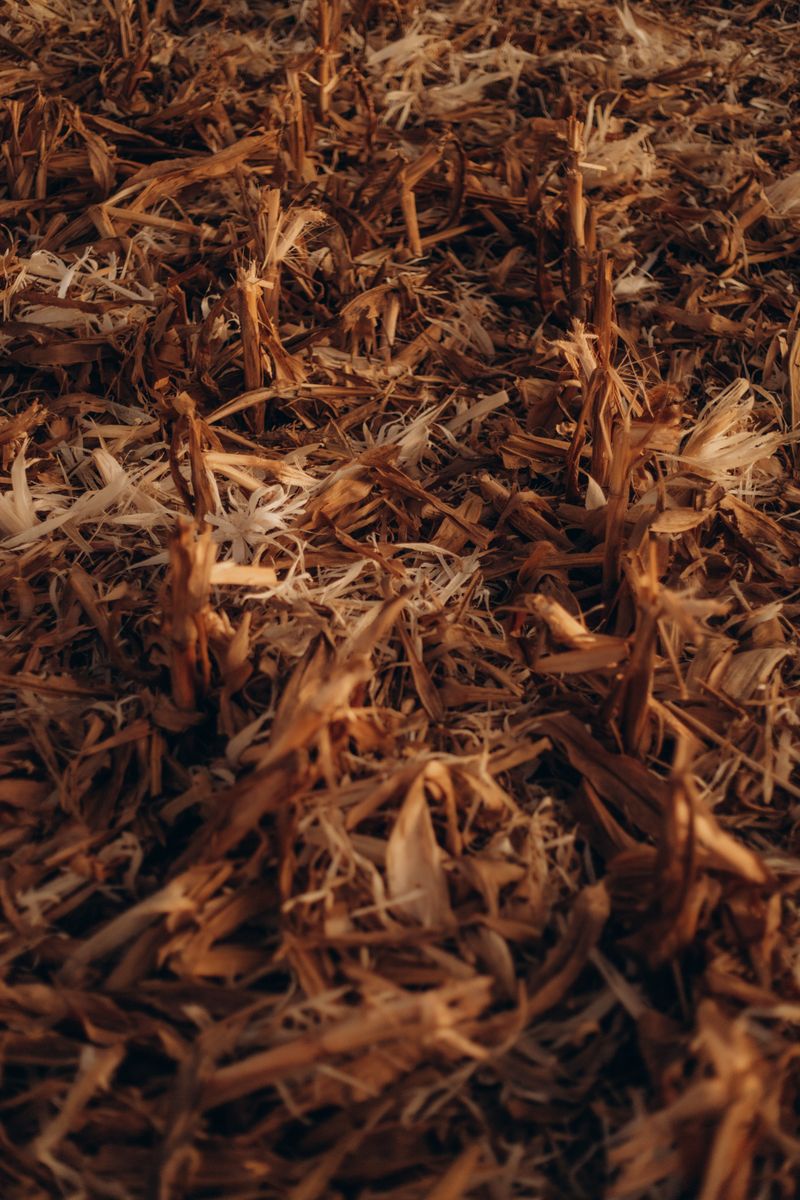
Corn husks make an inviting sniffing spot, but they can cover trouble. Broken stalks, metal scraps, and discarded materials may be difficult to spot.
Keep your dog out of thick residue piles along field edges. Stay on a clear route where you can see each step.
After walking, inspect pads and spaces between toes. Do not pull out deeply lodged objects yourself.
Prevent licking and ask your veterinarian how to handle any puncture or persistent tenderness.
6. Pesticide And Herbicide Residues Near Fields
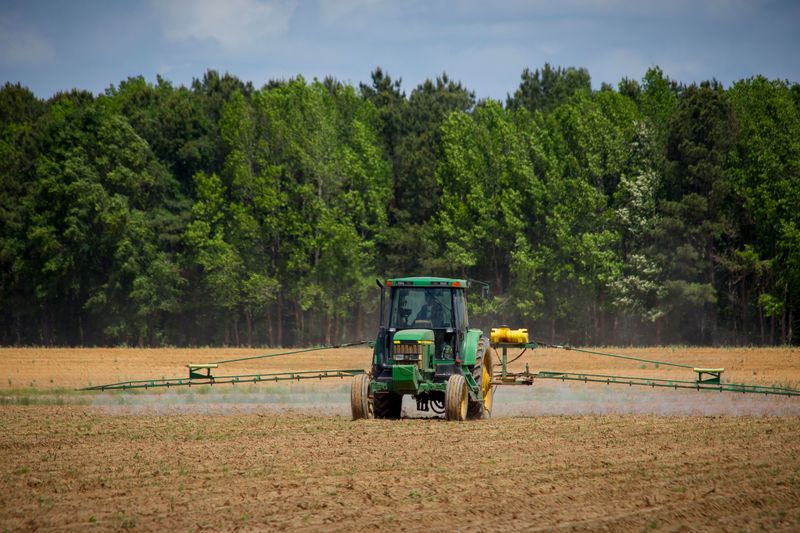
A field can look ready for walking without being appropriate for pets. Chemical risks depend on the product, application timing, and contact involved.
Respect posted notices and avoid recently treated ground or active spraying. Ask the landowner about applications before entering with permission.
Keep dogs from licking plants or drinking runoff. If exposure is possible, prevent grooming and call your veterinarian promptly.
Share the product label when available, and follow specific cleaning advice rather than guessing.
7. Fertilizer Spills Along Farm Routes
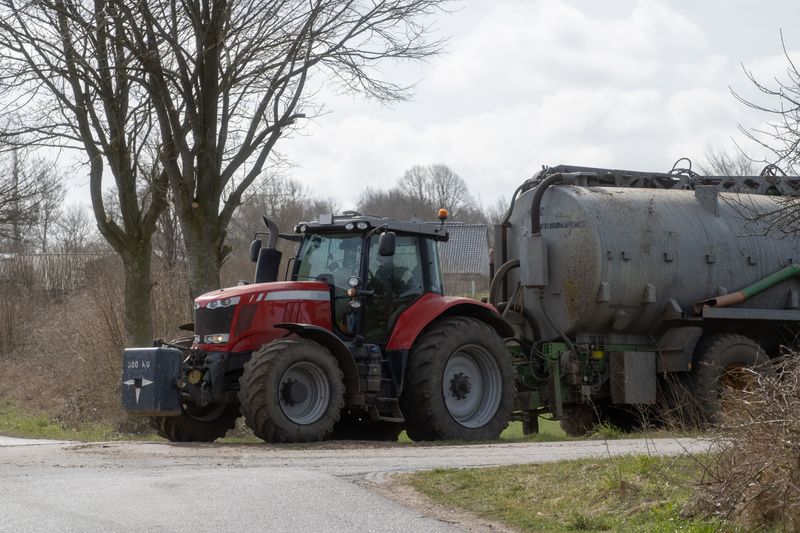
Scattered pellets may catch a curious nose before you notice them. Fertilizer can irritate paws or upset a dog’s stomach when swallowed.
Steer around unfamiliar granules, powders, and liquid spills. Do not let your dog investigate bags or equipment parked beside fields.
If material touches paws, stop licking and seek veterinary cleaning advice. For suspected swallowing, call your veterinarian with any label details.
Never induce vomiting unless a veterinary professional specifically tells you to do so.
8. Harvest Dust Affecting Dogs’ Breathing
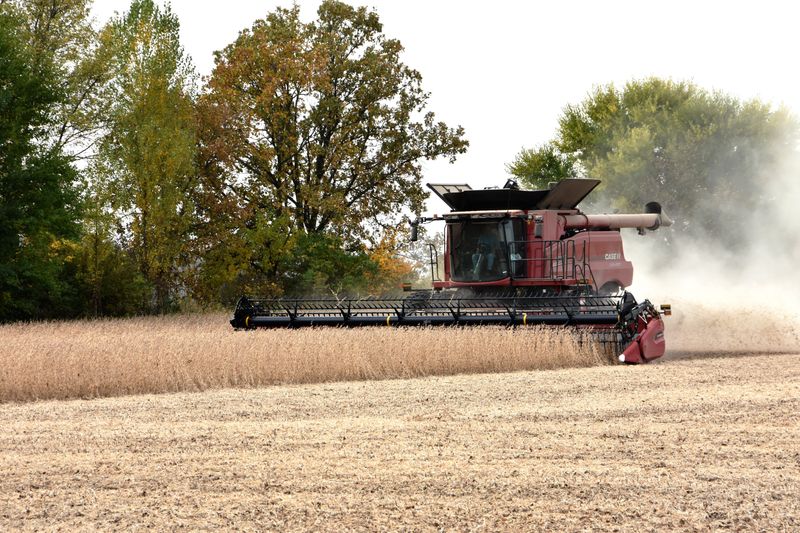
A dusty cloud drifting from a combine can change your walking plans. Airborne particles may bother eyes and airways, especially in dogs with breathing conditions.
Move away from visible dust instead of walking through it. Pick another route when the wind carries debris toward the shoulder.
Watch for coughing, squinting, or unusual breathing effort. End the outing if symptoms appear, and contact your veterinarian.
Labored breathing needs urgent veterinary attention, not simply a longer rest outside.
9. Temporary Field Entrance Traffic
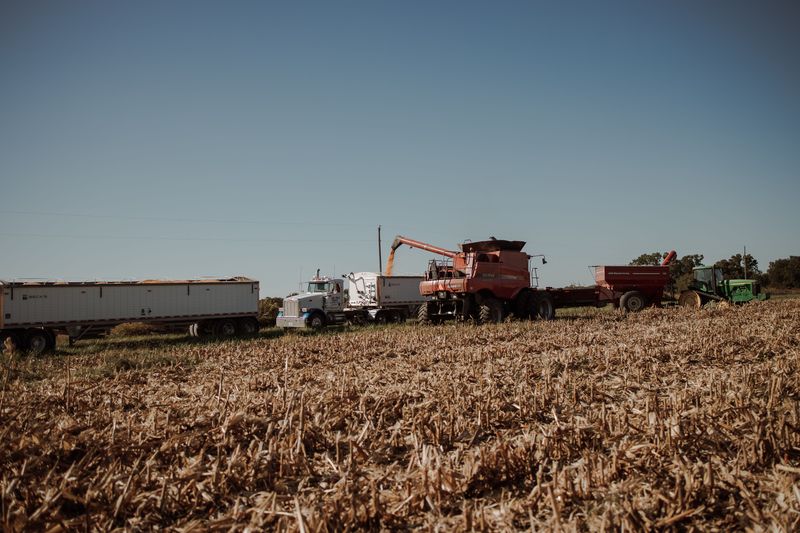
An unmarked opening can become a busy driveway for one afternoon. Harvest crews may use temporary access points that rarely carry traffic otherwise.
Look for fresh tracks, waiting wagons, and vehicles lining up. Cross entrances only when the way is clear in both directions.
Keep your leash short enough to prevent sudden wandering. Avoid stopping there for sniffing breaks or photos.
If traffic keeps coming, turn around and enjoy a quieter stretch away from farm operations.
10. Backing Farm Equipment With Limited Visibility
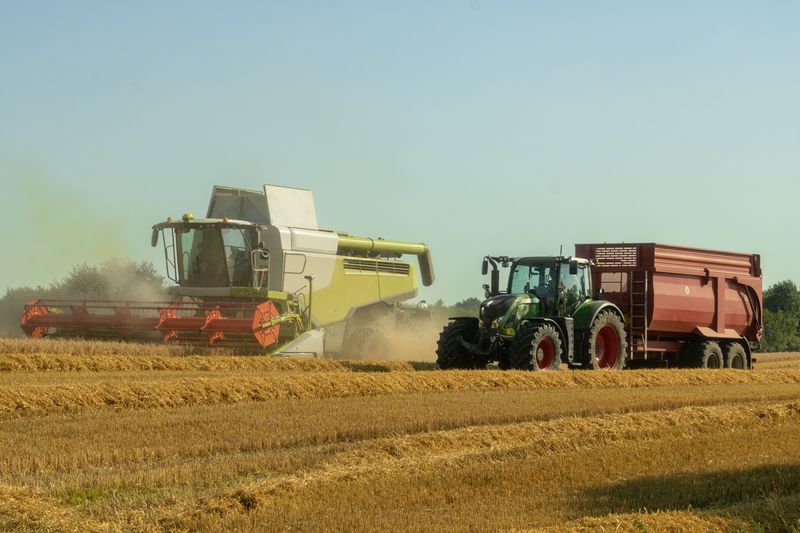
Reverse lights or an engine change deserve your full attention. Farm equipment can have blind spots that hide people and dogs nearby.
Stay well outside the work area whenever machinery is backing. Never walk behind a wagon or assume a camera provides complete visibility.
If you cannot clearly see the operator, do not approach. Even eye contact is not permission to pass.
Stay clear of backing equipment and wait until it has stopped and the operator has clearly indicated that it is safe to pass. If there is any uncertainty, take another route.
11. Open Ditches Along Rural Roads
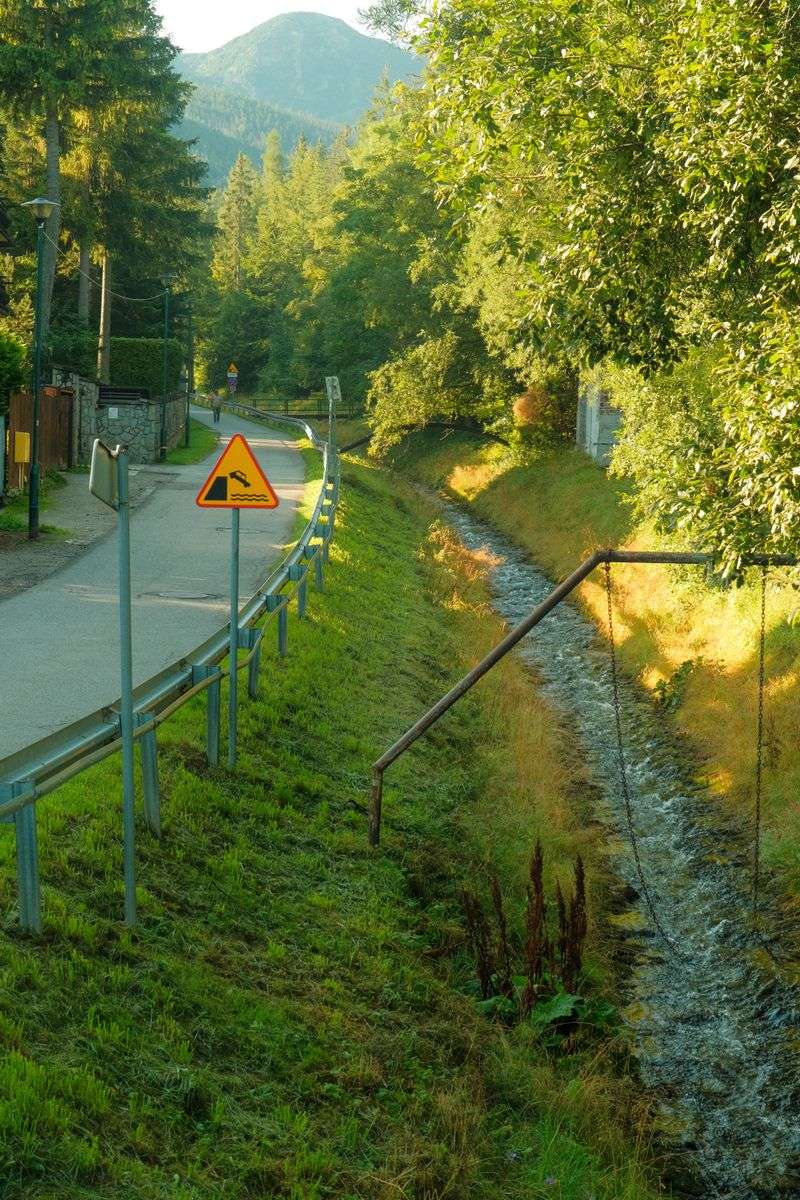
Tall grass can disguise a ditch until your dog steps toward it. Banks may be steep, muddy, or undermined after rain.
Keep enough distance that a sudden sniff cannot pull either of you downhill. Avoid routes where traffic leaves no safe walking space.
Do not allow drinking from drainage water, which may contain farm runoff or germs. Bring fresh water instead.
After heavy rain, choose a different route rather than testing flooded edges or hidden crossings.
12. Harvested Cornfields With Hidden Wildlife
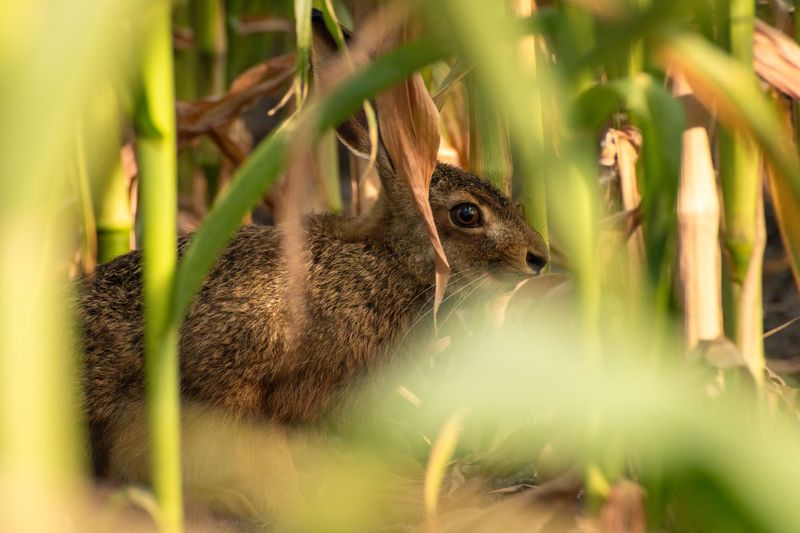
Short stubble does not mean a field is empty. Rabbits, rodents, and other animals can remain tucked among stalks and grassy borders.
Keep your dog leashed rather than allowing a searching sprint. Ask permission before entering private farmland, even after harvest ends.
Practice a cheerful recall and reward attention during walks. If your dog spots wildlife, create distance instead of encouraging pursuit.
Avoid carcasses and droppings, and discuss suitable parasite prevention with your veterinarian each year.
13. Wildlife Crossing Roads During Harvest
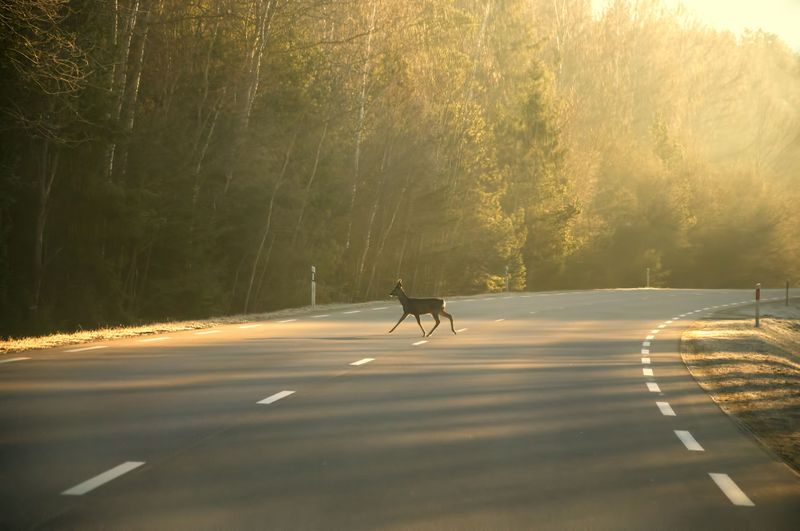
A deer appearing across the road can trigger an instant chase. Harvest activity may move animals between fields, wooded strips, and roadside cover.
Watch both shoulders, especially near brush and creek crossings. Hold the leash securely and give wildlife plenty of room.
Teach a simple turn cue before you need it. When an animal appears, calmly head away and reward your dog for following.
Never step into traffic while watching wildlife or trying to regain attention.
14. Loose Wire And Broken Fence Materials
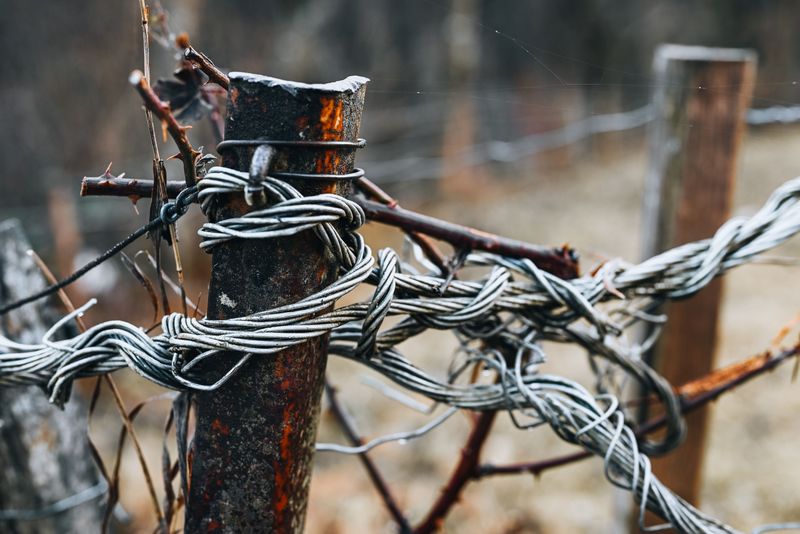
Old fence pieces can blend into brown grass surprisingly well. Loose wire, staples, and broken posts may snag a leash or catch paws.
Give damaged fence lines a wide berth. Never let your dog squeeze beneath wire or explore tangled materials.
If a leash becomes caught, stop your dog before carefully freeing it. Avoid touching fences that may be electrified.
Report damaged roadside fencing to the landowner when possible, and seek veterinary care for punctures promptly.
15. Dark Rural Roads During Shorter Fall Days
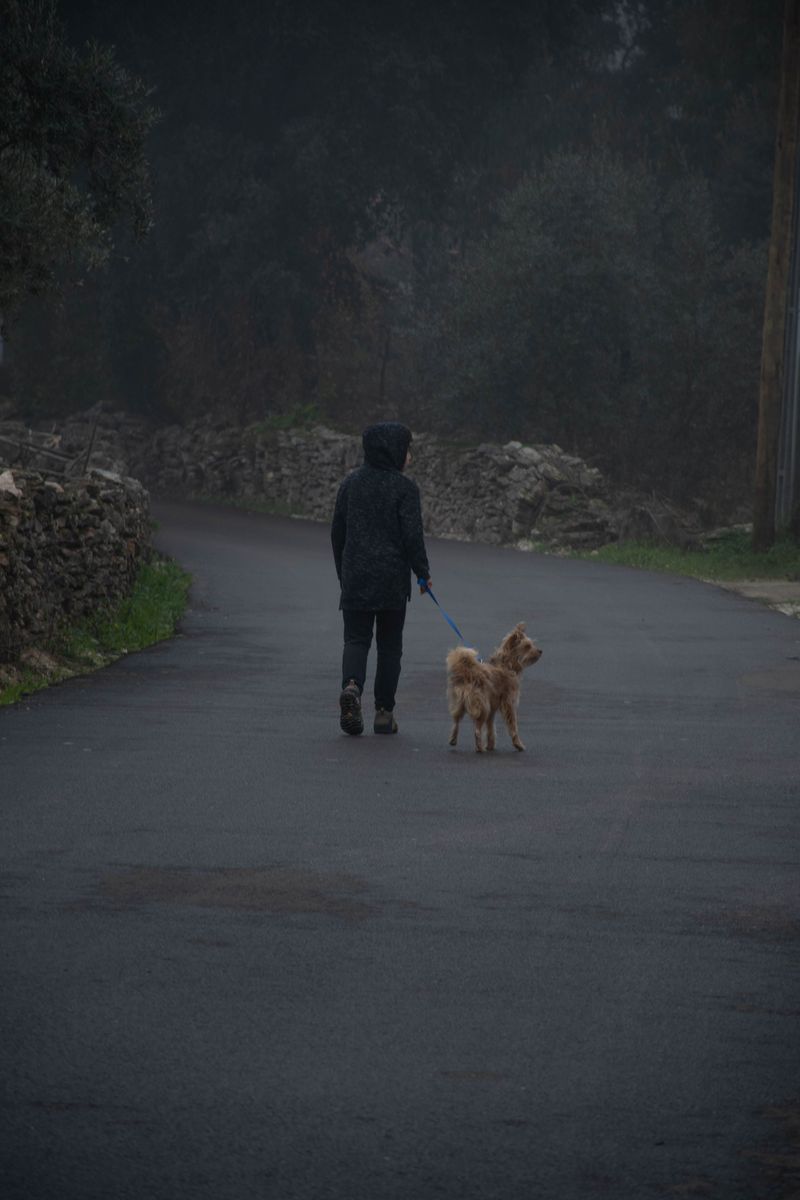
Sunset can arrive before your usual loop is finished. Unlit roads make dogs and walkers harder for approaching drivers to notice.
Choose daylight outings whenever possible, and skip roads without safe walking space. Reflective gear and a flashlight improve visibility but cannot replace distance from traffic.
Keep your dog close and stay alert for equipment working after dark. A familiar route, secure leash, and willingness to turn back make harvest walks calmer for everyone sharing Illinois roads.