Wildlife That Can Pose a Danger to Dogs in Arizona
Arizona is one of the most beautiful states for dog owners, with wide open trails, warm weather, and stunning desert scenery around every corner. But sharing that landscape with your dog also means sharing it with some remarkable, and occasionally risky, wild neighbors.
From venomous reptiles to large predators, the local wildlife is worth knowing about before you head out. The good news is that with a little awareness, you can keep your dog safe and still enjoy everything this incredible state has to offer.
Think of this guide as a friendly heads-up from someone who wants both you and your pup to come home happy every single time. Arizona’s wildlife is not out to get your dog, but certain encounters can turn serious quickly.
Knowing which animals to watch for, and how to respond, makes all the difference. Whether you live in Phoenix, hike near Tucson, or camp in the White Mountains, this list covers the key species that every Arizona dog owner should have on their radar.
1. Coyotes
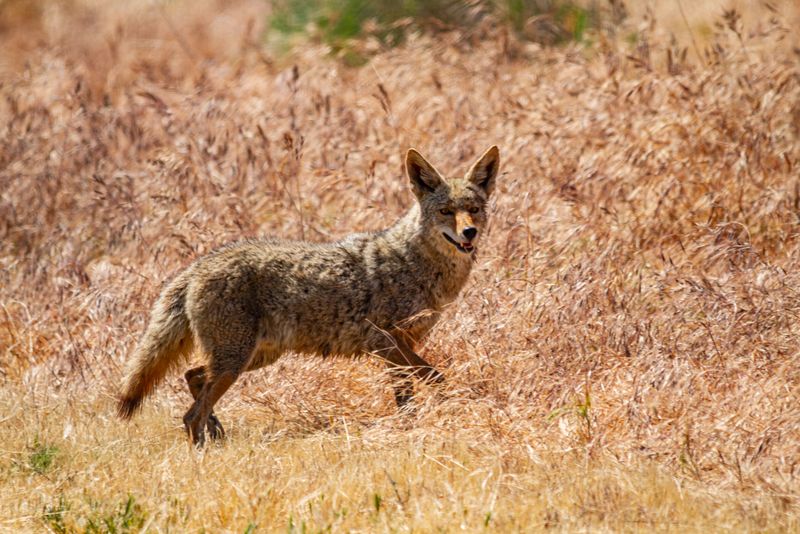
Coyotes are one of the most common wildlife threats to dogs across Arizona, especially in suburban areas near open desert. They are fast, clever, and comfortable around humans.
Small dogs are at the highest risk, particularly at dawn and dusk when coyotes are most active.
Keep dogs on a leash during those hours and never leave small pets outside alone at night. Coyote-proof fencing, at least six feet tall with a roller bar on top, can help protect your yard significantly.
2. Mountain Lions
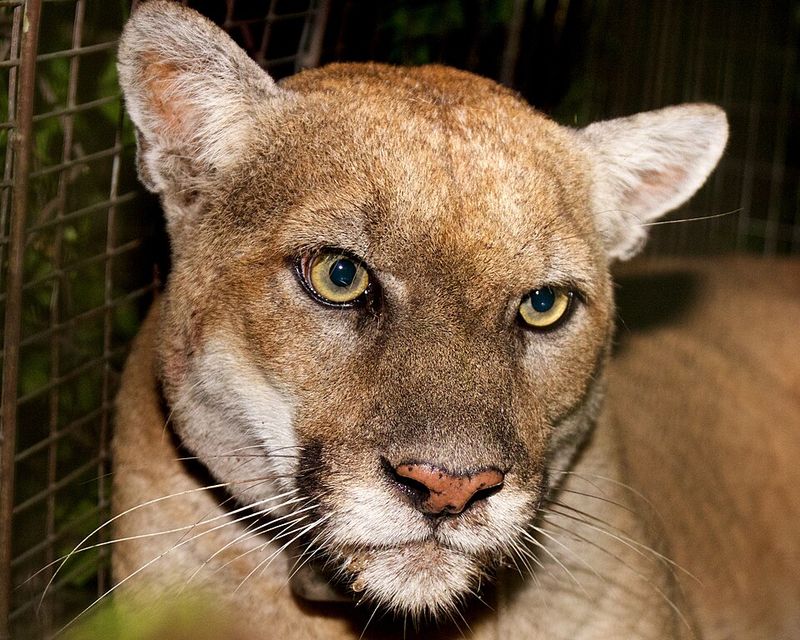
Mountain lions are rarely seen, but they are present throughout much of Arizona, including areas close to hiking trails. A large dog could be perceived as prey, especially if it is running ahead off-leash on a remote trail.
Attacks are uncommon, but they do happen.
Hike with your dog close by and make noise as you move through dense brush or rocky terrain. If you spot a mountain lion, do not run.
Stand tall, keep your dog behind you, and back away slowly.
3. American Black Bears
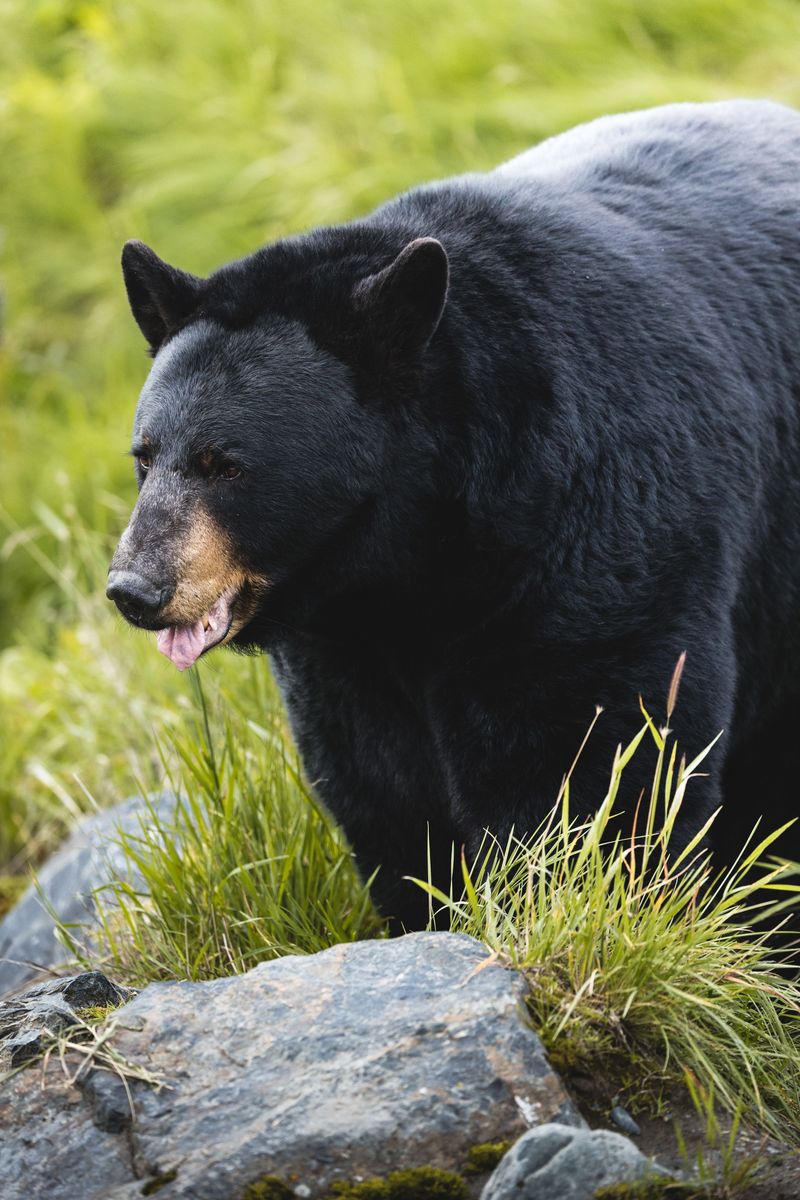
Black bears live in Arizona’s higher elevation forests, including areas around Flagstaff, the White Mountains, and the Mogollon Rim. They are generally not aggressive, but a dog that barks and charges at a bear can trigger a defensive response quickly.
Keep your dog leashed in bear country and store food securely at campsites. Bears are attracted to smells, so scented dog food and treats left outside can draw them in.
Knowing the signs of bear activity, like tracks or claw marks on trees, helps you stay alert.
4. Javelinas
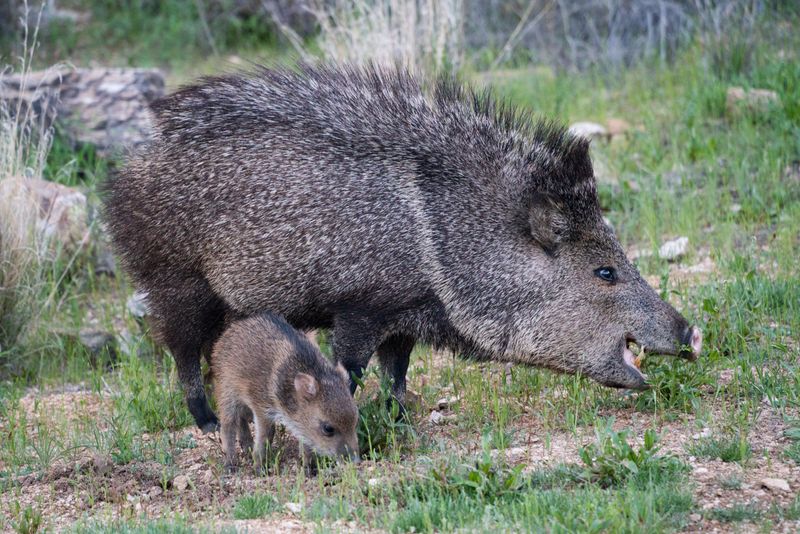
Javelinas, also called collared peccaries, look a bit like pigs but are actually a separate species entirely. They travel in herds and can become aggressive when they feel cornered or threatened.
Dogs often provoke them, especially if they chase or bark at the group.
Javelina tusks can cause deep puncture wounds, and attacks on small to medium dogs happen more often than many people expect. Keep dogs leashed in areas where javelinas are known to roam, and check your yard before letting pets out at night.
5. Bobcats
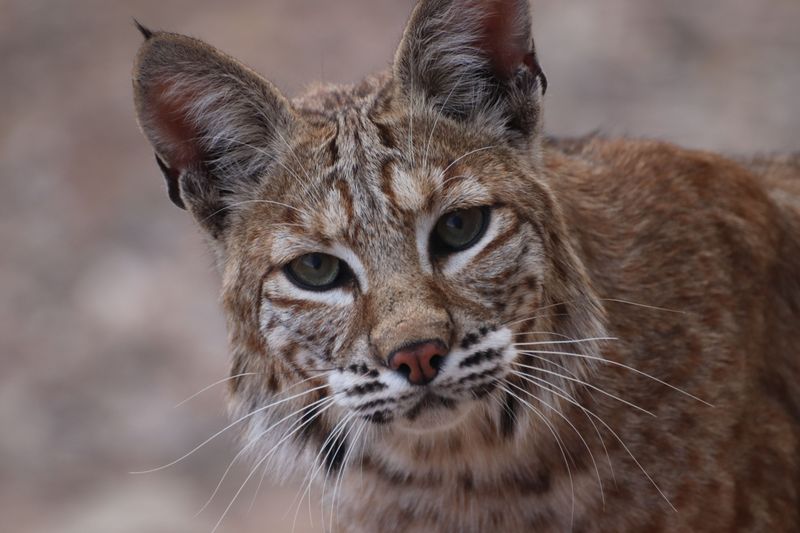
Bobcats are solitary and typically avoid people, but they will defend themselves if cornered. Small dogs can sometimes be mistaken for prey, particularly in rural or semi-rural settings near washes and brushy terrain.
Most encounters happen at night or early morning.
Supervising your dog during outdoor time and keeping them leashed near dense vegetation reduces the chance of a surprise meeting. Bobcats are protected under Arizona state law, so do not attempt to harm or trap them.
Contact Arizona Game and Fish if a bobcat becomes a repeated concern near your home.
6. Gray Foxes
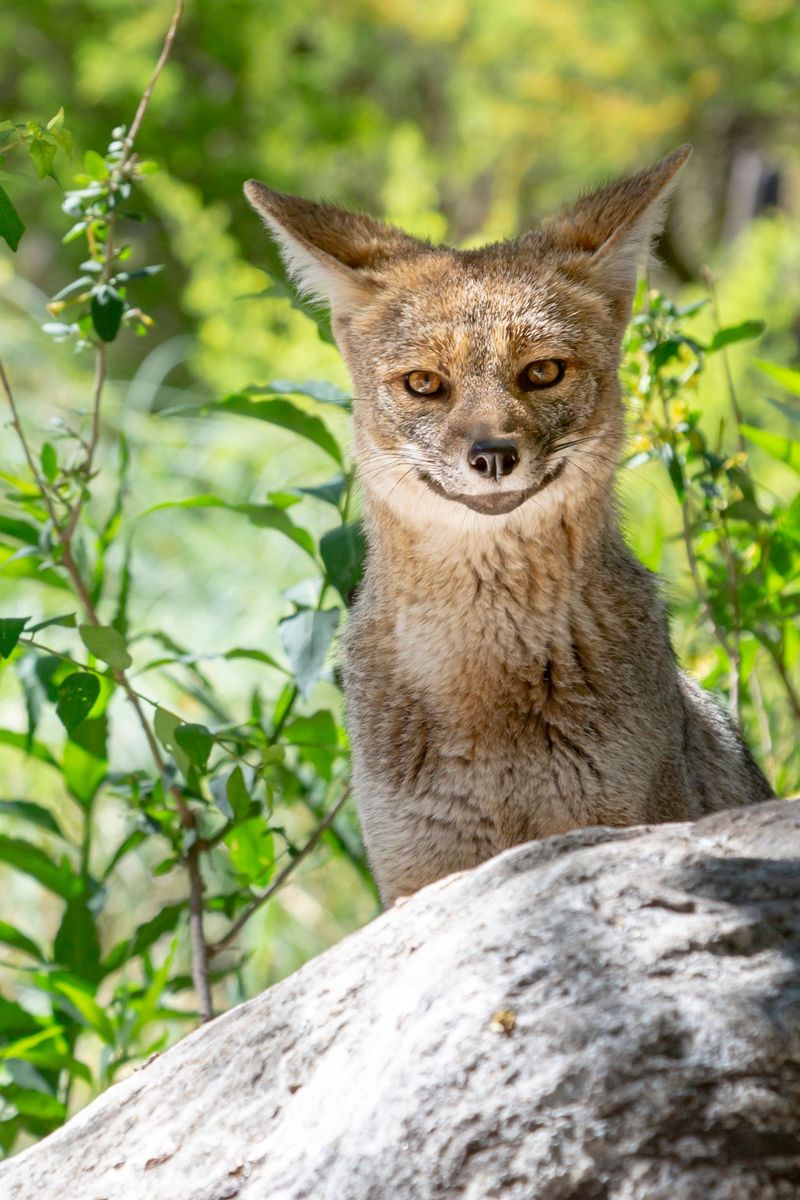
Gray foxes are widespread across Arizona and are more likely to be seen near washes, wooded areas, and desert edges. They are not typically a physical threat to dogs, but they do carry rabies and other diseases that can be transmitted through bites or contact.
A fox behaving strangely or approaching without fear during daylight hours may be sick. Keep your dog’s rabies vaccination current, as required by Arizona law.
Report any fox acting unusually to your local animal control office right away.
7. Striped Skunks
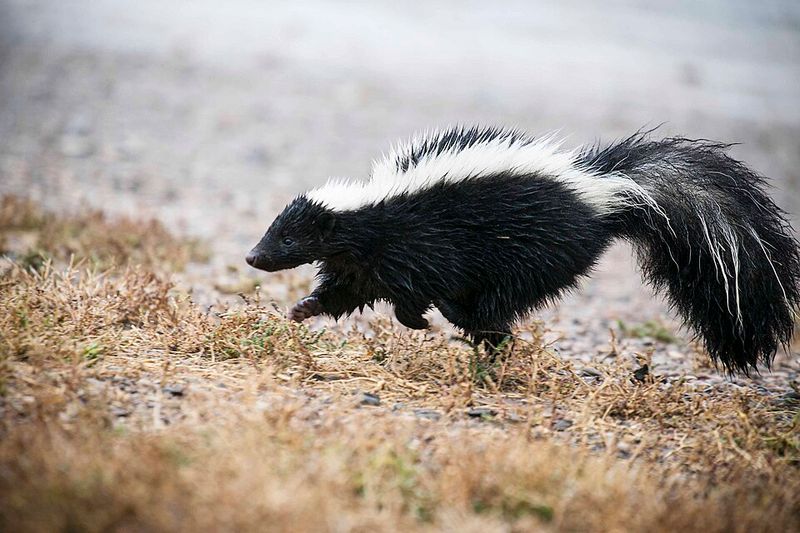
Striped skunks are found throughout Arizona and are mostly active at night. While their spray is not medically dangerous to dogs, it causes intense irritation to eyes and skin and can linger on fur for weeks if not treated properly.
More importantly, skunks are one of the primary carriers of rabies in North America. A bite during a close encounter is a real concern.
A mixture of hydrogen peroxide, baking soda, and dish soap is the most effective home remedy for skunk spray. Always follow up with your vet after any skunk contact.
8. North American Porcupines

Porcupines live in the forested regions of northern and central Arizona. Dogs are naturally curious and often approach porcupines head-on, resulting in a face full of quills.
The barbed quills work deeper into tissue over time, causing pain and infection if not removed promptly.
Never try to yank quills out on your own without proper tools and technique. A veterinarian should handle quill removal, especially when quills are near the eyes, mouth, or throat.
Dogs that have been quilled once often do not learn to avoid porcupines the second time around.
9. Elk
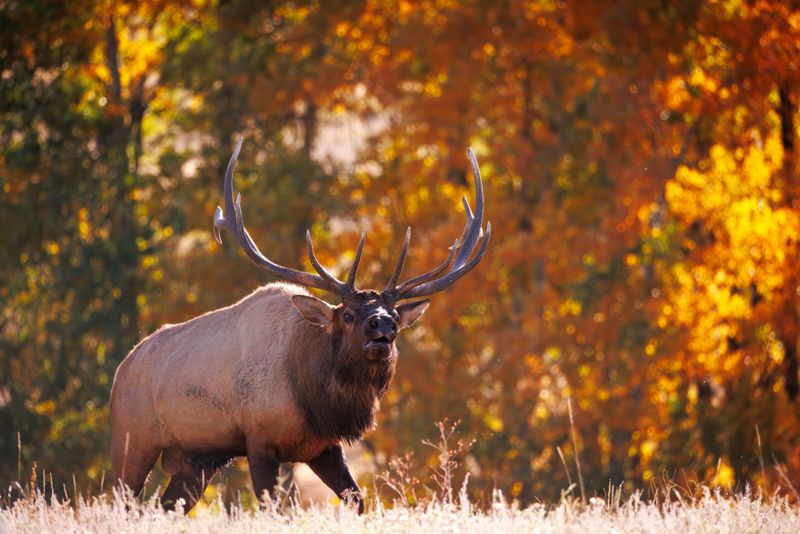
Elk are large, powerful animals found in Arizona’s mountain regions, particularly around the White Mountains and near Show Low. A bull elk during rutting season, typically September through October, can be unpredictable and aggressive toward anything it sees as a threat, including dogs.
Cows protecting calves in spring are equally defensive. Keep dogs leashed and at a distance if you spot elk on a trail.
An adult elk can weigh over 700 pounds, so even an indirect encounter can result in serious injury to a dog.
10. Mule Deer
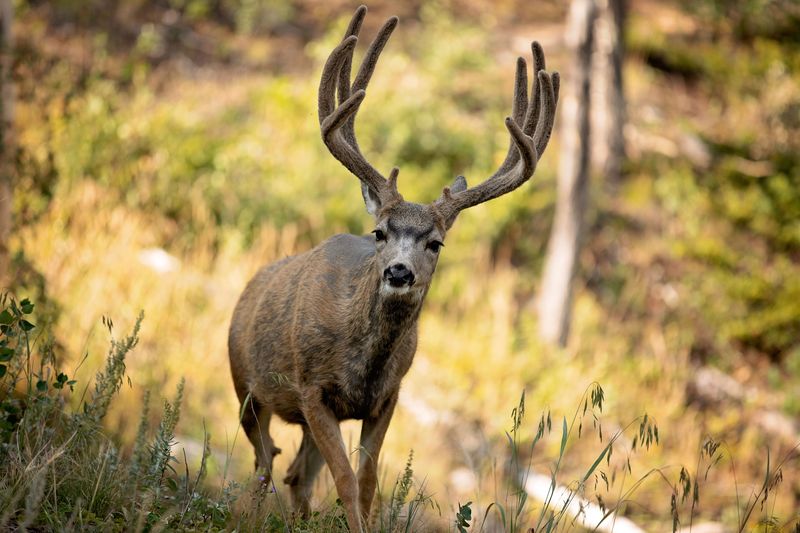
Mule deer are common throughout Arizona and generally peaceful, but does protecting fawns in late spring and early summer can become surprisingly aggressive. Dogs that chase deer also risk running into fences, traffic, or other hazards in the excitement of the pursuit.
A deer kick is forceful enough to injure a medium or large dog. Keep your dog leashed in areas where deer are frequently spotted.
This is especially relevant in neighborhoods near the outskirts of Tucson, Prescott, and Sedona where deer and residential areas overlap.
11. Gila Monsters
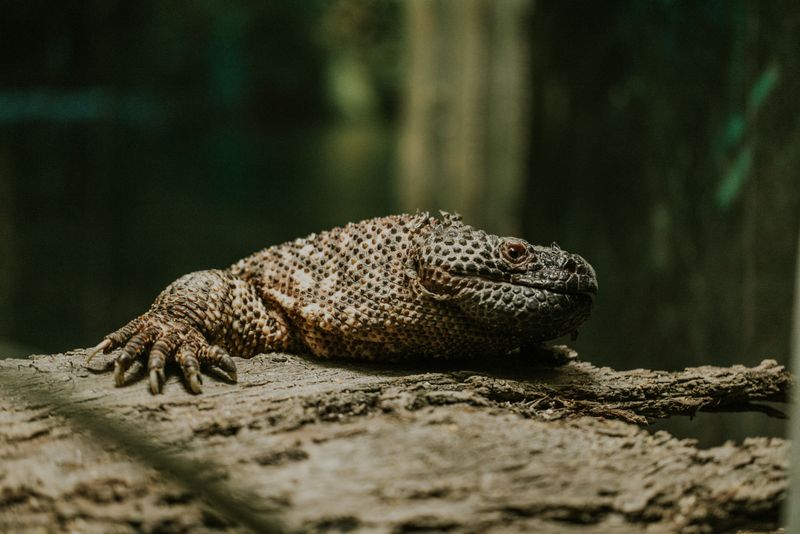
The Gila monster is one of only two venomous lizards native to North America, and Arizona is home to them. They move slowly, which makes curious dogs especially likely to approach and sniff or paw at them.
A Gila monster bite is painful and delivers venom through a chewing motion.
Symptoms in dogs can include swelling, weakness, and low blood pressure. Get to a veterinarian immediately if your dog is bitten.
Gila monsters are a protected species in Arizona, so they must not be harmed or removed. Give them space and keep your dog close.
12. Sonoran Desert Toads
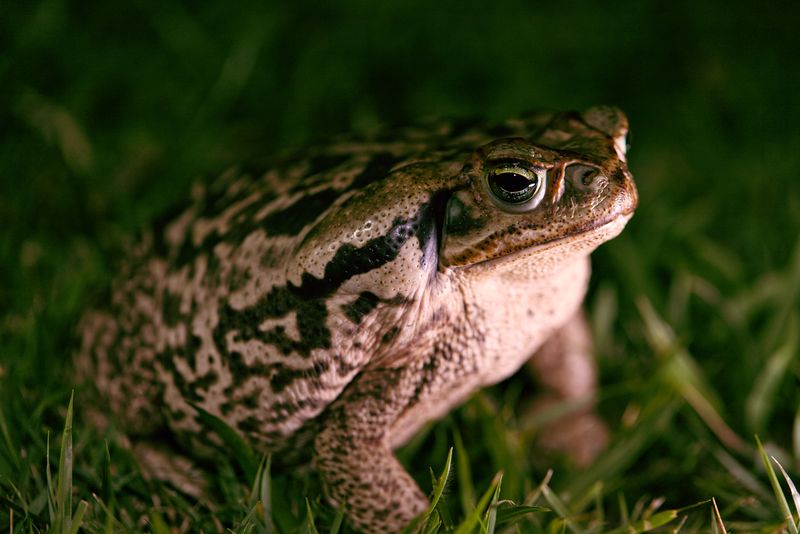
Also known as the Colorado River toad, the Sonoran Desert toad is the largest native toad in the United States and is highly toxic to dogs. When threatened, it secretes a milky white venom through glands on its skin.
Dogs that mouth or lick these toads can become seriously ill within minutes.
Signs include excessive drooling, disorientation, seizures, and in severe cases, cardiac arrest. Rinse your dog’s mouth thoroughly with water and head to an emergency vet immediately.
These toads are most active during Arizona’s monsoon season, from July through September.
13. Western Diamondback Rattlesnakes
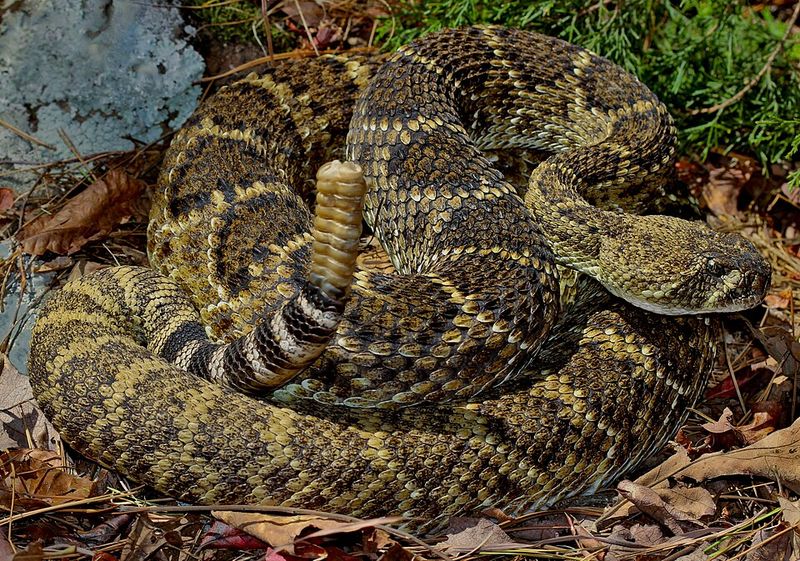
The western diamondback is the most commonly encountered venomous snake in Arizona and is responsible for the majority of snakebite cases in the state. Dogs are bitten most often on the face or front legs while investigating a coiled snake on a trail or in the yard.
Swelling, pain, and tissue damage can begin within minutes. Antivenom is available and effective, but time matters greatly.
A rattlesnake avoidance training course for dogs is widely available in Arizona and is a genuinely worthwhile investment for outdoor-loving pet owners.
14. Mojave Rattlesnakes
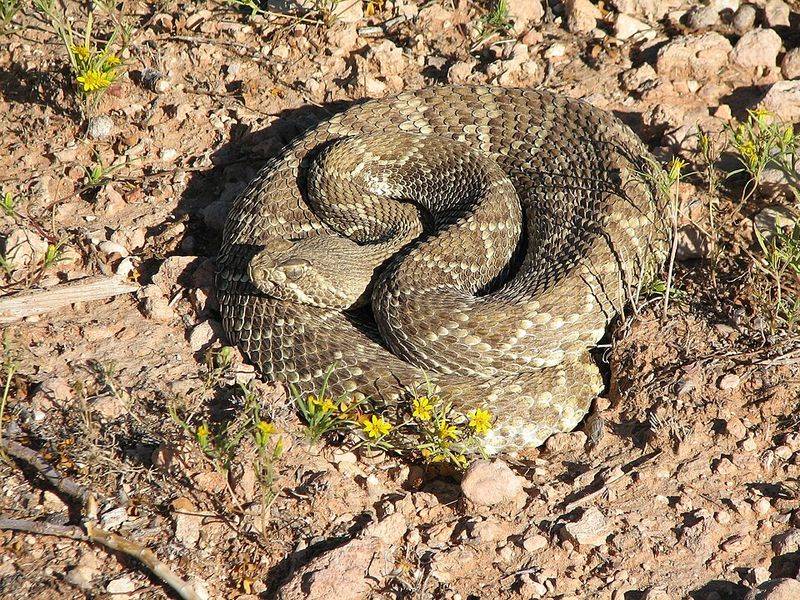
The Mojave rattlesnake is found in the lower desert regions of southwestern Arizona and is considered more dangerous than the diamondback due to its venom type. Its bite can affect both the nervous system and tissues, which makes symptoms harder to predict.
Dogs bitten by a Mojave rattlesnake may not show immediate visible swelling, which can lead owners to underestimate the severity. Any suspected rattlesnake bite should be treated as an emergency.
Do not wait for symptoms to worsen before seeking veterinary care.
15. Black-tailed Rattlesnakes
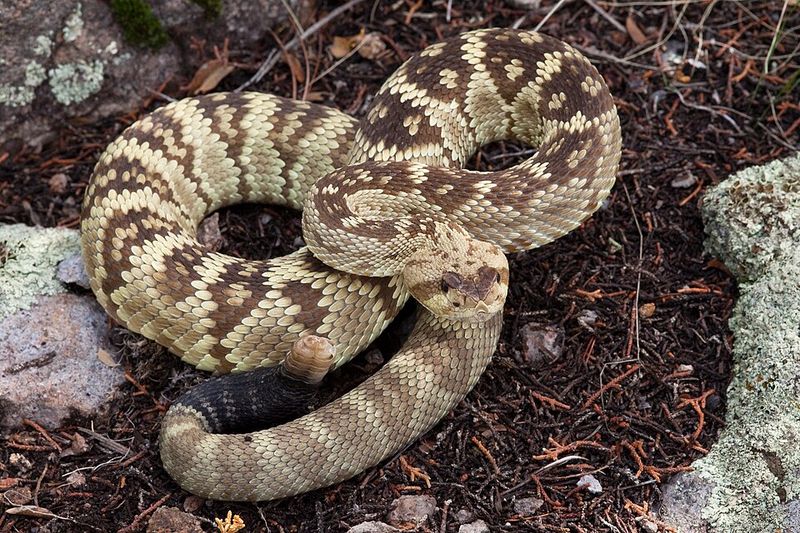
Black-tailed rattlesnakes are found in rocky mountain terrain across central and southeastern Arizona. They tend to be calmer in temperament than some other rattlesnake species, but they will still strike if a dog steps too close or corners them on a trail.
Their venom is primarily hemotoxic, meaning it affects blood and tissue. Treatment usually involves antivenom and supportive veterinary care.
When hiking in rocky areas, keep your dog on a short leash and stay on well-cleared paths to reduce the chance of an accidental encounter.
16. Arizona Bark Scorpions

The Arizona bark scorpion is the most venomous scorpion in North America, and it is found throughout the state, including in homes and garages. Dogs can be stung when they sniff ground-level crevices, step on a scorpion hidden under debris, or dig in the yard at night.
Symptoms in dogs vary and can include crying out, pawing at the face, muscle tremors, and difficulty breathing. Small dogs are at greater risk than large ones.
Contact a veterinarian right away if you suspect a sting. Shake out shoes, towels, and dog bedding kept outside regularly.
17. Africanized Honey Bees

Africanized honey bees, sometimes called killer bees, have been established in Arizona since the early 1990s. They look identical to European honey bees but respond to disturbances far more aggressively and in much larger numbers.
A dog that stumbles near a hive while sniffing around can trigger a massive swarm.
Dogs are stung repeatedly and cannot outrun a swarm the way a person might. Move your dog indoors quickly and call 911 or a licensed beekeeper if a swarm is present.
Multiple stings can cause anaphylaxis, so emergency vet care is essential after any significant bee attack.