15 Hot Pavement Dangers Every Pennsylvania Dog Owner Should Know
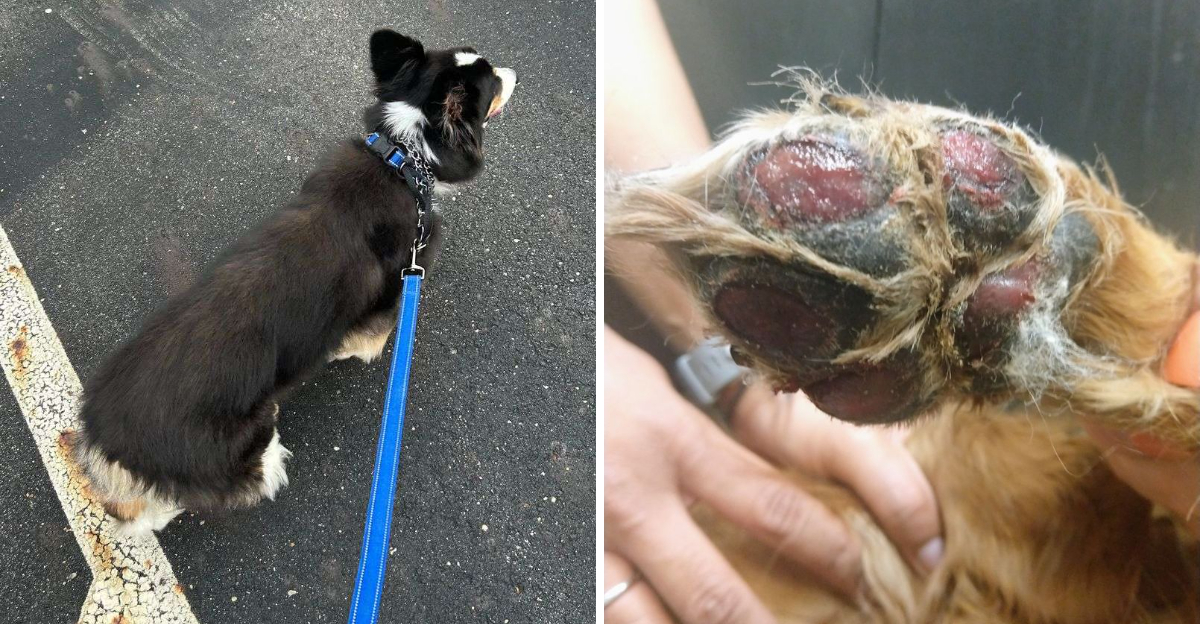
Summer in Pennsylvania is beautiful, but the sidewalks and roads can secretly become your dog’s worst enemy. When temperatures climb, pavement heats up fast, sometimes reaching scorching levels that can burn paw pads in seconds.
Many dog owners don’t realize how quickly a fun walk can turn into a painful experience for their furry friend. Knowing these 15 hot pavement dangers could save your dog from serious injury this season, so grab the leash and read on before your next walk.
1. Paw Pad Burns
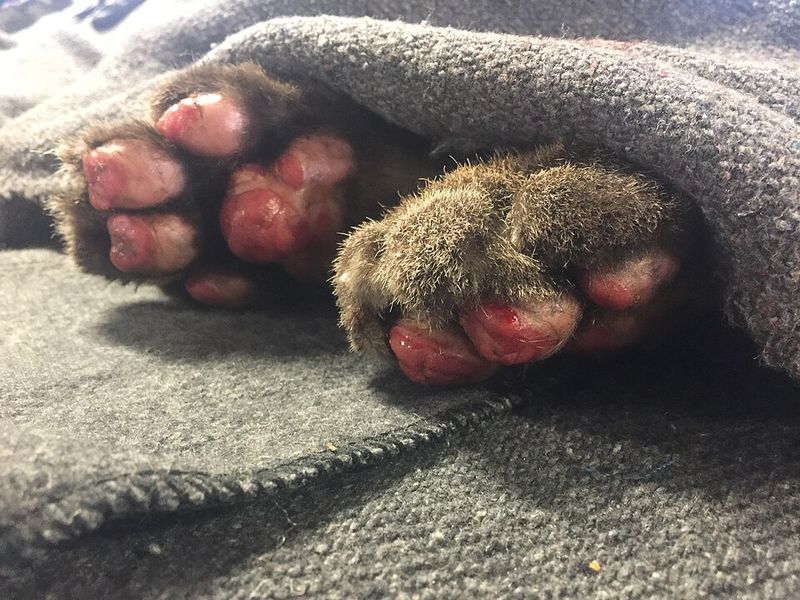
Your dog’s paw pads may look tough, but they burn just like bare human feet on scorching ground. When air temperature hits 77 degrees Fahrenheit, asphalt can reach a skin-destroying 125 degrees.
That’s hot enough to cause serious damage in under 60 seconds.
Use the seven-second test before every summer walk. Press the back of your hand to the pavement.
If you pull away before seven seconds, your dog’s paws are already at risk.
2. Asphalt That Becomes Extremely Hot

Asphalt is one of the sneakiest summer hazards for dogs in Pennsylvania. On a 90-degree day, that black road surface can soar past 140 degrees Fahrenheit.
In places like Bucks County, unshaded driveways regularly hit 160 degrees during July heat waves.
Pavement runs 20 to 30 degrees hotter than the surrounding air temperature. Your dog’s paws make full contact with every inch of that burning surface.
Booties or early morning walks are your best defense here.
3. Dark Pavement That Holds Heat
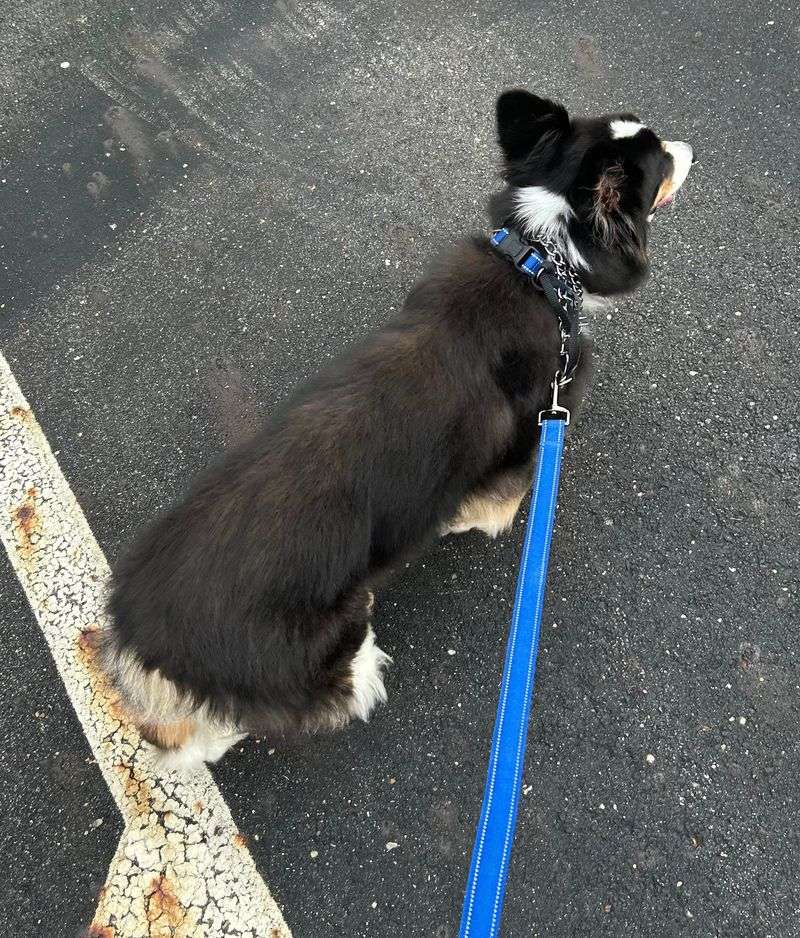
Dark surfaces absorb between 80 and 95 percent of sunlight, making them heat traps on sunny days. Compared to lighter concrete, dark blacktop stays significantly hotter for much longer after peak sun hours.
Your dog’s paws have no way to escape that stored energy.
Lighter pathways, like pale concrete sidewalks, reflect more heat and tend to be safer. Choosing your route wisely can make a real difference.
Shade-covered paths are always worth the extra few steps.
4. Hot Sidewalks Around Shopping Areas

Shopping districts are some of the hottest spots for a dog walk in summer. Wide stretches of concrete and asphalt sidewalks bake in direct sun with little shade relief.
Dogs are walked here often, which means longer exposure to dangerously warm surfaces.
Even lighter concrete sidewalks can reach temperatures that cause blistering and pain. Outdoor plazas and strip mall walkways are especially risky during midday.
Always check the ground temperature before letting your pup stroll these busy strips.
5. Heated Parking Lots

Parking lots are basically giant heat collectors. Vast stretches of dark asphalt sit in full sun all day with almost no shade.
On a 90-degree afternoon, that surface easily climbs past 140 degrees Fahrenheit.
At those temperatures, the asphalt itself starts to soften and can become sticky underfoot. That sticky surface clings to paw pads, causing friction burns and chemical irritation.
Crossing a parking lot quickly is smart, but letting your dog linger there is not.
6. Blacktop Trails on Summer Walks
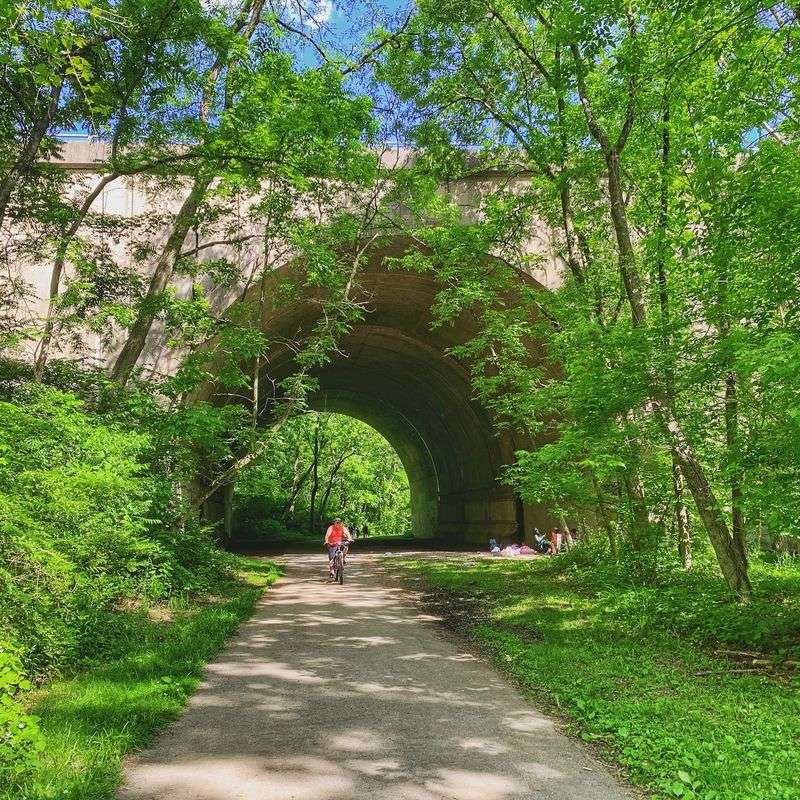
Blacktop recreational trails look inviting, but they carry the same heat risk as any asphalt road. Dogs often spend more time on trails than on quick sidewalk trips, which means longer paw contact with a scorching surface.
Even a pleasant breeze won’t cool down the ground beneath your dog’s feet.
Grassy shoulders and shaded dirt paths are far safer alternatives. When a trail offers both blacktop and grass edges, stick to the grass.
Your dog’s paws will thank you every step of the way.
7. Hot Metal Drain Covers

Metal heats up faster and hotter than almost any other surface a dog might step on. Drain covers, manhole lids, and utility access plates can reach 130 to 180 degrees Fahrenheit on a sunny day.
One misplaced step and your dog’s pad makes full contact with that searing metal.
These covers are easy to overlook because they blend into the sidewalk. Keep your eyes forward during summer walks and steer your dog around every metal surface you spot.
A small detour prevents a very painful burn.
8. Heated Concrete Surfaces

Concrete has a reputation for being cooler than asphalt, but don’t let that fool you. On a 95-degree day, concrete can still reach around 140 degrees Fahrenheit.
Prolonged contact at that temperature causes real blistering and tissue damage to sensitive paw pads.
Patios, driveways, and pool decks are common concrete zones where dogs spend unplanned time. A dog lounging on a sun-soaked patio slab is absorbing dangerous heat through every paw.
Providing a shaded mat or moving rest stops to grass makes a big difference.
9. Road Tar That Softens in the Heat

High heat doesn’t just make asphalt hot. It actually changes the material itself.
When surface temperatures hit 140 to 160 degrees, the bitumen binder in road tar softens into a semi-plastic, sticky mess. In Bucks County, this happens routinely on driveways during summer heat waves.
Sticky tar clings to paw pads and causes friction burns along with chemical irritation. Removing tar from paw fur is difficult and uncomfortable for your dog.
Avoiding freshly patched roads and sun-softened driveways keeps paws clean and pain-free.
10. Hot Artificial Turf

Artificial turf looks cool and green, but it runs scorching hot underneath. Research shows synthetic grass can reach 120 to 180 degrees Fahrenheit on a hot day, making it the hottest surface in many tested environments.
It beats out asphalt, brick, and concrete for sheer heat retention.
Dog parks and sports fields with artificial turf are especially risky in summer. Burns can happen within minutes of contact at those temperatures.
Always feel the turf surface before letting your dog run freely on it.
11. Reflected Heat From Pavement

Pavement doesn’t just burn paws from below. It radiates heat upward, raising your dog’s overall body temperature with every step.
Dark surfaces absorb sunlight and release it as waves of rising heat, creating urban hot zones in cities like Philadelphia.
Smaller dogs feel this reflected heat most intensely because their bodies sit closer to the ground. Even a moderate-sized dog walking on a hot street is surrounded by rising warmth.
Seeking shaded routes reduces both ground contact heat and this invisible radiated danger.
12. Burns Between the Paw Pads
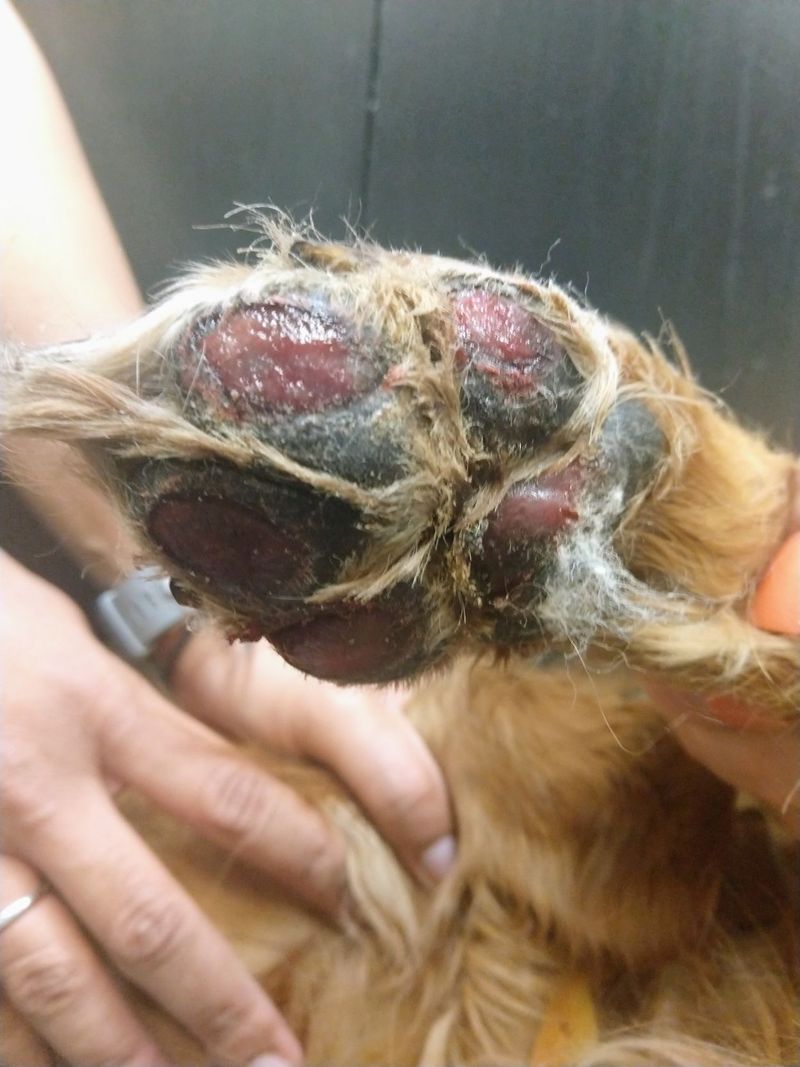
Paw pad burns don’t always show up on the bottom of the paw. The delicate skin tucked between your dog’s toes is just as vulnerable to heat damage.
Tiny granules and hot debris from pavement can lodge in these tight spaces and keep burning long after the walk ends.
Watch for your dog licking or chewing at its paws after a walk. Redness, swelling, or fur stained from excessive licking are warning signs.
Rinsing paws with cool water after every summer outing helps flush out irritants and soothe tender skin.
13. Blisters From Hot Surfaces

Blisters are a clear sign your dog’s walk went from warm to dangerous. Fluid-filled pockets form on paw pads after moderate to severe burns from hot asphalt or concrete.
When those blisters rupture, raw and sore skin is exposed, and infection risk rises sharply.
Pads may also crack or peel in the days following a hot surface injury. A blistered paw needs veterinary attention, not a wait-and-see approach.
Catching the problem early means faster healing and less pain for your pup.
14. Heat Stress During Pavement Walks
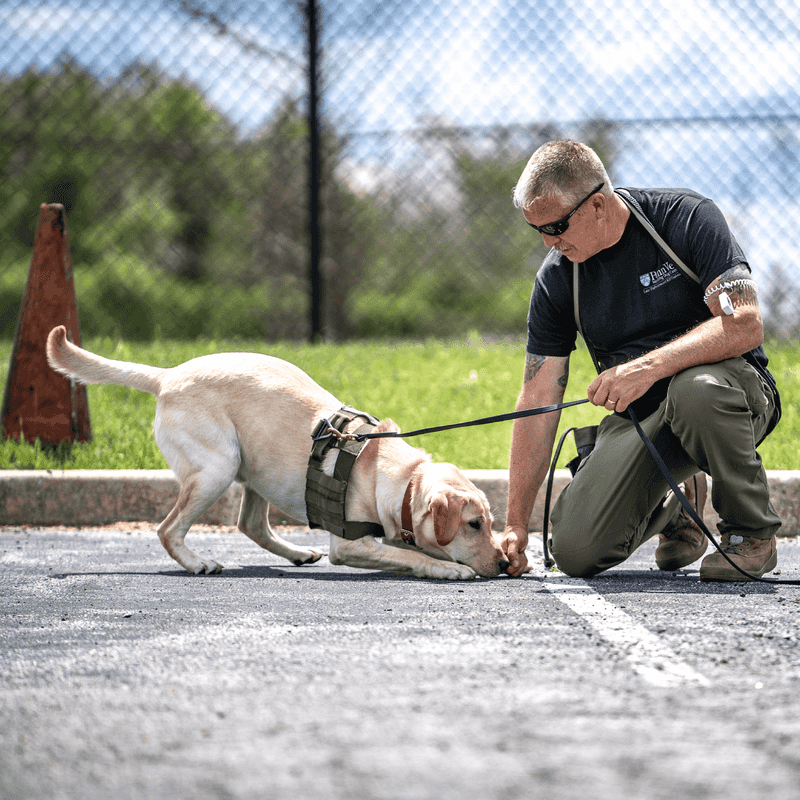
Hot pavement doesn’t just hurt paws. It raises your dog’s entire body temperature, pushing it toward dangerous heat stress.
Direct contact with scorching surfaces forces the body to work harder to stay cool, especially during longer walks on sunny days.
Excessive panting, reluctance to move, and whining mid-walk are all signals your dog is overheating. Small breeds are especially at risk because they ride so close to the hot ground.
Carrying water and keeping walks short during peak heat hours protects your dog from the inside out.
15. Hidden Pavement Heat After Sunset

Evening walks feel cooler, but the pavement beneath your dog’s paws may tell a different story. Asphalt soaks up heat all day and releases it slowly, staying dangerously warm well after sunset.
In Bucks County, asphalt that hit 150 degrees at 3 PM can still measure 85 degrees at midnight.
Eighty-five degrees underfoot is still uncomfortable and potentially harmful for sensitive pads. The seven-second hand test applies just as much at 9 PM as it does at noon.
Never skip that check just because the sky has gone dark.