Rural Ohio Dog Owners Need A Different Specialty-Vet Plan Than Owners Near Major Cities
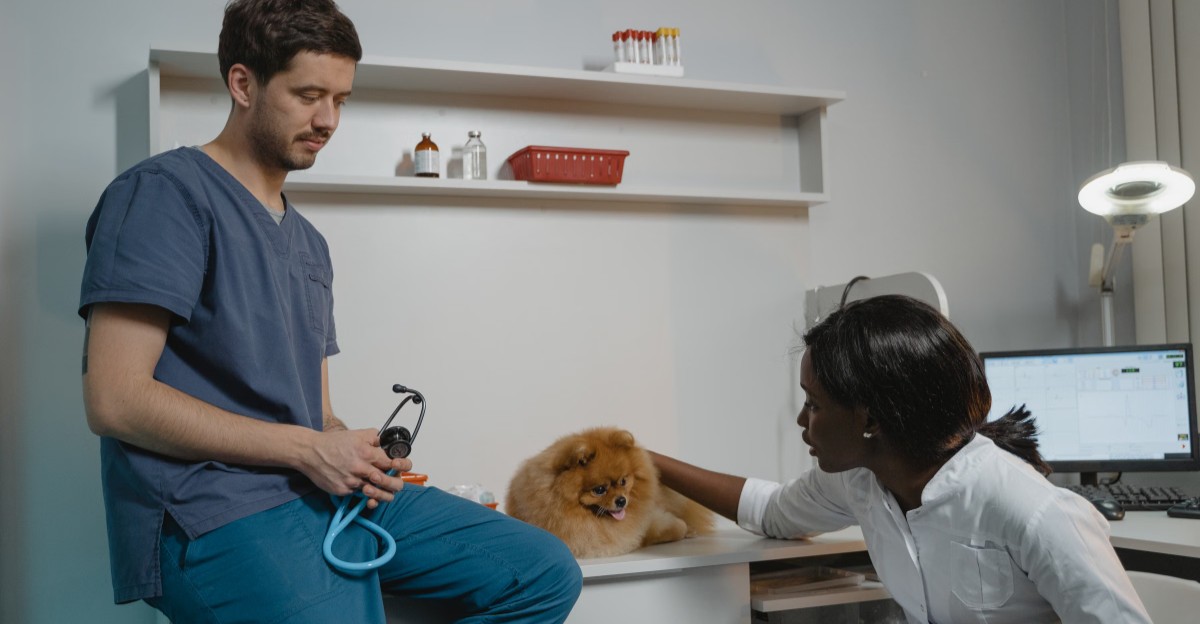
If you live in rural Ohio, a specialist may be much farther away than your regular vet. That does not mean your dog is out of options.
It means a little planning can make appointments, long drives, and unexpected health problems easier to handle. Start with the people and services near home, then make a clear plan for care that requires a trip.
1. Start With Your Regular Vet Before You Need a Specialist
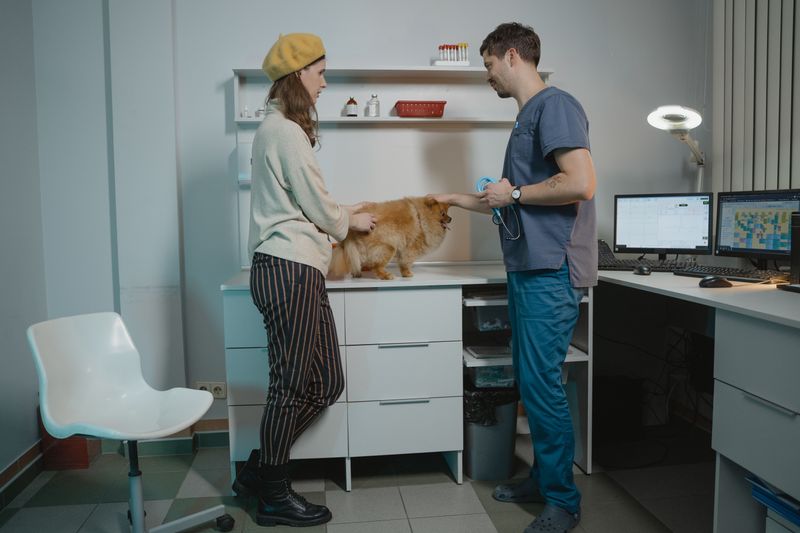
Your regular vet already knows your dog, and that history can make a future referral smoother. During a routine visit, ask which problems the clinic can treat and when it recommends a specialist.
Share changes you have noticed, even if they seem small.
Ask how the clinic sends records and handles questions after a specialty visit. A good plan keeps your regular vet involved, whether your dog needs one consultation or care over several months.
2. Find Out Which Specialty Services Are Available Nearby
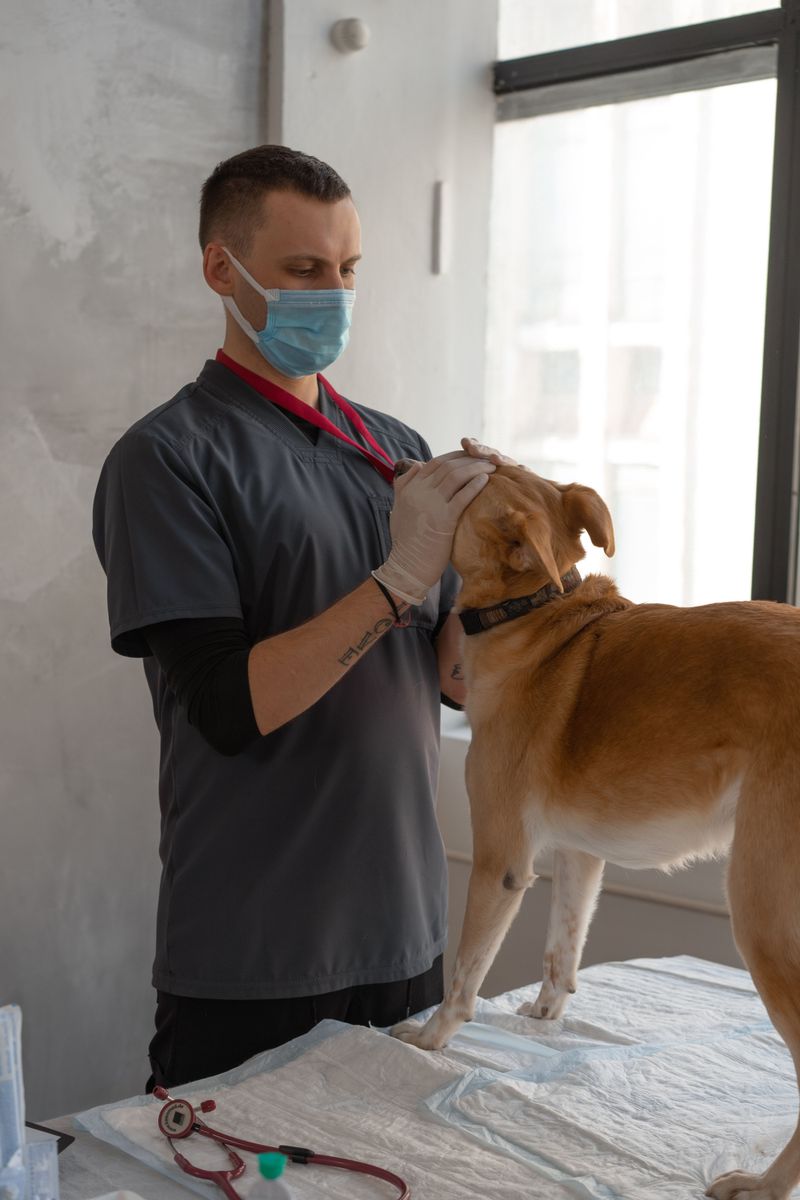
A specialty hospital is not a single kind of clinic. One location may have a heart specialist, while another offers eye care or advanced surgery.
Make a short list of services your dog might need based on your vet’s advice.
Check hospital websites or a board-certified specialist directory, then call to confirm current services. Ask which days specialists see patients.
Knowing the difference between a nearby clinic and a suitable clinic can prevent an unnecessary drive.
3. Map Out the Nearest Specialty Hospitals

That hospital across the state may look close on a small map. Actual driving time tells a different story.
Save routes to two suitable hospitals, including one you could reach if your usual route closes.
Columbus and the Cleveland area have specialty veterinary centers, but the options available to you depend on your location and your dog’s needs. Confirm each hospital’s address, services, and hours before saving it.
Keep the details on paper too, in case your phone loses service.
4. Check Referral Requirements in Advance
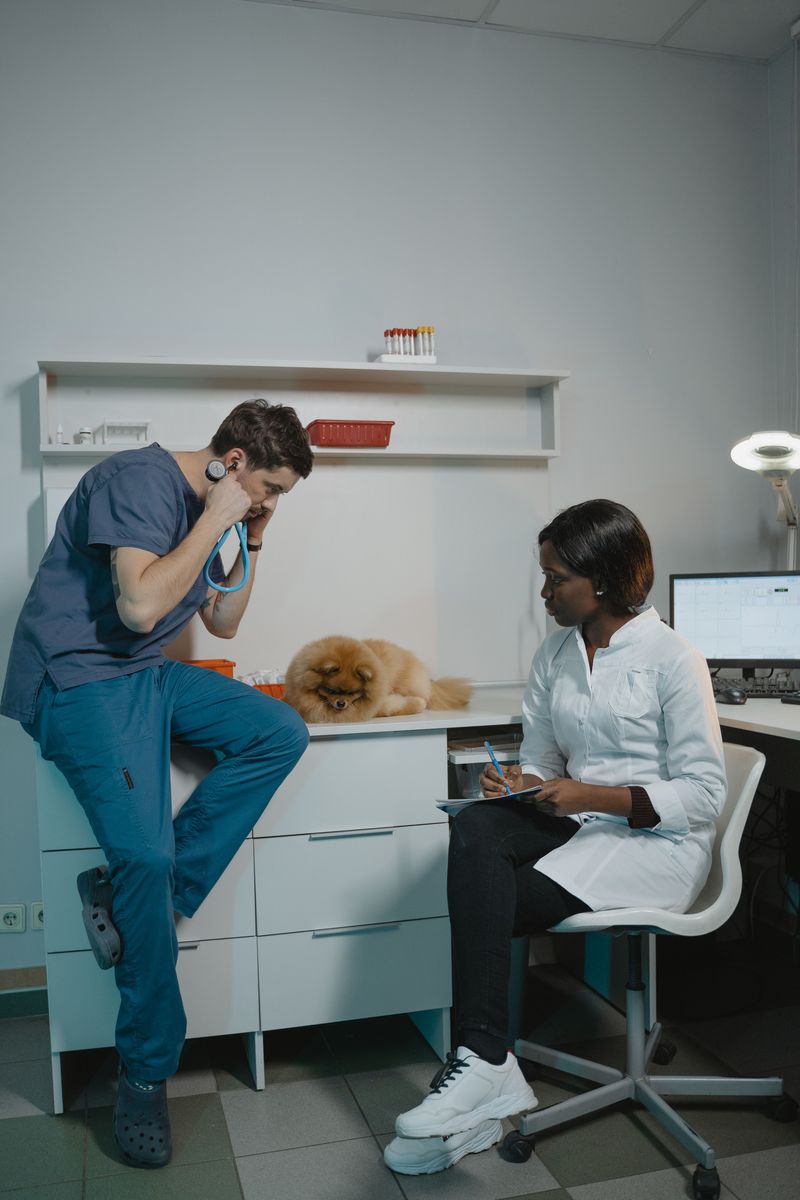
Appointment rules can surprise owners who are ready to leave that morning. Referral requirements vary by specialty practice.
Check with the hospital before scheduling to find out whether your dog needs a referral. Call the hospital and ask what it needs before scheduling.
Your vet may have to send notes, test results, or images. Ask who will send them and when.
Confirm whether the specialist wants your dog examined locally first. Clearing up these steps early helps everyone prepare for a useful visit.
5. Plan for Longer Drives to Veterinary Specialists
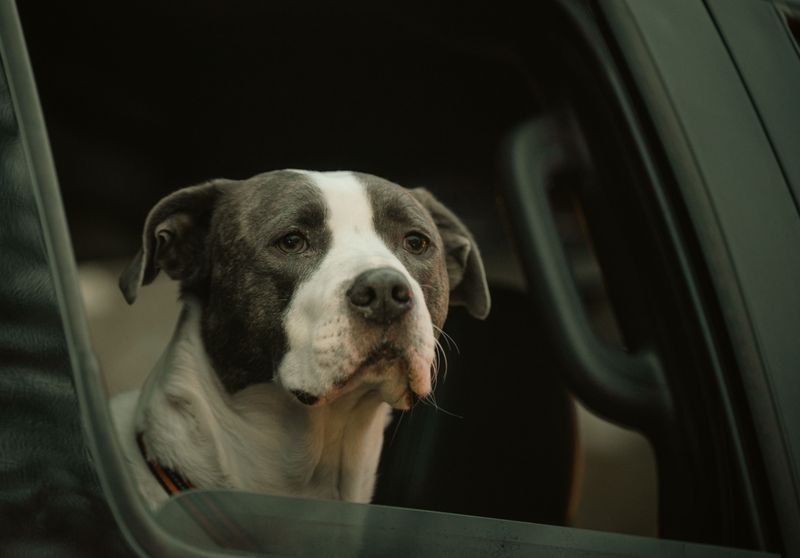
A two-hour appointment can take most of the day when the clinic is far from home. Check traffic, parking, and possible stops before you leave.
Bring water, cleanup supplies, and any food your veterinarian approves.
Secure your dog in a suitable carrier or vehicle harness. If someone can travel with you, that person can watch your dog while you drive.
Ask the clinic about arrival instructions, especially if your dog needs to avoid food before testing.
6. Know Which Emergencies Cannot Wait
Some signs call for urgent help, not the next specialist opening. Trouble breathing, seizures, collapse, possible poisoning, or a swollen abdomen need prompt veterinary guidance.
Injuries, uncontrolled bleeding, and sudden trouble walking also deserve an immediate call.
Ask your regular vet which emergency hospital serves your area after hours. When a concerning sign appears, call that hospital and follow its directions.
Do not delay care while searching for the specialist you prefer.
7. Keep a Second Local Vet Option
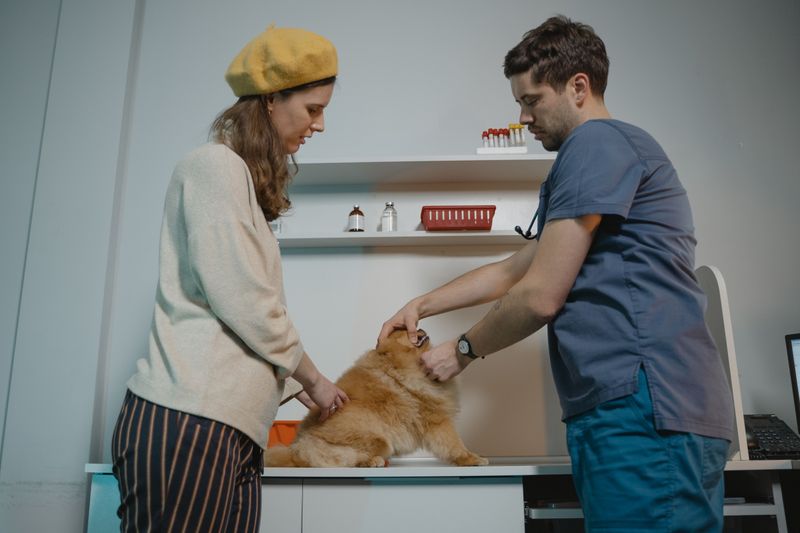
Even a trusted clinic has days when its schedule is full. Find another local practice before you need one, and ask whether it accepts new patients.
Learn its hours and what services it offers.
A second vet may help with routine concerns or an exam when your usual clinic cannot. It is not a substitute for emergency care.
Keep both clinics’ numbers handy, and ask how to share records if your dog visits the backup practice.
8. Ask About Mobile Veterinary Services
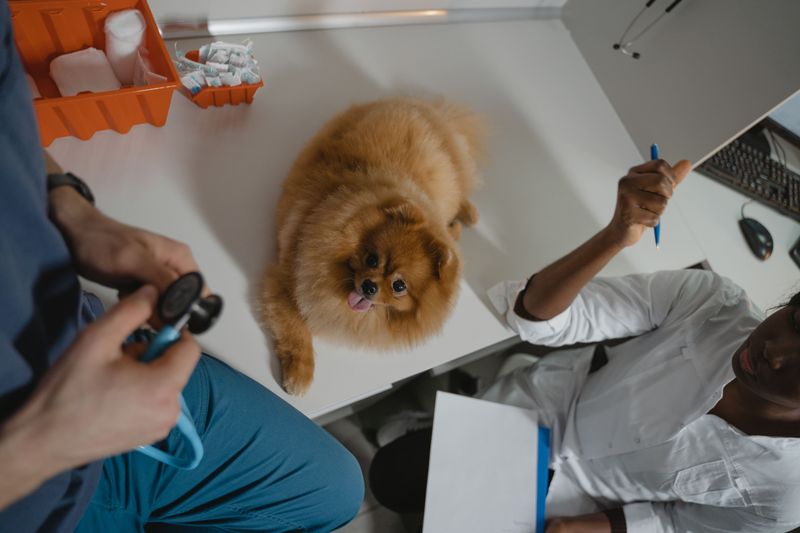
For some dogs, the hardest part of an appointment starts at the car door. A mobile veterinarian may offer routine examinations, vaccinations, or certain diagnostic services at home, depending on the practice.
Services and travel areas vary, so ask what is available in your county.
Check whether the mobile vet can work with your regular clinic and send records afterward. Home visits cannot replace every exam or urgent treatment.
Still, they may make basic care easier when travel is difficult.
9. Build a Relationship With a Nearby Emergency Hospital
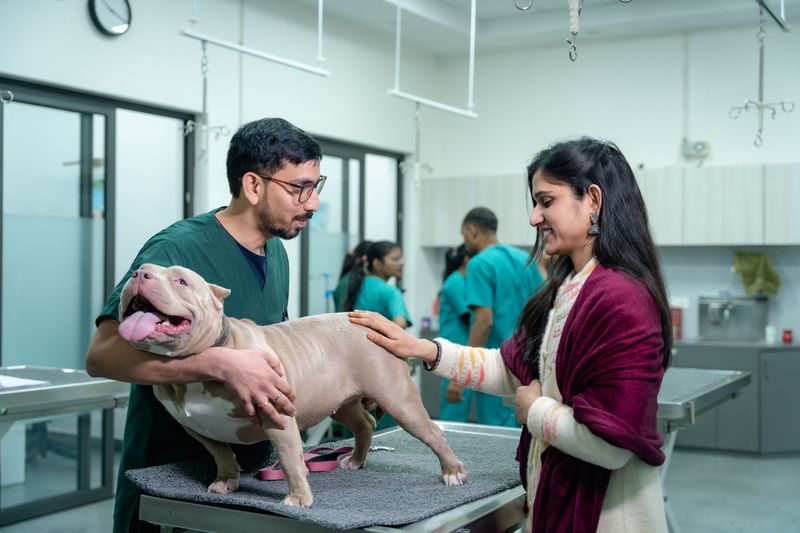
Emergency hospitals work differently from appointment clinics. Patients are usually seen according to medical need, so a wait is possible.
Learn where your nearest suitable hospital is before a stressful night.
Save its number and ask whether it offers care around the clock. Check where to park and which entrance to use after hours.
If your dog needs urgent help, call ahead when you can. The staff can explain what to do next.
10. Keep Your Dog’s Medical Records Easy to Access
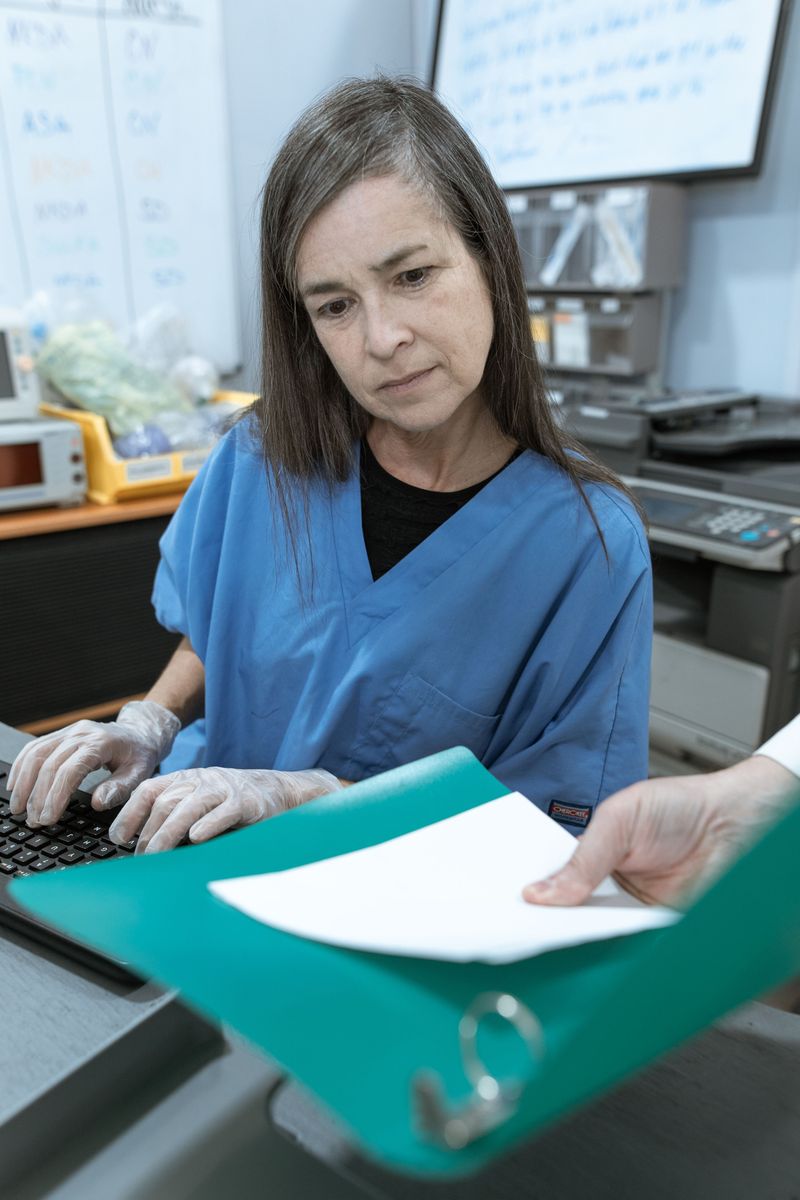
Records are easy to forget when you are focused on getting your dog to an appointment. Keep recent visit notes, test results, and images in one folder.
A digital copy on your phone can help too.
Ask your clinic how it shares files with specialists and emergency hospitals. Before traveling, check that the receiving clinic has what it needs.
Clear records may spare you from repeating details and help the new team understand your dog’s history.
11. Keep a Current Medication and Allergy List
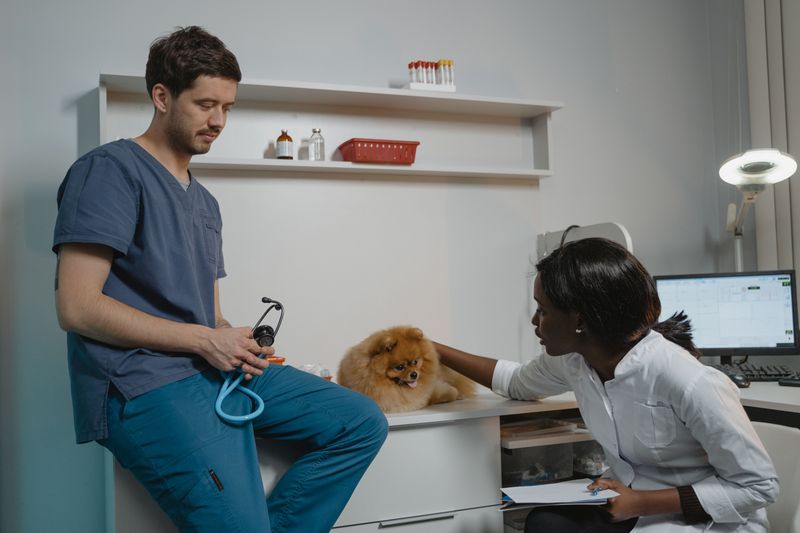
A handwritten list can be more useful than trying to remember every bottle. Include each medicine’s name, current dose, and schedule.
Add supplements and any known reactions or allergies.
Update the list whenever your vet changes a treatment. Keep a copy with your dog’s records and another on your phone.
At every new clinic, show the list to the staff. That simple habit gives the care team a clearer picture before it recommends treatment.
12. Ask About Diagnostic Testing Before Traveling
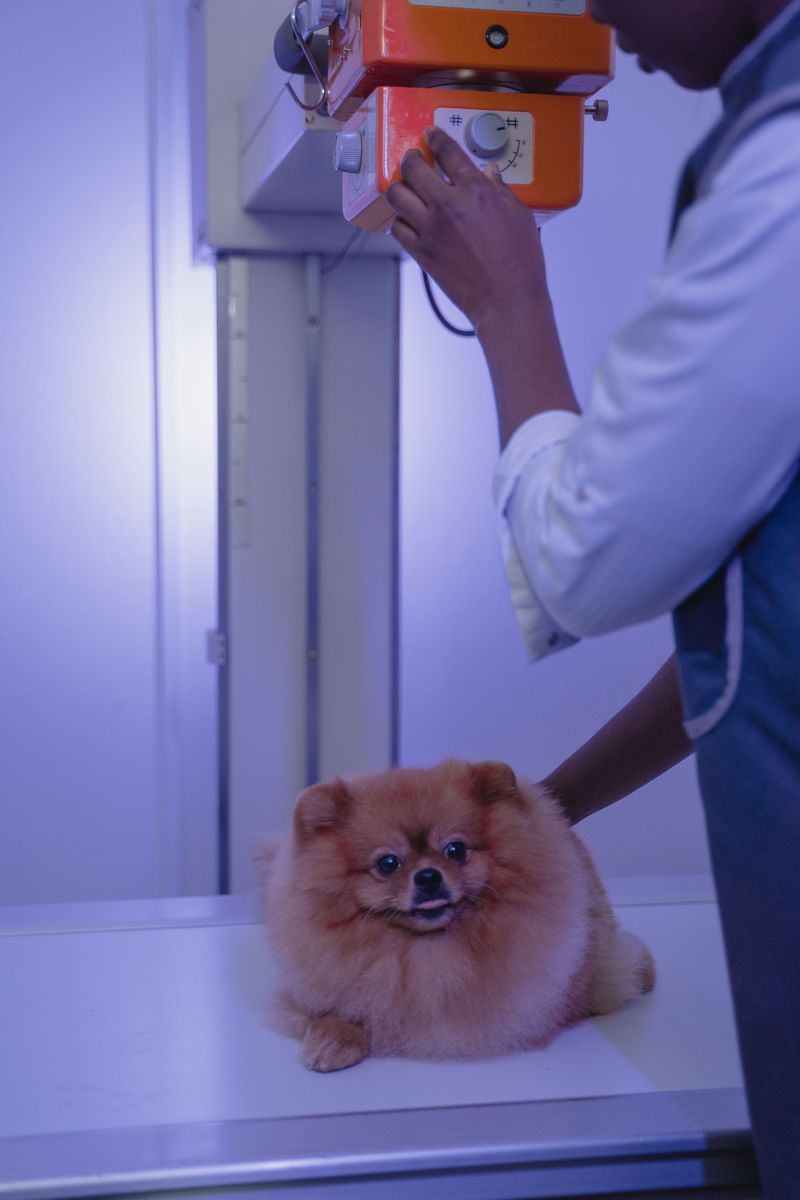
Not every useful test requires a trip to a city hospital. Your local vet may be able to do bloodwork or take X-rays first.
Ask which results would help the specialist prepare.
Check with the specialty clinic before booking tests, since it may need a certain type of image or report. Some tests may still need repeating.
Planning together can make the first visit more useful, even when it cannot shorten the trip.
13. Prepare for Follow-Up Appointments
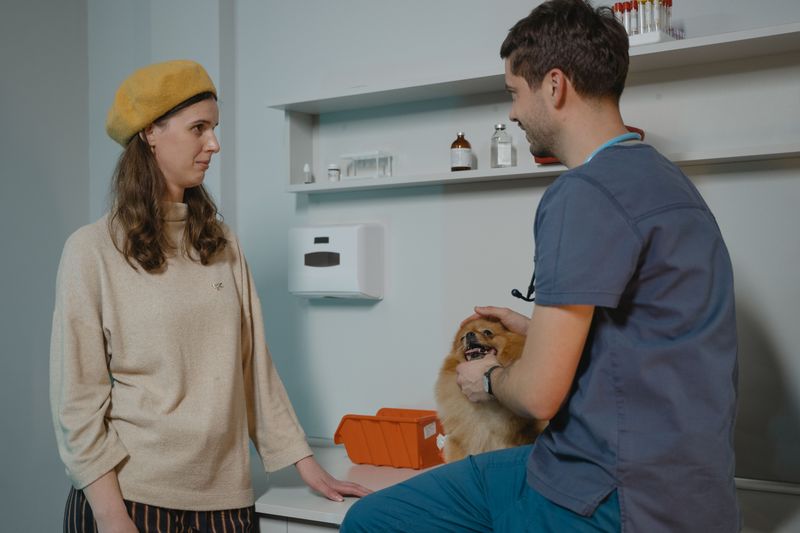
One specialty visit may lead to more checks later. Before heading home, ask when your dog should be seen again and which clinic should handle it.
Write down warning signs and questions for your regular vet.
Some follow-up care can happen locally when both vets coordinate. A phone or video discussion may help in certain cases, but it cannot replace every examination.
Confirm the plan before making another long drive or changing any treatment.
14. Consider How Weather Can Affect Rural Vet Trips

Ohio weather can change a familiar drive quickly. Snow, ice, storms, and flooded roads may slow travel from a rural home.
Check the forecast and road conditions before an appointment.
Ask the clinic how to reschedule if travel becomes unsafe. For urgent concerns, call a veterinarian for guidance rather than waiting for the skies to clear.
Keep a closer emergency option on your list, and avoid choosing a risky route simply to keep an appointment.
15. Make a Transportation Plan for a Sick or Injured Dog
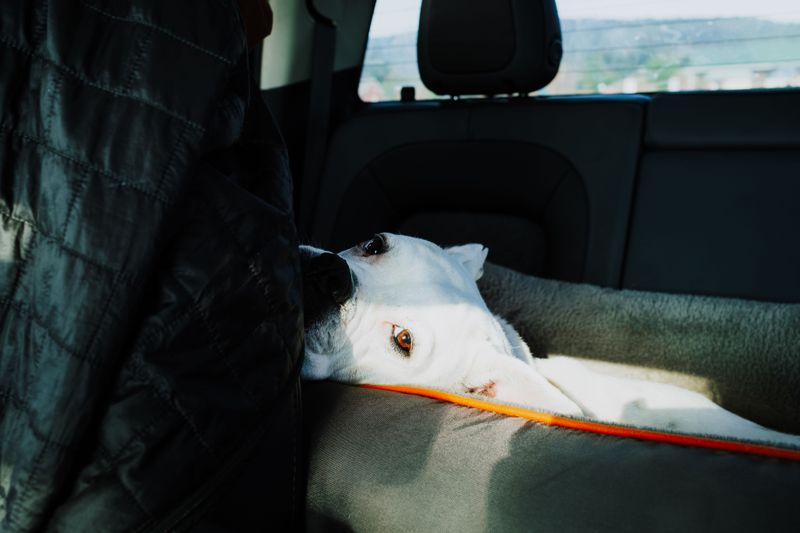
A dog that feels unwell may not climb into the car as usual. Decide now who could help you lift your dog safely.
Keep a sturdy carrier for a small dog, or a large blanket for careful support.
Call a veterinarian before moving a dog with a possible serious injury. Follow its advice about limiting movement and handling.
Once in the vehicle, secure your dog and leave room for a helper if one is available.
16. Ask About Specialty Care That Can Be Coordinated Locally
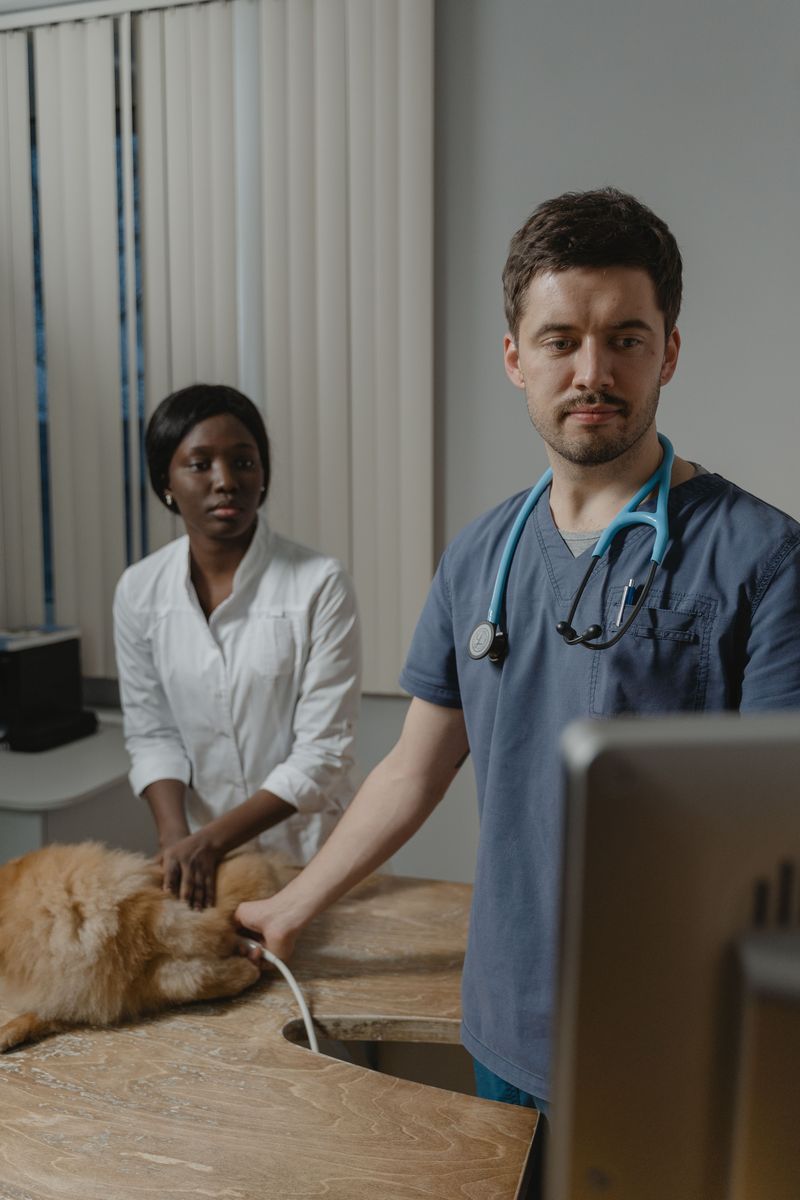
Distance does not always mean every step happens far from home. A specialist may share recommendations or a treatment plan with your local veterinarian when the practices coordinate your dog’s care.
That clinic might handle certain checks or share updates between visits.
Ask both teams who is responsible for each part of care. Video visits may be available for some veterinary services, but Ohio law requires specific conditions for veterinary telehealth, and some situations still require in-person care.
Confirm what requires an in-person exam before counting on a virtual appointment.
17. Budget for Travel Along With Veterinary Costs

The appointment bill is only part of a long-distance care plan. Fuel, parking, meals, and time away from work can add up.
An overnight stay may be needed for some visits.
Ask the specialty clinic for a cost estimate and its payment policies. Then add likely travel expenses to your budget.
If costs are difficult, tell the care team early. It may help you discuss timing, local options, or which steps matter most.
18. Revisit Your Specialty-Vet Plan as Your Dog Ages
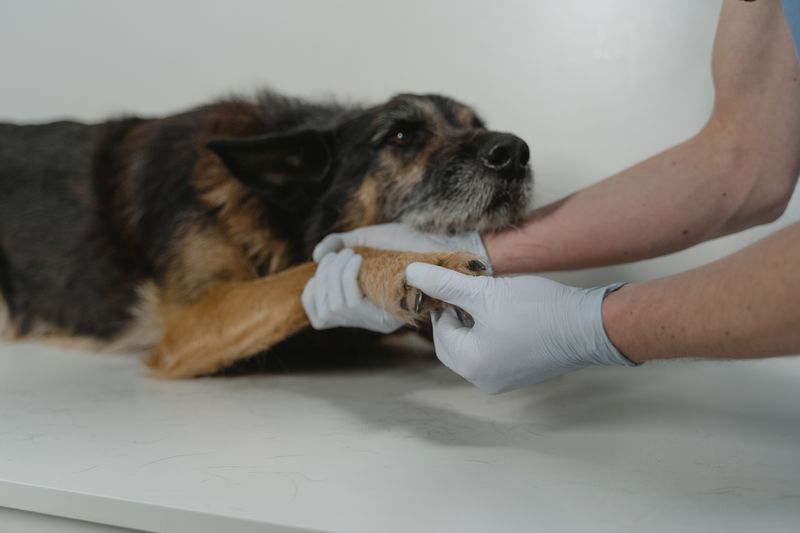
Your dog’s needs may shift over the years, even if your address stays the same. Bring up new changes in movement, sight, hearing, or daily habits during regular exams.
Ask whether a specialist’s advice would be helpful.
Review hospital numbers, driving plans, records, and your budget at least once a year. Your vet can suggest a visit schedule suited to your dog.
A plan that grows with your companion keeps care feeling manageable.