How New Madrid Earthquake Planning Changes When A Missouri Household Has Dogs
If you share your Missouri home with a dog, your earthquake plan needs a few extra steps. Shaking can leave familiar rooms messy, fences loose, and normal routines hard to follow.
The good news is that simple preparation can make those changes easier to handle. Here is how to build a New Madrid earthquake plan that helps you and your dog stay together and move safely.
1. Keep A Dog Evacuation Kit Ready
Your dog cannot pack a bag, so keep one ready near your family supplies. Include several days of food, water, bowls, waste bags, and any needed medication.
Add copies of vaccination records and a recent photo showing you together.
Check expiration dates and rotate supplies as you use them. Pack a familiar blanket if space allows.
Store the kit where you can grab it quickly, even if a hallway becomes difficult to cross after shaking.
2. Practice Getting Your Dog Out During An Emergency
Practice makes a hurried exit feel more familiar to everyone. Walk your dog through the route you would use after shaking stops.
Try a second route in case furniture blocks the first one.
Teach a simple cue for coming to you, and reward your dog for following it. During an earthquake, protect yourself first rather than running across a shaking room.
Once movement stops, leash your dog, check your route, and leave if your home is unsafe.
3. Keep Leashes And Carriers Easy To Reach
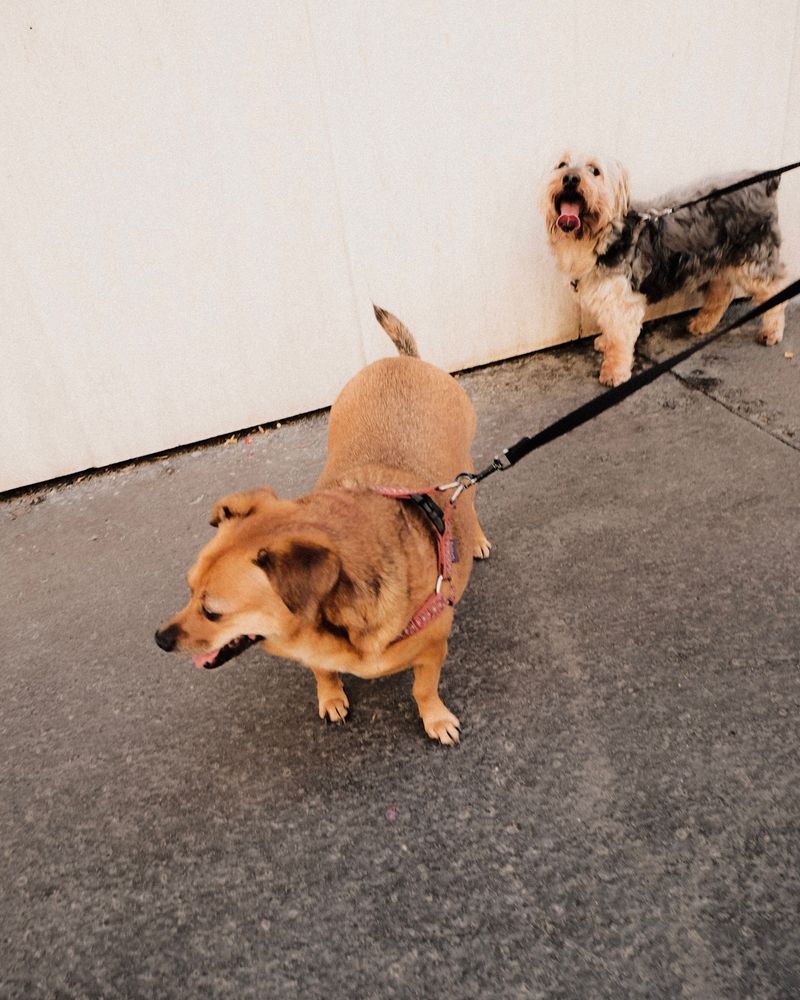
A leash buried in a closet will not help when a door suddenly needs opening. Keep one near each practical exit, away from shelves that might fall.
Small dogs may travel more safely in a sturdy carrier.
Make sure the carrier opens smoothly and fits your dog comfortably. Let your dog spend pleasant time inside it before an emergency.
If you store supplies in a car, keep another leash indoors, since your vehicle might be hard to reach.
4. Check For Hazards That Could Injure Dogs
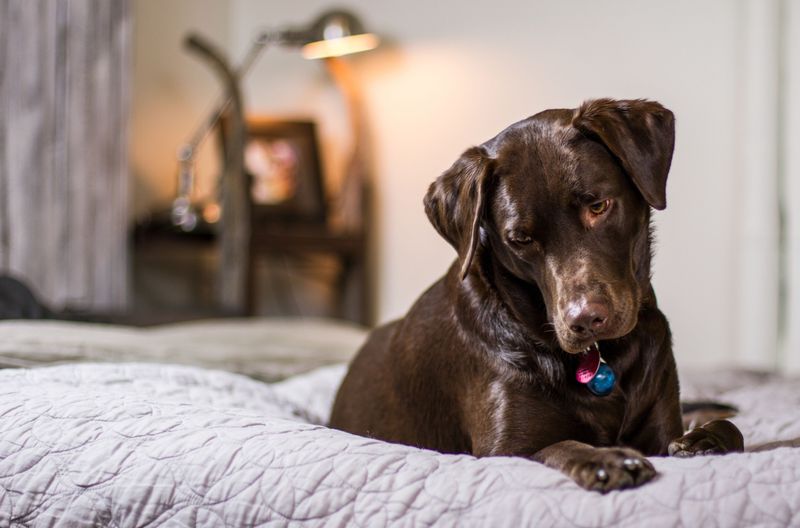
Look at your rooms from your dog’s height. Heavy lamps, loose shelves, and glass objects may fall near favorite sleeping spots.
Secure tall furniture to wall studs and move fragile items away from low surfaces.
Keep cleaners and medications in closed storage. Check where your dog rests during the day, not just overnight.
A few small changes can reduce hazards for the whole household while leaving your dog’s favorite spaces comfortable and easy to find.
5. Choose A Safer Indoor Spot For Your Dog
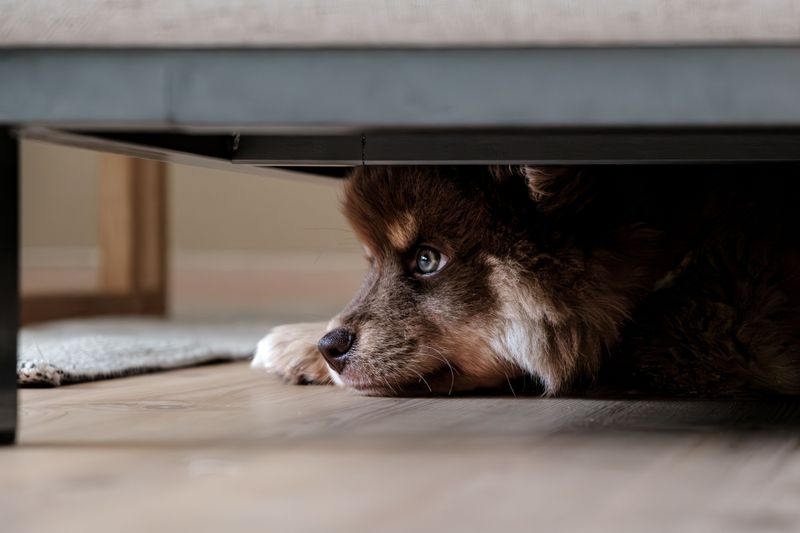
That sunny window may be your dog’s favorite place, but it is not ideal during shaking. Notice where windows, mirrors, and tall furniture could create trouble.
Set up a comfortable resting spot away from them.
People should drop, cover, and hold on during shaking, following official earthquake guidance. Do not risk crossing the room to reach your dog.
Afterward, speak calmly and bring your dog close when it is safe to move. Practice visiting the safer spot together.
6. Plan For Power And Water Outages
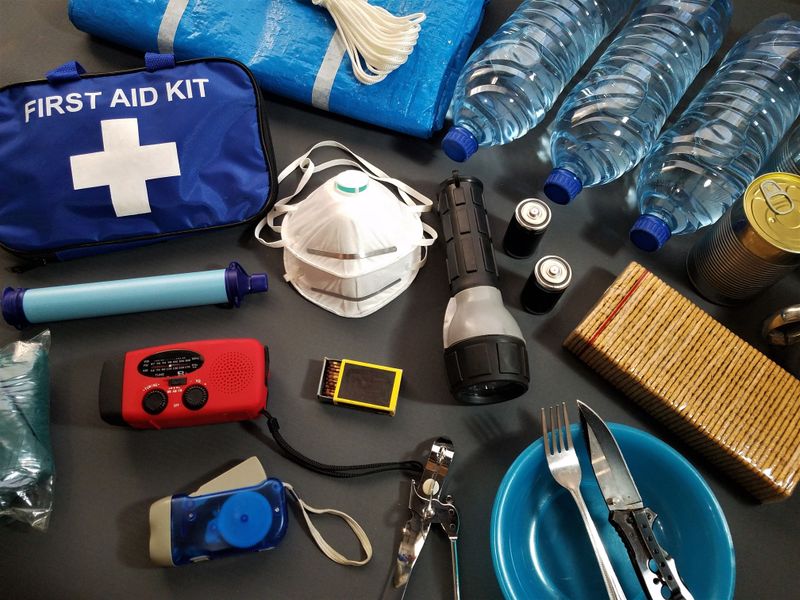
Power and water service can be interrupted after an earthquake. Store drinking water for every person and pet, following current local emergency guidance.
Keep extra dog food that does not require refrigeration.
A flashlight helps you inspect floors before your dog walks through dark rooms. If your dog uses medication that needs cooling, ask your veterinarian about a backup plan.
Refresh stored water regularly and learn how local utilities share updates. Avoid giving your dog water of uncertain quality.
7. Prepare For Broken Glass And Debris Outside
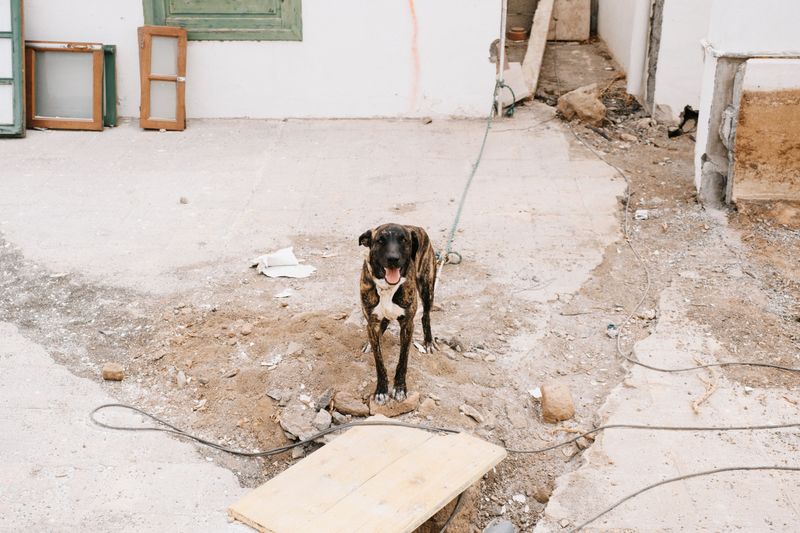
Even a quick bathroom break deserves a careful look after shaking. Check the path for glass, sharp pieces, and fallen branches before letting your dog out.
Keep your dog leashed while you inspect unfamiliar ground.
Dog boots may help some pets, but practice wearing them long before they are needed. Never assume footwear makes debris safe to cross.
If the yard is cluttered, choose a clear spot nearby and clean your dog’s paws when you return inside.
8. Expect Your Dog To React To Aftershocks
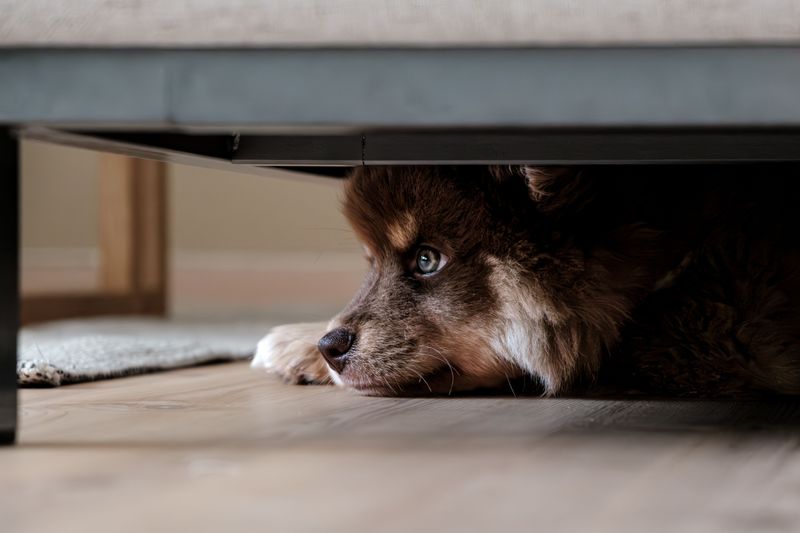
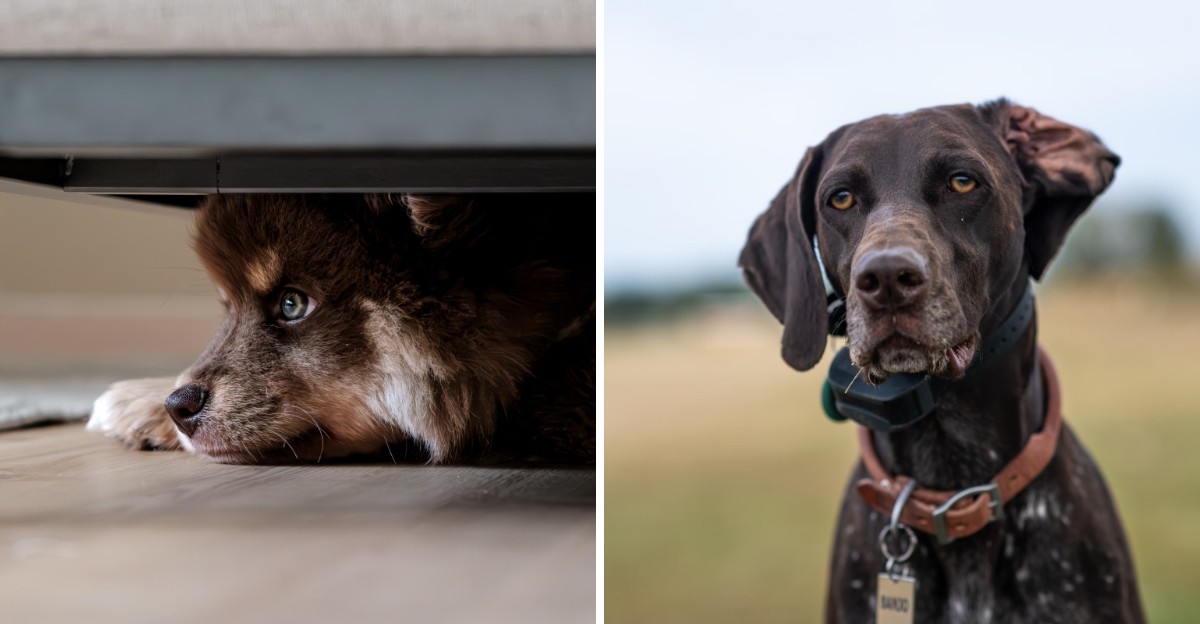
Your dog might pace, hide, or cling to you after the first earthquake. Aftershocks can bring more shaking, so keep a leash handy and maintain access to safer shelter.
Offer a quiet place and speak in your usual voice.
Do not force your dog out of hiding unless safety requires moving. Keep meals and walks as regular as conditions allow.
If behavior changes sharply or does not improve, contact your veterinarian. Calm routines can help both of you settle again.
9. Have Identification On Your Dog At All Times
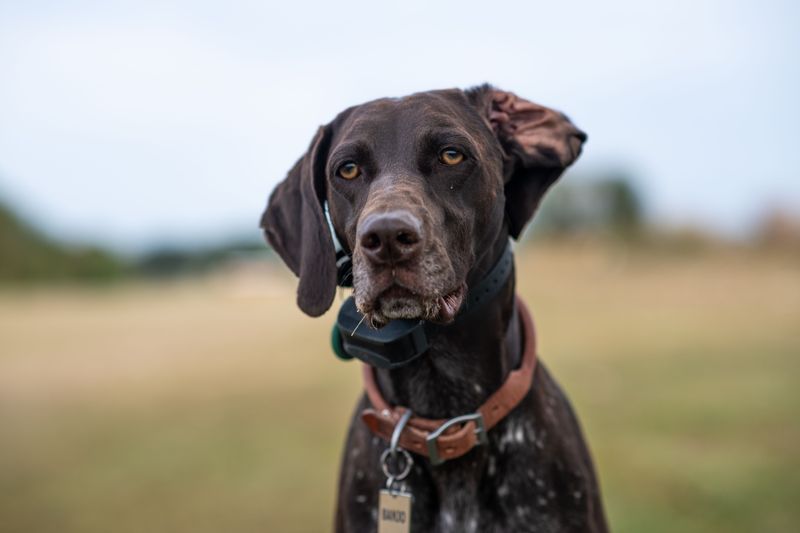
A gate can swing open at the worst time, making identification especially useful. Keep a secure collar with a readable tag showing your current phone number.
If your dog has a microchip, confirm that its registration has current contact information.
A microchip is not a tracking device, but it can help a shelter identify your dog. Save a recent photo on your phone and with printed records.
Check local licensing rules, since requirements vary among Missouri communities.
10. Make A Plan For Damaged Fences
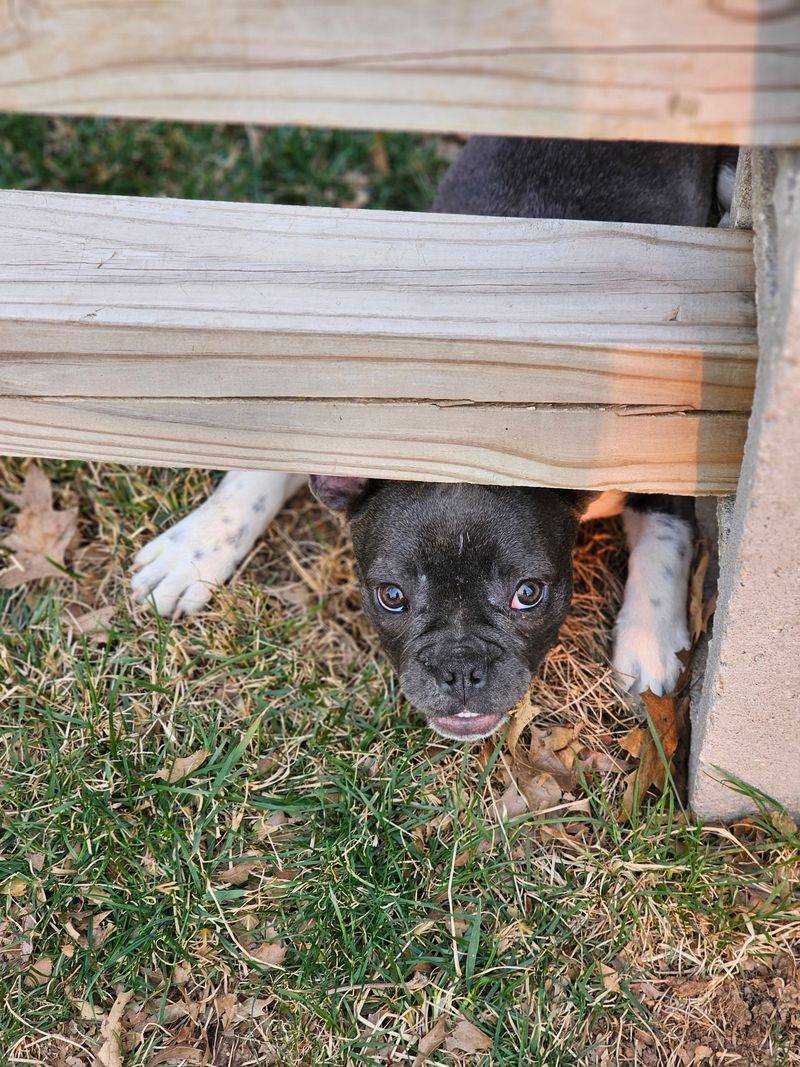
After shaking, the backyard may look normal from the doorway. A closer check could reveal a loose gate, shifted panel, or opening beneath a fence.
Keep your dog leashed until you have inspected the entire boundary.
Have a backup bathroom plan, such as a short walk along a clear route. Secure temporary repairs only when conditions are safe.
If your dog usually uses a dog door, close access until you know the yard can contain your dog.
11. Know Where You Can Stay With Your Dog
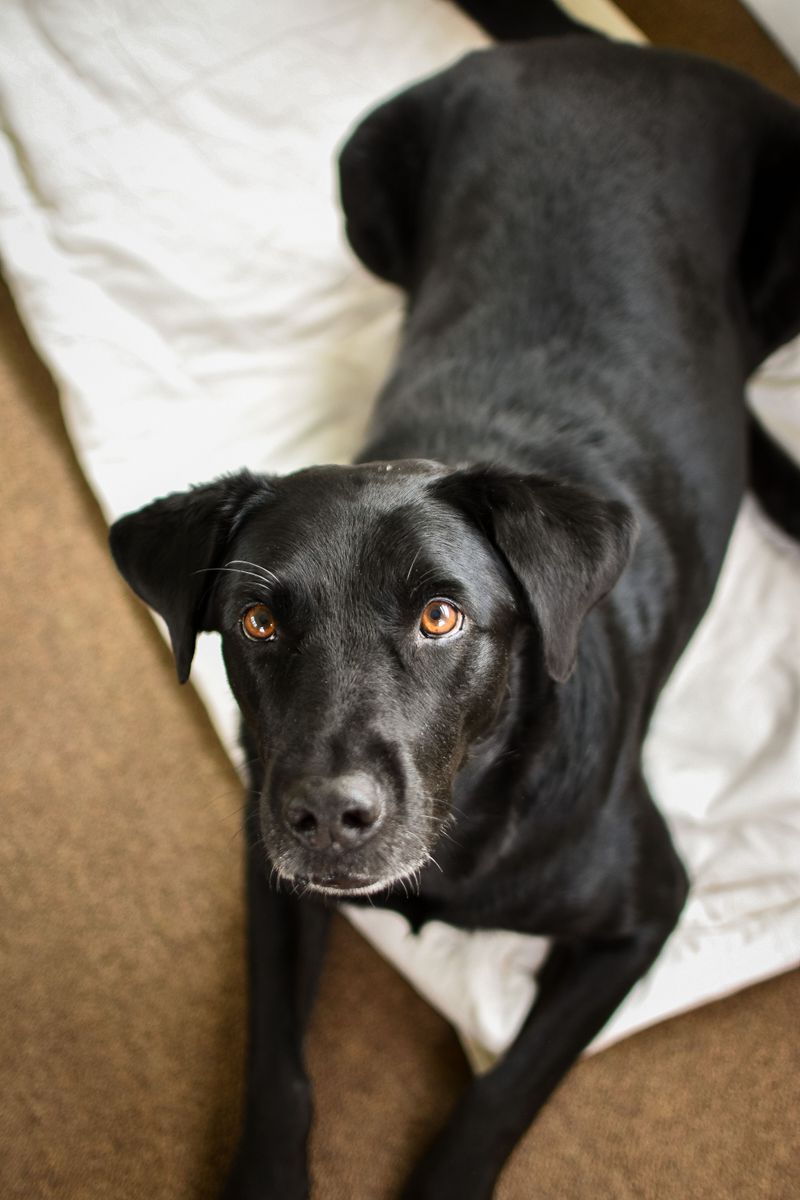
Finding a place to stay is easier before you need one. Ask nearby friends or relatives whether your dog could come with you.
Research pet-friendly lodging outside your immediate area and note any size limits or fees.
Emergency shelter rules vary by location, and ordinary shelters may not allow pets inside. Check your county emergency management office for current pet shelter plans.
Keep addresses and phone numbers on paper, since internet service may be unavailable when you travel.
12. Keep Your Dog Away From Damaged Buildings
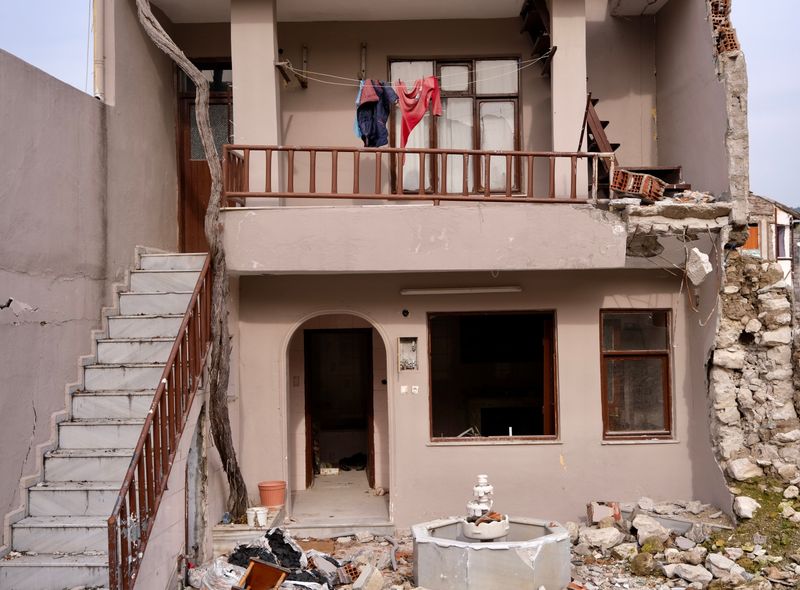
A familiar porch can be unsafe when bricks or other parts have shifted. Keep your dog away from damaged walls, chimneys, and entryways.
Do not enter a damaged building just to collect pet supplies.
Follow directions from local officials about unsafe structures and closed areas. If your dog is inside and you cannot reach it safely, tell responders its location.
Share details about doors, crates, and likely hiding places. Your own safety helps you stay available to help your dog.
13. Be Careful Around Missouri Floodwaters
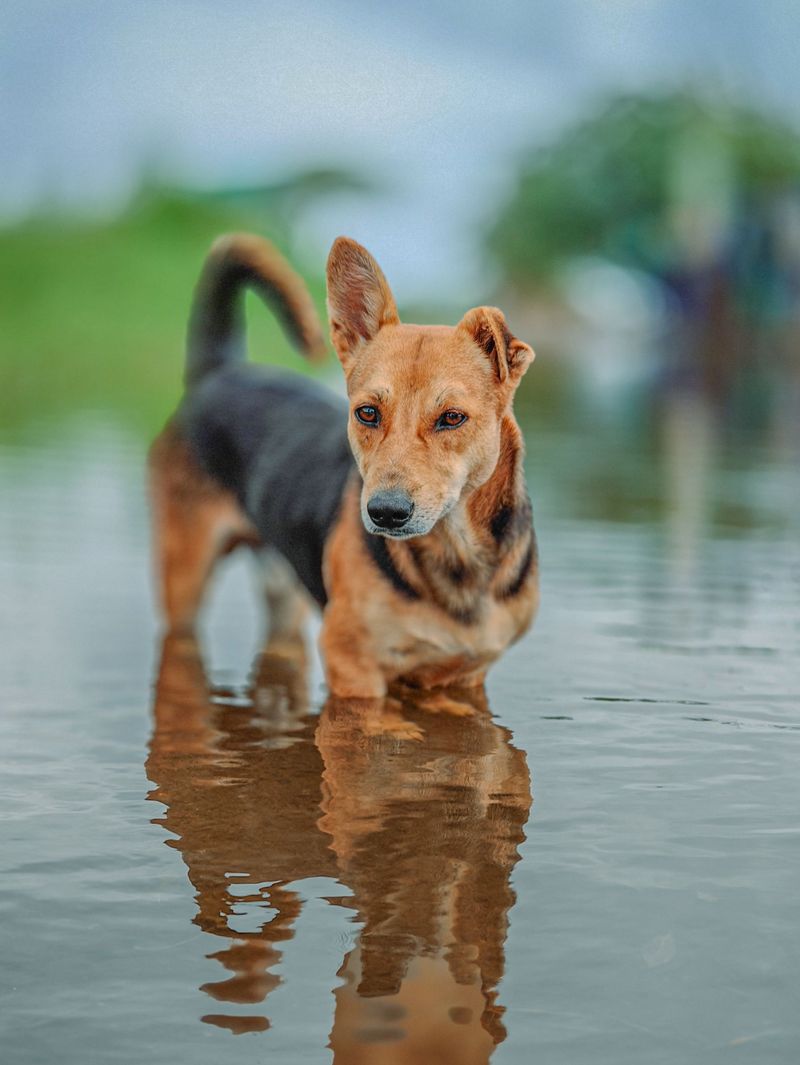
Earthquake planning in Missouri should also account for familiar flood risks. If roads or paths are flooded, turn around and find another route.
Do not let your dog drink or play in floodwater.
Floodwater can hide debris and may contain harmful substances. Keep your dog leashed near swollen streams and flooded yards.
Follow local weather and emergency alerts, since conditions differ across the state. Carry safe drinking water so your dog has another choice during travel or walks.
14. Plan For Limited Access To Your Veterinarian
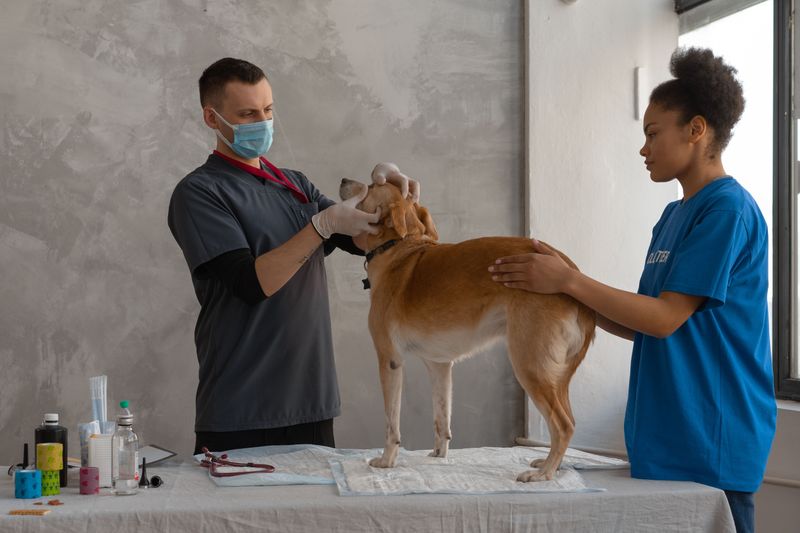
Your regular clinic may close briefly or be hard to reach after an earthquake. Save the number of an emergency veterinary clinic outside your immediate area.
Keep copies of medical records, prescriptions, and vaccination details with your kit.
Ask your veterinarian how to maintain an appropriate medication supply for your dog. Never change a dose without professional advice.
If your dog needs care after shaking, call ahead when possible. Confirm which clinics are operating and how to reach them.
15. Include Your Dog In Family Communication Plans
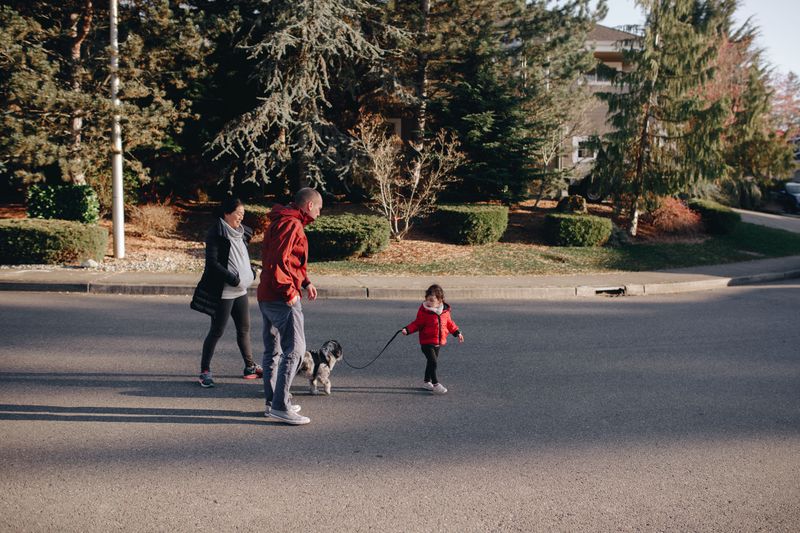
When family members are apart, someone needs to know who will collect the dog. Choose a primary caregiver and a backup person with access to your home.
Tell them where the leash, carrier, food, and records are stored.
Agree on a meeting place and an out-of-area contact who can relay updates. Text messages may work when calls are difficult, but do not rely on one method.
Write down your dog’s location and care needs in your household plan.
16. Prepare For Separation From Your Dog
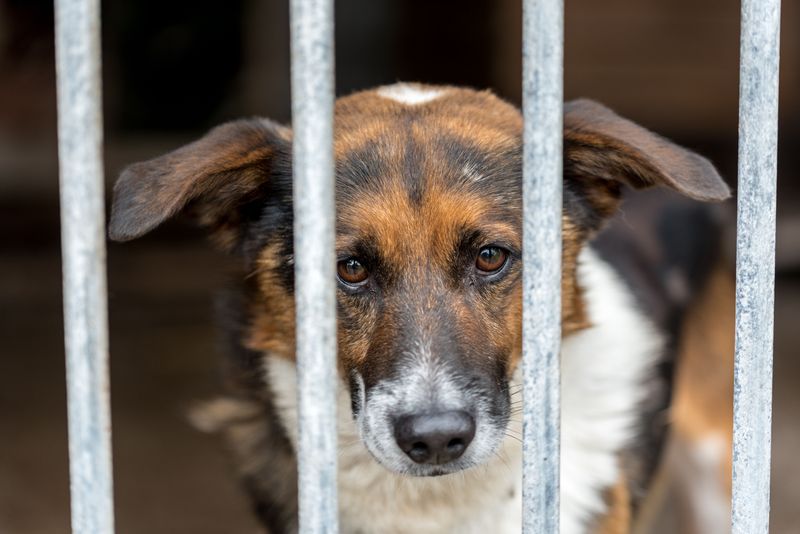
Even careful owners can become separated from a dog during an evacuation. Keep clear photos showing your dog’s face and markings.
Store your contact details, microchip information, and veterinary records where you can access them.
If your dog goes missing, contact local animal control and nearby shelters. Check their current reporting steps, since procedures vary by community.
Share accurate details with trusted neighbors without entering unsafe areas. Keep a spare leash ready for a safe reunion when your dog is found.
17. Keep Familiar Supplies Ready For Stressful Days
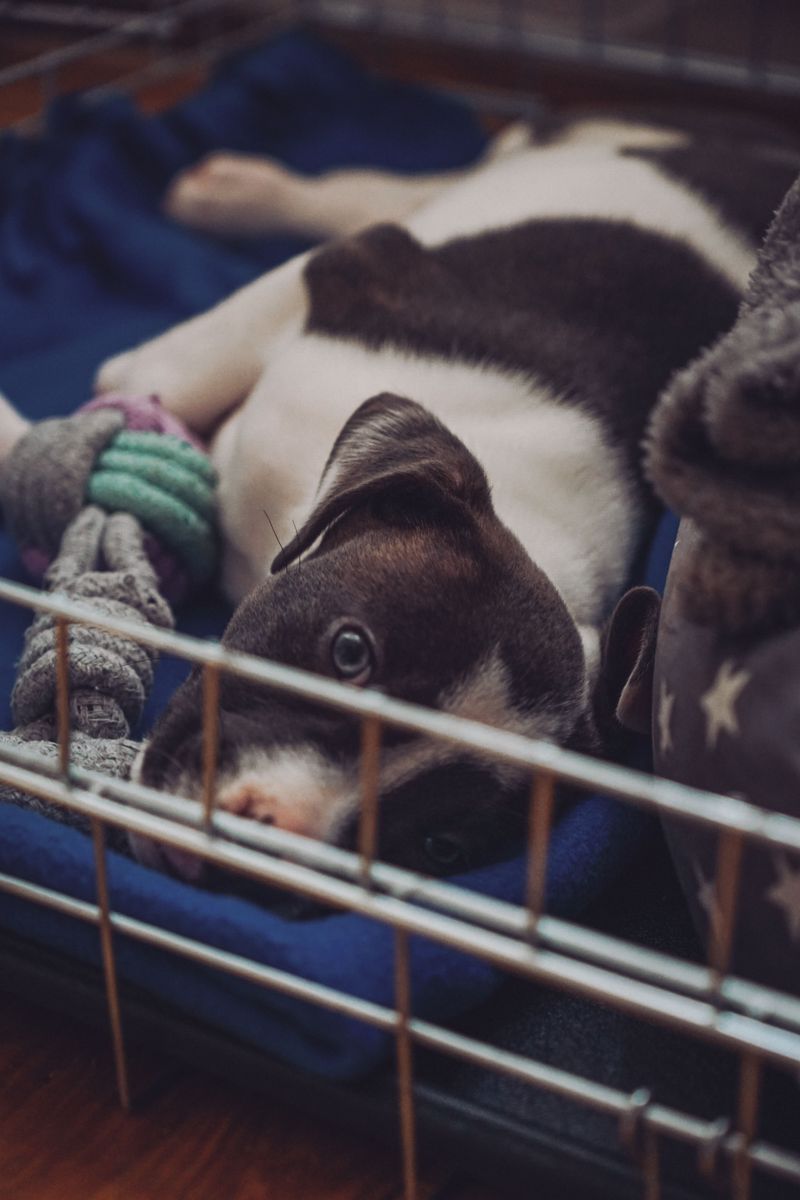
Small comforts can make an unfamiliar room easier for a dog. Pack a washable blanket, a favorite toy, and the food your dog normally eats.
Sudden food changes may upset some dogs, especially during a disrupted routine.
Offer water often and give your dog a quiet place to rest. Keep walks short and predictable when the area is safe.
Watch for signs that your dog needs space from strangers or other pets. Familiar scents can help a temporary stop feel less strange.
18. Recheck Your Earthquake Plan As Your Dog’s Needs Change
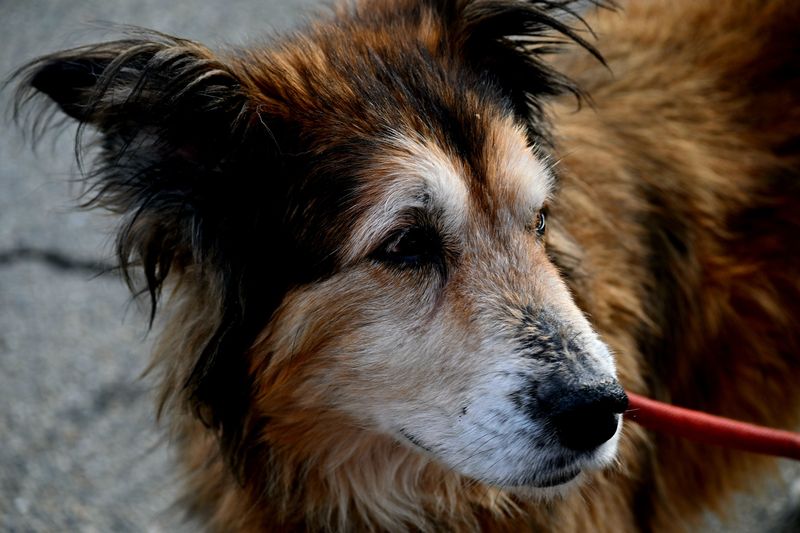
A plan that fits a young dog may not suit an older one. Review your supplies and exit routes whenever your dog’s health or mobility changes.
Check carrier size, medication dates, identification, and caregiver contact details.
Practice at a pace your dog can manage. Ask your veterinarian about travel needs if your dog develops a medical condition.
Set a calendar reminder to review the whole household plan. A few minutes of upkeep can leave you better prepared when routines suddenly change.