15 North Carolina Grooming Problems Caused By Humidity, Pollen, Mud, And Pine Debris
A walk through North Carolina can leave your dog carrying more than happy memories. Sticky air, spring pollen, muddy paths, and pine litter can all create extra grooming work.
Whether you live near the coast, Piedmont, or mountains, small changes can keep your dog more comfortable. Here are the coat, skin, and paw problems worth watching, along with simple ways to handle them calmly.
1. Humidity That Leaves a Dog’s Coat Damp and Smelly
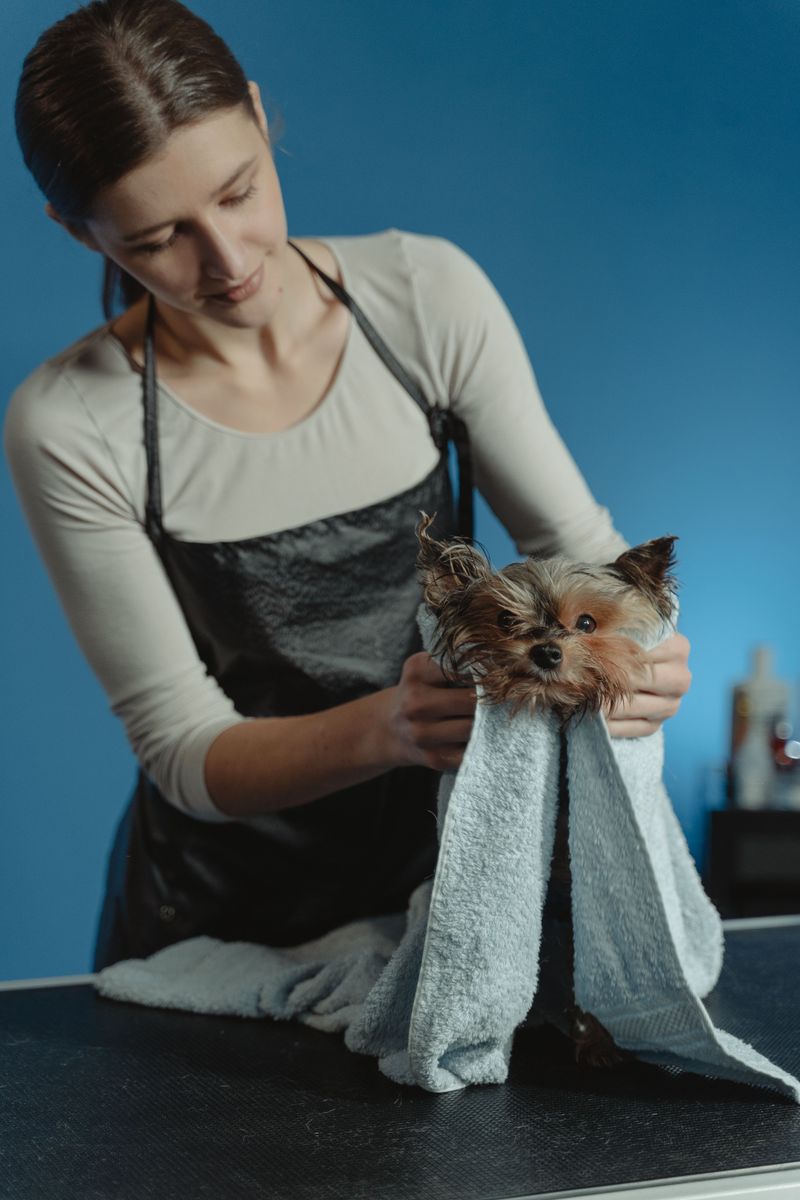
That familiar wet dog smell can linger when summer air feels thick. Moisture trapped near the skin gives odor a chance to build.
A quick towel rub may leave deeper layers damp.
Press towels into the coat, then allow drying in a cool, ventilated room. Use a dryer designed for pets according to its instructions.
Persistent odor, redness, or greasy skin deserves a veterinary check, rather than another bath or a scented spray at home.
2. Mats That Form Faster in Humid Weather
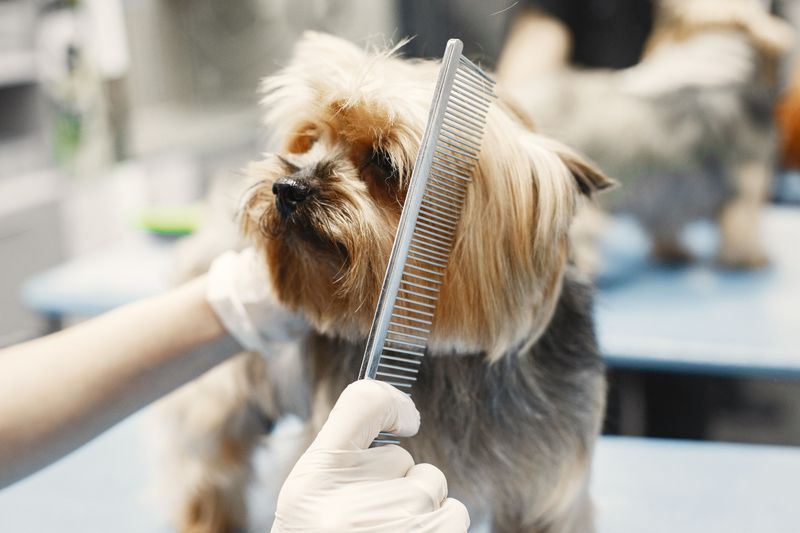
Behind the ears, tiny tangles can become tight knots before you notice. Moisture and rubbing encourage loose hairs to twist together.
Harness straps and collars often mark the trouble spots.
Check these areas daily, using a comb that reaches through the coat without scraping skin. Work gently on small tangles with a suitable dog detangler.
Leave tight mats to a groomer, since scissors can easily catch skin hidden beneath them during an attempted home trim.
3. Pollen That Sticks to Fur During Spring Walks
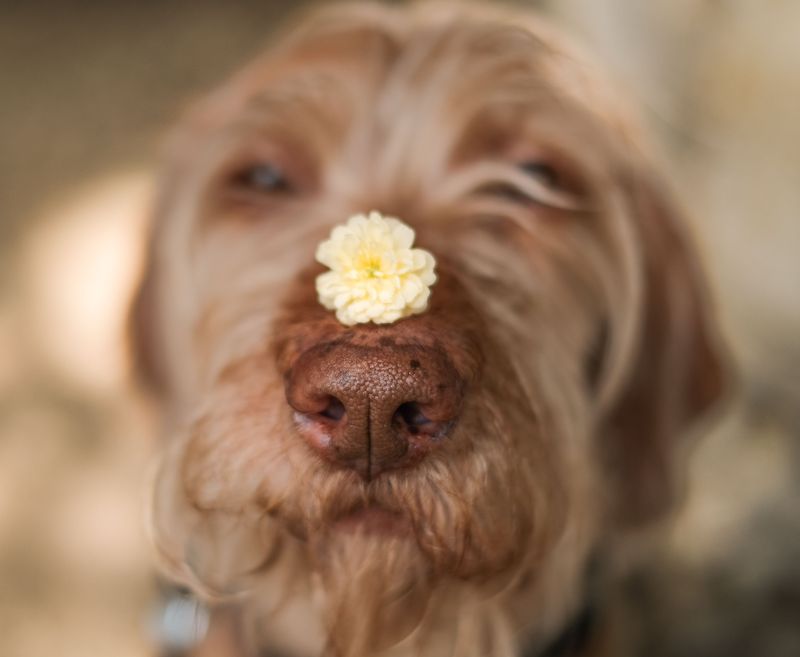
Yellow dust on your porch often means yellow dust on your dog. Spring pollen settles on fur during neighborhood strolls and backyard lounging.
Long coats can carry it indoors onto rugs and bedding.
Wipe the coat with a clean, damp cloth after walks, especially around legs and feet. Rinse the cloth often instead of spreading pollen around.
Wash bedding regularly, and brush outdoors when conditions allow, away from anyone whose allergies make that task uncomfortable.
4. Itchy Skin From Pollen Buildup
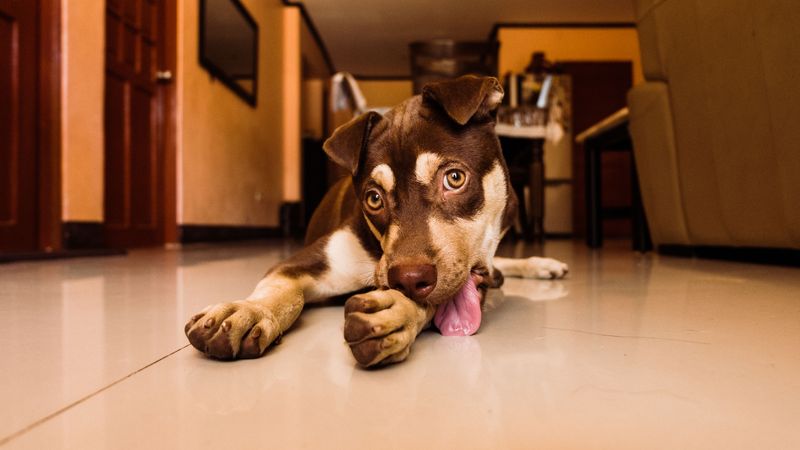
Repeated paw licking after spring outings may signal more than dirty feet. Some dogs react to environmental allergens, including pollen.
Scratching, face rubbing, and recurring ear trouble can also appear.
Rinse exposed paws with plain water, then dry between the toes. Ask your veterinarian about suitable bathing products and an allergy plan if itching continues.
Avoid giving human allergy medicines without guidance, because ingredients and dosing vary, and some products are unsuitable for dogs altogether.
5. Muddy Paws After Heavy North Carolina Rain
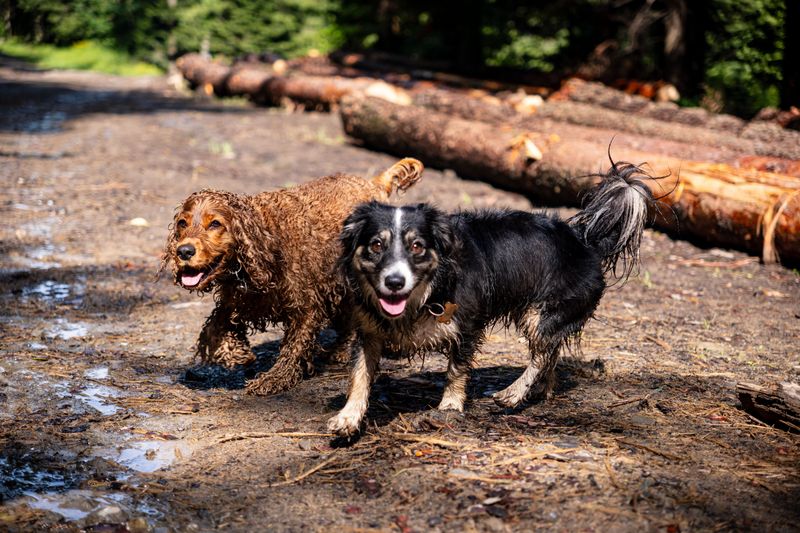
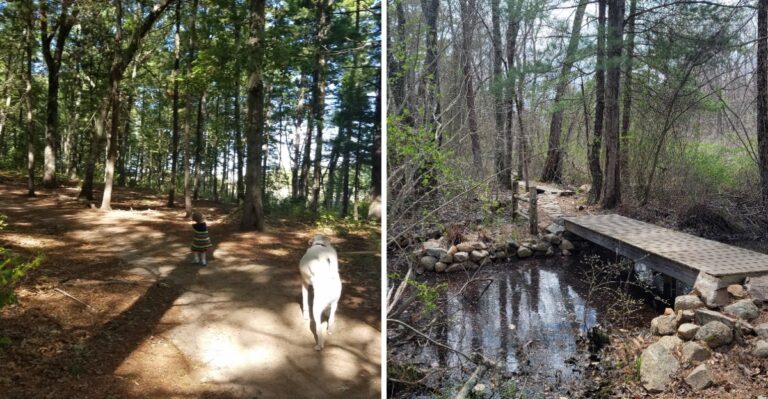
Red clay can turn a short bathroom break into a cleanup project. Once mud dries, it may cling between toes and around nails.
Scrubbing hard can leave tender skin feeling worse.
Let lukewarm water soften the dirt before gently rinsing it away. Check each paw for small cuts, then pat everything dry.
Keep a washable mat and towel beside the door, so cleanup becomes a calm routine instead of a chase across your living room.
6. Pine Needles Trapped Between Paw Pads
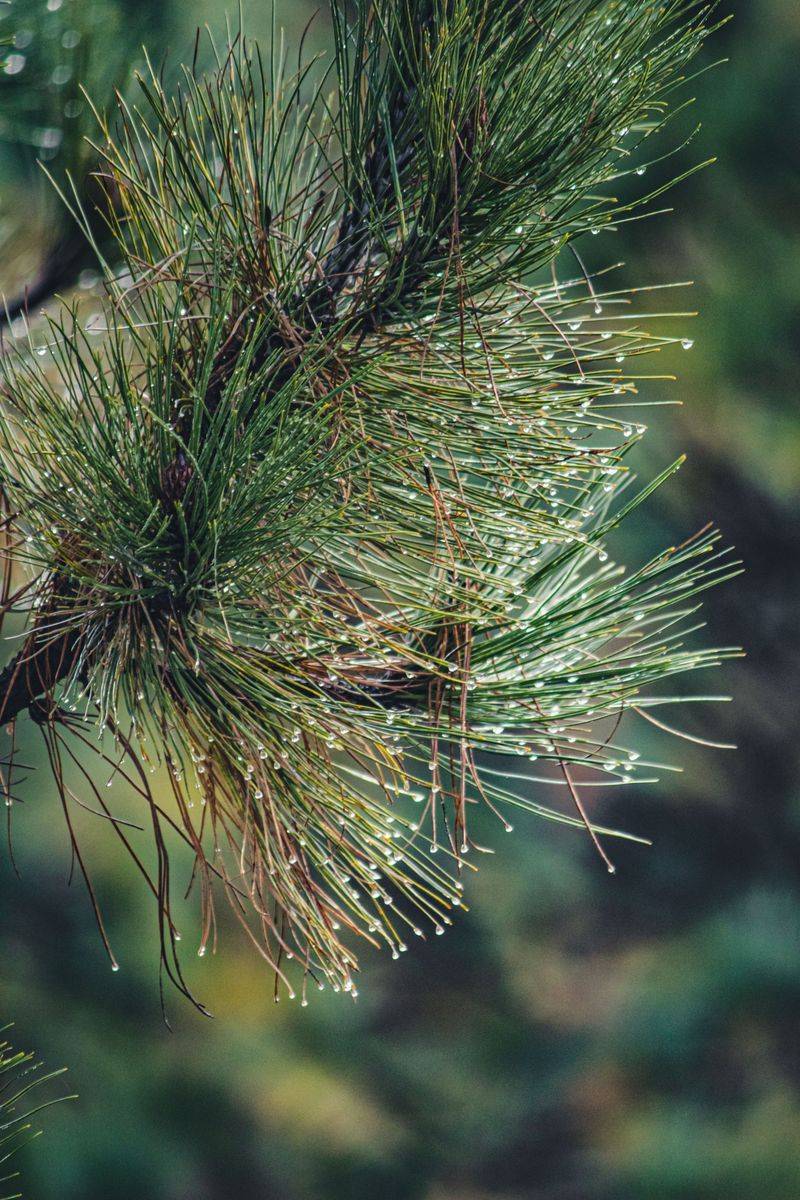
A sudden pause beneath the pines is worth a quick paw check. Loose needles can lodge in foot hair or press against pads.
Some pieces may be easy to miss.
Spread the toes gently and remove only debris that lifts away without resistance. Avoid digging into skin with tweezers or other tools.
Limping, swelling, repeated licking, or an embedded needle calls for veterinary help, especially when your dog seems uncomfortable during a careful visual inspection.
7. Sticky Pine Sap That Clings to Fur
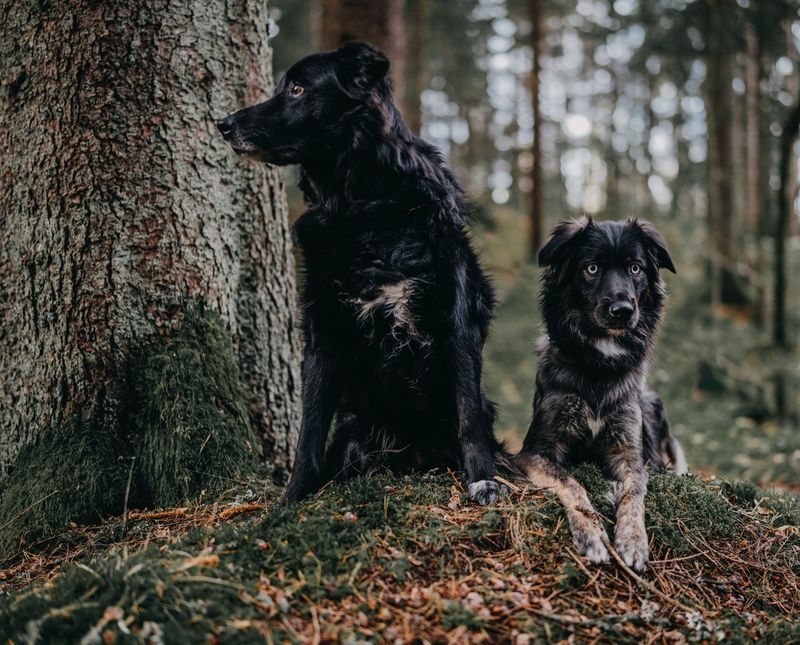
Sticky patches after a woodland walk are often pine sap, not ordinary dirt. Pulling at the patch can tug painfully on nearby hair.
Rubbing usually spreads the mess farther.
For small patches, soften sap with a little cooking oil, keeping your dog from licking it. Gently loosen the residue, then wash with dog shampoo and rinse thoroughly.
Ask a groomer or veterinarian about large patches, sensitive areas, or skin that already looks irritated or sore.
8. Pine Cones and Small Debris Tangling Long Coats
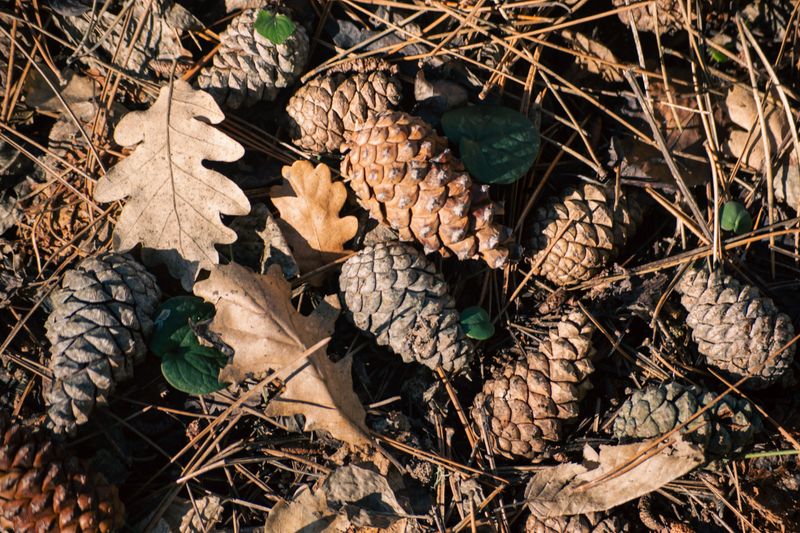
Feathery tails make excellent collectors along pine covered paths. Cone scales, twigs, and leaf pieces can catch in longer hair.
Left alone, those bits encourage tangles and uncomfortable pulling.
After woodland outings, inspect the tail, chest, belly, and backs of the legs. Support the hair near the skin while gently removing loose pieces.
Stop when debris is tightly wrapped or removal bothers your dog, and let a groomer handle the stubborn section without unnecessary pulling.
9. Damp Undercoats That Take Too Long to Dry
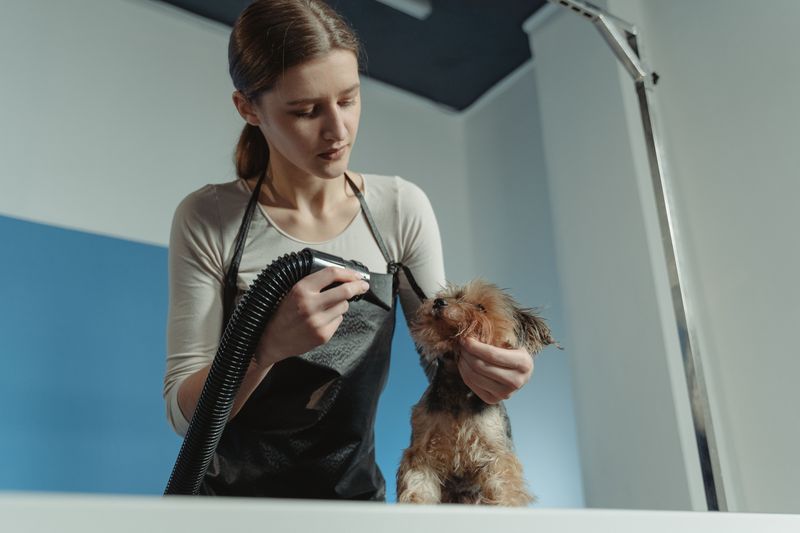
The surface can feel dry while a thick undercoat stays wet. Double coated dogs often need extra drying after rain, swimming, or bathing.
Humid air can slow that process further.
Part the fur and check near the skin, especially around the chest and hindquarters. Use absorbent towels and comfortable airflow, avoiding hot dryer settings.
A groomer can recommend tools for your dog’s coat, and shaving is not a routine solution for managing a damp undercoat.
10. Skin Irritation Around the Belly and Armpits
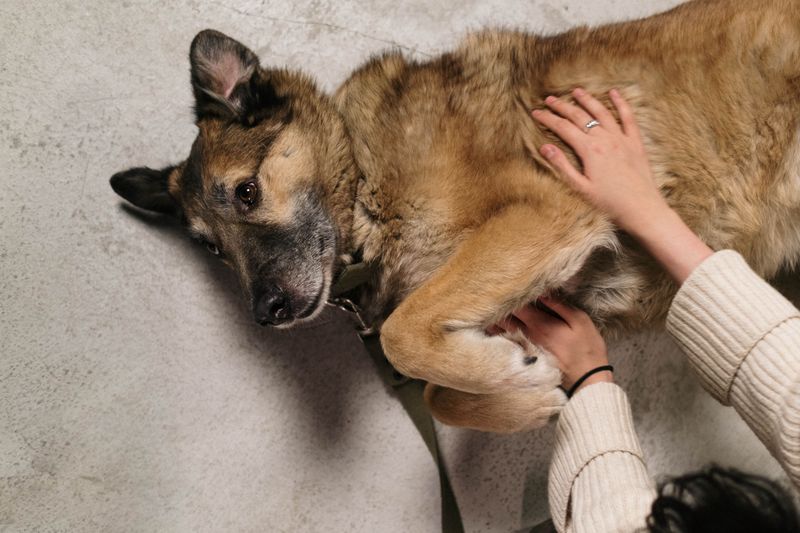
Low areas of the body brush through wet grass and collect grime. Under the front legs, rubbing can add to moisture trouble.
Harnesses may keep these spots covered longer.
Remove wet gear after walks and inspect the belly in good light. Rinse away dirt, pat dry, and check whether straps fit comfortably.
Redness, odor, bumps, or persistent licking need veterinary advice, rather than repeated scrubbing or applying creams that your dog might lick off afterward.
11. Dirty Ears After Pollen-Heavy Outdoor Adventures
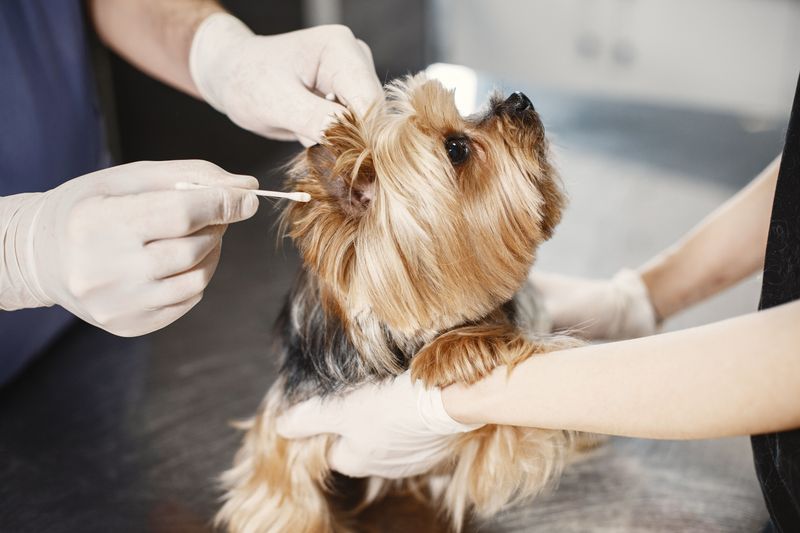
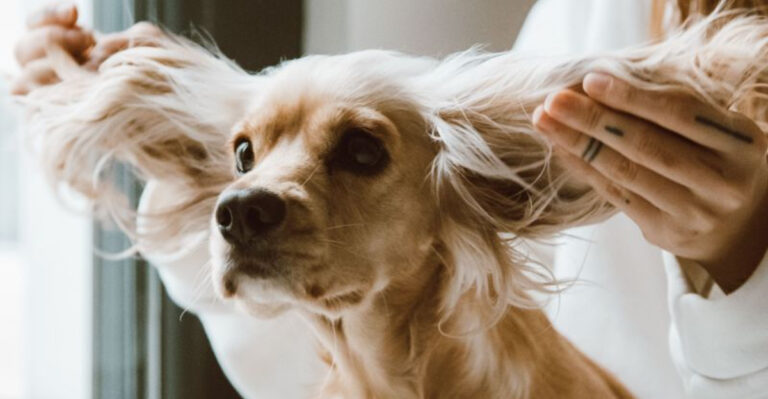
Floppy ears deserve attention after dusty walks and damp afternoons. Pollen and dirt can settle around the ear opening.
Allergies may also contribute to recurring ear inflammation in some dogs.
Check for unusual redness, discharge, odor, or frequent head shaking. Wipe only visible outer surfaces, and use ear cleaner if your veterinarian recommends it.
Never push cotton swabs into the canal, and arrange an exam when ears seem painful or problems keep returning despite routine care.
12. Tear Stains and Facial Buildup During Humid Months
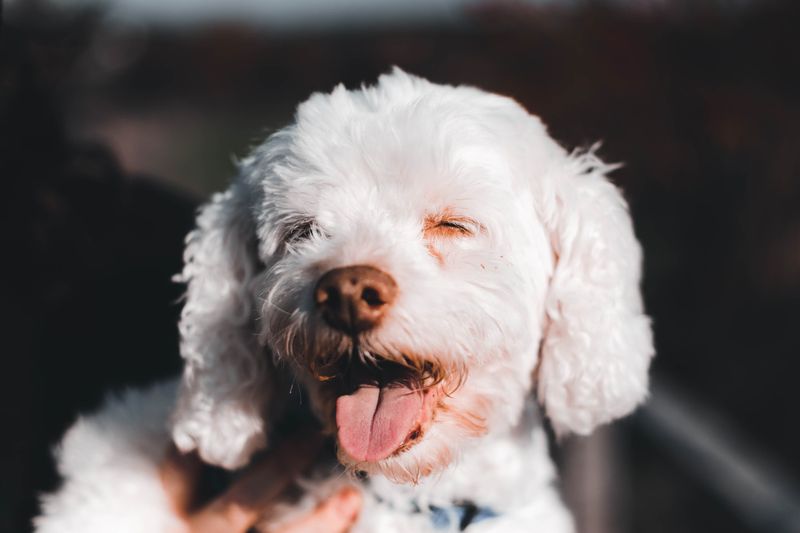
Rust colored marks can stand out on pale faces during sticky weather. Tears, damp hair, and collected dust may leave crusty patches.
Humidity alone does not explain every watery eye.
Soften buildup with a clean, damp pad, using a separate pad for each eye. Wipe surrounding fur gently and keep products away from the eyes.
Squinting, redness, thick discharge, or sudden tearing needs prompt veterinary attention, rather than stain treatments that could mask the underlying problem.
13. Overgrown Paw Fur Collecting Mud and Debris
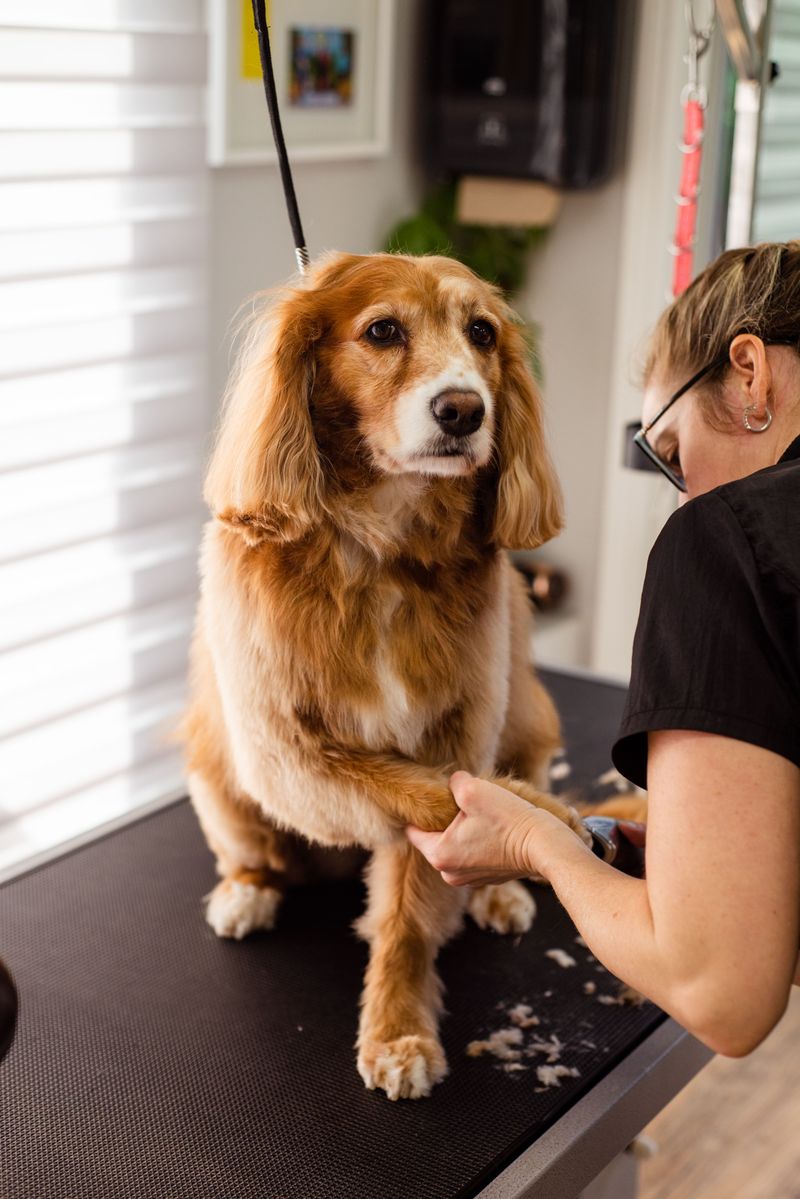
Fuzzy feet may bring home more trail than you expected. Hair extending around the pads can hold mud, needles, and moisture.
Packed debris may also affect comfort and footing.
Ask a groomer whether a careful paw trim suits your dog’s coat and activity level. Avoid cutting between pads with household scissors, especially if your dog wiggles.
Between appointments, rinse dirty feet and inspect the nails, since neglected nails can change how paws meet the ground.
14. Fleas and Ticks Hidden in Outdoor Debris
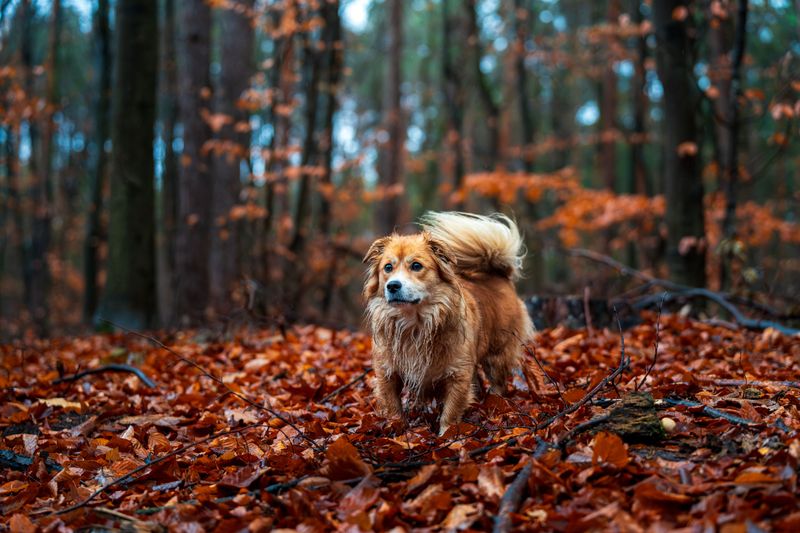
Leaf litter and brush offer places where dogs can encounter unwanted hitchhikers. Fleas and ticks may hide beneath thick coats.
Grooming helps find them, but does not replace reliable prevention.
Check around ears, toes, armpits, and the tail base after outdoor time. Ask your veterinarian about year round protection suited to North Carolina conditions.
Remove attached ticks promptly with proper tools and technique, and seek guidance if you cannot remove one safely or notice unusual symptoms.
15. Grooming Routines That Change With North Carolina’s Seasons
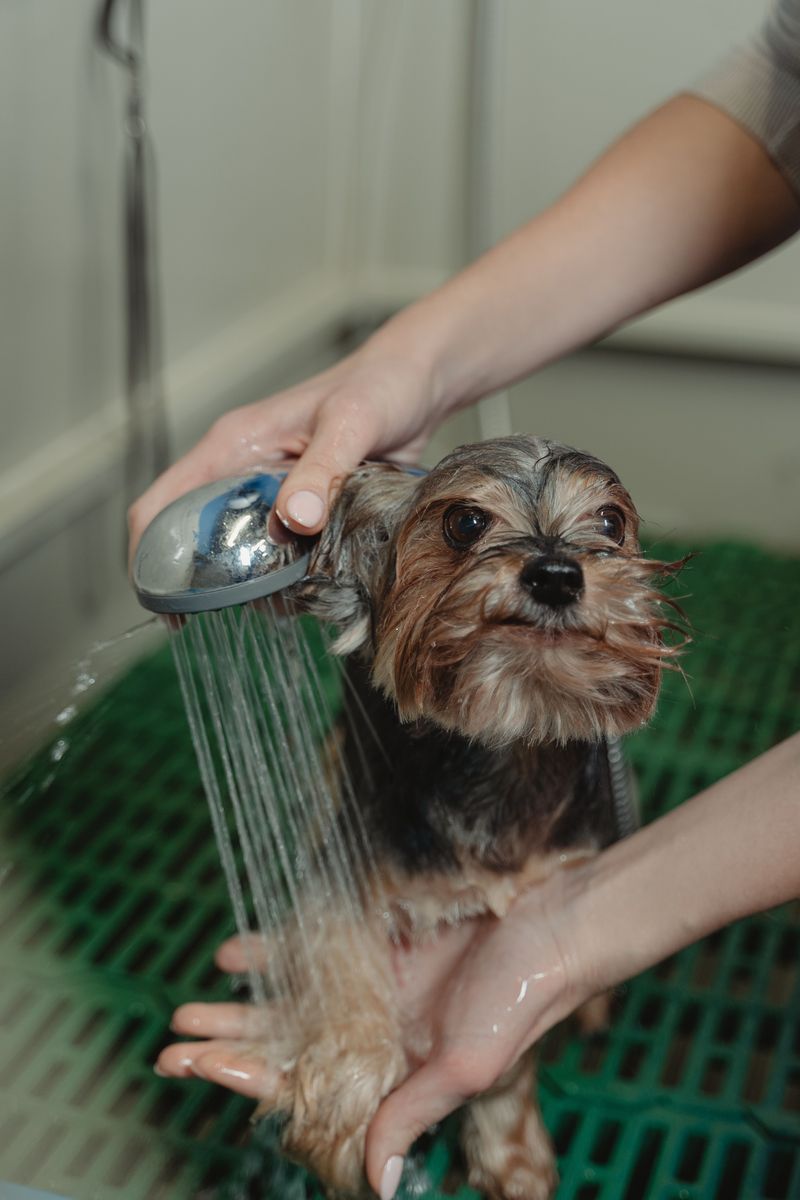
Your dog’s grooming calendar should follow conditions, not just appointment dates. Spring brings pollen, summer adds humidity, and rainy stretches create mud.
Coastal, Piedmont, and mountain weather can differ considerably.
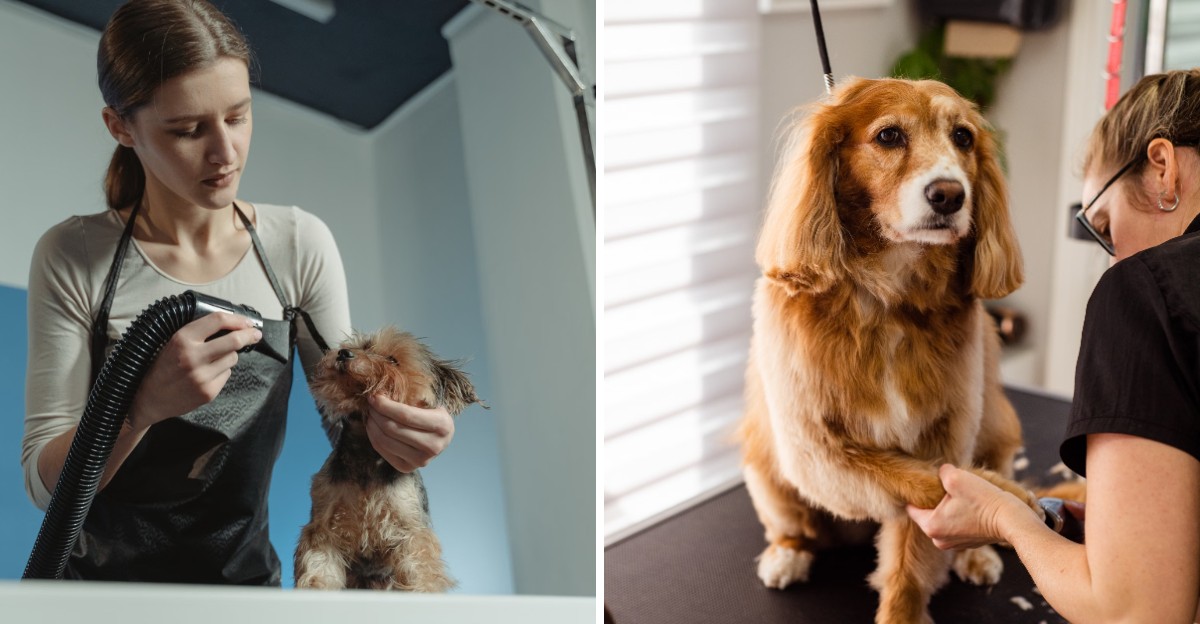
Adjust checks after each outing, and ask your groomer about a schedule suited to your dog’s coat. Keep towels, a comb, and paw supplies ready near the door.
Small, steady habits make local adventures easier: check the coat, clean gently, dry thoroughly, and notice changes early.