15 Ohio Vet Questions Worth Asking Before Snow, Mud Season, And Summer Humidity Cycle Through
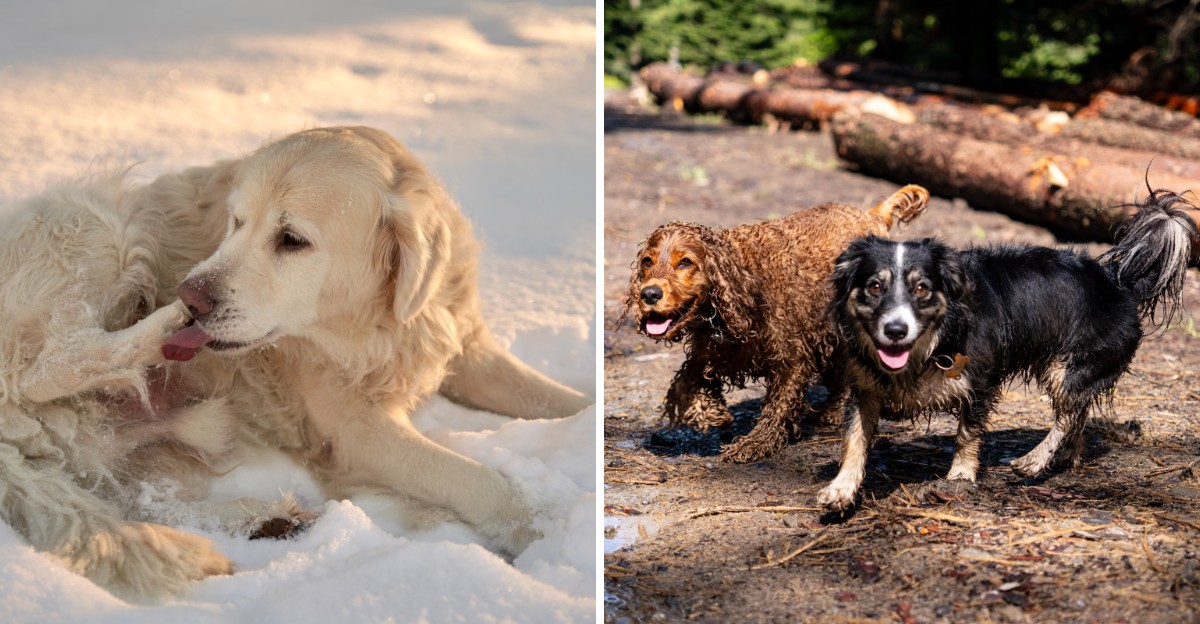
Ohio weather can turn a snowy sidewalk into a muddy trail before your dog finishes exploring the yard. Summer brings another shift, with sticky air that can make familiar walks feel harder.
A few well-chosen questions can help your vet shape a care plan around your dog’s needs. Bring this list to your next visit, and turn seasonal guesswork into simple, steady habits.
1. How Should I Adjust My Dog’s Exercise Routine as Ohio Weather Changes?
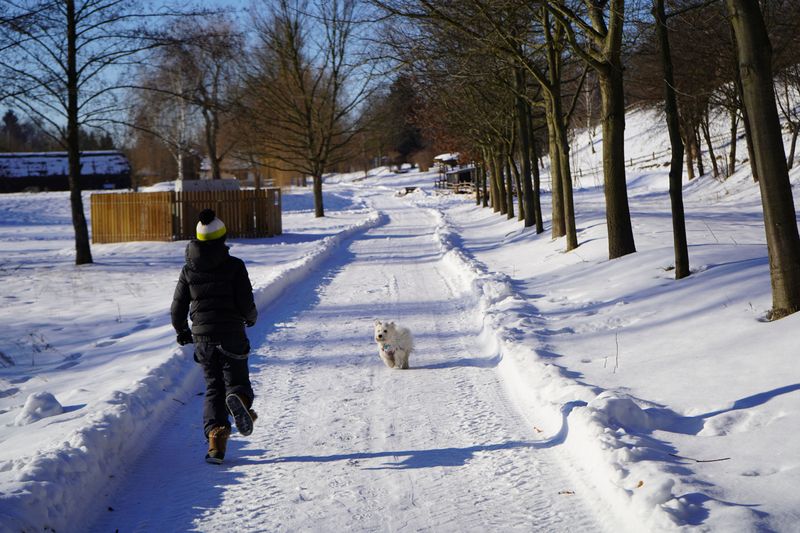
A familiar walking route can feel very different after snow, heavy rain, or a humid afternoon. Ask your vet how your dog’s age, breathing, weight, and fitness should shape activity.
Shorter outings may work better during rough weather, with indoor sniffing games filling the gaps. Build activity slowly after quieter weeks.
Choose firm footing, carry water, and let your dog set a comfortable pace. Stop when movement or breathing changes noticeably, then seek veterinary advice promptly.
2. What Signs of Cold Stress Should I Watch for During Ohio Winters?
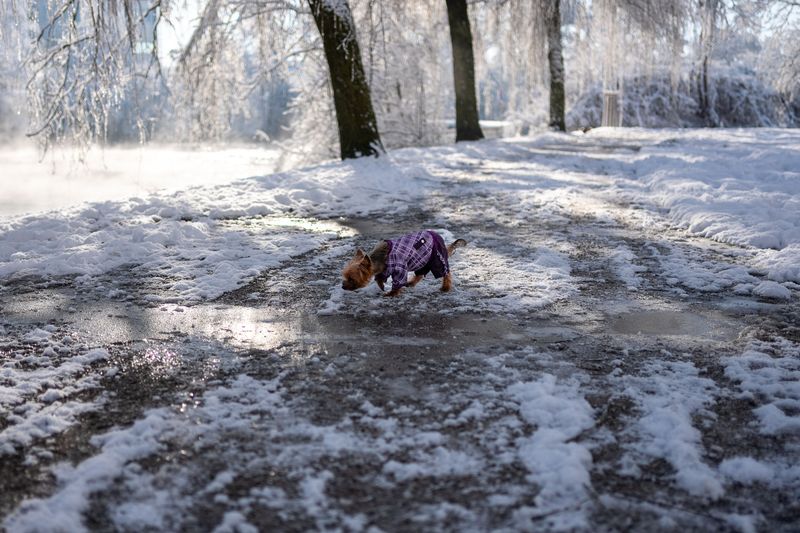
Shivering is a clue, but it is not the only reason to head indoors. Slowing down, lifting paws, whining, or seeking shelter can also signal discomfort.
Discuss your dog’s coat, size, age, and medical needs before winter arrives. No outdoor time limit suits every dog.
Bring a cold dog inside, dry wet fur, and offer gentle warmth. Weakness or confusion after cold exposure can indicate serious hypothermia and requires urgent veterinary attention, even after your dog has been brought into a warm room.
If shivering continues despite gentle warming, contact your veterinarian promptly.
3. Does My Dog Need Special Paw Protection From Snow, Ice, and Road Salt?
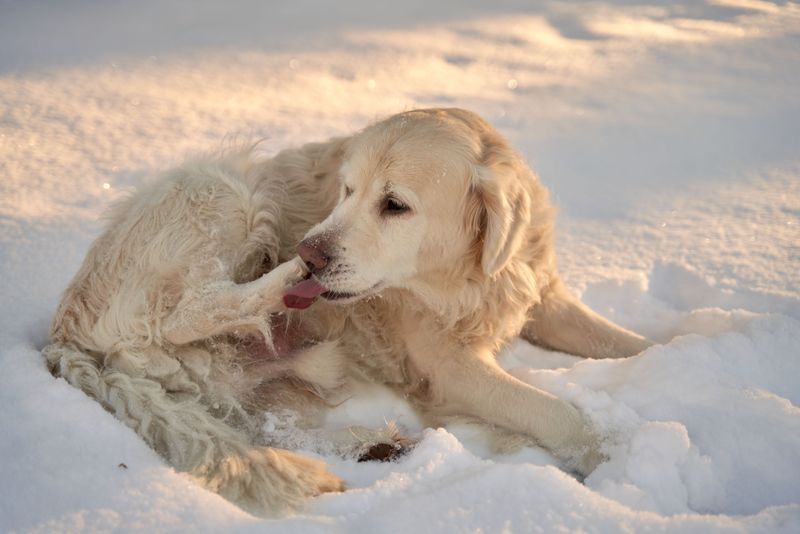
Road salt often follows dogs home on their feet. Snow can also collect between toes, making each step uncomfortable.
Ask whether boots or a veterinary-approved paw balm would suit your dog. Practice wearing boots indoors first, checking for rubbing or slipping.
After walks, rinse paws with lukewarm water and dry between toes. Prevent licking until residue is removed.
Call your vet about cracks, persistent redness, or limping rather than applying household creams without professional advice first.
4. How Can I Prevent Mud-Related Skin and Paw Problems?
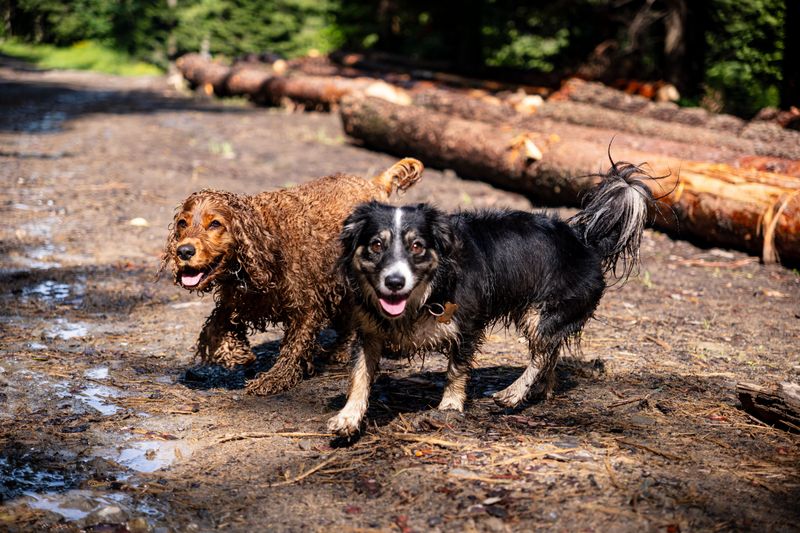
Muddy paws need more than a quick wipe across the doormat. Trapped moisture, grit, and repeated licking can leave skin irritated.
Rinse dirty feet, then dry carefully between toes and around skin folds. Ask your vet about safe bathing frequency and suitable cleaners.
Avoid scrubbing already tender areas. Check for swelling, odor, discharge, or repeated chewing after wet walks.
Those changes deserve an appointment, especially when home cleaning does not help your dog feel comfortable again.
5. Is My Dog Protected Against Fleas and Ticks All Year?
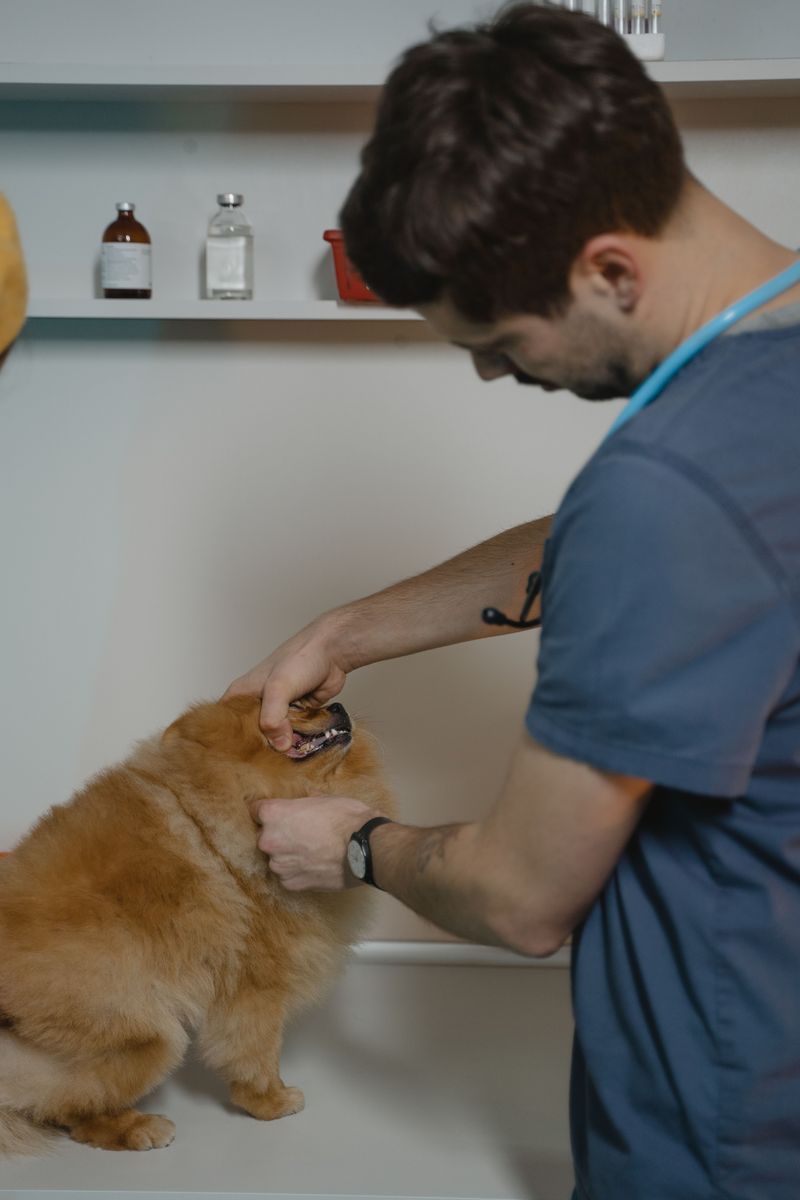
A chilly week does not guarantee a break from parasites. Fleas can persist indoors, and some ticks become active during mild winter weather.
Veterinarians generally recommend protection throughout the year, including for dogs with limited outdoor time. Review your current product, dosing schedule, weight range, and health history.
Mention other pets, especially cats, because certain dog products are unsafe around them. Ask how to handle missed doses and which tick checks fit your dog’s usual outdoor adventures.
6. Which Vaccinations Should My Dog Receive Before Outdoor Season?
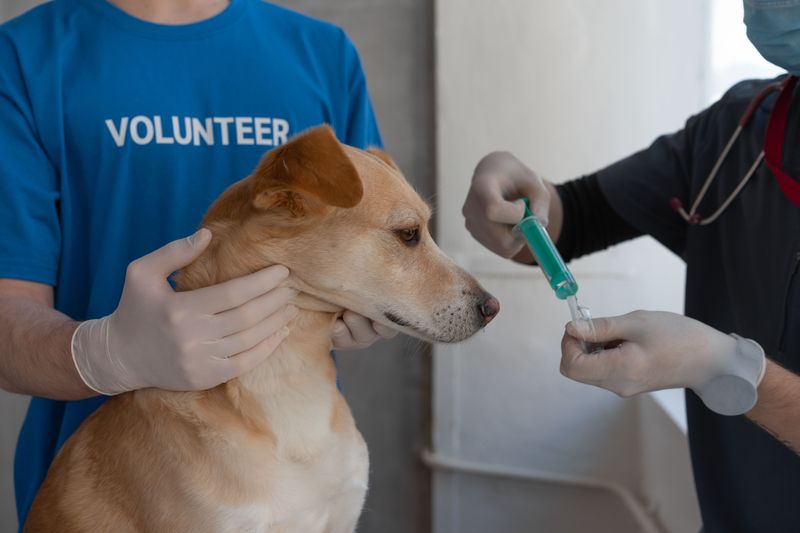
Trail plans, boarding stays, and puddle splashing belong in the vaccine conversation. Your dog’s history matters as much as the calendar.
Review core vaccines, including rabies, distemper, parvovirus, adenovirus, and leptospirosis. Discuss additional protection based on boarding, travel, and local exposure.
Rabies requirements can vary locally, so confirm applicable rules. Bring previous records and ask when protection develops.
Some vaccines require an initial series, making advance planning helpful before busy outdoor schedules begin for your household.
7. Should My Dog Be Tested for Heartworm Before Mosquito Season?
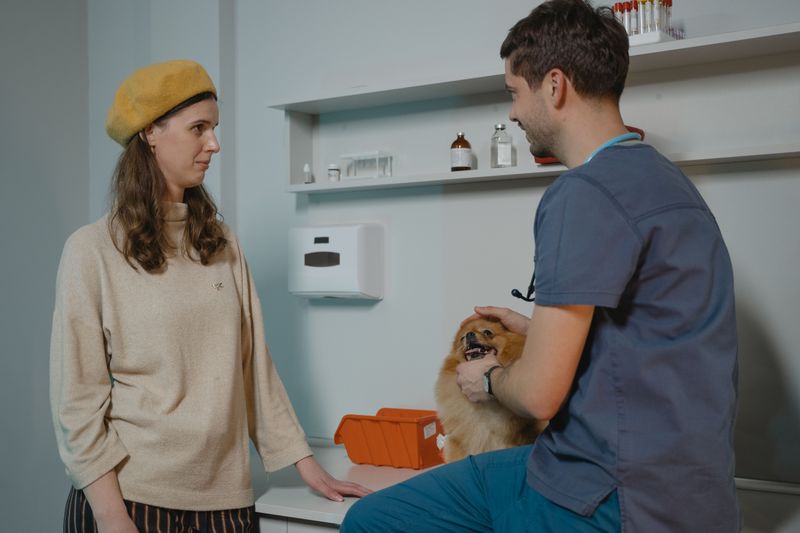
Mosquitoes may feel seasonal, but heartworm planning should cover the whole year. Annual testing is generally recommended, even when dogs receive prevention regularly.
Ask when your dog’s next test is due and whether missed doses change the testing plan. Recent infections may not appear immediately, so follow-up testing sometimes matters.
Puppies need an age-based schedule. Keep prevention consistent through winter, and contact your vet before restarting after a gap rather than guessing about the safest next step.
8. How Can I Tell If Summer Humidity Is Making My Dog Overheat?
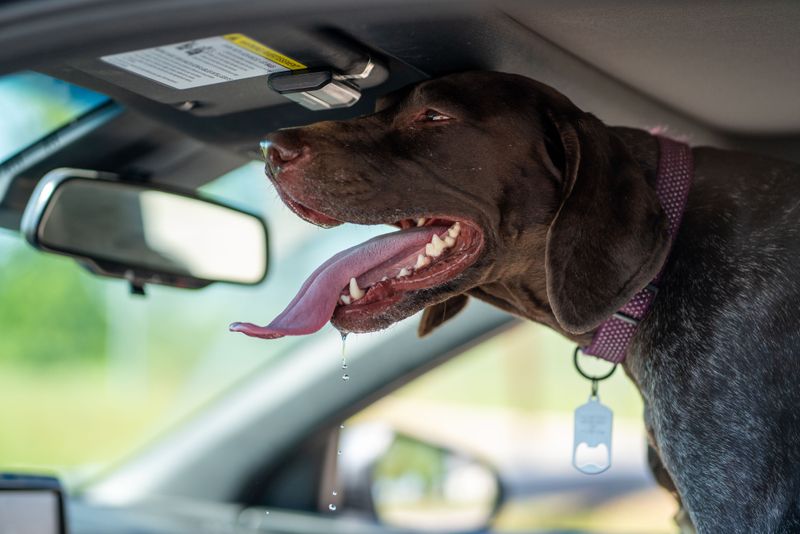
Sticky air makes panting less effective at cooling your dog. Heavy panting, drooling, slowing down, or seeking shade deserve immediate attention.
Stop exercise and move somewhere cooler. If overheating is suspected, wet your dog with cool water, add airflow, and contact a veterinarian immediately.
Weakness, vomiting, confusion, or collapse requires emergency care. Do not wait for every sign.
Ask about extra precautions for flat-faced dogs, older pets, and dogs carrying extra weight before summer outings begin.
9. What Is the Safest Time of Day for Summer Walks?
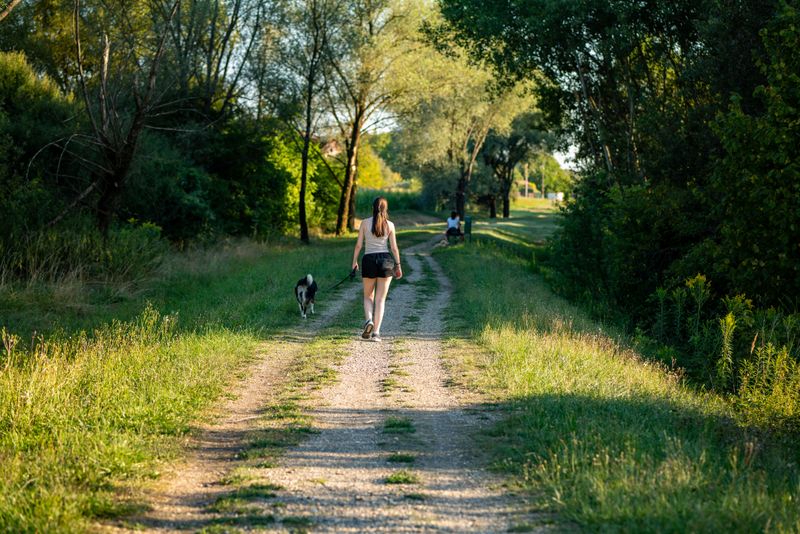
Sunrise often offers better walking conditions than a bright afternoon. Evening can help too, although pavement may hold heat after sunset.
Check temperature, humidity, shade, and the ground before leaving. A hand check can flag hot pavement, but it cannot guarantee paw safety.
Choose grass when practical and carry drinking water. Ask your vet about limits for your dog.
During heat advisories, brief bathroom trips and indoor activities may be the better plan for that day.
10. Does My Dog Need a Different Diet During Seasonal Changes?
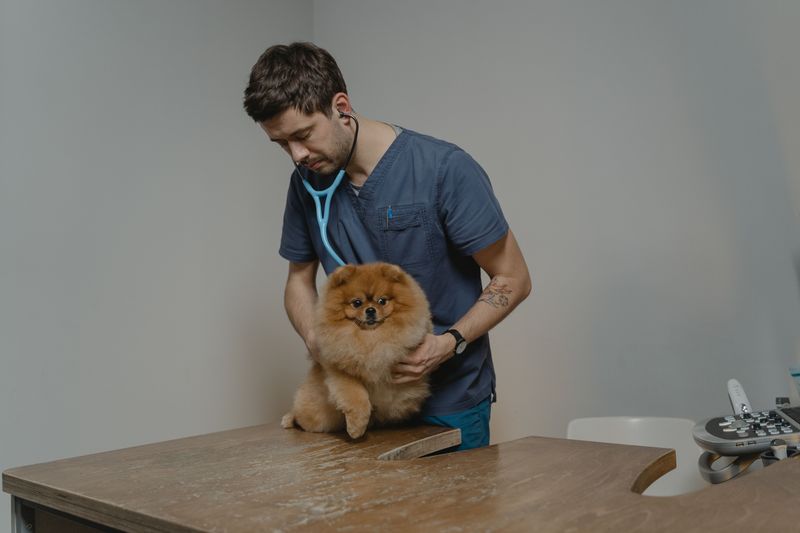
A quieter winter can change calorie needs without calling for different food. Summer lounging may have the same effect for some dogs.
Ask your vet to assess body condition and recommend portions based on actual activity. Measure meals and count treats within the daily total.
Keep fresh water available, especially during warm weather. Avoid adding supplements or changing diets simply because seasons shift.
Unexplained appetite, thirst, or weight changes deserve a medical check rather than guesswork.
11. How Often Should My Dog Have Their Coat and Nails Checked?
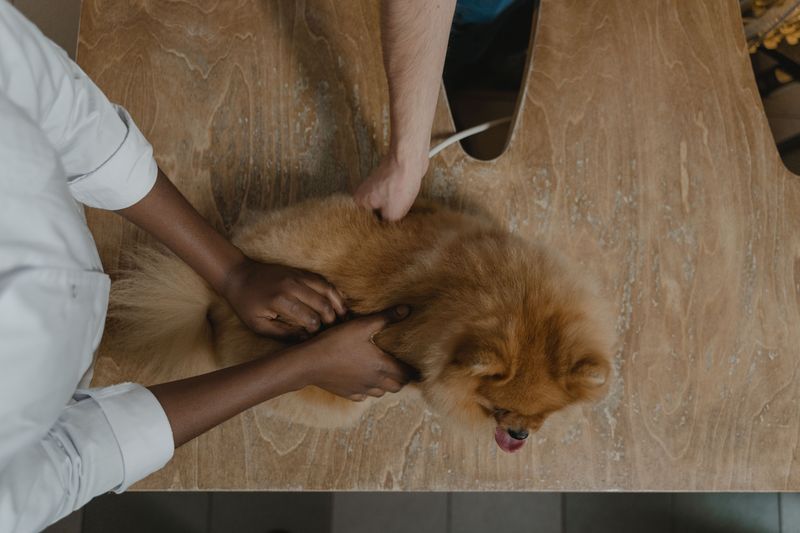
That fluffy coat can hide tangles, damp spots, and hitchhiking ticks. Long nails can also affect footing on slick floors or icy paths.
Build quick coat and paw checks into your weekly routine, with extra checks after outdoor adventures. Ask how often your dog needs brushing, trimming, and nail care.
Avoid shaving a double coat without professional guidance. A groomer can help with upkeep, while painful nails, skin changes, or sudden sensitivity belong with your veterinarian.
12. Are My Dog’s Joints Likely to Hurt More During Cold Weather?
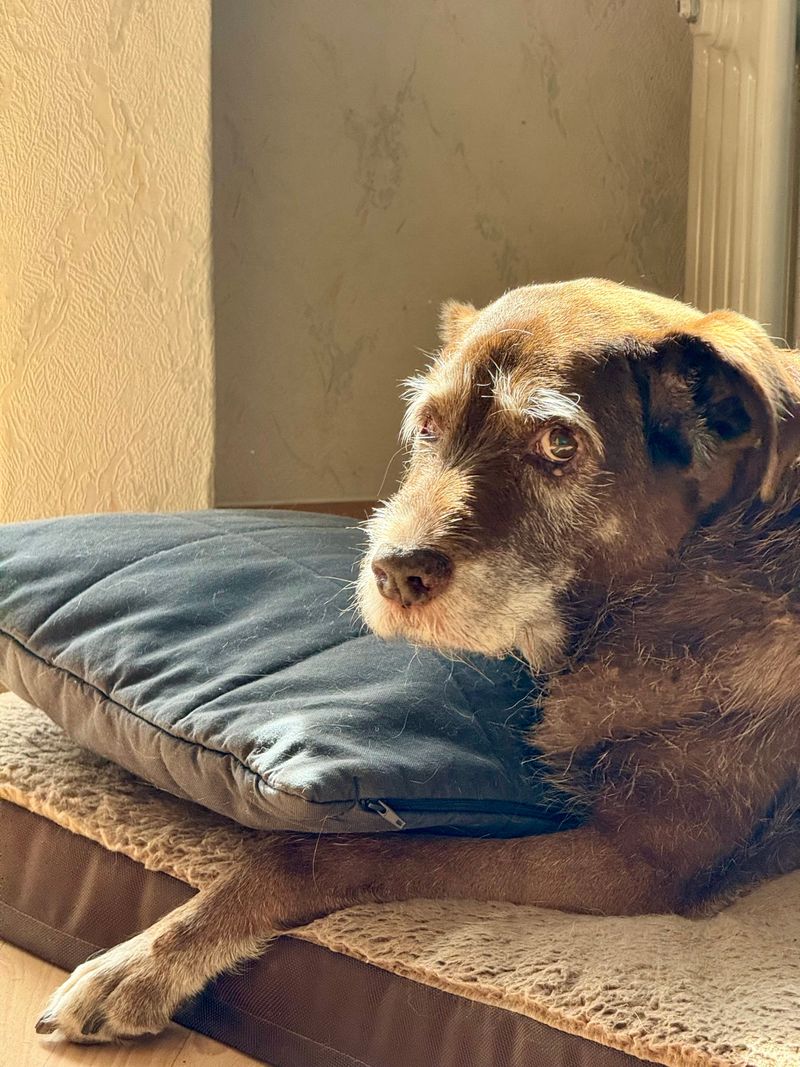
Getting up slowly on a cold morning deserves attention, not an automatic label of old age. Arthritis may become more noticeable during winter routines.
Weather alone does not explain every limp, and research on its effects remains limited. Ask about an examination, comfortable exercise, weight control, and suitable pain relief.
Provide nonslip rugs and supportive bedding. Never give human pain medicines without veterinary direction.
Sudden limping or trouble standing calls for prompt advice from your clinic.
13. What Should I Keep in My Dog’s First-Aid Kit for Each Season?
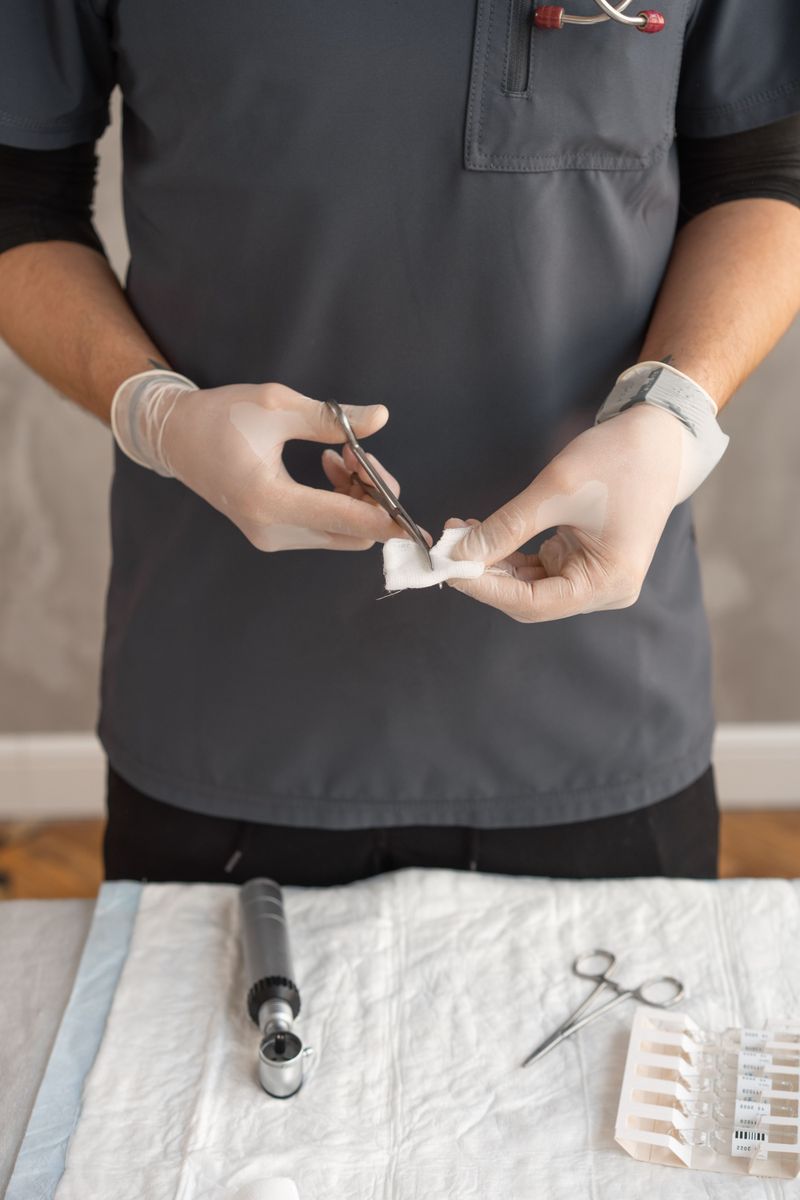
A small kit saves searching when a paw needs attention. Start with gauze, saline rinse, gloves, blunt scissors, a towel, and emergency contact details.
Add a tick remover, spare leash, and your dog’s medication list. Ask your vet to demonstrate basic wound care and explain which supplies fit seasonal outings.
Avoid tight homemade bandages and unapproved medicines. Check supplies before trips, and remember that first aid supports professional care rather than replacing an examination when needed.
14. How Can I Protect My Dog From Seasonal Allergies?
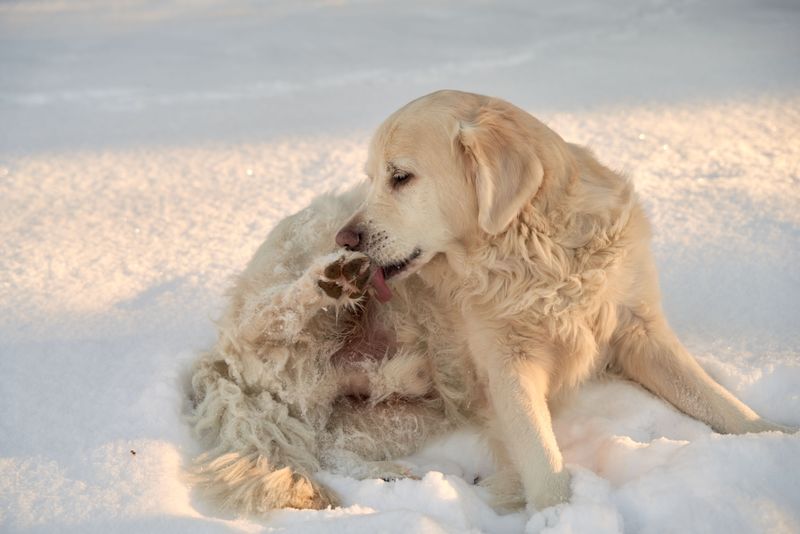
Repeated paw licking can be more than a muddy habit. Seasonal allergies often show up as itching, ear trouble, or irritated skin.
Keep notes about timing, outdoor routes, and affected areas. Wiping paws and washing bedding may reduce contact with pollen, but persistent symptoms need assessment.
Fleas and infections can look similar, so avoid assuming the cause. Ask about appropriate bathing and treatment.
Human allergy products are not automatically safe, especially combination formulas containing extra active ingredients.
15. When Should I Schedule My Dog’s Next Wellness Exam?
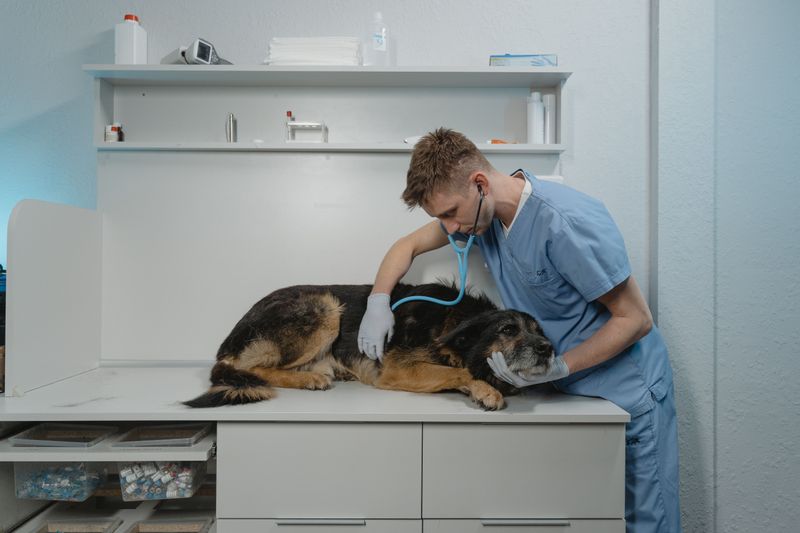
A calendar reminder is easier than remembering every seasonal care detail. Most adult dogs benefit from at least one wellness exam each year.
Puppies, seniors, and dogs managing health conditions may need more frequent visits. Ask your vet to set the next date before you leave.
Bring medication details, prevention records, and notes about changes at home. A simple plan keeps care steady through snow, mud, and humidity.
Prepare early, notice changes, and enjoy each season together.