15 Ways North Carolina Humidity, Slick Floors, Porch Steps, And Long Summers Get Harder For Senior Dogs
Your older dog may still love porch time, familiar walks, and a sunny spot near the door. But North Carolina’s sticky weather and long warm season can make everyday movements harder.
Small changes around your home can protect tired legs, support better rest, and make outdoor trips more comfortable. Knowing what to watch for helps you adjust without taking away the routines your dog enjoys.
1. Humidity Makes Senior Dogs Tire More Quickly
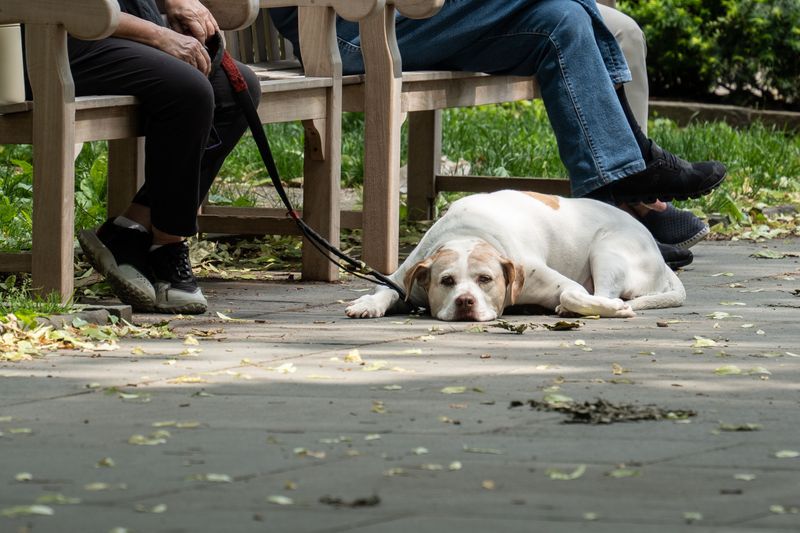
A familiar walk can feel longer when the air turns sticky. Dogs cool themselves mainly through panting, and high humidity makes that process less effective.
Older dogs may also have conditions that limit stamina.
Choose cooler hours, shorten outings, and offer fresh water. Let your dog’s pace guide you rather than your usual route.
Heavy panting, weakness, or confusion calls for prompt veterinary help. Move into cooling immediately while arranging professional advice for your dog.
2. Hot, Humid Nights Can Disrupt Rest
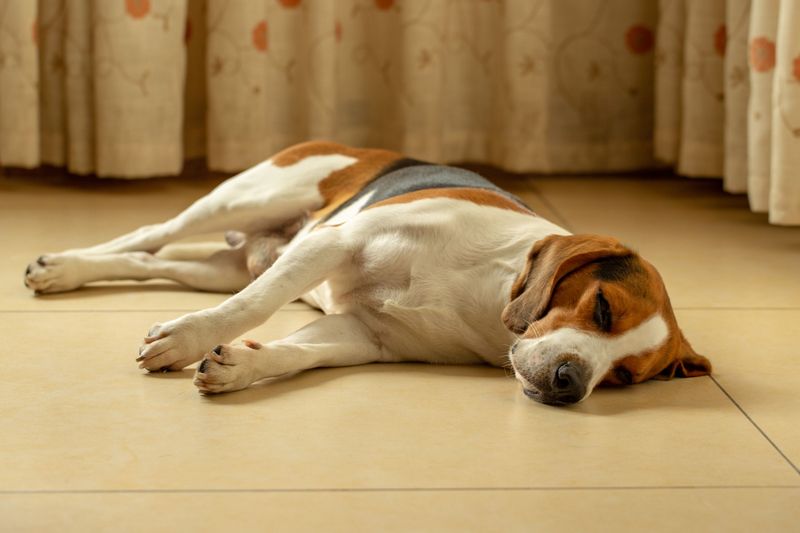
Bedtime does not always bring relief during a North Carolina summer. A warm bedroom can leave an older dog panting, shifting positions, or seeking cooler flooring.
Keep sleeping areas comfortably cool with air conditioning when needed. Provide supportive bedding away from direct sunlight and keep water nearby.
A fan alone may not provide enough cooling. Mention new nighttime restlessness to your veterinarian, since pain, breathing problems, or age related changes can also interrupt normal sleep.
3. Slick Floors Make Getting Up More Difficult
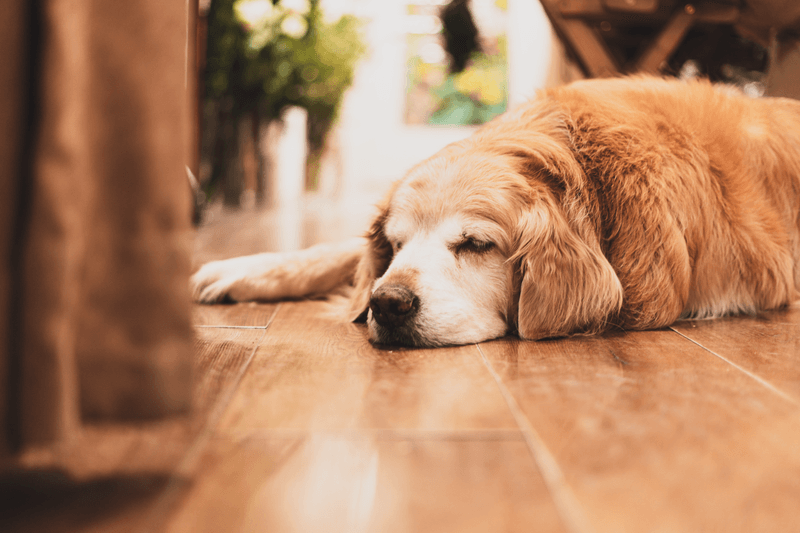
Watching paws slide during a simple stand can reveal a problem your dog cannot explain. Smooth hardwood, tile, and laminate offer little grip, especially when muscles weaken.
Place secured nonslip runners between beds, doors, and water bowls. Avoid loose rugs that bunch beneath moving feet.
Give your dog room to rise without rushing. If standing suddenly becomes difficult, arrange a veterinary check rather than assuming slippery flooring explains every change in your dog’s daily movement.
4. Porch Steps Become a Bigger Obstacle With Age
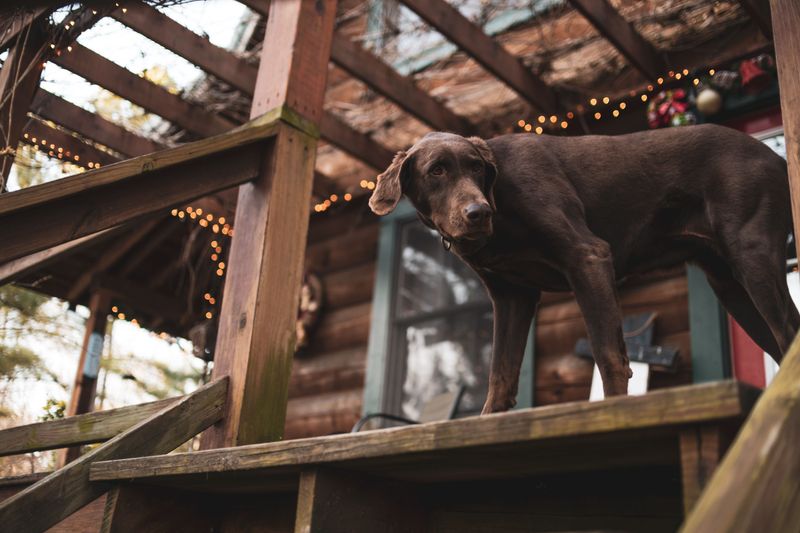
Those two porch steps may now require a careful pause. Aging dogs can struggle with balance, depth perception, and the strength needed for climbing.
Add secure traction and good lighting, then clear away planters or loose objects. A stable ramp with a gentle slope may help when space allows.
Introduce changes slowly with rewards. Ask your veterinarian about supportive harnesses, and never pull your dog upward by the collar or encourage jumping down onto pavement.
5. Long Summers Mean More Time Managing Outdoor Heat
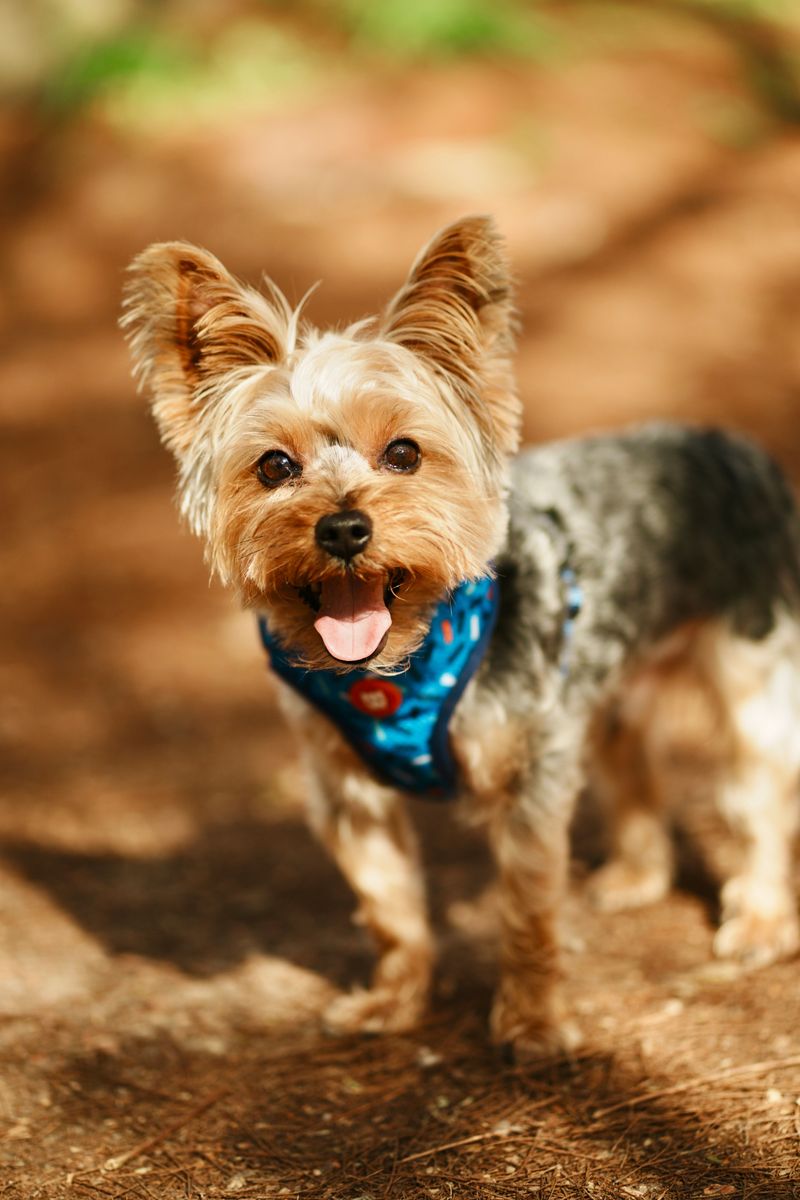
Warm weather often stretches beyond the calendar’s summer months here. That means heat planning becomes a regular habit, not just a vacation concern.
Check conditions before every outing, including humidity and available shade. Plan brief bathroom breaks during hotter hours and save activity for cooler periods.
Keep indoor enrichment ready for uncomfortable days. Never leave your dog in a parked vehicle.
Ask your veterinarian whether heart, breathing, or kidney conditions require extra precautions this season.
6. Arthritis Can Feel Worse After Damp Weather
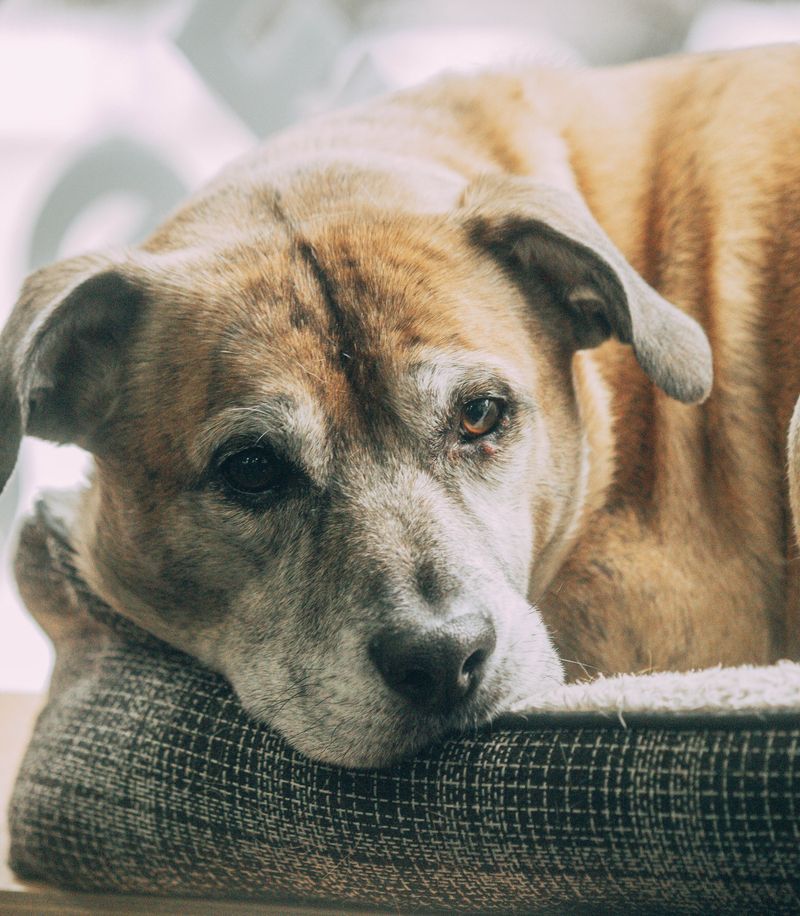
A slower start after rain may catch your attention. Some owners notice weather linked stiffness, although research does not clearly establish how dampness affects canine arthritis.
Focus on your dog’s comfort rather than the forecast alone. Offer dry bedding, steady indoor temperatures, and gentle movement approved by your veterinarian.
Keep a brief record of stiffness and activity. Discuss ongoing pain management, and never give human pain medicine unless your veterinarian specifically directs its safe use.
7. Wet Paws Bring Mud and Slippery Surfaces Indoors
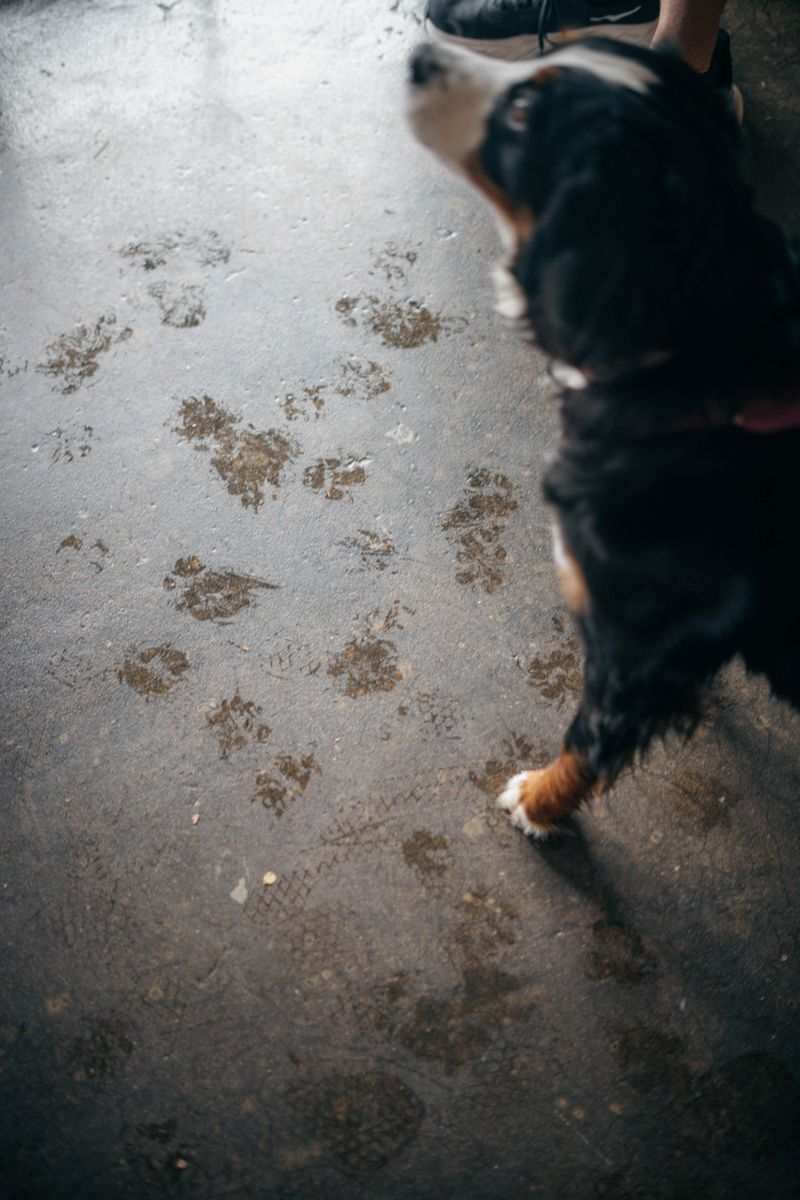
Rainy yard trips can leave a slippery trail across the kitchen. Wet paws and tracked mud make smooth floors harder for an older dog to manage.
Set up a drying station beside the door with towels and a flat, secured mat. Gently dry paws without twisting sore joints.
Clean spills promptly and let floors dry before your dog crosses. Check between toes for irritation or debris, especially after muddy outings through your yard’s wetter areas.
8. Weak Back Legs Make Turning and Walking Harder
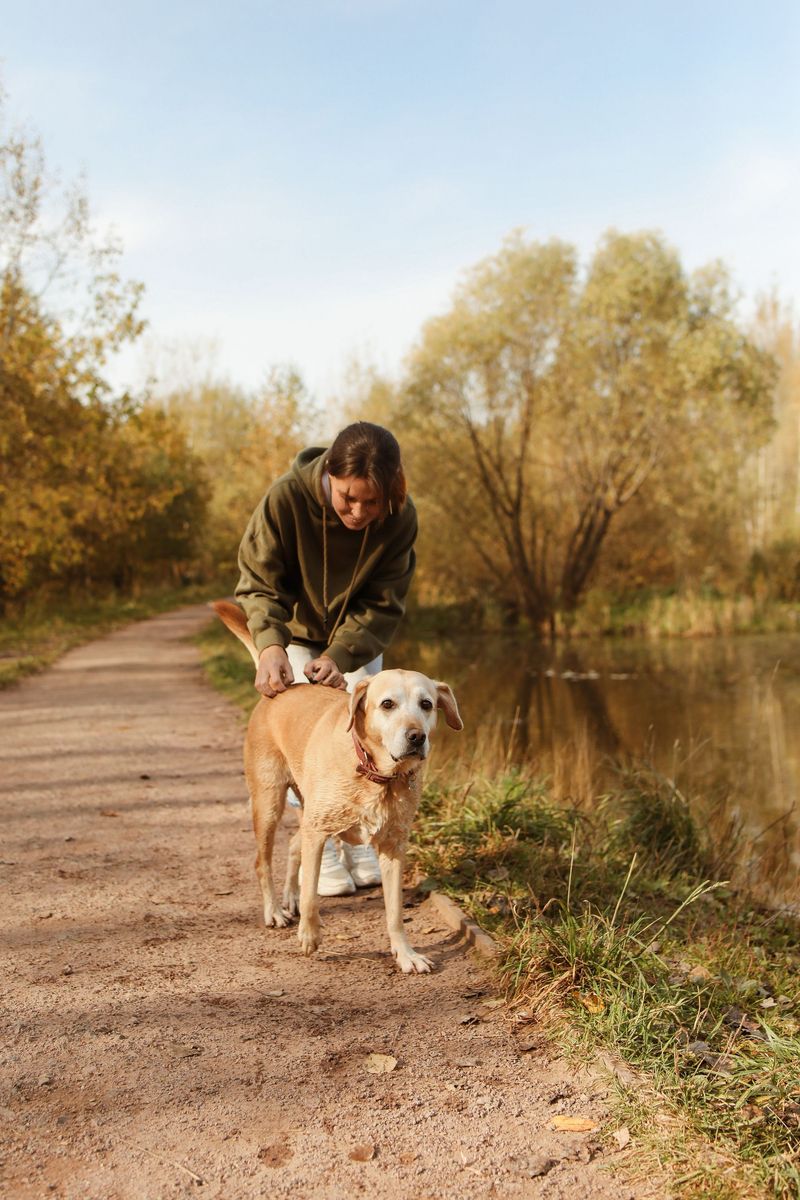
A tight turn around the coffee table asks more of tired legs than straight walking does. Hind leg weakness can make quick pivots especially awkward.
Create wide paths and move bowls away from cramped corners. Use traction along common routes, and let your dog turn slowly.
A veterinarian can check for joint, muscle, or nerve problems and suggest suitable rehabilitation. Sudden weakness, dragging paws, or an inability to stand needs prompt attention from your veterinarian.
9. Thunderstorms Can Interrupt Bathroom Routines
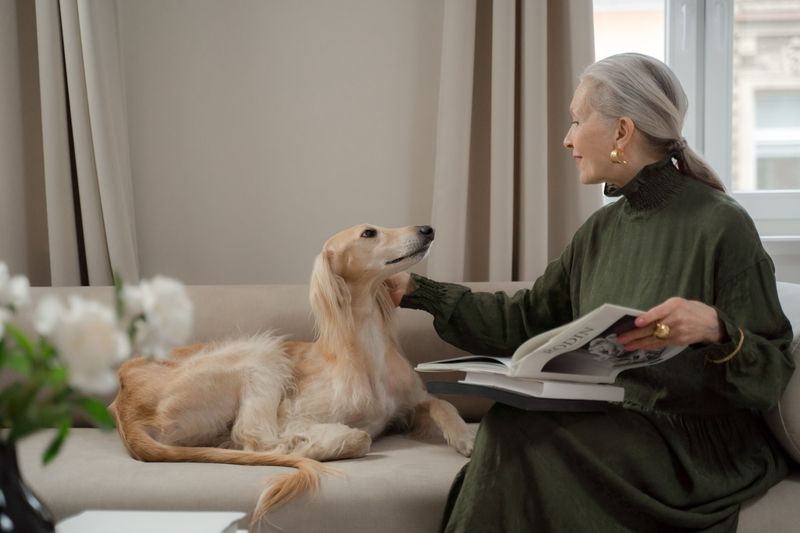
Thunder can turn a routine potty break into a waiting game. Older dogs may dislike the noise or struggle with the wet footing afterward.
Check forecasts and offer a bathroom trip before storms arrive, when conditions remain safe. During thunder, stay indoors rather than sheltering on an exposed porch.
Prepare a washable indoor option if needed, without punishment for accidents. Ask your veterinarian about storm anxiety when fear repeatedly disrupts your dog’s comfort or toileting.
10. Overgrown Grass Can Hide Uneven Ground
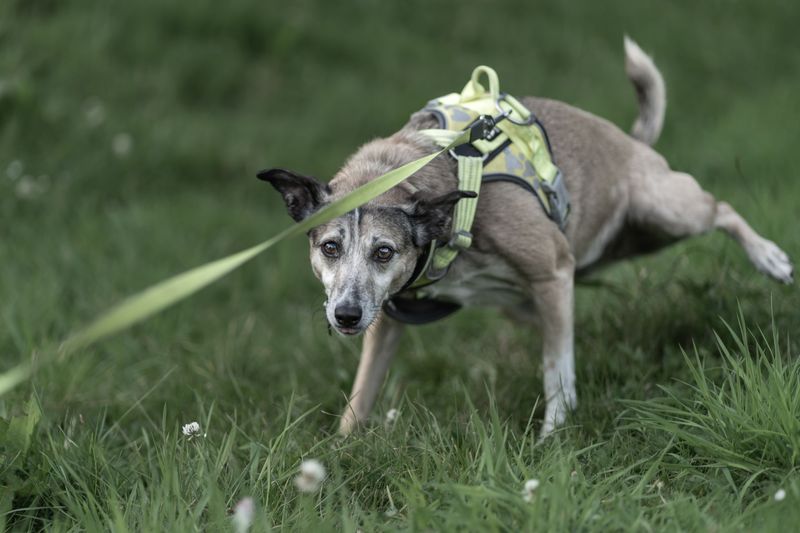
Thick summer growth can hide holes, roots, and small branches. An older dog with reduced vision or balance may not spot those changes soon enough.
Keep a short, clear walking strip between the door and a preferred bathroom spot. Inspect it after storms and remove fallen debris.
Walk unfamiliar ground together on a leash without rushing. Choose level areas when possible, and block access to holes until you can repair them securely in your yard.
11. Hot Pavement Can Make Short Walks Uncomfortable
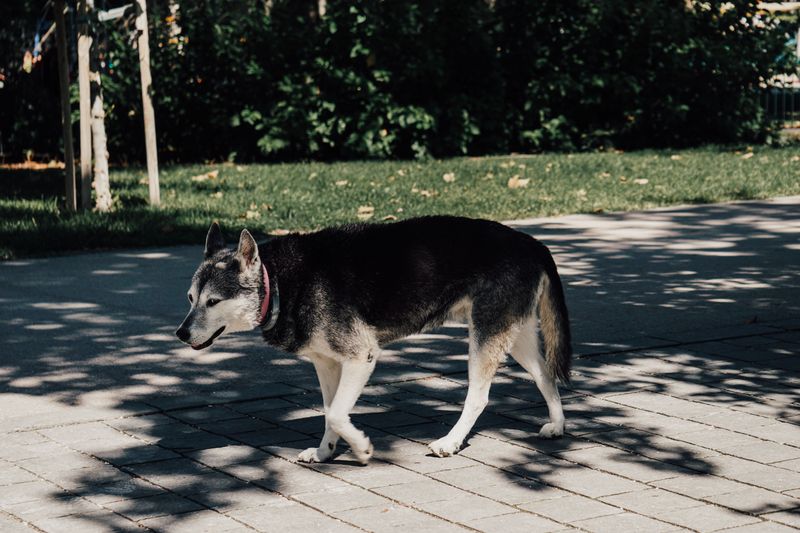
Even a quick trip to the mailbox can cross sunbaked pavement. Asphalt and concrete may become much hotter than the surrounding air.
Choose shaded grass or cooler routes, and check surfaces before asking your dog to walk there. A hand check offers a warning, not a guarantee of safety.
Turn back if your dog lifts paws, limps, or avoids the surface. Inspect pads afterward and contact your veterinarian about tenderness, redness, or any damaged skin.
12. Long Nails Can Reduce Traction on Indoor Floors
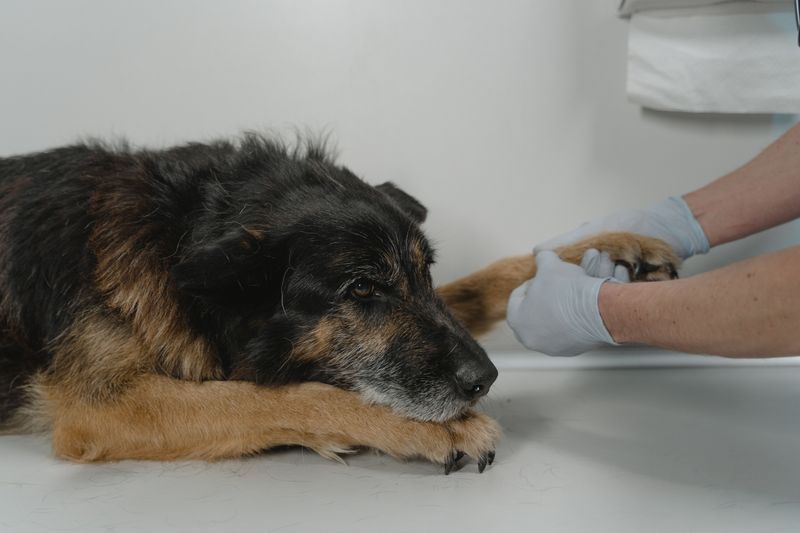
Clicking nails may be more than a household soundtrack. Overgrown nails can affect how paws meet the floor and make secure footing harder.
Schedule regular nail checks with your groomer or veterinary team. Older dogs may need shorter sessions, comfortable positioning, and breaks for sore joints.
Ask whether excess fur between paw pads needs trimming too. Avoid cutting deeply or forcing a frightened dog.
Professional help keeps routine care safer and more comfortable for everyone.
13. Frequent Rain Can Make Outdoor Rest Areas Uncomfortable
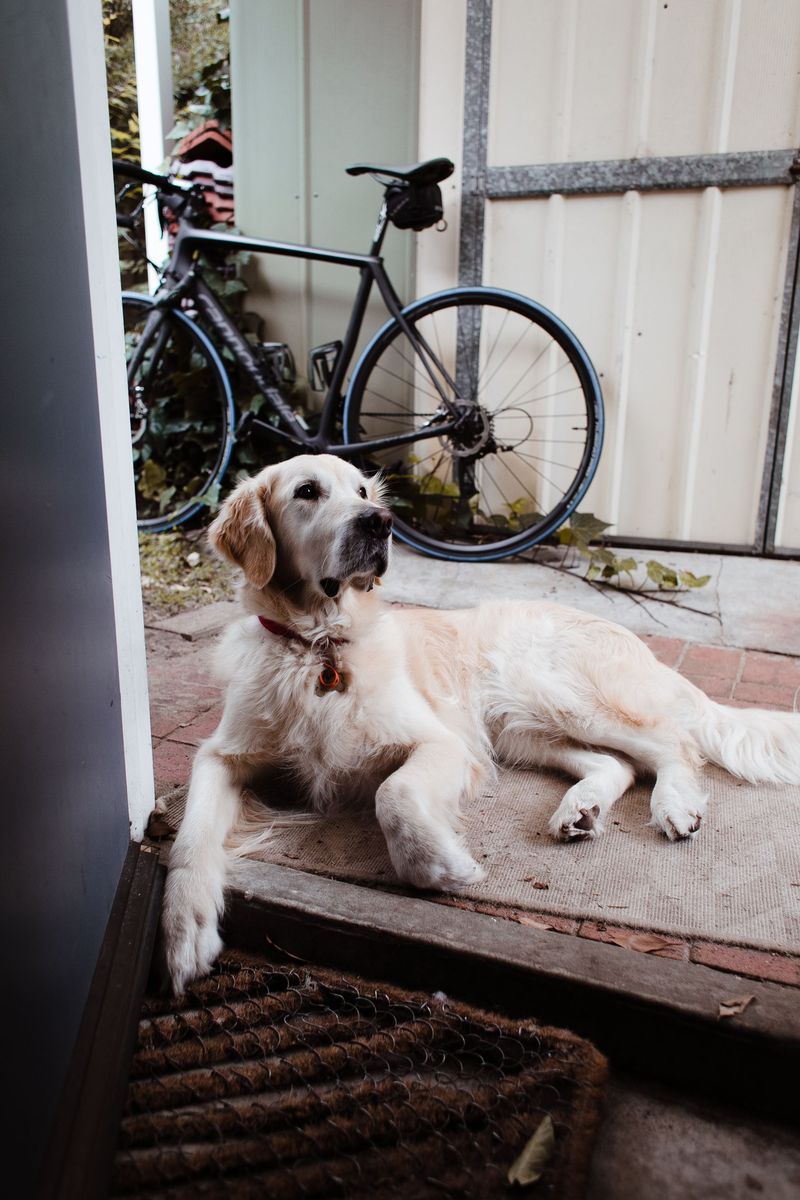
The favorite porch cushion can stay damp long after a shower. Wet bedding offers an unpleasant resting spot and may contribute to skin irritation.
Check outdoor beds before use and replace soaked covers promptly. Choose washable materials that dry thoroughly, and keep resting areas sheltered with good airflow.
A raised bed may help avoid wet ground if access is easy. Bring your dog indoors during storms, uncomfortable heat, or persistent dampness rather than extending visits.
14. Stiff Joints Make Getting Into Cars More Challenging
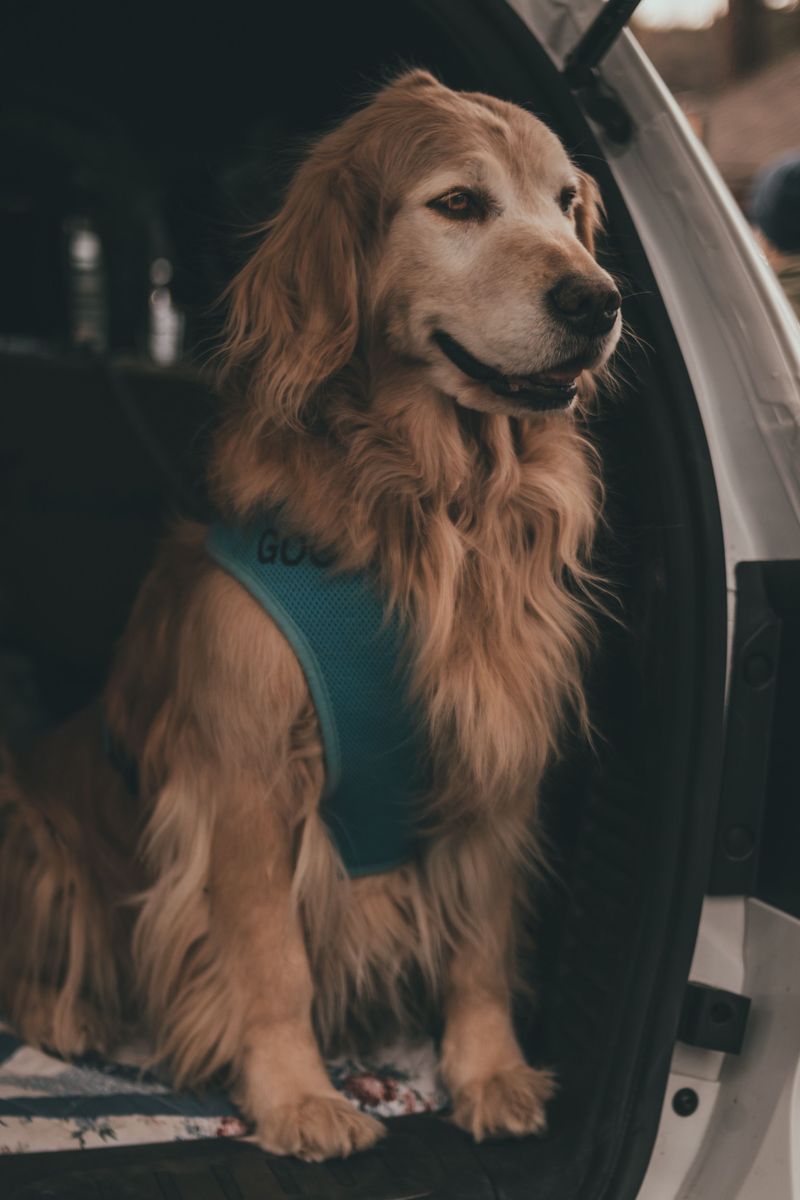
A car ride may still sound exciting, even when climbing aboard feels difficult. Jumping requires strength and joint movement that older dogs may lack.
Use a stable ramp with good grip, secured according to its instructions. Practice on level ground before approaching the vehicle.
Park in shade when possible, and cool the cabin before loading. Ask your veterinarian about safe lifting techniques or harness support.
Never let enthusiasm rush your dog into an awkward jump.
15. Changing Daily Routines Can Help Senior Dogs Stay Comfortable
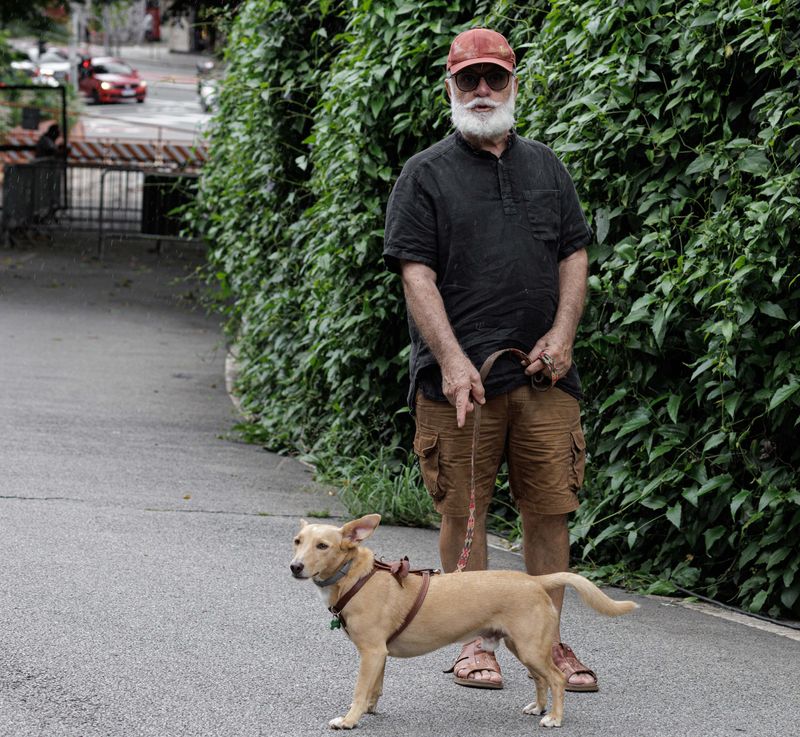
Small adjustments often work better than one big household overhaul. Your dog’s needs can shift with weather, health, and the demands of each day.
Try shorter walks, regular bathroom chances, indoor scent games, and easy access to water. Notice appetite, sleep, mobility, and recovery after activity.
Share meaningful changes with your veterinarian and adjust plans together. A comfortable senior life starts with steady attention: cooler outings, safer footing, and permission to move at their pace.