15 Questions Florida Dog Owners Should Ask Before Choosing A Boarding Facility
Leaving your dog with someone new feels easier when you know what to ask. Florida boarding facilities need thoughtful plans for hot afternoons, summer storms, and each dog’s daily needs.
A friendly conversation and a careful tour can reveal how those plans work beyond the brochure. Use these questions to find care that fits your dog, so you can leave feeling comfortable and prepared.
1. How Will You Keep My Dog Cool In Florida’s Heat?
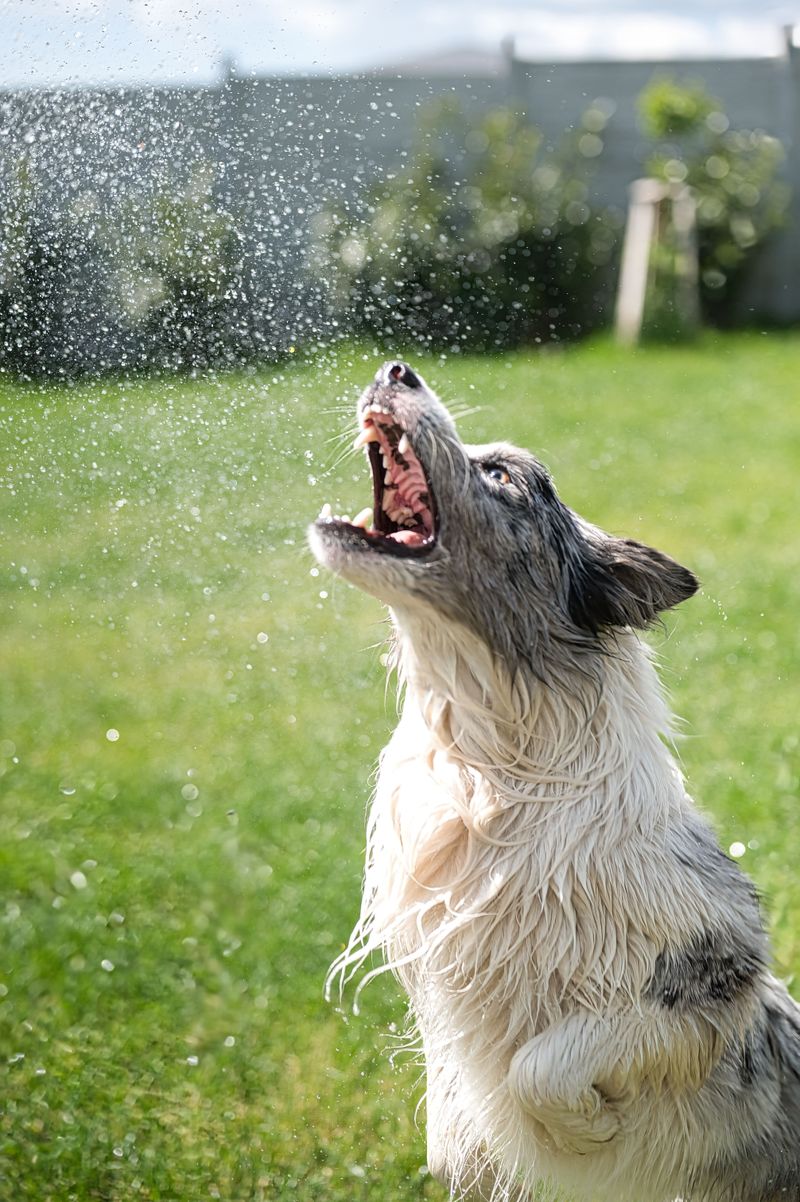
A shady yard helps, but Florida dogs also need reliable cooling indoors. Ask whether sleeping areas have air conditioning and how staff check temperatures.
Find out what happens when cooling equipment stops working.
Outdoor exercise should adjust to heat, humidity, and your dog’s health. Fresh water must remain available.
Short nosed dogs may need extra precautions. Ask staff how they recognize overheating and when they contact a veterinarian for help right away.
2. What Does A Typical Day Include, Indoors And Outside?
Your dog’s vacation should include more than waiting for the next meal. Request a sample schedule covering meals, bathroom breaks, exercise, and quiet rest.
Ask how much outdoor time is typical.
Minutes outside matter less than safe, suitable activities. Florida weather may require shorter outings and indoor games.
Find out whether walks cost extra and whether older dogs receive gentler exercise. A clear routine makes comparing different facilities much easier before booking your dog’s stay.
3. Which Dogs Would Share My Dog’s Play Space?
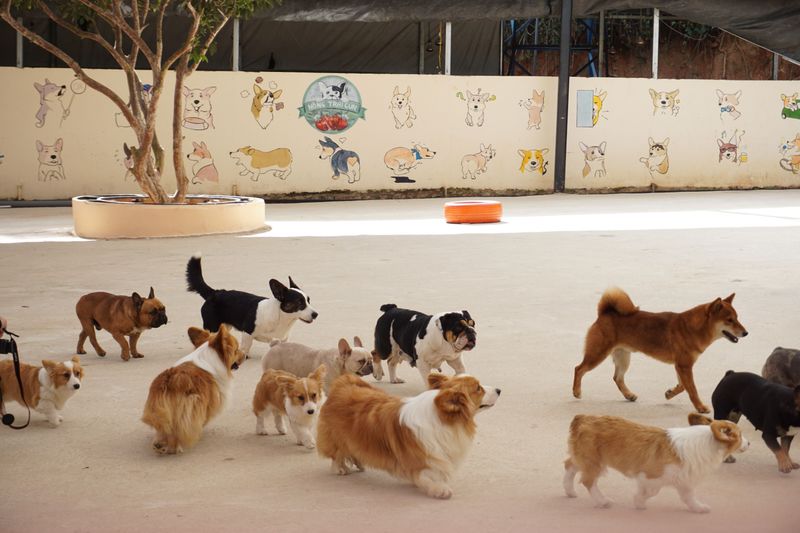
Not every friendly dog enjoys a busy playgroup. Good matching considers size, play style, temperament, and comfort around unfamiliar dogs.
Ask whether staff assess dogs before introducing them to others.
Learn how introductions happen and who watches the group. Staff should interrupt rough interactions and allow breaks.
Individual exercise should be available for dogs who prefer space. Never assume group play is required, or suitable, simply because your dog enjoys walks at home each day.
4. Where Can My Dog Feel Safe During Thunderstorms?
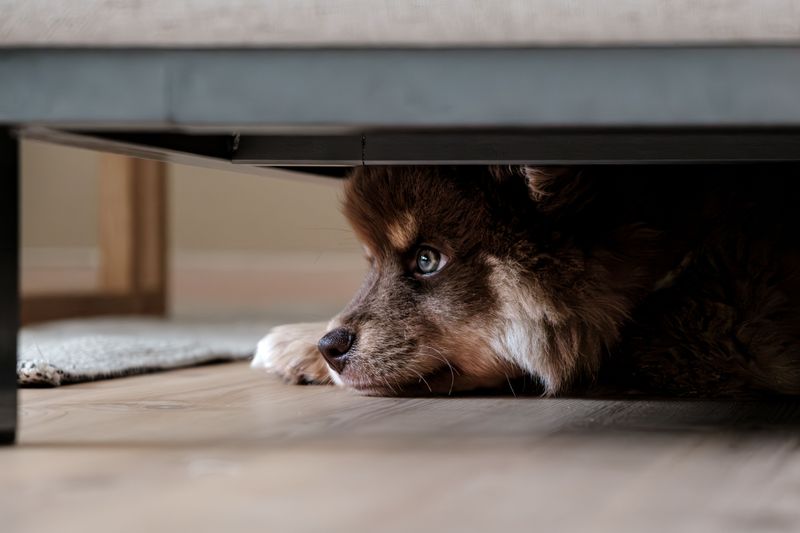
An afternoon rumble can unsettle even a usually confident dog. Explain your dog’s storm reactions before booking.
Ask whether staff move dogs indoors promptly and offer a quieter place to rest.
A useful plan includes secure doors, calm handling, and attention to dogs trying to hide. Share routines that help at home.
Any medication should follow your veterinarian’s instructions. Staff should never promise that music or a special blanket will calm every anxious boarding dog.
5. Who Is On Site During The Day And Overnight?
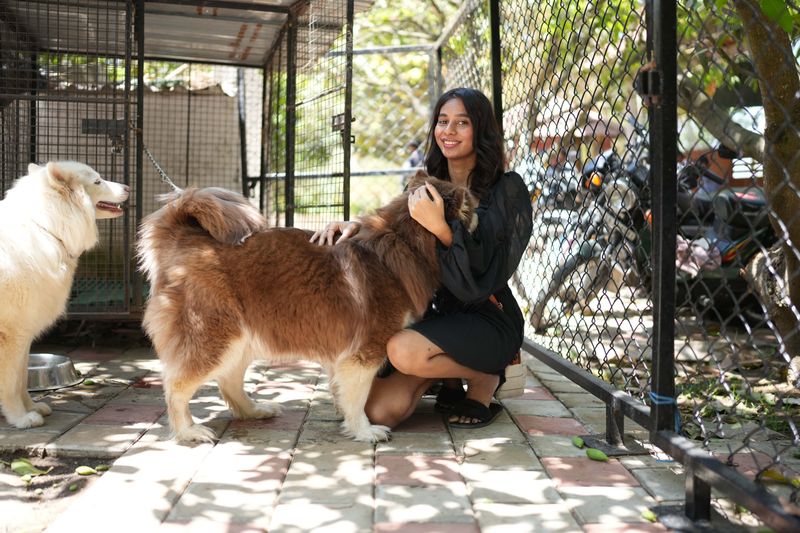
A camera cannot refill water or comfort a worried dog. Find out how many caregivers work each shift and how many dogs they supervise.
Ask who remains onsite after closing.
Some facilities have overnight staff; others use remote monitoring or scheduled checks. Request clear details rather than assuming continuous attendance.
Ask about training, backup coverage, and response times. Your dog’s age, health, and anxiety level can help determine which arrangement best meets their daily needs.
6. What Happens If My Dog Becomes Sick?
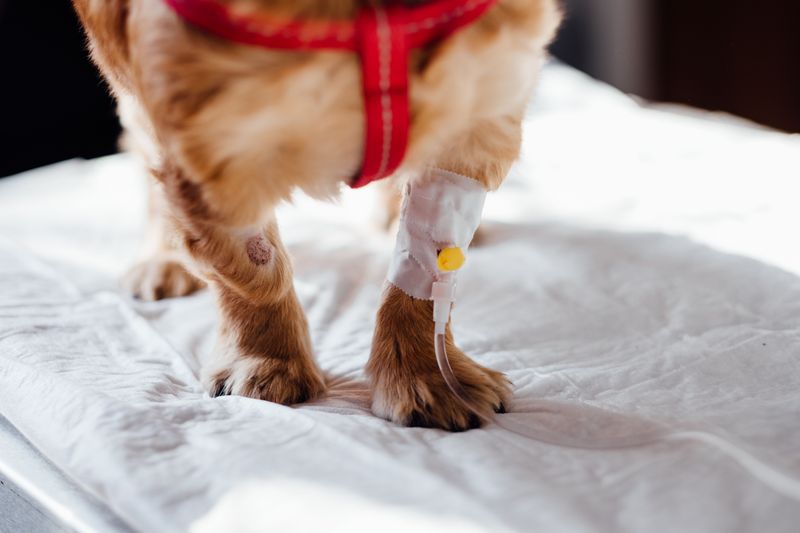
A changed appetite or unusual cough deserves attention, not guesswork. Ask who decides when veterinary care is needed and which clinic the facility uses.
Confirm arrangements for evenings and weekends.
Provide your veterinarian’s details and an alternate contact who can make decisions. Review treatment authorization, transport plans, and payment expectations beforehand.
Ask how dogs showing contagious symptoms are separated. Clear communication helps staff act promptly while keeping you informed about your dog’s condition and care.
7. How Will You Give And Record My Dog’s Medication?

Medication routines should stay dependable while you travel. Bring medicines in their original labeled containers, with written instructions from your veterinarian.
Ask who gives each dose and records its completion.
Confirm whether staff can manage your dog’s specific needs, including refrigeration or injections when prescribed. Discuss missed doses, refused tablets, and unexpected reactions.
Never ask staff to change a dose independently. Review medication fees and provide enough supply for possible travel delays before leaving home.
8. Which Vaccination Records Must I Provide?
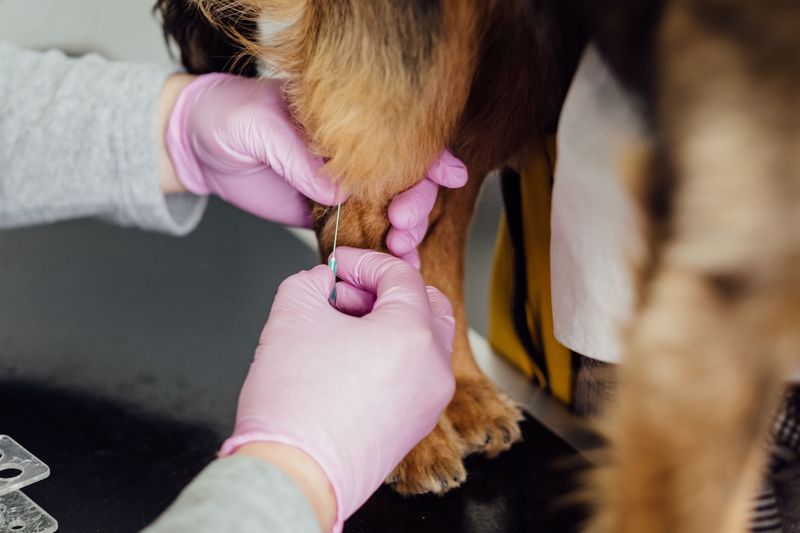
Paperwork protects more than your reservation. Florida law generally requires rabies vaccination for dogs four months and older, with veterinarian documented exemptions.
Boarding facilities may require additional vaccines and advance timing.
Request the exact policy for Bordetella, distemper combinations, and canine influenza. Requirements differ between businesses and local rules may also apply.
Your veterinarian can explain suitable timing and health considerations. Ask what happens if an infectious illness is reported during your dog’s booked stay.
9. What Is Your Flea And Tick Prevention Policy?
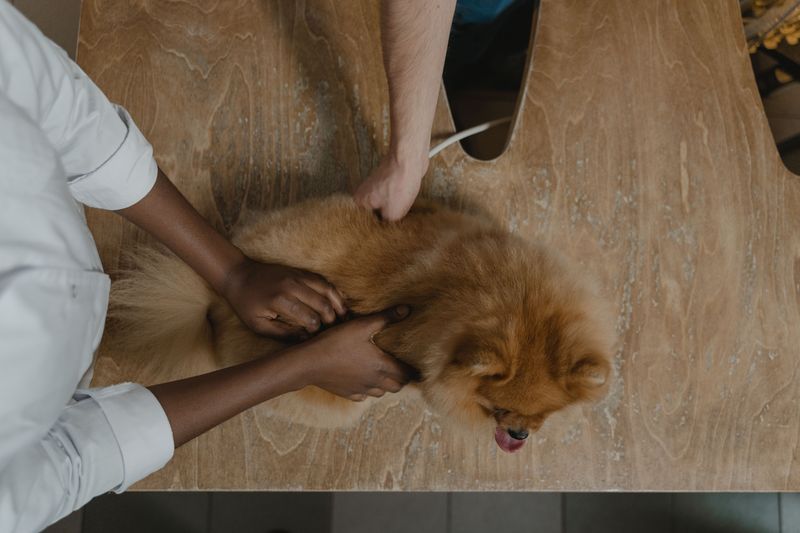
Warm Florida weather makes parasite prevention a regular concern. Ask whether boarding dogs must use veterinarian recommended flea and tick protection.
Confirm your dog’s current product is acceptable before arrival.
Learn how staff inspect incoming dogs and respond when parasites appear. Policies should explain owner notification, cleaning, and any additional charges.
Avoid adding treatments without veterinary advice, since products can overlap. Ask how outdoor areas and bedding are maintained to reduce exposure throughout the stay.
10. Can I Bring Familiar Food And Comfort Items?
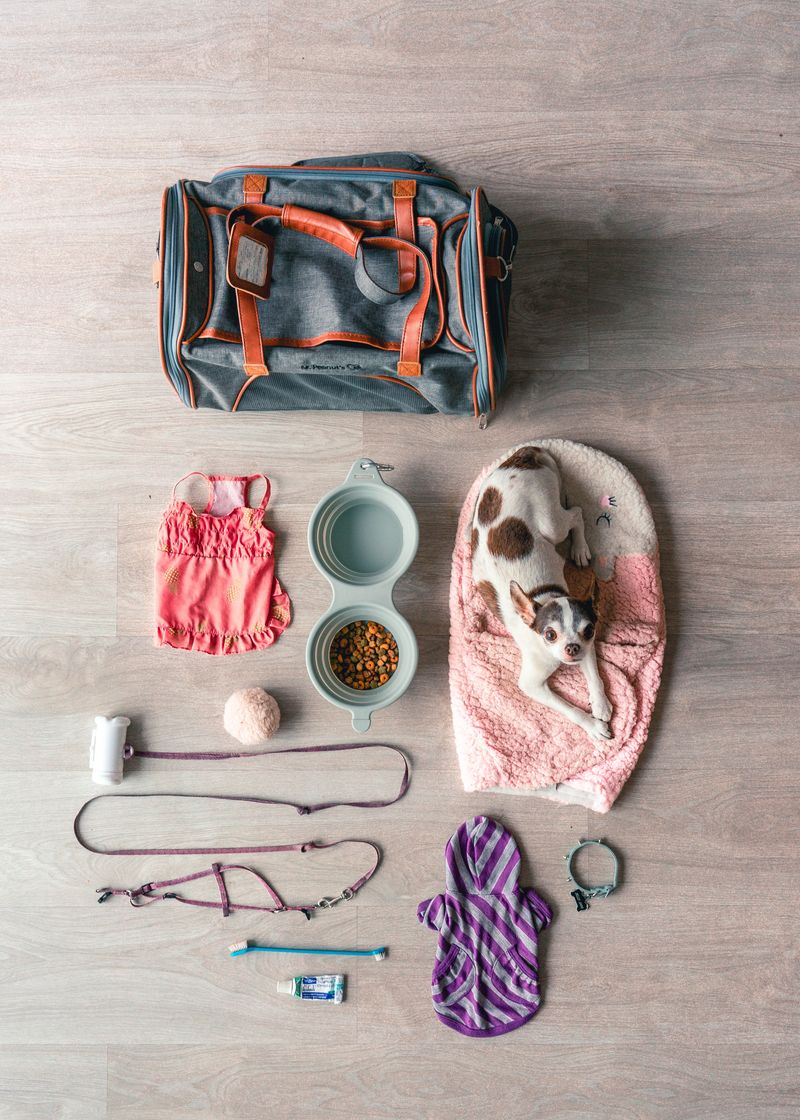
A familiar dinner can make a new place feel easier. Ask whether you should bring your dog’s usual food in labeled portions.
Explain meal times, allergies, treats, and special diets.
Find out how food is stored and whether dogs eat separately. Pack extra portions for delays.
A washable blanket may help, but ask which belongings are allowed. Avoid valuable items or toys your dog might swallow.
Confirm whether bowls, bedding, and leashes are already provided.
11. How Do You Track Each Dog’s Wellbeing?

Small changes often tell caregivers how a dog is settling. Ask whether staff record meals, water intake, bathroom habits, and behavior.
Find out how information passes between different work shifts.
Daily observations should cover comfort, movement, and any unusual signs. Photos are enjoyable, but they cannot replace hands on checks.
Agree on update frequency and reasons for immediate contact. Share your dog’s normal habits so staff can recognize meaningful changes rather than guess what’s typical.
12. What Is Your Hurricane And Emergency Plan?

Hurricane planning belongs on your checklist, even during sunny weather. Ask about evacuation routes, backup power, water supplies, and safe transportation.
Learn where dogs would go if relocation became necessary.
Confirm how staff contact owners when phone service is limited. Emergency plans should also cover fire, flooding, and cooling failures.
Ask whether your booking could change during official warnings. Provide a local backup contact and review who may collect your dog if travel gets delayed.
13. Can You Adjust Care For An Anxious Dog?
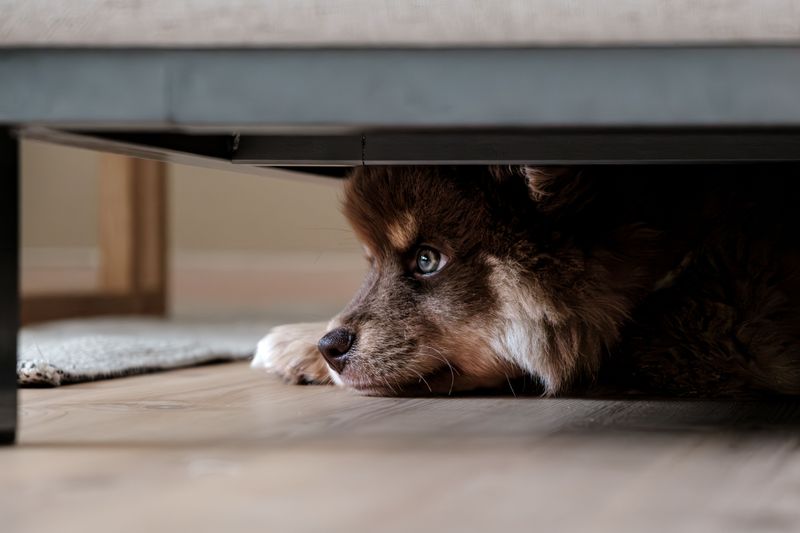
Some dogs settle slowly, and that deserves patience rather than pressure. Describe separation worries, noise sensitivity, or discomfort with handling.
Ask whether quieter housing and individual activities are available when needed.
A short trial visit may reveal whether boarding suits your dog. Staff should explain how they respond to pacing, hiding, or skipped meals.
Discuss persistent anxiety with your veterinarian beforehand. If the environment feels unsuitable, consider a qualified sitter instead of forcing the arrangement.
14. How Do Arrival And Collection Work?
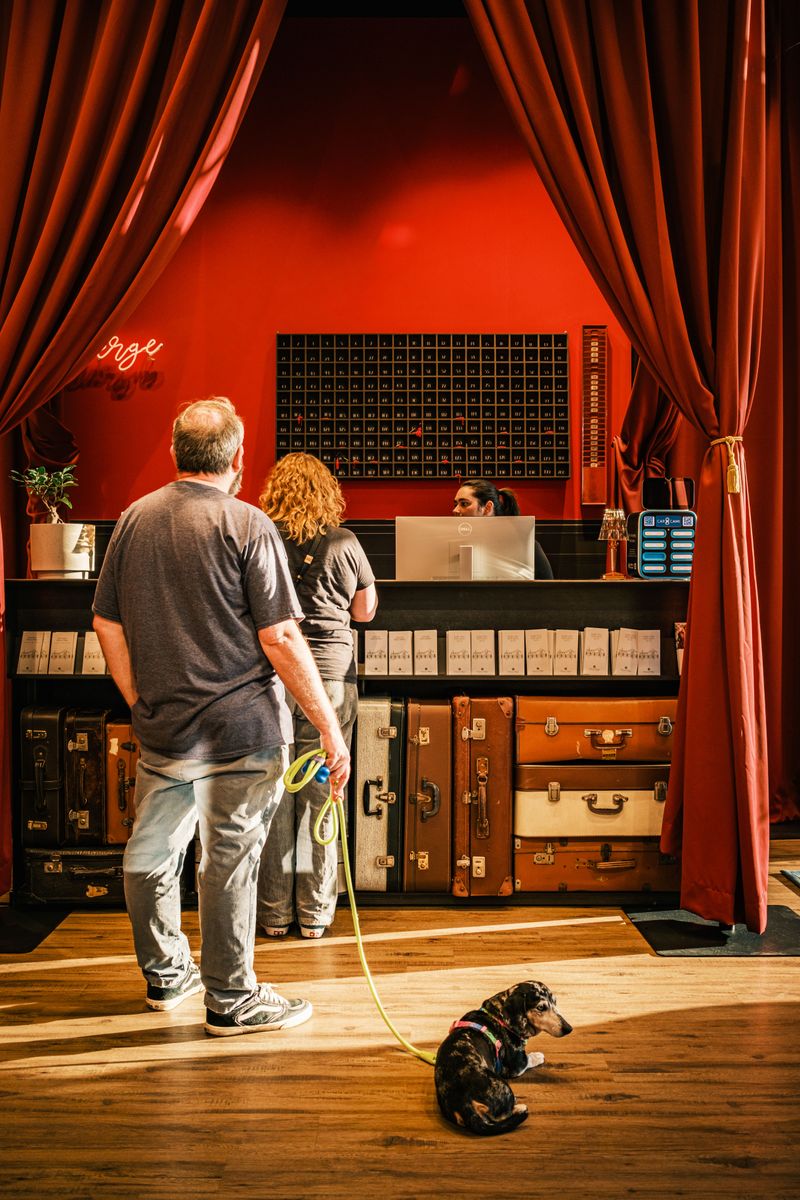
A smooth handoff starts before you reach the front desk. Confirm arrival windows, collection hours, late fees, and holiday schedules.
Ask whether someone else may collect your dog with authorization.
Check how leashes, belongings, and care instructions are transferred securely. Entrances should prevent dogs from slipping outside during busy periods.
Allow time to discuss recent health changes without rushing. At pickup, request a care summary and confirm whether anything needs follow up with your veterinarian.
15. May I Tour The Facility Before Booking?
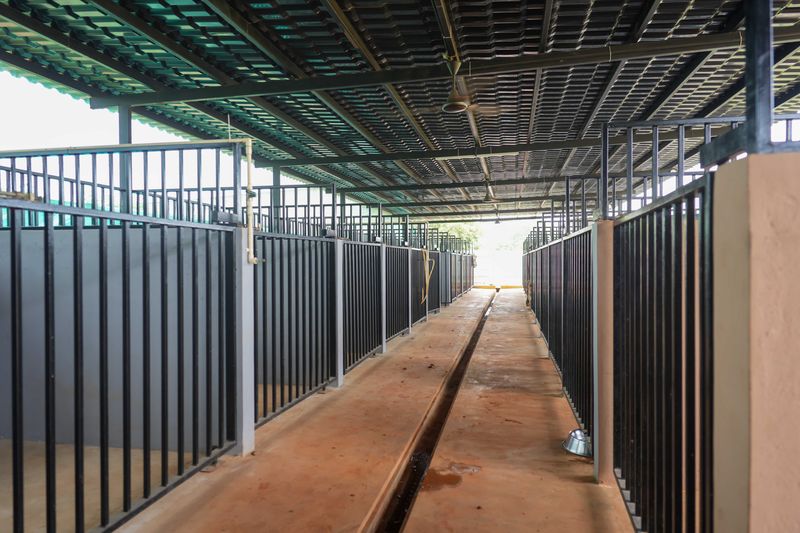
Seeing the space turns reassuring answers into something you can evaluate. Request a tour of sleeping areas, exercise spaces, and cleaning arrangements.
Notice ventilation, secure fencing, water access, and staff interactions.
Ask about required local permits or inspections, since rules vary by city and county. Restricted areas may protect resting dogs, but explanations should be clear.
Choose the place that welcomes reasonable questions. Thoughtful preparation gives your dog familiar care and gives you greater peace.