What Tennessee Dog Owners Should Know About Ticks, Snakes, Heat, And Trail Season
Tennessee gives dogs a lot to love: rolling trails, creek crossings, shady woods, and long green summers. It also comes with a few local realities worth understanding, like ticks that stay busy longer than you might expect, copperheads in leaf litter, sticky humidity, and trail rules that change from park to park.
None of it should keep you home. A little know-how goes a long way here, and this guide walks you through the practical parts, season by season.
1. Tick Activity Stretches Well Past Summer

Cooler air feels like a finish line for tick worries, but it is not. Ticks in Tennessee can turn active again during any warm stretch, even in winter.
Peak activity generally runs March through October. Warm January afternoons still bring them out.
Keeping your dog on year-round preventive medication, prescribed by your veterinarian, is the simplest answer. Pair that with routine coat checks, and seasonal guessing games become unnecessary for your household.
2. Six Tick Species Matter Here Medically
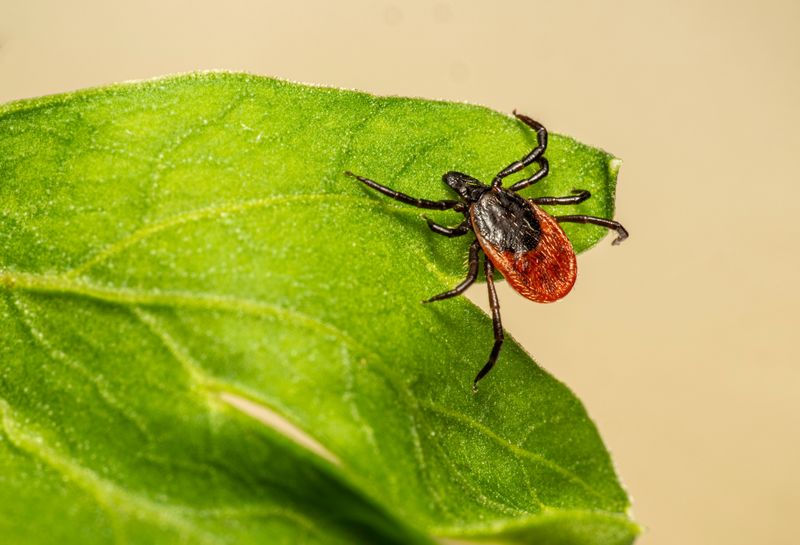
Not every tick is the same, and Tennessee hosts six that matter medically. The list includes the American dog tick, Asian longhorned tick, black-legged tick, brown dog tick, Gulf Coast tick, and lone star tick.
Each prefers slightly different habitats and carries different disease risks.
You do not need to identify them perfectly. Simply save a photo of anything you remove, then share it with your vet if symptoms appear later.
3. Backyards Count As Tick Habitat Too
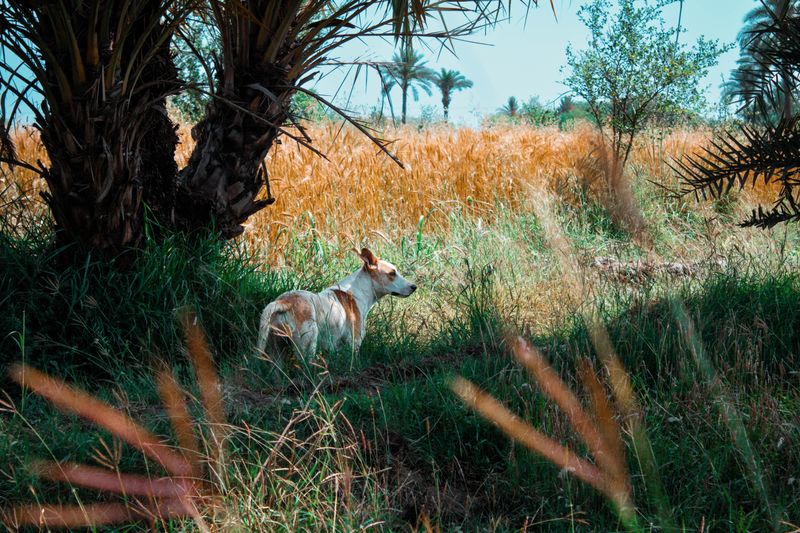
Plenty of owners assume ticks only live deep in the woods. Dogs pick them up in fenced yards, grassy fields, brushy edges, and shaded woodlots.
Leaf piles, tall grass, and overgrown fence lines are favorite spots.
Mowing regularly, clearing leaf debris, and trimming back brush reduces the welcome mat considerably. If ticks keep showing up, a licensed pest control service can advise on treatment options for your property.
4. Post-Hike Tick Checks Should Be Routine
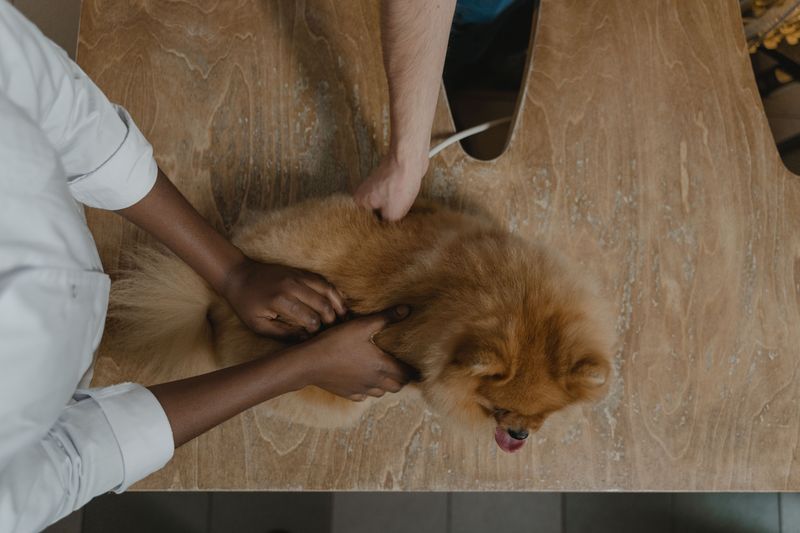
Make the tailgate check part of every outing. Run your fingers slowly through the coat, paying attention to ears, the neck, armpits, groin, between toes, and under the tail.
Ticks like warm, hidden spots with thin skin.
A quick comb-through takes maybe three minutes. Catching a crawler before it attaches is the easiest win in this entire article, and most dogs enjoy the extra attention.
5. Brown Dog Ticks Deserve Extra Attention
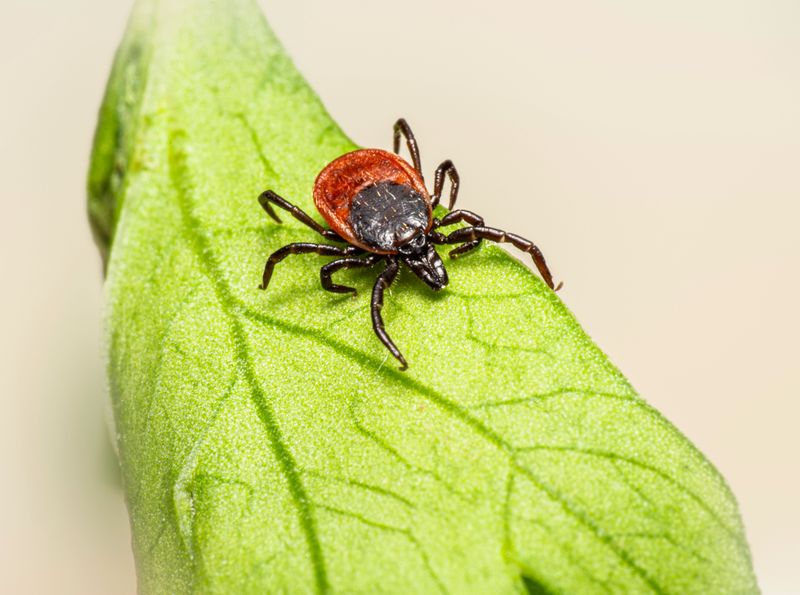
Here is the one that surprises people: the brown dog tick can finish its entire life cycle indoors. It feeds mainly on dogs, so kennels, crates, and favorite napping corners can host quiet infestations.
Rocky Mountain spotted fever, canine babesiosis, and canine ehrlichiosis are all linked to this species.
Wash bedding often and vacuum baseboards. If you spot repeat ticks inside, call a professional promptly.
6. Correct Removal Beats Old Folk Tricks
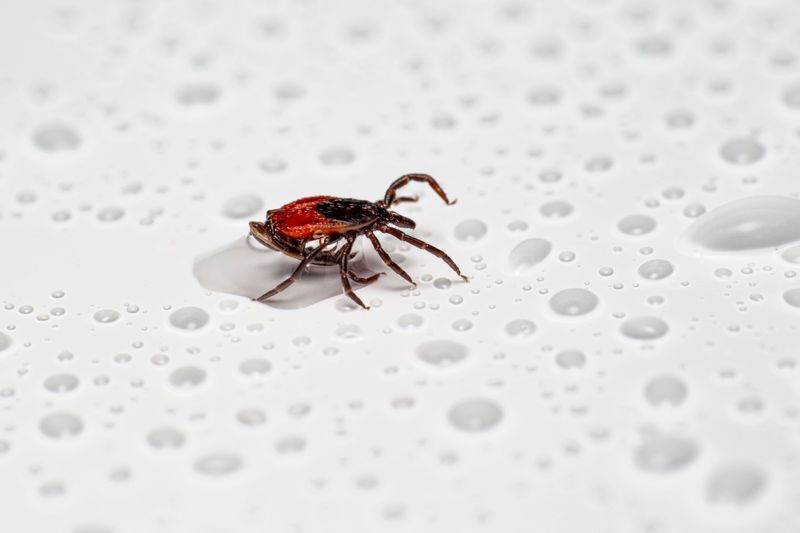
Skip the matches, oils, and petroleum jelly. Grip the tick with fine-tipped tweezers as close to the skin as possible, then pull straight out with steady pressure.
No twisting, no squeezing the body.
Wash the spot with soap and warm water afterward, and clean your hands too. Watch the area for a few days.
If redness spreads or your dog seems off, call your veterinarian.
7. Four Venomous Snake Types Live Statewide
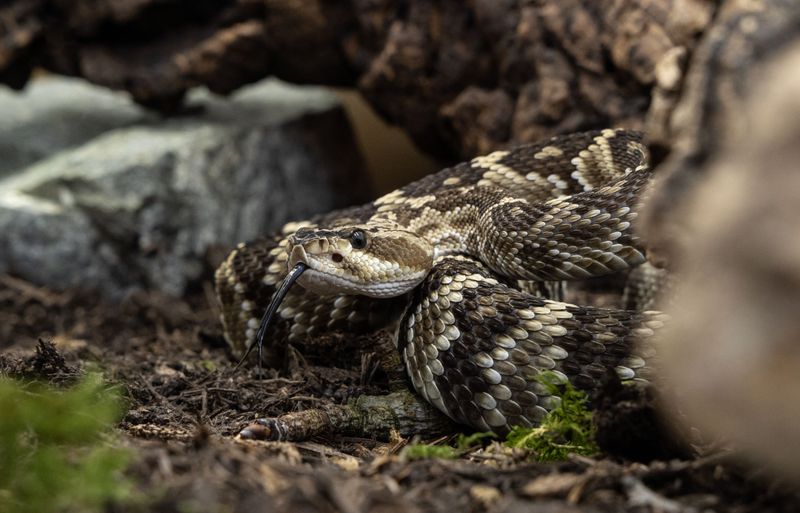
Tennessee is home to four kinds of venomous snakes. Most of the state’s snakes are harmless and genuinely useful for rodent control.
Knowing that keeps things in perspective rather than nerve-wracking.
The practical takeaway is simple: teach your dog a reliable recall and leave-it cue. Keep leashes short near rock piles and logs.
Snakes almost always prefer retreat over confrontation when given room to move.
8. Copperheads Turn Up In Every County
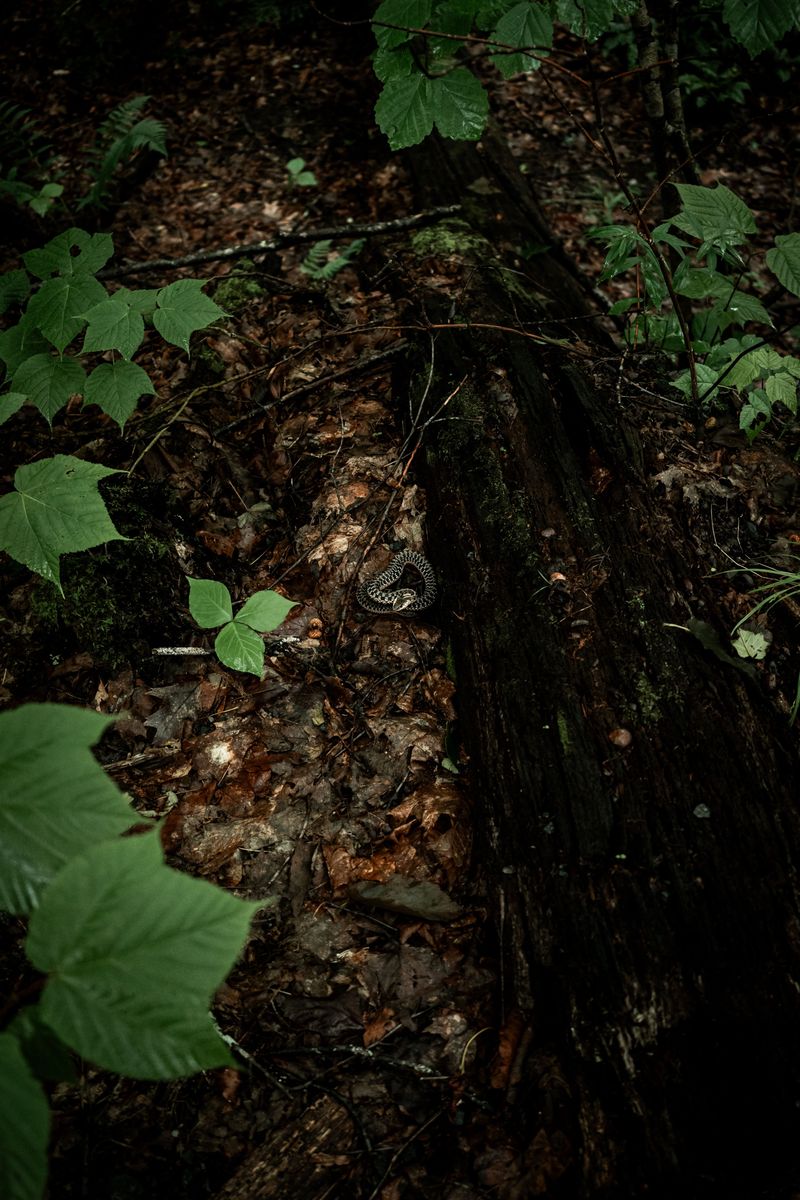
Of the four, the copperhead has the widest reach, occurring across the whole state. Two subspecies live here, and they interbreed where their ranges overlap.
Forests are typical, but copperheads also settle near neighborhoods, rocky hillsides, log piles, leaf litter, and creek banks.
Their coloring blends beautifully with fallen leaves. Keep your dog on the trail, and use a flashlight for evening potty breaks in wooded yards.
9. Warm Months Raise The Odds Of Encounters
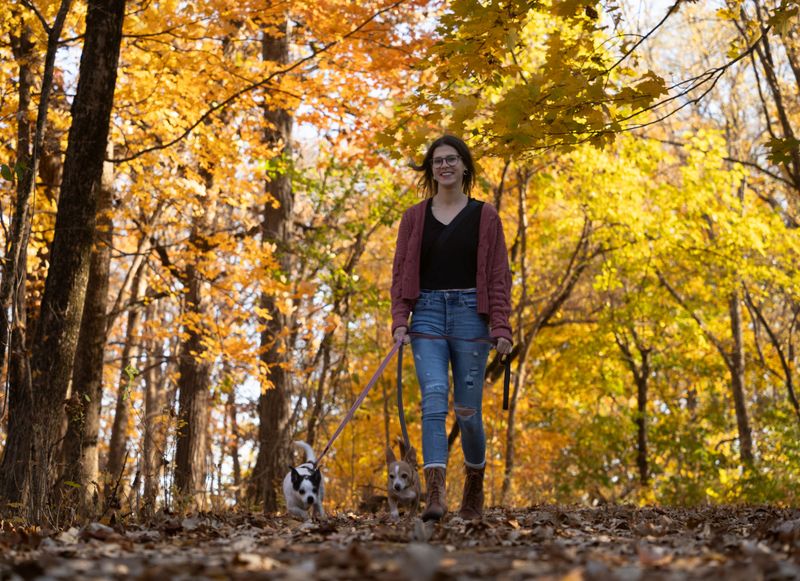
Roughly ninety percent of snakebites happen between April and mid-October. Summer heat and fall activity both play a role.
October through mid-November is sometimes called baby copperhead season, when young snakes start moving around more.
Timing your walks for open, well-worn paths helps. Avoid letting your dog nose into rock crevices, hollow logs, or thick leaf piles during those months, and the odds drop considerably.
10. Faces And Legs Take Most Of The Contact
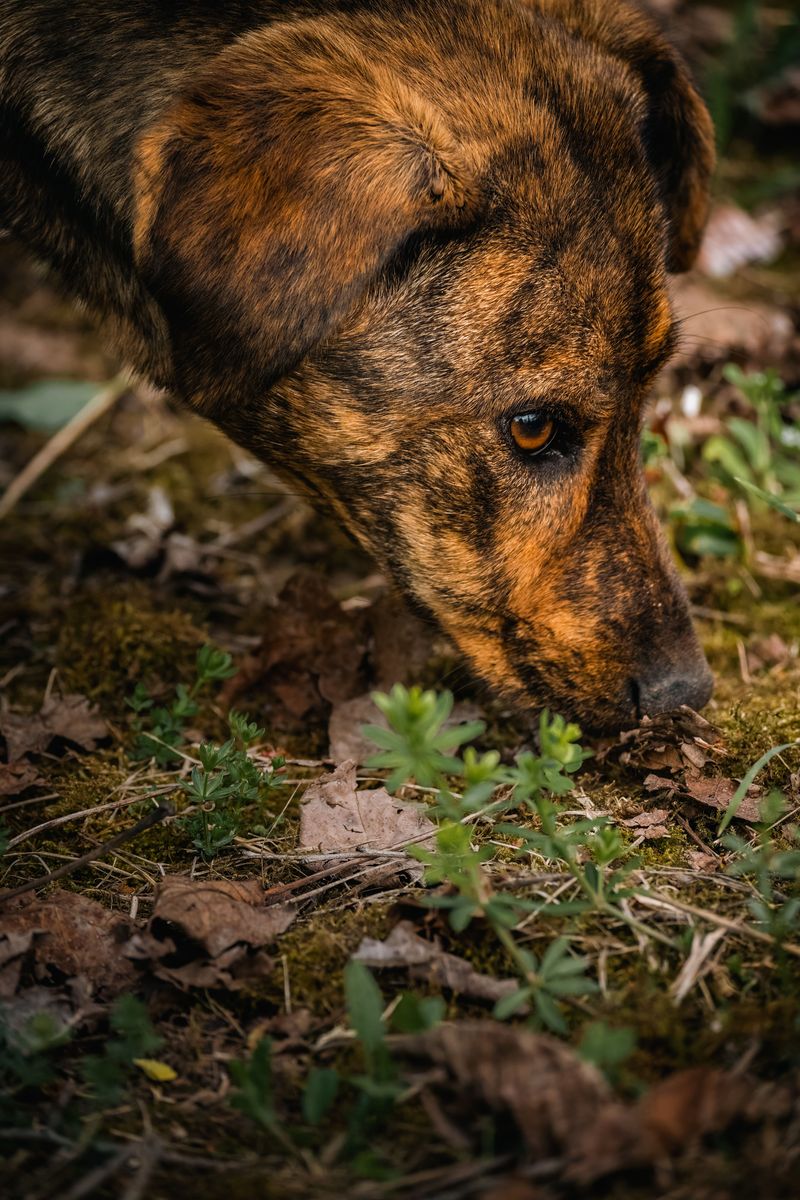
Curiosity explains the pattern. Dogs investigate with their noses first, so the muzzle, face, and front legs are the most commonly affected areas.
A snake that feels cornered may react quickly.
Training a solid leave-it command pays off here more than almost anything else. Some owners in snake-heavy areas also pursue avoidance training with a qualified trainer.
Ask your veterinarian what makes sense for your region.
11. Suspected Bites Mean A Vet Visit, Always

Treat any suspected venomous bite as urgent. Watch for rapid swelling, puncture marks, obvious pain, drooling, weakness, pale gums, or fast breathing.
Carry your dog if you can, keep them calm, and head straight for care.
Do not try cutting, suction, or tourniquets. Even dogs that seem fine at first can develop complications, so professional evaluation is the right call every single time.
12. Humidity Changes The Whole Heat Equation
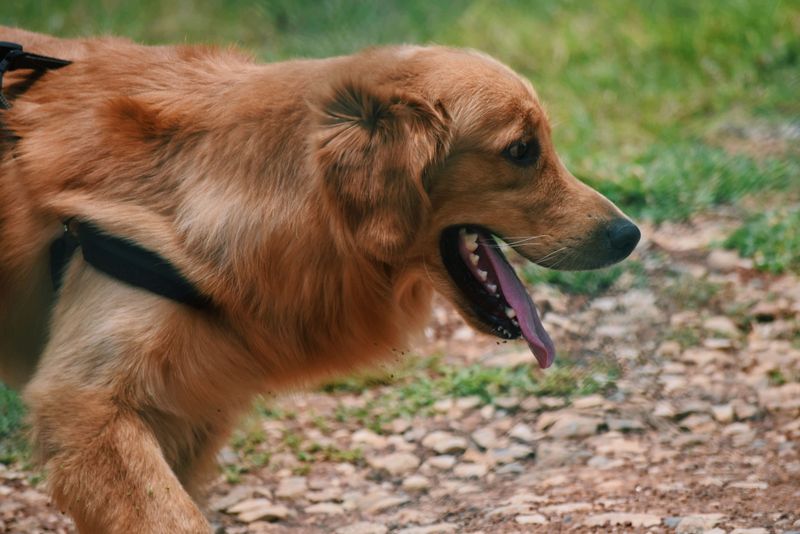
Eighty-five degrees in Tennessee feels nothing like eighty-five in a dry climate. Dogs shed heat mainly by panting and a bit through their paw pads.
Thick humidity slows that evaporation, so cooling becomes less efficient.
Check the heat index rather than temperature alone before longer outings. On muggy days, shorter walks with shade breaks and fresh water beat any ambitious mileage goal.
13. Shift Big Walks To Early Or Late
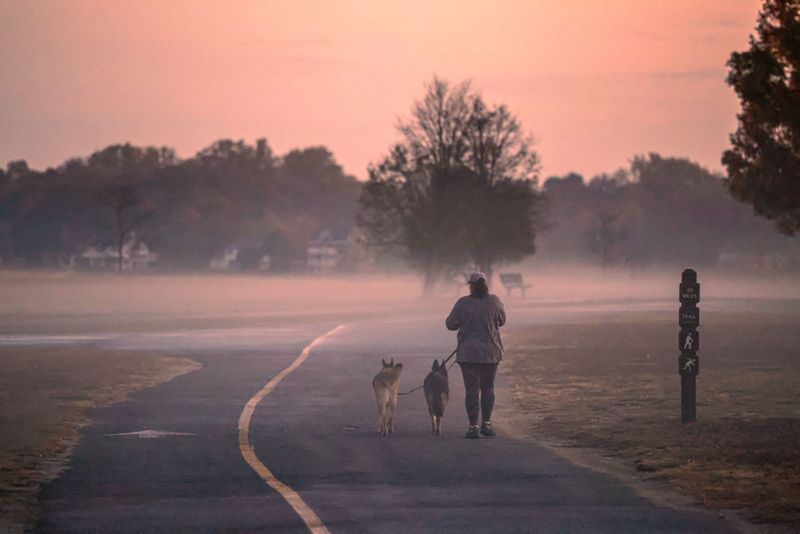
Early risers have the advantage in July. Cooler air before sunrise and after sunset makes distance walks far more comfortable for both of you.
Midday sun is best reserved for indoor games and nap time.
Sniff walks, puzzle feeders, and short training sessions burn plenty of mental energy. Many Tennessee dogs are perfectly content trading an afternoon hike for an evening stroll around the block.
14. Hot Pavement Is Rougher Than It Looks
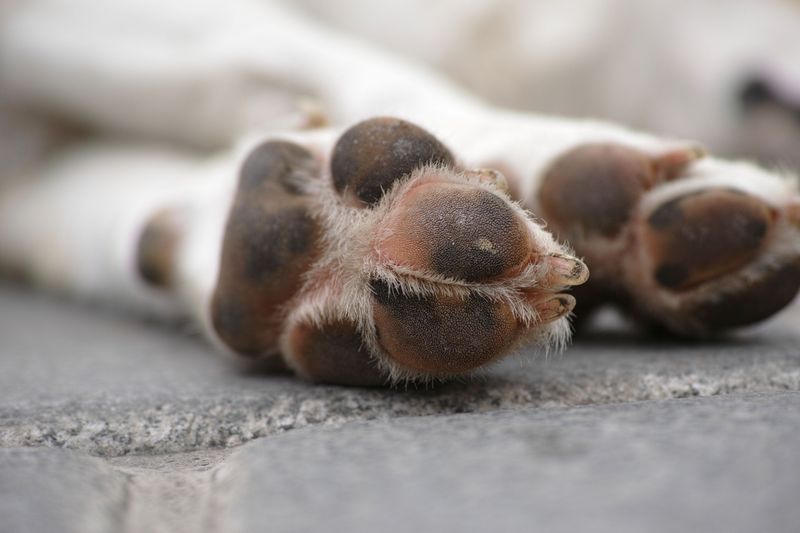
Try the hand test: press your palm flat on the asphalt for seven seconds. If you want to lift it, the surface is too hot for paw pads.
Dark pavement holds heat long after the sun drops.
Grass, dirt paths, and shaded sidewalks are kinder alternatives. Booties help some dogs, though many prefer simply walking earlier when the ground has cooled overnight.
15. Certain Dogs Feel Summer Harder
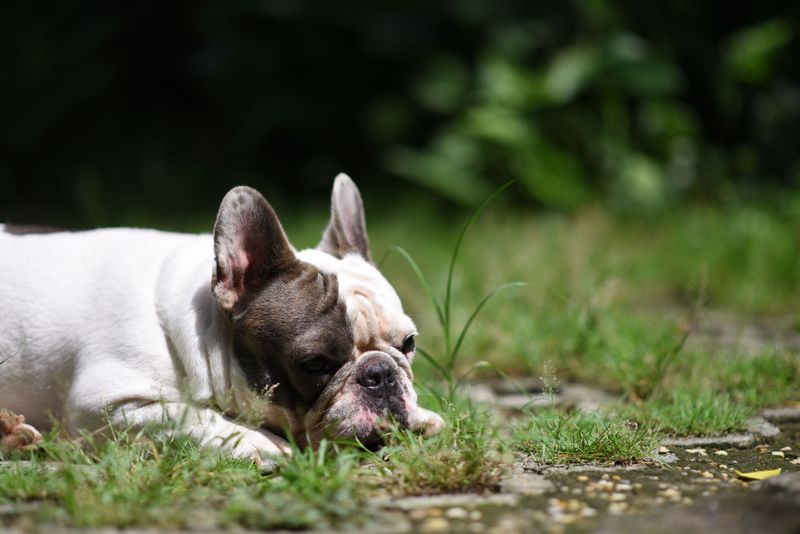
Flat-faced breeds like bulldogs and pugs breathe less efficiently, which makes cooling tougher. Puppies, seniors, overweight dogs, and heavy double-coated breeds also face higher risk.
Fitness does not make a dog immune either.
If your companion falls into one of these groups, plan around the forecast rather than the calendar. Air conditioning, cooling mats, and short outings keep summer pleasant instead of exhausting.
16. Early Overheating Signs Are Easy To Miss
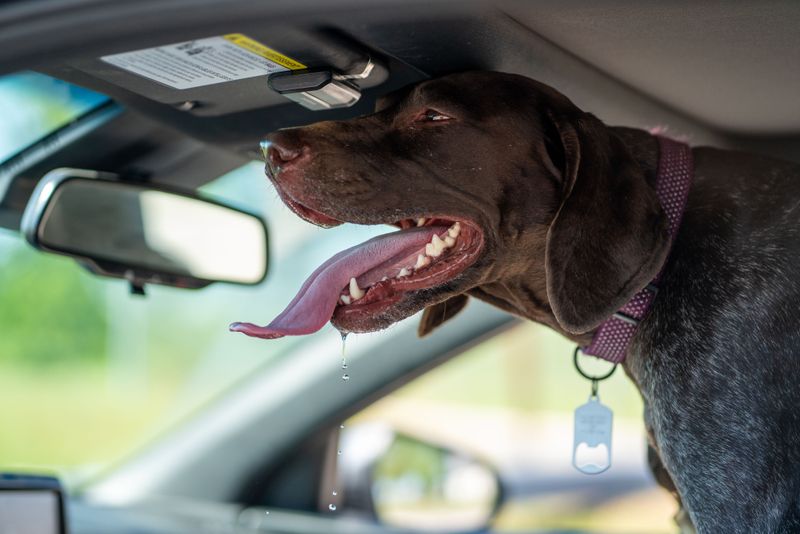
Heavy, fast panting is usually the first clue. Watch also for thick drool, a racing heartbeat, wobbliness, sudden lethargy, or gums and tongue that look unusually bright red.
Some dogs simply stop and refuse to move.
Trust those signals immediately. Stopping the activity at the first hint costs you nothing, while pushing through a hot afternoon can turn a fun outing sideways fast.
17. Cool Gradually, Then Call The Clinic
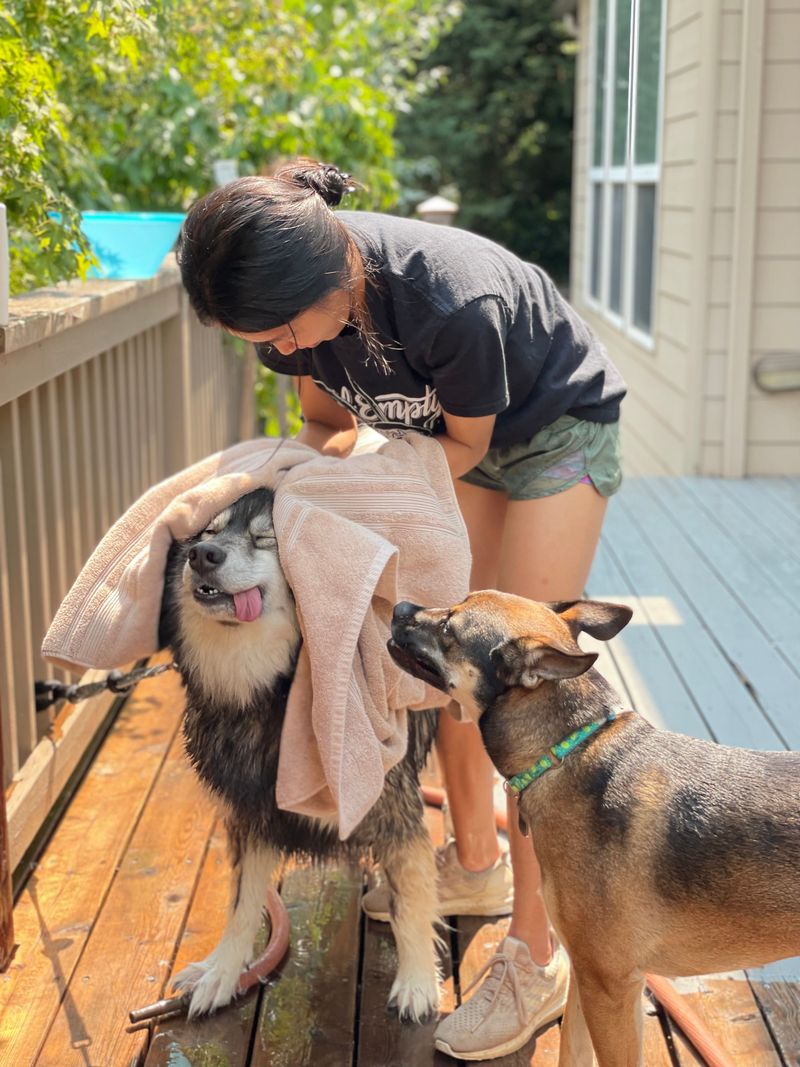
Move your dog into shade or air conditioning right away. Offer small sips of cool water, never ice-cold, and never force drinking.
Drape cool wet towels over the neck, belly, armpits, and paws, and add a fan.
Gradual cooling matters more than fast cooling. Once your dog settles, contact your veterinarian anyway.
Internal effects are not always visible from the outside.
18. The Smokies Allow Dogs On Just Two Trails
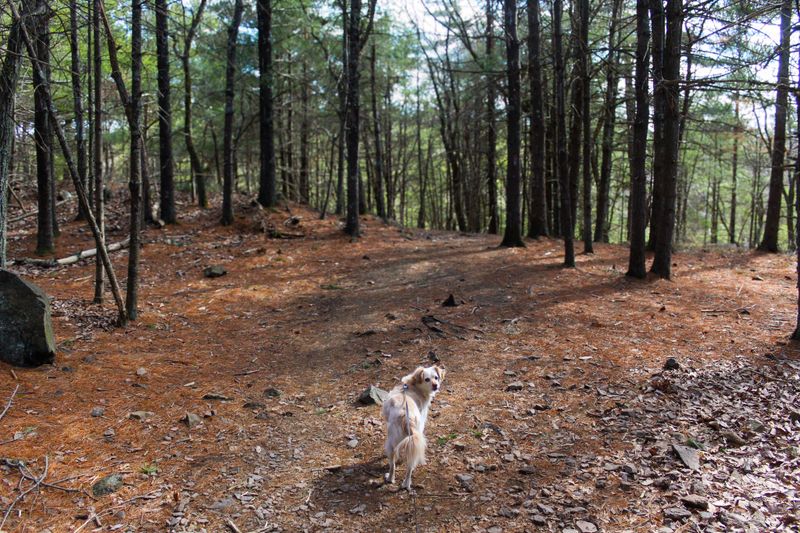
Plenty of visitors arrive expecting open access, then learn otherwise. Great Smoky Mountains National Park permits dogs on only two hiking trails: the Gatlinburg Trail and the Oconaluftee River Trail.
Elsewhere, dogs are welcome in campgrounds, picnic areas, and along roads.
Leashes must be six feet or shorter. Rules protect wildlife and other visitors, so check current park guidance before you load the car.
19. Autumn Trails Can Overlap Hunting Seasons
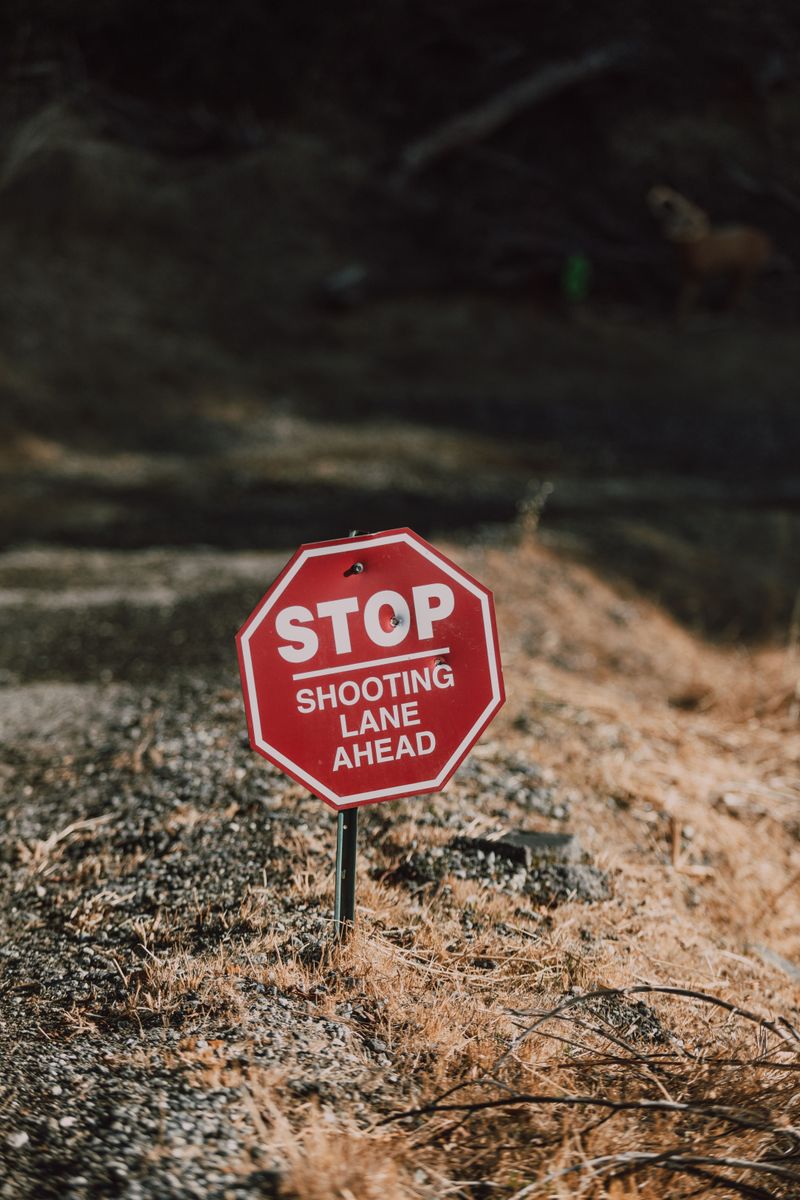
Many Tennessee public lands host deer and turkey seasons in the fall. Wildlife management areas and state forests are common overlap spots.
Season dates and access rules vary by area and by county.
Before heading out, check the state wildlife agency’s current season calendar and the specific land manager’s rules. A two-minute search saves confusion at the trailhead and keeps everyone sharing space comfortably.
20. Bright Orange Makes Both Of You Visible
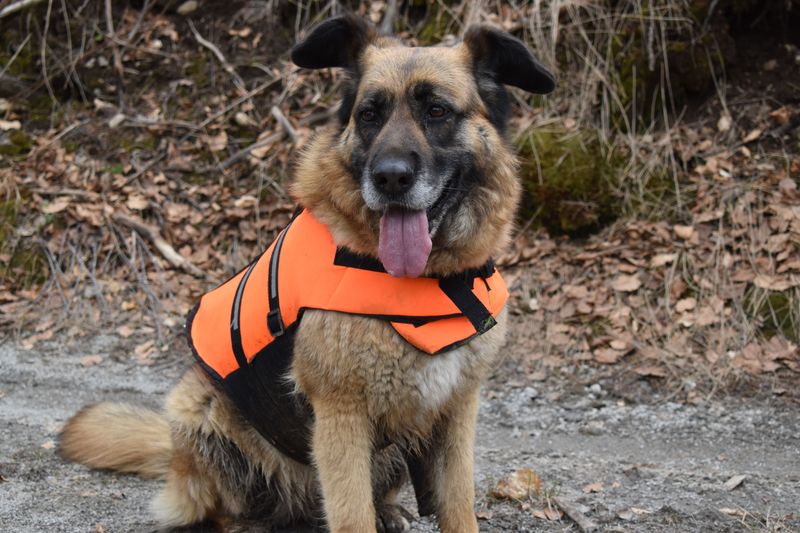
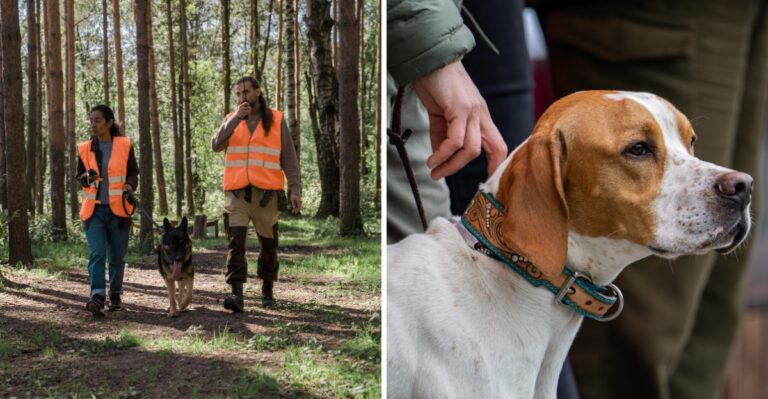
Blaze orange is the friendliest thing you can wear in November. A bright vest or bandana on your dog, plus an orange hat or jacket for you, makes both of you easy to spot.
Reflective leashes help in low light too.
Stick to marked trails, keep your dog leashed, and consider adding a bell. Visibility is courtesy, and it works beautifully.