Why Salt Marsh Mud And Oyster Shells Can Injure Dogs Along The South Carolina Coast
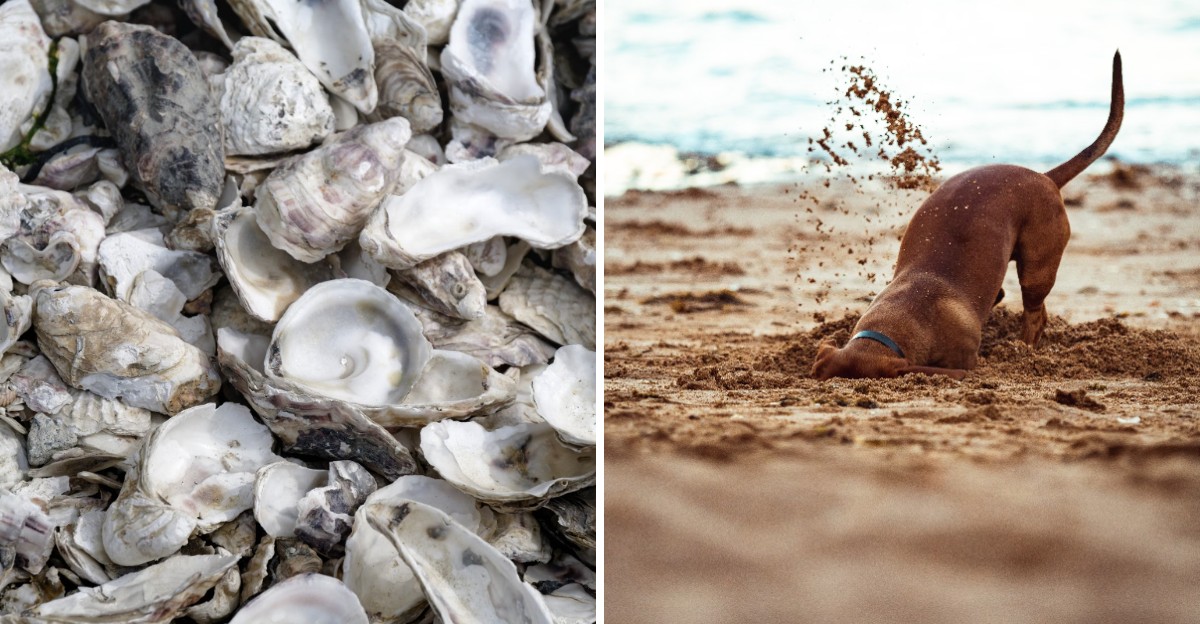
A coastal walk with your dog can turn an ordinary afternoon into something special. Along South Carolina’s marsh edges, soft mud and scattered oyster shells deserve a little extra attention.
Knowing where paws can get hurt helps you choose safer paths without giving up those waterside outings. A leash, a quick paw check, and fresh rinse water can make a real difference.
1. Salt Marsh Mud Can Be Tough On Paws
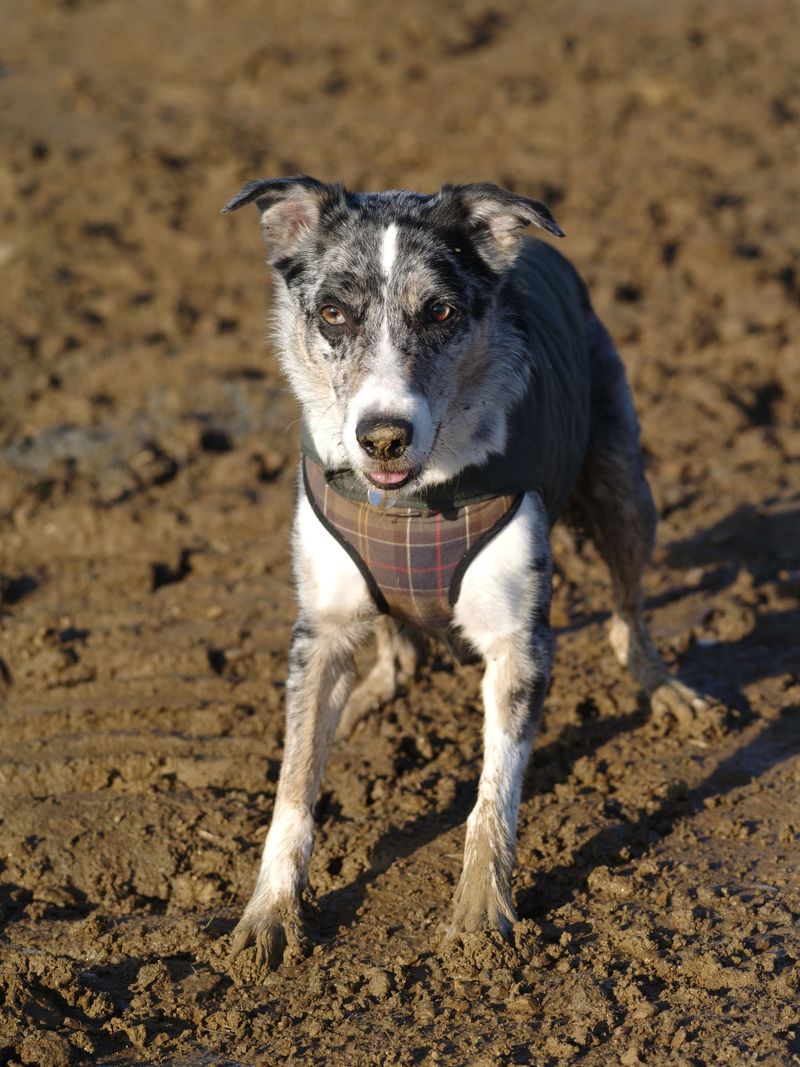
Soft-looking mud is not always a soft place to walk. Marsh sediment can hide shell pieces, grit, and uneven surfaces that rub against paws.
Sticky mud also makes footing harder, especially when dogs turn quickly or pull ahead.
Choose firm, established paths instead of letting your dog cross exposed marsh flats. If paws sink noticeably, turn back toward stable ground.
Avoid assuming smooth mud is safe simply because you cannot see anything sharp underneath it.
2. Oyster Shells Create Sharp Hazards
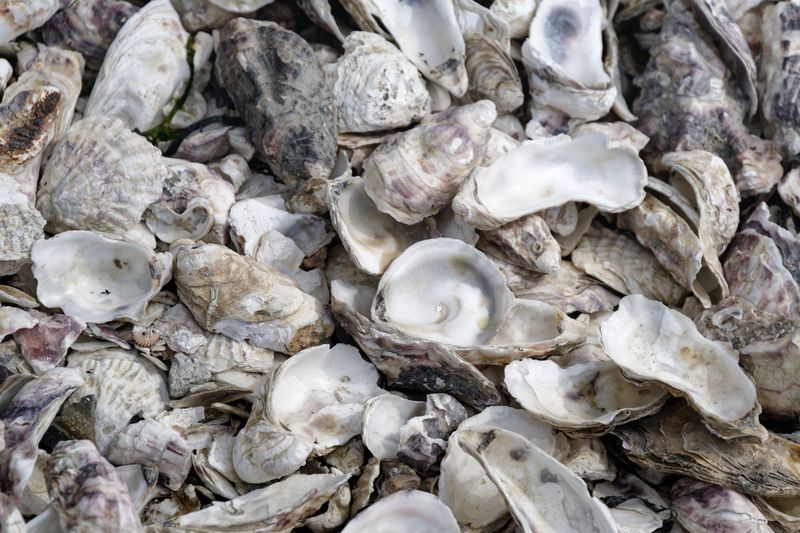
An oyster shell does not need to be large to cause trouble. Broken edges can slice paw pads when a dog steps down or slides sideways.
Living oyster clusters and loose empty shells both deserve careful distance.
Scan the route ahead, especially where shells collect beside tidal creeks. Do not encourage jumping across oyster patches.
Even sturdy paws are not protective footwear, and familiar dogs can still misjudge a landing on rough coastal ground nearby.
3. Cuts Can Hide Between The Toes
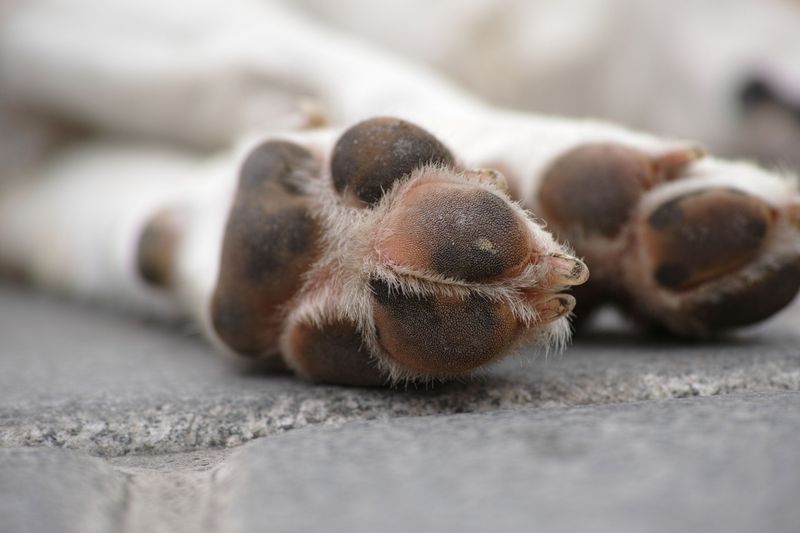
The spaces between toes are easy to overlook during a quick check. Shell fragments can become lodged between the toes or irritate the skin there.
Mud and fur may hide a small cut or lodged piece.
In good light, gently separate each toe and look without pulling hard. Stop if your dog seems uncomfortable or resists handling.
Leave deeply embedded material alone and contact your veterinarian. A normal-looking paw pad does not rule out an injury.
4. Wet Paws Become More Sensitive
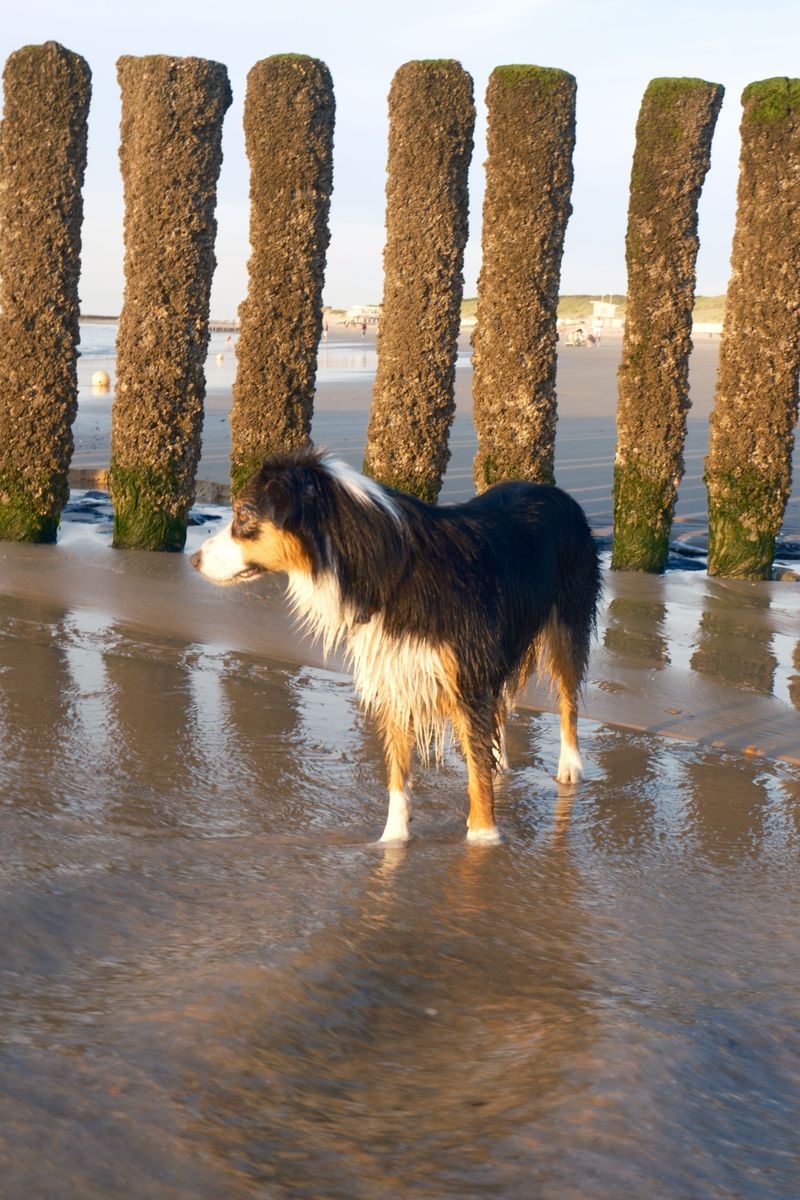
Prolonged moisture can soften the outer skin and make friction more irritating. Wet paws may also collect sand and grit between the toes.
Saltwater can sting skin that already has a scrape or crack.
Keep marsh outings short when your dog repeatedly steps through water. Afterward, rinse with fresh water and gently dry between the toes.
Give irritated paws a break from rough surfaces. Ongoing redness, soreness, or licking deserves advice from your veterinarian promptly.
5. Hidden Holes And Uneven Ground Affect Footing
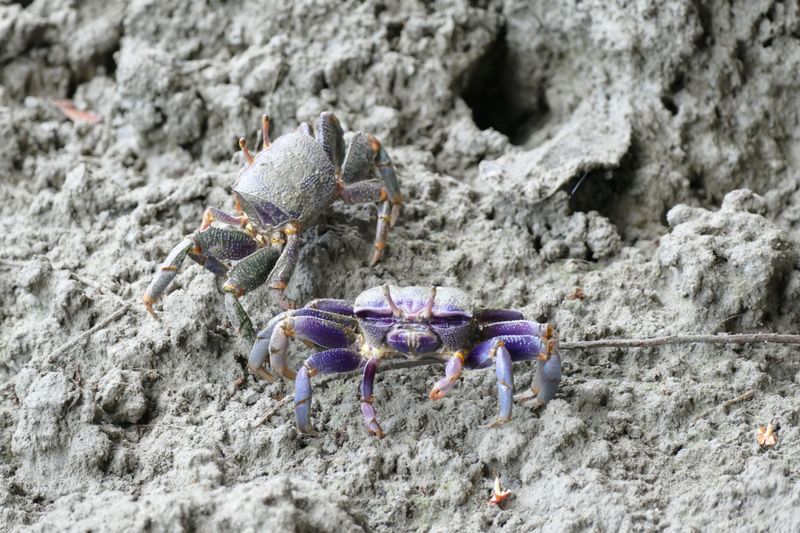
A flat marsh view can hide a surprisingly uneven walking surface. Crab burrows, narrow channels, and soft depressions can interrupt a dog’s stride.
A sudden slip may strain a leg or push a paw against shells.
Stay on routes where you can clearly judge the ground. Avoid letting your dog race across mud, even at low tide.
If footing becomes uncertain, retreat slowly. Do not follow your dog into deep mud during an attempted rescue.
6. Paw Injuries Often Show Through Small Changes
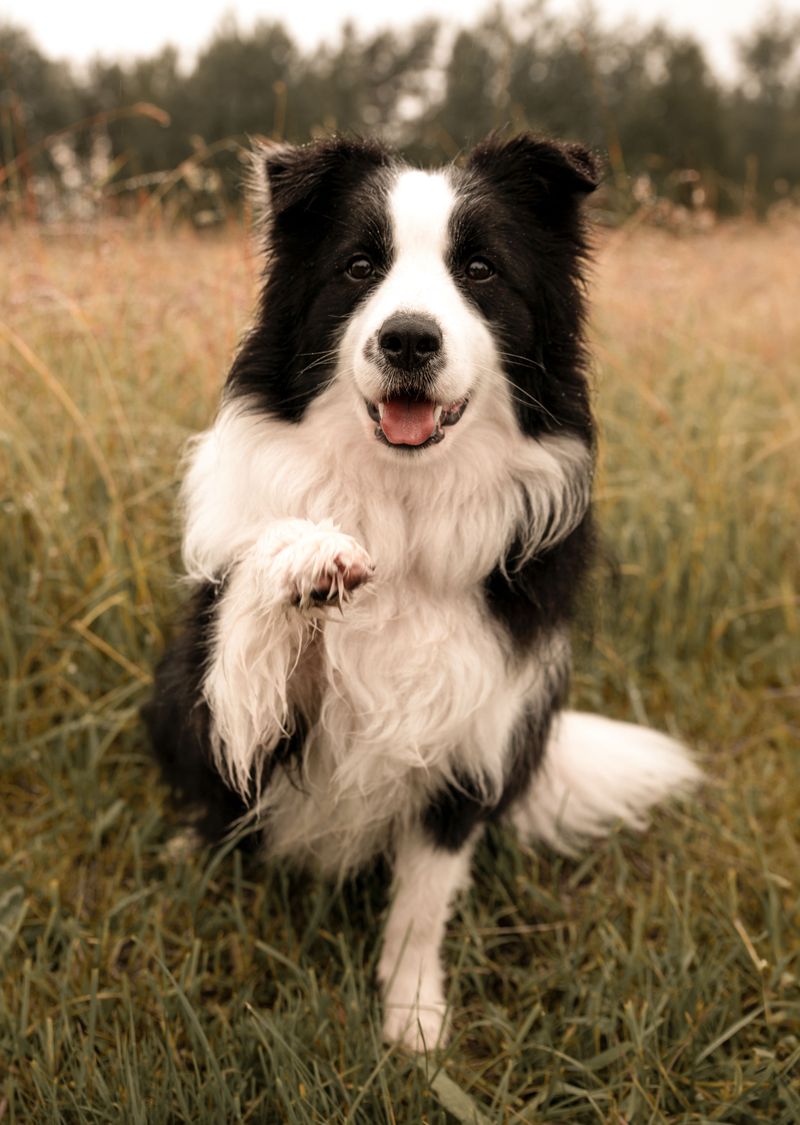
A slower pace can tell you more than a quick glance. Limping, repeated licking, holding up one paw, or avoiding certain surfaces may signal discomfort.
You might also notice swelling, redness, or a small blood spot.
Stop the walk when your dog’s movement changes unexpectedly. Find stable ground and examine the paw gently, if handling is safe.
Do not push through another mile to test it. Persistent discomfort needs veterinary attention, even without an obvious wound.
7. Excitement Can Delay Signs Of Discomfort
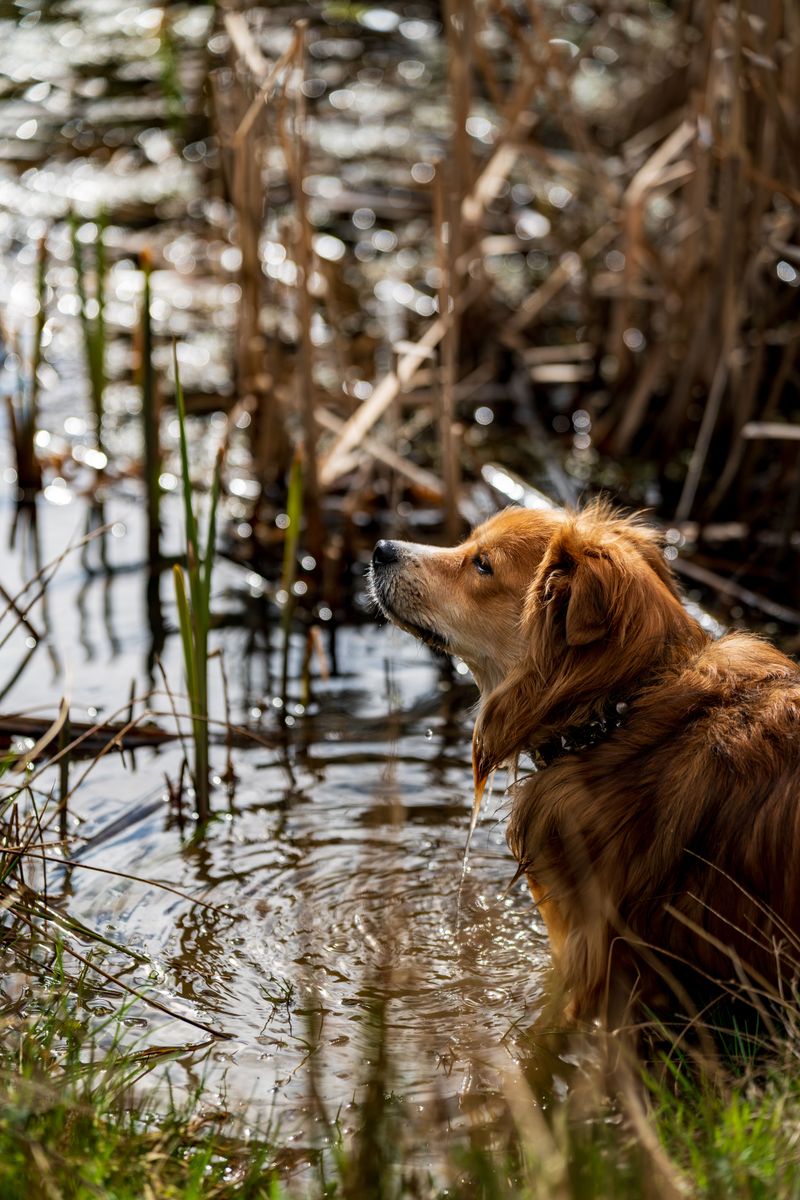
Birds, new smells, and moving water can hold a dog’s full attention. During an exciting outing, a small paw injury may not change behavior immediately.
Some dogs show discomfort only after settling down at home.
Check paws after every marsh-edge walk, rather than waiting for a limp. Watch your dog again once the excitement fades.
New licking or reluctance to stand matters. Continuing to run does not prove that paws escaped cuts from hidden oyster shells.
8. Digging Brings Paws Into Hidden Debris
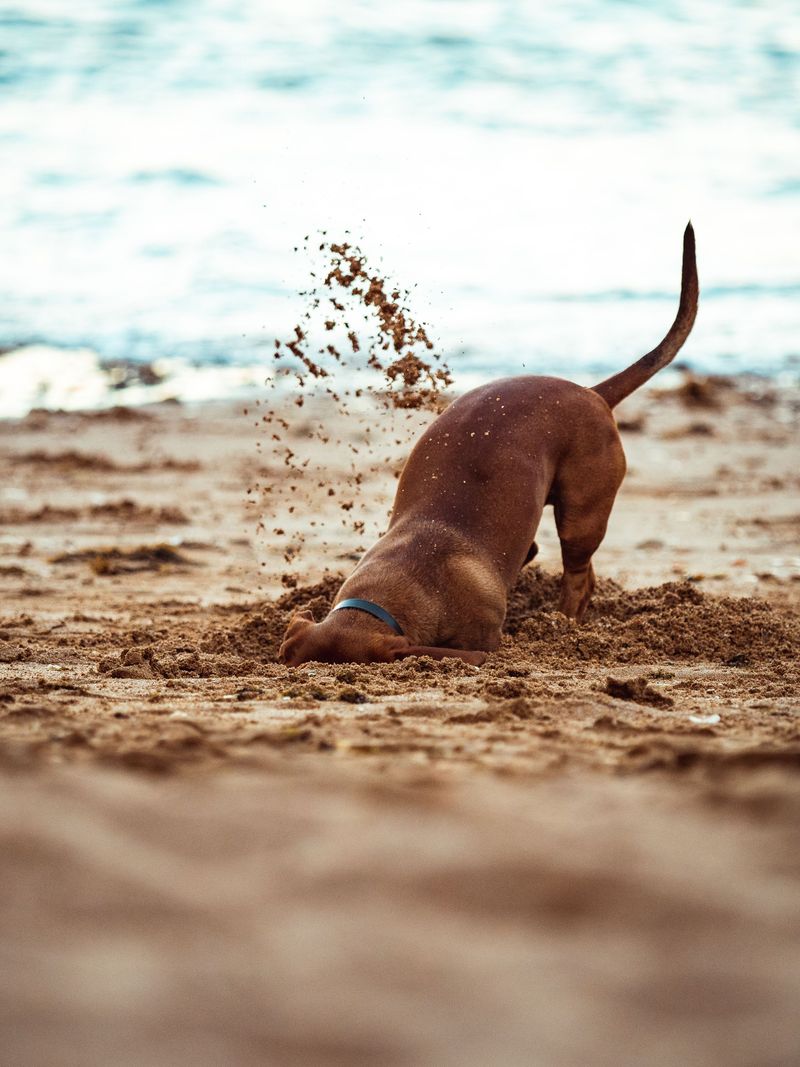
One enthusiastic digging session can uncover more than an interesting smell. Repeated scraping brings toes and nails against buried shell fragments.
Digging also packs mud into small skin breaks and makes later inspection harder.
Interrupt digging calmly and guide your dog toward a safer activity. Practice a leave-it cue before visiting coastal trails.
Keep wildlife burrows undisturbed, too. If your dog has already dug, inspect nails and toe spaces carefully after rinsing away the surface mud.
9. Tides Change The Route Under Your Feet
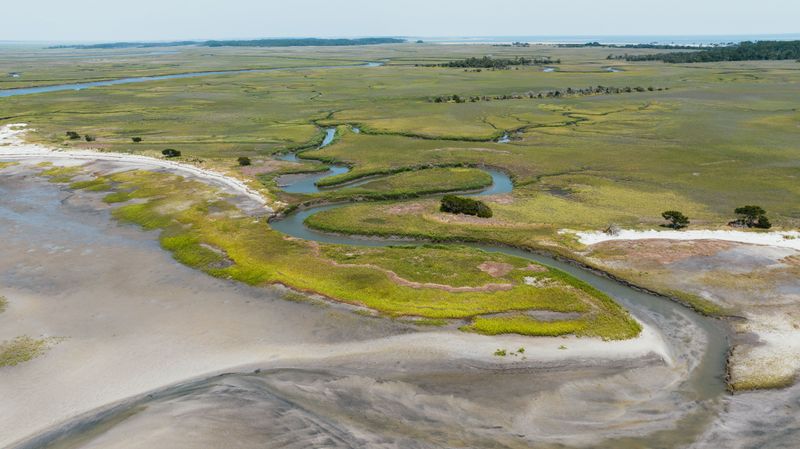
A path beside the water can look different within a few hours. Falling tides expose mud and oyster beds, while rising water can cover hazards and cut off access.
Weather can also affect water levels.
Check local tide predictions before leaving, but do not treat them as a safety guarantee. Choose routes with reliable exits on firm ground.
Avoid crossing tidal channels with your dog. Turn around early when water begins covering the route you used.
10. Marsh Grass Can Conceal Sharp Surfaces
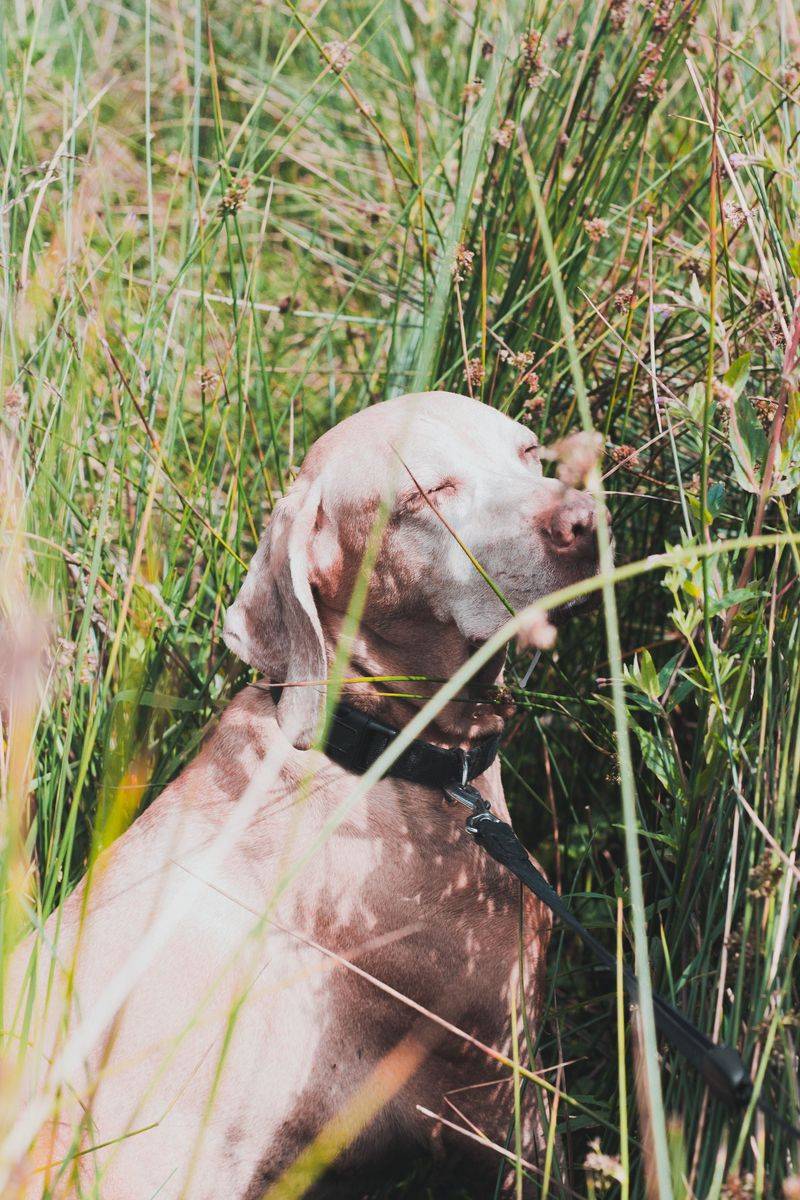
Tall cordgrass hides what lies at paw level. Shells, holes, and washed-in debris may sit beneath the stems, beyond an owner’s view.
Following a scent into thick vegetation can put dogs onto uncertain ground.
Keep your dog beside you where the walking surface remains visible. Do not assume grass marks a solid shoreline.
Respect posted closures and protected habitat boundaries. Local access rules vary, so confirm dog permissions with the managing agency before visiting unfamiliar areas.
11. Mud Can Complicate Even Small Cuts
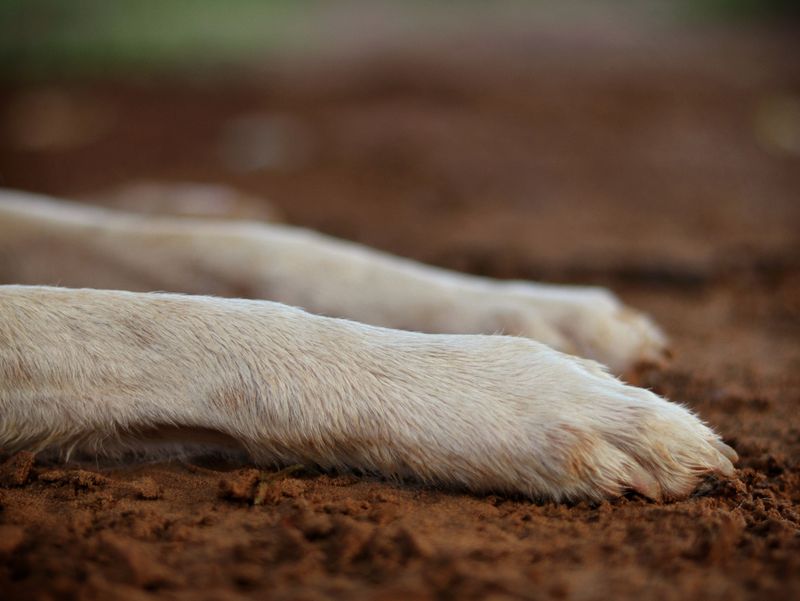
A tiny scrape deserves attention when marsh mud gets inside it. Sediment can carry bacteria and trap debris against broken skin.
Coastal water can contain microorganisms that may contribute to wound infection, so wounds exposed to marsh mud or saltwater deserve careful cleaning and monitoring.
Leave the marsh and rinse the area with clean fresh water. Prevent licking while arranging veterinary advice for a contaminated cut.
Tell the clinic about mud and saltwater exposure. Do not assume a small wound cannot become infected after the walk ends.
12. Dense Oyster Patches Leave Little Safe Footing
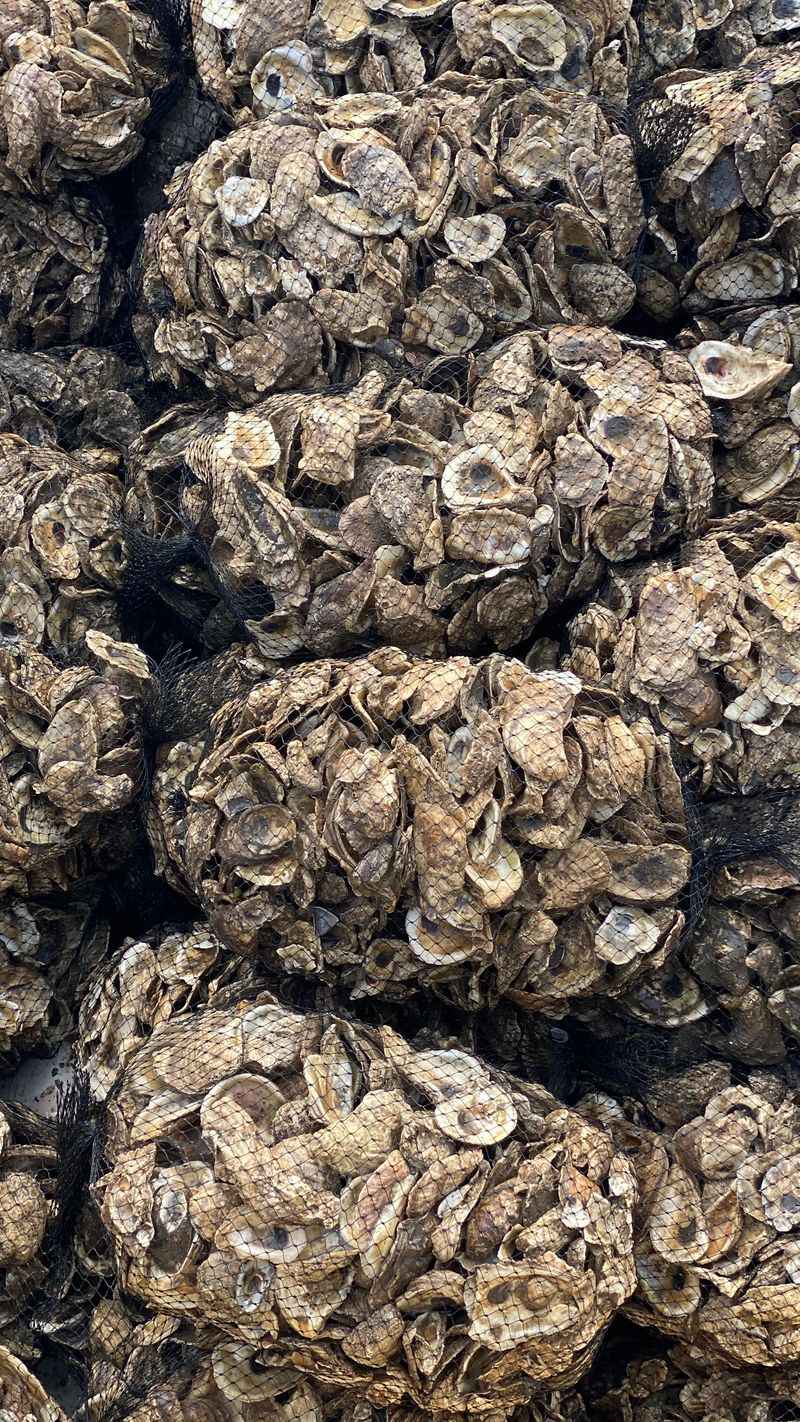
Closely packed shells create a rough surface with few comfortable landing spots. Oyster beds often appear along creek edges and exposed tidal areas.
Loose shell piles can also shift when a dog steps onto them.
Choose another route rather than looking for gaps between clusters. Booties may offer some protection, but they do not make oyster beds safe.
Keep dogs off shell-covered banks, including familiar ones. Changing tides and movement can reveal new edges between your visits.
13. Give Shell Banks Plenty Of Space
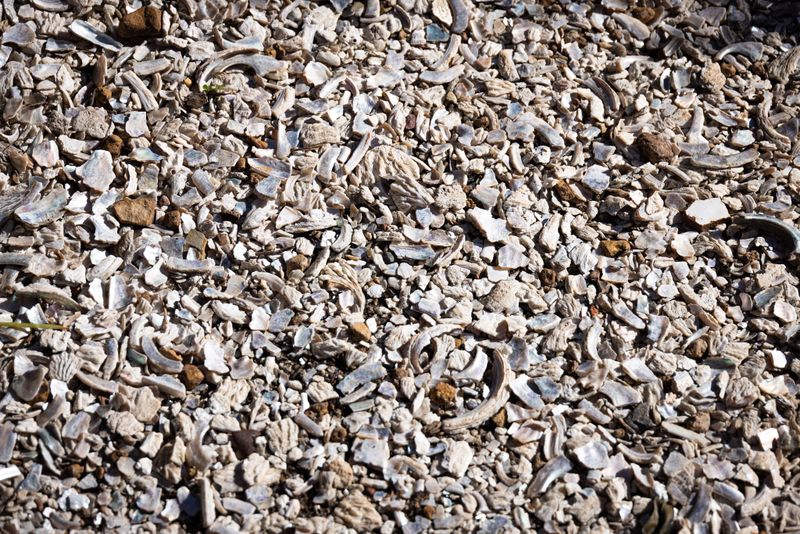
The safest crossing is often the one you skip. Shell banks can tempt dogs seeking water, interesting smells, or a shortcut.
Their edges may be sharp even where the top looks weathered and pale.
Walk far enough away that a sudden sideways step cannot reach the shells. Redirect toward open, firm ground before your dog approaches.
Never throw toys onto oyster banks. Choose designated dog-friendly areas with visible footing instead, and follow any posted access restrictions.
14. A Leash Helps You Guide Each Step
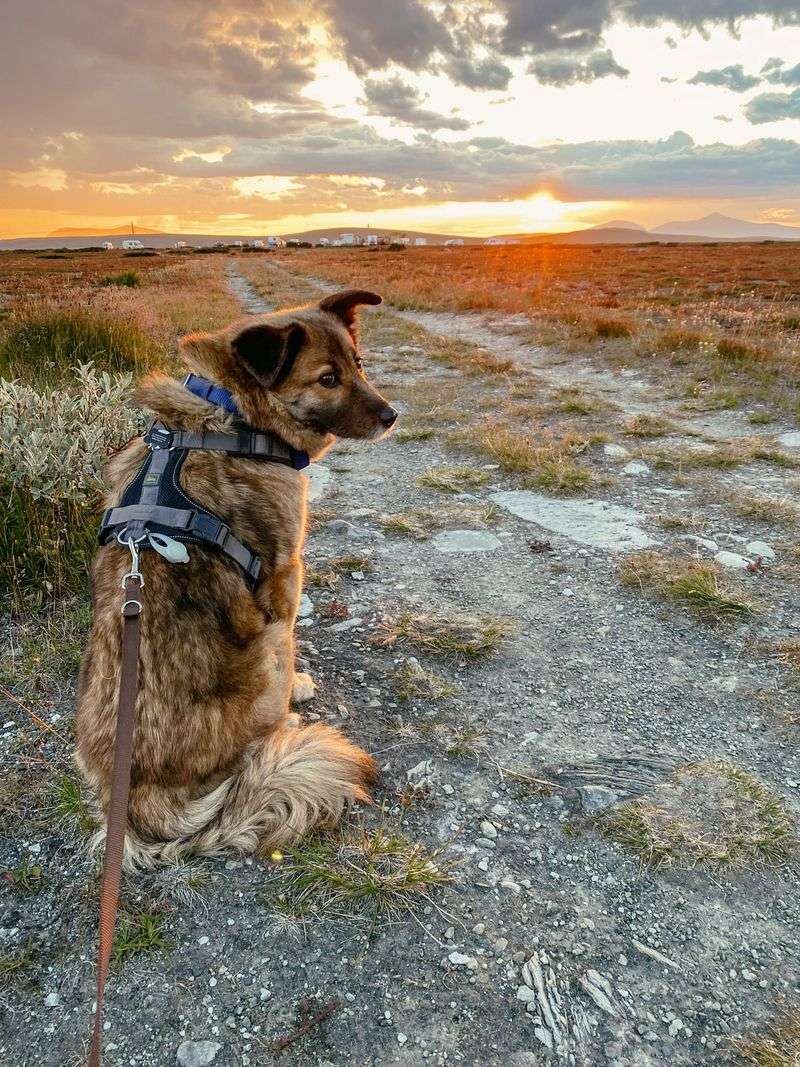
A little distance control makes coastal walks easier to manage. A regular leash lets you steer around shells, stop digging, and avoid hidden creek edges.
Long lines can allow dogs to reach hazards before you react.
Use a comfortable harness or well-fitted collar and keep the leash manageable. Avoid pulling your dog across uncertain ground.
Leash requirements differ between beaches, parks, and communities. Check the current local rules, even when you already plan to stay leashed.
15. Make Paw Checks Part Of The Homecoming

Before your dog settles onto the sofa, take a minute for paws. Look at every pad, nail, and space between toes.
Check for stuck grit, broken nails, swelling, and tenderness rather than searching only for cuts.
Use good lighting and calm handling, with breaks if needed. Compare both sides when something looks different.
Do not probe wounds or dig out embedded shells. If touching a paw causes pain, stop checking and call your veterinarian for guidance.
16. Fresh Water Removes Mud And Salt
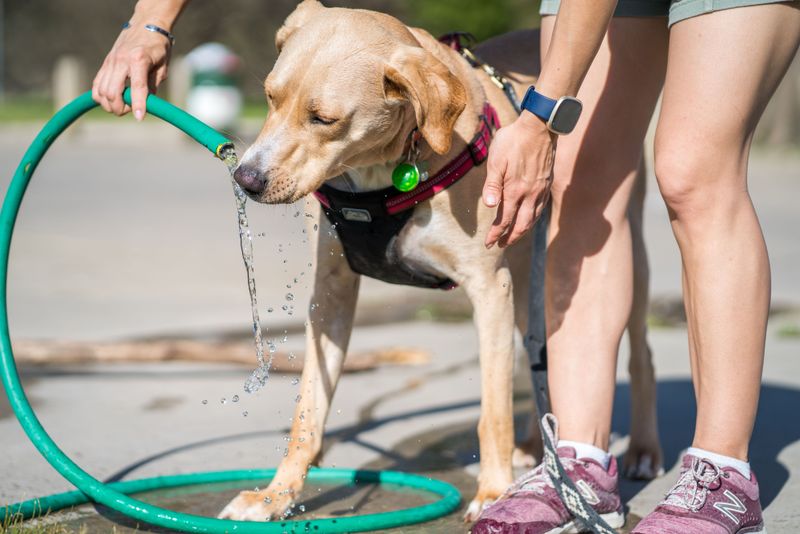
A bottle of fresh water earns its place in your walking bag. Gentle rinsing with clean fresh water helps remove salt, loose mud, and surface grit.
It also makes paws easier to inspect once the coastal outing is over.
Use clean water rather than another dip in the creek. Pat paws dry, including the spaces between toes.
Avoid scrubbing sore skin or applying household disinfectants. Rinsing is basic cleanup, not treatment for punctures, embedded fragments, or wounds showing infection signs later.
17. Know When To Call Your Veterinarian
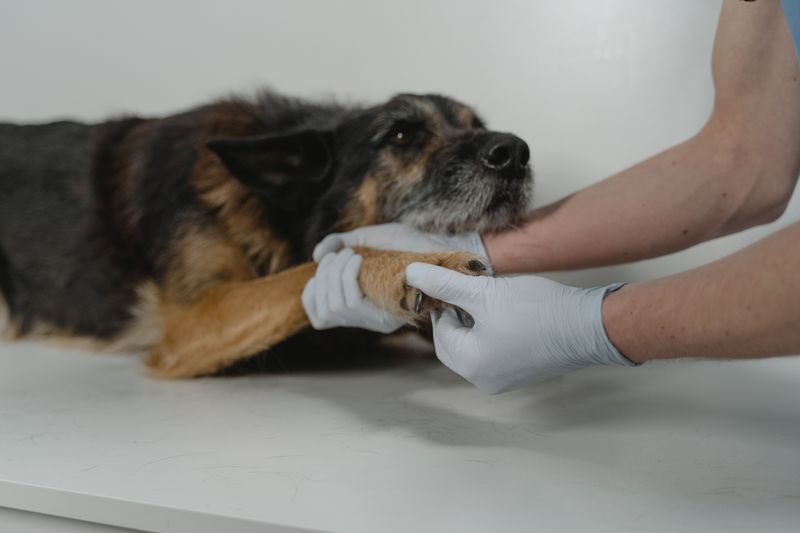
Some paw problems need more than a rinse and rest. Contact your veterinarian for punctures, embedded shells, broken nails, or ongoing limping.
Increasing swelling, discharge, spreading redness, or worsening pain also deserve prompt veterinary attention.
Seek urgent care for uncontrolled bleeding or inability to bear weight. Apply gentle pressure with clean gauze while arranging help for bleeding.
Never give human pain medicine unless your veterinarian directs it. Choose firm paths, check paws, and enjoy the coast prepared.