15 Skills North Carolina Suburban Dogs Need For Screened Porches, Shared Greenways, And Busy Neighborhoods
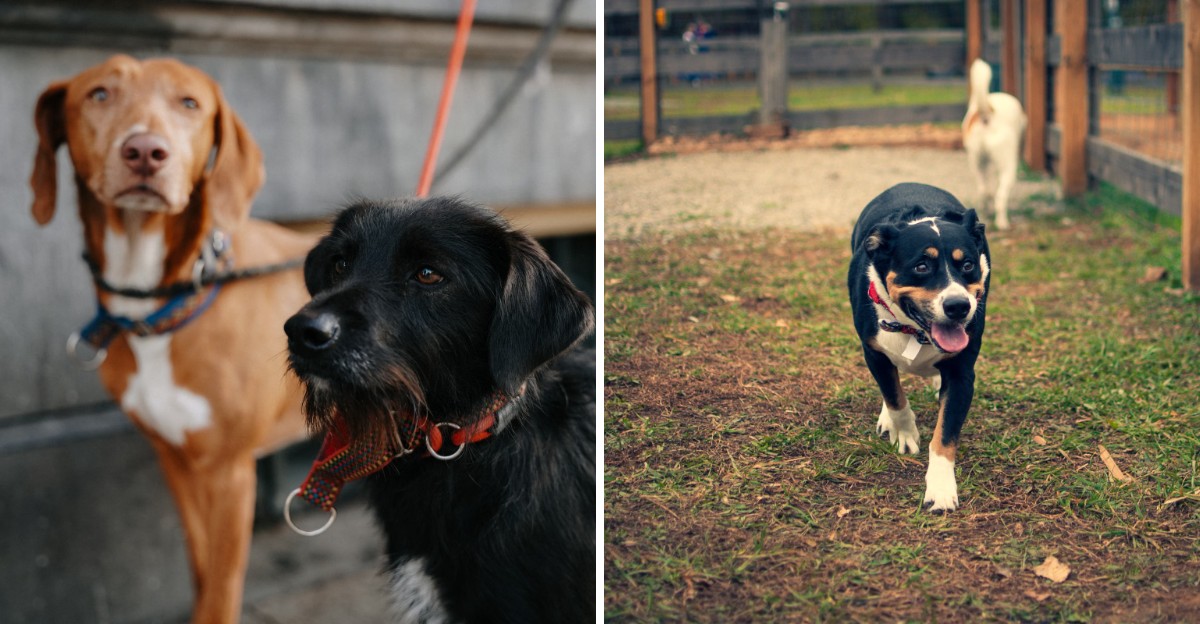
Life with a dog in a North Carolina neighborhood has its own rhythm. There are screened porches that catch the evening breeze, greenways shared with runners and strollers, and sidewalks that stay busy until dark.
Your dog does not need fancy tricks to thrive here. A handful of steady, practical skills makes walks calmer and porch time easier for everyone.
Here are the habits local owners find most useful, plus simple ways to build them at home.
1. Calm Behavior Around Screen Doors
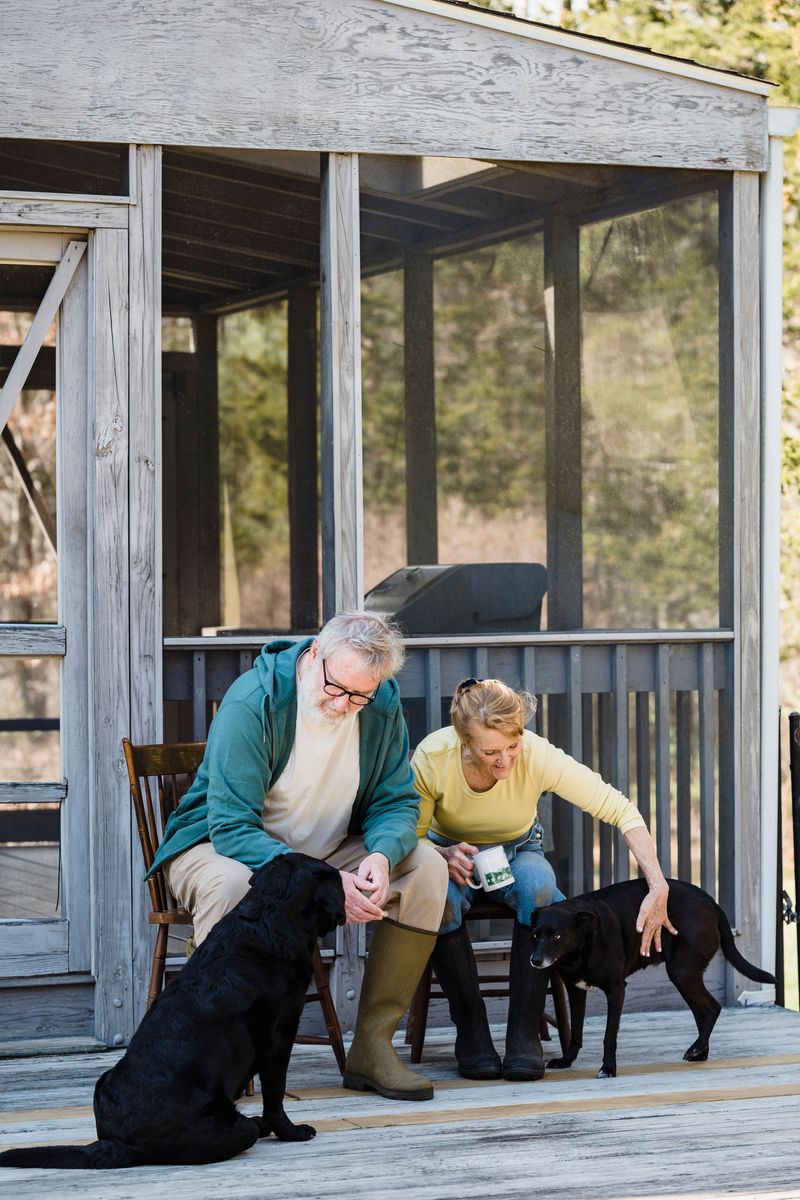
Screen doors look solid to us and invisible to dogs. A single excited push can pop a panel loose, and repairs add up fast.
Teach your dog to pause and sit a few feet back before any door opens. Reward that stillness with treats or praise.
Practice when nothing exciting is happening outside. Calm repetitions build a habit that holds later, even when a squirrel darts across the yard or a neighbor waves hello.
2. Waiting Before Going Outside
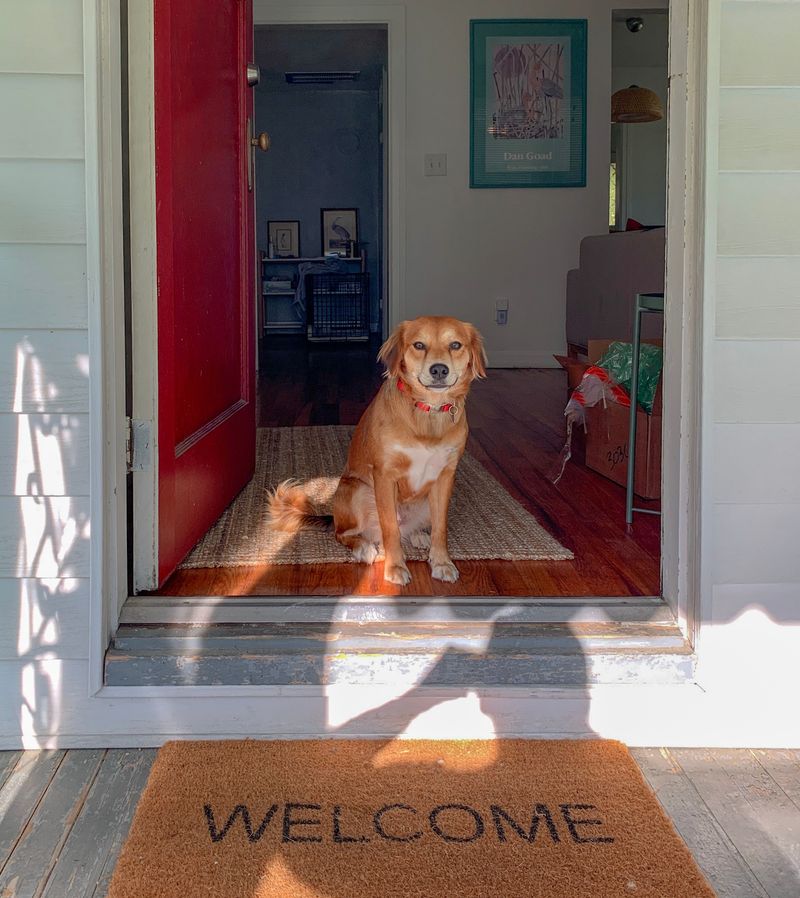
Doorways are decision points. A dog who bolts through can end up in a driveway or street before anyone reacts.
Build a simple rule: the door opens only after your dog holds still. Open it an inch, close it if he surges, and try again.
Many dogs improve with short, consistent practice, but the time it takes to learn this skill varies by dog. The pause can help reduce the chance of bolting toward driveways or roads.
3. Leash Walking On Shared Greenways
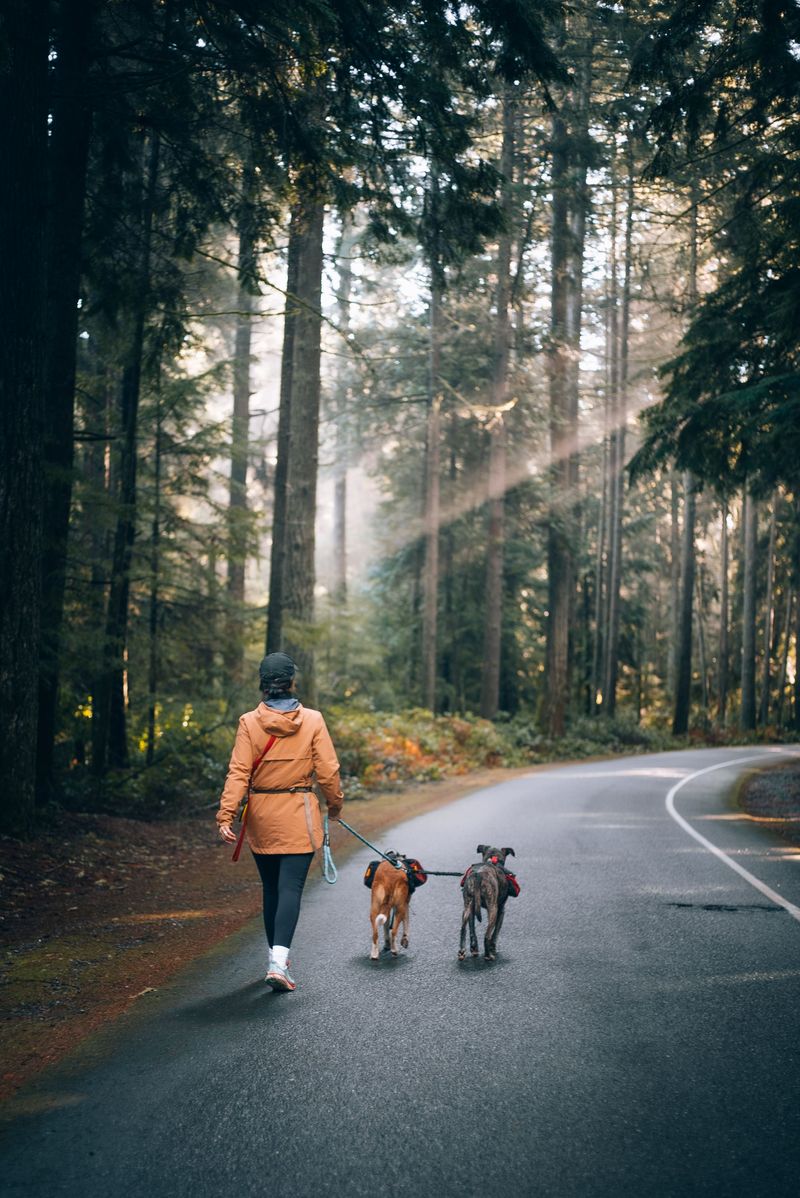
Greenways in North Carolina are shared by walkers, joggers, cyclists, and families. Leash rules vary by city and park system, so check posted signs locally.
A fixed six foot leash gives you real control on narrow pavement. Retractable lines tend to stretch across the path unexpectedly.
Reward your dog for walking beside you rather than pulling ahead. Loose leash walking is less about perfect form and more about keeping everyone comfortable in tight spaces.
4. Passing Other Dogs Calmly
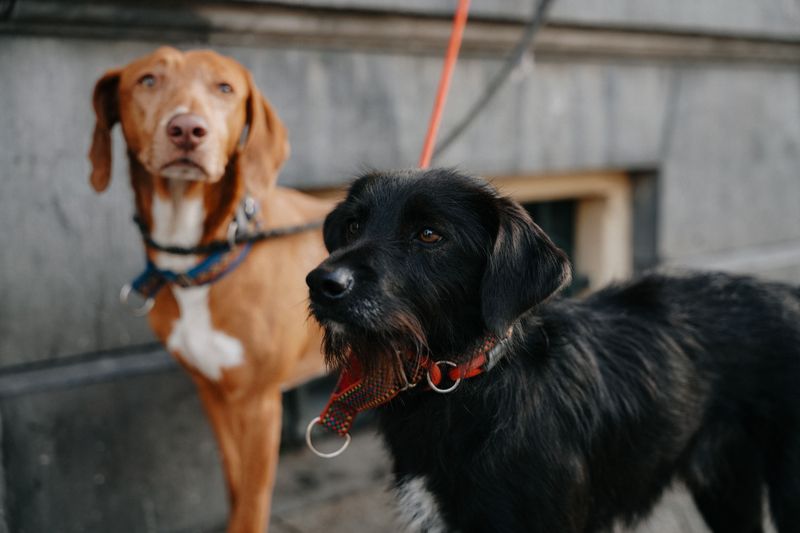
Plenty of friendly dogs still get wound up when another dog appears. Distance is your best tool.
Step to the side of the path, ask for a sit or keep moving, and reward attention on you. Greetings on leash are optional, never required.
If your dog struggles, cross the street or turn a wide arc. That is not failure.
Managing space calmly teaches him that passing dogs are ordinary background scenery.
5. Ignoring Runners And Cyclists
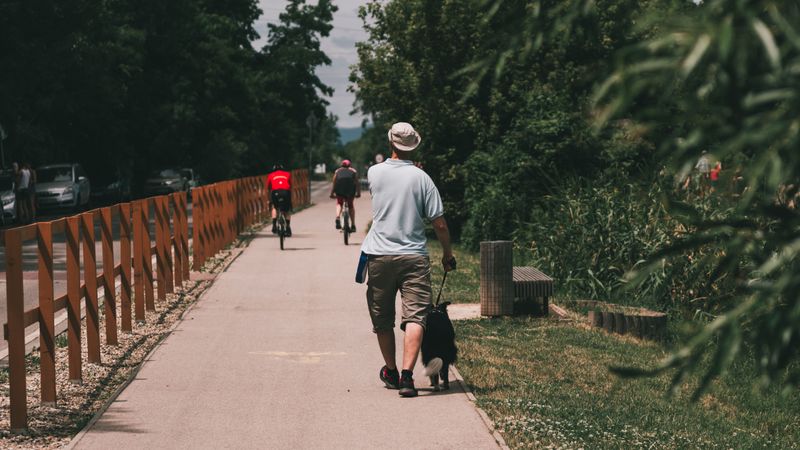
Fast movement wakes up a dog’s chase instinct. On greenways, that means runners and bikes rolling by within a few feet.
Start far from the action. Feed treats while wheels and footsteps pass at a comfortable distance, then slowly shorten the gap over several outings.
Some riders may call out before passing, but you should not rely on that. Move your dog to one side, shorten the leash, and stay attentive to approaching cyclists.
Predictable handling keeps the whole trail flowing smoothly.
6. Responding To A Reliable Recall
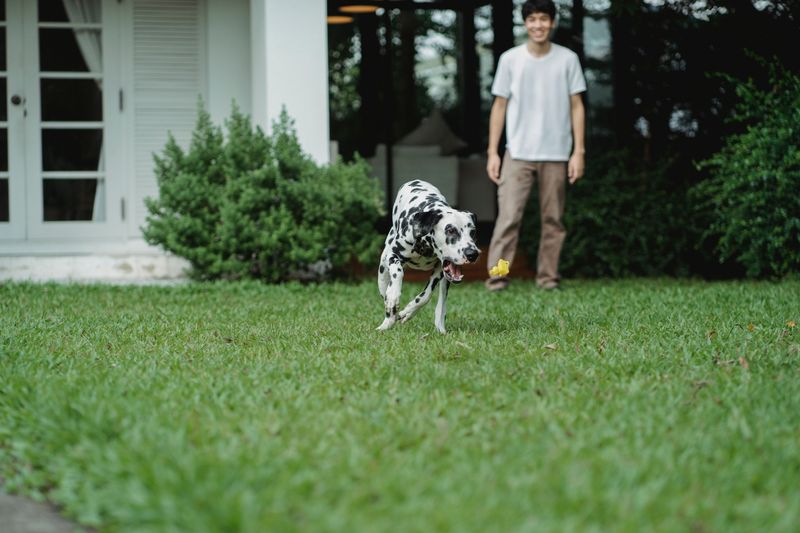
Recall is the skill owners lean on most when plans go sideways. A dropped leash or a swinging gate turns into a minor hiccup instead of a scramble.
Use one cheerful word, then pay generously every single time. Never call your dog over for something he dislikes.
Practice in a fenced yard first, then on a long training line. Off leash rules differ across counties, so keep him leashed wherever local ordinances require it.
7. Staying Focused Around Neighborhood Noise
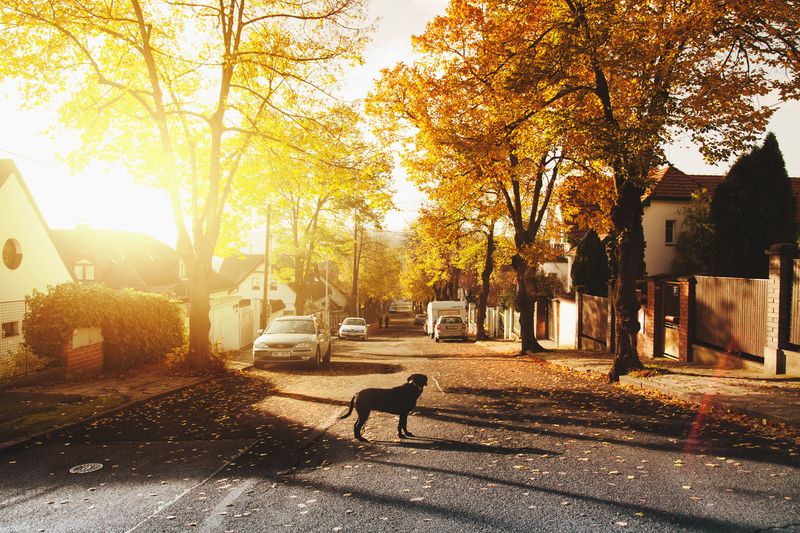
Leaf blowers, delivery trucks, basketballs, and garage doors all show up in one afternoon around here. Noise is simply part of the package.
Pair sounds with something good. When the mower starts, hand over a treat, then carry on with normal activity.
Short exposure beats long exposure. Five calm minutes near a busy sidewalk teaches more than an hour of overwhelm.
Your steady body language tells him there is nothing worth worrying about.
8. Settling When Guests Arrive
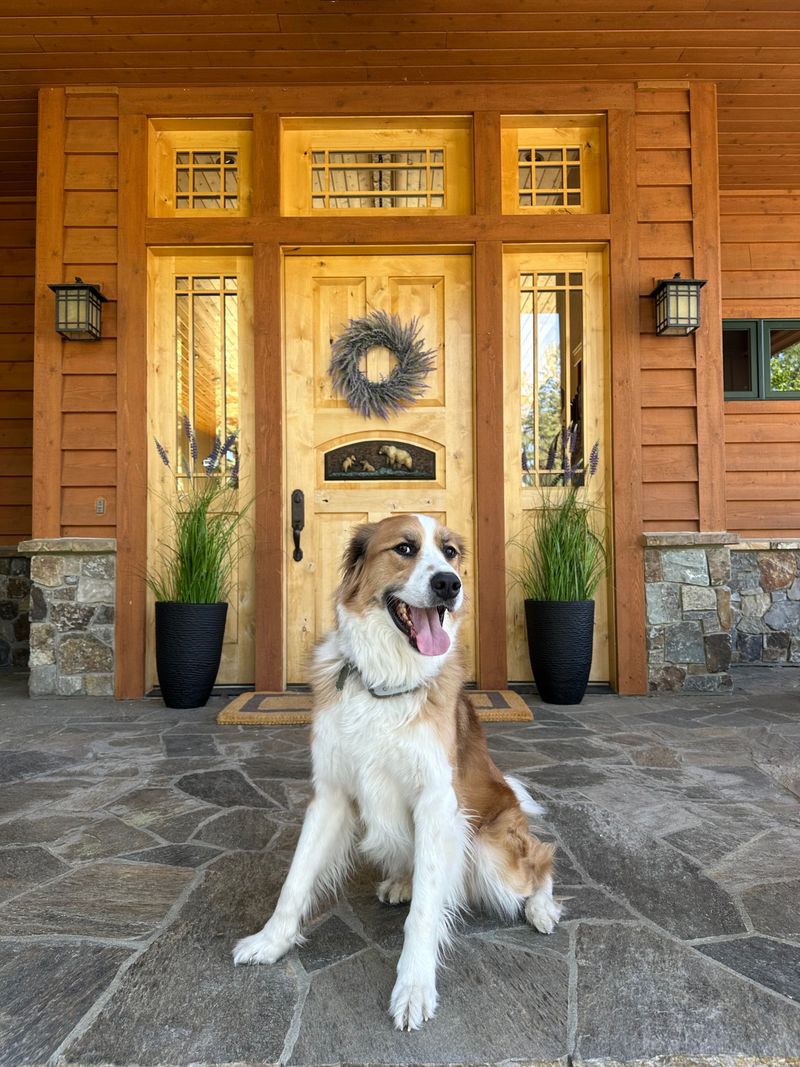
Porch season brings visitors, and dogs often greet them like long lost family. A designated spot fixes most of the chaos.
Put a bed or mat in the corner of the porch. Reward your dog for lying there while people talk and move around.
A chew toy can help occupy your dog during the first few minutes. Some dogs may settle once the initial excitement passes, while others may need continued guidance or a quiet space.
9. Walking Past Children Safely
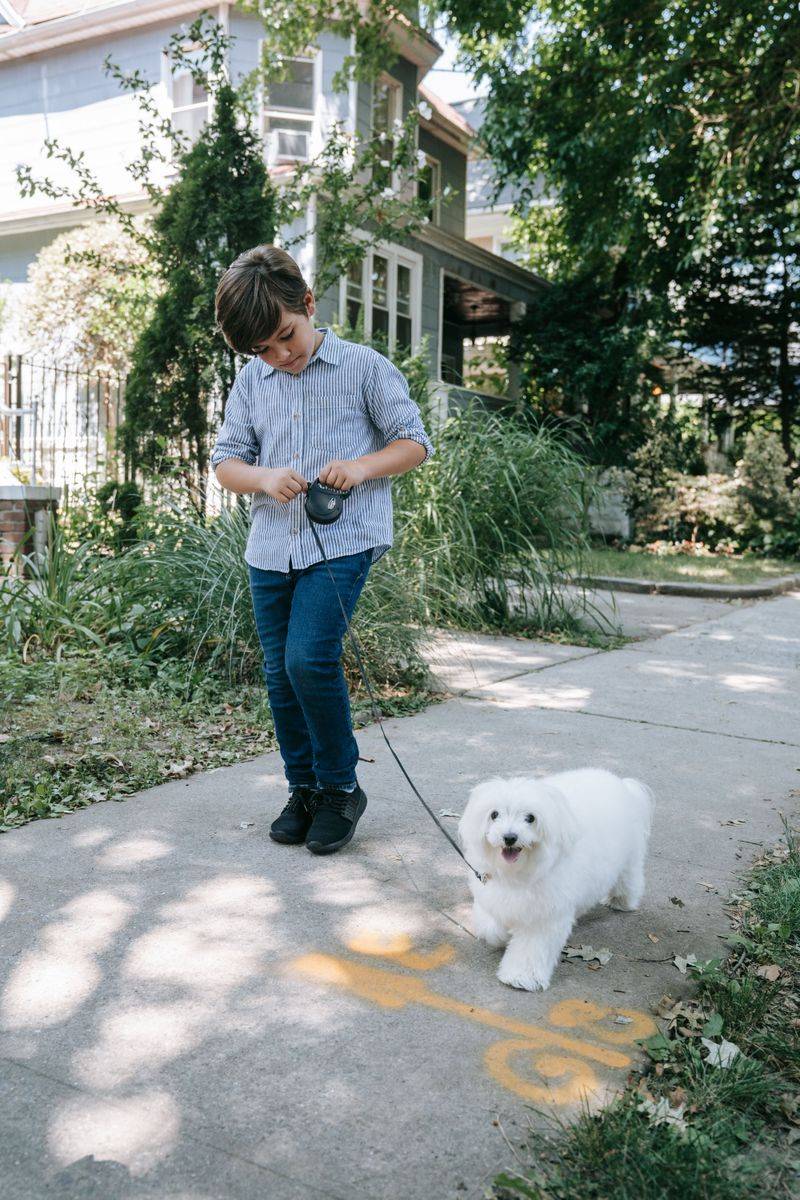
Kids move unpredictably, and scooters appear out of nowhere in suburban neighborhoods. Your dog needs a plan for that.
Keep him on the far side of your body as children pass. Reward him for checking in with you instead of staring.
When a child asks to pet him, it is fine to say not today. If you agree, ask the child to approach slowly and offer a flat hand first.
10. Leaving Food And Litter Alone
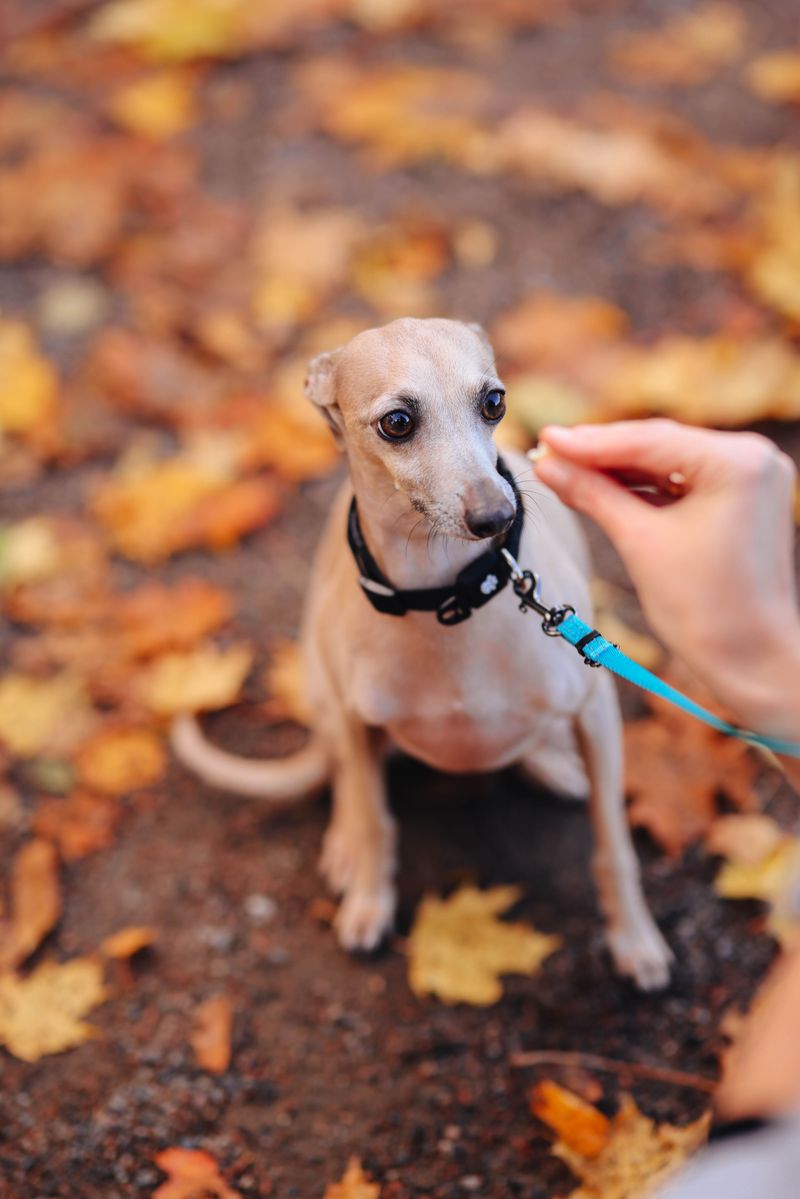
Greenway benches and picnic spots collect dropped snacks. Some of it, like grapes, raisins, or anything containing xylitol, is genuinely unsafe for dogs.
Train a clear leave it cue using boring items at home, then work up to tempting ones outdoors.
Trade rather than grab. Offering a treat in exchange keeps him from guarding finds.
If he swallows something questionable, call your veterinarian or an animal poison control line promptly.
11. Navigating Narrow Paths Politely
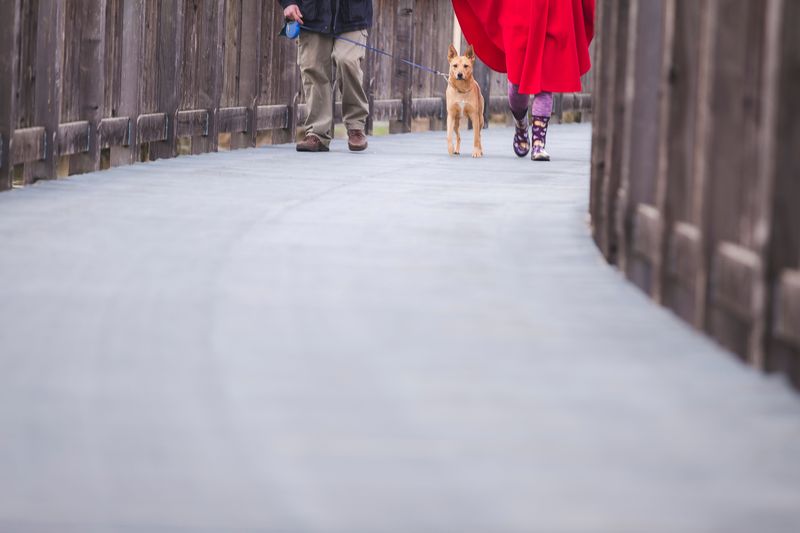
Boardwalks, bridges, and tree lined stretches squeeze everyone together. Two people and one dog barely fit.
Teach a side cue so your dog moves right or left on request. Practice on quiet sidewalks before trying it during rush hour.
Shortening the leash can give you closer control in tight spaces. Stepping aside briefly can also make it easier for other trail users to pass safely.
12. Handling Brief Stops On Busy Paths
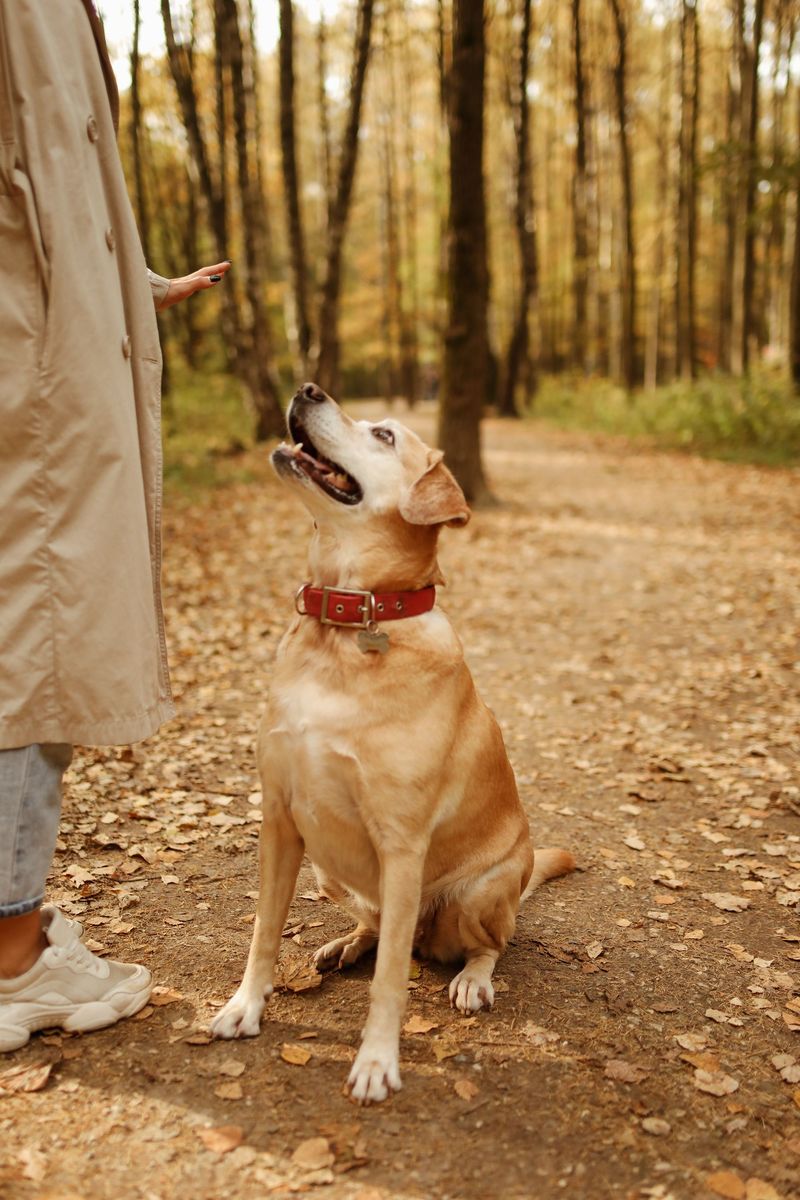
You stop to tie a shoe or read a trail map, and suddenly your dog is winding the leash around your ankles.
Practice a parked position at home: you stand still, he sits or stands quietly beside you. Reward the stillness, not the fidgeting.
Pull the leash in close during stops so it never crosses the path. Small courtesies like that keep shared trails pleasant for cyclists and strollers alike.
13. Staying Calm Around Fences And Yards
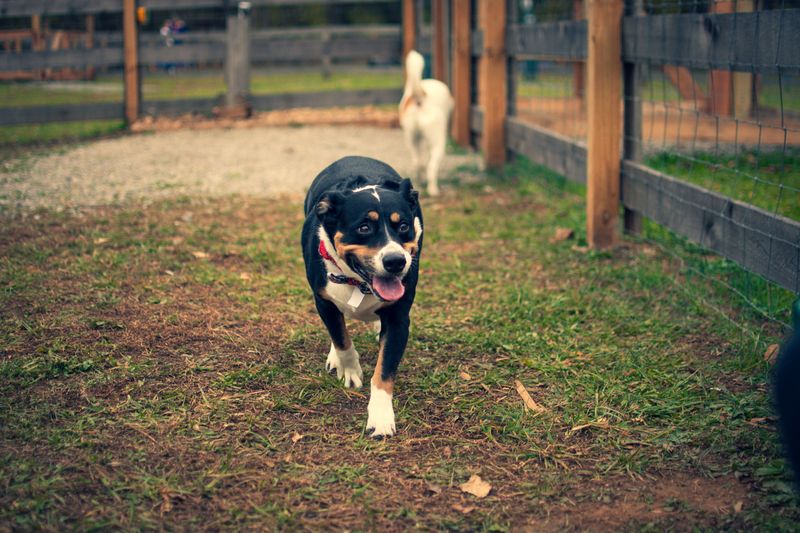
Almost every route here passes a yard with a barking resident behind the boards. Fence line excitement spreads quickly between dogs.
Increase distance by walking closer to the curb. Keep your pace steady and reward your dog for continuing forward.
Treats tossed slightly ahead encourage him to look where he is going. Over time the barking becomes just another neighborhood sound rather than an invitation to answer back.
14. Accepting Leash And Harness Handling
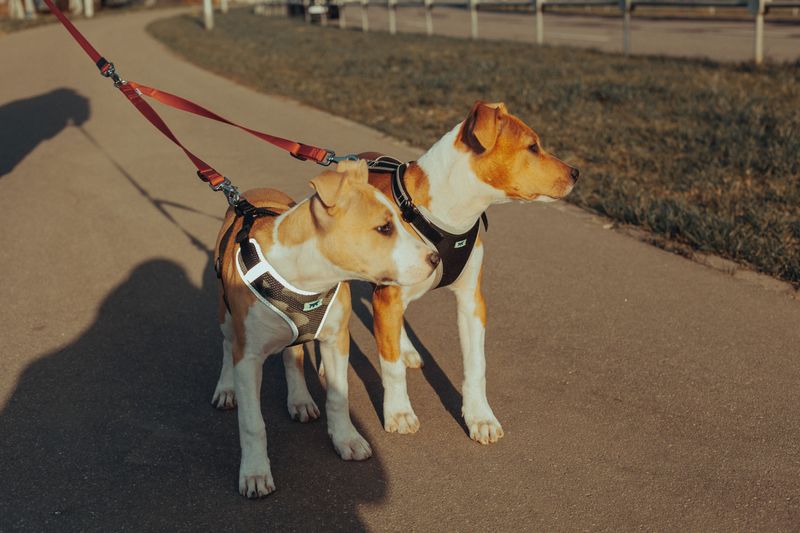
Gear goes on and off several times daily. A dog who spins or ducks makes that a wrestling match.
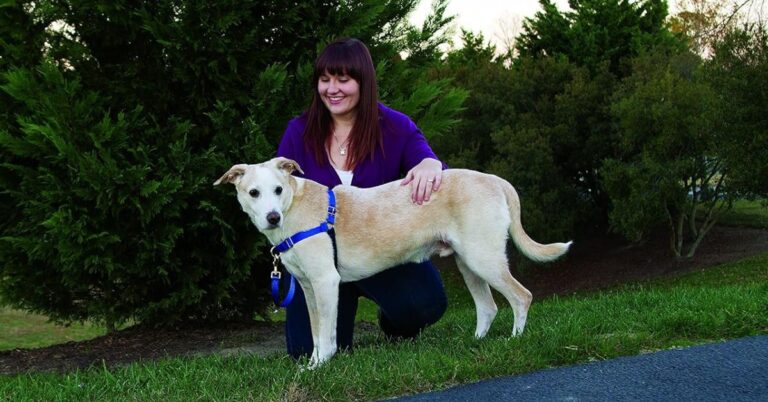
Hold the harness up and let him step toward it. Feed a treat, then fasten one buckle at a time.
Check the fit regularly, especially on growing puppies. Two fingers should slide under the straps comfortably.
Properly fitted gear reduces pulling pressure and lowers the chance of a slip out near traffic.
15. Recovering Quickly From Startling Moments
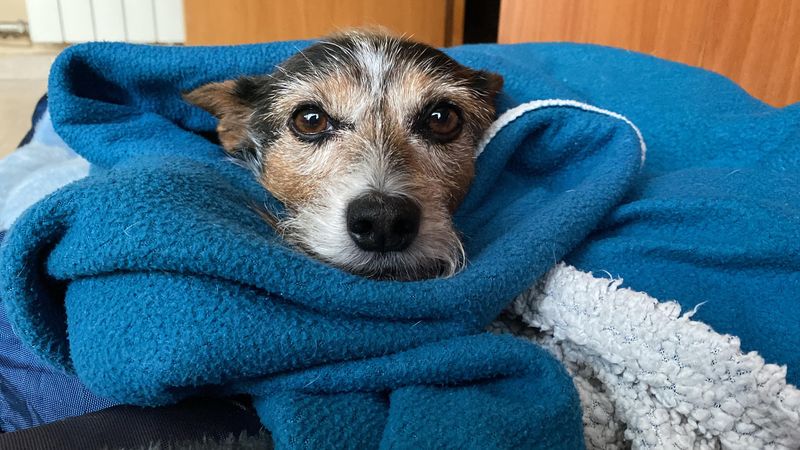
A trash can tips over, a car backfires, a flag snaps in the wind. Startles happen to every dog.
What matters is the bounce back. Stay relaxed, move a few steps away, and offer a treat once he looks at you.
Avoid rushing toward the scary thing to prove it is harmless. Let him choose.
Dogs who recover quickly handle porches, greenways, and busy blocks with genuine ease.
Steady practice, patient handling, and a calm voice carry you a long way here.