15 Great Lakes Beach Hazards Wisconsin Dog Owners Should Recognize
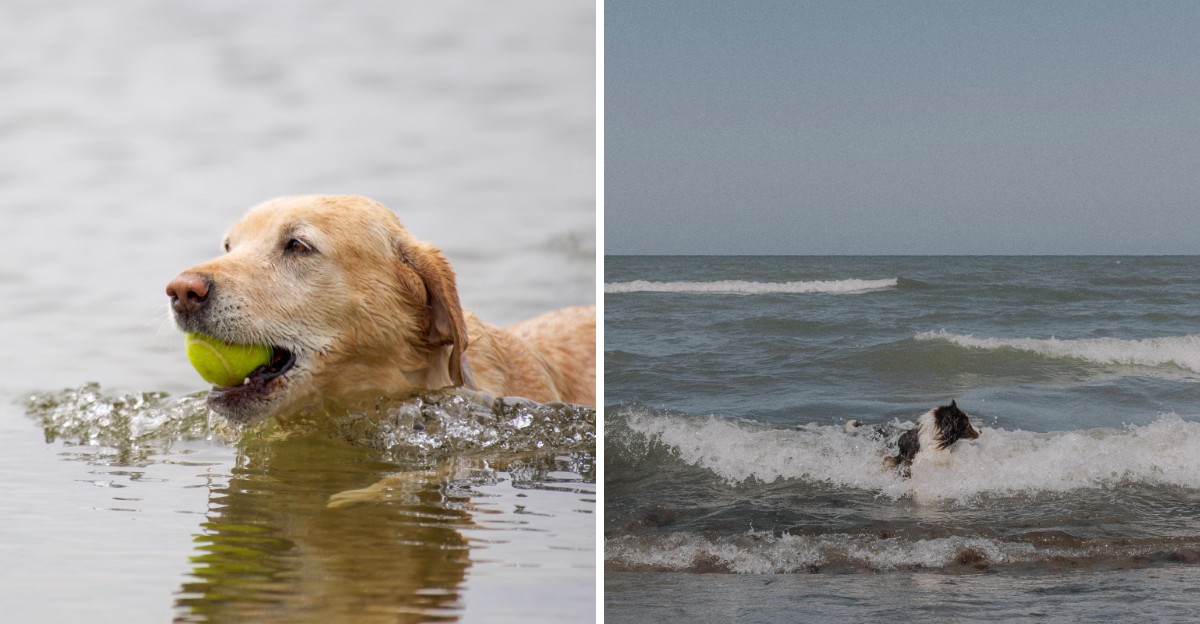
A Wisconsin beach day with your dog ranks among the best things about summer here. Lake Michigan and Lake Superior are gorgeous, and most outings go perfectly.
Still, the Great Lakes have their own quirks, from chilly water and shifting sandbars to hot sand and washed-up fish. Knowing what to look for turns a good beach trip into an easy one.
Here are the conditions local owners learn to spot, plus simple ways to handle each one with confidence.
1. Rip Currents Can Pull Dogs Away From Shore
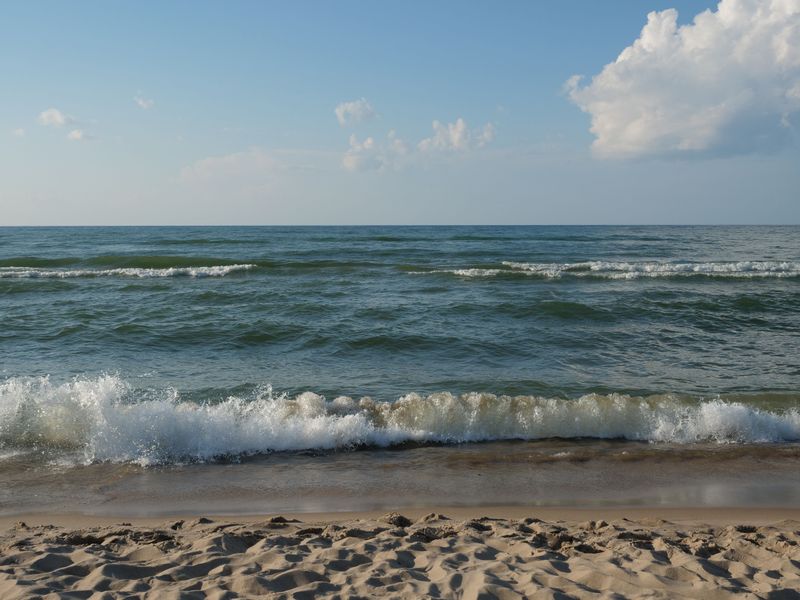
Lake Michigan can look calm on the surface, yet currents and waves can move swimmers away from where they entered the water. Rip currents can occur along Great Lakes beaches, including areas near structures and sandbars.
Dogs chasing balls may not recognize changing water conditions. Check the National Weather Service beach forecast before you go, and watch for posted warnings.
On days with current or wave advisories, keep fetch games on the sand. A long line can provide additional control, but it should not be treated as protection from hazardous water conditions.
2. Cold Lake Water Can Become Dangerous Quickly

Great Lakes water stays chilly well into summer, and it can drop fast when winds shift. Surface temperatures near Milwaukee or Sheboygan sometimes sit in the fifties during June.
Cold water saps a dog’s strength faster than owners expect. Short swims, frequent breaks, and a towel dry help a lot.
Small breeds, seniors, and thin-coated dogs cool down quickest. Watch for shivering or slow movement, then head to warm shelter.
3. Sudden Waves Can Knock Dogs Off Balance
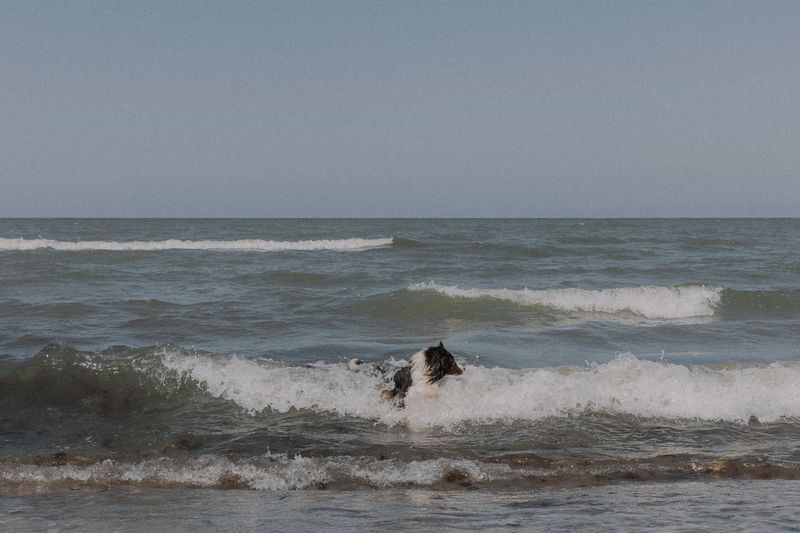
Ask anyone who walks a Milwaukee beach in October: waves arrive in sets, not steadily. A knee-high roller can tip a confident dog sideways in shallow water.
Dogs that get tumbled often swallow water or panic briefly. Stand between your dog and the incoming break when wading.
Wave heights above two feet make good reasons to play inland. Sand dunes and grassy paths offer the same exercise with steadier footing.
4. Blue-Green Algae Can Make Dogs Very Sick
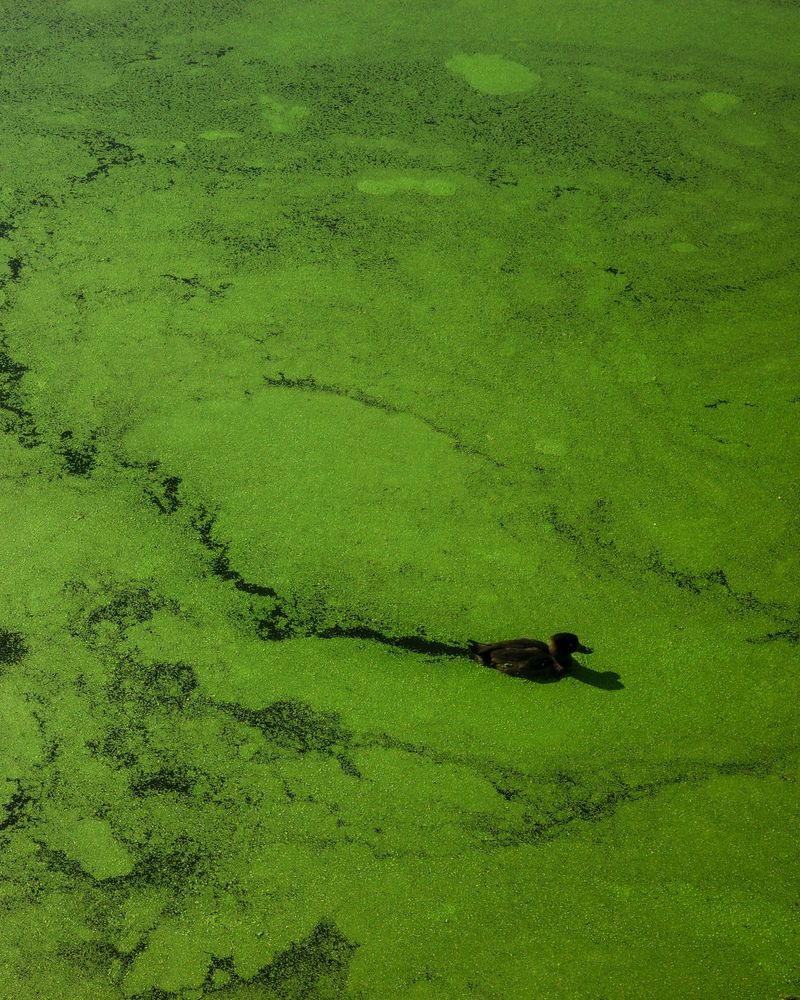
Warm, still water sometimes grows blue-green algae, which looks like spilled paint or pea soup. Wisconsin health officials post advisories when blooms appear along harbors and calm bays.
Dogs get exposed by drinking, swimming, or licking their coats afterward. Some blooms produce toxins, so skip any water with a scum layer or odd color.
Rinse your dog with clean water after swimming. Call your veterinarian promptly if vomiting, weakness, or trembling shows up.
5. Dead Fish Can Attract Curious Dogs
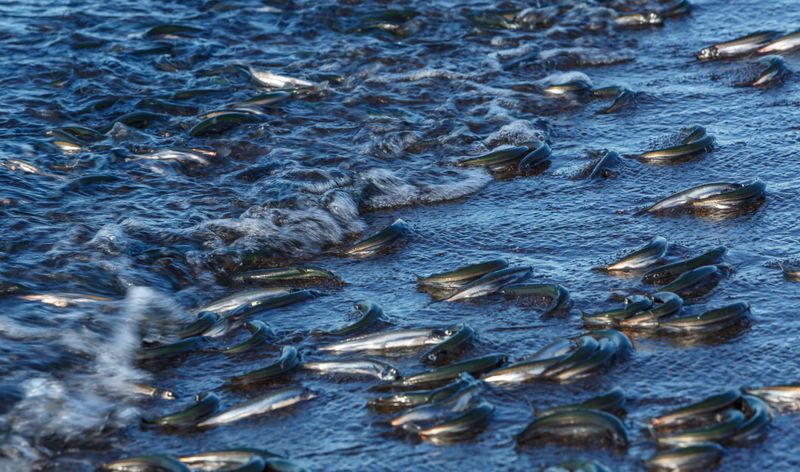
Each spring, small silver alewives wash ashore along Lake Michigan in large numbers. The smell is irresistible to dogs, and a quick grab can mean bacteria or spoiled tissue.
Fishing gear is sometimes tangled inside, too. Keep your dog leashed through drift lines where fish collect.
Practice a reliable leave-it cue at home first. Tell your vet about any beach snacking if stomach trouble follows, since prevention beats cleanup.
6. Sharp Rocks Can Cut Paw Pads

Door County shorelines trade soft sand for limestone shelves and cobble. Wet stone hides sharp edges that can slice a paw pad quickly.
Pads toughen with use, though they still cut on unfamiliar ground. Feel the surface with your hand before letting your dog sprint.
Booties help dogs who hike rocky points regularly. Pack gauze, self-adhesive wrap, and clean water for rinsing small cuts, since bandage supplies weigh almost nothing.
7. Broken Glass And Beach Litter Can Cause Injuries
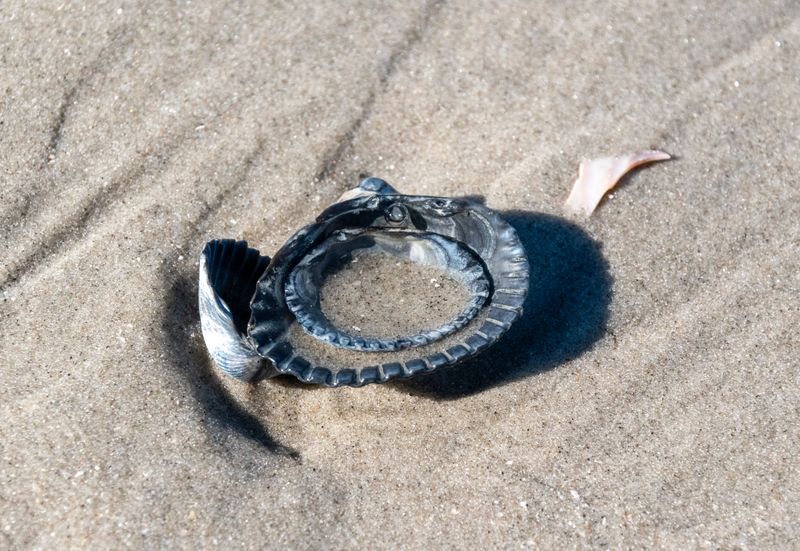
Busy summer weekends leave behind bottle caps, foil, and broken glass near fire rings. Sand buries the pieces, so they appear again after wind or waves.
Walk a quick loop before releasing your dog from the leash. Early morning visits usually mean cleaner sand and fewer crowds.
Carry a small bag for trash you find. Check paws after every outing, especially between the toes, and bring a flashlight for dim evenings.
8. Fishing Hooks And Line Need Extra Attention
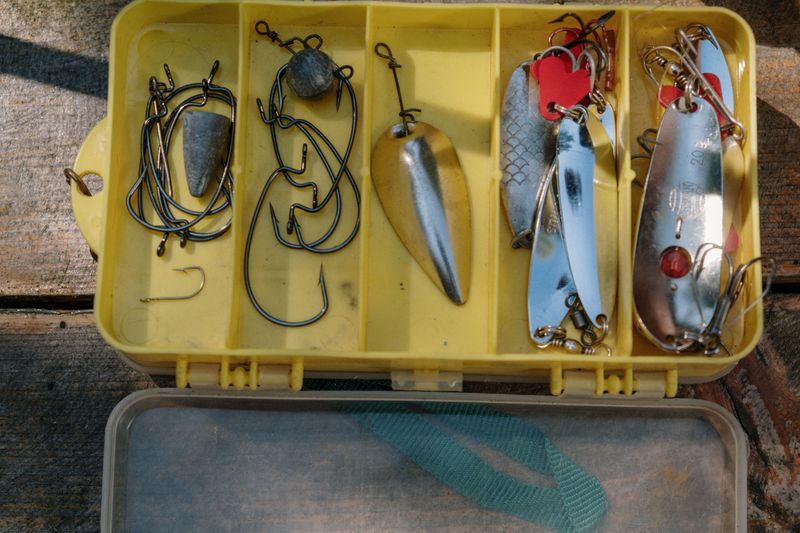
Piers in Racine, Kenosha, and Algoma draw anglers all season long. Discarded line, lead weights, and hooks end up in the sand below.
A swallowed hook or tangled line needs veterinary help, not home removal. Never pull on visible line coming from your dog’s mouth.
Give working anglers a wide berth and keep leashes short near piers. Save your clinic’s number and an emergency hospital number in your phone.
9. Hot Sand Can Burn Paw Pads
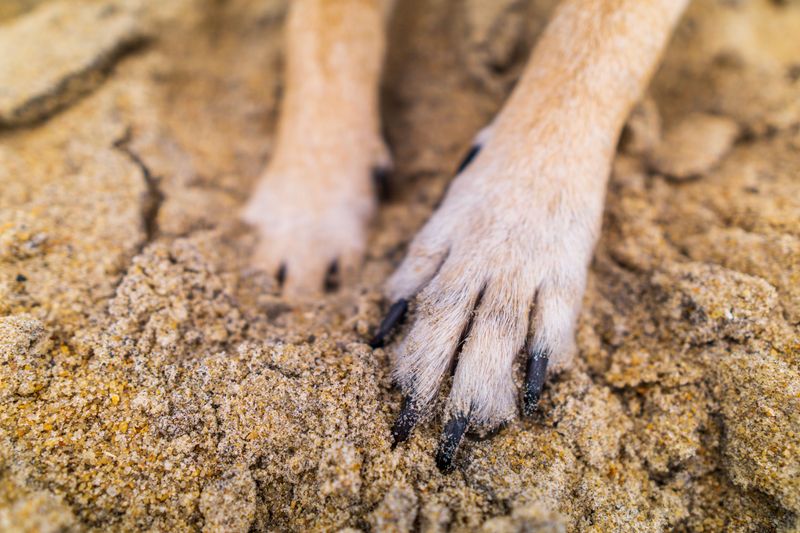
Dry sand on a July afternoon can reach temperatures far above the air. Paw pads are skin, and skin blisters on hot surfaces.
Press the back of your hand into the sand for seven seconds. Too warm for you means too warm for your dog.
Plan walks before ten in the morning or after six in the evening. Wet sand near the waterline stays noticeably cooler for travel.
10. Sun Exposure Can Overheat Dogs
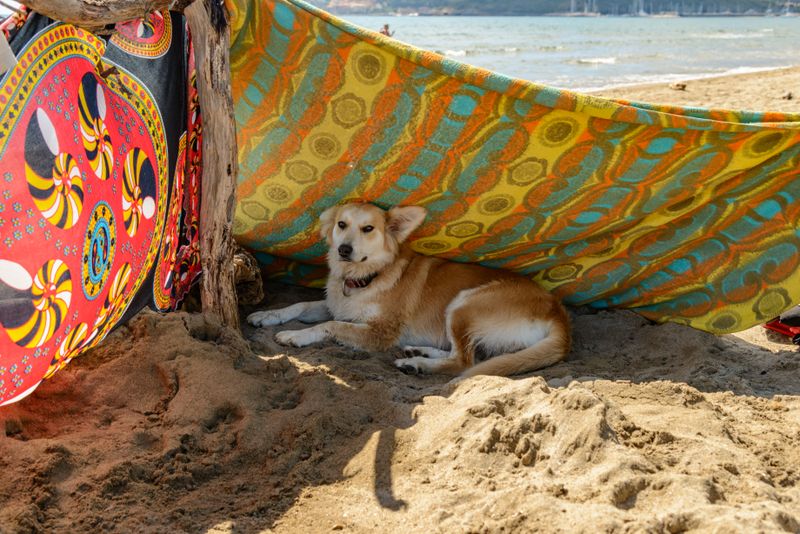
Open shoreline offers almost no shade, and light bounces off water and pale sand. Dogs cool mainly by panting, which struggles in humid Wisconsin heat.
Bring a pop-up shade, fresh water, and a collapsible bowl every trip. Heavy panting, bright red gums, or wobbling mean break time immediately.
Pink noses and thin bellies can sunburn, so ask your vet about dog-safe sunscreen. Flat-faced breeds need especially short beach sessions.
11. Steep Drop-Offs Can Catch Dogs Off Guard
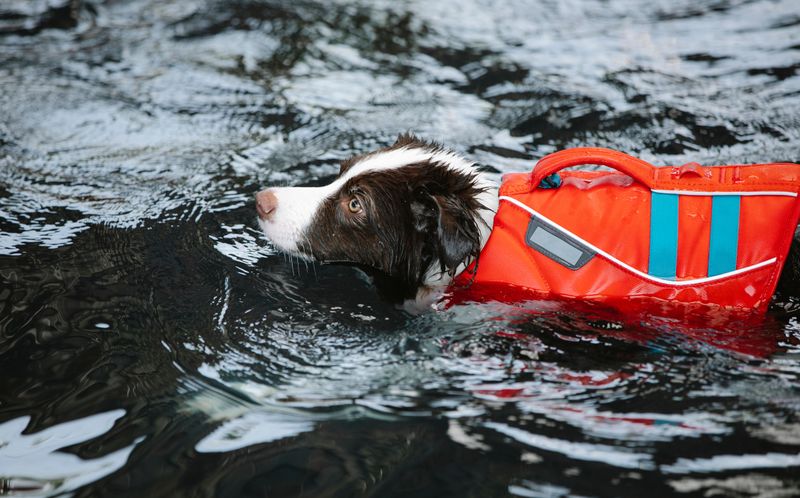
Sandbars shift constantly, and a shallow wade can turn chest-deep in one step. Currents near river mouths carve these underwater ledges along the lakeshore.
Wading dogs sometimes lose footing before they decide to swim. A properly fitted life jacket with a handle solves most of the worry.
Let your dog learn depth gradually in calm, clear conditions. Ledges also appear at harbor edges, so scout the entry point first.
12. Strong Winds Can Change Beach Conditions

A steady northeast wind changes a Wisconsin beach in under an hour. Waves stack up, blowing sand stings eyes, and scents travel oddly, which unsettles some dogs.
Wind also carries voices away, so recall commands may go unheard. Use hand signals or a whistle when gusts pick up.
Beach umbrellas and light gear can tumble suddenly and startle a resting dog. Stake everything down or pack it away.
13. Storms Can Make Open Beaches Risky
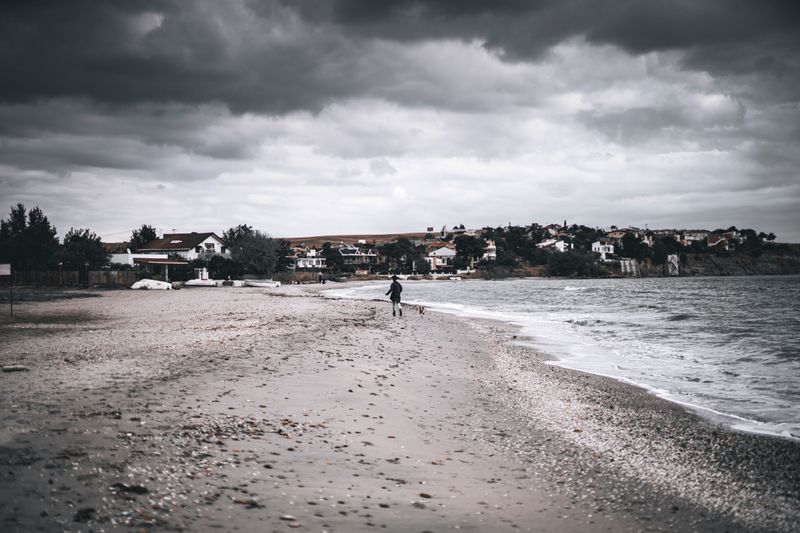
Summer storms build fast over the lake, sometimes arriving ahead of the radar picture. Shoreline parks offer little cover, and water plus open sand is a poor place to wait.
Plan an exit route before you settle in. Note where the car or a solid building sits.
Thunder-sensitive dogs benefit from leaving early rather than riding it out. Head inland at the first flash, then wait thirty quiet minutes before returning.
14. Sand And Water Can Cause Stomach Problems
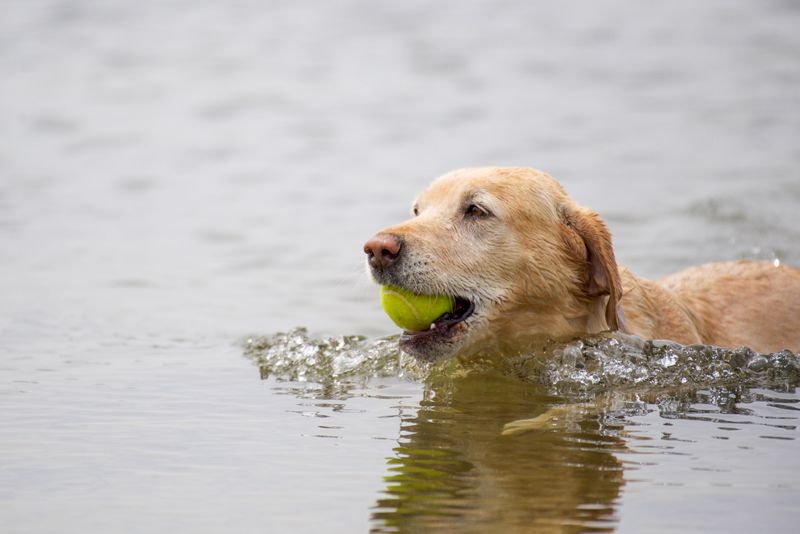
Dogs who fetch from the surf swallow sand with every soggy tennis ball. Enough of it can pack the gut and cause real discomfort.
Lake water gulping leads to nausea, loose stool, or low energy on hot days. Offer fresh water often so your dog drinks the clean stuff instead.
Swap wet balls for floating toys and cap fetch sessions at ten minutes. Vomiting, straining, or a tender belly deserves a call to your veterinarian.
15. Leashes Can Help When Conditions Change
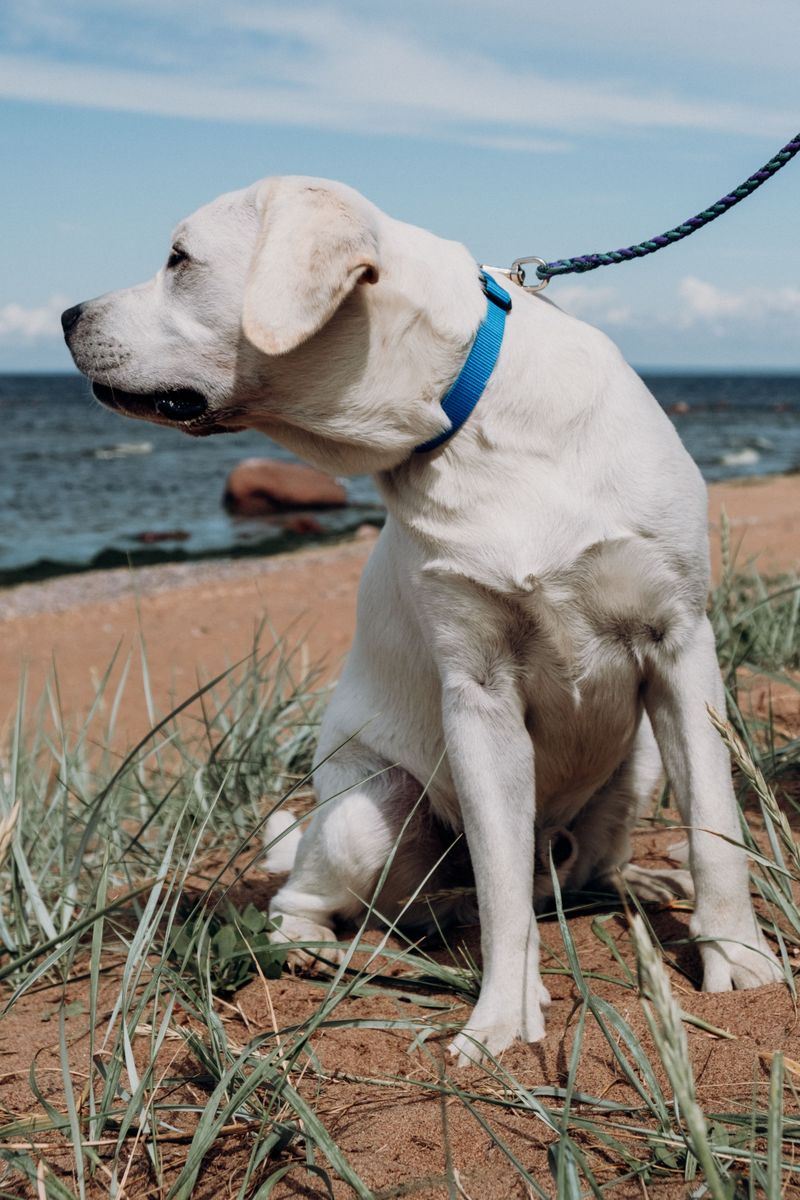
Leash rules differ by city and county, and many Wisconsin beaches require them year-round. Confirm local ordinances with the park office or municipal website before your visit.
Beyond the law, a leash is simply useful. It keeps dogs out of dune grass where ticks wait, away from nesting shorebirds, and clear of rising waves.
A long line offers freedom with control. Knowing the shoreline, checking conditions, and leashing up make beach days easy and calm.