15 Maryland Yard Hazards That Become Harder To Spot After Heavy Rain
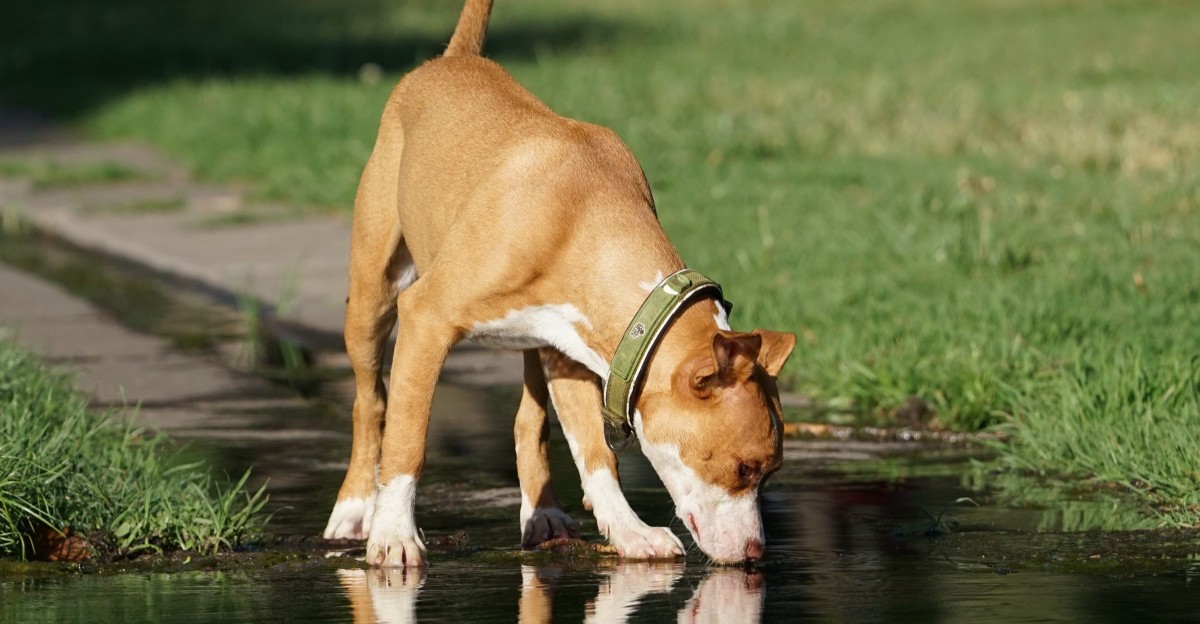
Maryland gets its share of soaking storms, and your yard can look a little different once the clouds clear. Mud, puddles, and wet leaves have a way of hiding things your dog would normally trot right past.
The good news is that a quick walk-through before letting your pup outside solves most of it. Here are 15 things worth checking after a downpour, plus simple steps to keep backyard time easy and safe.
1. Muddy Areas That Can Hide Sharp Debris
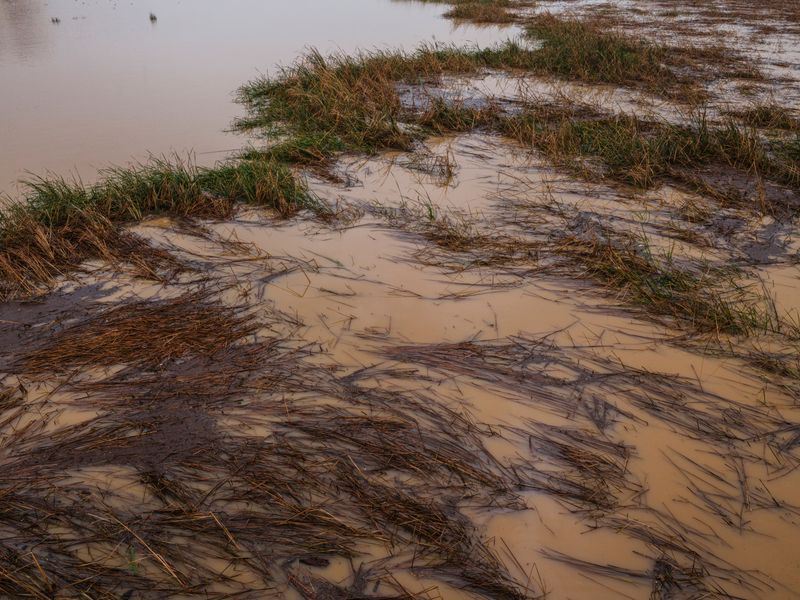
Mud has a sneaky way of swallowing things. Broken branches, sticks, small rocks, and bits of yard clutter disappear under a brown layer after a storm.
Your dog cannot see them, and neither can you at a glance. Walk the soggy spots first and clear anything sharp you find.
Keep a pair of old boots by the door for these quick sweeps. Rinse muddy paws afterward and check between the toes for cuts or lodged debris.
2. Standing Water Near Lawns And Gardens
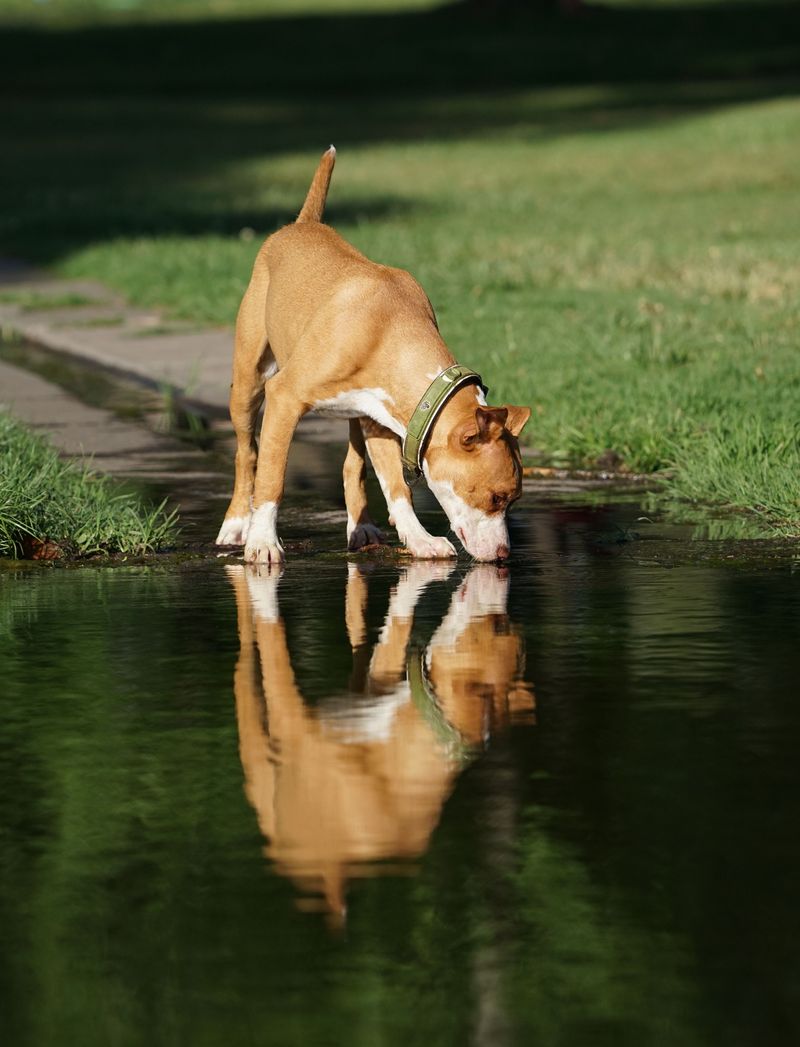
That shallow puddle by the garden bed looks harmless, but runoff carries plenty with it. Bacteria, lawn chemicals, and animal waste all collect in low spots.
Dogs often prefer puddle water to their bowl, which is exactly the problem. Discourage drinking outside, even when the water looks clear.
Bring a filled bowl out with you so your dog has a better option. Puddles that linger for days are worth draining or filling in.
3. Washed-Out Soil Around Trees
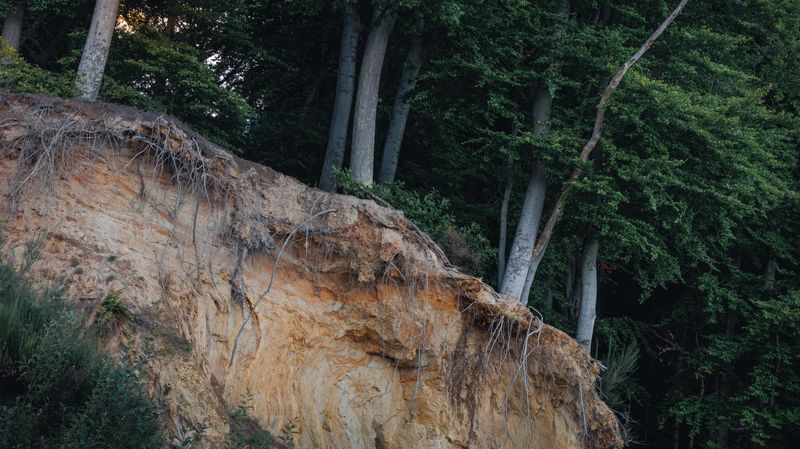
Heavy rain can move soil and leave shallow depressions around trees, especially where runoff concentrates.
A dog running across an uneven area may catch a paw in a depression or loose section of ground.
Repair erosion once the soil is workable, but avoid piling soil against the trunk or root flare. Where appropriate, a properly applied layer of mulch can help reduce further erosion.
4. Hidden Holes In Saturated Ground
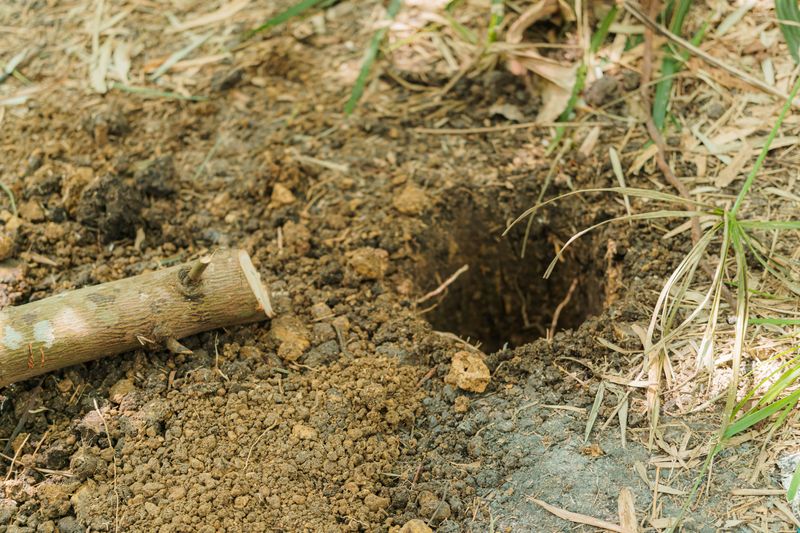
Soaked ground loses its firmness. Old animal burrows, filled trenches, and soft patches can sink or cave in after a long stretch of rain.
Some openings stay covered by grass, so they are easy to miss from the porch. Others simply appear overnight as small depressions.
Do a slow lap of the yard and watch for surfaces that look lower or uneven. Mark anything questionable with a stake until you can fill it.
5. Exposed Tree Roots After Runoff
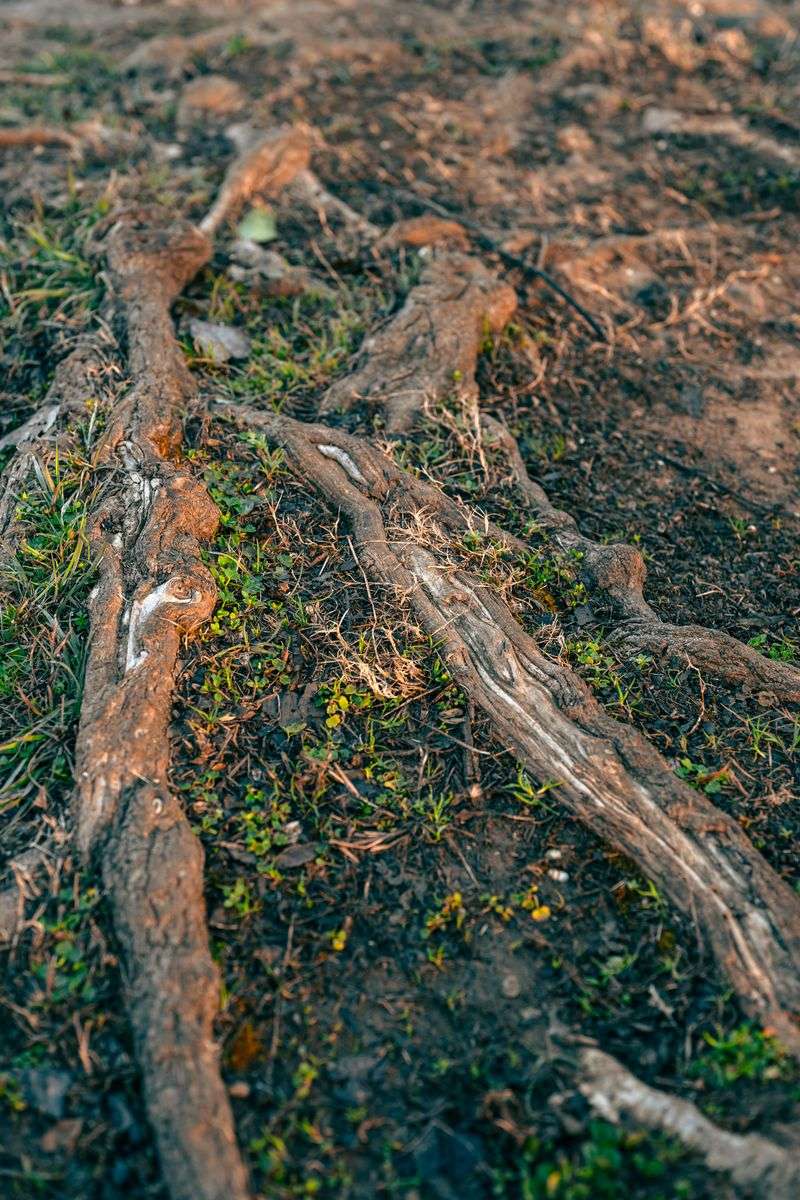
Heavy runoff can wash soil away around surface roots, making them more exposed or creating uneven areas around the lawn.
Dogs running quickly may be more likely to trip over raised roots or uneven ground.
Use an appropriate layer of mulch to help protect exposed roots and reduce further erosion, but avoid piling soil or mulch against the trunk or root flare. Marking the area with a low border can also help keep pets and people away from the most uneven spots.
6. Loose Branches In The Yard
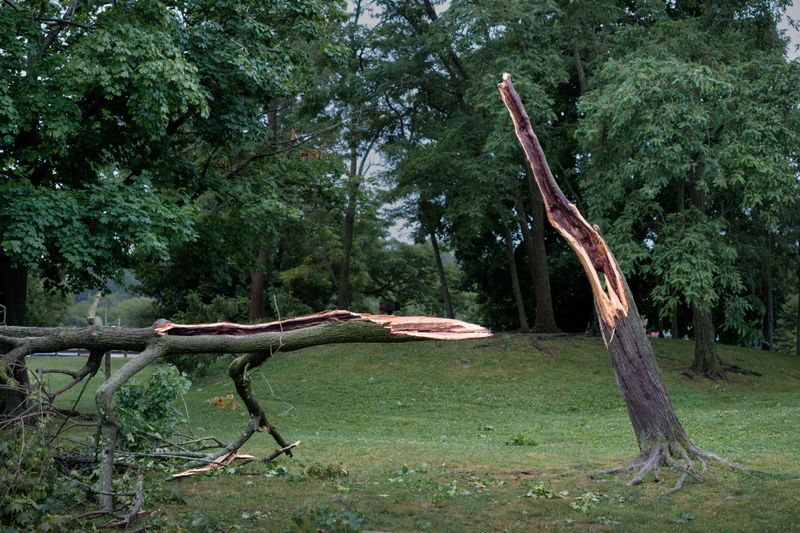
Maryland storms bring wind along with the rain. Limbs snap, and not all of them make it to the ground right away.
Some hang up in the canopy and come down later without warning. Others land in the grass where a dog may chew them.
Scan upward as well as underfoot before opening the back door. Drag fallen wood to a pile away from play areas, and call an arborist about large hanging limbs.
7. Fallen Leaves Covering Uneven Ground
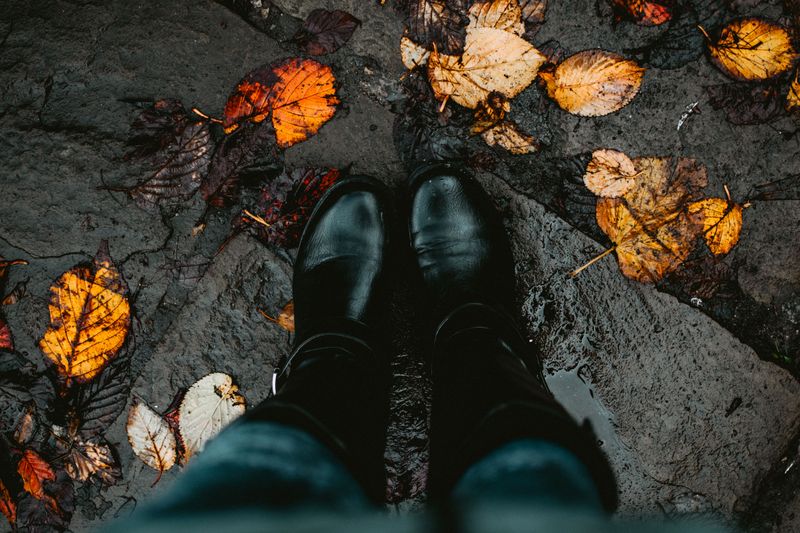
Autumn in Maryland means leaf drop, and rain turns those piles into a slick blanket. Underneath sit holes, roots, rocks, and forgotten yard tools.
Wet leaves also slide underfoot, which makes turns and takeoffs less predictable for an excited dog.
Rake heavy coverage off play areas before letting your pup loose. A quick pass with a leaf blower on lighter layers shows you exactly what is hiding below.
8. Slippery Decks And Steps
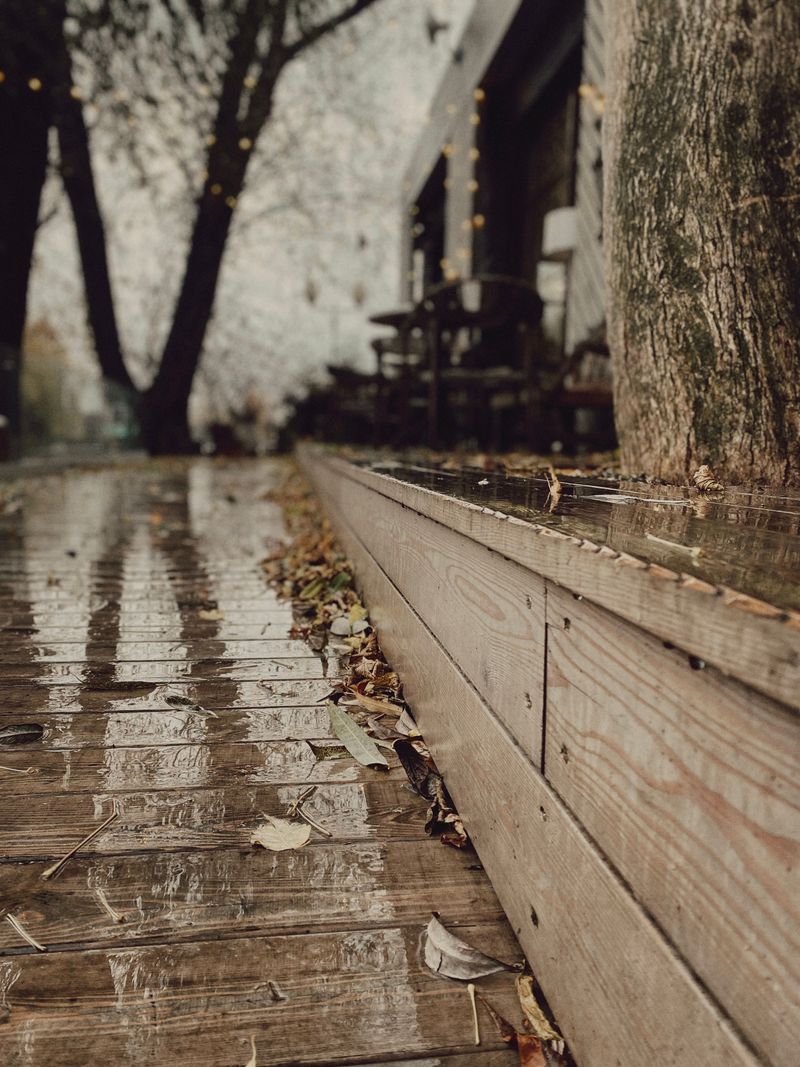
Wood and rain do not mix well. Deck boards, stairs, and ramps turn glassy after a shower, especially where algae has taken hold.
A dog who handles those steps every day may suddenly slide. Older dogs and short-legged breeds feel it most.
Outdoor stair treads, rubber runners, or grip tape add traction cheaply. Scrubbing away green film each spring makes a noticeable difference, and towel-drying paws cuts down on indoor slips too.
9. Muddy Slopes And Slipping Hazards
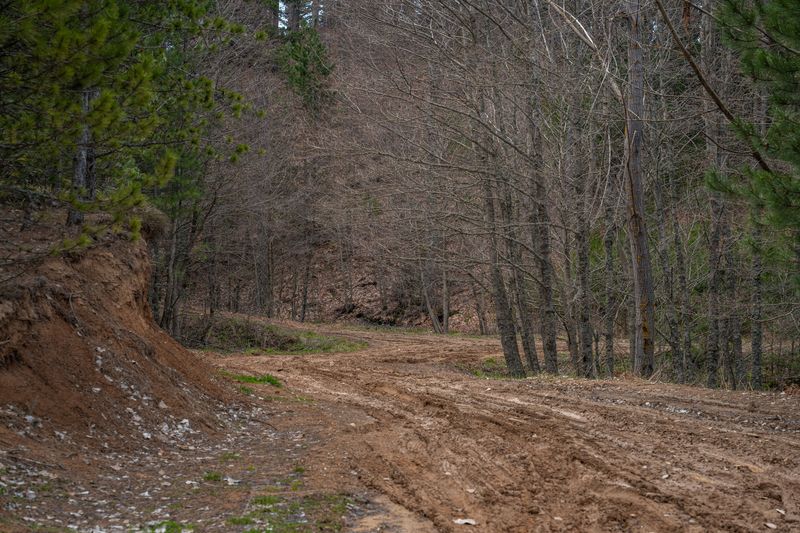
Hills hold water poorly. A sloped section of lawn can go from firm to greasy after a few hours of steady rain.
Dogs love charging up and down inclines, which is where footing gets lost. Loose mud also slides, taking whatever stands on it along for the ride.
Fence off or leash past steep areas until the ground firms up. Ground cover plants and terracing help stabilize problem slopes long term.
10. Loose Fencing After Saturated Soil
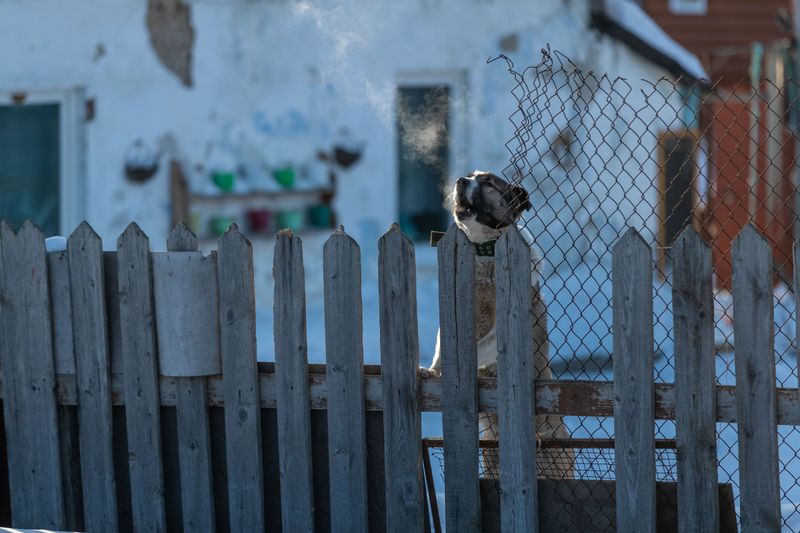
Here is a quiet one that catches many owners off guard. Saturated or eroded soil can reduce the stability of some fence posts, particularly where runoff has washed soil away.
Gaps can widen, gate latches may stop lining up, and washouts can create openings underneath.
Walk the fence line after a major storm and look for leaning posts, erosion, or new gaps. Repair unstable sections before allowing your dog back into the yard.
11. Open Drains And Blocked Drainage Areas
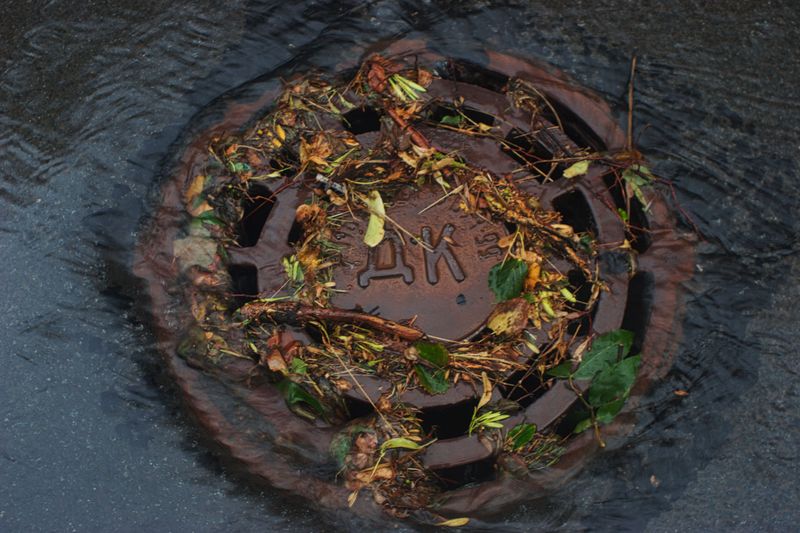
Drainage features do the heavy lifting during Maryland downpours. Storms can shift grates, expose pipe openings, and pack channels with leaves and silt.
An uncovered opening is an easy place for a paw to slip into. Fast-moving water in a swale is worth avoiding entirely.
Secure loose grates and clear debris once the rain stops. For drains on public land or shared easements, report damage to your county or city.
12. Pesticides And Fertilizers Washed Into Low Spots
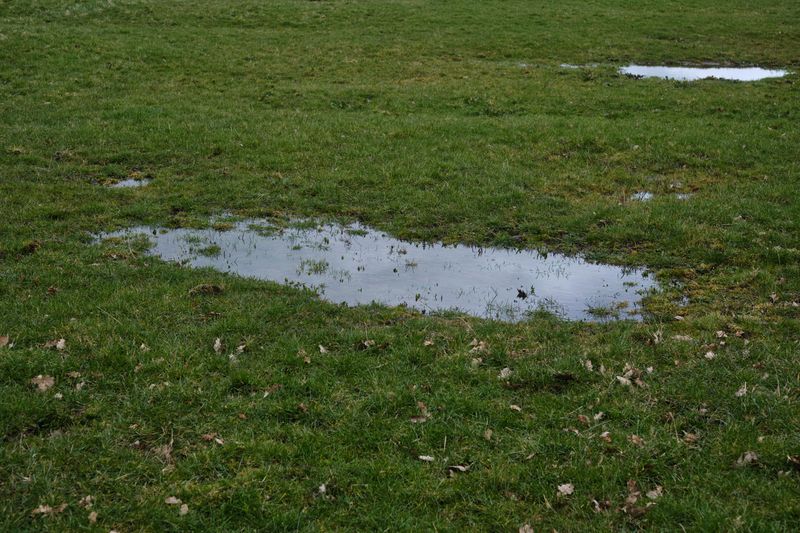
Lawn products can move from treated areas when rain produces runoff. Fertilizers and pesticides can be carried downhill into lower areas or toward drainage features.
Dogs can potentially be exposed by contacting treated surfaces or contaminated water.
Follow the product label for application, watering, and pet reentry instructions, and keep pets away from treated areas as directed. If you are concerned about a particular product or possible exposure, contact your veterinarian.
13. Mushrooms Appearing In Damp Grass

Mushrooms can appear quickly in Maryland lawns after wet weather. They may grow in lawns, mulch beds, and around stumps or buried wood.
Some wild mushrooms can be harmful if eaten, and identifying an unfamiliar species can be difficult.
Treat unfamiliar mushrooms as off limits if your dog may try to eat them. You can remove them by hand or with a shovel, and if your dog eats one, contact your veterinarian or a pet poison service promptly and save a sample for identification if possible.
14. Rotting Wood Hidden Under Wet Debris
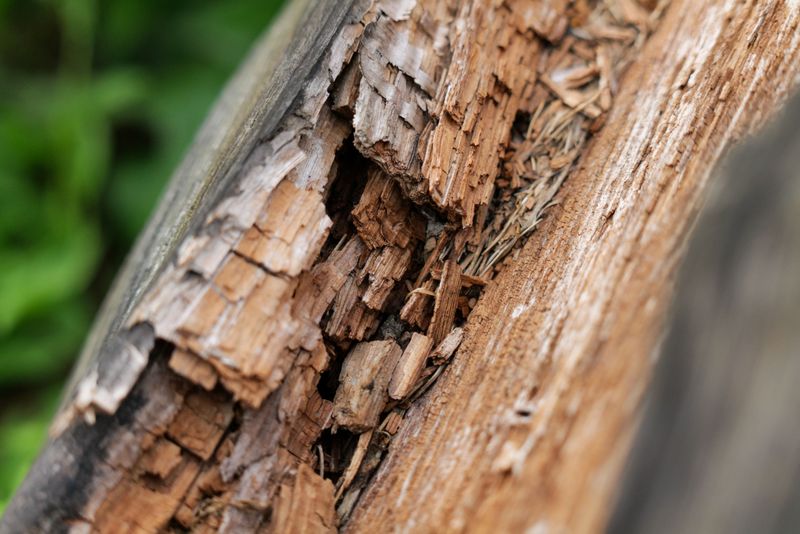
Old boards from a retired planter or shed tend to linger in yard corners. Rain-soaked leaves cover them, and moisture speeds up the rotting.
Soft, splintered wood breaks apart easily in a dog’s mouth. Rusty nails and screws often come along with it.
Clear wood scraps out entirely rather than stacking them. If your dog mouths a splintered piece, check the gums and tongue, then call your vet with concerns.
15. Wildlife Activity Around Wet Yards
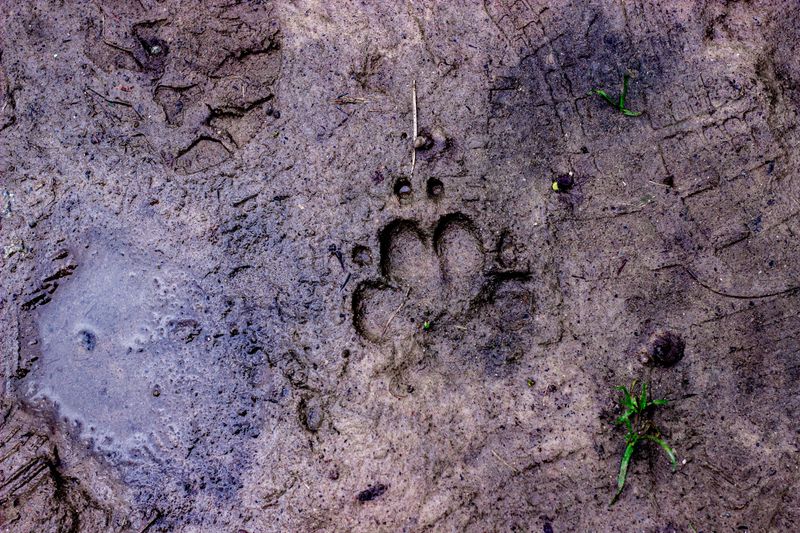
Soggy weather reshuffles the neighborhood. Groundhogs, skunks, snakes, and raccoons move toward drier ground, sometimes right into your yard.
Wet soil does you a favor here, since tracks and fresh burrow openings show clearly in mud.
Scan the perimeter before your dog heads out, and keep vaccinations current. Maryland counties handle nuisance wildlife differently, so check with your local animal control before trapping or relocating anything yourself.
A calm look around beats a surprise encounter.