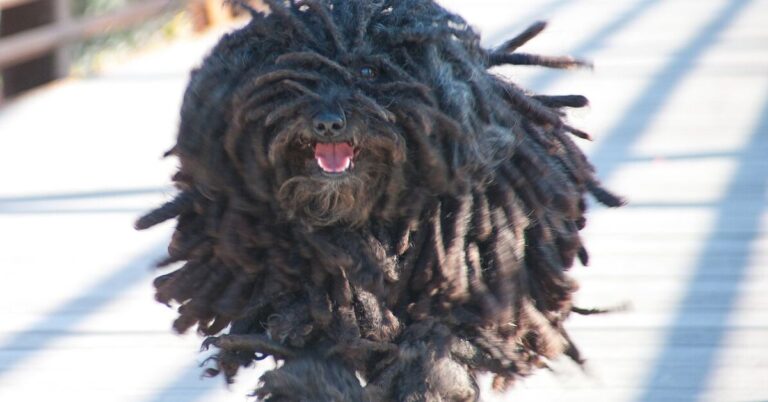
15 Sporting Dog Breeds For New York’s Upland Fields And Waterfowl Marshes
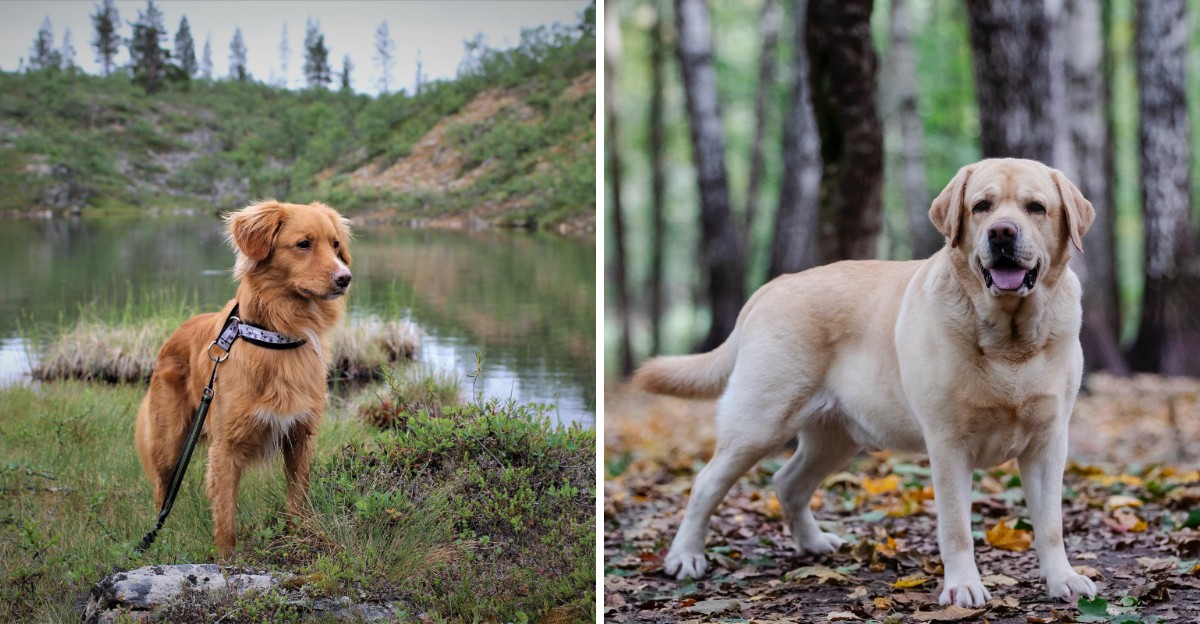
New York is everything from icy Finger Lakes water to thorny Adirondack grouse cover. A dog that shines in a Long Island marsh might struggle in a Catskills briar patch.
The right breed handles both, and some of the best choices may surprise you. From famous retrievers to rare curly charmers, each pick below earns its spot on Empire State ground.
1. Chesapeake Bay Retriever: Built for Ice
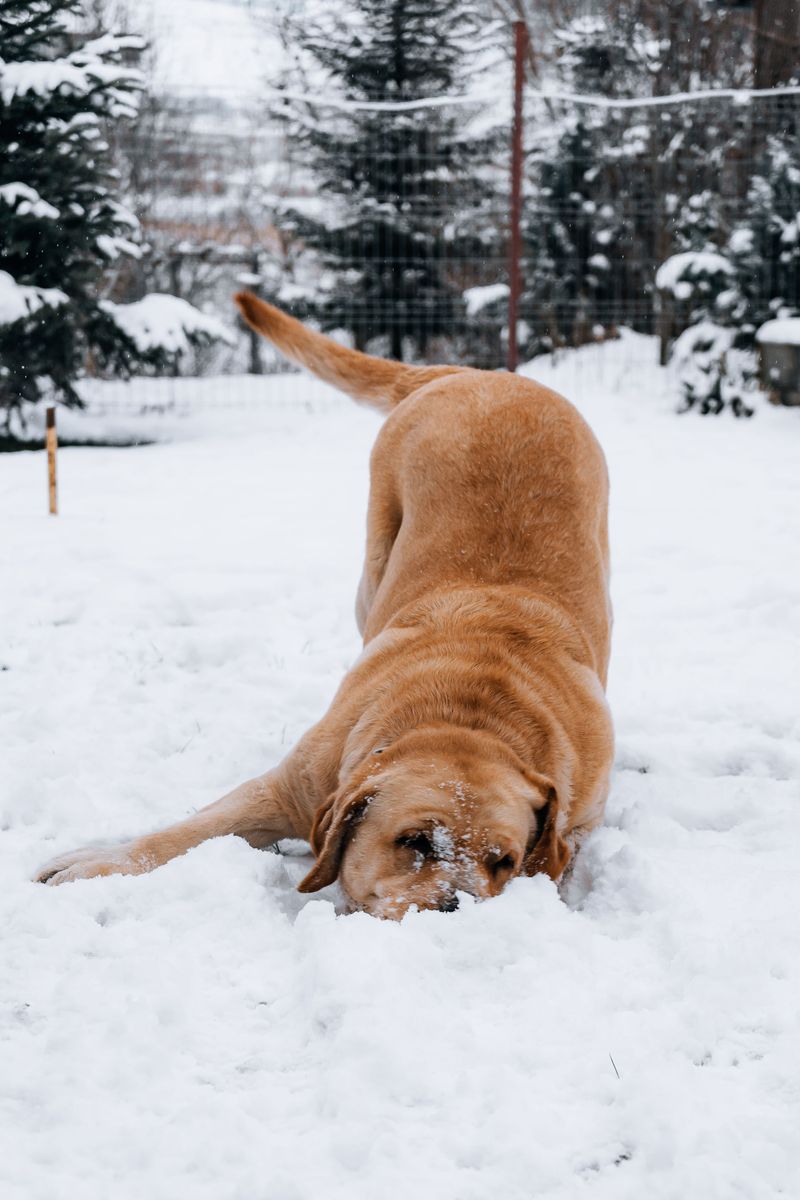
Picture a gray November morning on Lake Ontario, with chop slapping the blind. A Chessie barely notices.
Bred along the stormy Chesapeake Bay, these sturdy retrievers wear an oily, wavy coat that shrugs off cold water. Their wavy fur often comes in brown, sedge, or deadgrass shades that blend into reeds.
Chessies are loyal and strong-minded. Start training early and stay consistent.
You will gain a tough partner for big goose days.
2. German Wirehaired Pointer: Brush-Proof and Bearded
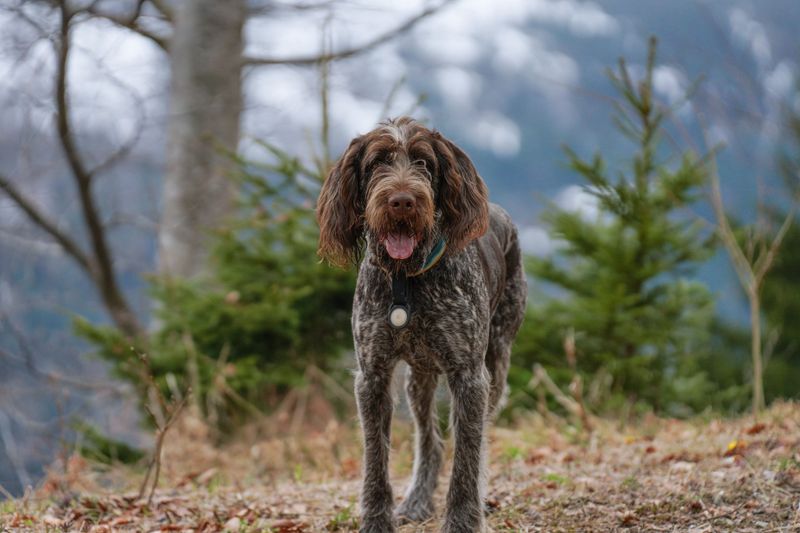
That scruffy beard is not just for looks. A German Wirehaired Pointer wears a wiry coat that blocks thorns, burrs, and chilly water.
Developed in Germany as a versatile hunter, the breed points upland birds and retrieves ducks with equal zest. Multiflora rose thickets in western New York hardly slow them down.
Expect a devoted, sometimes reserved family dog. Give plenty of daily exercise, and your wirehair stays happy between seasons.
3. Wirehaired Pointing Griffon: The 4×4 of Dogs
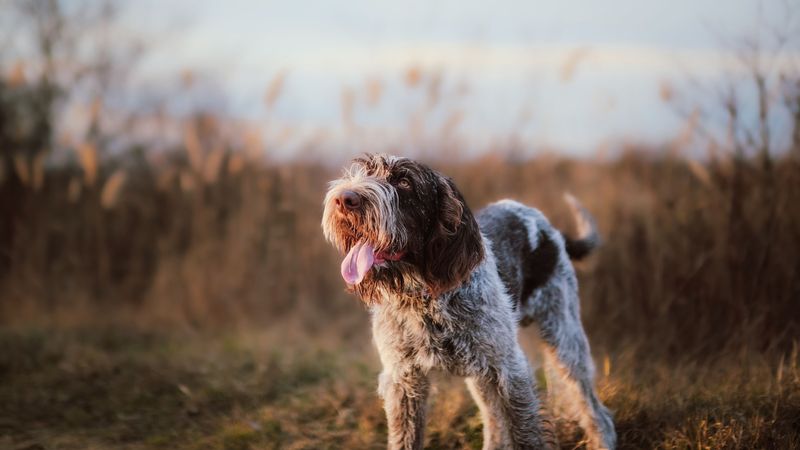
Hunters often call the Griff the 4×4 of the dog world. Swamp, cornfield, or alder thicket, this breed just keeps rolling.
Griffs point, flush, and retrieve on any terrain. Their harsh, low-shedding coat and bushy eyebrows shield them from brush and cold water.
Field style tends to be thorough and deliberate, perfect for woodcock covers. At home, they are friendly, eager learners who crave space and daily action.
4. German Shorthaired Pointer: Speed With a Job
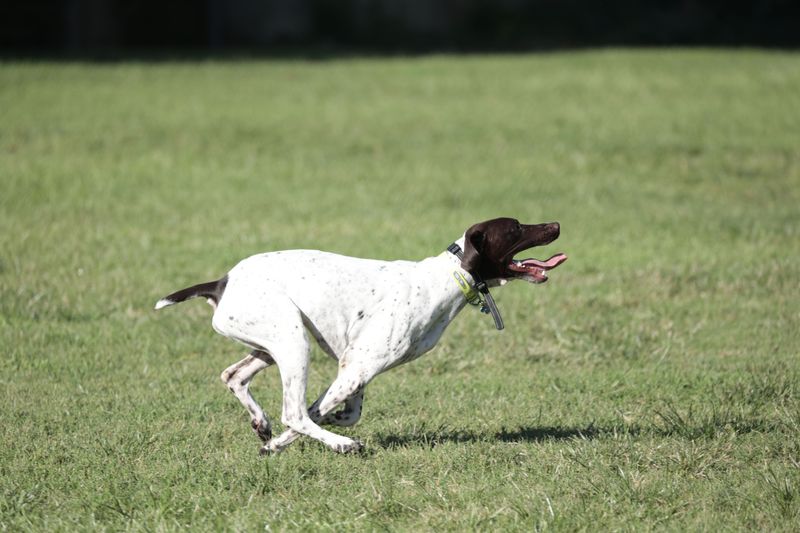
Here comes a blur of liver and white, then a sudden freeze. Classic GSP moment.
German Shorthaired Pointers can point, track, and retrieve, making them true multitaskers. Webbed feet and a water-resistant coat help them fetch ducks from farm ponds too.
Their endurance is powerful, so solid recall training is a must. Some pups show bird interest as young as eight weeks.
Give them structure, and they become loving, devoted partners.
5. Golden Retriever: Sunshine in the Blind
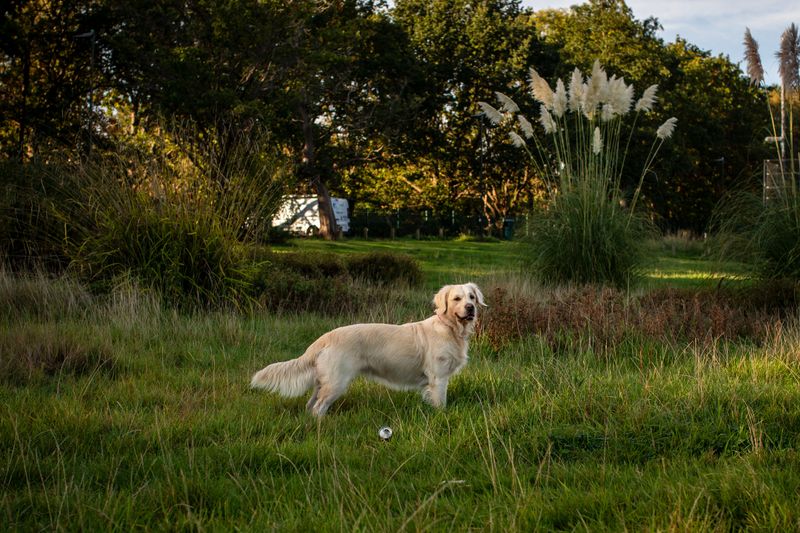
Most folks know Goldens as cheerful family dogs. Fewer know they were bred in Scotland to fetch birds from cold lochs and rough ground.
Field-line Goldens bring a keen nose, soft mouth, and big work ethic to Hudson Valley marshes. They also flush pheasants happily.
That feathered coat collects burrs, so pack a brush. A quick post-hunt grooming session keeps your sunny sidekick comfortable and tangle-free.
6. Labrador Retriever: The Do-It-All Favorite
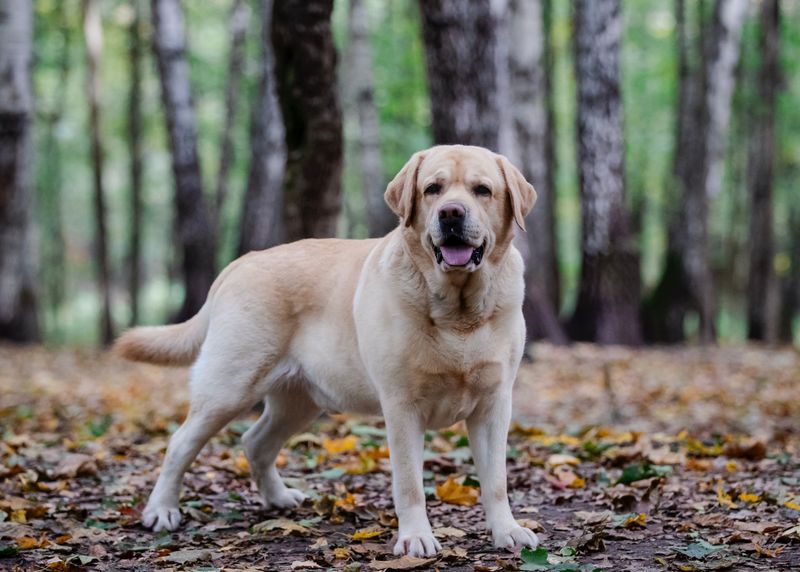
Ask ten New York duck hunters about their dog, and most will point to a Lab. The love is well earned.
Labs have webbed feet, a water-shedding double coat, and a thick otter tail that steers like a rudder. Their soft mouth brings birds back unharmed.
On pheasant ground, they hunt at a steady pace within gun range. In grouse woods, watch that busy tail.
It signals fresh scent before anything flushes.
7. English Springer Spaniel: Close-Range Flushing Ace
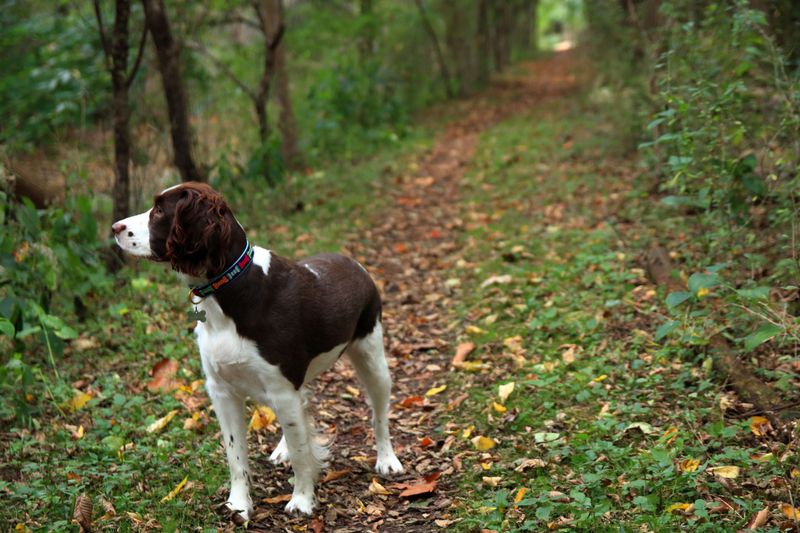
Walking hunters, meet your new best friend. A Springer quarters back and forth just 15 to 25 yards ahead.
That close pattern means birds burst up within easy range. Pheasant, grouse, woodcock, and quail all suit this busy flusher.
Springers handle light duck retrieves in cool weather, though they are not dedicated cold-water dogs. They do not point either.
Their real magic shines in thick Adirondack cover where pointers struggle.
8. Brittany: Small Pointer, Huge Heart
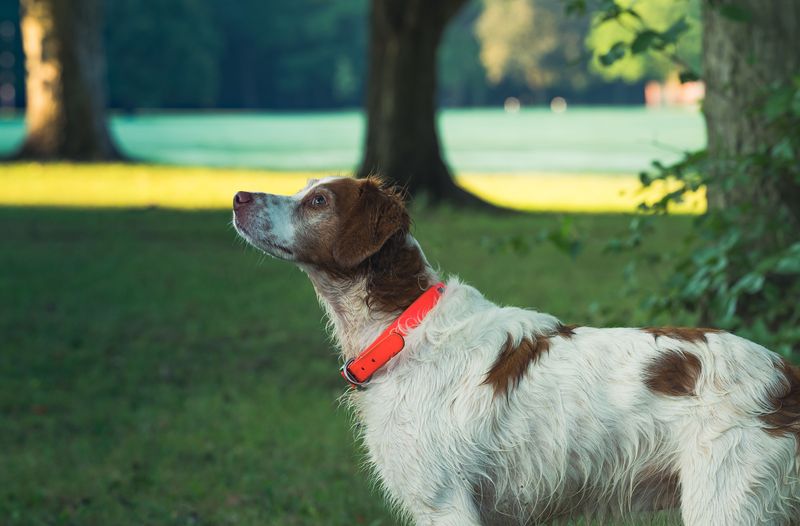
Fun fact: the Brittany comes from a region in France with the same name. American clubs dropped the word spaniel because these dogs point.
Compact and quick, Brittanys cover ground eagerly on pheasant and grouse. Their lighter build makes long upland days easy on them.
They are sensitive souls, so gentle, upbeat training works best. Owners love their affectionate charm at home and their fiery focus once birds are near.
9. Boykin Spaniel: The Little Brown Boat Dog
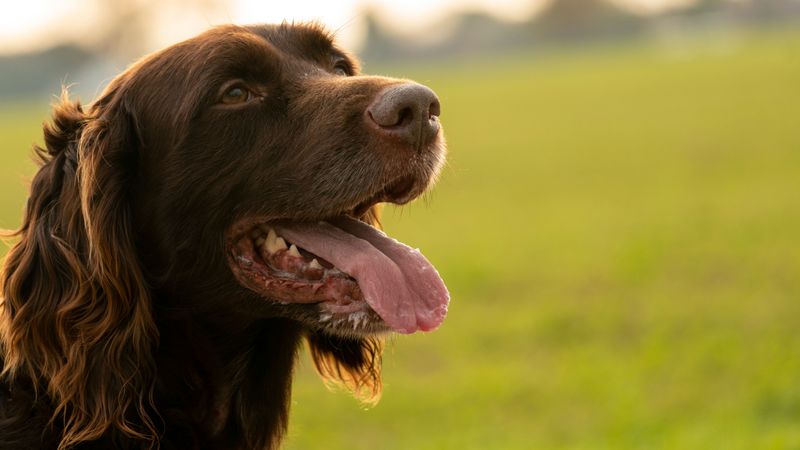
South Carolina hunters needed a dog small enough to ride in a skinny boat. The Boykin Spaniel was their answer.
Today this bouncy brown spaniel fits New York marsh skiffs just as well. Boykins swim strongly and flush pheasants, grouse, and quail with zip.
Canada geese? They can fetch them, maybe slower than a Lab.
With a friendly, eager attitude, training feels more like playtime than work.
10. American Water Spaniel: A Midwest Original
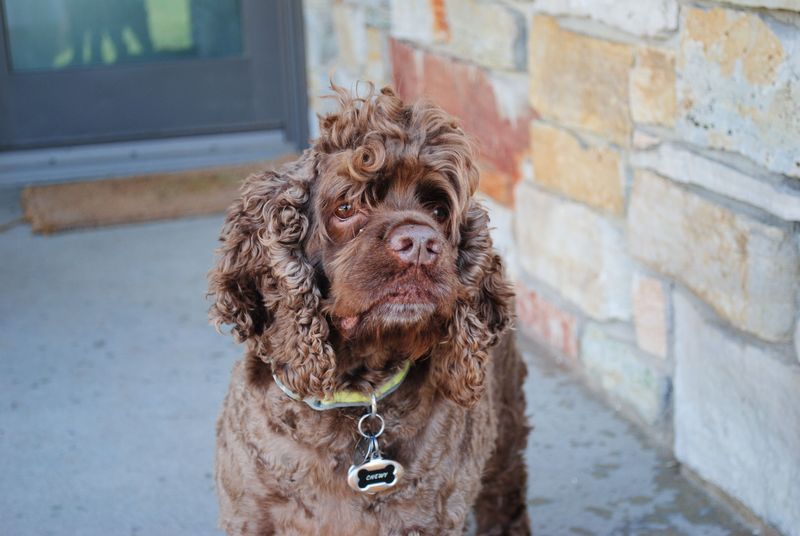
Born in the Midwest, the American Water Spaniel is a homegrown hunting treasure. It weighs just 25 to 45 pounds.
That compact frame suits small boats and riverbanks along the St. Lawrence. A curly outer coat over a woolly undercoat keeps them warm while swimming.
AWS dogs flush close and retrieve tirelessly. Plan extra socialization with other dogs, since some can be a bit choosy about canine friends.
11. English Cocker Spaniel: Pocket-Sized Brush Buster
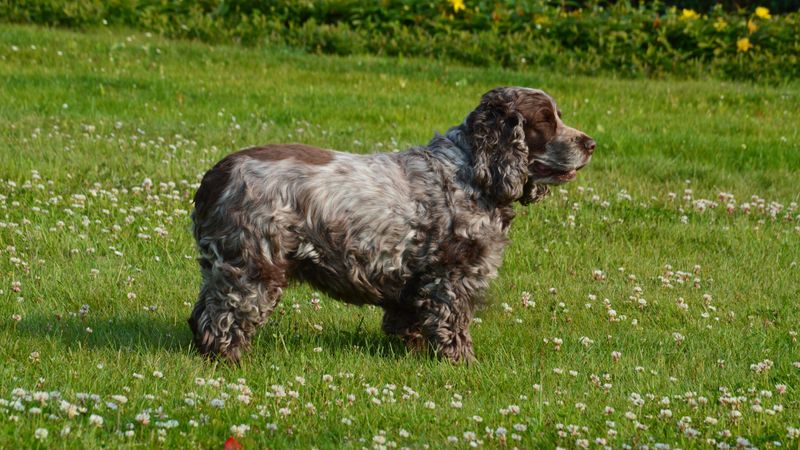
Brambles, hedges, and fallen logs look scary to big dogs. To an English Cocker, they look like a playground.
Standing under 17 inches tall, these spaniels squeeze into cover where woodcock and grouse hide. Nose down and tail wagging, they flush birds right in range.
Cockers also sit calmly in a duck blind. They learn fast but bore easily, so keep training sessions short, fresh, and fun.
12. Irish Water Spaniel: Clown With Curls
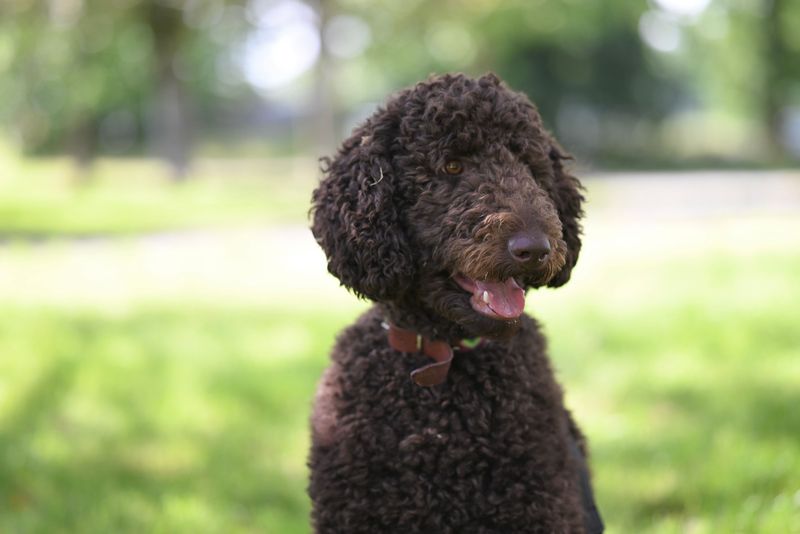
Tight liver curls, a topknot, and a skinny rat tail make this breed impossible to miss.
The Irish Water Spaniel is the tallest spaniel and dates back to 1600s Ireland. Natural coat oils and webbed feet let it fetch from frigid water with ease.
Fans call it the clown of the spaniel family. Silly at home, it turns sharp and focused afield, diving into dense cover without hesitation.
13. Flat-Coated Retriever: Forever Young
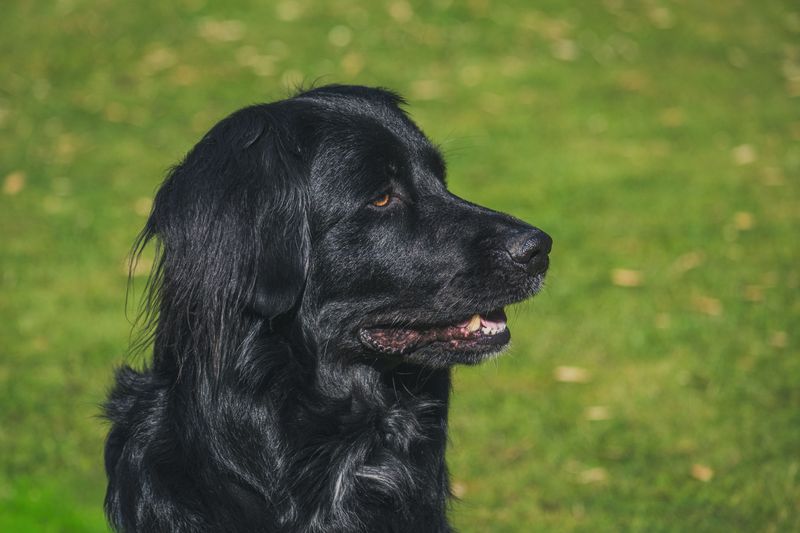
Some dogs grow up fast. Flat-Coats seem to stay puppies at heart for years, earning the nickname Peter Pan of retrievers.
Developed in England, this glossy black or liver dog marks birds well and loves water work. It also hunts happily on upland ground.
Expect plenty of tail wags and goofy grins. Consistent, playful training channels that bubbly energy into reliable retrieves on the marsh.
14. Curly-Coated Retriever: Calm, Curly, Unstoppable
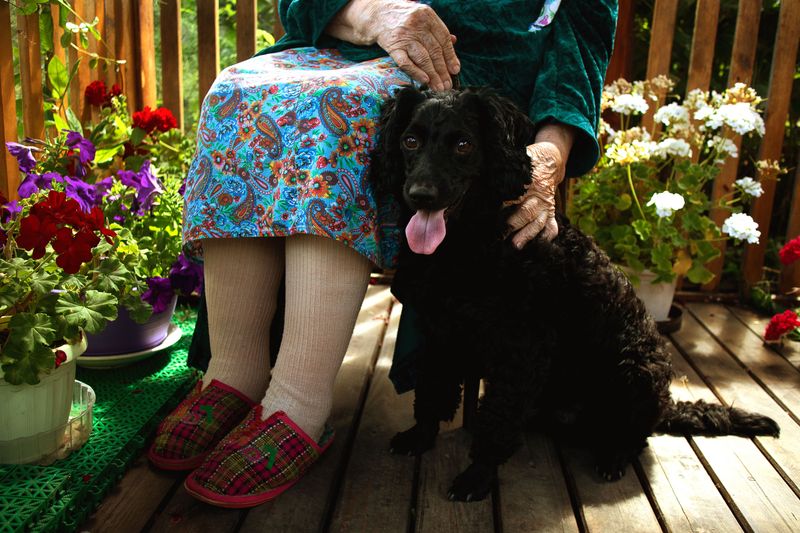
Among the oldest retriever breeds, the Curly came from 1700s England. Its tight curls hold very little water.
That dry coat is a gift on a boat hunt, since less water comes aboard. Curlies stay calm in shore blinds and work all day, even in icy conditions.
Many hunters rate them among the best upland retrievers too. They push through thickets and forests with steady, cheerful persistence.
15. Nova Scotia Duck Tolling Retriever: The Playful Lure
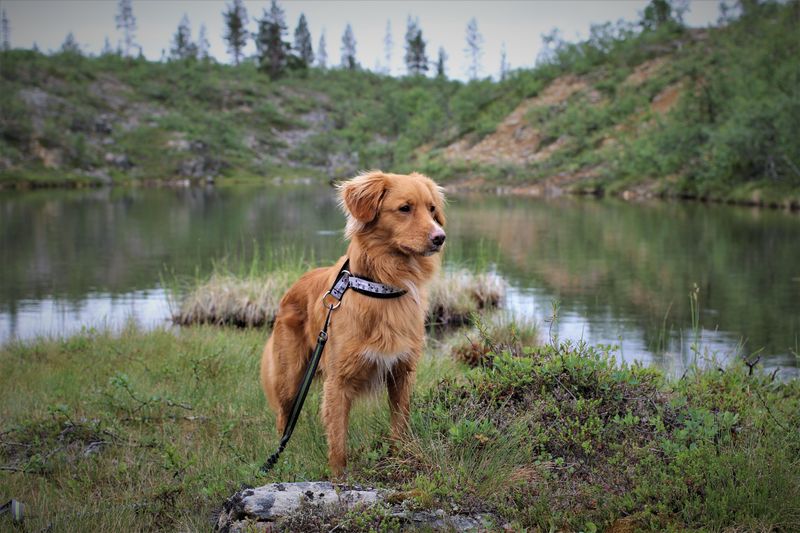
Here is a hunting trick that sounds like a game. The Toller romps along the shore, and curious ducks swim closer to watch.
That instinct is called tolling. Once birds are near, the hunter calls the dog back, then sends it out to retrieve.
The smallest retriever still breaks ice and flushes upland birds. Expect a famous excited squeal when the fun starts.
Ready to grab the leash and go?