Street Noise Can Shape A Rescue Dog’s First Month In New York City
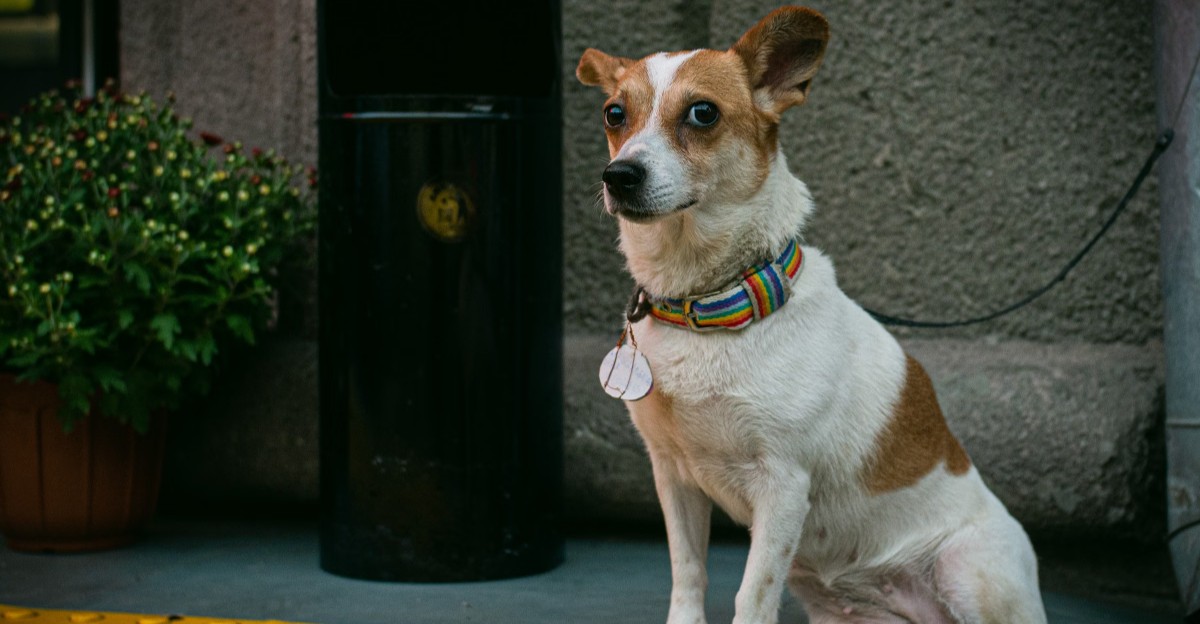
Your rescue dog may find New York City’s soundtrack unfamiliar, from delivery trucks to subway rumbles beneath the sidewalk. During the first month, those sounds can influence walks, sleep, and trust in a new home.
You can help by choosing calmer routes, noticing stress early, and giving your dog room to recover. Small, steady changes often make city life feel more manageable for both of you.
1. Give Your Rescue Dog Time to Adjust to New York City Noise
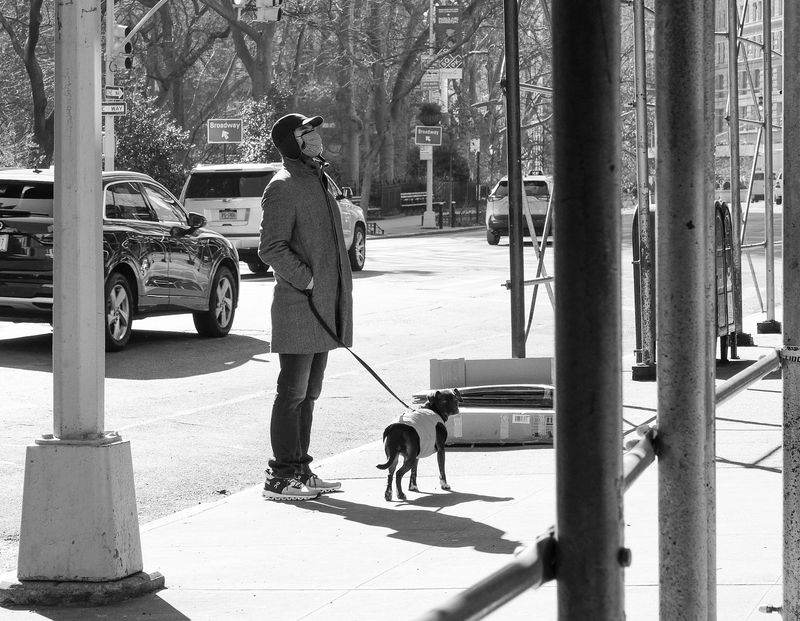
A familiar block can still sound completely new to a recently adopted dog. Shelter history, past experiences, and temperament all influence how quickly city sounds become comfortable.
Avoid treating the first month as a deadline.
Start with short outings and plenty of rest between them. Let your dog observe from a distance without demanding closer contact.
Some days will feel easier than others. Steady support matters more than covering extra blocks or meeting every neighborhood dog.
2. Recognize Which City Sounds Cause Stress
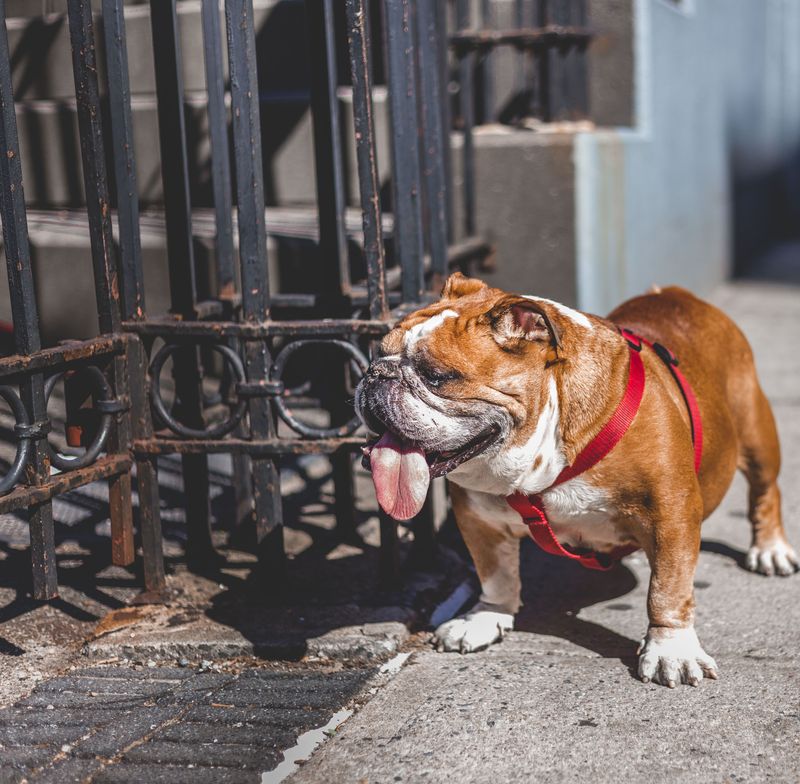
The garbage truck might matter more than the busy avenue. Dogs can react differently to engines, rolling carts, skateboard wheels, or metal gates.
Notice which sounds change your dog’s posture or pace.
Keep brief notes about the location, sound, distance, and recovery time. Record comfortable moments too, so patterns become clearer.
A simple phone note can guide tomorrow’s route. Knowing specific triggers helps you avoid guessing and makes practice more useful for your individual rescue dog.
3. Choose Quieter Streets for Early Walks

One turn away from a main avenue can change an entire walk. Residential blocks often offer fewer buses, horns, and delivery stops.
Scout nearby options before bringing your dog along.
Try quieter times, but check actual conditions rather than assuming early mornings always stay peaceful. Sanitation pickups and construction can change the sound level quickly.
Keep initial trips short enough to finish comfortably. A small, familiar loop is a useful starting point, not a training failure.
4. Introduce Subway Entrances Gradually
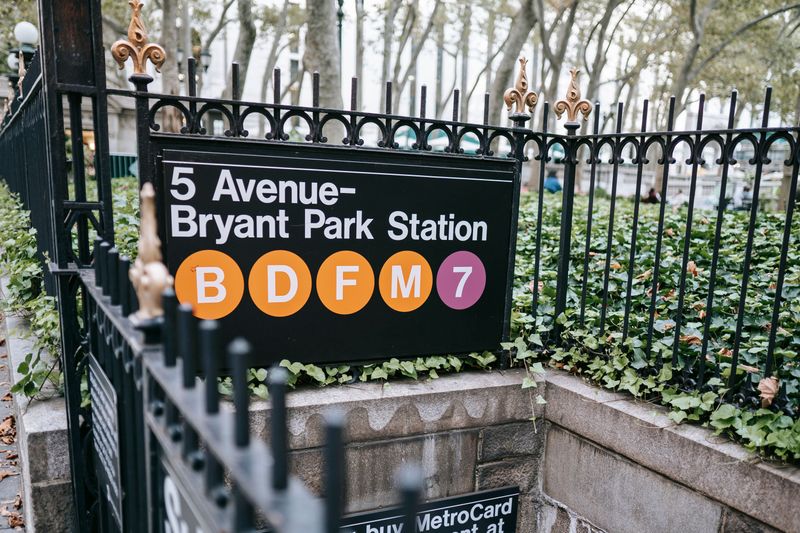
Underground rumbling can surprise a dog before any train becomes visible. Subway stairs also bring rushing feet, warm air, and sudden echoes.
Begin well away from the entrance.
Reward calm observation, then leave before your dog becomes overwhelmed. Move closer only across sessions that remain comfortable.
Never pull a hesitant dog toward stairs. Street practice does not require entering the station.
If planning subway travel, check current MTA animal rules before deciding how to travel together. In general, dogs on the subway must be carried in a container and cannot simply ride on a leash, subject to the MTA’s applicable rules and exceptions.
5. Build Confidence Around New York Traffic

A passing bus combines movement, vibration, and a loud engine. Give your dog enough distance to watch without freezing or scrambling away.
Start beside lighter traffic rather than busy intersections.
Offer a treat after a vehicle passes if your dog remains comfortable. Stay back from curbs and use secure, properly fitted walking equipment.
Cross when signals permit and your dog can follow safely. Confidence grows through manageable experiences, not prolonged waiting beside the loudest available roadway.
6. Find Quiet Green Spaces for Decompression
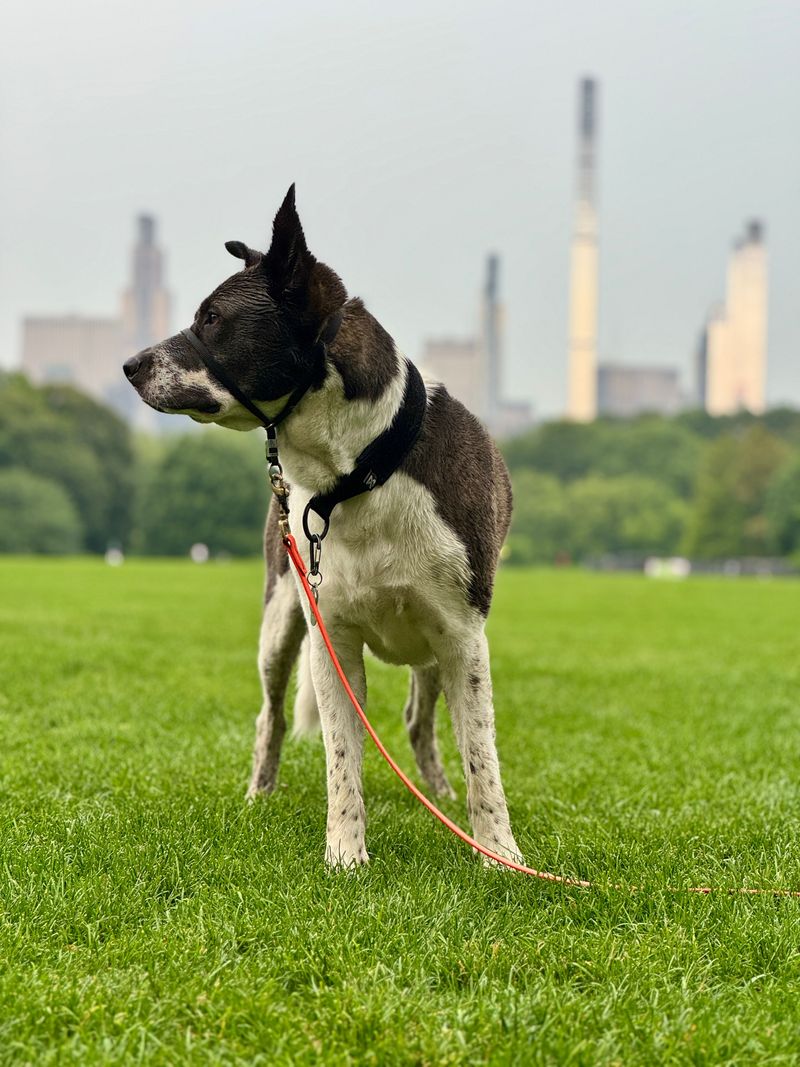
Sniffing a patch of grass offers a different task than navigating traffic. A quieter park edge may give your dog space to slow down.
Visit during less crowded hours when possible.
Follow posted park rules and keep your dog leashed where required. Avoid assuming every lawn welcomes dogs or every green space stays quiet.
Listen for nearby sports, maintenance equipment, and events. Choose a comfortable corner, allow relaxed sniffing, and leave while the outing still feels easy.
7. Use Dog Runs Carefully During the First Month
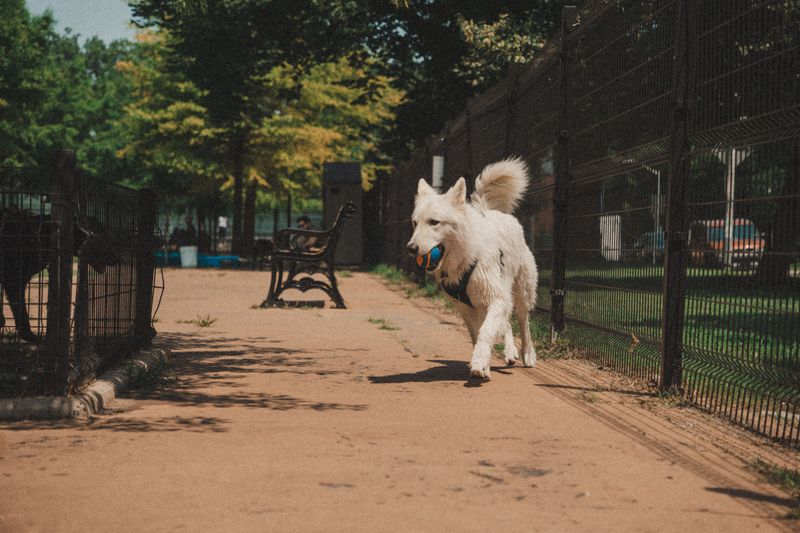
Barking behind a fence can turn a quiet park visit into a busy experience. Dog runs add unfamiliar dogs and quick movement.
Your newcomer does not need immediate group play.
Observe from outside at a comfortable distance before considering entry. Check posted rules, vaccination requirements, and your dog’s readiness with your veterinarian.
Choose uncrowded visits only if your dog enjoys other dogs. Skip the run when uncertainty shows.
Parallel walks with a suitable companion may work better.
8. Create a Calm Retreat at Home

Home should offer a break from the sidewalk soundtrack. Place a comfortable bed away from street windows and your apartment’s busiest doorway.
Let your dog approach that resting spot freely.
Close windows when practical and try gentle background sound at a low volume. Avoid placing speakers beside the bed.
A crate can help only when your dog already finds it comfortable. Ask visitors to respect resting time.
Reliable quiet gives your newcomer space to recover between outings.
9. Keep the First Week Predictable
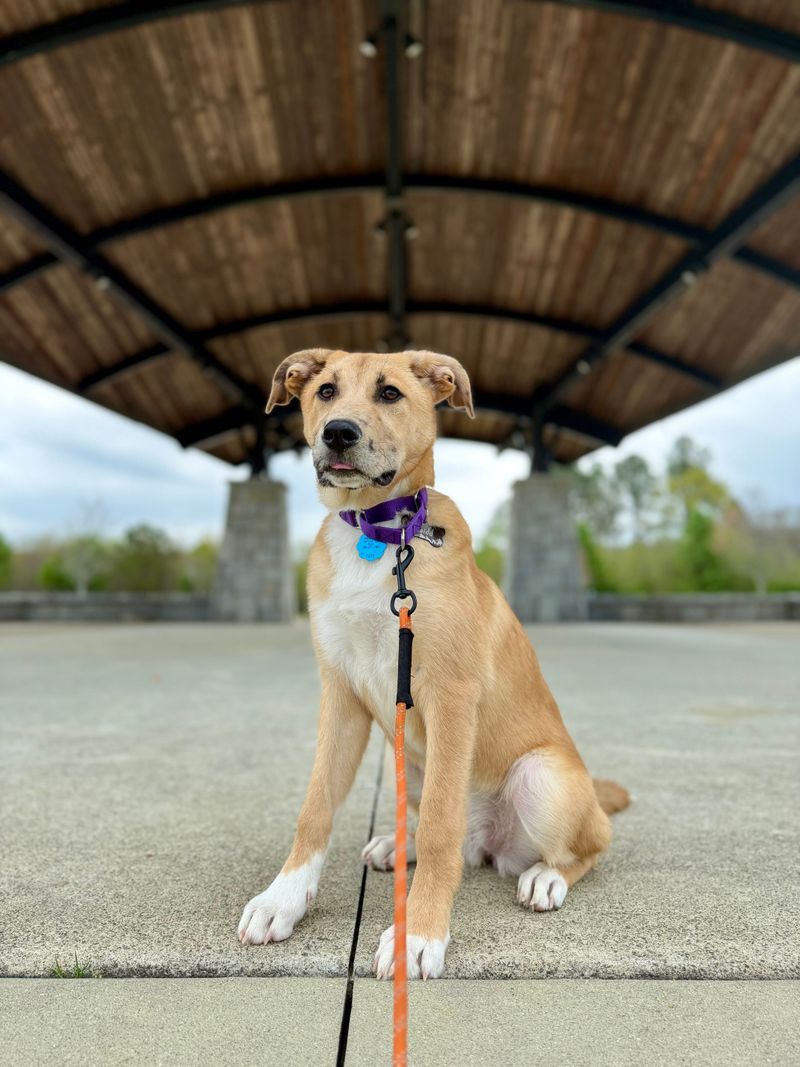
Knowing what happens next can make an unfamiliar home feel steadier. Keep meals, bathroom trips, and bedtime reasonably consistent during the first week.
Use familiar routes whenever they remain comfortable.
Limit unnecessary visitors and crowded introductions while learning your dog’s needs. Predictable does not mean rigid: adjust when weather, noise, or discomfort changes the plan.
Build quiet breaks into each day. A repeatable rhythm helps you notice changes in appetite, sleep, and confidence without adding extra demands.
10. Introduce Fireworks, Sirens, and Sudden Bangs Slowly
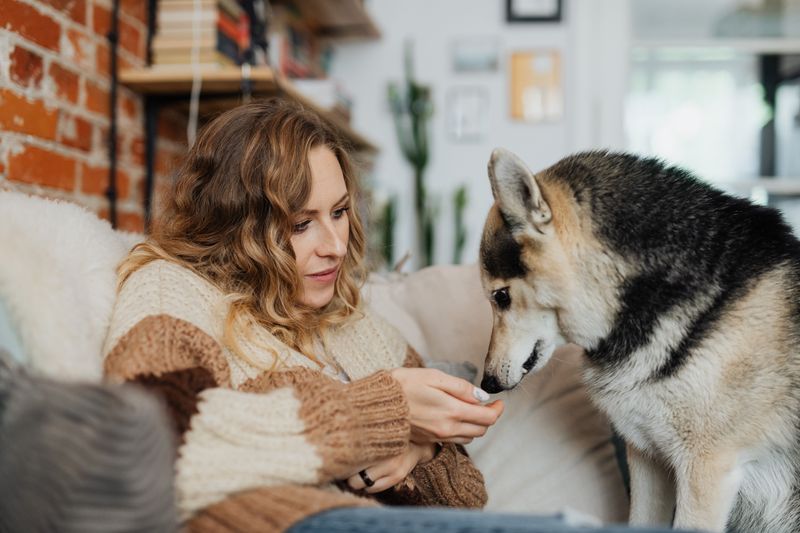
Unexpected sounds cannot always be scheduled, but practice can stay controlled. Recordings may help some dogs when played barely audibly alongside enjoyable activities.
They do not fully copy real events.
Increase volume only when your dog stays relaxed across repeated sessions. Stop if tension appears, and never create bangs to test tolerance.
During actual fireworks or sirens, prioritize distance and a quiet retreat. Ask your veterinarian about planning ahead if sudden sounds regularly cause distress at home.
11. Watch for Signs of Noise Sensitivity
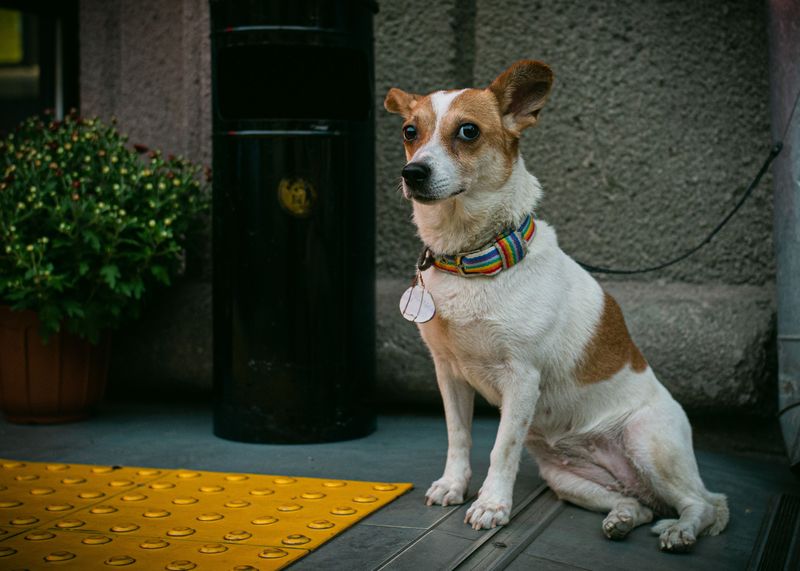
A dog does not have to bark to feel uncomfortable. Lip licking, trembling, tucked posture, scanning, or sudden refusal to move can signal stress.
Read several clues together, including context.
Panting may also reflect heat or exercise, so avoid judging one sign alone. Move somewhere quieter when behavior changes around noise.
Notice whether your dog settles afterward. Persistent changes in sleep, appetite, or everyday behavior deserve veterinary attention rather than an assumption that city adjustment explains everything.
12. Use Treats to Build Positive Associations
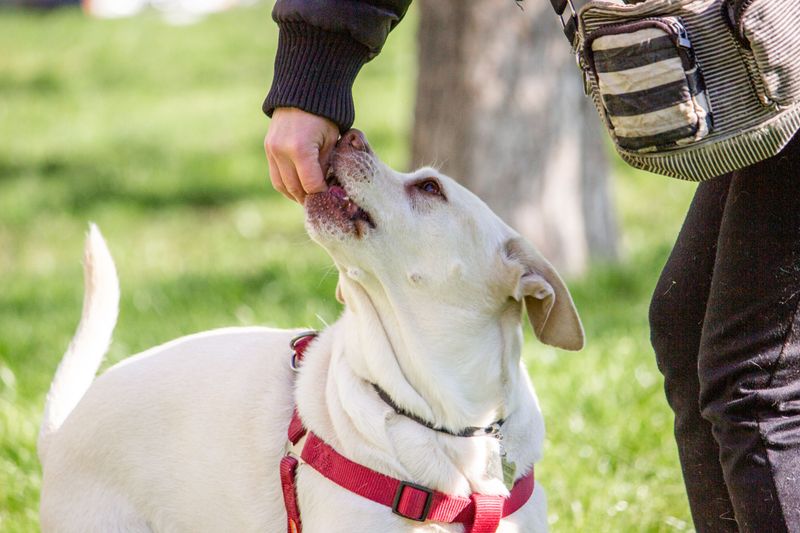
A small snack can help a distant sound predict something pleasant. Choose treats your dog enjoys and offer them when manageable noises occur.
Keep portions small within daily food needs.
Do not lure your dog closer to something frightening. If treats are refused, increase distance or end the session.
Refusal can have other causes, but it still deserves attention. Reward calm noticing without demanding a sit.
The goal is comfort, not perfect obedience beside city traffic.
13. Help Your Dog Feel Safe in Crowded Sidewalks

Rolling suitcases and fast footsteps can make a narrow sidewalk feel crowded. Choose wider paths and step aside before people bunch around you.
Avoid stopping where your dog feels boxed in.
Politely decline greetings when your newcomer needs space. Keep the leash manageable without constant pulling, and never wrap it around your hand.
Watch for scooters near crossings and driveways. When crowds build, taking another block is sensible.
Your dog benefits from choices that preserve a comfortable distance.
14. Make Elevator and Apartment-Hallway Trips Easier
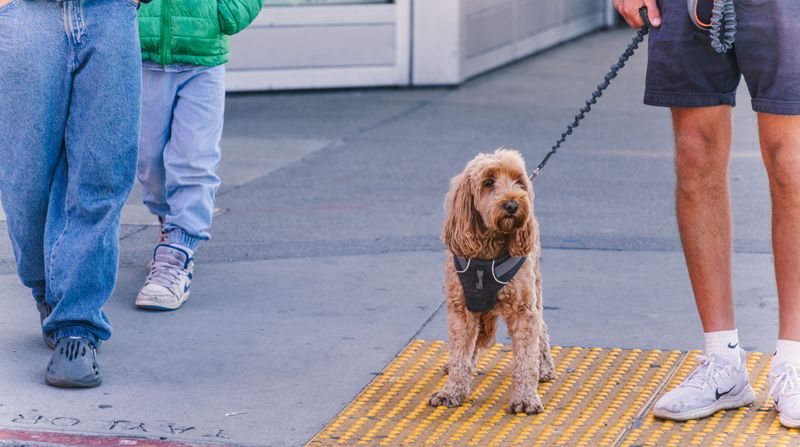
The trip outside begins before you reach the street. Elevator chimes, closing doors, and hallway echoes can unsettle a newly adopted dog.
Practice brief hallway visits when traffic is light.
Reward comfortable waiting away from elevator doors. Let crowded cars pass rather than squeezing inside.
Keep your dog and leash clear of moving doors throughout entry and exit. Never allow the leash to become trapped.
For persistent hesitation, ask a reward-based professional to help plan gradual practice.
15. Adjust Walks to Your Dog’s Energy and Comfort
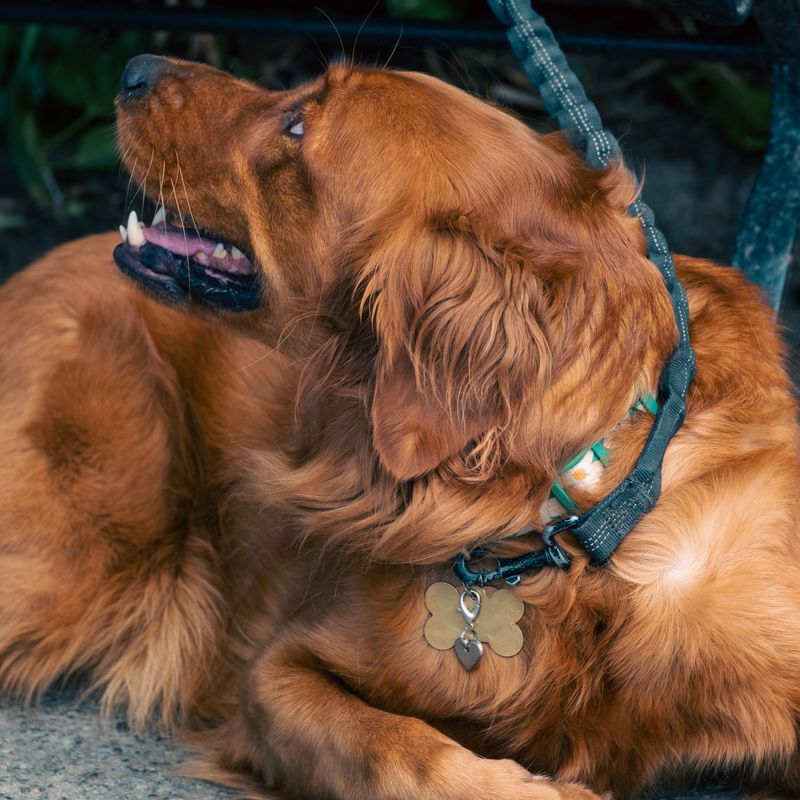
More walking does not automatically mean better adjustment. A tired dog may still feel stressed, especially after repeated noisy encounters.
Match outings to age, health, weather, and current comfort.
Use shorter bathroom trips when longer walks become difficult. Add gentle indoor play or food puzzles suited to your dog’s abilities.
Allow sniffing instead of measuring success by distance. Discuss exercise needs with your veterinarian, especially when medical history is unclear.
Rest belongs in the plan alongside activity.
16. Choose Walking Routes With Room to Retreat
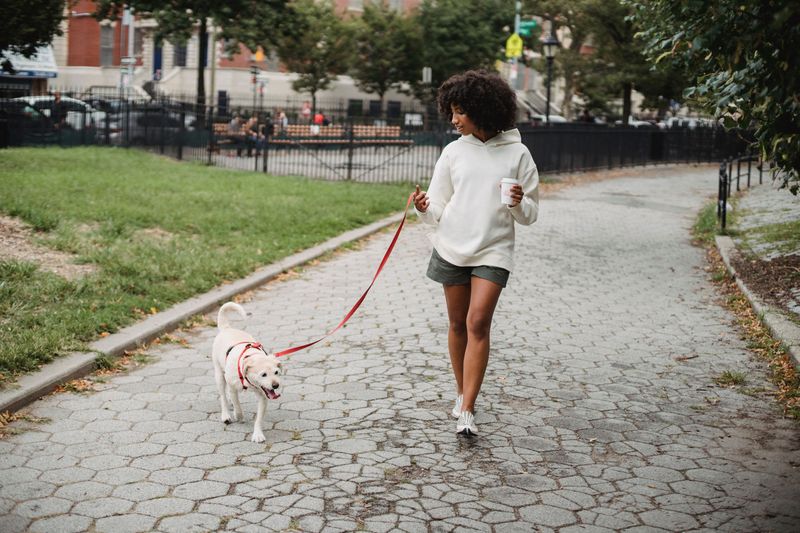
An escape route makes surprises easier to handle calmly. Before starting, identify side streets, open corners, or other places offering more distance.
Avoid routes that trap you beside construction barriers.
Practice turning around at home, then on quiet sidewalks. Reward your dog for following without dragging or sharp leash corrections.
When noise rises, use that familiar turn and head toward quieter space. Keep identification current and equipment secure.
Planning an exit supports confidence rather than encouraging permanent avoidance.
17. Know When to Seek Professional Help
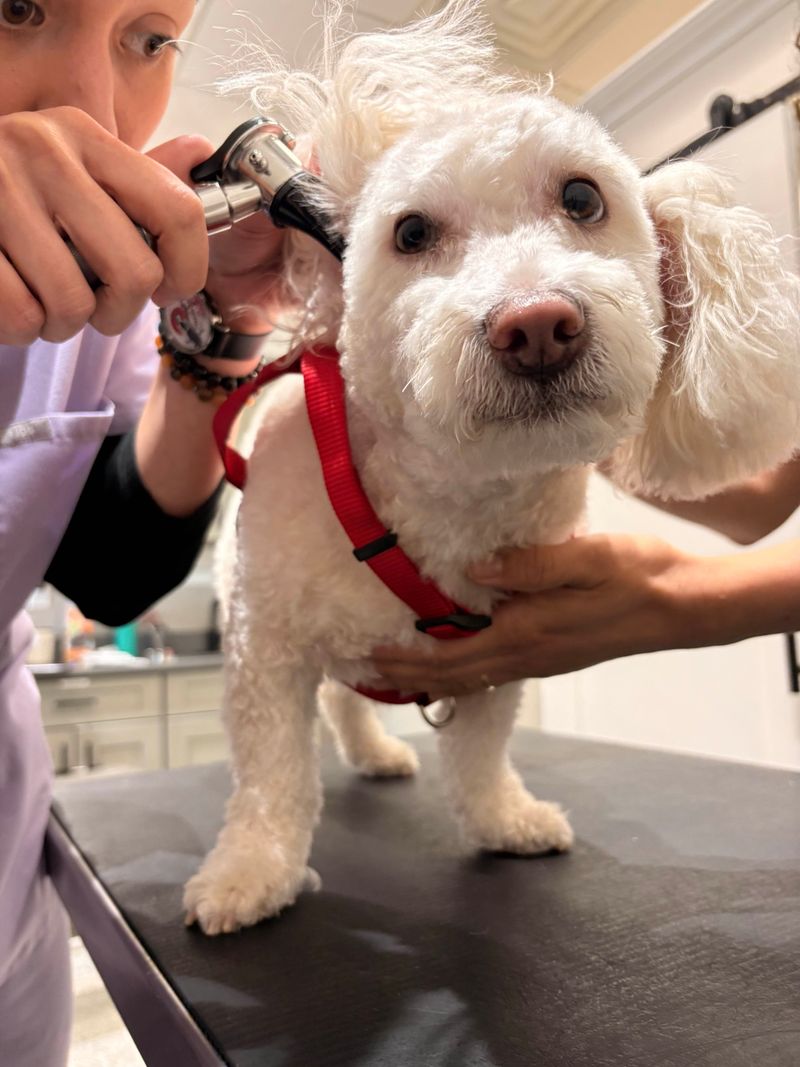
Support is worth seeking before daily life becomes a struggle. Contact your veterinarian if noise affects eating, sleeping, toileting, or safe walking.
Pain and other health problems can influence behavior.
Ask about a qualified, reward-based trainer or veterinary behavior specialist when appropriate. Avoid anyone promising instant results through punishment or forced exposure.
Medication may help some dogs under veterinary guidance, alongside a behavior plan. Bring your notes and videos taken safely.
Clear examples make appointments more useful.
18. Measure Progress Without Rushing the Timeline
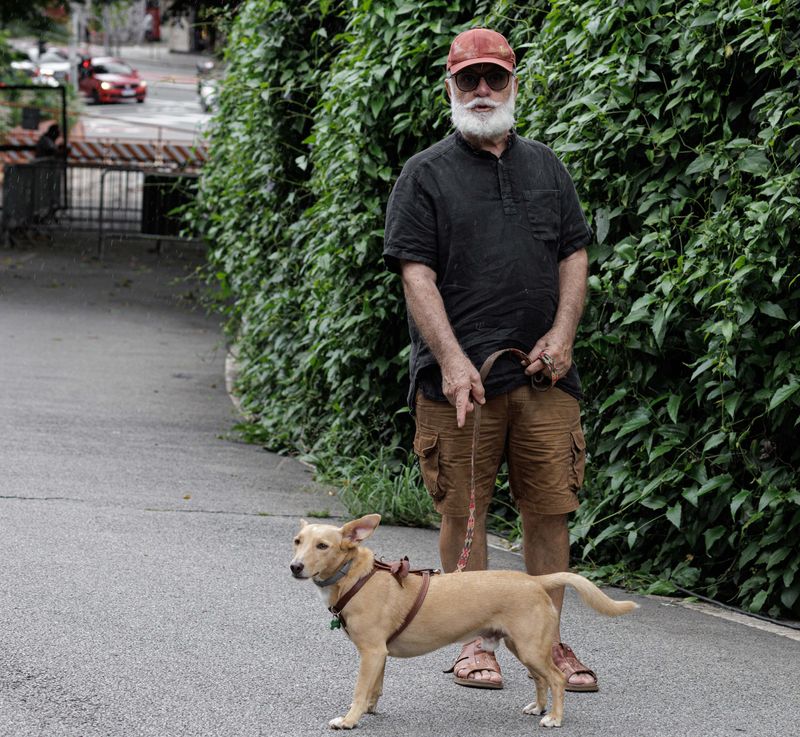
Success might look like recovering faster after a truck passes. It might mean sleeping comfortably after a short outing.
Compare your dog with earlier versions of themselves, not other dogs.
Review notes weekly and keep helpful routines while changing only one challenge at a time. Setbacks can follow busy days or unexpected sounds.
Return to easier conditions when needed. The first month builds a foundation, not a finish line.
Choose space, patience, and small wins worth repeating.