15 Texas Daycare Features That Matter Most When Cooling And Backup Power Are Non-Negotiable
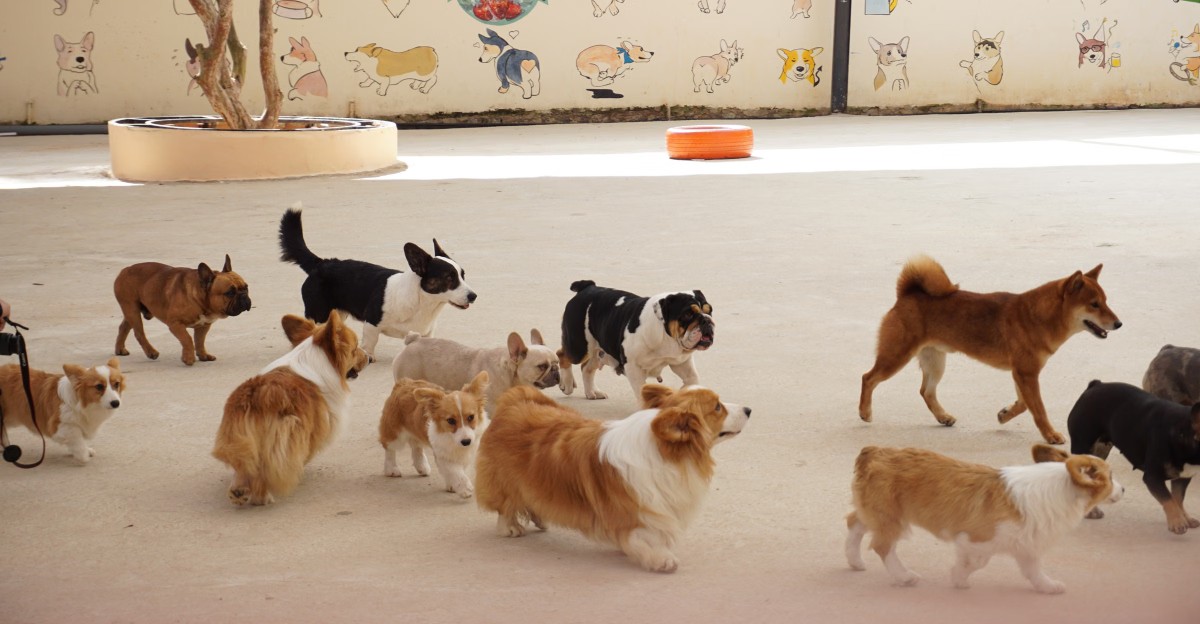
Texas heat makes a cool dog daycare more than a nice extra for your pup. When you tour a facility, look beyond the play equipment and ask how cooling works during an outage.
A prepared team should explain its equipment, daily checks, and backup plans in plain language. Knowing what to look for helps you choose a place where your dog can play, rest, and stay comfortable.
1. Reliable Air Conditioning That Handles Texas Heat
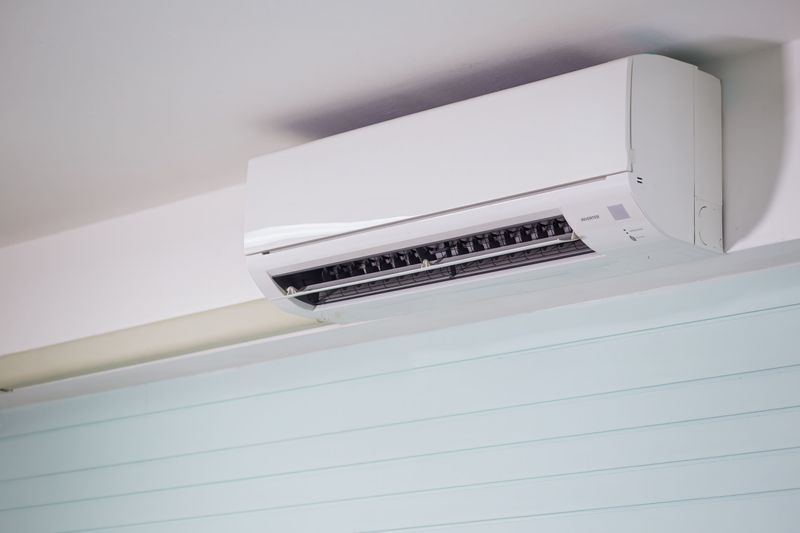
A pleasant lobby tells only part of the cooling story. Ask to see the rooms where dogs actually spend their day.
Those spaces should stay comfortable during busy afternoons, not just quiet morning tours.
Ask whether the air conditioner serves every occupied room and handles the building’s busiest summer conditions. Staff should explain how they check performance and respond when cooling weakens.
Fans can support airflow, but cannot replace dependable air conditioning during Texas heat.
2. Backup Power Sized for Essential Cooling
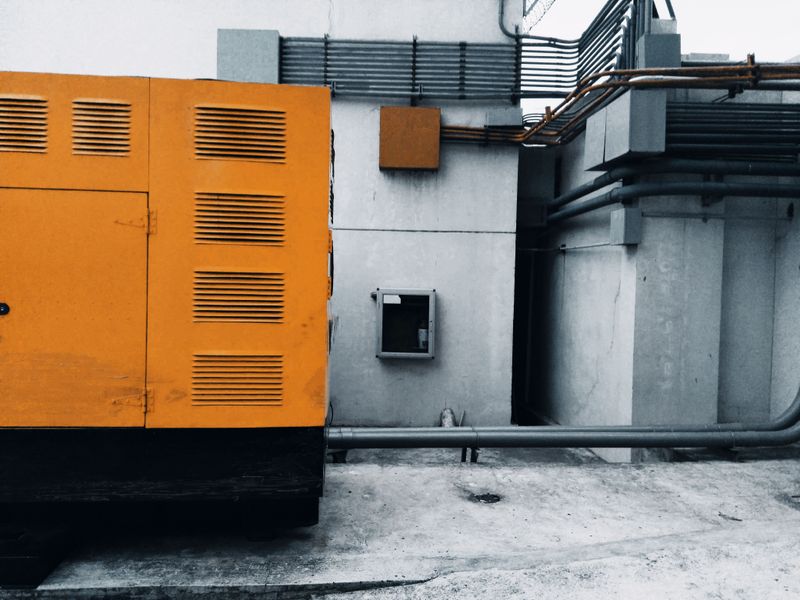
Keeping lights on does not prove a generator can run air conditioning. Cooling equipment needs enough capacity to start and keep operating.
Ask which rooms remain cooled when utility service stops.
A qualified electrician should assess essential loads and the generator’s capacity. That includes cooling, ventilation, monitoring, and any needed refrigeration.
Request a clear explanation of what runs together. A backup system is useful only when its actual capacity matches the facility’s real operating needs.
3. Fuel and Runtime for Extended Outages
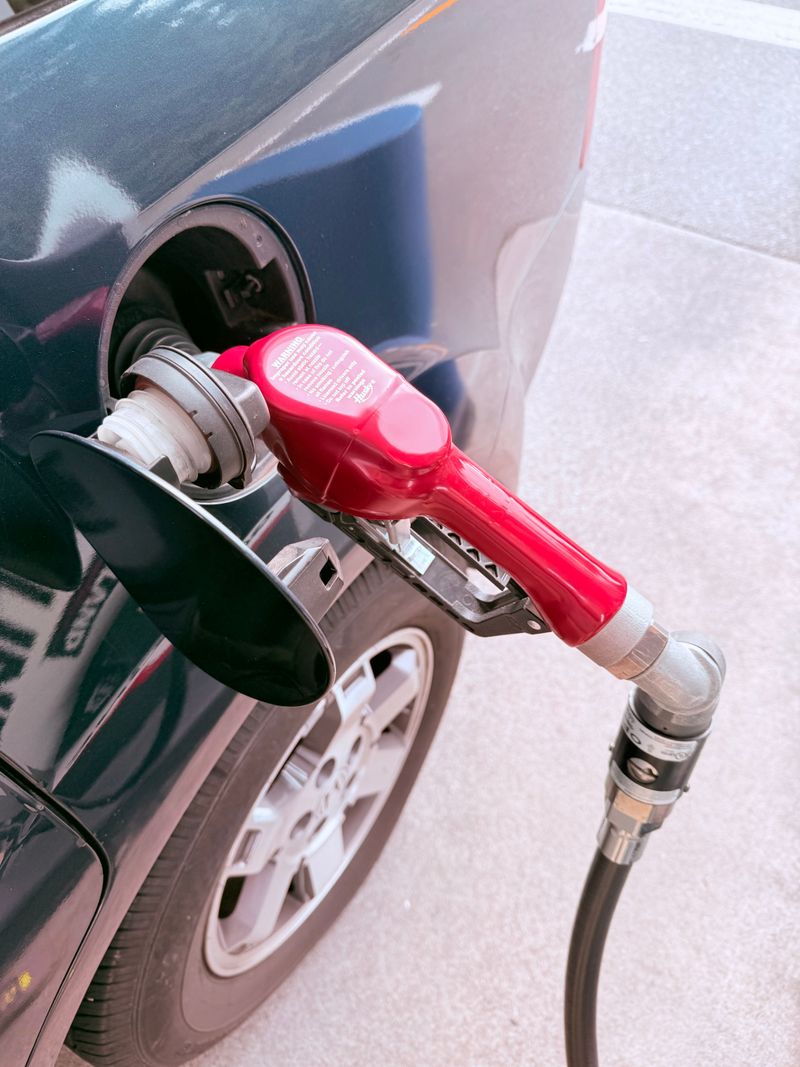
An afternoon outage can last longer than anyone expects. Find out how long backup power can operate under the daycare’s planned load.
Advertised runtime may differ from performance while cooling equipment runs.
Managers should know their fuel supply, refill options, and service contacts. Natural gas systems also depend on continued gas service.
Ask what happens if fuel delivery becomes unavailable. A practical plan includes a decision point for pickup or relocation before cooling becomes unreliable.
4. Battery Backup for Critical Equipment

A brief power gap can interrupt sensors, internet service, and staff communication. Battery backup can keep selected devices working while another power source starts.
It should serve clearly identified equipment.
Ask which devices have battery support and how long that support lasts. Small backup units generally cannot power commercial air conditioning.
Batteries also need scheduled checks and replacement when performance drops. Reliable monitoring during the transition helps staff notice problems rather than assume everything restarted correctly.
5. An Emergency Cooling Plan That Staff Can Use

Good equipment still needs a workable plan when something fails. Staff should know where dogs move if their usual room becomes warm.
That destination must have dependable cooling and enough space.
Ask how play stops, water remains available, and dogs receive calm supervision. Crowding everyone into one room can create new problems.
Portable cooling equipment needs suitable power and safe installation. Any dog showing possible heat illness needs prompt veterinary attention, not simply another fan nearby.
6. Temperature Monitoring in Every Dog Room
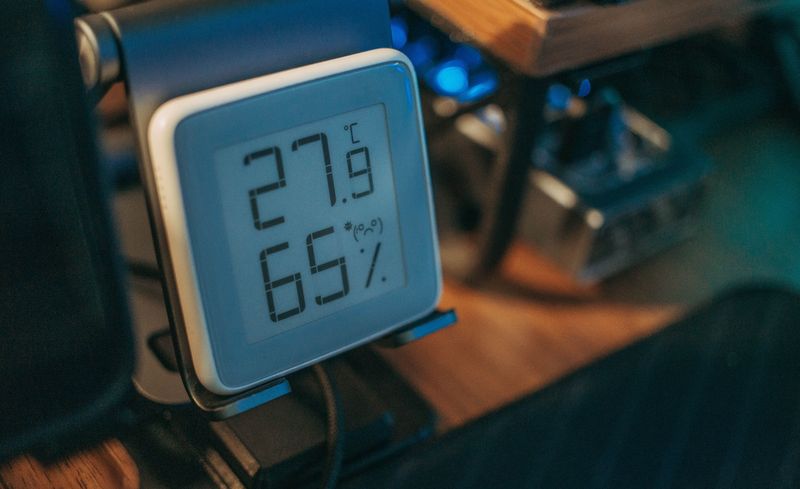
The thermostat near reception may not reflect conditions in a warm playroom. Look for temperature checks in dog areas where conditions may differ.
Humidity readings can add useful context for staff.
Sensors should sit where readings reflect dogs’ surroundings, away from direct sun or cooling vents. Ask who checks them and where results are recorded.
There is no single ideal temperature for every dog. Age, breed, health, activity, and humidity all affect a dog’s cooling needs.
7. Alerts That Trigger a Real Response
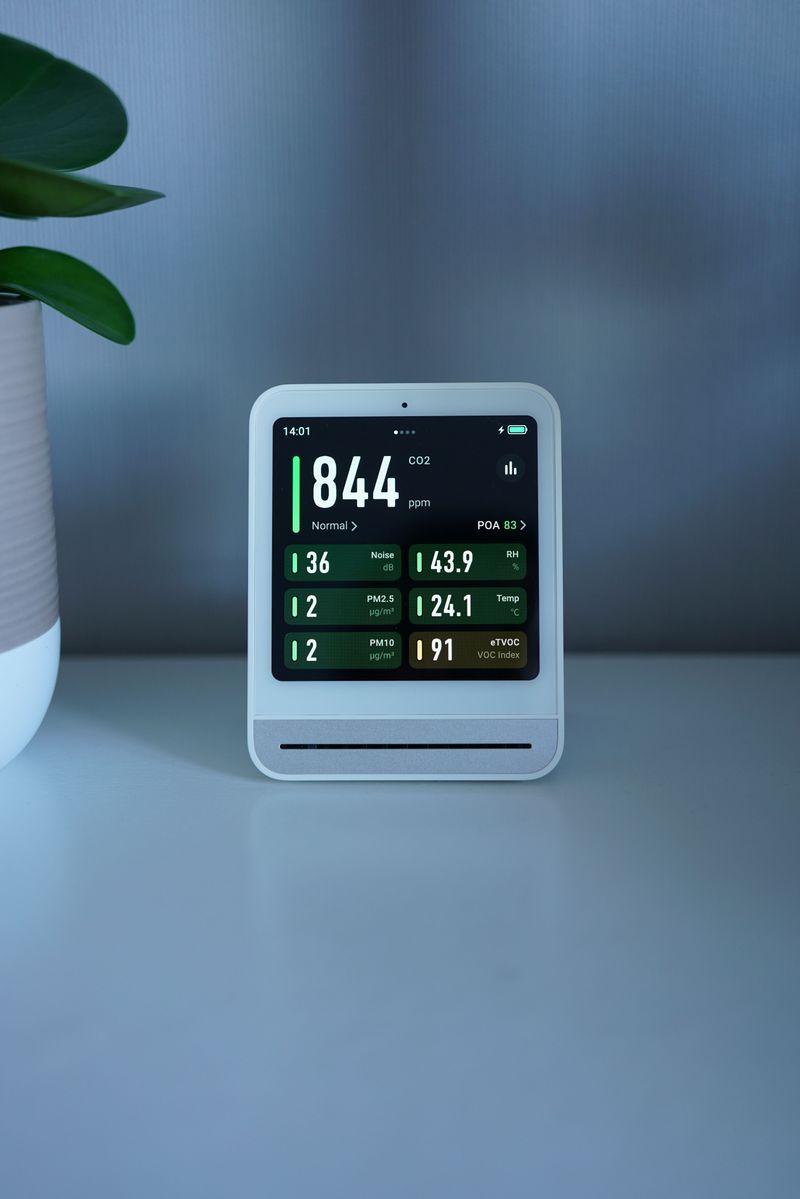
A warning matters only when someone notices and acts. Temperature alerts should reach staff responsible for the dogs, not an unattended office computer.
Ask who receives messages during business hours.
The facility should set response thresholds with appropriate professional guidance and its dogs’ needs in mind. Confirm that the facility has a way to receive and respond to alerts during internet or power interruptions.
Staff also need a backup contact if the first person misses a message. Regular alert checks help prevent quiet failures.
8. Shaded Outdoor Areas With Short Heat Breaks

Shade makes outdoor breaks more comfortable, but it does not remove summer heat. Covered areas should protect resting spots and walking surfaces throughout the day.
Shade shifts as the sun moves.
Ask how staff adjust outdoor time for weather and individual dogs. Pavement and artificial turf can become hot, even when air feels manageable.
Dogs need fresh water and quick access indoors. Outdoor shade is a helpful feature, never a replacement for a cooled indoor space.
9. Backup Power for Needed Refrigeration
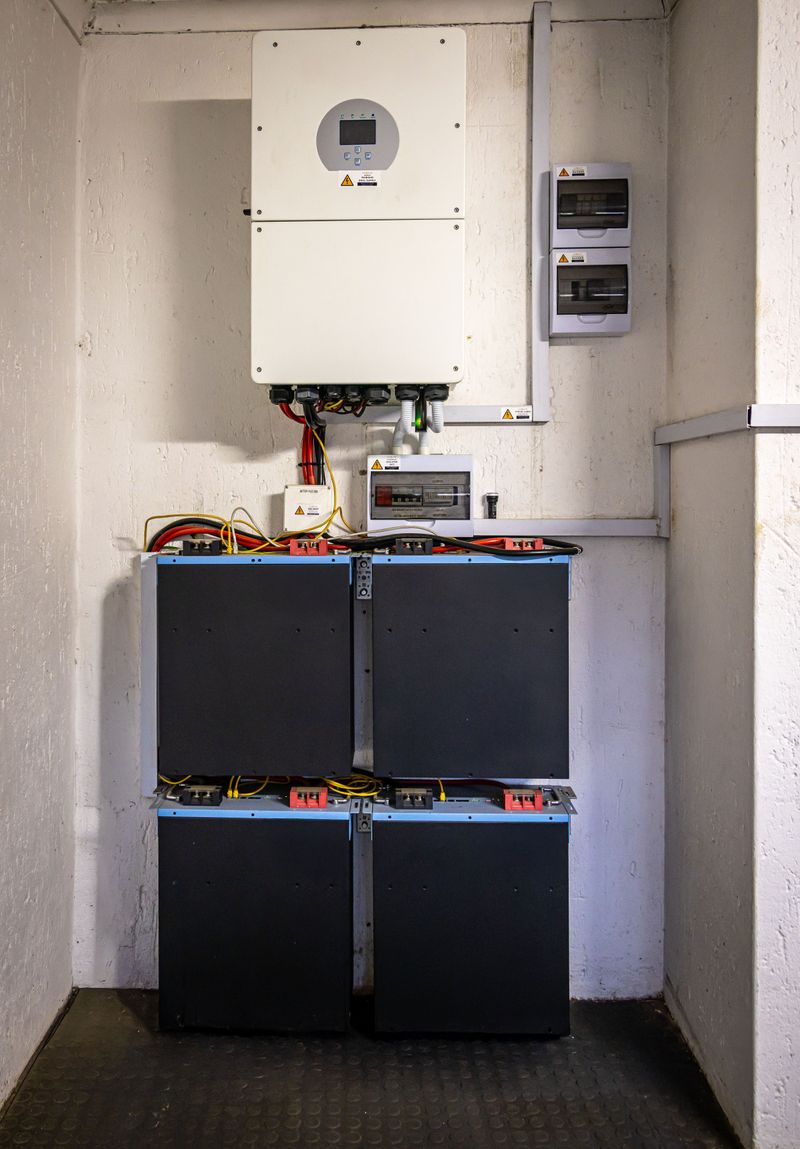
Some dogs arrive with food or medication that needs refrigeration. If your dog has those needs, ask whether the refrigerator receives backup power.
A working light does not confirm safe storage.
Staff should monitor refrigerator temperatures and follow product instructions for storage. Medication questions belong with your veterinarian or pharmacist, especially after an outage.
Food needs its own handling rules. Clear labels, temperature records, and a disposal plan help prevent guessing when refrigeration has been interrupted.
10. HVAC Maintenance and Testing Before Peak Heat
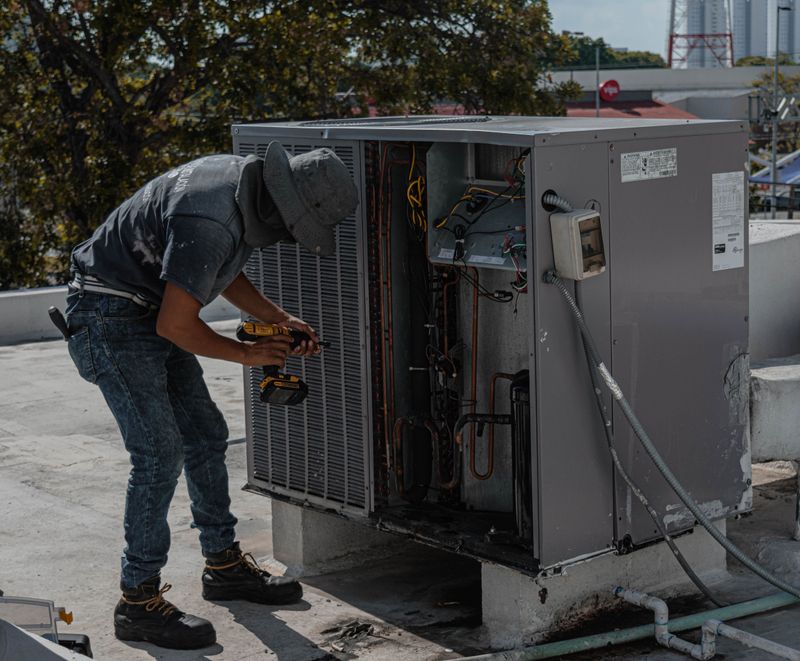
Spring maintenance can uncover trouble before the busiest summer afternoons. Ask when a qualified technician last serviced the cooling system.
Clean filters and clear airflow help equipment do its job.
Maintenance should follow manufacturer guidance and the building’s actual use. Dog hair and dust can increase cleaning needs.
Request confirmation that the backup system is tested before peak heat, too. A realistic test should verify that the equipment needed for cooling can operate as intended, rather than merely confirming that the generator starts.
11. Safe Generator Procedures and Authorized Access
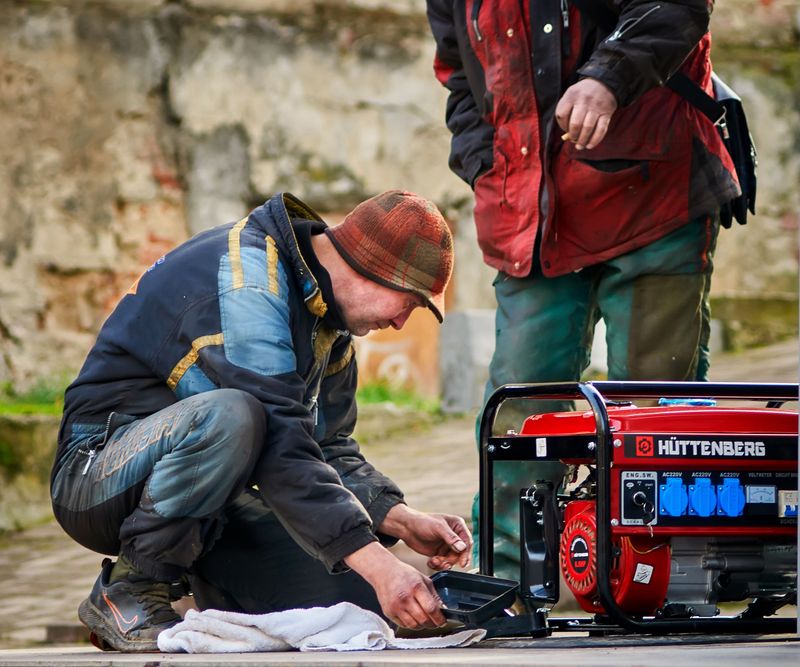
Backup equipment belongs in a safe, controlled service area. Portable generators must be operated outdoors and positioned away from doors, windows, and air intakes as required by the manufacturer’s instructions and applicable safety requirements.
Never accept indoor or garage operation, even with doors open.
Ask about exhaust placement, carbon monoxide precautions, and manufacturer instructions. Qualified professionals should handle electrical connections and applicable local requirements.
Authorized staff need clear access to controls, while dogs remain separated. Locked storage should not prevent trained personnel from reaching needed equipment during an outage.
12. Doors and Windows That Keep Heat Outside

Every open doorway gives cooled air an easy escape. Well-fitting doors, intact seals, and shaded windows reduce unwanted heat entering the building.
A secure entry area can also limit escapes.
Watch whether staff leave outside doors propped open during hot weather. Ask about sun-facing windows and rooms that warm faster than others.
Window coverings should not block required exits or interfere with required ventilation. Building improvements can support cooling, but staff still need to monitor temperatures in occupied areas.
13. Insulation That Supports Steady Indoor Temperatures

A building’s shell affects how hard its cooling system works. Suitable roof and wall insulation can slow heat entering during Texas summers.
Air sealing also helps control unwanted warm airflow.
Ask whether the facility has addressed rooms beneath hot roofs or beside sunny exterior walls. An older building can still perform well with appropriate improvements.
Insulation does not guarantee safe temperatures during an outage. Treat it as support for cooling, not permission to delay emergency action.
14. Staff Training for Power Outages
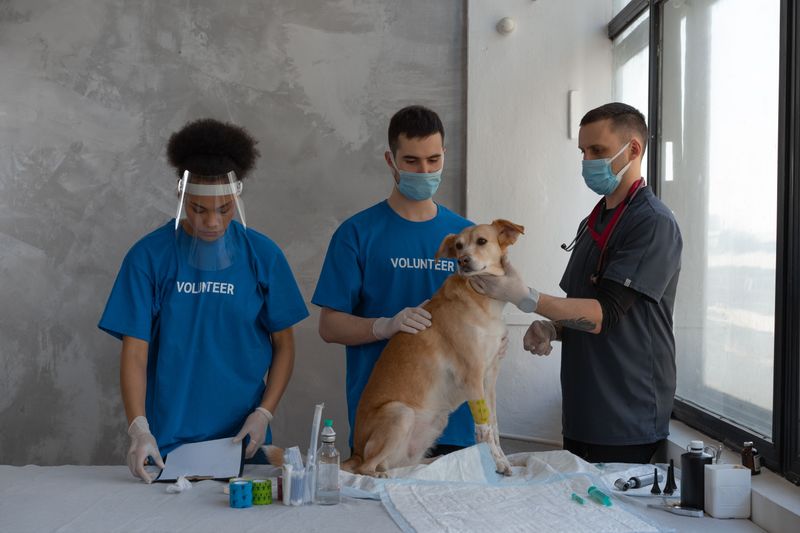
Confident people make a backup plan easier to trust. Every shift should include staff who understand outage procedures and their assigned roles.
New employees need training before handling emergencies alone.
Ask whether drills cover dog counts, cooling checks, owner messages, and safe movement between rooms. Staff should recognize possible heat illness and seek veterinary help promptly.
Training must also explain which equipment only qualified personnel may operate. Simple written checklists help everyone stay organized under pressure.
15. A Clear Plan When Power Stays Off
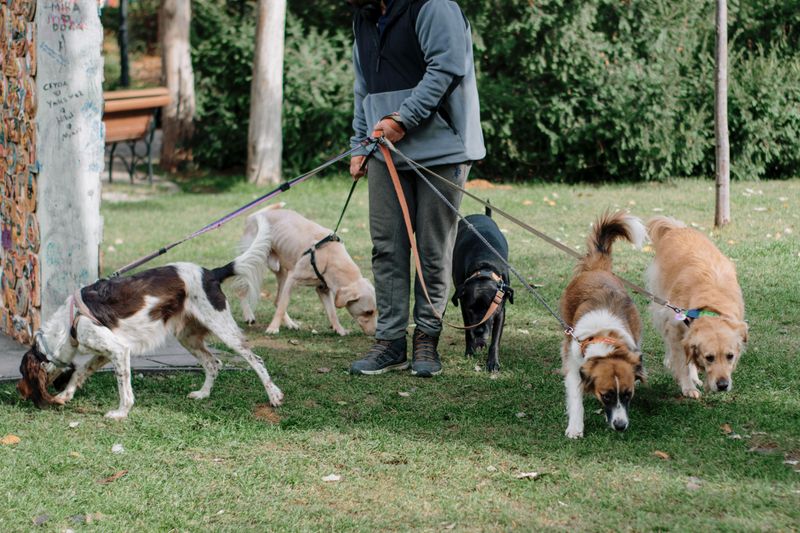
Sometimes the best backup is knowing when to change plans. A daycare should define when it pauses care, calls owners, or relocates dogs.
Decisions should come before cooling becomes inadequate.
Ask about transportation, receiving locations, emergency contacts, and dogs whose owners cannot arrive quickly. Local requirements may vary, so the facility should identify the applicable requirements and confirm them with the appropriate authorities when necessary.
Keep your contact details current and share your dog’s health needs. Choose clear answers, practiced plans, and dependable cooling for greater confidence.


