What Georgia Dog Owners Should Know Before Taking A Dog On A Coastal Ferry
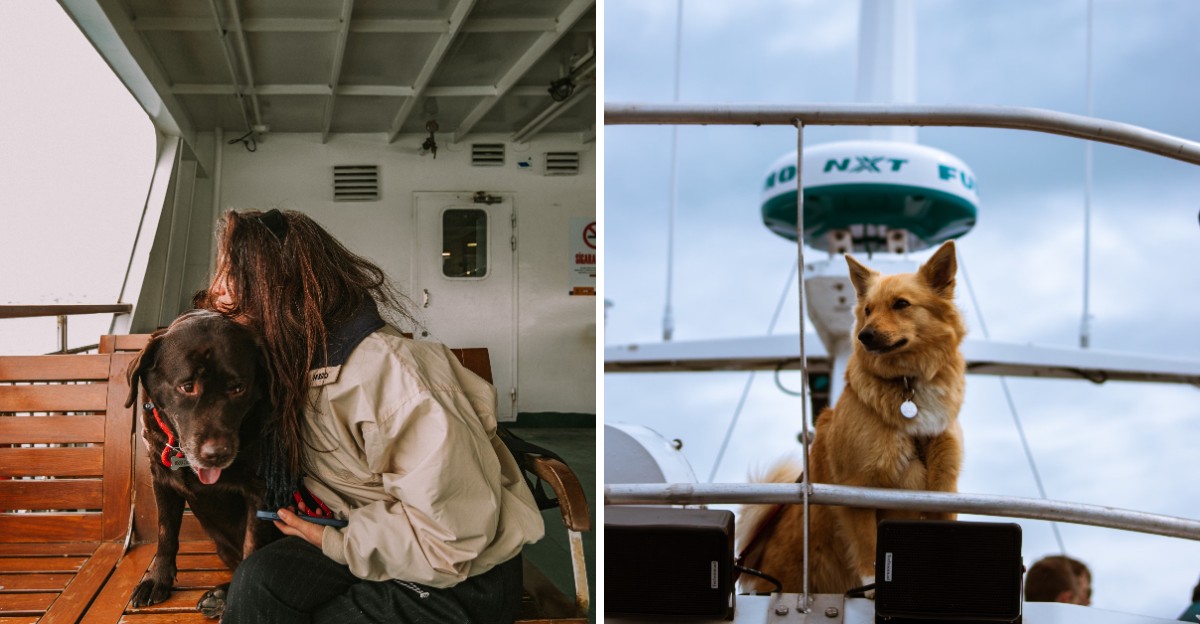
A ferry ticket does not always mean your dog has a spot beside you. Along Georgia’s coast, pet rules can change between boats, docks, and island destinations, making one quick check surprisingly valuable.
Salt air and boat horns also bring challenges that a car ride never does. Before you head toward the water, a little planning can turn a confusing boarding line into a calm start for both of you.
1. Check Georgia Ferry Rules Before You Go
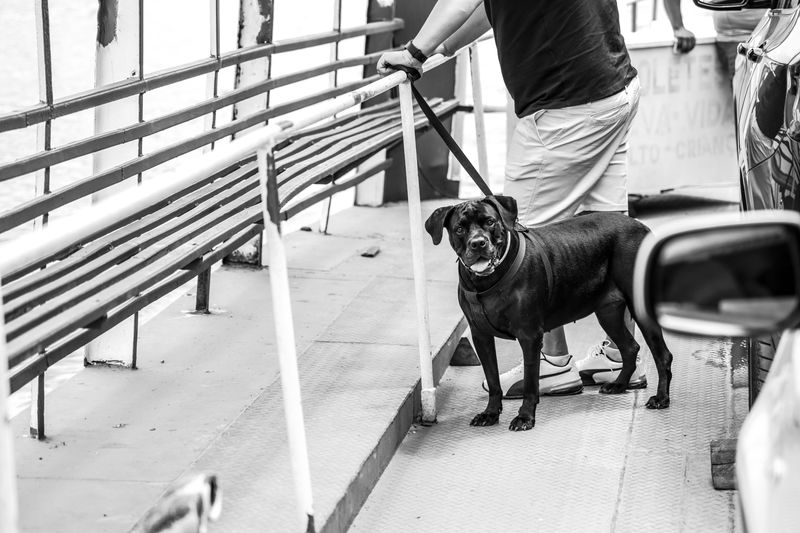
A dockside surprise can stop your outing before the boat leaves. Check the operator’s current pet policy before buying tickets, then check your destination’s rules separately.
Cumberland Island’s passenger ferry from St. Marys does not transport pets, although service animals are permitted to travel with their owners.Service animals follow different rules, so ask about applicable requirements rather than assuming pet restrictions apply. For other Georgia routes, confirm reservations, fees, size limits, and seasonal changes directly.
Save the answer so everyone travels with the same expectations.
2. Confirm Whether Dogs Can Stay With You
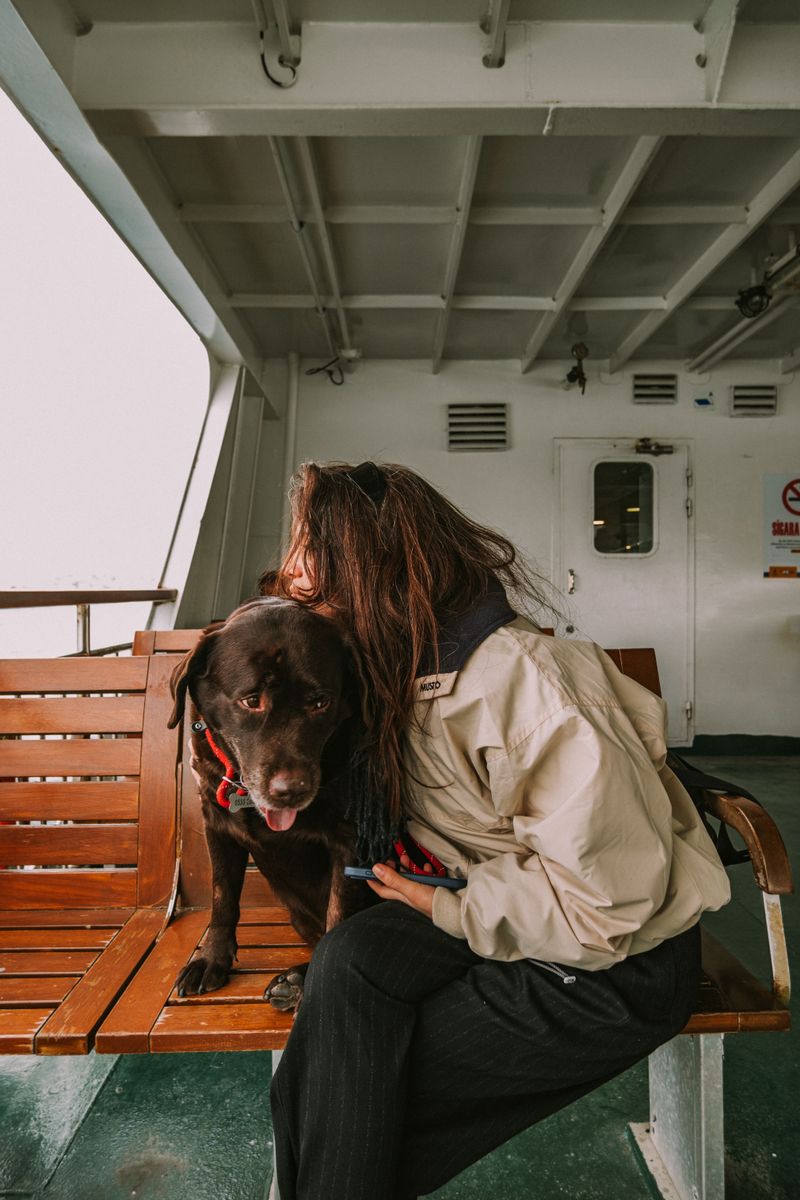
Your usual seatmate might not be allowed in every seating area. Ask the ferry operator exactly where dogs are permitted to accompany their owners, including whether they may remain on deck or in designated areas.
Permission to board does not automatically include access everywhere.
Find out whether carriers are required and whether shade is available during the crossing. Never assume a vehicle deck remains accessible while sailing.
If the permitted arrangement prevents safe supervision, choose another route or leave your dog with trusted care instead.
3. Secure Your Dog During Boarding
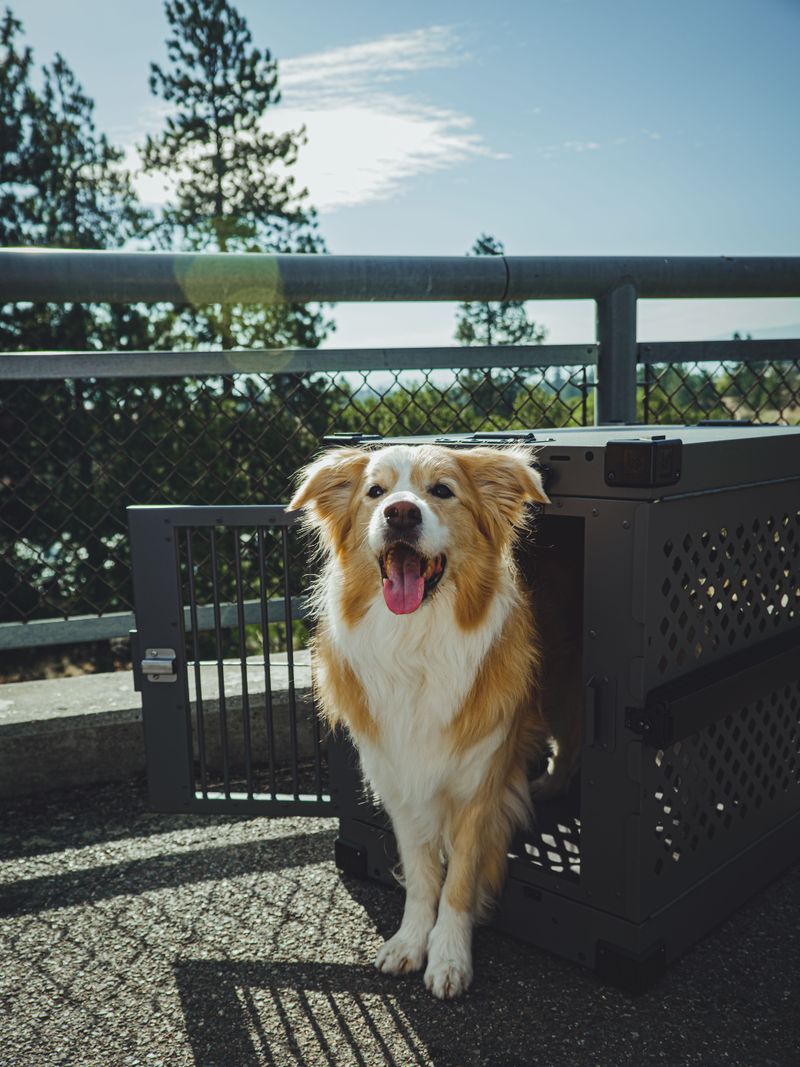
That first step onto a moving ramp can feel surprisingly strange. Pause before boarding and let your dog notice the surface beneath their paws.
Follow crew directions, keeping the leash short enough for steady control.
Leave room between your dog and the passenger ahead, especially near wheels or luggage. Carry small dogs only when you can maintain your own balance safely.
Once aboard, move away from the entrance so the next travelers have a clear path.
4. Use A Properly Fitted Leash And Harness
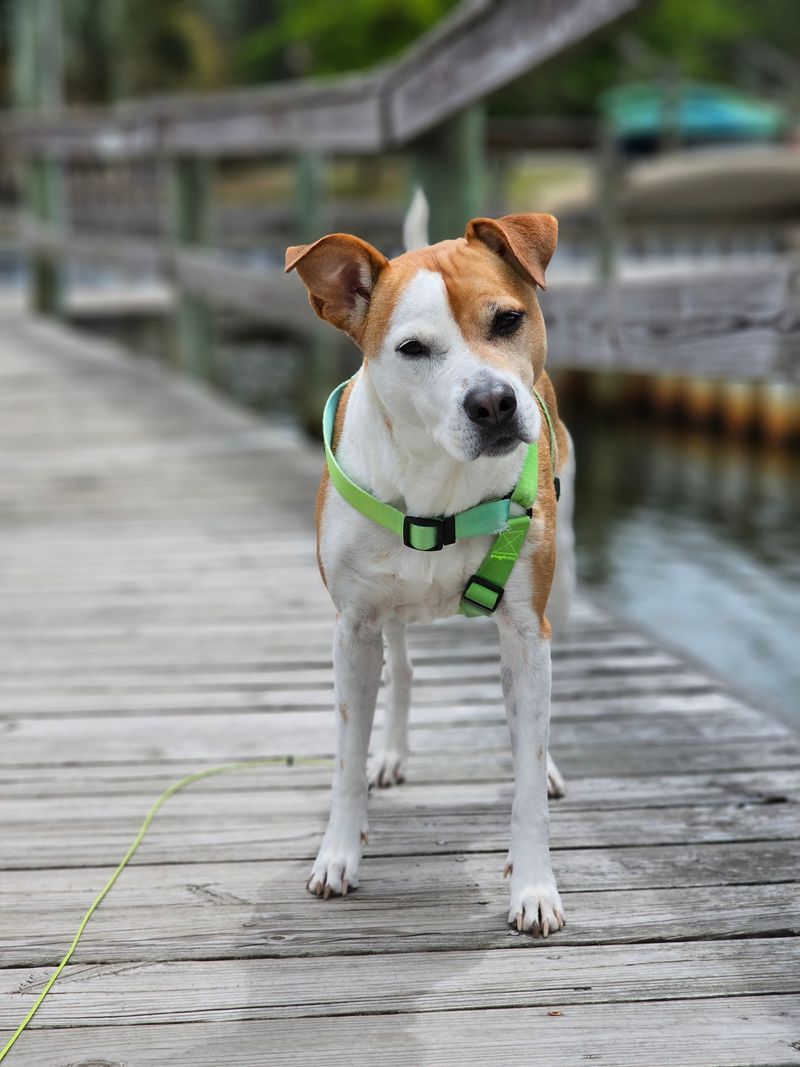
A salty breeze is no reason to test unreliable walking gear. Choose a secure harness that your dog cannot easily back out of.
Check the manufacturer’s fitting guidance, then inspect straps, buckles, and leash clips.
A fixed length leash offers better control than a retractable one in crowded boarding areas. Keep identification attached even when using a harness.
Practice wearing the setup beforehand, because ferry day should not become your dog’s first lesson in unfamiliar equipment.
5. Prepare For Engine Noise And Ferry Horns
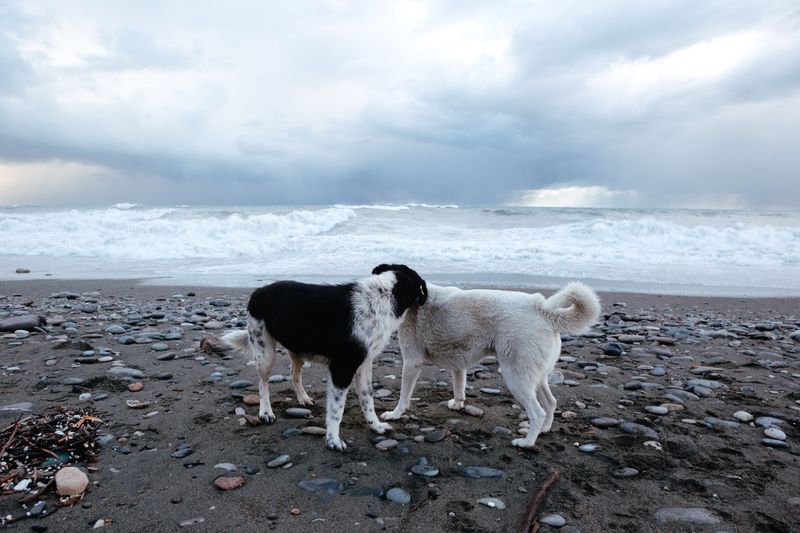
Boat horns can turn a confident walker into a startled passenger. Before your trip, introduce quiet recordings of engines and horns alongside treats.
Keep sessions brief, increasing volume only while your dog remains comfortable.
At the dock, choose a waiting spot away from engines when possible. Reward relaxed behavior without forcing your dog closer to loud sounds.
Ask your veterinarian for guidance if noise causes strong fear. A slower introduction beats hoping your pup will simply adjust.
6. Watch Your Dog Around Moving Vehicles
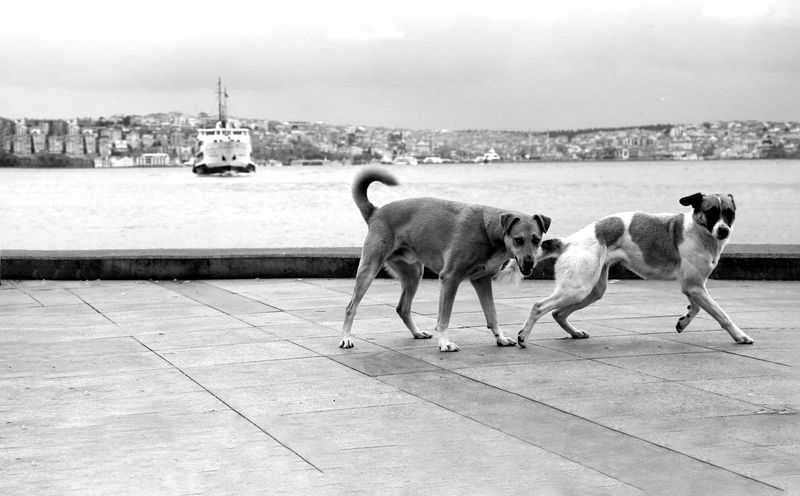
Rolling tires and curious noses are a poor dockside combination. On routes carrying vehicles, stay within any marked pedestrian areas and follow staff instructions.
Never let your dog wander beneath parked cars or approach loading lanes.
Keep your attention on traffic rather than your phone during boarding and unloading. Drivers may have limited views around ramps, mirrors, and larger vehicles.
Wait for the crew’s signal before moving, even when your dog seems eager to reach solid ground.
7. Take A Bathroom Break Before Boarding

A quick sniff around shore can prevent an awkward deck moment. Arrive early enough for a bathroom walk before joining the boarding line.
Use an allowed area, keeping clear of marsh plants and private property.
Do not assume the boat has a pet relief space available. Ask about crossing length and possible waiting times when planning your dog’s break.
Puppies and older dogs may need shorter outings. Pick up immediately, then dispose of waste in an appropriate bin.
8. Pack Water And A Travel Bowl
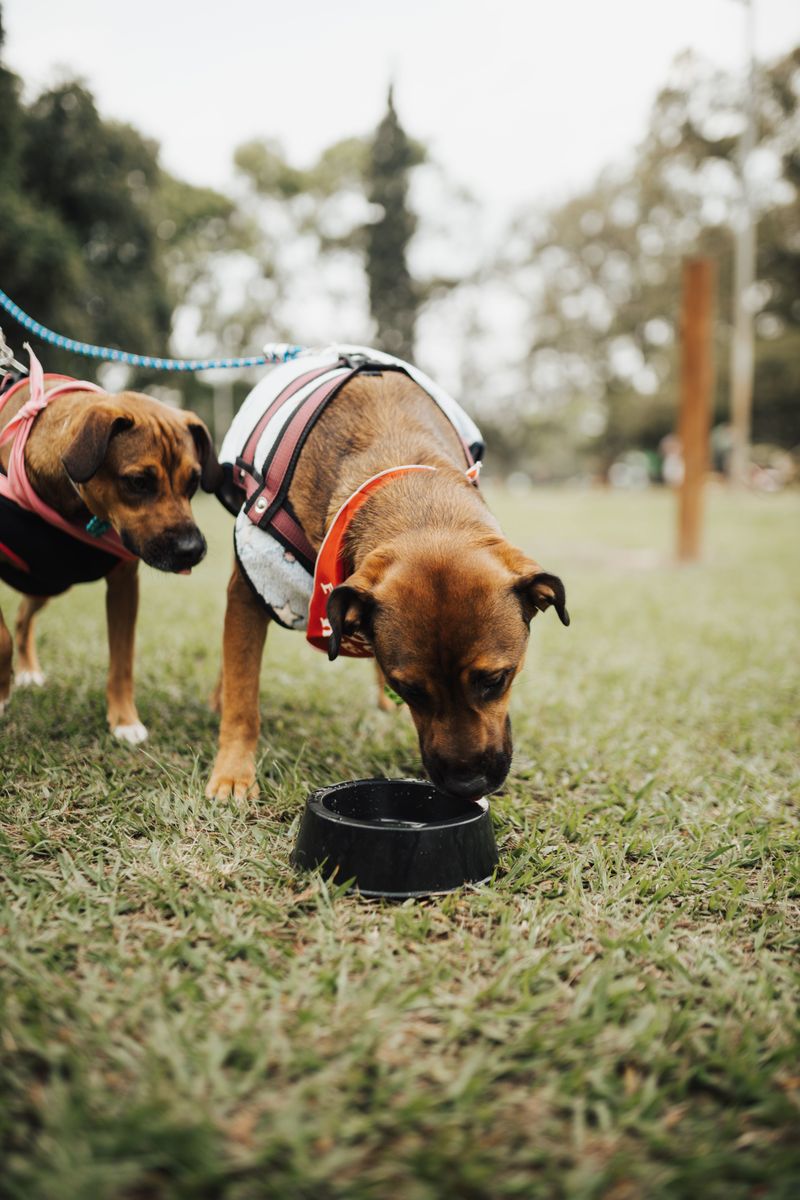
Ocean views are lovely, but ocean water is not drinking water. Bring fresh water from home and a bowl your dog already knows.
Offer small drinks during waits and whenever conditions feel warm.
Pack enough for the crossing, the island visit, and unexpected delays. Check whether refill points exist before relying on them.
Keep the bowl out of walkways and wipe up spills promptly. Never encourage drinking from tidal puddles, marina water, or the sea itself.
9. Avoid A Large Meal Before Sailing

A full belly may not enjoy the boat’s gentle rocking. Avoid serving a large meal right before departure, especially if your dog gets carsick.
Ask your veterinarian about meal timing that suits your dog.
Do not skip necessary food for puppies or dogs with medical needs without professional advice. Bring familiar snacks rather than rich treats or new foods.
Offer small rewards for calm behavior, keeping portions modest. Save the bigger meal for a settled moment ashore.
10. Know The Signs Of Motion Sickness
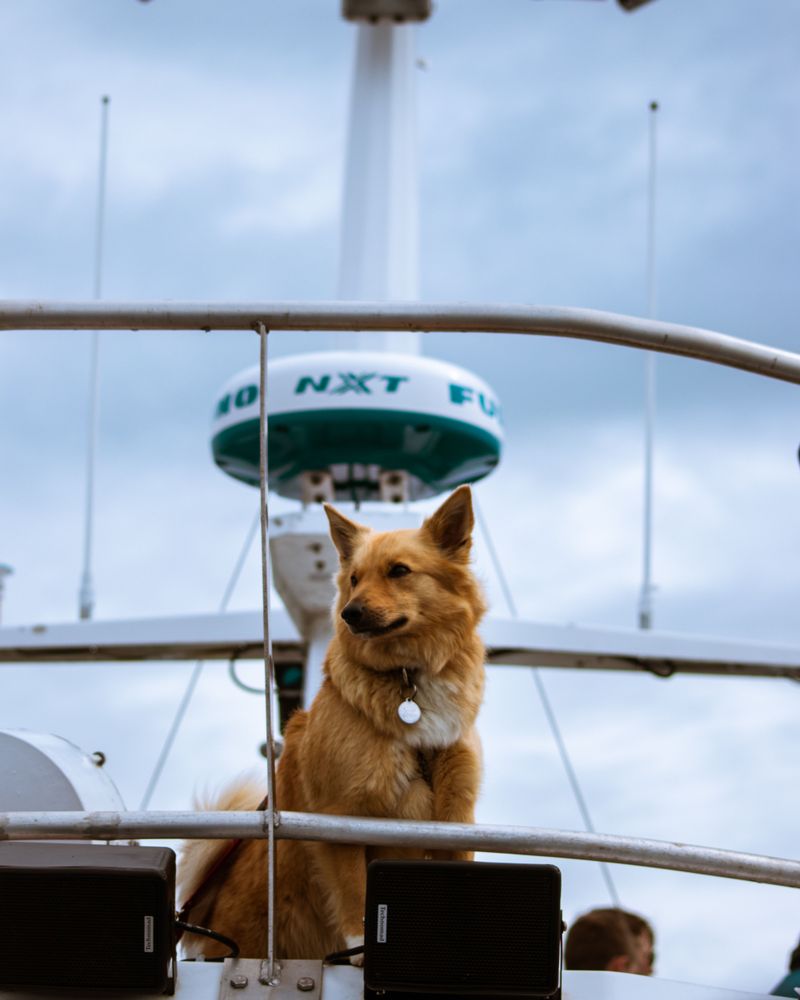
Extra drool can be more than excitement about the shoreline. Motion sickness may cause lip licking, repeated swallowing, yawning, restlessness, or vomiting.
Watch for changes from your dog’s normal behavior throughout the crossing.
Tell the crew if your dog becomes unwell and ask about a suitable resting spot. Consult your veterinarian before travel if sickness has happened before.
Never give human motion sickness medicine without veterinary direction. Keep cleanup supplies handy and seek help for persistent symptoms.
11. Give Nervous Dogs Extra Space
Not every pup wants to be the dock’s social director. Choose a quieter waiting area while keeping boarding announcements within hearing distance.
Let your dog observe people without requiring greetings or close contact.
A familiar mat can provide a comfortable place to settle where permitted. Speak calmly and reward small signs of relaxation, such as soft eyes.
If your dog remains overwhelmed, stepping away may be kinder than boarding. Another day can still hold a better outing.
12. Keep Your Dog Away From Other Pets
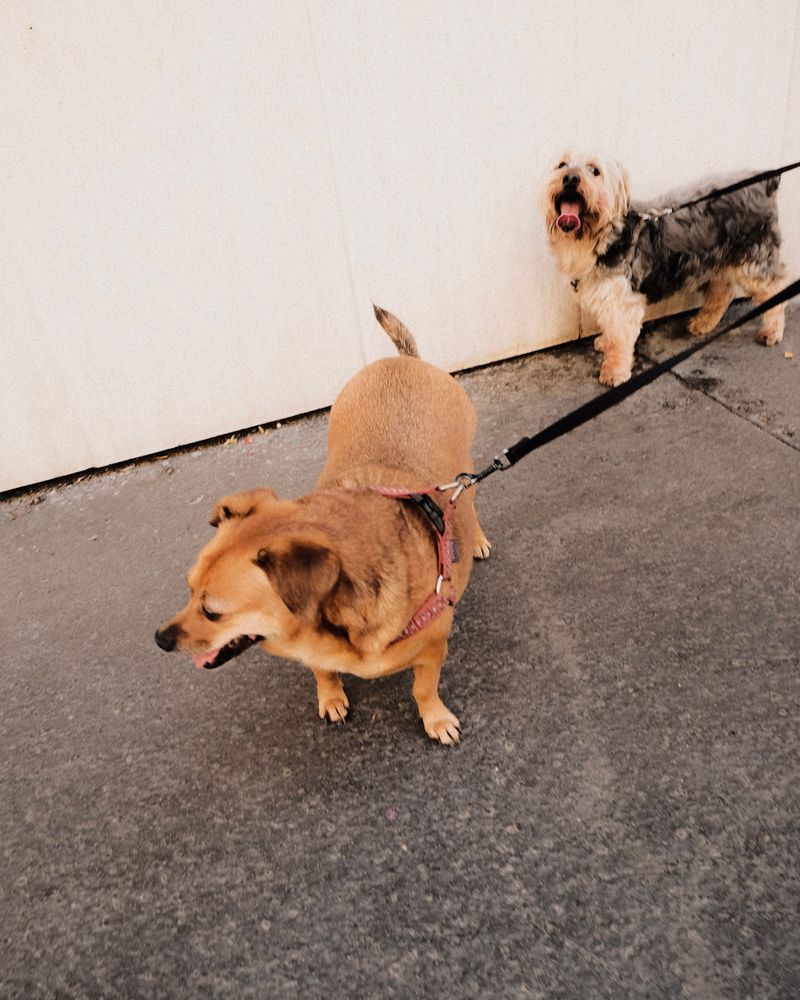
Friendly dogs still need breathing room in a busy queue. Keep enough distance that leashes cannot tangle and noses cannot meet unexpectedly.
Ask before approaching another pet, even if both tails are moving.
Small spaces can make normally relaxed dogs feel protective or uneasy. Avoid shared water bowls and keep treats directed toward your own pup.
If another dog comes close, calmly increase the gap. Your ferry manners should favor peaceful travel over a floating play date.
13. Bring Cleanup Supplies

A tidy little kit earns its place beside your tickets. Pack waste bags, paper towels, an absorbent cloth, and a sealable bag.
Pet safe wipes can help with muddy paws after a shoreline walk.
Ask crew members how to handle accidents rather than washing mess toward deck drains. Use approved bins, never the water or dock edges.
Keep supplies reachable instead of buried beneath luggage. Quick, thoughtful cleanup helps protect the coast and keeps shared spaces pleasant.
14. Protect Paws From Hot Surfaces
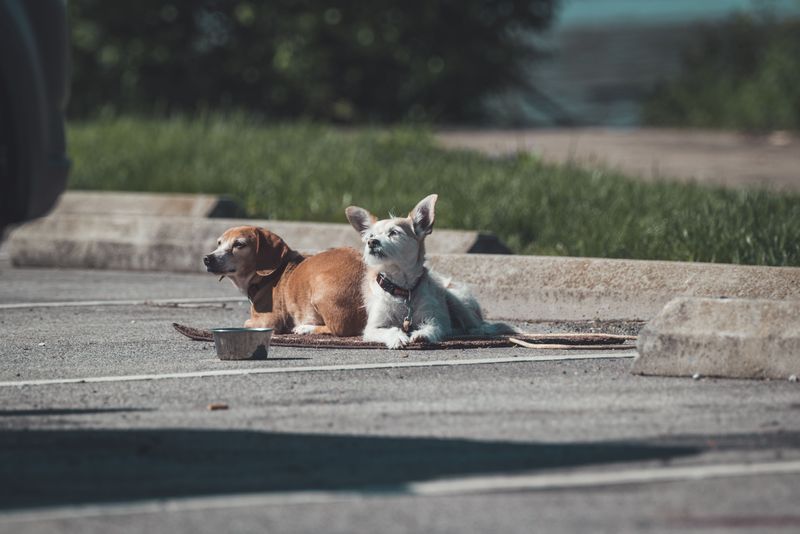
Sunny docks can feel much hotter than the ocean breeze suggests. Check pavement and deck surfaces before asking your dog to stand there.
If they feel uncomfortably hot, move into shade or another permitted area.
Bring a small mat for waiting, provided it does not block walkways. Well fitted boots may help dogs already comfortable wearing them.
Watch for lifted paws, limping, or reluctance to move. Plan cooler departure times when possible, especially during Georgia’s summer heat.
15. Prepare For Changing Coastal Weather

Blue skies at breakfast do not promise a dry return. Check the marine forecast, local weather alerts, and operator updates before leaving.
Wind, storms, or rough conditions can affect ferry operations, so check the operator’s updates before traveling.
Pack a towel and any weather gear your dog comfortably wears. Choose shade in warm weather and shelter when rain arrives, following onboard rules.
Ask how cancellations affect return travel before visiting an island. A flexible schedule leaves room for the coast’s changing mood.
16. Never Leave A Dog Unattended In A Vehicle
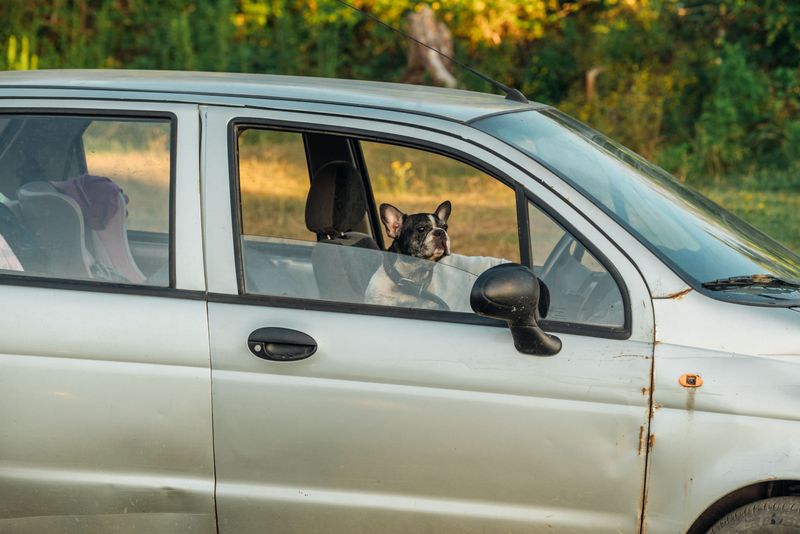
A sea breeze cannot make a parked car reliably safe. Never leave your dog unattended inside a vehicle while waiting or sailing.
Sunshine can raise interior temperatures quickly, even with windows partly open.
Before booking a vehicle crossing, ask whether dogs can leave cars with their owners. Confirm where you may supervise your pet throughout the trip.
If rules prevent safe care, change your plans. Your dog needs your attention, not a promise to return in minutes.
17. Keep Identification On Your Dog
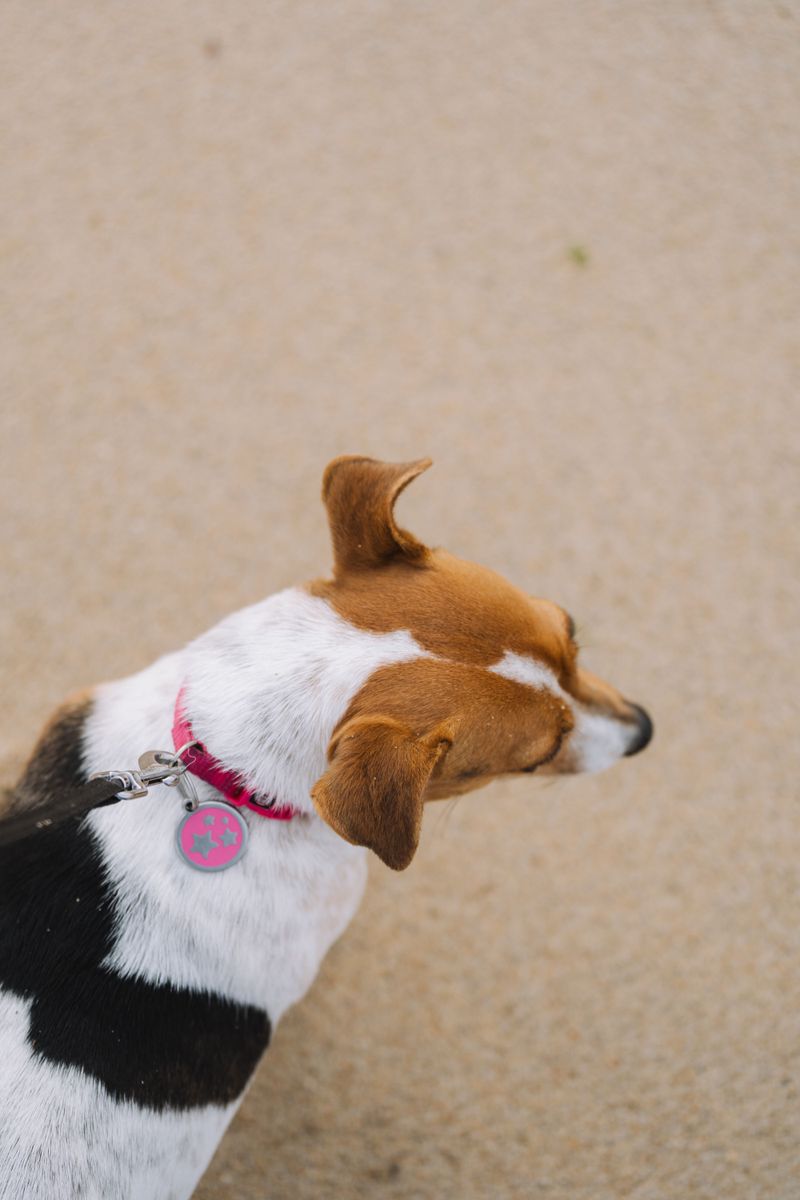
One readable tag can make an unexpected separation less confusing. Attach identification with your current phone number to a secure collar.
Check that the tag remains readable after exposure to sand and salt.
Make sure your dog’s microchip registration also lists current contact details. Carry a recent photo and any health records the operator requires.
Mobile service may be limited around islands, so keep essential information available offline. Identification supports your leash routine rather than replacing it.
18. Have A Simple Ferry-Day Emergency Plan
Good backup plans fit on a small note, not a spreadsheet. Save the ferry operator’s number and nearby veterinary contacts before departure.
Tell a crew member promptly if your dog needs help aboard.
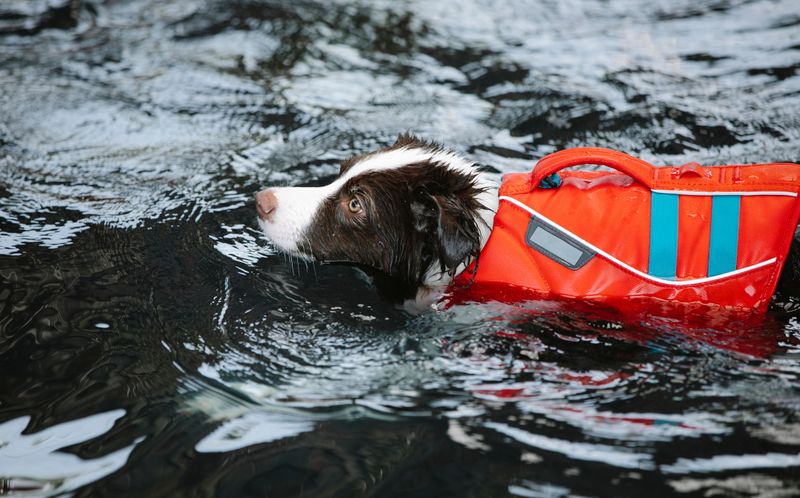
Ask about emergency procedures and consider a properly fitted canine life jacket where appropriate. Never jump into the water after a dog; alert the crew immediately.
Arrange backup lodging or transport for delays. Then grab the leash: a little preparation keeps coastal curiosity sailing.