15 Things Indiana Dog Owners Should Check Before Visiting A State Forest
A forest trail can look simple on a map, but the small details decide how the day goes. In Indiana, dog access, trail uses, camping rules, and conditions can vary by forest and location.
A quick check before leaving home can save you from a closed path or a thirsty pup. Here is what to look up before the leash comes off its hook.
1. Check the Leash Rule Before You Arrive
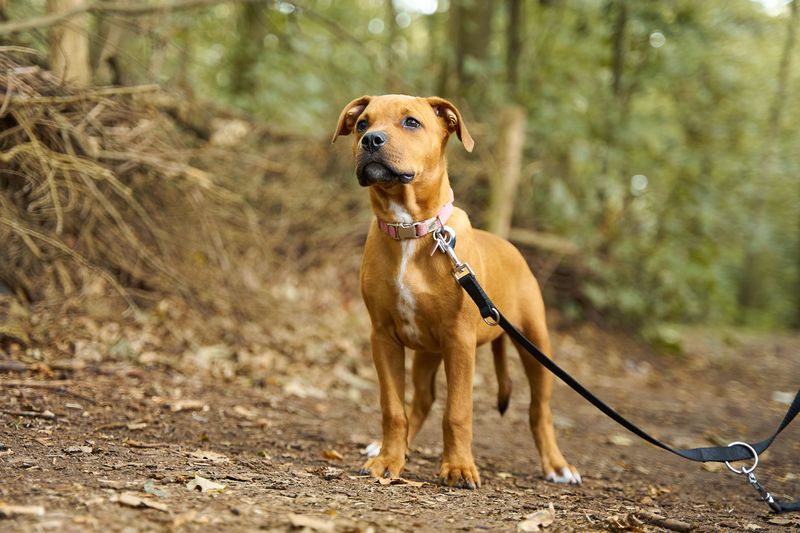
The car door opens, and your dog is ready to explore. Clip on the leash before paws reach the trail.
Indiana state forest regulations require pets to be kept on a leash or caged and attended at all times. Check the current rules for your destination before you arrive.
Bring a leash you can hold comfortably around roots, people, and other animals. A long line may be awkward on narrow paths.
Keeping your dog close makes greetings easier and protects the forest around you.
2. Look Up the Specific Forest’s Rules
One forest website tab can change your whole plan. Before driving, find the Indiana Department of Natural Resources page for the state forest you chose.
Check its pet guidance, office information, permits, and posted visitor rules.
Do not assume a rule from another park applies here. State forests, state parks, and federal forests are managed differently.
If a detail is unclear, call the property office. A quick answer beats a long drive to the wrong entrance.
3. Check Whether Your Trail Allows Dogs
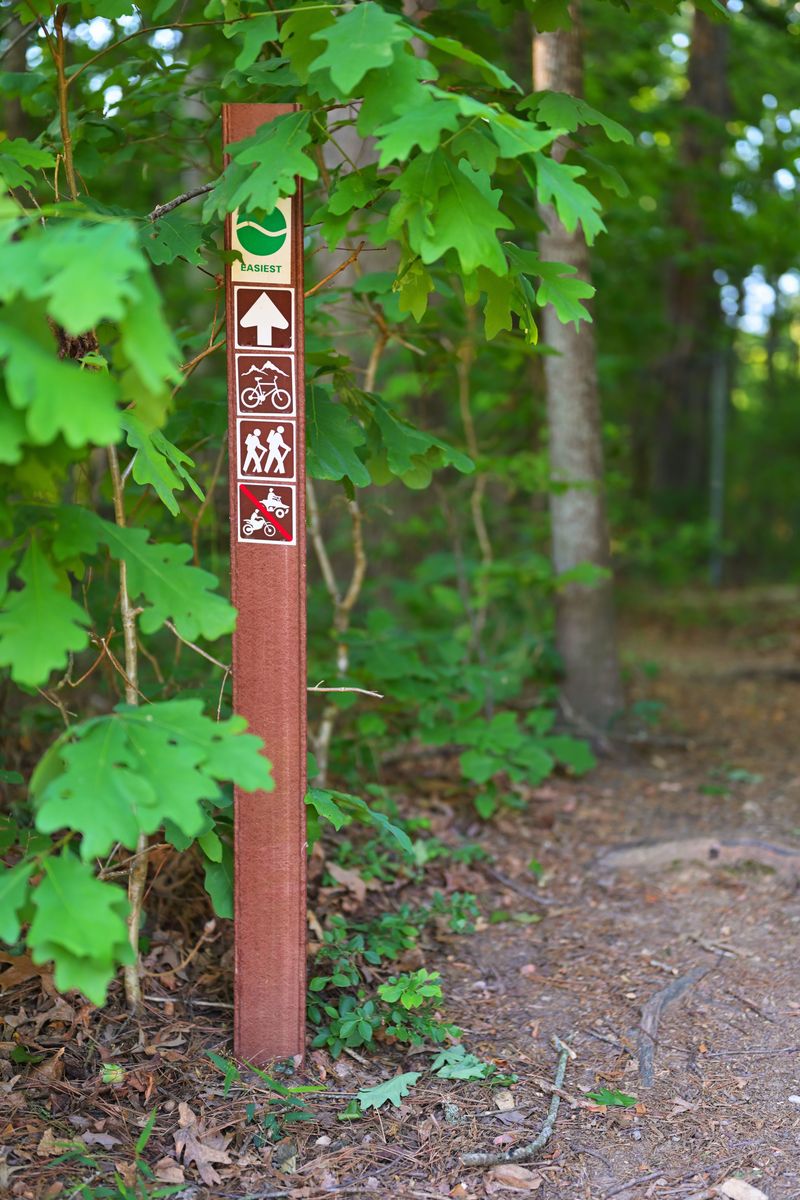
A trail name on a map does not promise dog access. Read the current trail description and signs before choosing your route.
Some paths serve hikers, riders, or other users, and temporary restrictions can change access.
Look for dog guidance at the trailhead, especially near special-use areas. When a sign is missing or confusing, ask forest staff rather than guessing.
Picking a permitted route first keeps your walk relaxed and helps protect places needing extra care.
4. Prepare for Horses and Other Trail Users
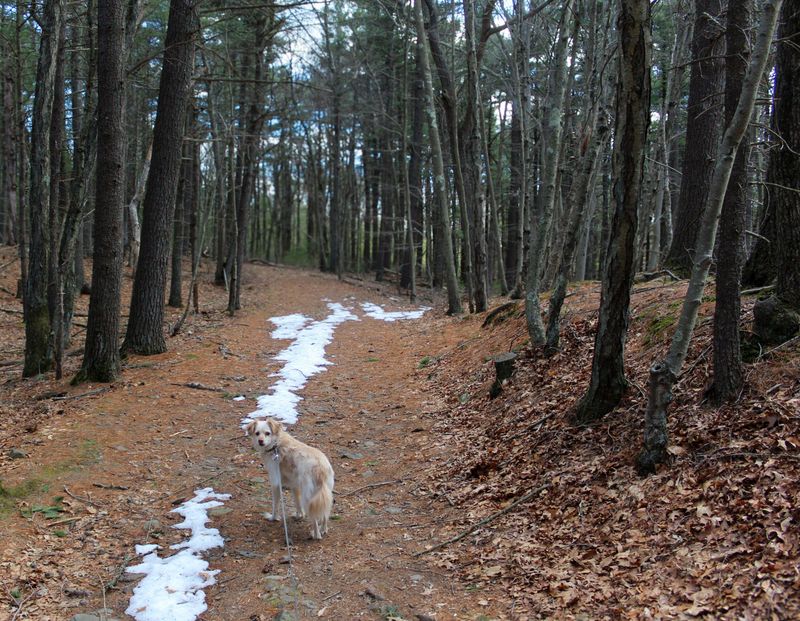
Hoofbeats around a bend can surprise even a steady dog. Check whether your chosen trail is shared with horses, cyclists, or other visitors.
Keep your dog close and give everyone room to pass.
If riders approach, step to a safe spot, hold your dog calmly, and follow their directions. Avoid sudden greetings between dogs and horses.
A little patience at each meeting lets your pup enjoy the scents without becoming the trail’s unexpected traffic director.
5. Check Hunting Seasons Before Your Trip
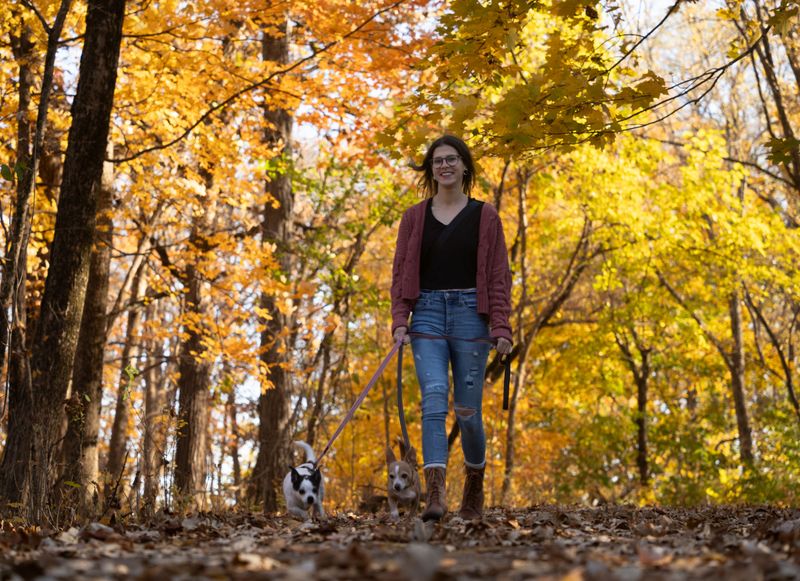
Fall leaves make a lovely backdrop, but they also signal changing forest activity. Indiana state forests may allow hunting under applicable rules.
Check current seasons, property notices, and any area restrictions before selecting a date.
Bright clothing can make you and your dog easier to spot. If hunting activity is a concern, check the specific property’s current rules and notices before choosing your route.
Keep your dog leashed and within sight. Planning around seasonal use makes the outing easier for everyone sharing the woods.
6. Make Sure Your Dog Will Stay Under Control
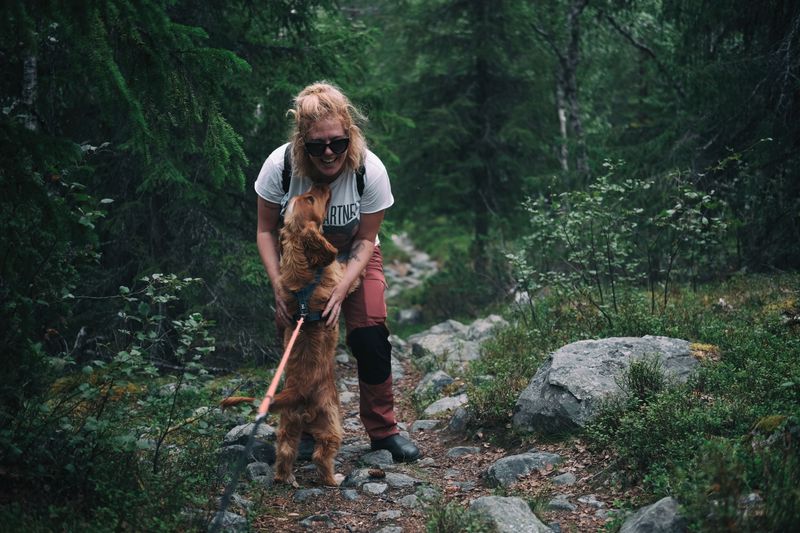
A squirrel can turn a peaceful stroll into a tugging contest. Practice simple cues, including wait and come, before heading into the forest.
A well-fitted collar or harness also helps you keep a secure hold.
Think about how your dog reacts to strangers, horses, and unfamiliar dogs. If greetings cause excitement, create space and move along.
Control means more than holding a leash. It means helping your dog make calm choices when the woods get interesting.
7. Pack Enough Water for the Hike
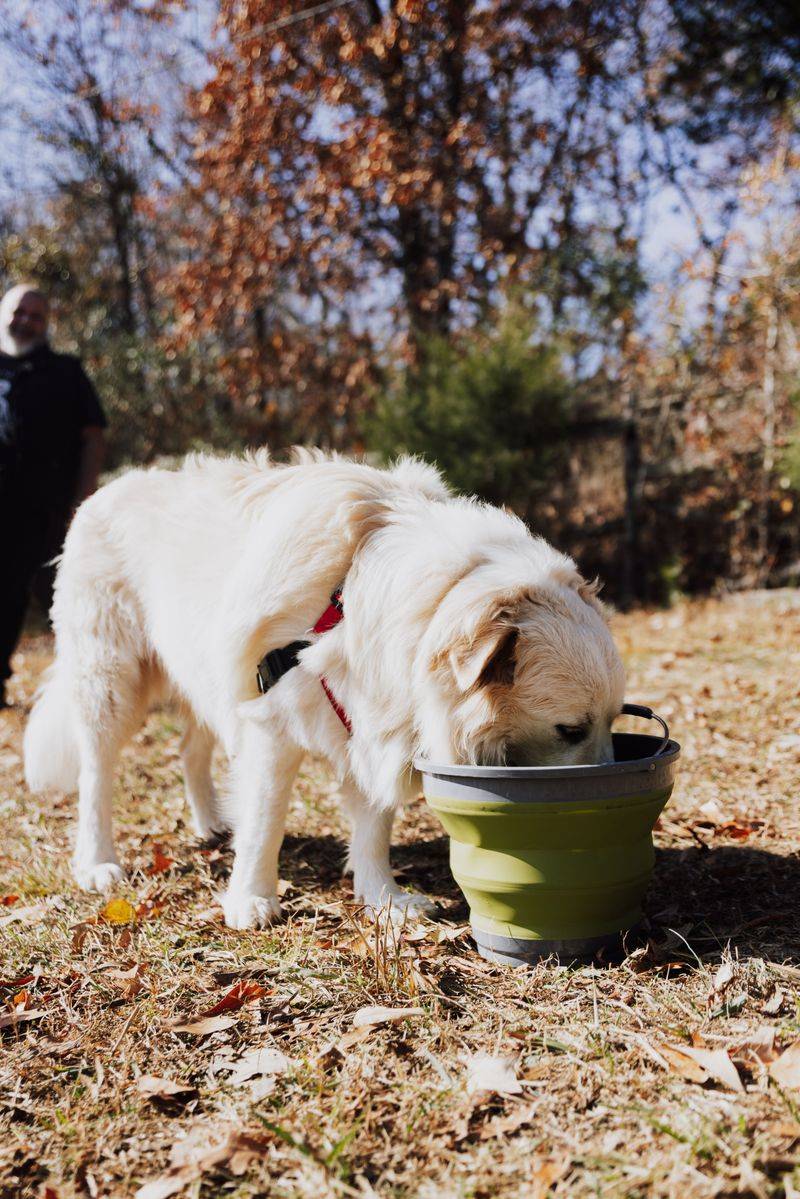
That shady path can still leave a busy dog thirsty. Carry drinking water for both of you, plus a lightweight bowl.
Check the route length and weather before deciding how much to pack.
Do not count on streams or campground taps being available or suitable for drinking. Offer small breaks before your dog starts slowing down.
On warm days, take more water and consider an earlier walk. A simple drink stop can keep the whole outing cheerful.
8. Bring Waste Bags and Plan to Carry Them Out
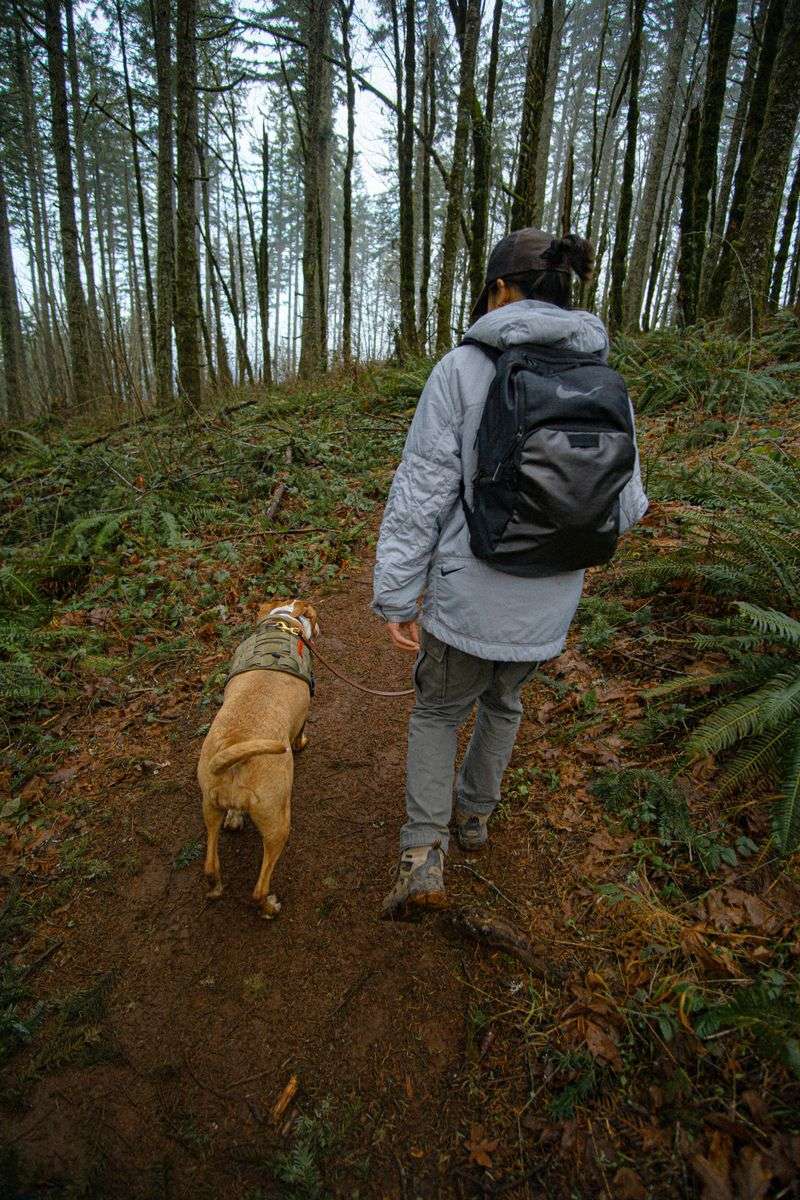
No trash can at the trailhead? Your cleanup plan still needs to work.
Pack more waste bags than you expect to use. Bring a sealed pouch or container for carrying filled bags back.
Pick up after your dog near trails, campsites, and water. Never leave a bag beside the path for later, even if you mean well.
Other visitors and wildlife share this space. Carrying everything out is a small job that keeps the forest pleasant.
9. Check the Weather and Trail Conditions
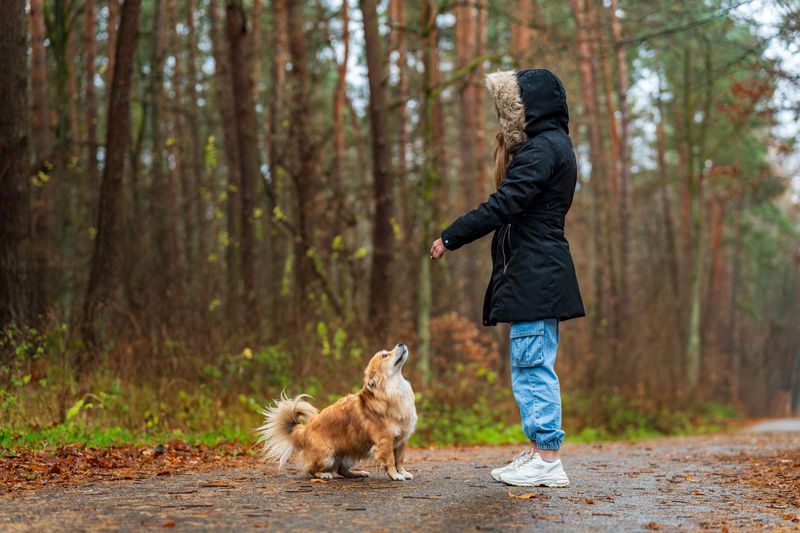
A sunny forecast at breakfast may not match a muddy trail by lunch. Check local weather and recent property updates before leaving.
Rain can make hills slippery, while heat may slow your dog quickly.
Bring footwear and dog gear suited to the conditions. If storms are expected, choose another day instead of pressing on.
Watch your dog for signs of discomfort as you walk. Turning back early is good planning, not a failed forest trip.
10. Keep Your Dog Away From Wildlife
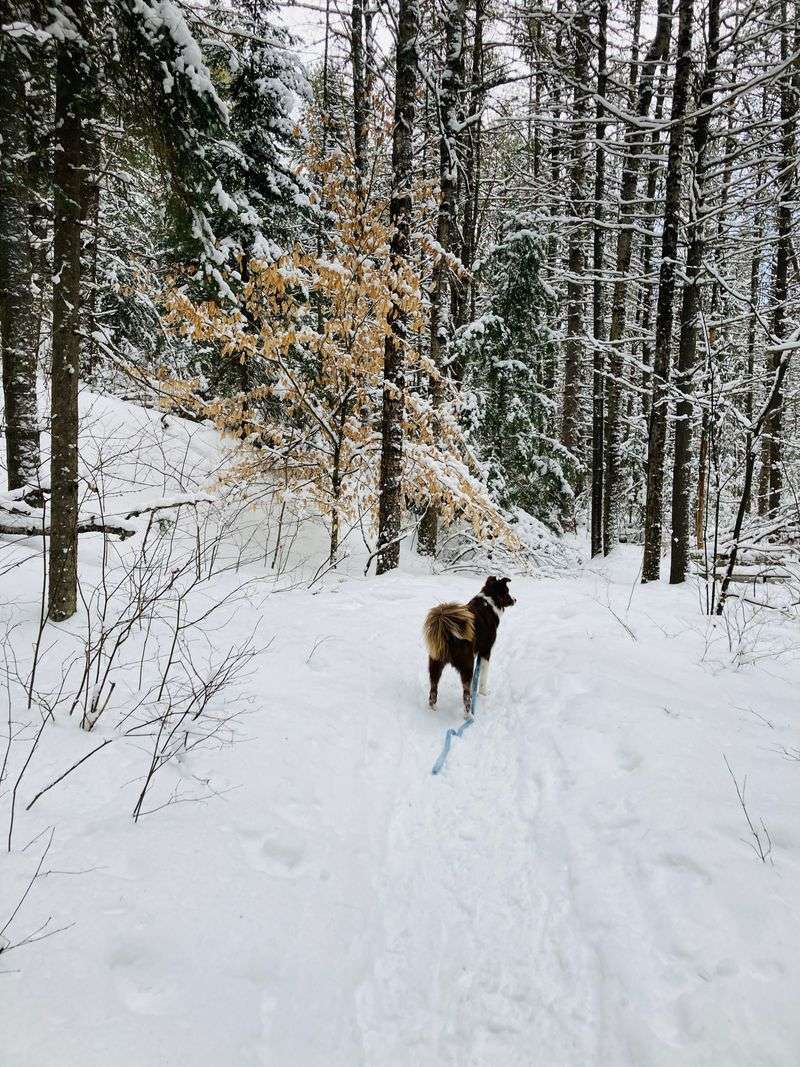
A rustle in the leaves can make your dog’s ears spring upright. Keep the leash short enough to prevent chasing or close approaches.
Forest wildlife needs room to feed, rest, and move without a curious nose nearby.
Do not let your dog investigate nests, dens, or animals along the path. Watch from a distance and continue walking calmly.
You still get a wonderful sighting, and the forest’s residents get the quiet they need.
11. Check Camping Rules If You Plan to Stay Overnight
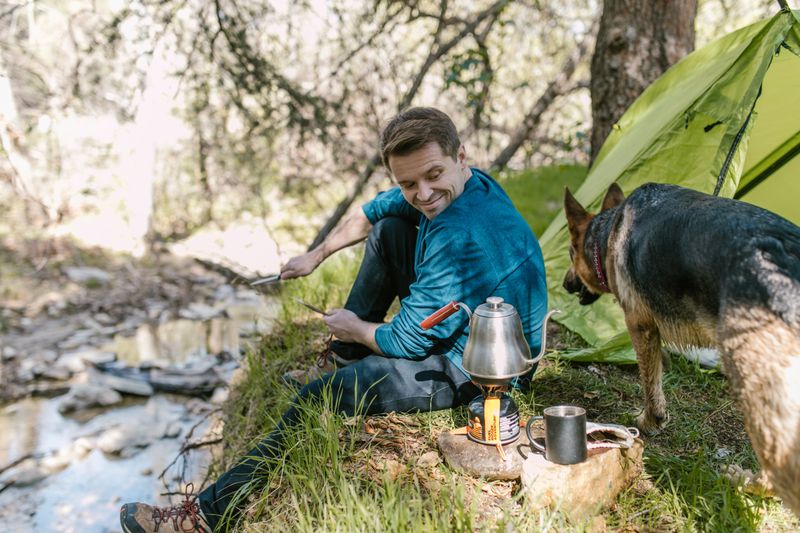
Sunset sounds sweeter when your campsite plans are settled. Check your forest’s current camping locations, fees, permits, and pet rules before packing the tent.
Confirm where dogs may stay and how they must be secured.
Bring bedding, water, and a way to manage waste after dark. Keep food stored according to property guidance.
If your dog struggles with unfamiliar sounds, try a shorter stay first. A little practice makes camp feel like home.
12. Know the Rules for Dispersed Camping With Your Dog
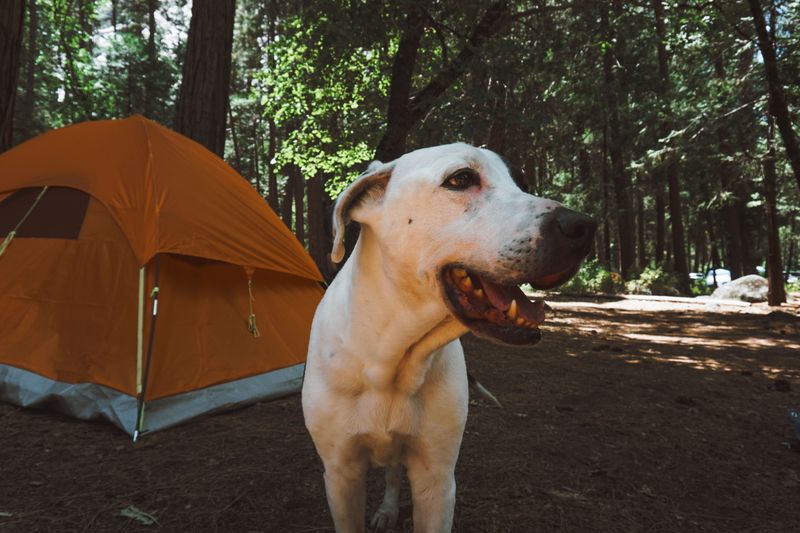
A quiet patch of trees is not automatically a campsite. Dispersed camping rules can differ by Indiana state forest and designated area.
Check the property’s current map and ask staff where overnight stays are allowed.
Find out whether registration or a specific campsite is required. Keep your dog with you and leave the site clean.
Never assume a clearing beside a trail is available. Knowing the boundaries makes your overnight plan easier.
13. Be Ready for Quiet Hours at Camp
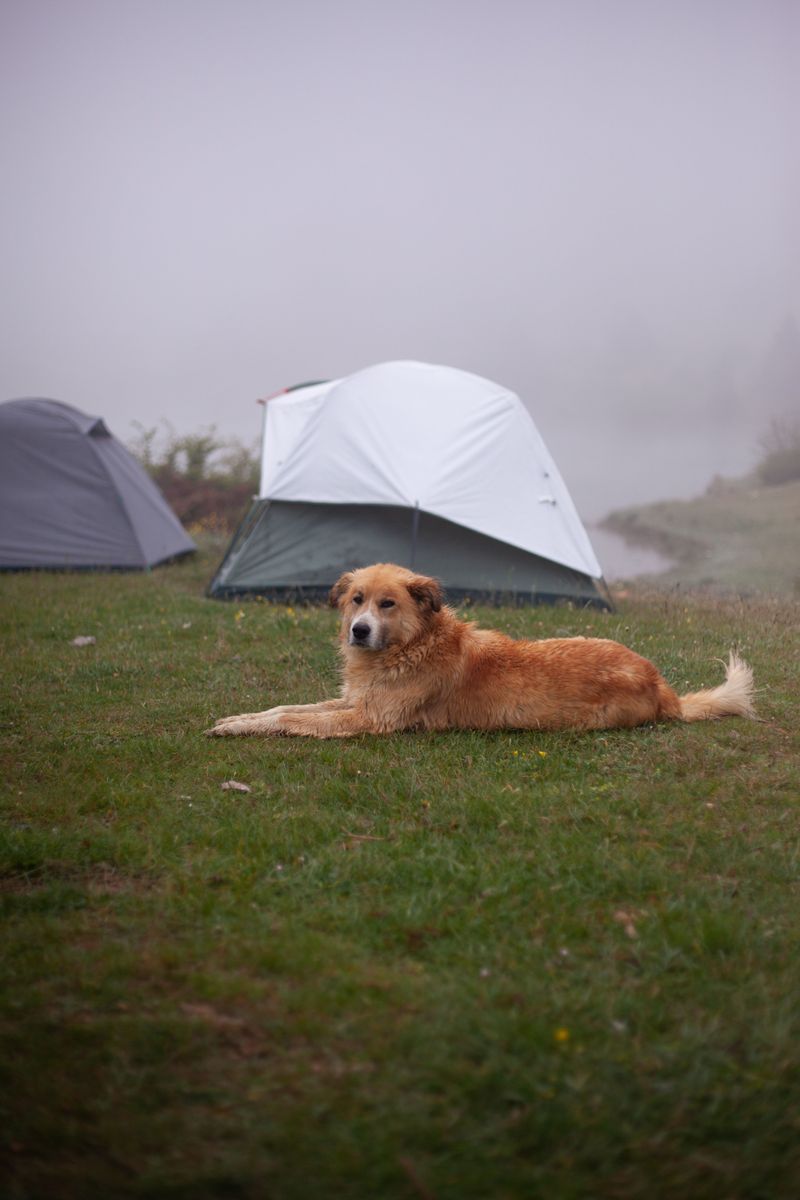
Camp gets still after sunset, and every bark seems louder. Indiana state forest campground quiet hours are generally 11 p.m. to 7 a.m.; Greene-Sullivan State Forest has quiet hours from 10 p.m. to 7 a.m.
Plan a final walk and settle your dog before neighboring campers turn in.
A familiar blanket or chew can help your pup relax in a new place. Keep the leash handy for nighttime trips outside.
If your dog stays upset, give them a calm break away from activity. Good camp manners help everyone sleep.
14. Download a Map Before You Lose Cell Service
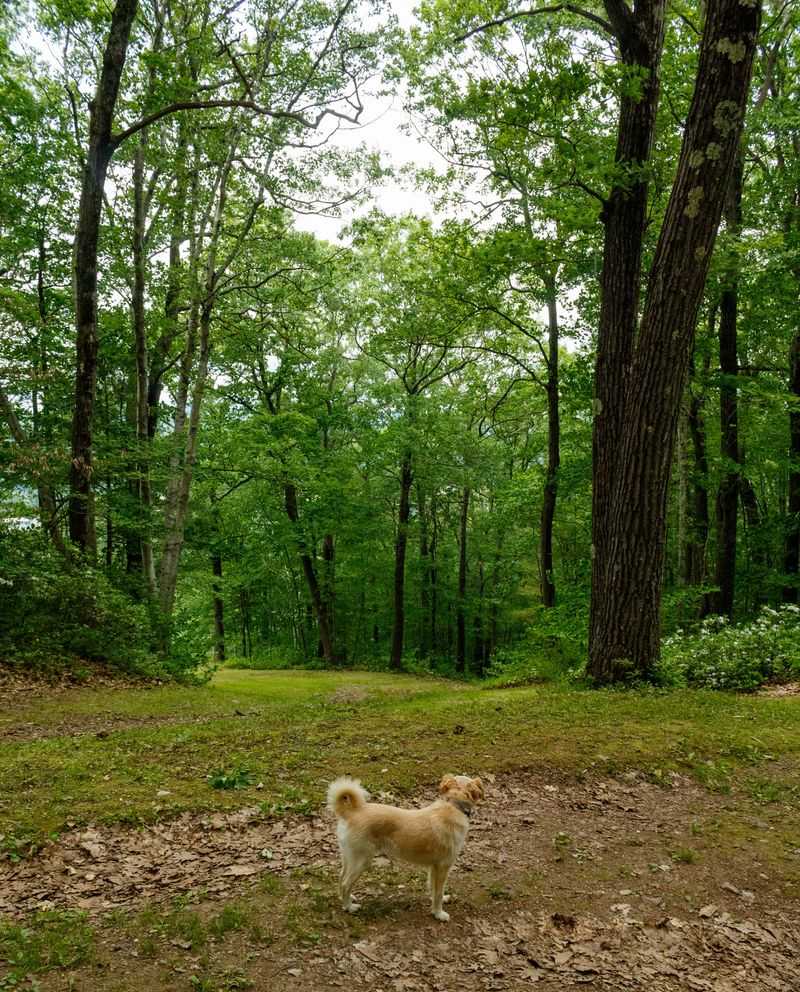
Phone bars can disappear just when two trails meet. Download an official property map before leaving home, and save your route offline.
A paper copy makes a useful backup if your battery runs low.
Mark the parking area and note any trail junctions you expect to pass. Tell someone where you plan to walk and when you should return.
With the route handled, you can focus on your dog instead of a spinning screen.
15. Match the Trail to Your Dog’s Fitness
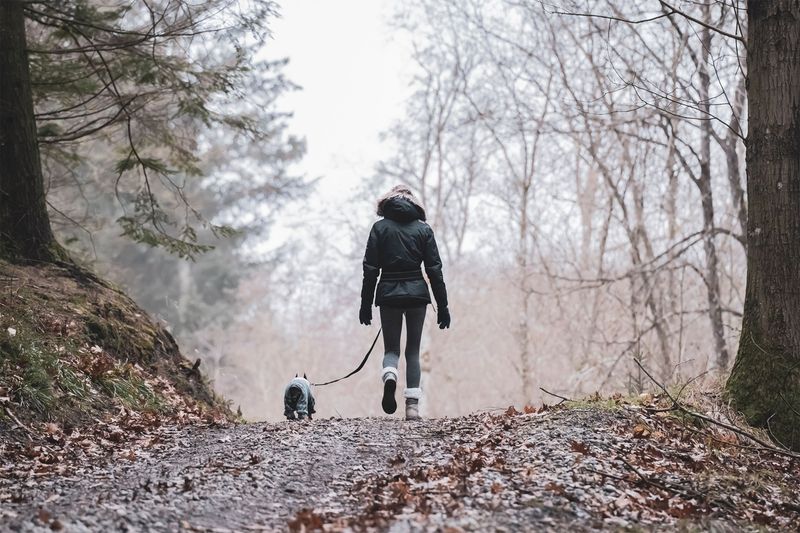
The last hill feels steeper when your dog is tired. Check the trail’s distance, surface, and elevation before committing.
Consider your dog’s age, health, and usual walking routine, not just their excitement at the start.
Begin with an easy route if forest hikes are new. Take breaks, offer water, and turn around while your pup still has energy.
Ready to go? Clip on the leash, choose your trail, and enjoy the woods together.