What Tennessee Dog Owners Should Know About Brown Recluse Spiders In Garages And Sheds
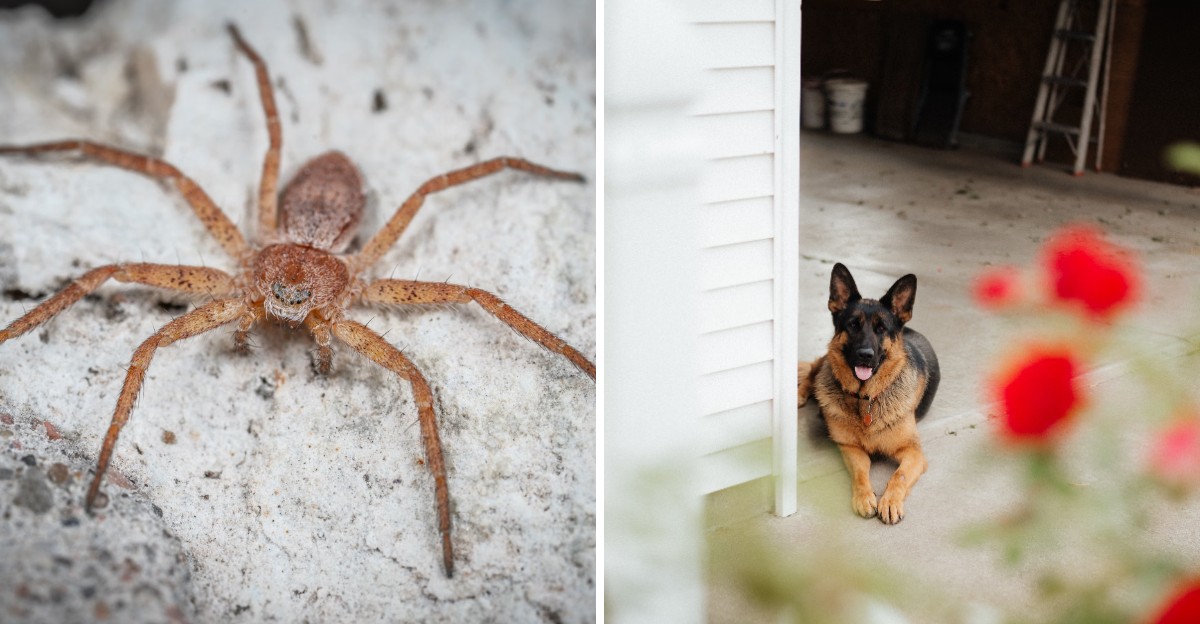
Your dog probably sees the garage as another place to explore, especially when you are working nearby. In Tennessee, brown recluse spiders can share those quiet storage spaces, usually staying tucked away from people and pets.
A few simple habits can reduce surprise encounters without making every corner feel unsafe. Knowing where to look, what to move, and when to call your veterinarian helps you prepare with confidence.
1. Where Brown Recluse Spiders Hide in Garages and Sheds
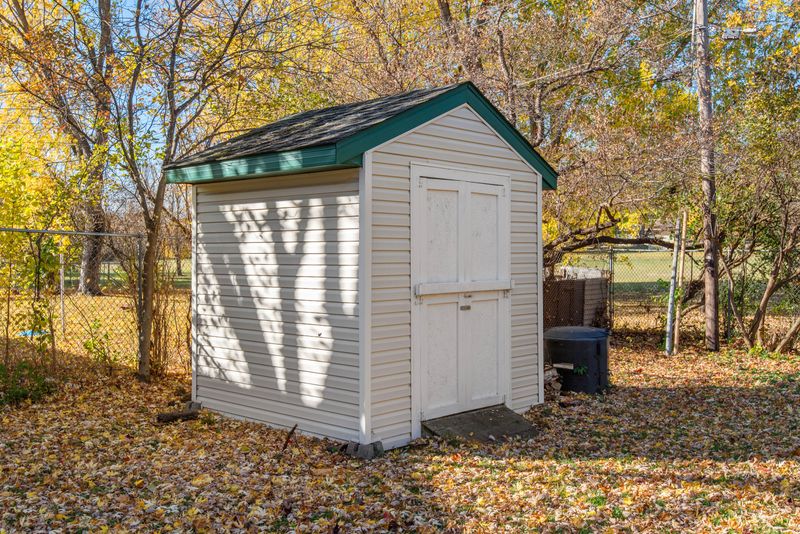
A quiet corner can offer exactly what a brown recluse needs: shelter and little disturbance. Tennessee lies within this spider’s established range, so finding one locally is possible.
Garages and sheds provide hiding places beneath boards, inside boxes, and along wall gaps.
Most encounters happen when stored objects are moved or disturbed. Keep your dog outside during sorting, and inspect sheltered spaces before allowing access.
Regular checks help you notice activity without assuming every corner contains spiders.
2. Why Cardboard Boxes Attract Brown Recluse Spiders

That stack of moving boxes offers more than storage. Cardboard folds, seams, and sheltered spaces provide places where spiders can stay undisturbed.
Boxes left against walls for months deserve particular attention.
Cardboard does not magically summon brown recluses, but it creates useful cover. Replace worn boxes with sturdy plastic bins featuring tight lids.
Inspect each object while transferring it, and keep your dog elsewhere. Avoid carrying unchecked garage boxes directly into rooms where your dog sleeps.
3. How to Recognize a Brown Recluse Spider
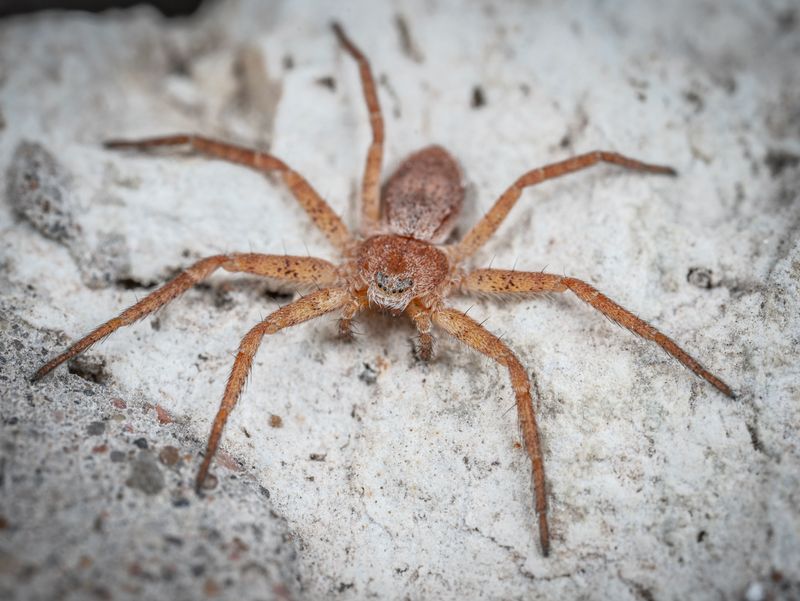
Color alone cannot identify a brown recluse. Adults generally have uniformly colored legs, an unpatterned abdomen, and a darker violin-shaped marking on the front portion of the body, behind the eyes.
Their six eyes form three pairs, unlike most spiders’ eight eyes.
Those details are difficult to confirm safely without magnification. Other spiders also have markings that resemble violins.
Photograph the spider from a safe distance instead of handling it. Ask your county Extension office or a qualified pest professional for identification before choosing treatment.
4. Check Shoes and Work Gloves Before Putting Them On
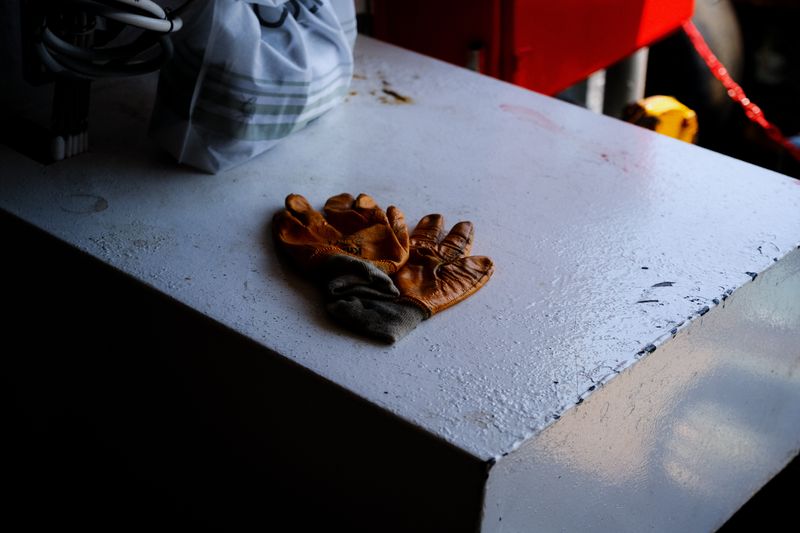
Yesterday’s work boots can become overnight shelter when left untouched. Shoes and gloves offer dark spaces where a spider could become trapped against skin.
Shake them out and inspect them before use.
Never slide bare fingers inside footwear to check for visitors. Use a flashlight, then empty each item away from your dog.
Store clean gloves and spare shoes in closed containers when practical. Apply the same habit to dog coats or harnesses stored in the garage.
5. Look Behind Shelving and Stored Equipment
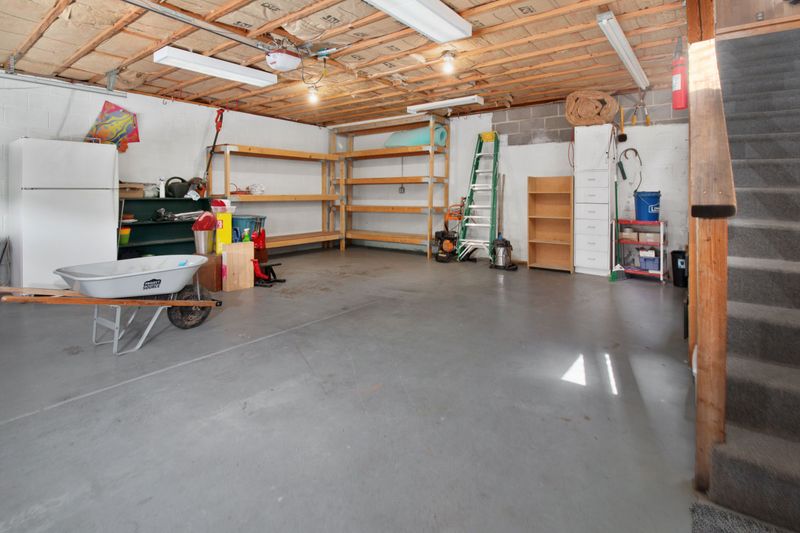
The shelf front may look tidy while the space behind it stays untouched. Narrow gaps around cabinets, tool chests, and parked equipment can shelter spiders.
Inspect those areas with good lighting before moving anything.
Pull lightweight objects forward carefully, keeping hands away from hidden edges. Get help with heavy equipment rather than struggling alone.
Leave enough space around shelving for future checks. Your dog should wait elsewhere until everything is stable and the floor has been cleared.
6. Keep Firewood and Yard Debris Away From Storage Doors

A woodpile beside the shed door makes moving logs convenient, but it also brings sheltered spaces close to entryways. Loose boards, leaf piles, and unused pots create similar cover.
Clear the approach so you can see where your dog walks.
Store firewood away from buildings when practical, preferably on a raised rack. Inspect individual pieces before bringing them indoors.
Wear gloves while moving debris, and prevent your dog from pushing its nose into piles during cleanup work.
7. Seal Gaps Around Garage Doors and Shed Walls

Daylight beneath a closed garage door can reveal an easy entry route. Damaged weather stripping, wall cracks, and gaps around pipes deserve a closer look.
Closing these openings helps limit spiders and the insects they eat.
Choose materials suited to each opening, following product directions. Repair torn screens and replace worn door sweeps when needed.
Never block required vents or drainage openings. For larger repairs, ask a qualified contractor how to seal gaps without creating moisture problems indoors.
8. Reduce Clutter to Limit Spider Hiding Places

Less clutter means fewer places to hide and fewer surprises during weekend chores. Start with one manageable area instead of emptying the entire shed.
Remove unused packaging, sort loose materials, and place belongings in labeled containers.
Keep frequently used items easy to reach without shifting several piles. Raised storage can improve visibility, although spiders may still climb onto shelves.
Plan brief seasonal checks so clutter does not quietly return. A clear walkway also helps prevent trips around pets.
9. Wear Protective Clothing When Cleaning Storage Areas

Cleaning clothes should protect more than your favorite shirt. Long pants, closed shoes, long sleeves, and sturdy work gloves help reduce exposed skin.
They do not make handling spiders safe, so avoid direct contact.
Inspect your clothing and gloves before getting dressed, especially if they were stored nearby. Move boxes slowly rather than hugging them against your body.
After cleaning, check your clothing before entering the house. Keep your dog separated until disturbed storage has been checked carefully.
10. Use a Flashlight Instead of Reaching Into Dark Spaces

A dropped tennis ball can tempt anyone to reach under a workbench without looking. Pause and light the space first.
Brown recluses generally avoid contact, but pressure against their bodies can lead to defensive bites.
Use a suitable tool to retrieve objects instead of reaching blindly. Avoid poking at any spider you find.
Move your dog away before recovering toys from hidden corners. Good lighting makes routine tasks easier and helps you spot loose nails or sharp edges.
11. What Tennessee Dog Owners Should Check Before Letting Dogs Inside
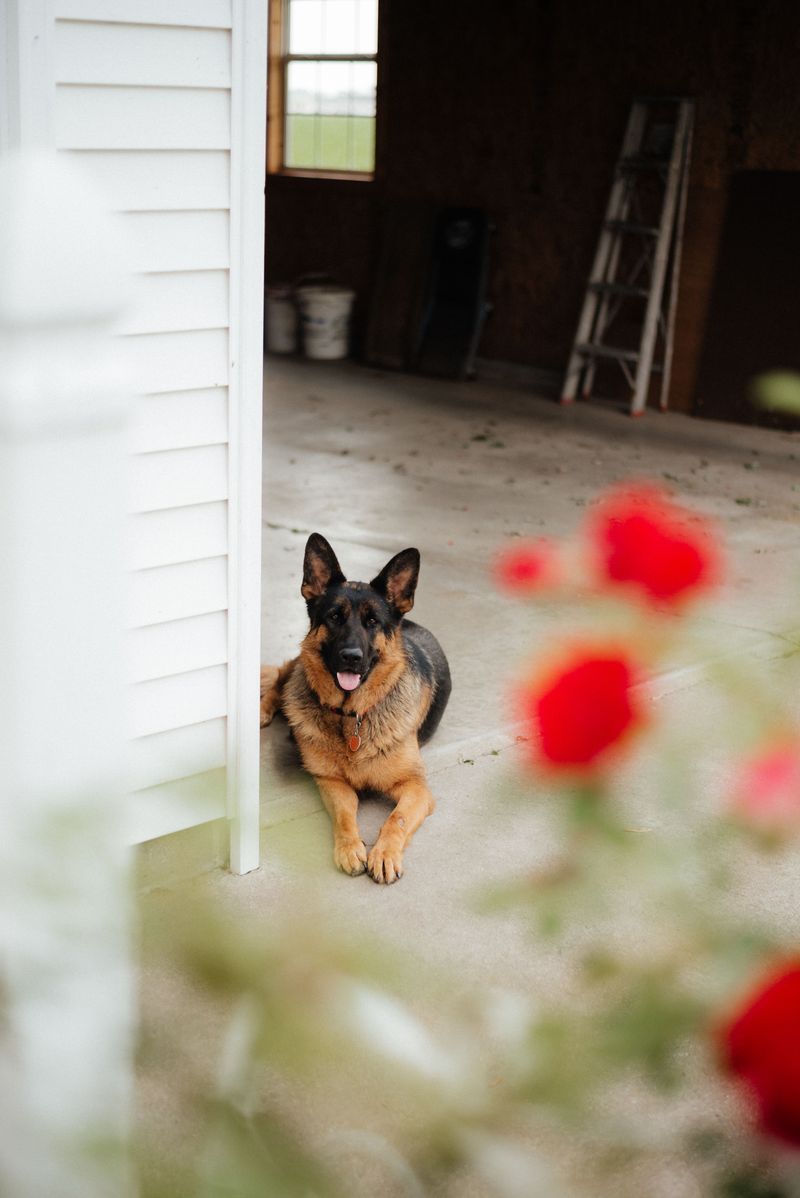
Before opening the gate, take a quick walk through the garage yourself. Look for disturbed boxes, loose clutter, visible spiders, and accessible traps or chemicals.
Check the route your dog usually follows, including favorite sniffing spots.
Supervise visits rather than letting your pet explore storage areas alone. Curious noses can reach places your eyes miss.
If you notice repeated spider activity, pause access while arranging identification and cleanup. A garage inspection should also include antifreeze, tools, and other hazards.
12. Keep Dog Beds, Food, and Toys Away From Spider Hiding Spots
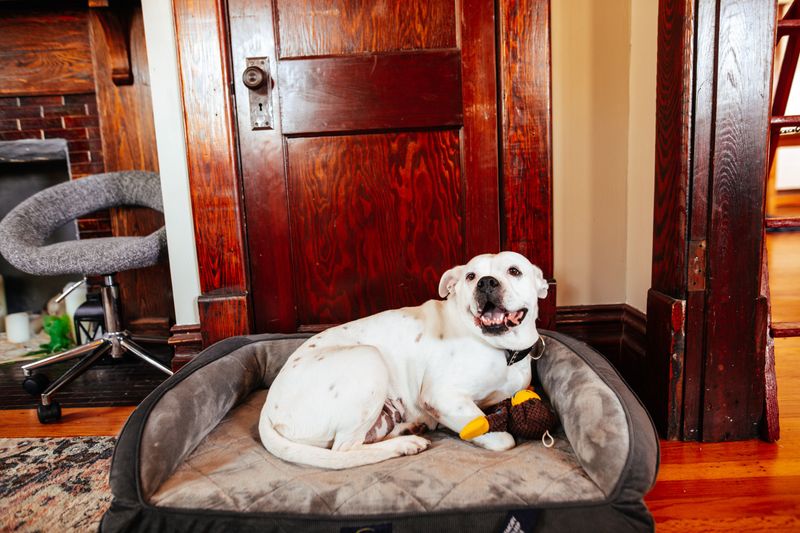
Your dog’s belongings deserve cleaner quarters than the space beside old lumber. Keep bedding and fabric toys in clean, enclosed areas rather than near boxes, lumber, and other undisturbed storage.
Keep resting areas away from walls, stacked boxes, and rarely moved equipment.
Store food in a closed container and clean spilled kibble promptly. Food scraps can support insects that spiders hunt.
Wash bedding regularly and inspect toys before play. Whenever possible, choose a comfortable indoor resting spot rather than leaving your dog unattended in storage buildings.
13. Recognize Possible Brown Recluse Bites in Dogs
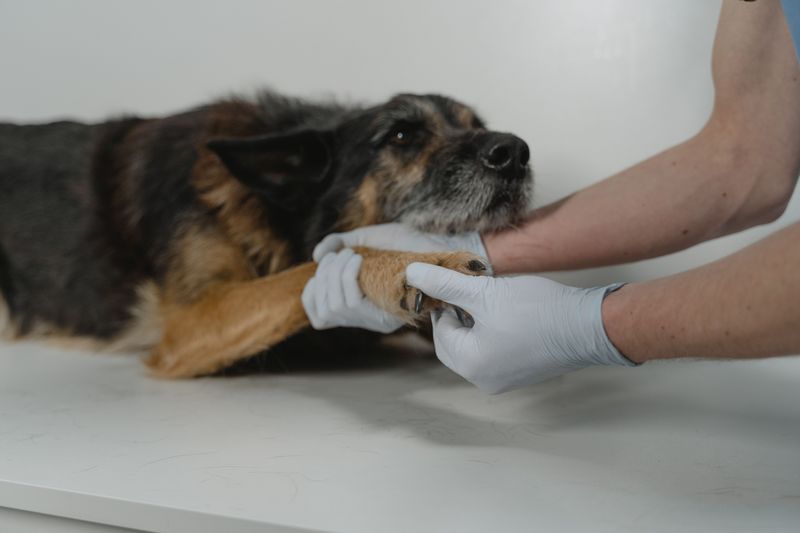
A bite may go unnoticed at first, and signs can develop over time. Possible changes include tenderness, redness, swelling, or a skin sore.
Dogs may lick one spot, limp, or seem unusually quiet.
None of those signs proves a brown recluse was responsible. Fever, vomiting, weakness, or pale gums need urgent veterinary advice, whatever the cause.
Note when changes began and photograph the area without squeezing it. Prevent licking while contacting your veterinarian for safe next steps promptly.
14. Know When a Suspected Bite Needs Veterinary Attention
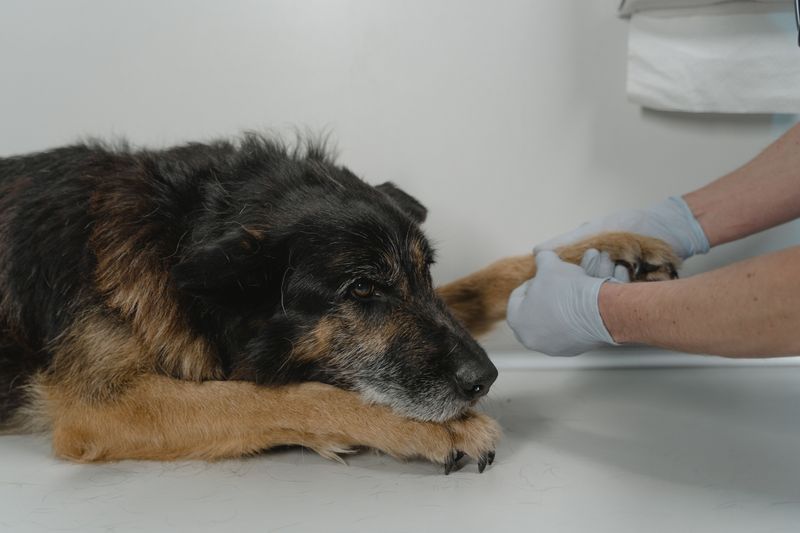
Call your veterinarian promptly if you suspect a brown recluse bite, even when the skin change seems small. Worsening swelling, increasing discomfort, or an expanding sore needs timely assessment.
Trouble breathing, collapse, marked weakness, or pale gums require emergency care.
Keep your dog calm while arranging help. Do not give human pain medicines or apply home remedies.
Bring photos and any safely obtained identification information. Never delay veterinary care while searching the garage for a spider to identify.
15. Avoid Treating Every Skin Wound as a Spider Bite
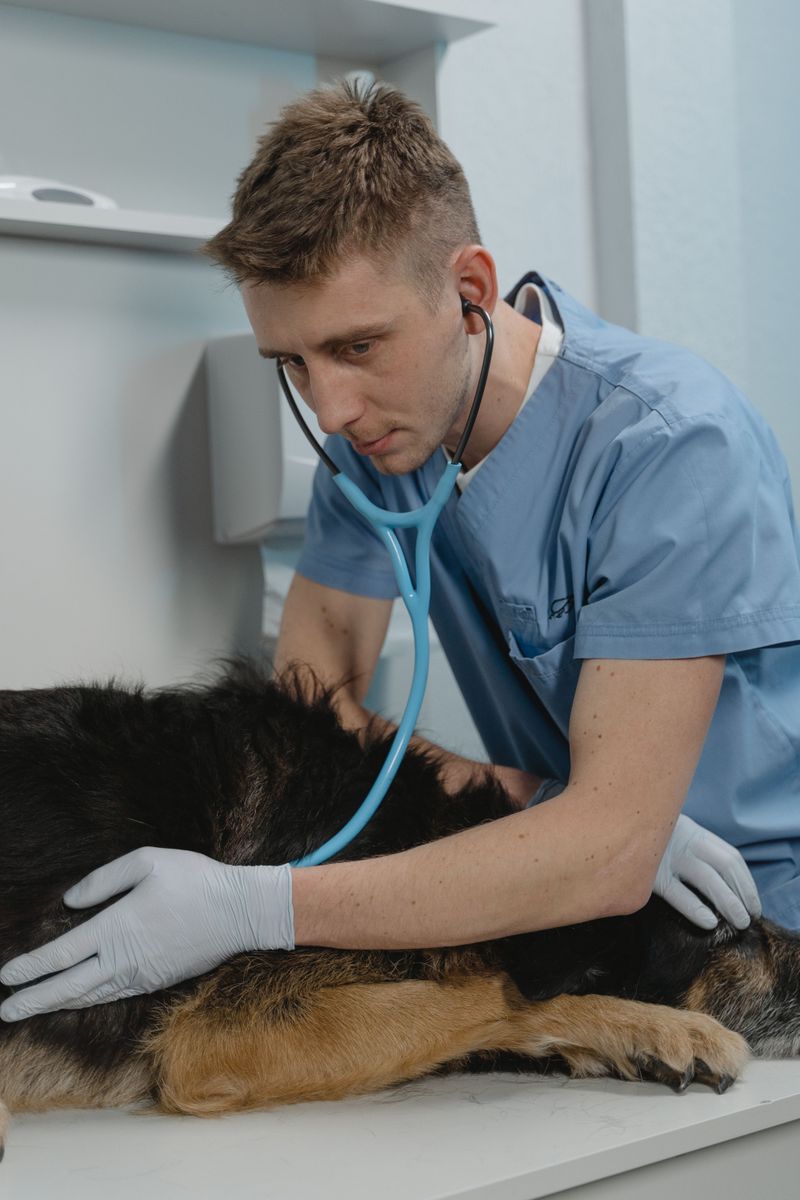
Finding a sore after a garage visit does not establish the cause. Allergies, infections, scratches, and other problems can resemble suspected spider bites.
Many bites are never witnessed, making confident identification difficult.
Tell your veterinarian what you actually observed rather than guessing. Mention recent activities, new products, and changes in appetite or behavior.
Testing or a closer skin exam may reveal another explanation. Getting the cause right helps your dog receive appropriate care without unnecessary spider treatments nearby.
16. Why Spraying Random Insecticides Can Create New Problems

A spray can is not a substitute for identifying the problem. Products may miss hidden spiders while leaving residues where dogs walk or lick.
Foggers often fail to reach protected hiding places effectively.
Use only products labeled for the intended pest and location. Follow every direction, including pet removal and reentry instructions.
Never apply household insecticides to your dog. Keep traps beyond paws and noses, and ask your veterinarian promptly about any suspected exposure before trying home treatments.
17. When to Call a Pest Control Professional

Repeated sightings or spiders found across several rooms deserve professional attention. Choose a licensed Tennessee pest company experienced with brown recluse identification and control.
Ask about inspection, monitoring, clutter reduction, and targeted treatment rather than spraying alone.
Explain where your dog sleeps and which areas it can reach. Request clear instructions for keeping pets away during treatment and afterward.
You do not need a spotless shed overnight. Look first, tidy steadily, and call for help when something seems wrong.