15 TVA Recreation-Area Signs And Restrictions Tennessee Dog Owners Should Read
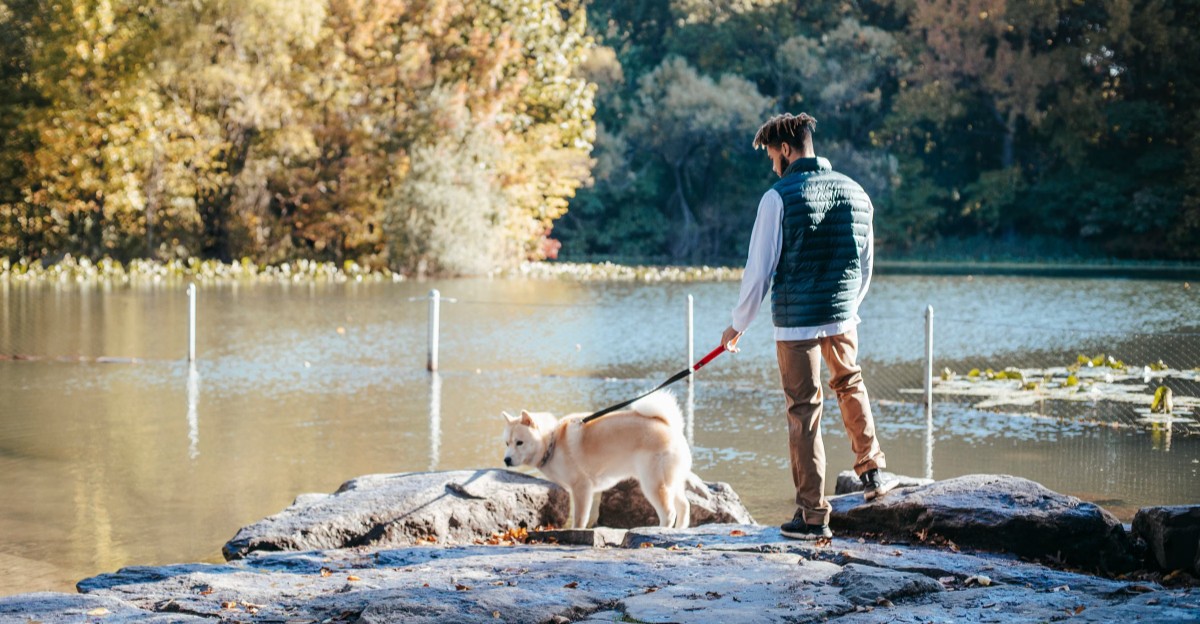
A lake outing with your dog should feel easy, but a few posted rules can shape your whole visit. Across Tennessee, TVA recreation areas have pet restrictions that deserve a quick look before you unload the car.
Some apply broadly, while others depend on the location or its operator. Knowing which signs to check helps you choose a welcoming spot, pack wisely, and enjoy the day with fewer surprises.
1. TVA Pet-Access Signs Can Mean Different Things at Different Locations
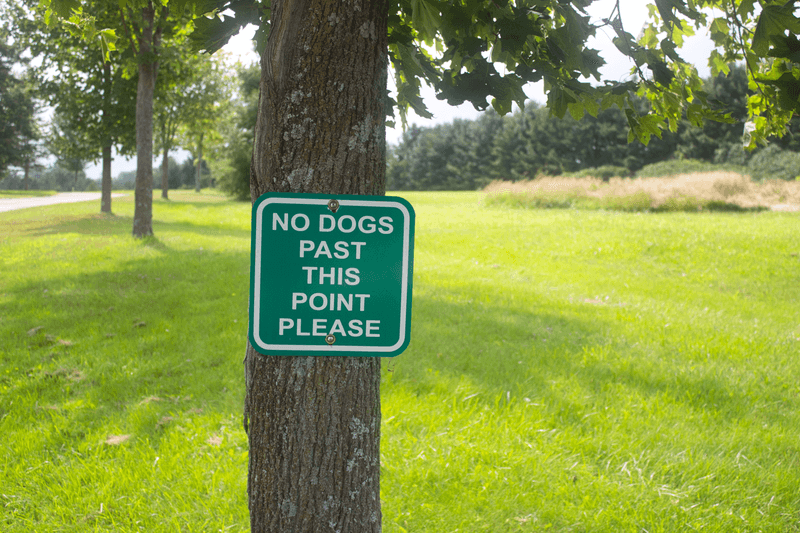
A familiar TVA logo does not guarantee familiar pet rules. Reservoir properties may include TVA facilities, leased campgrounds, and areas managed by other organizations.
Each destination needs its own check.
Read the entrance board before opening your dog’s door. Then look for additional signs near trails, picnic spaces, and water access.
If instructions seem unclear, contact the listed operator. Never assume permission at one shoreline carries over to another nearby recreation area, even on the same reservoir.
2. Boone Dam Reservation Has a Special Pet Restriction

Planning a stop near Boone Lake takes an extra pet check. TVA identifies Boone Dam Reservation as a location where pets are prohibited.
Do not assume a leash makes entry acceptable.
Check TVA’s current Boone visitor information before traveling, and confirm the restriction’s boundaries with staff when needed. Nearby properties may follow different rules.
Service animal access involves separate legal protections, so ask about applicable access requirements rather than treating every animal as an ordinary visiting pet.
3. Leash Requirements Still Matter at Recreation Areas
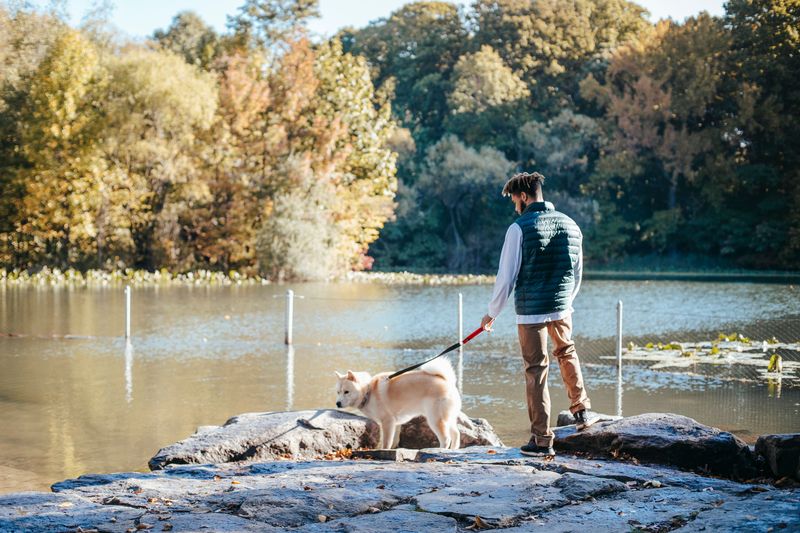
Even a reliable dog needs a leash where the rules require one. TVA recreation guidance calls for pets to remain leashed in areas where they are allowed.
Keep the leash in your hand and your dog close around passing visitors. A friendly greeting still needs the other person’s permission.
If your dog becomes excited near wildlife or other pets, create space early. Choose a quieter route instead of testing obedience beside a crowded lakeside gathering spot.
4. Pick-Up-After-Your-Dog Signs Are More Than Courtesy Reminders
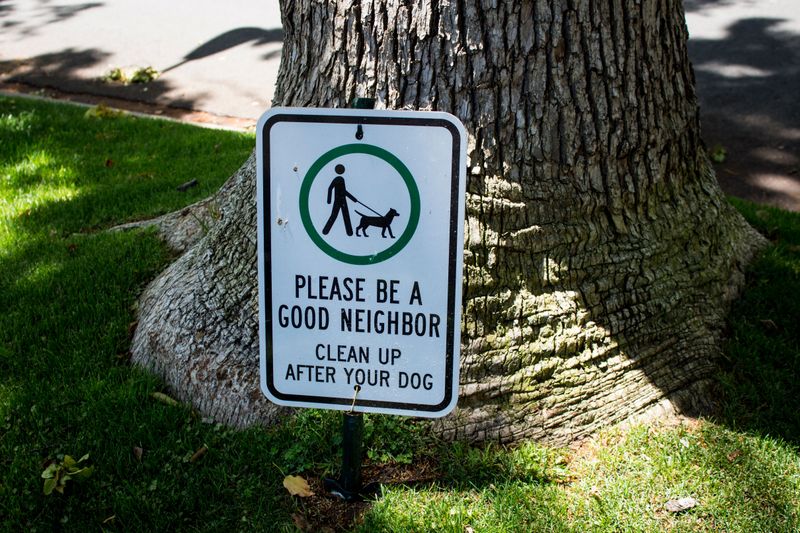
One forgotten bag can turn a pleasant walking path into someone else’s problem. Follow posted cleanup requirements whenever your dog visits an allowed area.
Carry several bags, even for a short stop, and collect waste promptly. Place sealed bags in a permitted trash container, or take them home when disposal is unavailable.
Leaving a bag beside the trail still leaves waste behind. Pack a small sealed container if you prefer keeping used bags separate from your gear.
5. TVA Swim Beaches Are Off-Limits to Pets
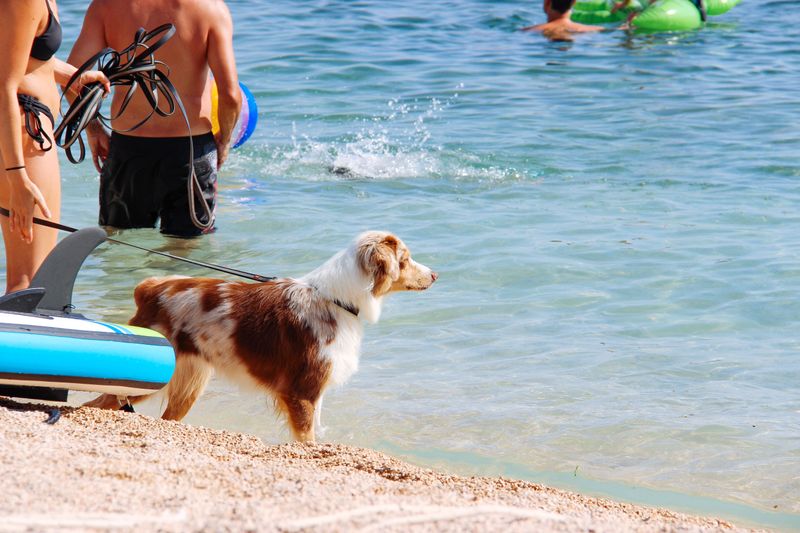
That sandy swimming spot may look inviting, but designated TVA swim beaches do not allow pets. A leash does not remove the restriction.
Read beach entrance signs before approaching the sand or marked swimming area. Do not assume nearby grass or shoreline provides an approved workaround.
Ask staff where dogs may legally access the water, if anywhere. Bring drinking water and choose an allowed walking area when beach access is unavailable.
Everyone can still enjoy a refreshing outing.
6. Picnic-Area Signs May Restrict Where Dogs Can Go

A shady table is not always an approved place for your dog. TVA pet guidance includes restrictions for picnic areas, so check signs before settling down.
Ask the operator whether any nearby space allows pets without entering the restricted picnic area. Keep food and dog supplies organized while you confirm your options.
Never tie a leash to a table and assume that solves access concerns. Planning an allowed snack stop beforehand makes lunchtime much easier for everyone.
7. Bathroom and Building Restrictions Apply Too

Quick indoor stops require a little teamwork when you bring a pet. TVA guidance restricts pets from restrooms and other public buildings.
Arrange for another responsible adult to stay outside with your dog where pets are allowed. Avoid leaving your dog tied near an entrance or waiting inside a parked vehicle.
Service animals follow different access rules under applicable law. If you need assistance understanding those rules, contact facility staff before your visit and discuss your specific needs.
8. Six-Foot Leash Limits Are Worth Checking
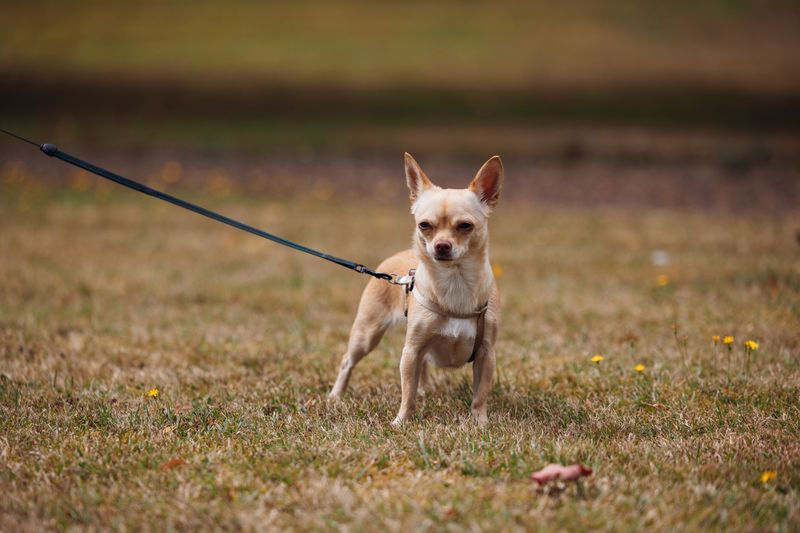
A long retractable lead can stretch beyond a posted leash limit. Some campground operators specify a maximum length, commonly six feet, rather than simply requiring restraint.
Check the exact rule for your destination instead of assuming one length applies across TVA properties. Bring a standard six-foot leash as a practical option.
Shorten your hold when passing others, while leaving comfortable slack. A dog should not reach another campsite, walkway, or visitor simply because the leash extends that far.
9. Campground Pet Limits Can Differ From Day-Use Rules
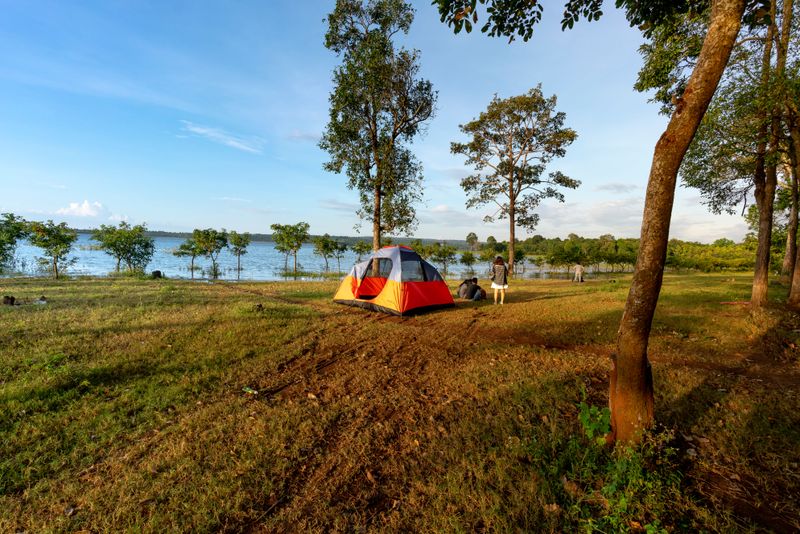
Booking a campsite does not automatically settle every question about your dog. Campgrounds around TVA reservoirs may have operators with their own pet policies.
Before paying, check animal limits, approved accommodations, leash rules, and any additional conditions. Cabin policies can differ from tent or RV site policies.
Save the current rules with your reservation details. If a booking page says pets are welcome, still read the full policy before assuming every campground space allows your traveling companion.
10. Unattended-Dog Restrictions Matter at Campsites
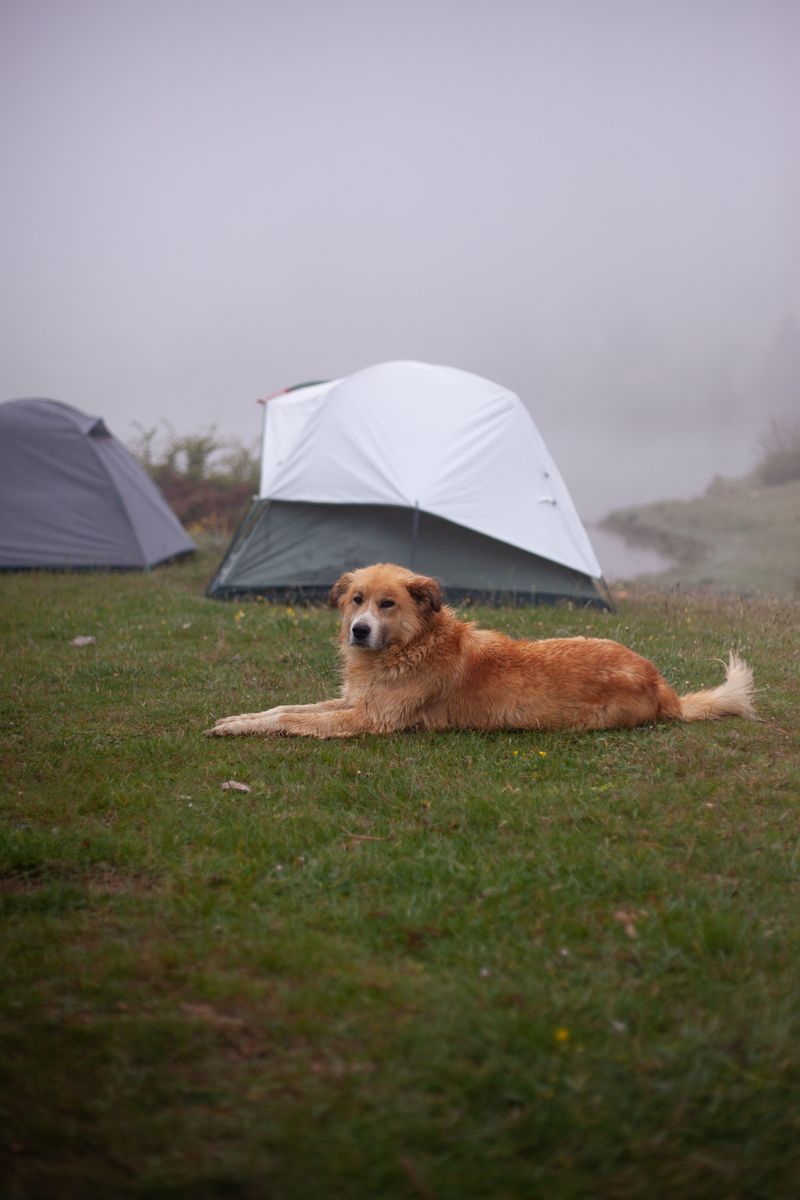
A campsite is temporary lodging, not a place to leave your dog behind. Many campground policies prohibit leaving pets unattended, and exact wording varies by operator.
Check whether restrictions also cover animals inside vehicles, tents, or RVs. Do not assume air conditioning creates an exception.
Arrange walks, showers, and errands so a responsible person remains available. If your plans include an activity dogs cannot join, organize suitable care before arriving rather than improvising after the campground has filled.
11. Dangerous or Nuisance Animal Signs Should Not Be Ignored
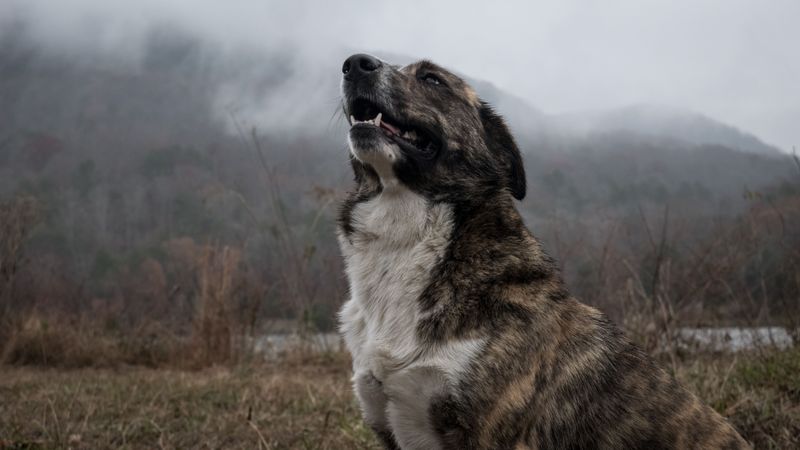
Barking carries surprisingly far across a quiet campground. Posted nuisance or dangerous animal rules may address repeated disturbance, threatening behavior, or animals that owners cannot control.
Give your dog room before excitement becomes difficult to manage. Move away from crowded paths, use visual barriers at camp, and reward calm behavior.
Follow staff directions if concerns arise. Operators may require an animal’s removal under their policies.
Contact the campground beforehand if your dog struggles with unfamiliar people or nearby pets.
12. Trash and Waste Signs Help Protect Shorelines

Clean shorelines start with what visitors carry away. Follow posted disposal instructions for trash, dog waste, leftover food, and other items from your outing.
Use designated containers only, and secure lids where provided. If bins are full or absent, pack everything out.
Never toss waste bags into toilets unless the facility explicitly provides an approved disposal system. Keep snacks and pet food contained, too.
Less scattered food means fewer unwanted wildlife visits around campsites and shared recreation spaces.
13. Temporary Closure Signs Can Change Your Plans
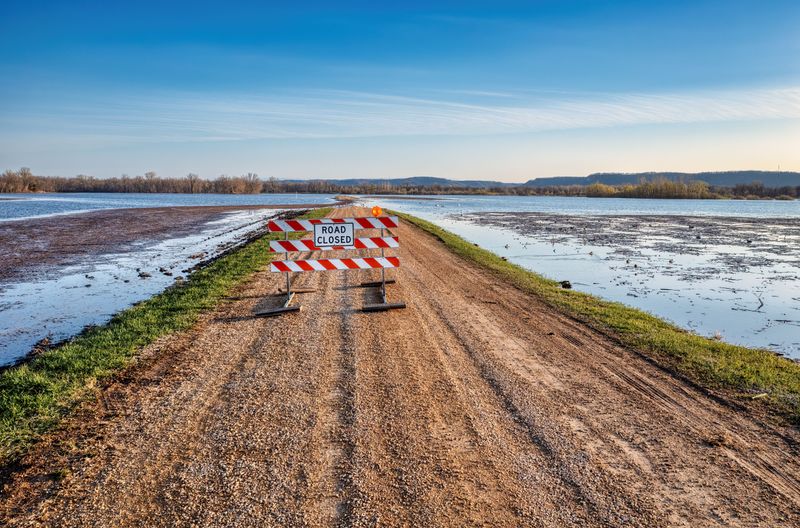
Yesterday’s open trail may have a barrier across it today. Maintenance, storm damage, high water, or other conditions can temporarily close recreation spaces.
Check current notices before leaving home, then follow signs and barriers onsite. An older map or social media post does not override a closure.
Keep your dog outside blocked areas, even when the path looks clear. Save a second dog-friendly destination nearby, so a changed plan becomes a simple detour rather than a frustrating surprise.
14. Cave-Entrance Signs Mean No Entry for Dogs or People
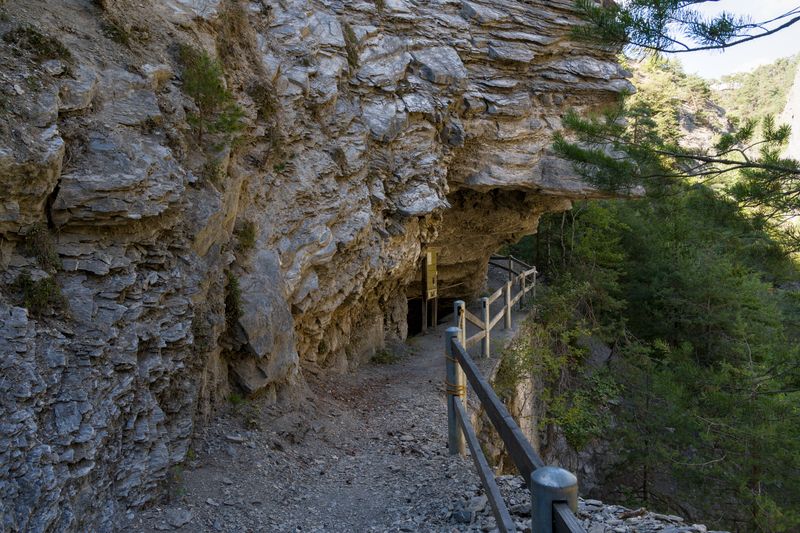
A cool cave entrance is not an approved place to explore with your dog. TVA closes caves on its land to public entry unless specifically authorized.
Those closures help protect bats and sensitive cave environments. Follow gates and signs without stepping inside for shade or photographs.
Keep your dog from approaching openings or disturbing wildlife nearby. Never enter an apparently unmarked cave based on guesswork.
Ask TVA about access rules and choose an open trail for your adventure.
15. Fire-Restriction Signs Deserve Extra Attention
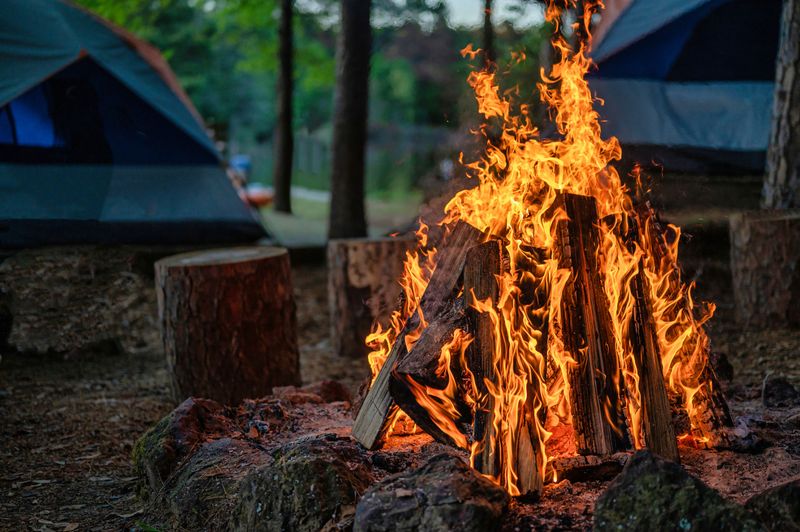
Campfire plans depend on current conditions, not just the available fire ring. Posted restrictions may limit fires or specific equipment during dry weather.
Check facility notices and applicable local restrictions before lighting anything. Ask the operator which cooking methods remain permitted.
Keep your dog away from grills, hot surfaces, and ashes, which can retain heat. Pack a meal option that needs no flame.
Read the signs, respect the boundaries, and enjoy a calmer outing with your well-prepared companion.