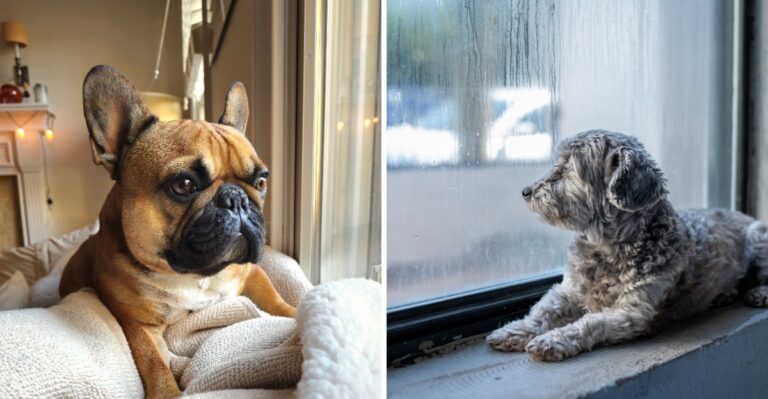
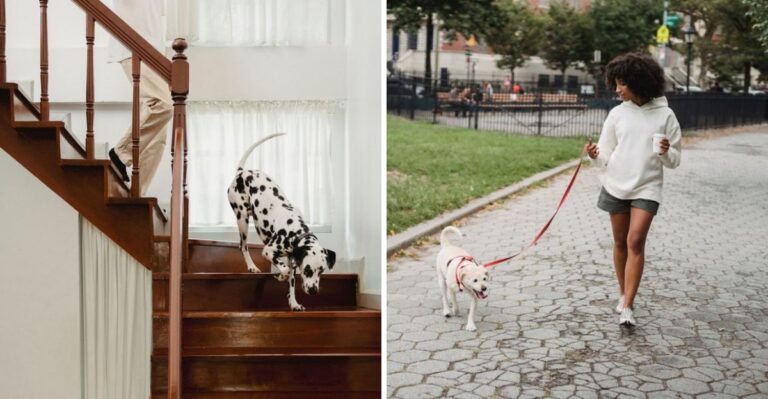
18 Ways New York City Elevators, Hallways, And Sidewalks Can Overwhelm A Newly Adopted Dog
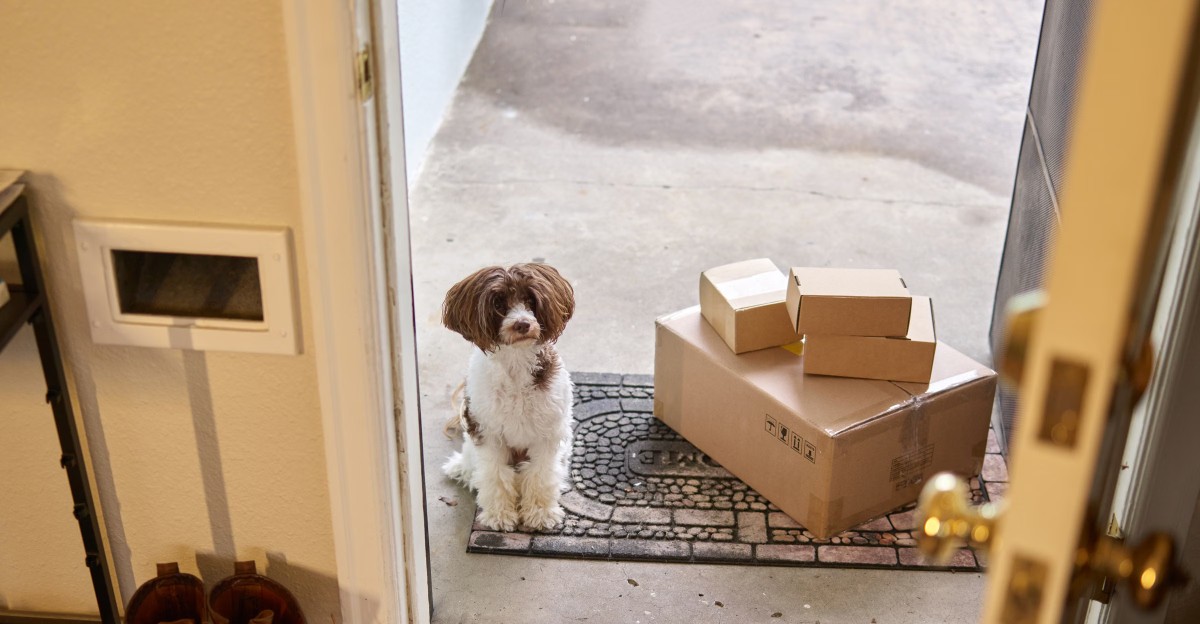
Bringing a new dog home to New York City is exciting, but your building and block can feel huge to a pup. Elevators hum, hallways echo, and sidewalks never seem to slow down.
Knowing what might worry your dog helps you guide them with patience and calm. Think of this as a friendly walk through the city from your dog’s point of view, with simple ways to help along the way.
1. Humming Motors and Clanking Cables
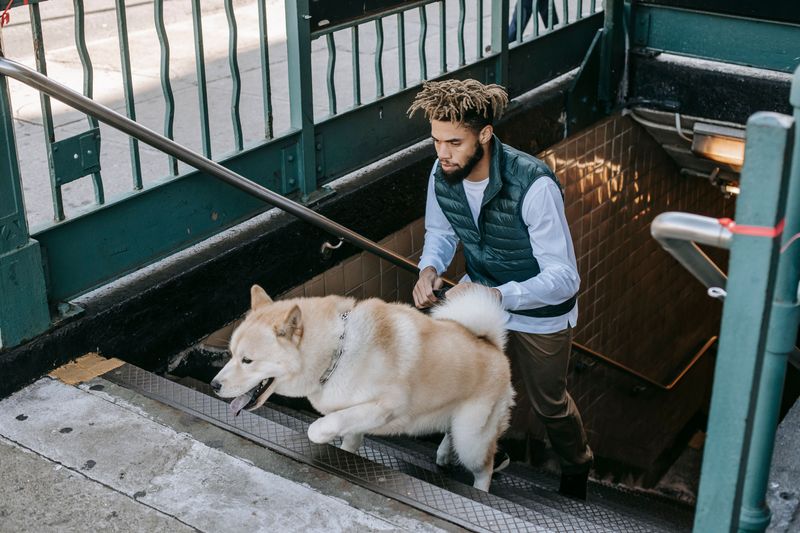
Picture hearing a strange rumble through the floor with no idea where it comes from. Elevator motors whir, cables clank, and old machinery creaks.
A dog’s hearing is far sharper than ours, so these sounds can seem much louder.
Start small. Stand near the elevator while it runs and offer tasty treats.
Let your dog watch from a comfortable distance. Over several days, move closer as your pup stays relaxed and curious.
2. Four Walls and No Exit
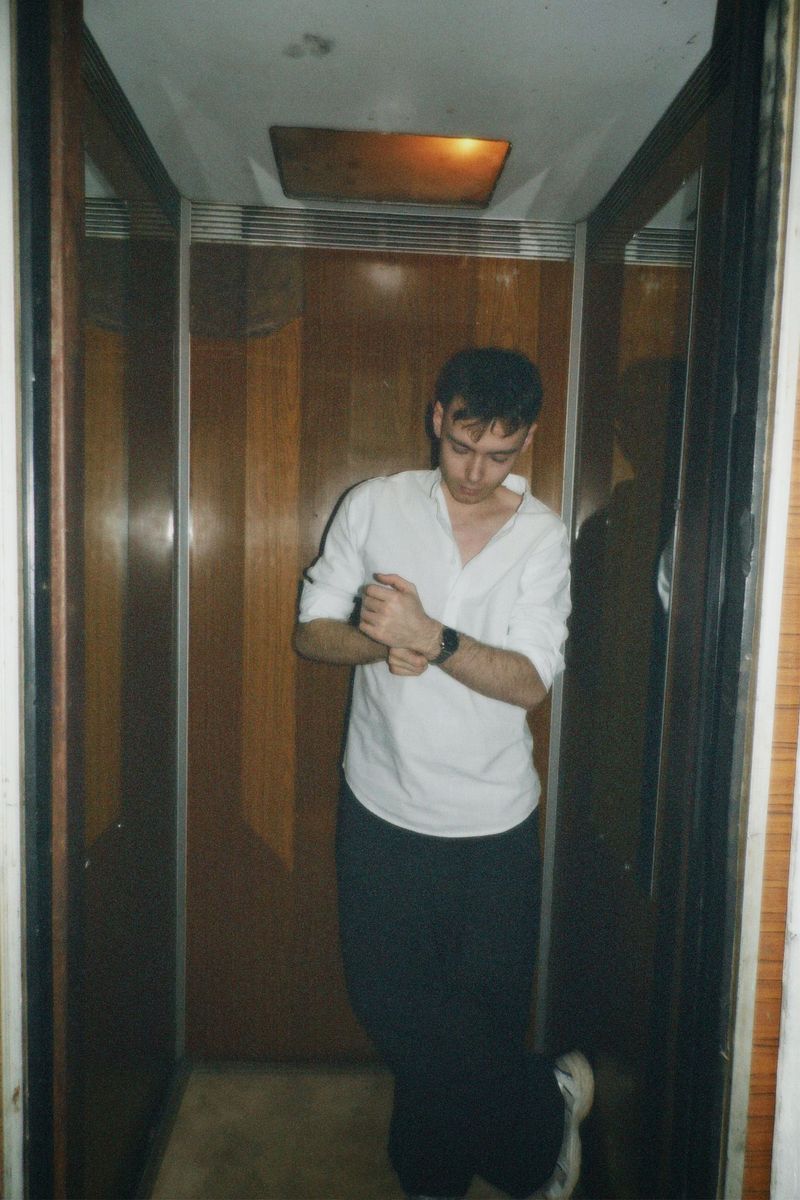
Many shelter dogs have never been inside a tiny moving box. With walls close on every side, an elevator can feel like a trap with nowhere to go.
Give your dog a predictable spot, such as the back corner with you standing in front. That position creates a buffer from the door.
Short practice rides when the building is quiet help your pup learn the box always opens again.
3. Surprise Guests on Floor Six
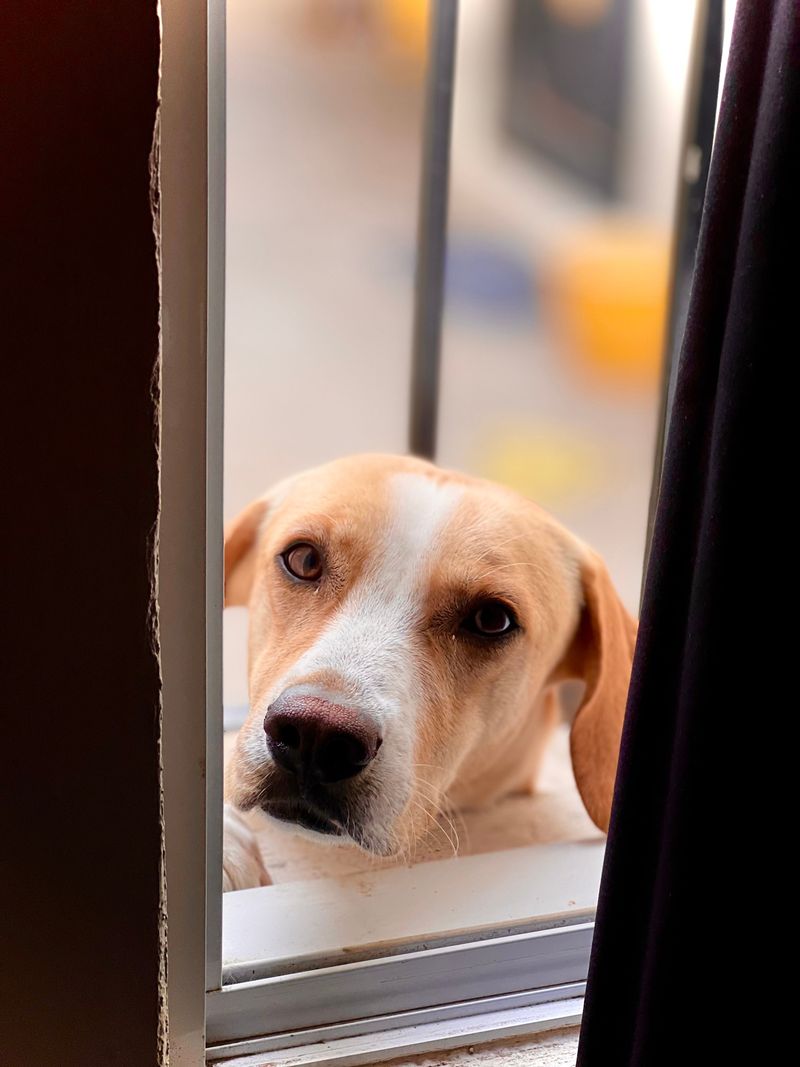
The doors slide open, and suddenly a stranger steps inside. For a nervous new dog, that close contact can spark barking, growling, or hiding.
You are allowed to protect your dog’s space. A friendly line works well: “She’s new and a little shy, please don’t pet her.” Keep your body between your dog and the guest.
If the car looks full, simply wait for the next one.
4. When Another Dog Steps Aboard
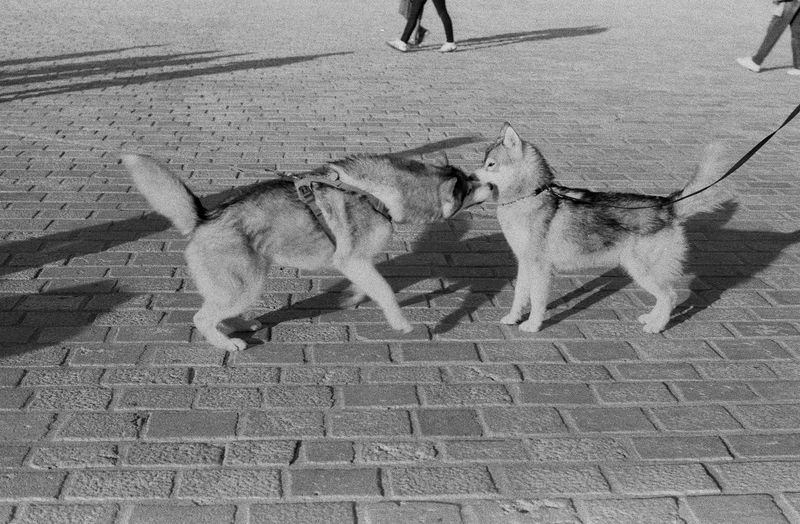
Two dogs, one tiny room, and no polite way to leave. Close greetings in elevators are tricky because neither dog can back away.
Many experienced city owners follow a simple habit: one dog per ride unless both are known friends. Ask kindly, “Mind if we catch the next one?” Most neighbors understand.
If sharing is unavoidable, keep leashes short and position the dogs facing away from each other.
5. Sliding Doors That Seem to Snap
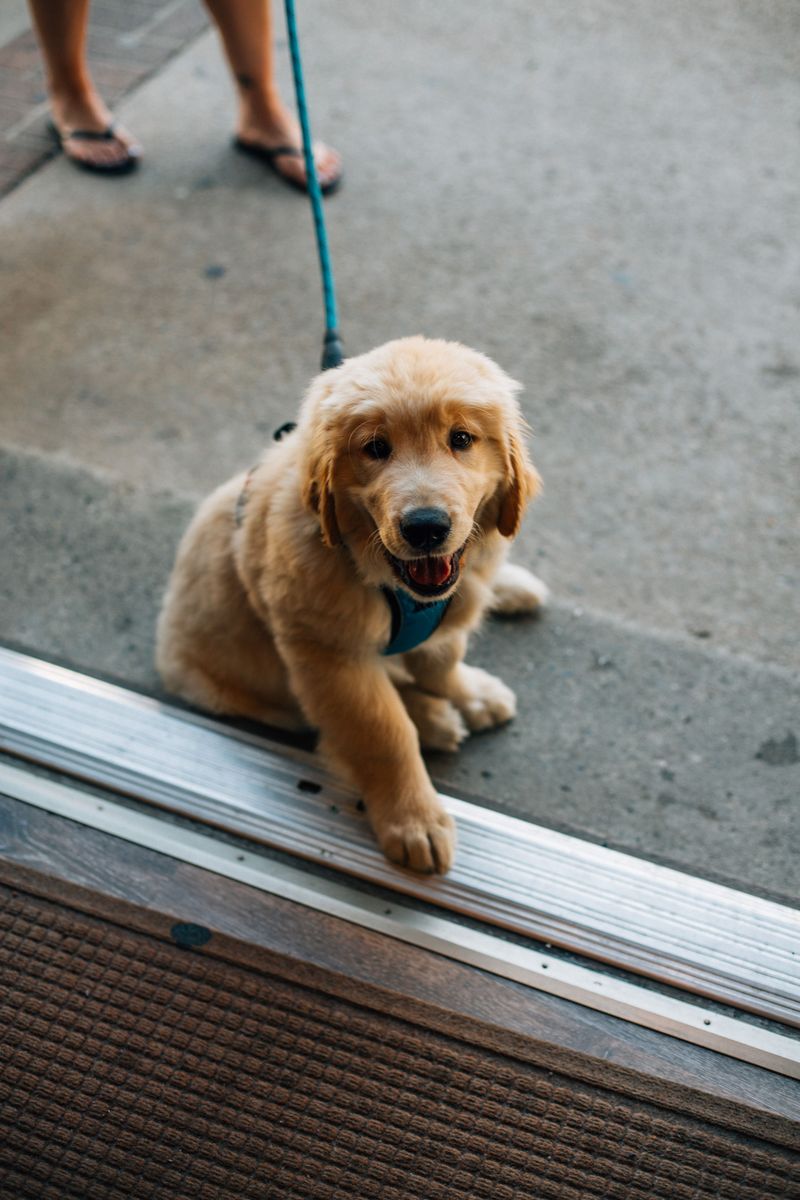
Metal doors that rush closed with a thud can look scary to a dog. Some pups freeze at the threshold, while others try to dart through at the last second.
Safety matters here. Always hold the door with your hand or the button, and walk your dog through together.
Keep the leash short so it never gets caught. Practice entering and exiting calmly, rewarding each smooth step.
6. Corridors Too Skinny for Comfort
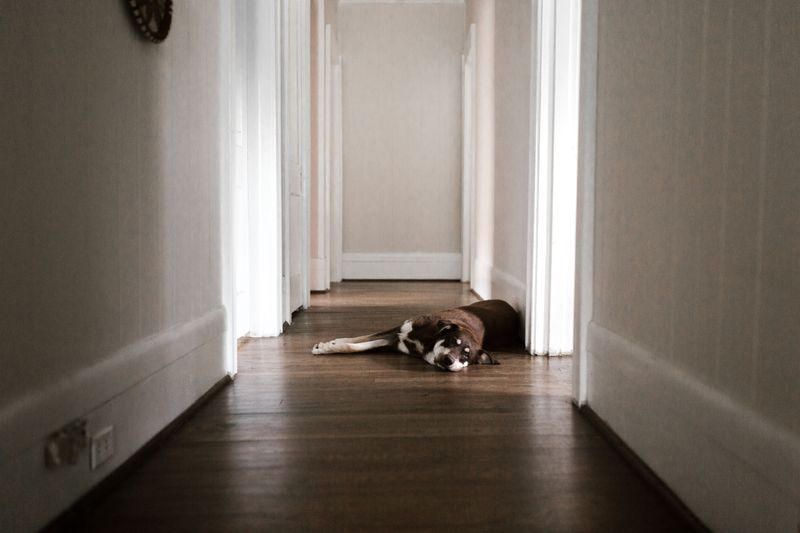
Prewar buildings often have hallways barely wide enough for two people. A worried dog cannot move away from a passing neighbor, and that squeeze can feel threatening.
Look for escape pockets, like doorways or wide landings, and step into them when someone approaches. Teach a simple “with me” cue so your dog stays at your side.
Treats during each pass turn neighbors into a pleasant sign.
7. An Echo Chamber of Sound

Hard floors and bare walls bounce sound everywhere. Footsteps, slamming doors, chatting neighbors, and a barking dog down the hall can blend into a confusing roar.
Inside your home, a white noise machine or soft music may help muffle hallway sounds. New York City’s Noise Code also limits ongoing dog barking, so calm routines help neighbors too.
Rules and enforcement can change, so check current city guidance if questions come up.
8. Freshly Mopped and Very Strong
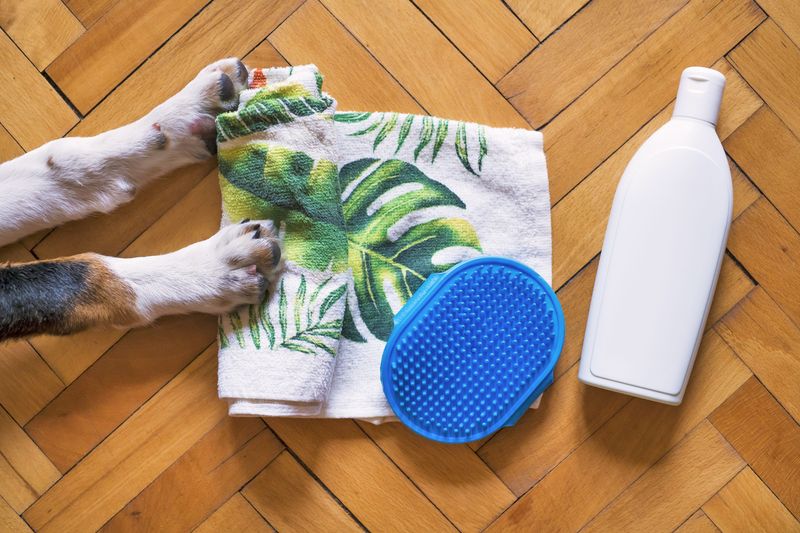
Fun fact: dogs have hundreds of millions of scent receptors, while people have far fewer. So that bleach smell you notice is much stronger for them.
Dogs walk with noses near the floor, right where products settle. Try not to let your dog lick wet floors.
Wipe paws after walks through freshly cleaned areas. If you see sneezing, coughing, or watery eyes that continue, call your veterinarian for advice.
9. A Thousand Stories on the Doormat
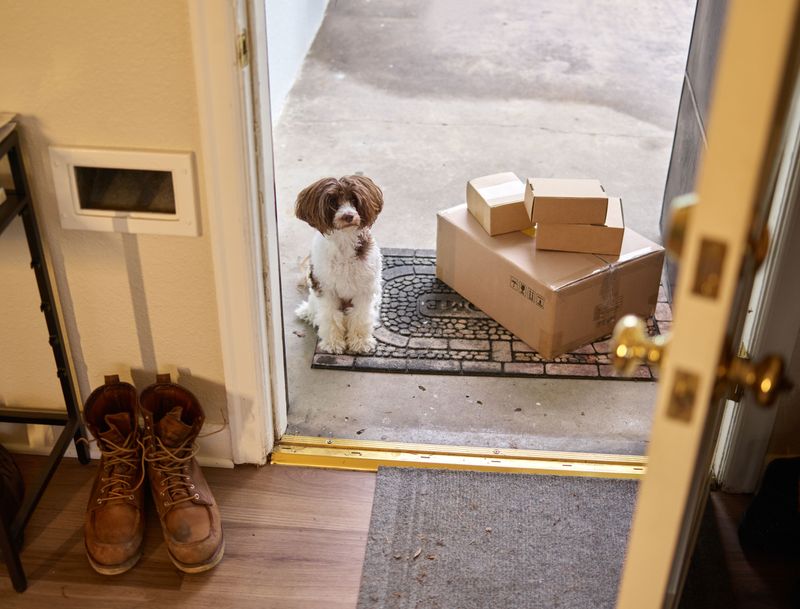
To your dog, the hallway reads like a crowded newspaper. Every doormat, food delivery, neighbor’s cat, and stack of boxes carries new information.
All that sniffing is normal, but too much can tire a fresh brain. Allow a few short sniff breaks, then move on with a happy cue.
At home, scatter feeding or snuffle mats let your dog use that nose in a calm, controlled way.
10. Blind Corners and Sudden Faces
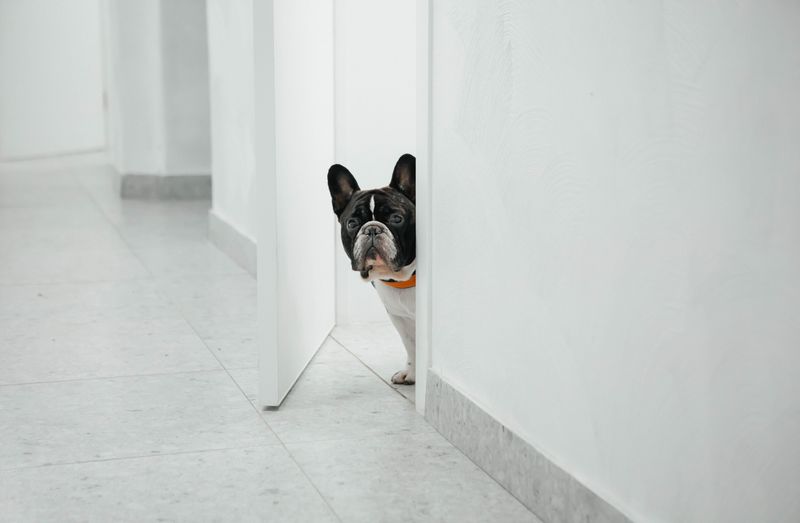
One step around the corner, and boom: a neighbor with a stroller appears. Surprises like this can cause jumping, barking, or lunging in a jumpy pup.
Slow down near corners and swing wide when you can. Some owners pause, peek, and then continue.
You can also teach a “wait” cue right before turns. Saying a cheerful word aloud warns anyone ahead that a dog is coming.
11. Horns, Sirens, and Rumbling Buses
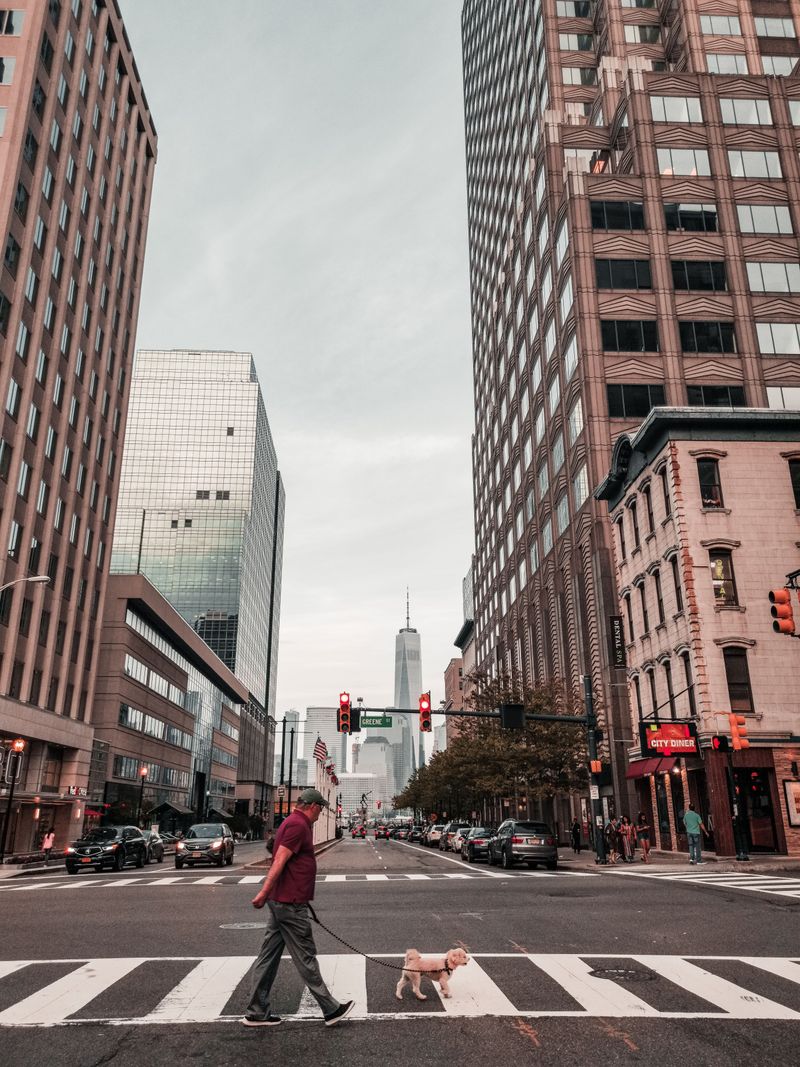
Traffic in the city rarely takes a break. Steady engine rumble raises background tension, while sudden horns and sirens can trigger a quick startle.
When a siren passes, stay relaxed yourself and offer a treat. Your calm tells your dog the sound is no big deal.
Some dogs do better starting on quieter streets. A certified trainer can help if fear seems to grow instead of fade.
12. Wheels Whizzing By
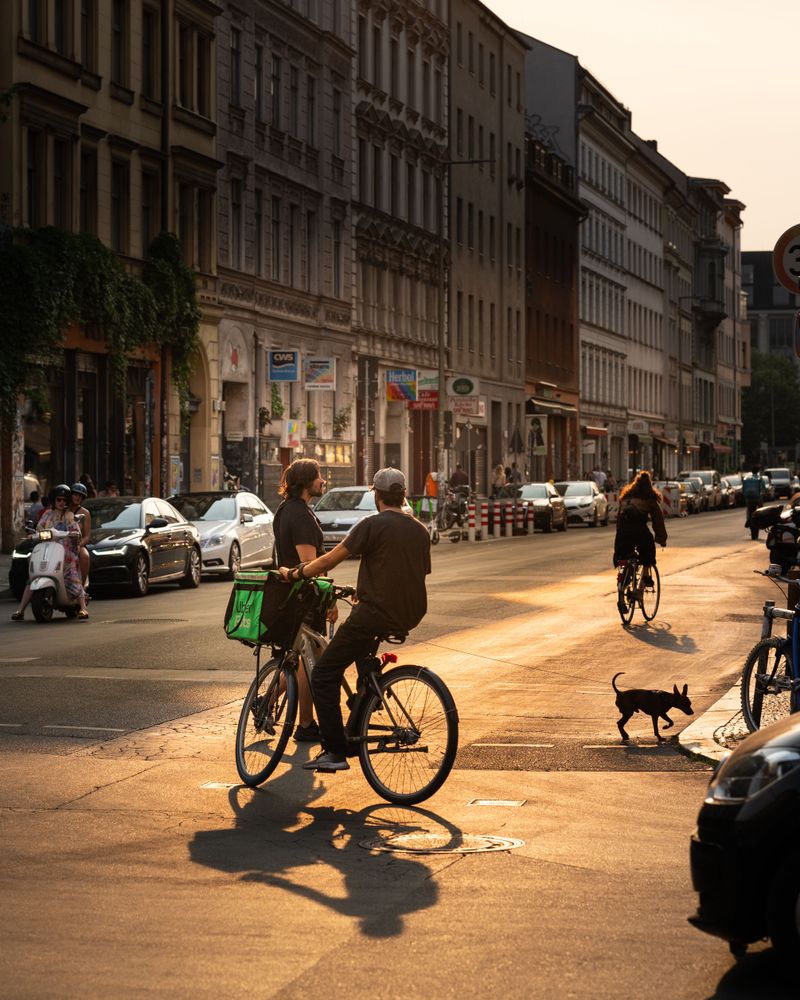
Zoom, a delivery bike flies past. Then a scooter.
Then a rolling cart. Fast motion can make some dogs want to chase and others want to bolt.
Keep a short, comfortable leash near bike lanes and busy curbs. A sturdy harness gives you more control than a collar alone.
Reward your dog for looking at you when wheels pass. Retractable leashes are risky here, so a standard leash works better.
13. People Who Stop on a Dime
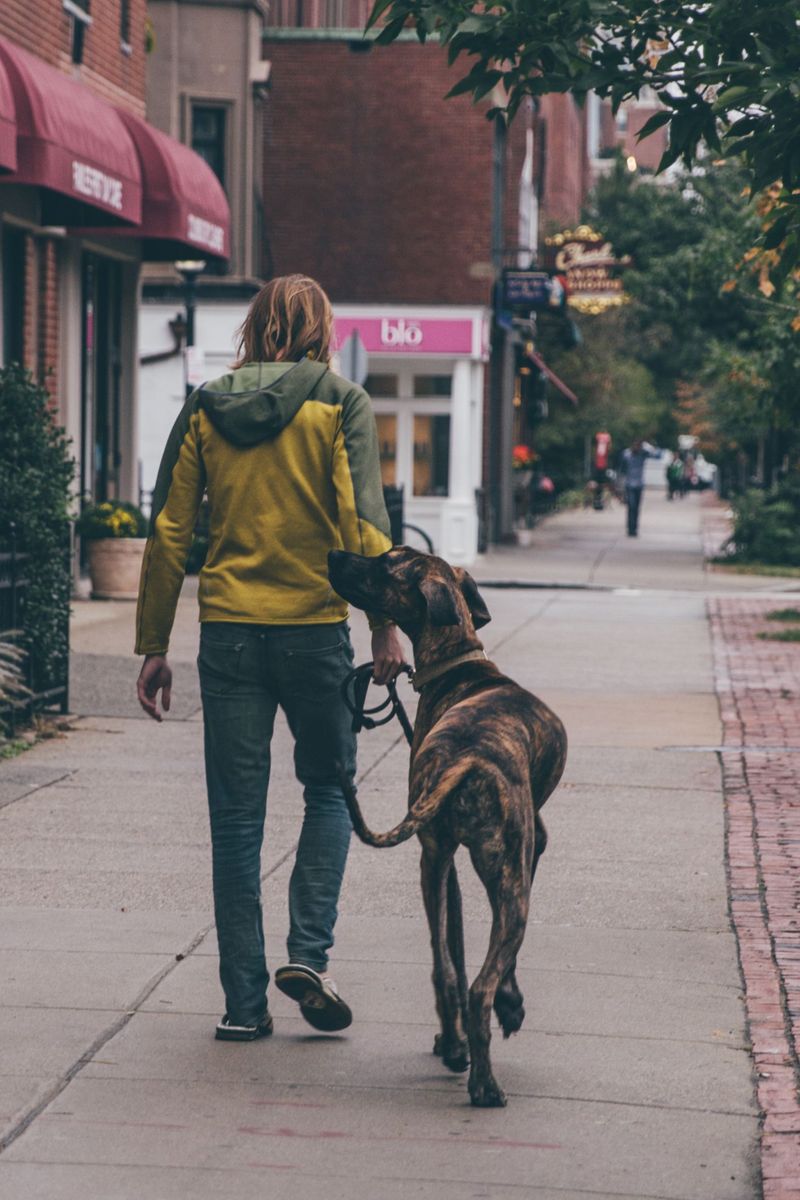
New Yorkers walk fast, then stop suddenly to check a phone or hail a cab. Others swerve without warning.
For a dog, that unpredictability is hard to read.
Give your pup a predictable job. Practice loose-leash walking on one side of you, always the same side.
Calm, steady pacing helps. When the sidewalk gets chaotic, step aside near a building and let the wave pass.
14. Jackhammers on Every Block
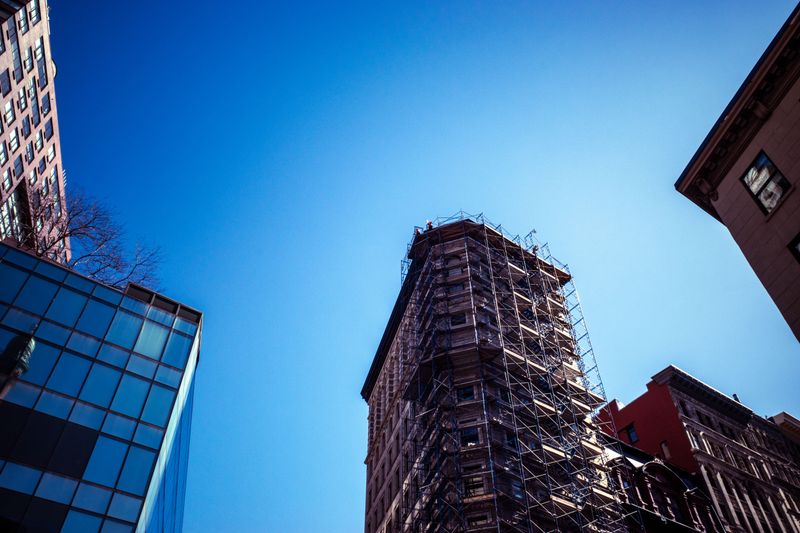
Scaffolding and construction sheds pop up all over the city. Drills, jackhammers, and crashing materials create loud, sudden noise that can rattle a sensitive dog.
Cross the street when you can, or pick a different route for a while. Watch for tucked tails, lip licking, or pulling toward home.
Those signals mean it is time to add distance. A brief, happy retreat beats pushing through.
15. Trash Night and Takeout Smells
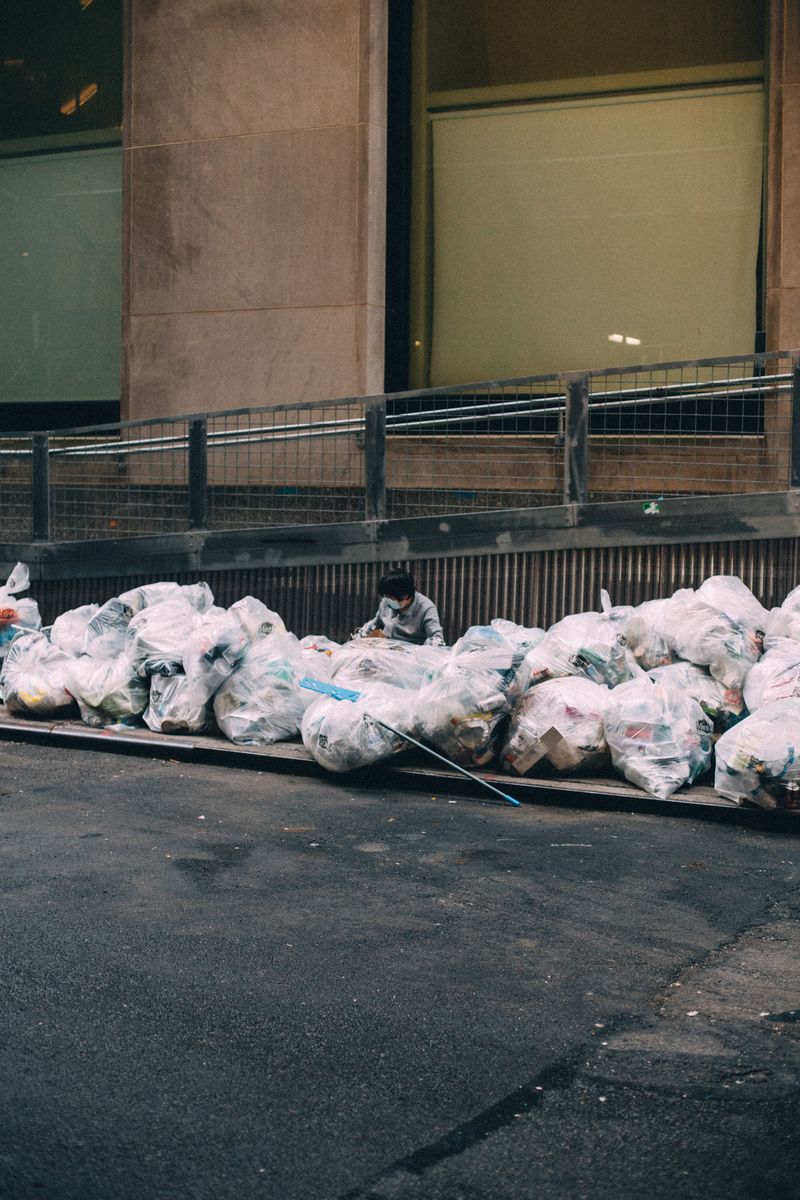
Garbage night in New York means mountains of bags along the curb. Mix in restaurant smells and street mess, and your dog’s nose goes into overdrive.
Beyond the overload, discarded food and chicken bones can upset a dog’s stomach. Teach a “leave it” cue early, and walk wide around trash piles.
If your dog swallows something questionable, contact your veterinarian promptly for guidance.
16. Grates That Rumble Underfoot
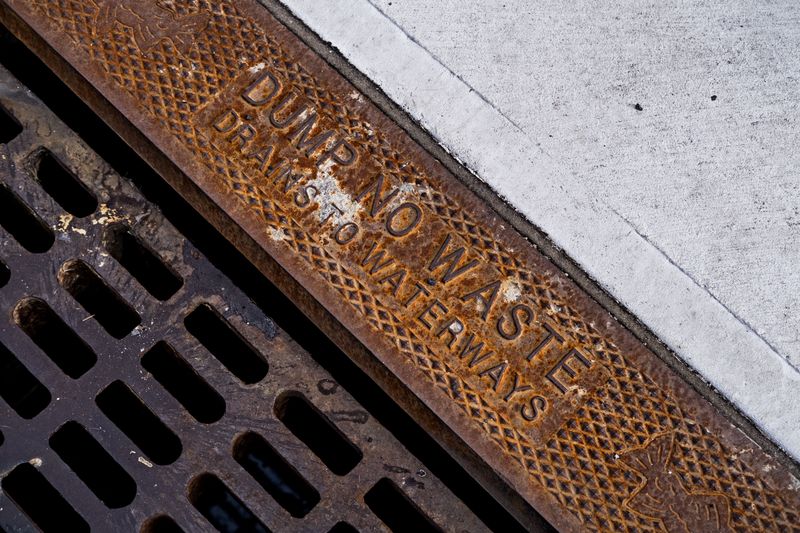
Ever notice a dog skid to a stop at a subway grate? Metal grates feel strange, see-through, and sometimes rumble or blow warm air as trains pass.
Walking around them is perfectly fine. Small paws can slip into gaps, and grates may get hot in summer.
Cellar doors and metal plates can feel odd too. Over time, you can reward calm steps on safer textured surfaces.
17. Searching for a Peaceful Potty Spot
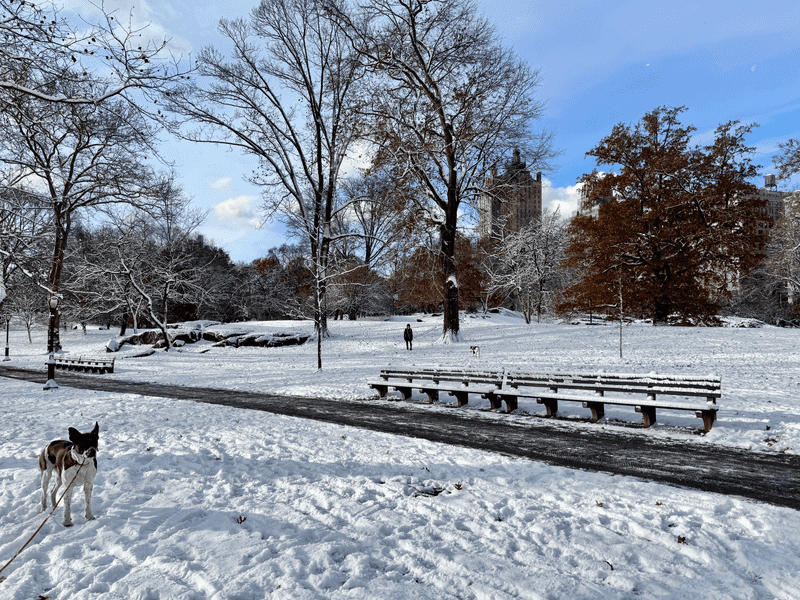
House training is easier when a dog feels relaxed. In the city, grassy corners are rare and busy blocks can make pups too nervous to go.
Find a quiet, consistent spot and visit it often. Respect posted signs at tree beds and private gardens.
New York City requires owners to pick up after their dogs, so always carry bags. Praise calmly once your dog finishes.
18. Stress That Quietly Stacks Up
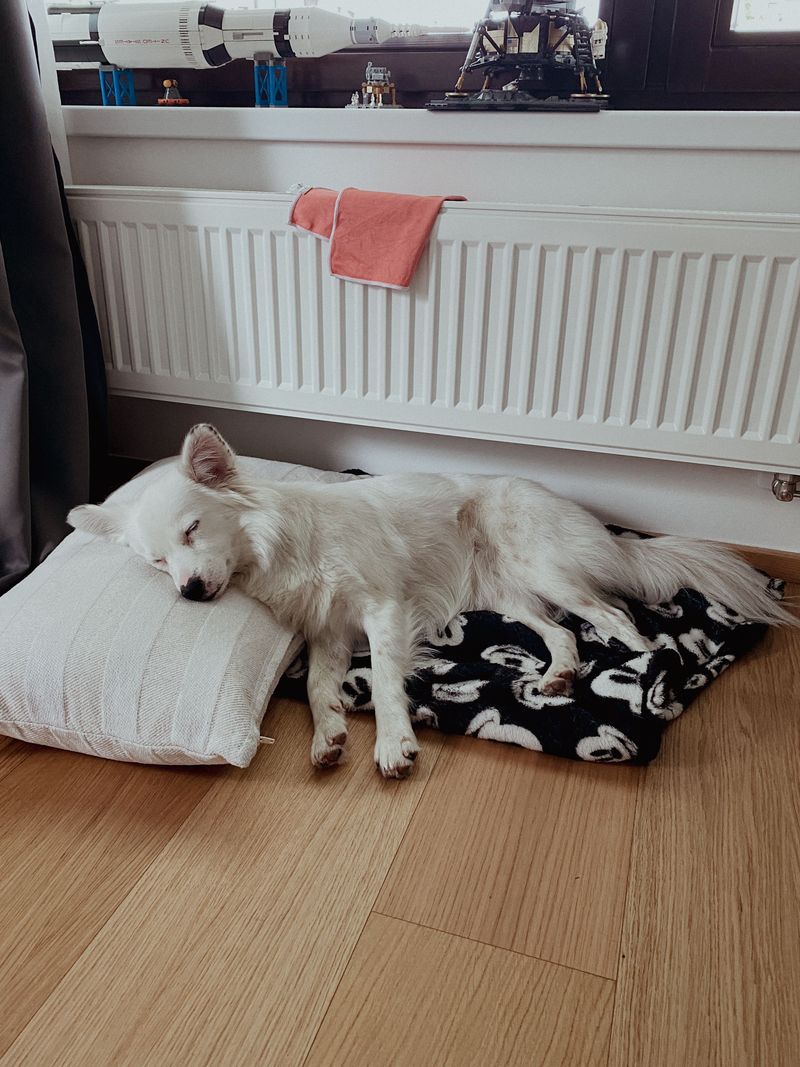
Trainers call it trigger stacking. A loud elevator, a surprise neighbor, and a siren may each seem small, yet together they pile up.
Without rest, that buildup can show up as fear, snapping, or shutting down. Plan quiet days after busy ones.
Chew toys, naps, and gentle games help your dog reset. Many experts suggest new dogs need several weeks to settle, so patience truly pays off.