15 Washington Dog Laws That Surprise First-Time Owners
Bringing a dog home in Washington comes with plenty of happy firsts: the first walk, the first park visit, the first patio brunch together. What most new owners do not expect is how many state rules quietly shape those everyday moments.
None of them are meant to trip you up. They exist to keep dogs healthy, neighbors comfortable, and owners protected from problems that are easy to avoid with a little knowledge.
Read through, note what applies to your household, and enjoy your dog with a little more confidence.
1. Bite Liability Applies From Day One
Many owners assume a spotless behavior record shields them. Washington uses a strict liability rule for dog bites under RCW 16.08.040.
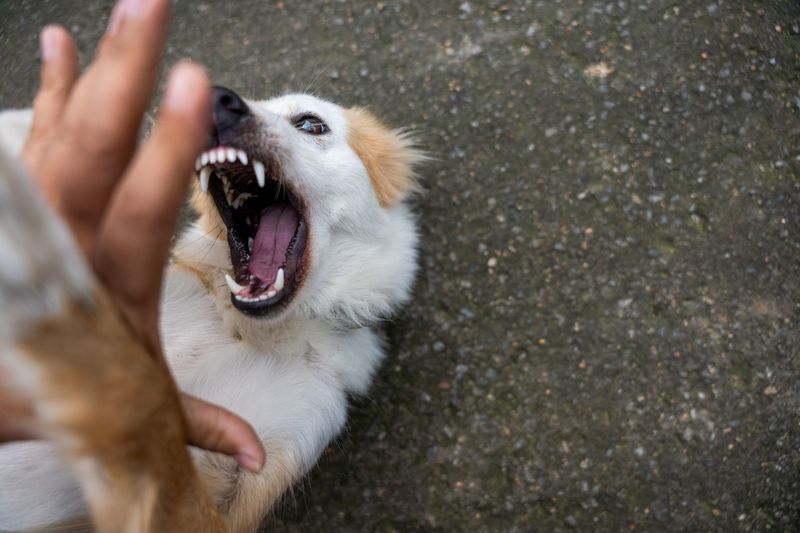
If your dog bites someone in a public place, or on private property where that person is lawfully present, you are generally responsible for damages. Prior behavior does not matter.
Limited exceptions exist, such as trespassing or provocation. Good management, clear introductions, and liability coverage through your home insurance all help.
2. Rabies Shots Are Required, Not Suggested
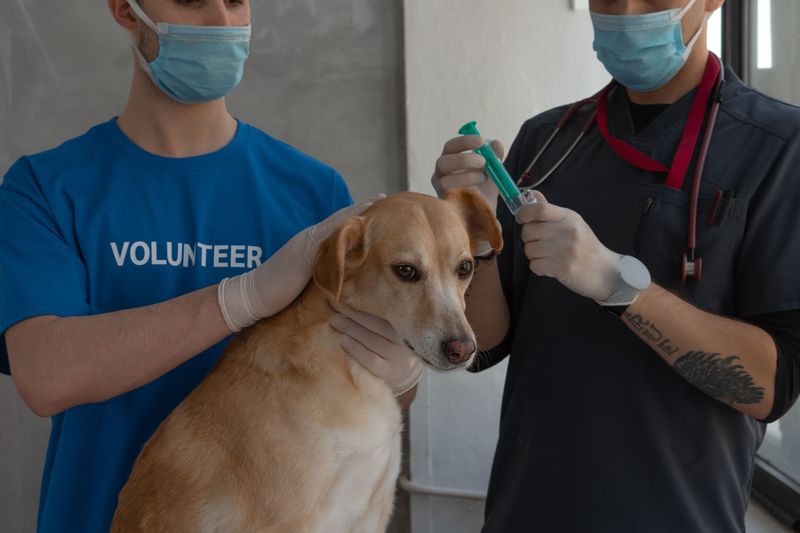
Rabies vaccination sits at the top of Washington’s animal health rules. WAC 246-100-197 requires dogs, cats, and ferrets to be vaccinated and revaccinated on schedule.
Puppies usually get their first dose between 12 and 16 weeks. A booster typically follows within a year.
After that, the interval depends on the vaccine your veterinarian uses, often one or three years. Keep the certificate somewhere easy to find.
3. A Ten Day Observation Order Can Follow a Bite
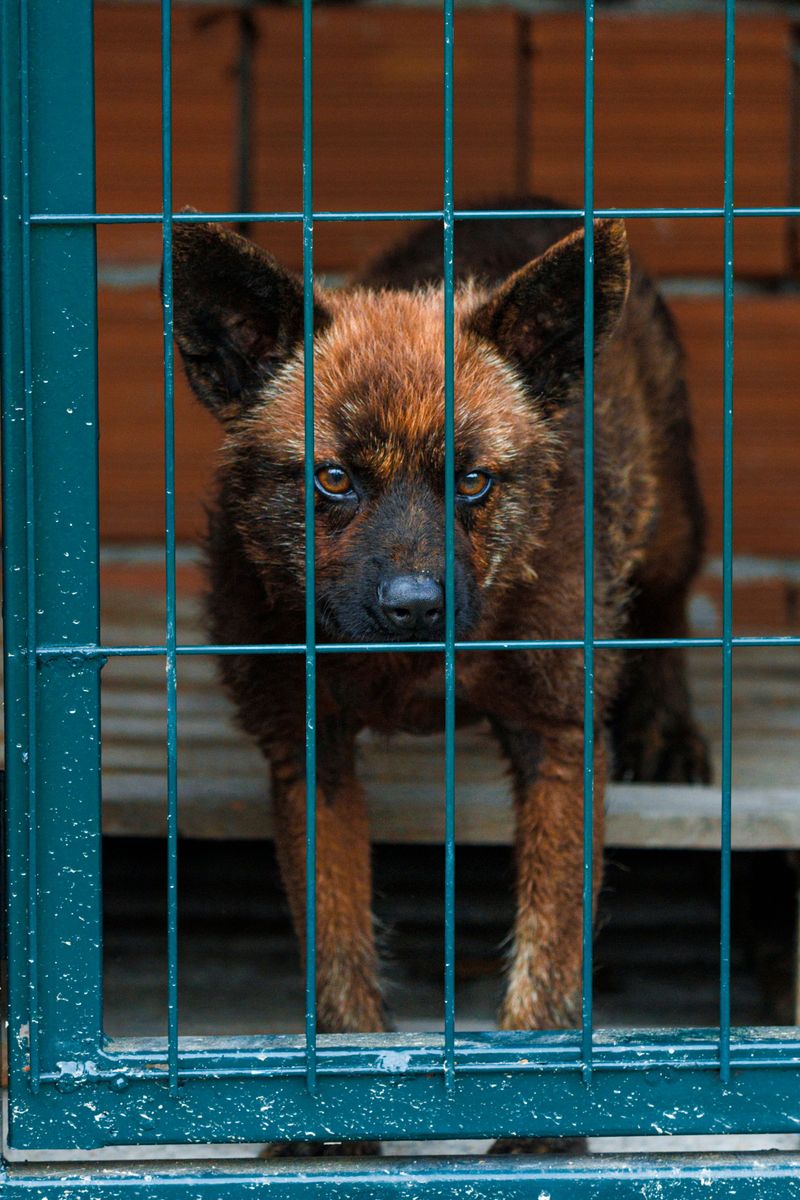
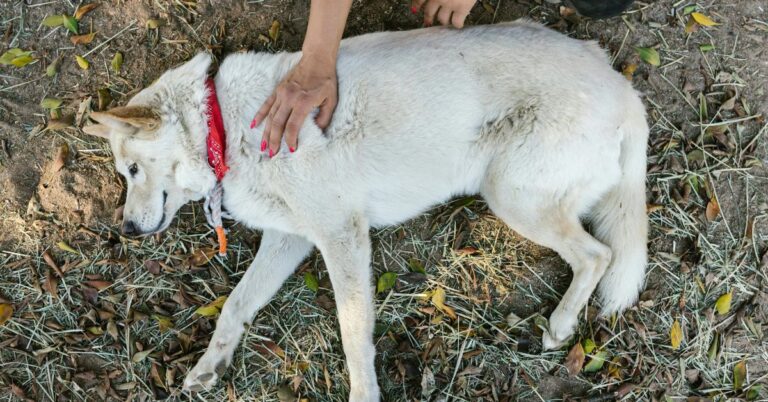
Here is a rule that catches people off guard. If a dog bites a person and rabies exposure is possible, a local health officer may order confinement.
Observation runs daily for at least ten days. Vaccination status does not cancel the requirement.
Any sign of illness during that window must be reported to public health right away. Cooperating early keeps the process short and straightforward for everyone.
4. Cars and Enclosed Spaces Carry Real Legal Risk
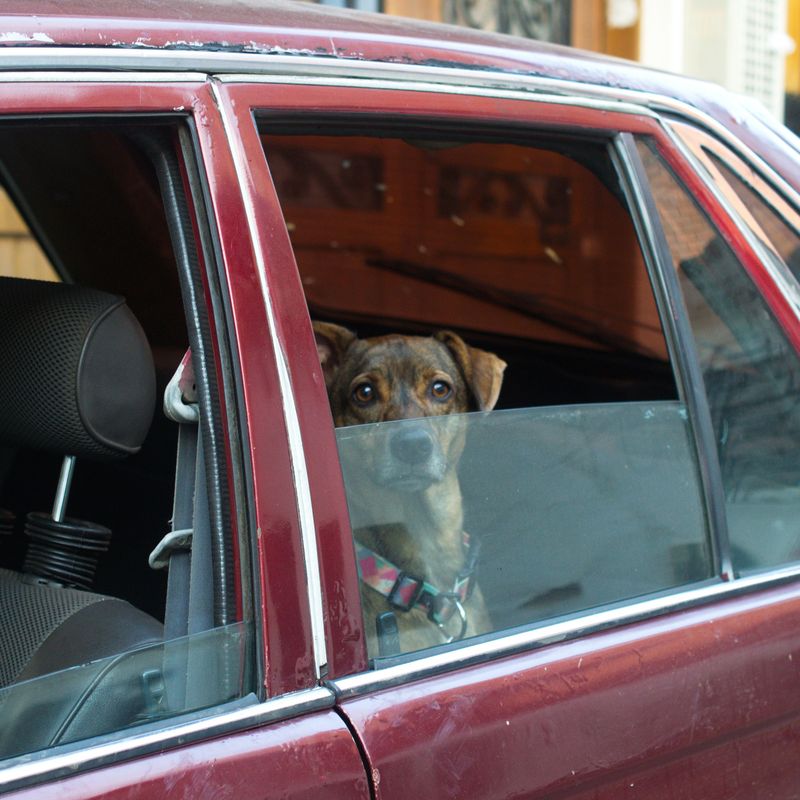
Running one quick errand feels harmless. Under RCW 16.52.340, leaving a dog in a vehicle or enclosed space where heat, cold, poor ventilation, or no water could harm it is a Class 2 civil infraction.
Officers may use reasonable means to remove an animal in distress. They are shielded from liability for vehicle damage during a rescue.
Simplest fix: bring your dog inside or leave them home.
5. Unsafe Transport Can Become a Misdemeanor
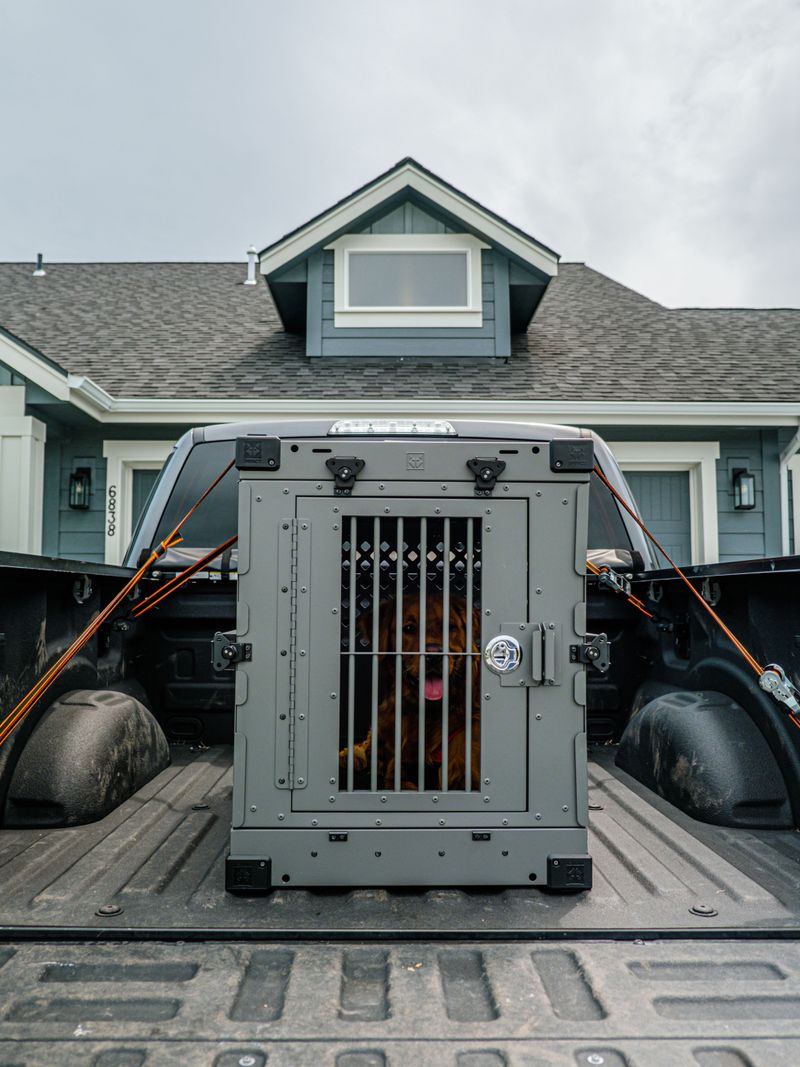
Truck beds and loose dogs in cars invite trouble beyond a scolding. RCW 16.52.080 makes it a misdemeanor to intentionally transport or confine a domestic animal in a way that endangers the animal or the public.
Secure travel is not complicated. A crate anchored properly or a seat belt harness handles most trips.
Bonus: a settled dog in a crate usually rides calmer and arrives less frazzled.
6. Puppies and Vulnerable Dogs Cannot Be Tethered Outside

Tethering rules in Washington focus on protecting dogs who cannot cope with it. RCW 16.52.350 generally bars tethering any dog under six months of age.
The same protection covers dogs who are ill, living with a debilitating disease, injured, in distress, or in advanced pregnancy.
For young or recovering dogs, a secure fenced area or supervised time outdoors works far better. Growing bodies need freedom to move and rest.
7. Collar Type Matters When a Dog Is Tethered
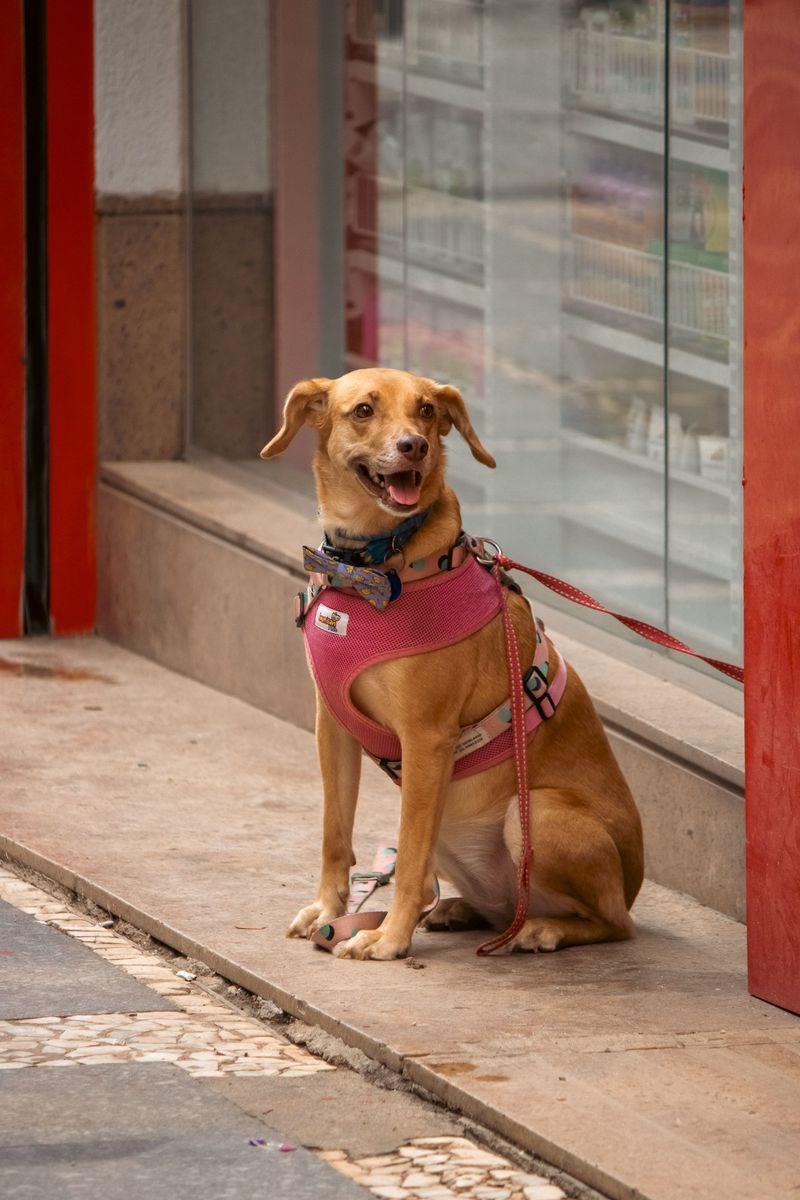
Not every collar is legal for tethering. RCW 16.52.350 prohibits attaching a tether using choke, pinch, slip, halter, or prong-type collars.
A properly fitted buckle collar or harness is the expected choice. Fit should leave room for normal breathing and swallowing.
Check sizing monthly on growing dogs, since collars tighten faster than owners notice. Two fingers sliding comfortably under the strap is a reliable everyday test.
8. Abandonment Counts as Second Degree Animal Cruelty
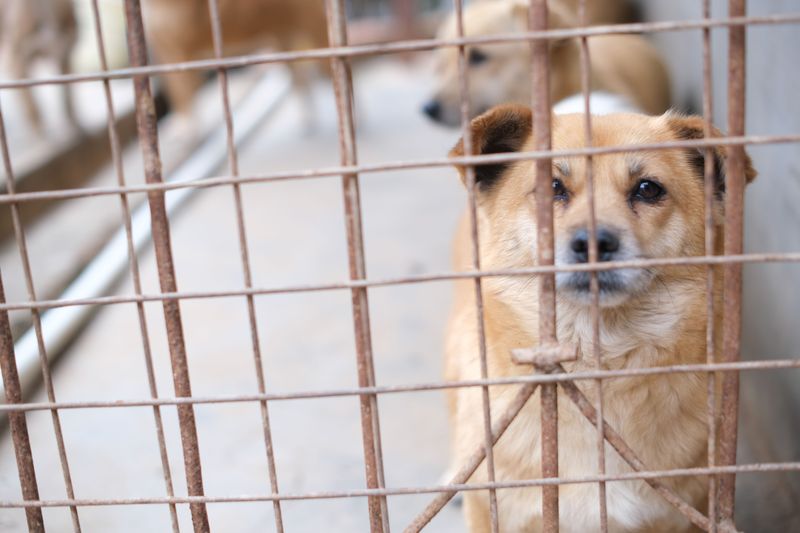
Life changes sometimes force hard decisions about a pet. Washington treats abandoning a dog without arranging adequate care as second-degree animal cruelty under RCW 16.52.207, a gross misdemeanor.
Legal surrender options exist for a reason. Shelters, rescue groups, and animal control can guide you through a proper transfer.
Asking for help is never the wrong move. Rehoming through the right channels protects the dog and keeps you in the clear.
9. Dangerous Dog Status Requires Official Registration
A legal classification is different from an opinion about temperament. Once a dog is officially declared dangerous, RCW 16.08.080 requires the owner to obtain a certificate of registration.
Keeping the dog without that paperwork is not permitted. Failure to comply can lead to confiscation.
Classification follows specific processes handled locally, so procedures vary by county and city. If you receive any notice, contact animal control promptly and ask exactly what is required.
10. Registration Comes With Enclosure, Signs, and Insurance
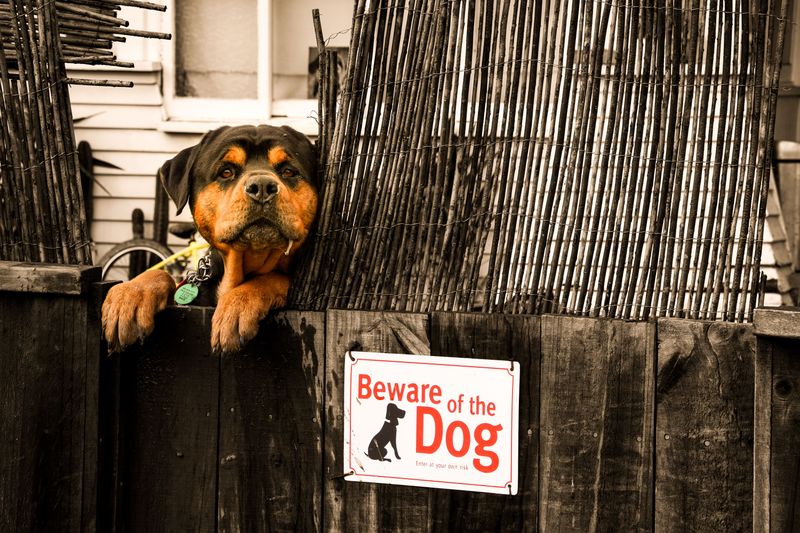
The requirements attached to a dangerous dog certificate are demanding by design. Owners must keep the dog in a proper enclosure and post clearly visible warning signs.
Signage includes a symbol meant to alert children to the dog’s presence.
Owners also generally need liability insurance or a qualifying surety bond of at least $250,000, payable to anyone injured by the dog. Confirm exact details with your local jurisdiction.
11. Muzzle and Leash Rules Outside the Enclosure
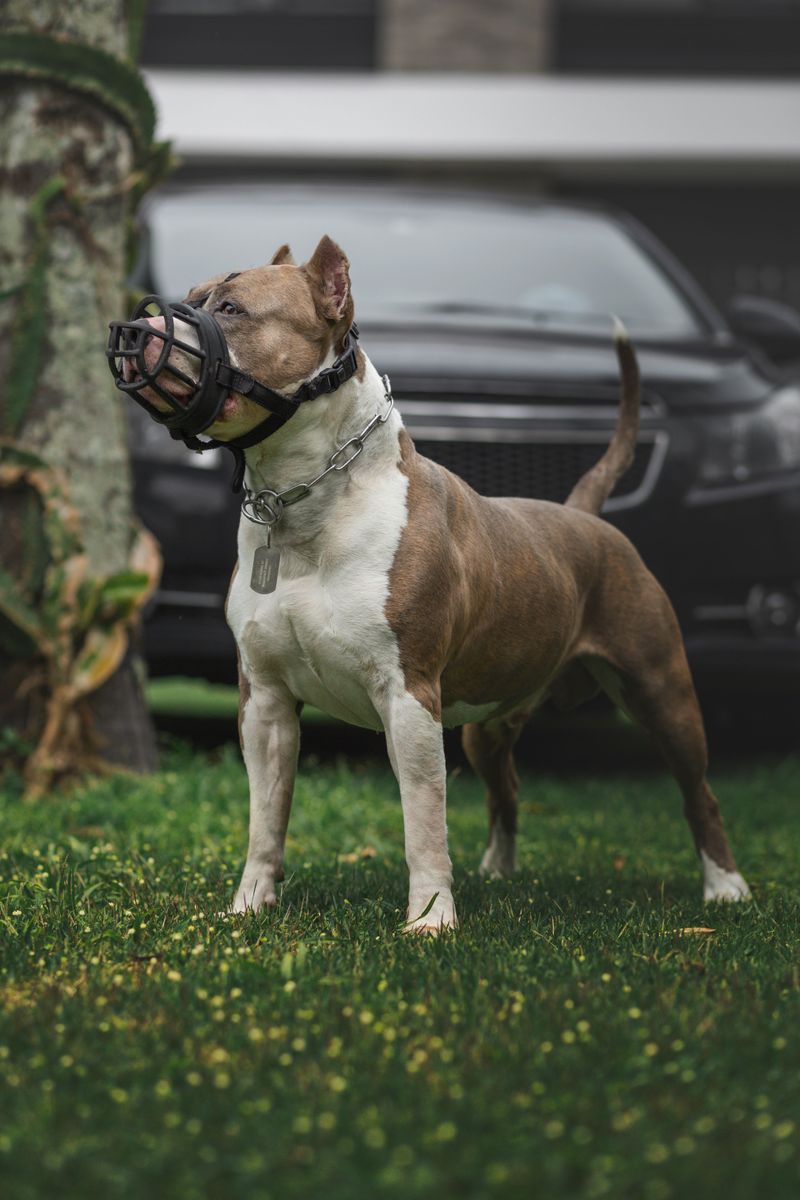
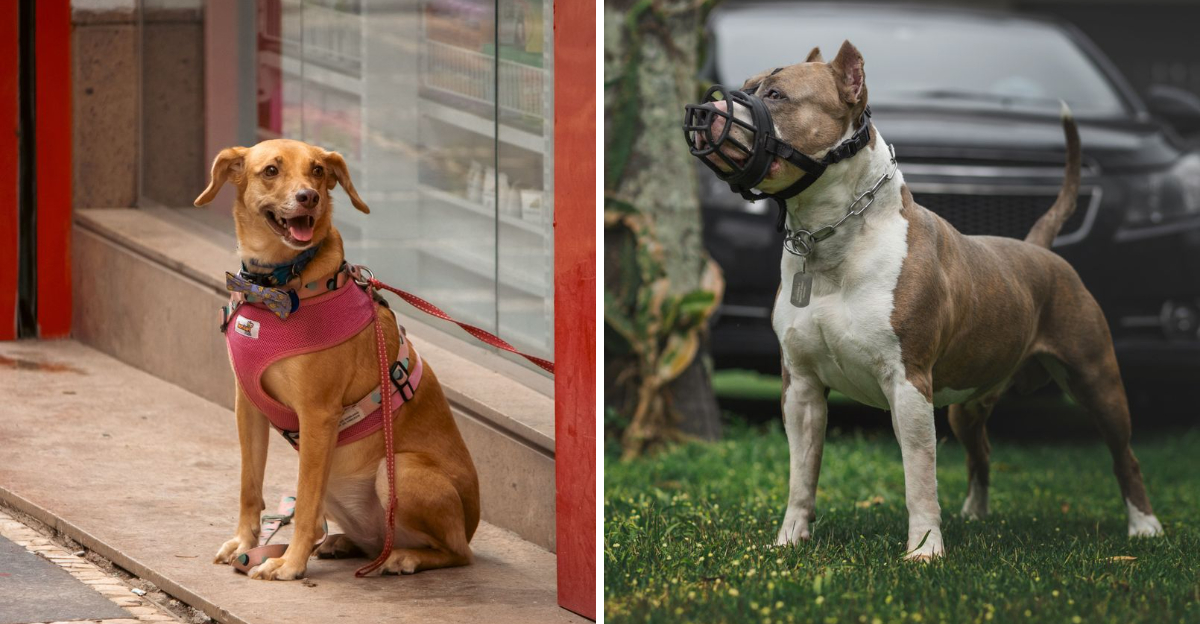
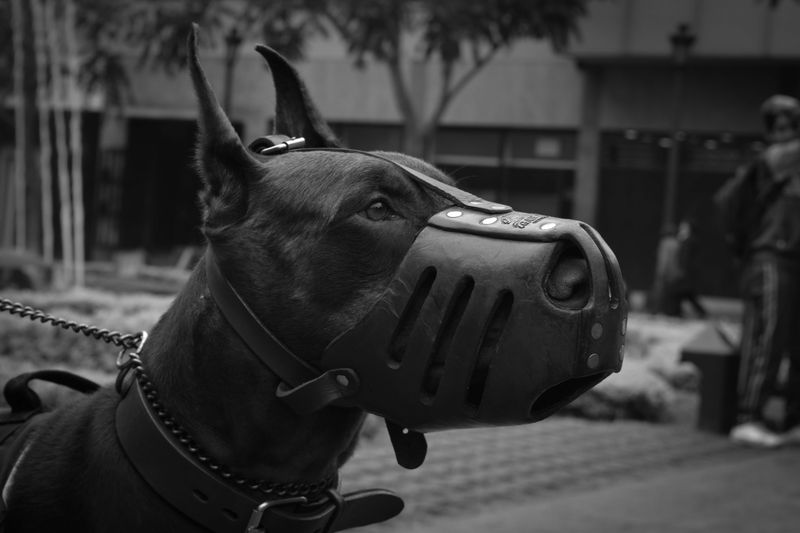
Public outings look different for a dog carrying the dangerous classification. RCW 16.08.090 requires muzzling and restraint by a substantial chain or leash whenever the dog leaves its proper enclosure.
Physical control by a responsible person is mandatory at all times.
Basket muzzles allow panting and water, so most dogs tolerate them well with gradual training. Practice at home first, using treats, so the gear feels routine rather than strange.
12. Livestock Protection Law Exists in Rural Areas
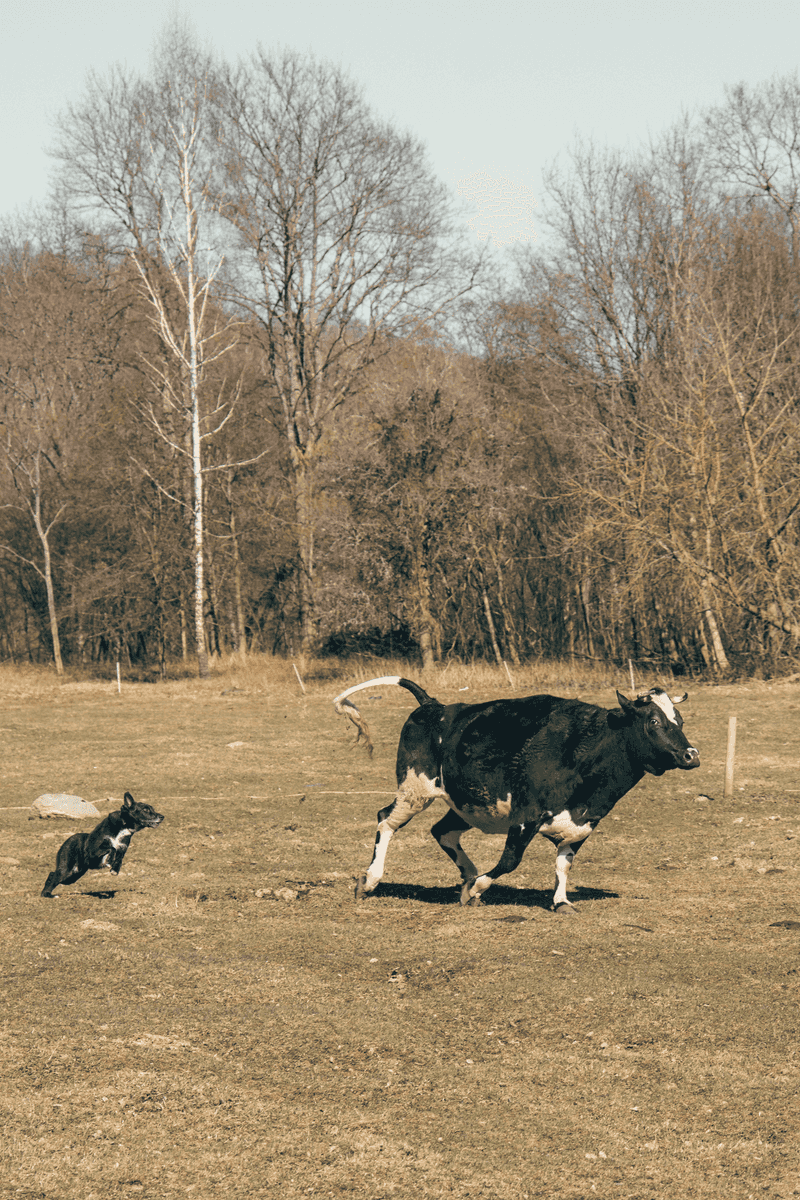
Country living brings a statute city owners rarely hear about. RCW 16.08.020 allows a person, in specific circumstances, to kill a dog seen chasing, biting, injuring, or killing their domestic animals or poultry.
It applies on their property, leased land, or a public highway.
If an owner is notified and still lets the dog run at large, the protection can apply again. Solid fencing and recall training prevent these situations entirely.
13. State Parks Cap Leashes at Eight Feet
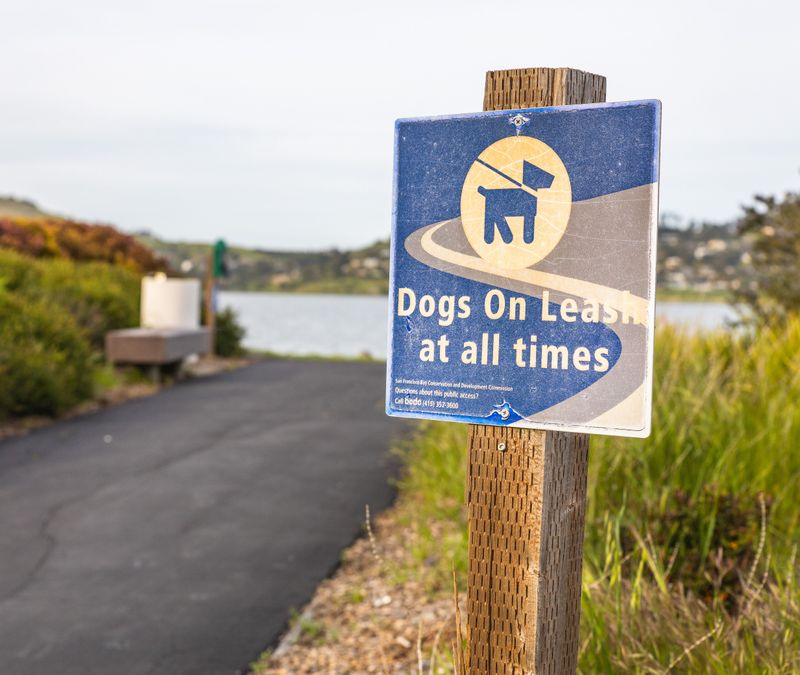
Trail days come with a specific measurement. Pets in Washington state parks must generally stay under physical control, typically on a leash no longer than eight feet.
Cleaning up after your dog is always part of the deal.
Designated swimming beaches and most public buildings are usually off limits, with exceptions for legitimate service animals. A standard six foot leash keeps you compliant everywhere, so pack that instead of a long line.
14. Passing Off a Pet as a Service Animal Is Illegal
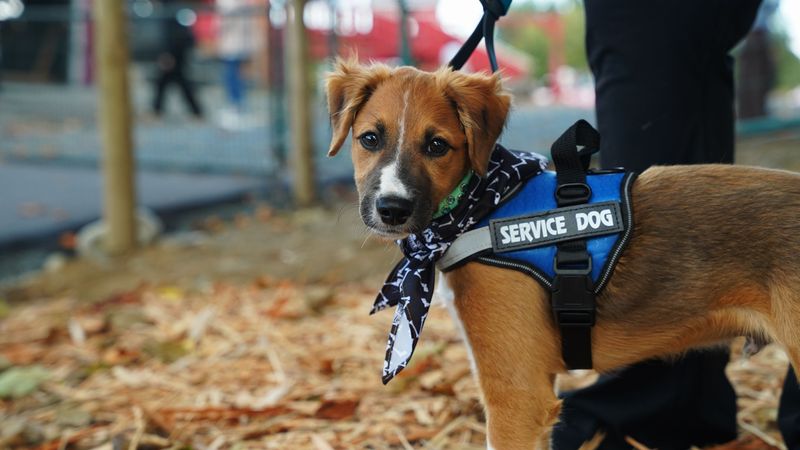
Service animals do demanding, life-changing work, and Washington protects that role. Under RCW 49.60.214, misrepresenting a pet as a service animal or service-animal trainee to gain those privileges is a civil infraction.
Penalties can reach $500.
Emotional support animals are valued, but they are not the same category under this law. If you need access accommodations, talk with your provider about legitimate options that fit your situation.
15. Patio Dining Has Clear Ground Rules

Brunch with your dog is absolutely doable, within limits. WAC 246-215-06570 allows dogs in outdoor dining areas of food establishments when specific conditions are met.
Your dog stays leashed and under your control the entire visit.
Sitting on tables, chairs, benches, or other fixtures is not allowed, and dogs cannot walk through the interior to reach the patio. Call ahead, since individual restaurants set their own policies too.