15 Water-Loving Dog Breeds For Missouri Lake And River Weekends
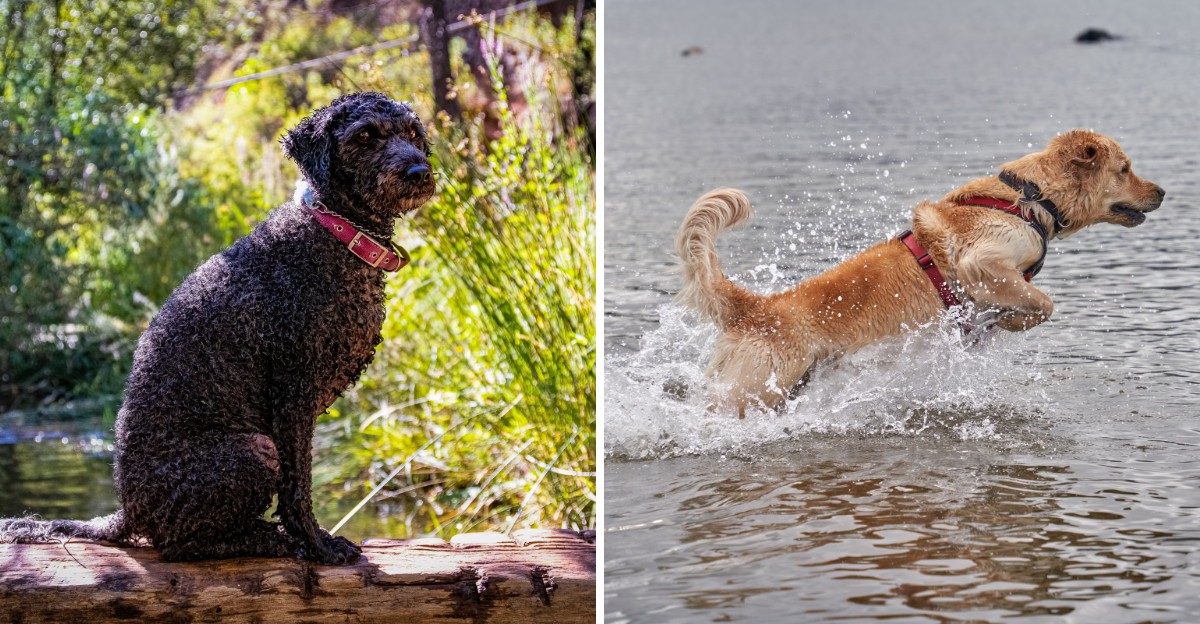
Missouri water can change from a quiet cove to a busy boat channel within a few paddle strokes. Choosing a dog that enjoys swimming helps, but matching its energy and skills matters even more.
Some breeds live for retrieving, while others prefer a slow splash beside their people. Before packing for the Ozarks or a river outing, discover which swimmers suit your pace and what keeps their weekends safe.
1. Labrador Retriever: The Fetch Fan
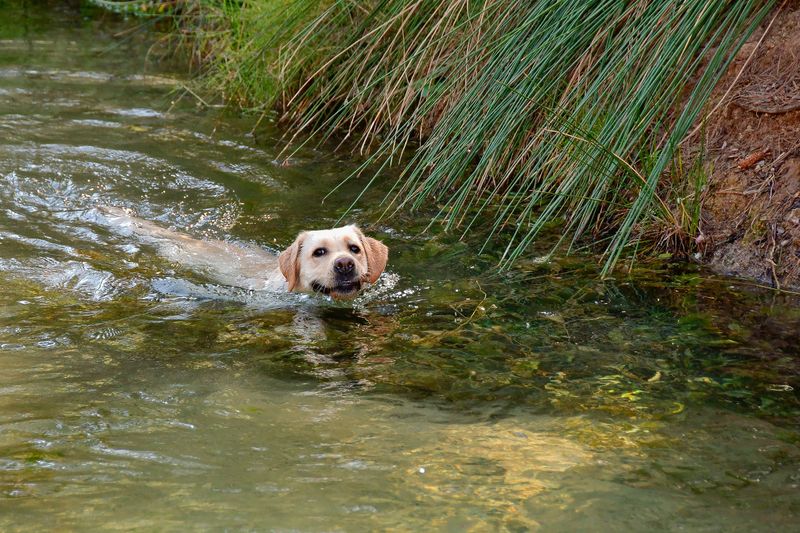
A floating toy can turn a quiet shoreline into a Labrador’s favorite playground. Originally developed from working dogs in Newfoundland, Labs usually bring strong retrieving instincts and plenty of enthusiasm.
Choose a sheltered Missouri cove for short fetch sessions, away from boat traffic. Fit a canine life jacket before leaving shore.
Offer fresh drinking water and regular shade breaks. Even eager swimmers need rest, especially when summer heat makes another throw look easier than it feels.
2. Golden Retriever: Sunshine at the Shore
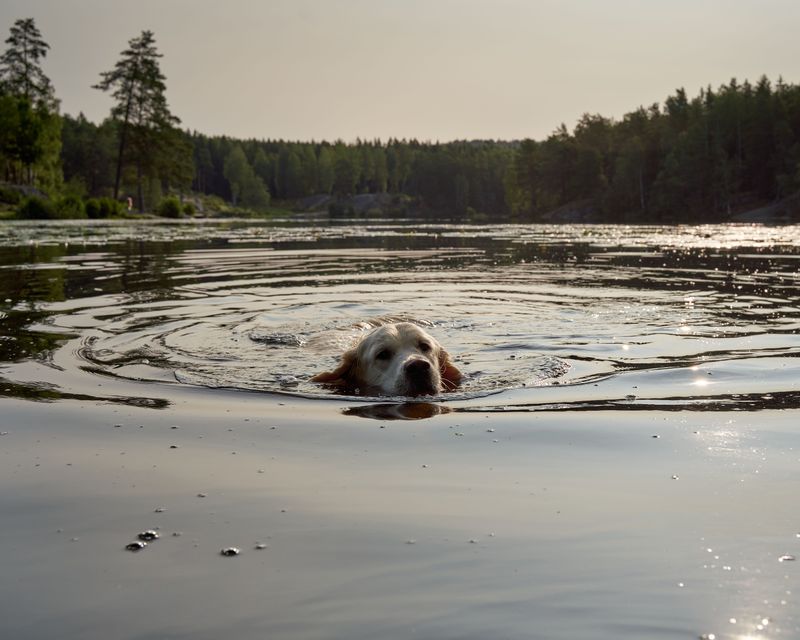
Golden fur, blue water, and a floating bumper make a cheerful weekend picture. Bred in Scotland to retrieve game, Goldens often enjoy carrying things back from the water.
Start with easy shoreline entries rather than dock jumps. A gradual slope gives your dog more control and builds confidence.
After swimming, rinse away grit and dry the ears carefully. Check beneath that thick coat for damp patches before settling into the car for the ride back home.
3. Chesapeake Bay Retriever: Built for Working Water
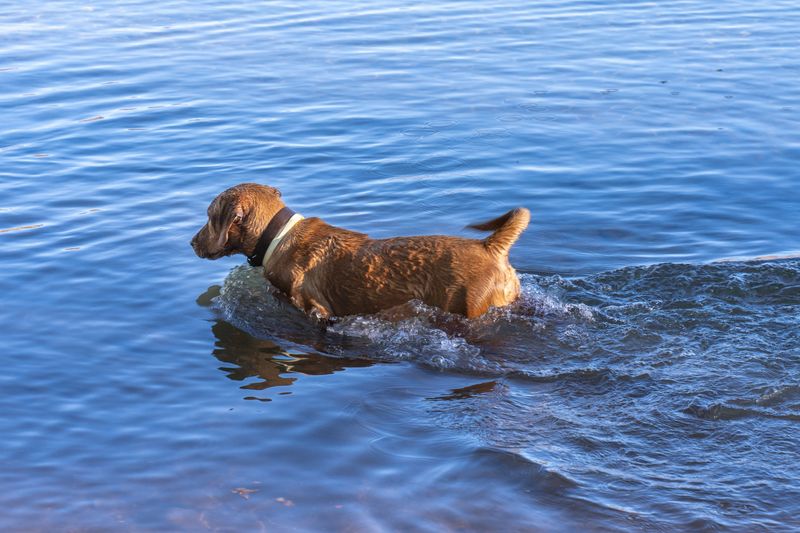
Cool mornings rarely dim a Chessie’s interest in the shoreline. Developed around Chesapeake Bay, these retrievers have dense, oily coats suited to demanding water work.
Missouri outings still call for sensible limits, especially during hot weather. Plan early swims and keep fresh water close.
Practice recall before adding floating toys or other distractions. Their determined streak rewards clear training, while a quiet launch area helps you build teamwork without the bustle of a crowded boat ramp.
4. Portuguese Water Dog: The Busy Boat Buddy
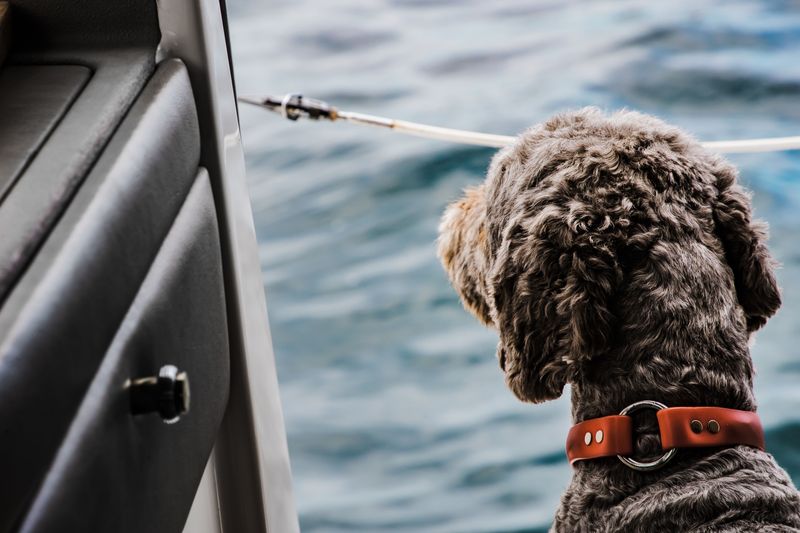
Once a helper aboard Portuguese fishing boats, this curly worker likes having a job. Carrying a floating toy can satisfy that busy brain during a lake visit.
Teach calm boarding before planning a boat ride. A stable platform and a fitted flotation vest make practice easier.
Keep sessions playful, not endless, and reward settling between activities. Comb the coat after it dries, checking places where straps rub or small shoreline twigs can hide beneath the curls.
5. Newfoundland: A Big Presence in the Cove
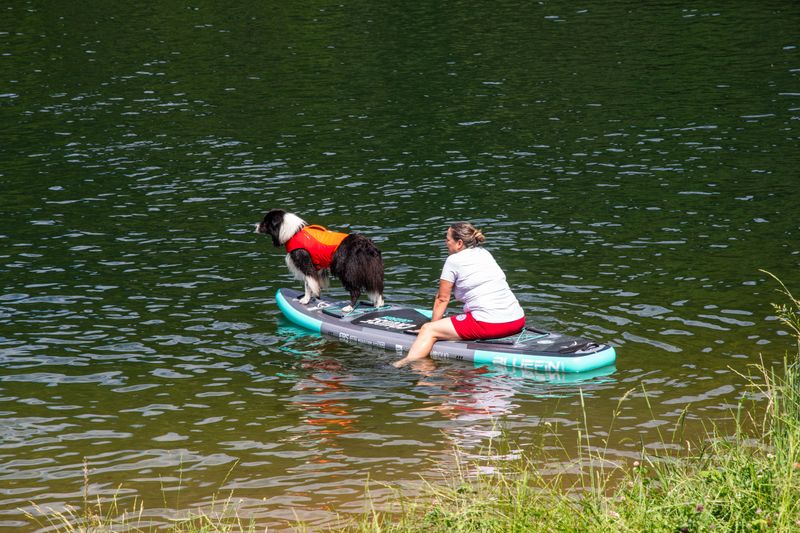
Those enormous paws come with a long history of water rescue work. Newfoundlands can be impressive swimmers, but their size makes careful planning essential.
Pick a broad, gentle entry instead of a steep riverbank. Check that your vehicle, boat, and boarding setup can handle a wet giant.
Missouri summer heat can be hard on this thick coated breed. Keep swimming sessions brief, provide deep shade, and never expect your dog to act as anyone’s personal lifeguard.
6. Irish Water Spaniel: Curls With a Purpose
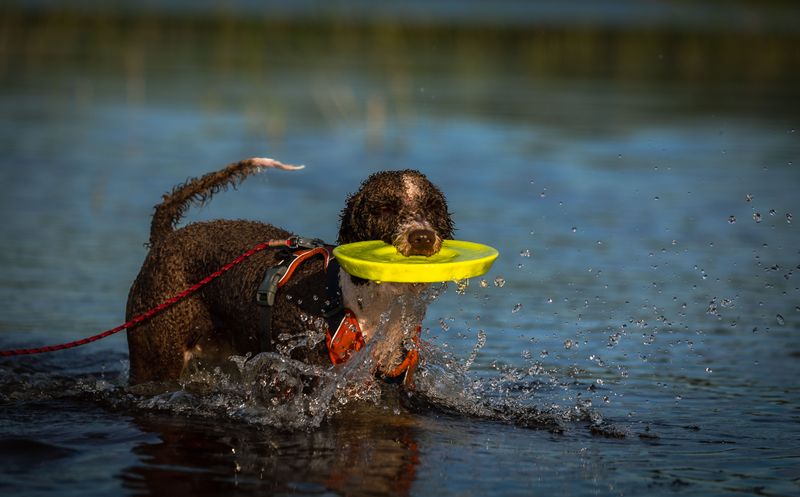
A curly topknot and smooth, tapering tail give this swimmer an unmistakable look. Irish Water Spaniels were developed for retrieving, including work in water.
Give that clever mind something useful to do. Short searches for a floating bumper can be more rewarding than repeated long throws.
Choose open shallows without tangled fishing line or thick plants. Afterward, inspect the curls for debris and dry the ears, keeping your Missouri splash session comfortable from start to finish.
7. American Water Spaniel: Compact Midwest Talent
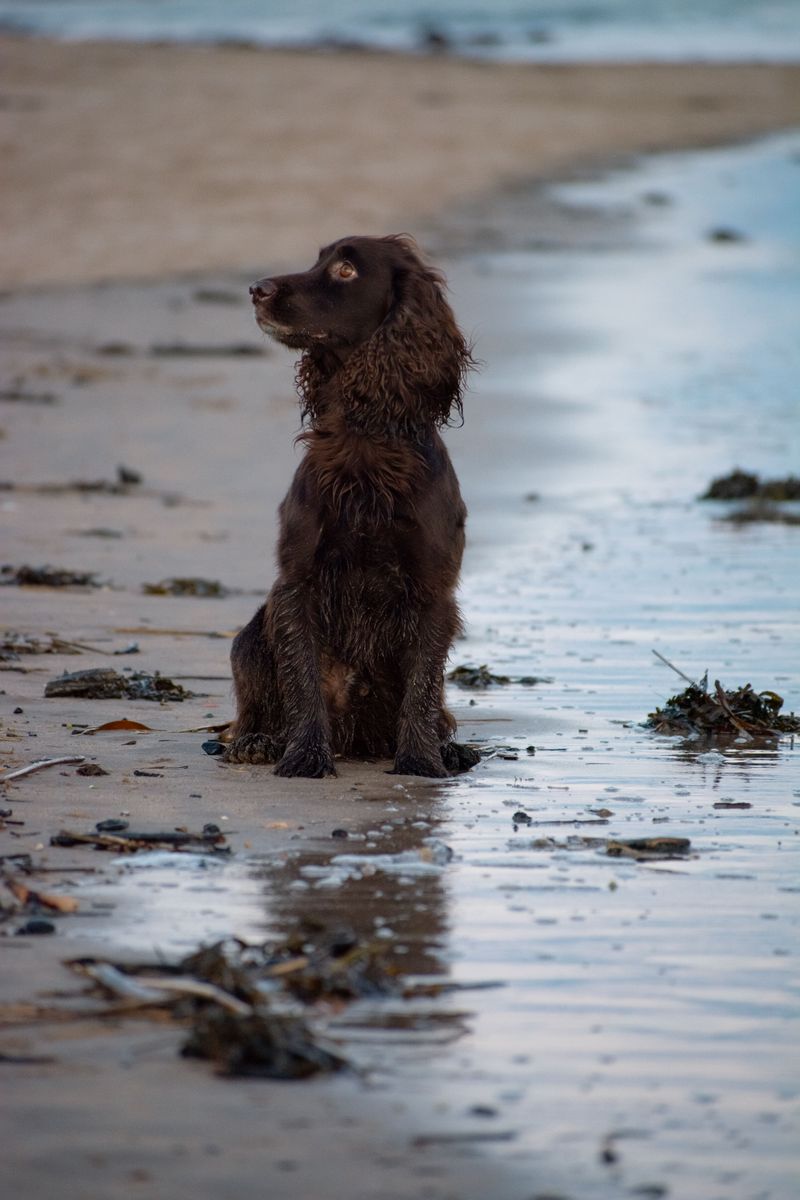
Midwestern roots give this smaller sporting dog a fitting place on a Missouri packing list. Developed around Wisconsin waterways, American Water Spaniels worked from boats and retrieved from water.
Their manageable size can suit smaller craft, provided boarding practice comes first. Never assume a compact dog needs less supervision.
Mix gentle swims with sniffing breaks along approved shoreline paths. Bring a drying towel, and check the wavy or curly coat for burrs before heading home together.
8. Standard Poodle: More Than a Fancy Haircut
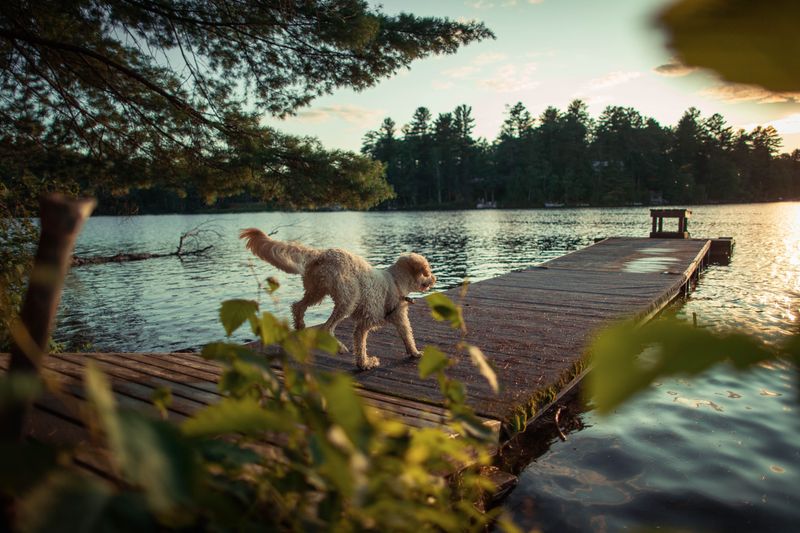
Forget the fancy haircut for a moment: this athlete has water retrieving roots. Standard Poodles combine quick learning with an active build that often suits swimming.
Introduce the lake through reward based games in shallow water. Keep the coat practical for outdoor weekends, with grooming suited to your dog’s needs.
Wet curls can hold sand and small plant pieces. Rinse, dry, and brush as needed, then enjoy a calm shade break before the next Missouri splash.
9. Spanish Water Dog: A Thinker by the Water
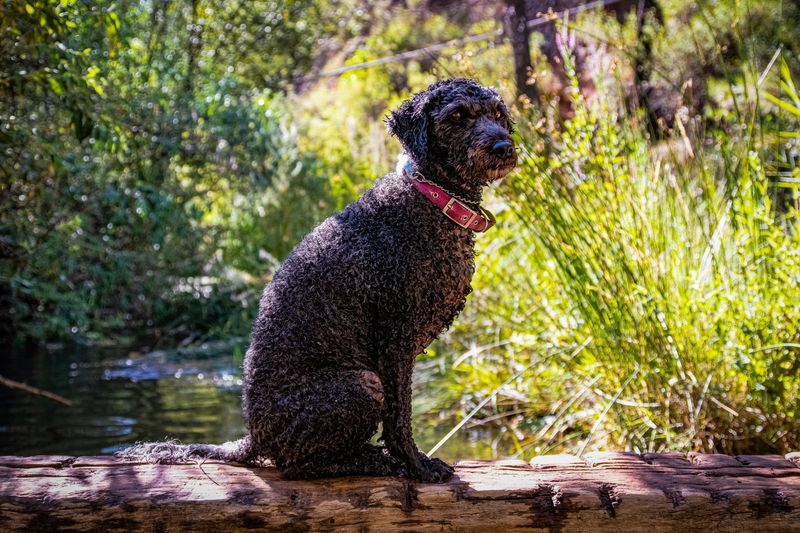
A watchful expression often comes with those woolly curls. Spanish Water Dogs have worked as versatile farm helpers, with water work among their traditional roles.
Confidence matters more than the breed’s name, so let your dog approach the shoreline voluntarily. Reward small steps rather than pushing for a swim.
Choose quiet water and practice a reliable return cue. Ask a breed experienced groomer about coat care, since routine brushing is generally not recommended for this coat.
10. Curly-Coated Retriever: The Independent Swimmer
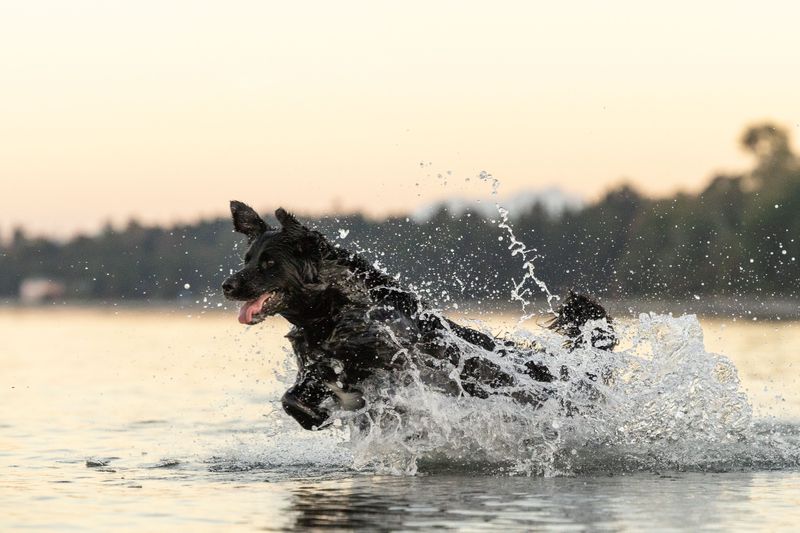
Tight curls cover an athletic retriever with a noticeably independent streak. Among Britain’s older retriever breeds, Curlies were developed to collect game from land and water.
Make shoreline training interesting with brief tasks and generous rewards. Repeating the same throw forever may lose its appeal.
A sheltered Missouri inlet offers room to practice without heavy waves. Keep retrieves close, supervise every swim, and follow suitable coat care rather than assuming those distinctive curls need daily brushing.
11. Flat-Coated Retriever: The Cheerful Splash Partner
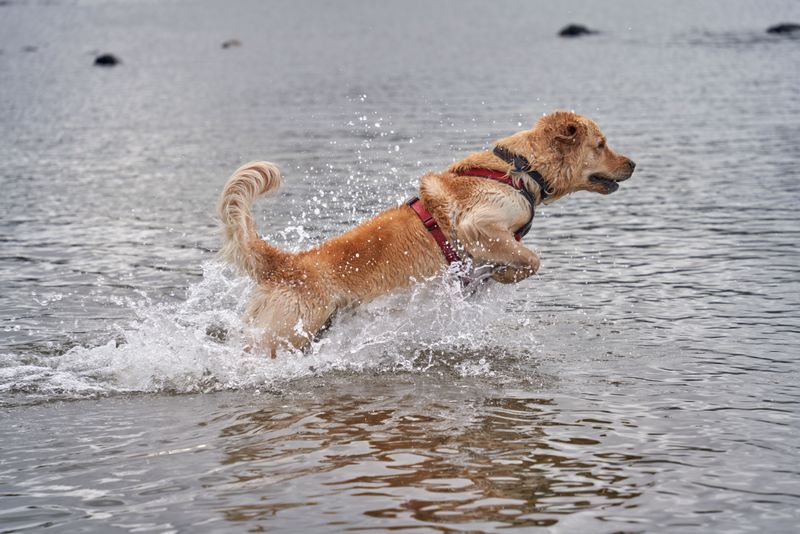
Enthusiasm seems to arrive before the rest of this silky retriever. Flat-Coats were developed for retrieving on land and water, and many keep a playful outlook well into adulthood.
That cheerful energy benefits from clear boundaries near docks. Teach a wait cue before allowing any shoreline approach.
Use short swimming games, then pause for water and shade. Check feathered legs and tails for hitchhiking seeds, especially after walking through Missouri shoreline grasses on the way back.
12. Boykin Spaniel: Small Boat, Big Spirit
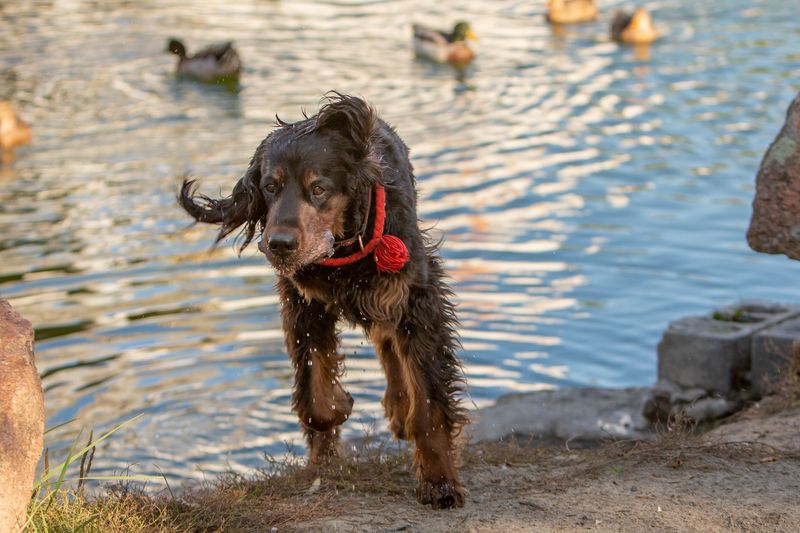
Small boats helped shape the Boykin’s story in South Carolina. This brown spaniel was developed as a useful hunting partner, including retrieving from water.
For Missouri weekends, begin with calm shoreline games before introducing a kayak or canoe. Practice getting aboard while the craft stays stable.
Those hanging ears deserve attention after every swim. Dry them gently, inspect for irritation, and ask your veterinarian about cleaning routines if your dog spends plenty of time getting wet.
13. Nova Scotia Duck Tolling Retriever: Red-Coated Energy
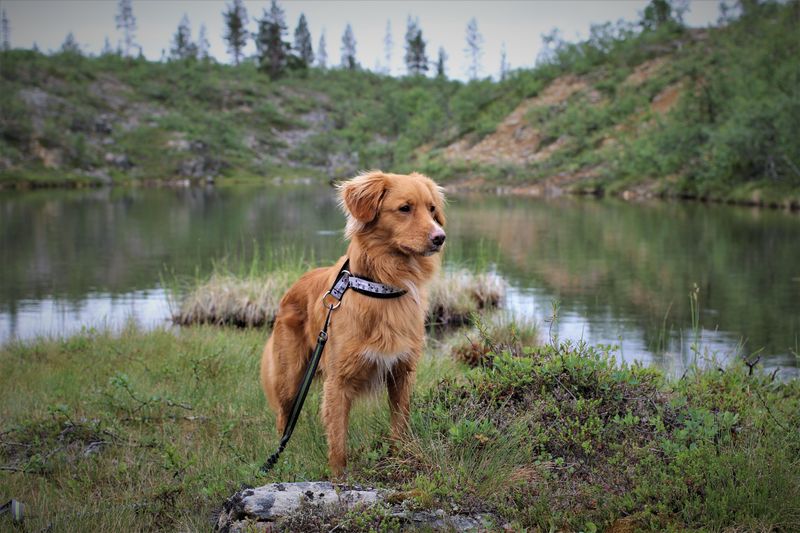
A bright red coat can make this busy retriever easy to spot beside the water. Tollers were developed in Nova Scotia to lure ducks within range and retrieve them.
Modern lake games should focus on toys, not wildlife. Keep your dog away from nesting birds and give resting animals plenty of space.
Balance swimming with simple training puzzles on shore. Mental work helps channel that lively energy without relying on endless fetch to fill the day.
14. German Shorthaired Pointer: The Shoreline Athlete
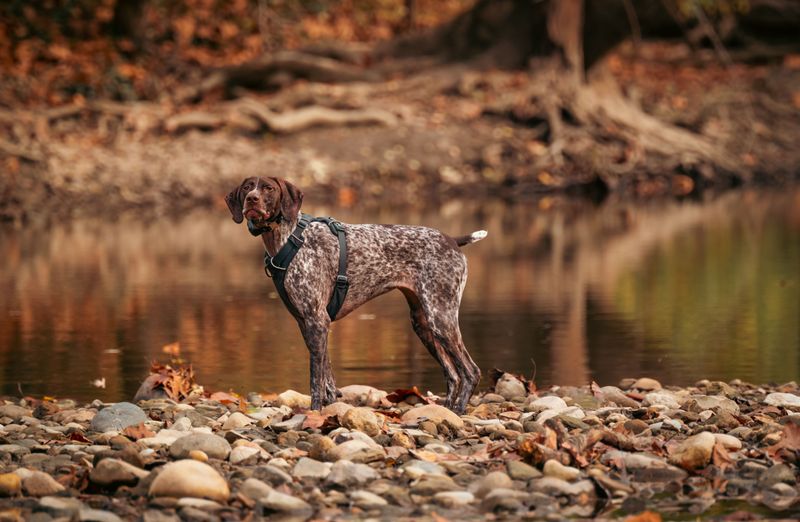
Long legs and an eager nose rarely settle for a lazy shoreline stroll. German Shorthaired Pointers are versatile hunting dogs, and many enjoy retrieving from water.
Their short coats offer less insulation than heavier retriever coats. Avoid chilly swims and dry your dog promptly after leaving the water.
Choose calm coves instead of moving river channels. Practice recall on land first, and use a leash where required during walks between your parking spot and the shore.
15. Barbet: The Shaggy French Water Worker
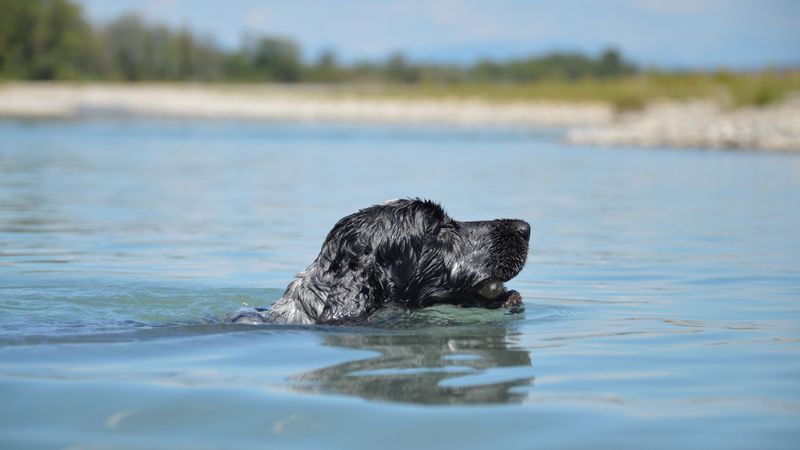
Behind that shaggy beard sits a French water dog with a long retrieving history. Barbets often enjoy swimming, though every puppy still needs patient introductions.
Keep curls maintained, and rinse away lake grit after outings. Skip water with scum, unusual color, or posted health warnings.
Check current dog access rules before visiting any Missouri shoreline. Pack fresh water, a life jacket, and your leash.
Let your dog’s comfort set the pace, then make a splash together.