15 Working Dog Breeds For South Carolina Horse Country And Rural Acreage
A horse farm needs more than a dog who enjoys room to run. Around South Carolina’s sandy paddocks and shady barns, useful skills must come with steady manners and heat awareness.
Some breeds help move livestock, while others suit property watch, scent work, or busy days beside their people. The real trick is matching the dog’s instincts to your chores, fences, horses, and daily schedule.
1. Australian Cattle Dog: A Compact Ranch Hand
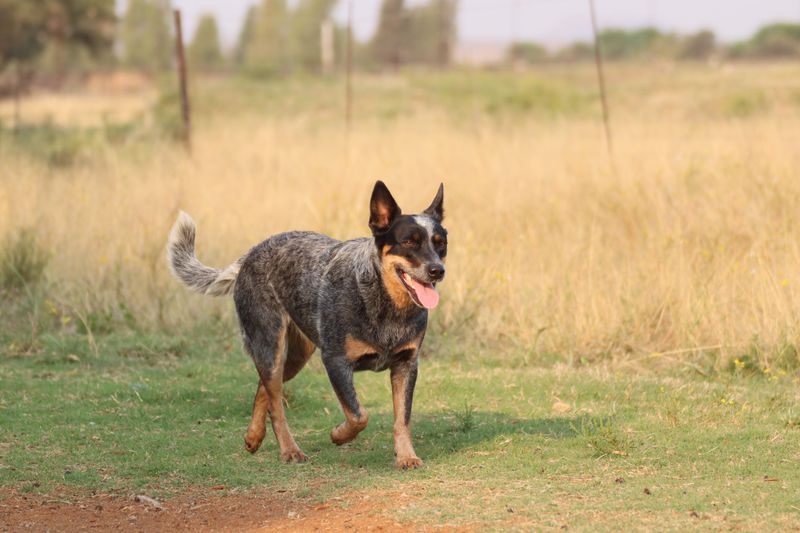
Those watchful eyes rarely miss a moving hoof or an unfinished chore. Bred to move cattle, Australian Cattle Dogs bring stamina and quick thinking to farm life.
Their habit of nipping heels needs careful training around horses.
Start with leash walks outside paddocks, rewarding calm attention instead of chasing. Offer daily training games, structured exercise, and a cool resting spot.
Secure fencing matters because open acreage alone cannot keep a busy dog safely occupied all day.
2. Border Collie: The Thoughtful Herding Specialist
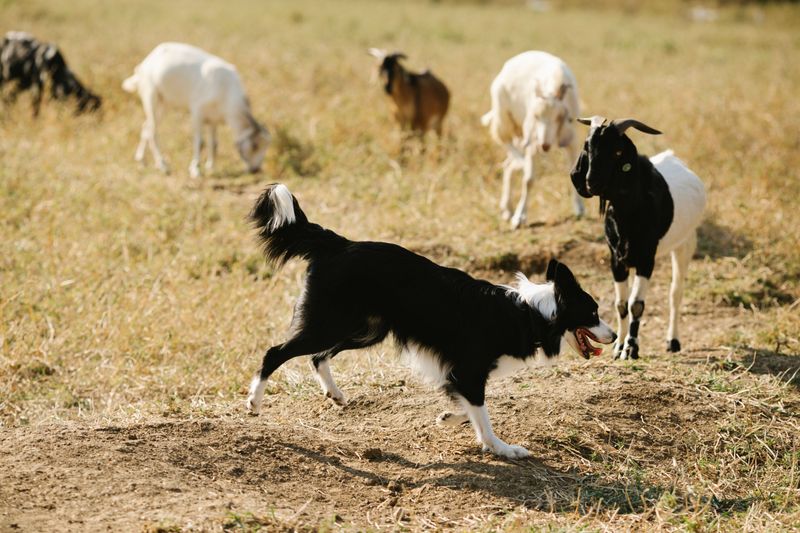
A quiet crouch can say more than a whole chorus of barking. Border Collies use focus and movement to guide livestock, especially sheep.
That talent needs direction, or passing horses may become an unwanted herding project.
Choose this breed when you enjoy teaching skills almost every day. Practice recall, settling, and leaving animals alone before adding supervised farm tasks.
Summer sessions should stay short, with shade and water always nearby during South Carolina’s warmest working hours.
3. Australian Shepherd: An Enthusiastic Chore Partner
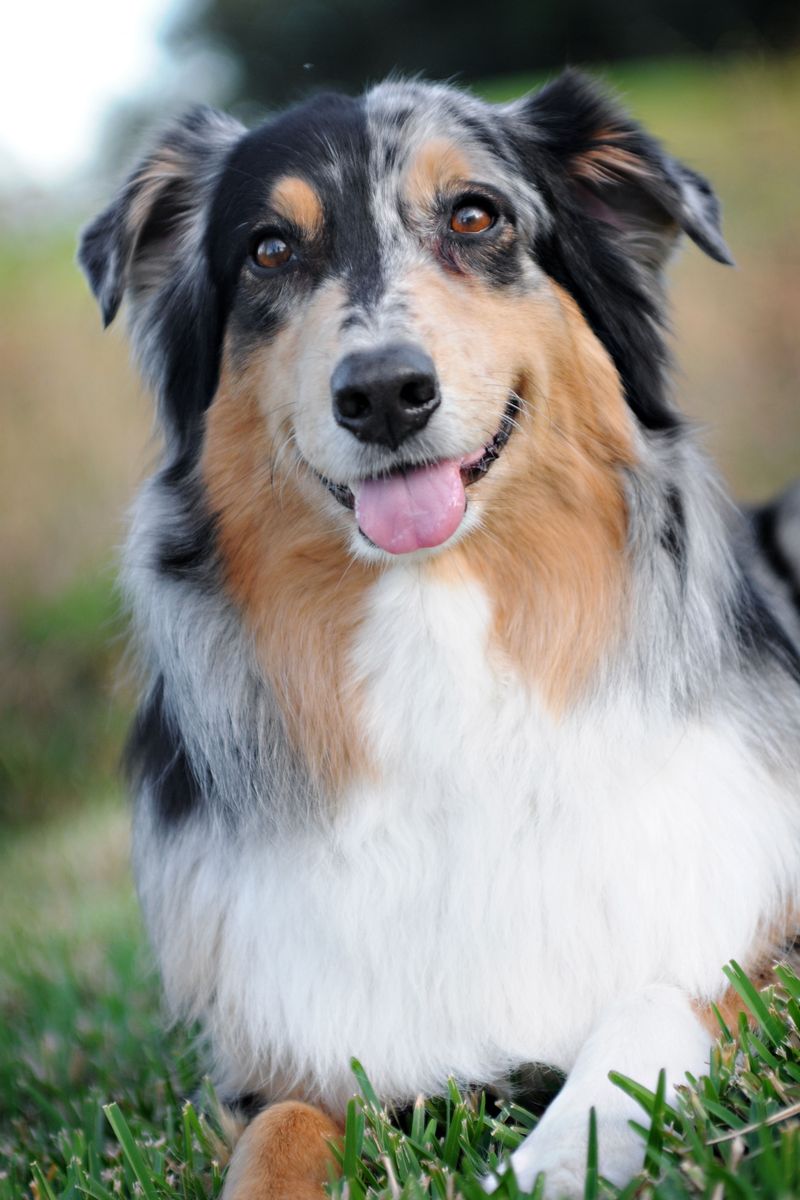
Barn chores become much more interesting when every bucket seems worth supervising. Australian Shepherds often enjoy close teamwork and learn routines quickly.
Despite their name, the breed developed mainly in the western United States.
Give that eager brain useful jobs, such as stationing on a mat during feeding. Prevent circling or chasing horses, even when it looks playful.
Brush the coat regularly, check for ticks, and schedule active training before the afternoon humidity builds each summer.
4. Great Pyrenees: A Patient Pasture Guardian
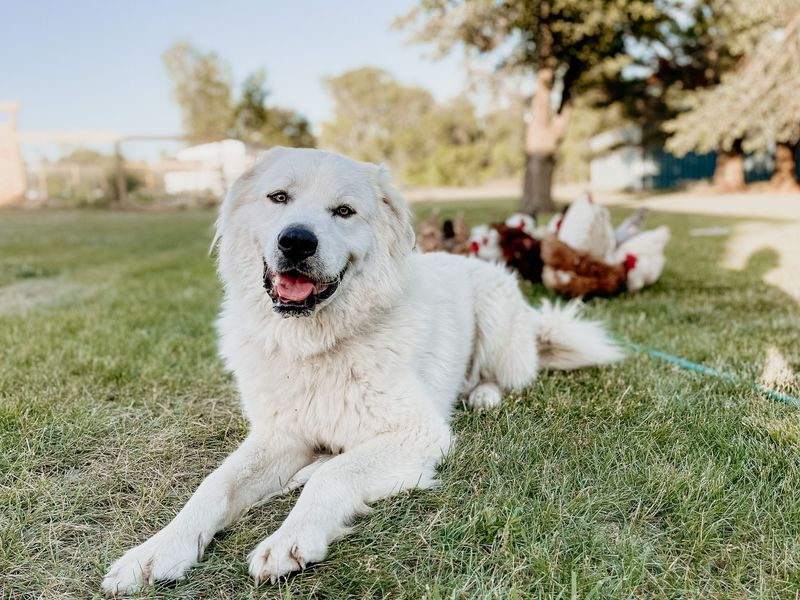
Under that snowy coat sits a dog bred to watch livestock independently. Great Pyrenees can suit farms needing livestock guardians rather than herding helpers.
Success depends on suitable breeding, careful introductions, and patient guidance around the intended animals.
Expect barking, particularly after dark, and discuss nearby neighbors before choosing one. Strong fencing is essential because guardian dogs may roam.
Provide deep shade, fresh water, and indoor cooling when needed during South Carolina’s long, humid summer afternoons.
5. Anatolian Shepherd: Independent Eyes on the Acreage
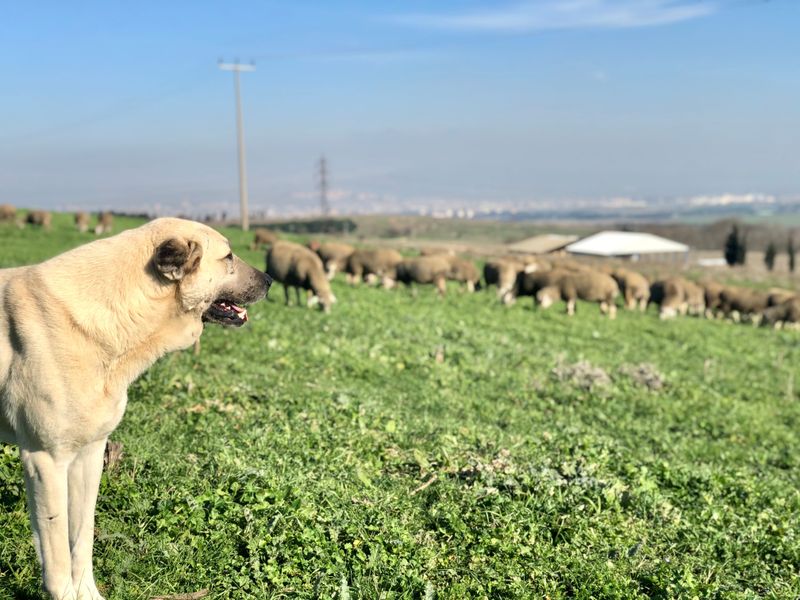
Surveying a pasture comes naturally to this serious livestock guardian. Anatolian Shepherds developed in Turkey to watch flocks across large landscapes.
Their independent judgment can help on suitable farms, but it also makes casual ownership challenging.
Plan secure boundaries, thoughtful visitor routines, and training with an experienced guardian dog mentor. Introduce horses slowly rather than assuming instant trust.
Although the coat is shorter than some guardians, summer work still requires shade, water, and careful heat monitoring.
6. Catahoula Leopard Dog: A Bold Southern Worker
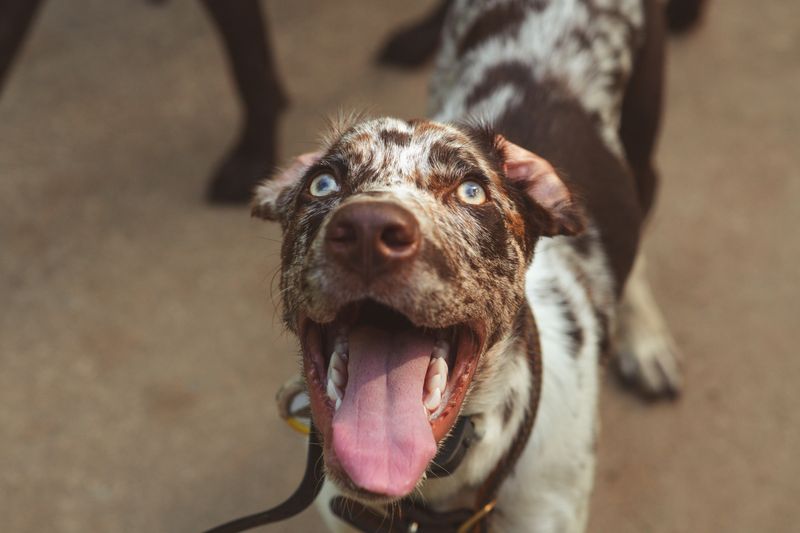
Spotted coats may catch your eye, but working drive tells the bigger story. Louisiana’s Catahoula Leopard Dog has roots in livestock work and hunting.
Many need experienced handling, purposeful exercise, and clear household rules.
Teach a reliable recall inside fencing before exploring larger areas together. Small animals and moving horses deserve careful supervision because pursuit can feel rewarding.
Choose training based on your individual dog’s behavior, not coat color, and build quiet breaks into busy days.
7. German Shepherd: A Versatile Farm Teammate
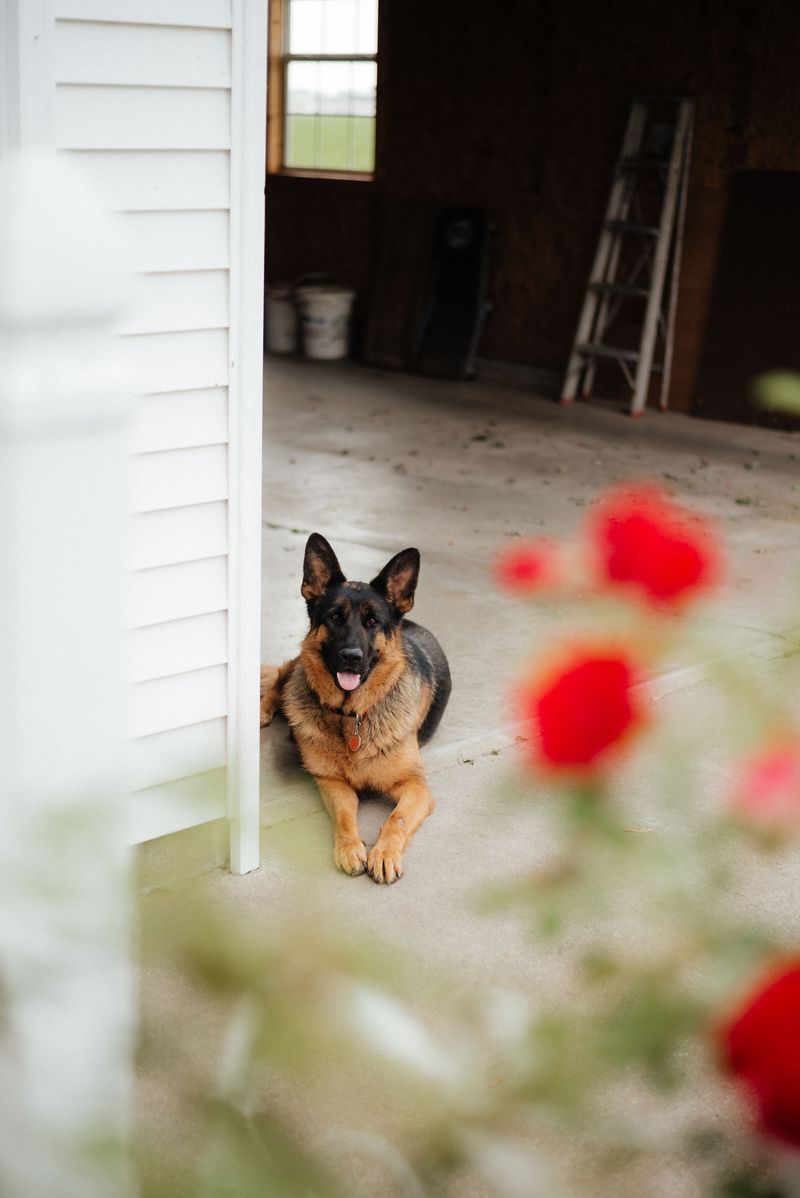
From learning gate manners to following chore routines, versatility is the big draw. German Shepherds often enjoy structured training and staying near their people.
A well matched dog can become a capable companion on an active property.
Prioritize stable temperament and documented health testing when choosing a breeder. Teach calm greetings for farriers, delivery drivers, and visiting riders.
Avoid repetitive jumping during growth, and ask your veterinarian about exercise suited to your dog’s joints and age.
8. Belgian Malinois: Best for Dedicated Training Homes
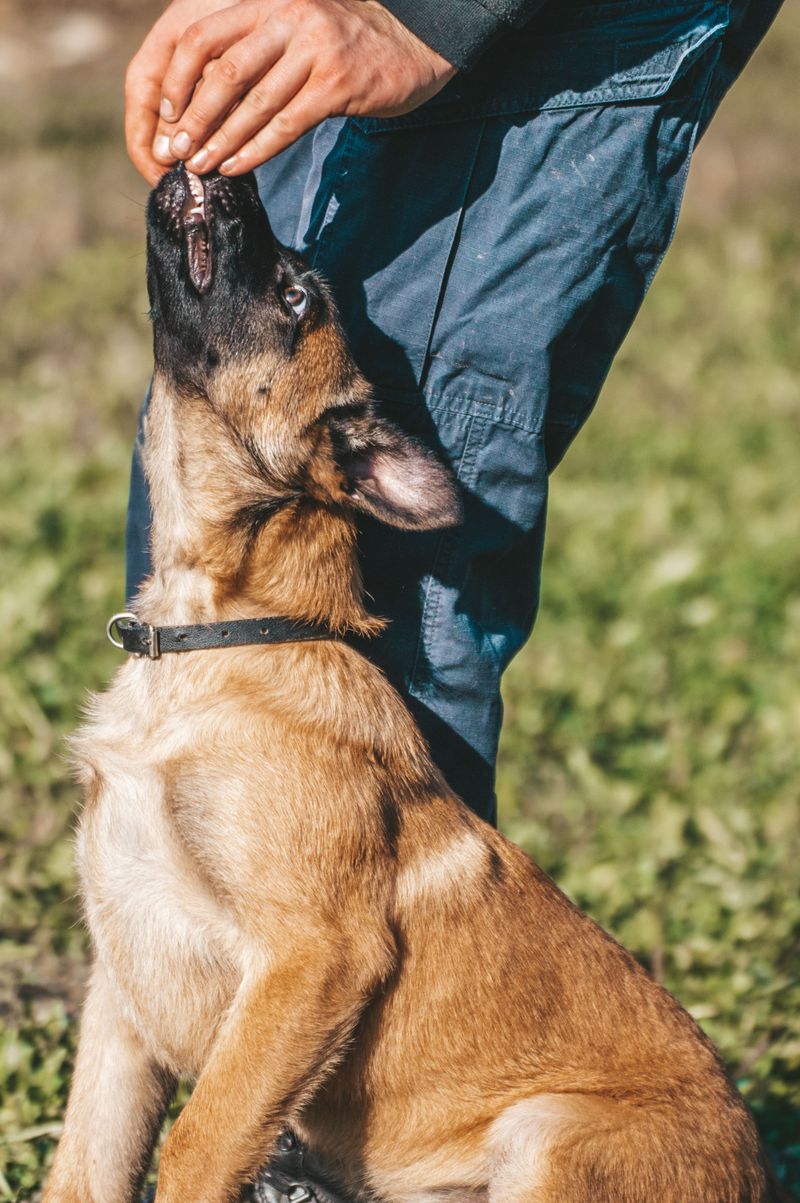
Fast feet are only half the story with this intense working breed. Belgian Malinois usually need substantial training, exercise, and daily mental challenges.
A large yard cannot replace a thoughtful plan or an involved owner.
Consider one only if demanding dog training already fits your lifestyle. Build reliable settling skills alongside obedience, scent games, and supervised exercise.
Around horses, use barriers and controlled introductions, since quick movement can trigger chasing before a handler notices the change.
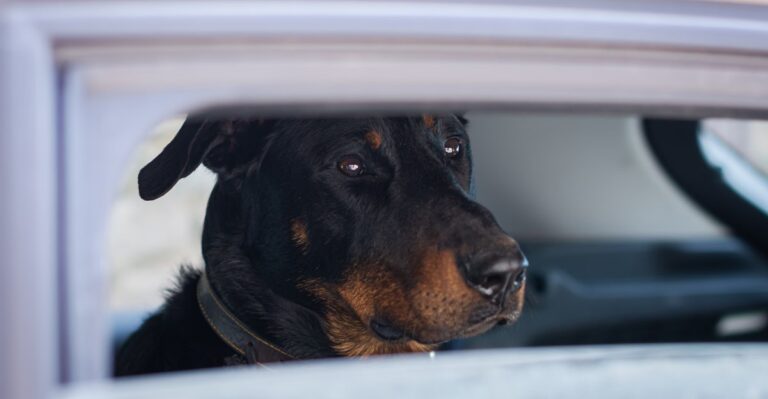
9. Rottweiler: A Strong Partner With Steady Manners
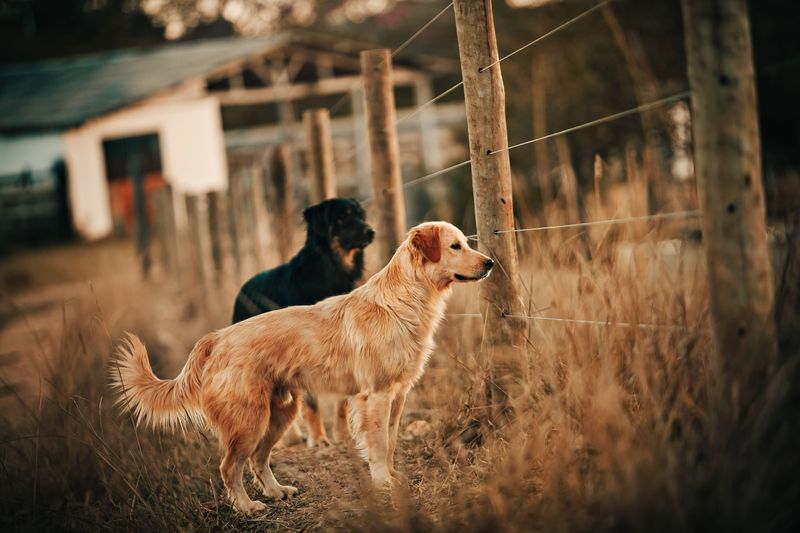
Once used to move cattle and pull carts, Rottweilers bring genuine working history. Their strength makes good manners more than a nice extra.
Calm leash walking and waiting at gates should begin early.
Look for sound health, thoughtful socialization, and a temperament suited to frequent farm visitors. Reward relaxed behavior near horses instead of encouraging watchful excitement.
During sticky summer weather, choose shorter outings and cooling breaks rather than expecting long stretches beside a moving horse.
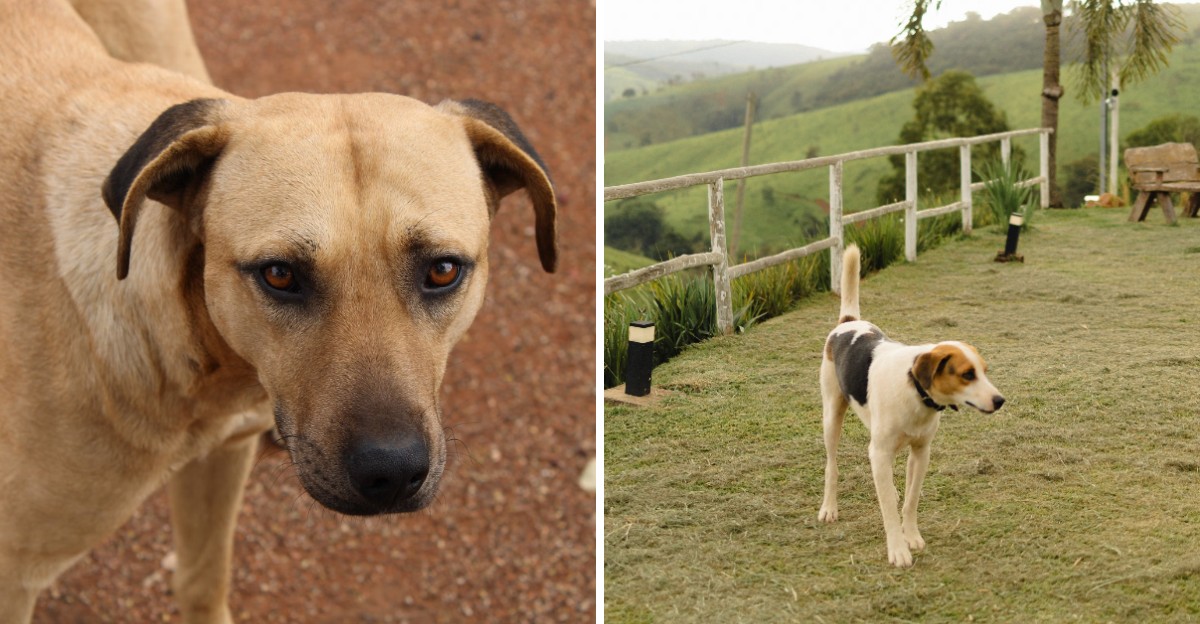
10. Black Mouth Cur: A Practical Country All-Rounder
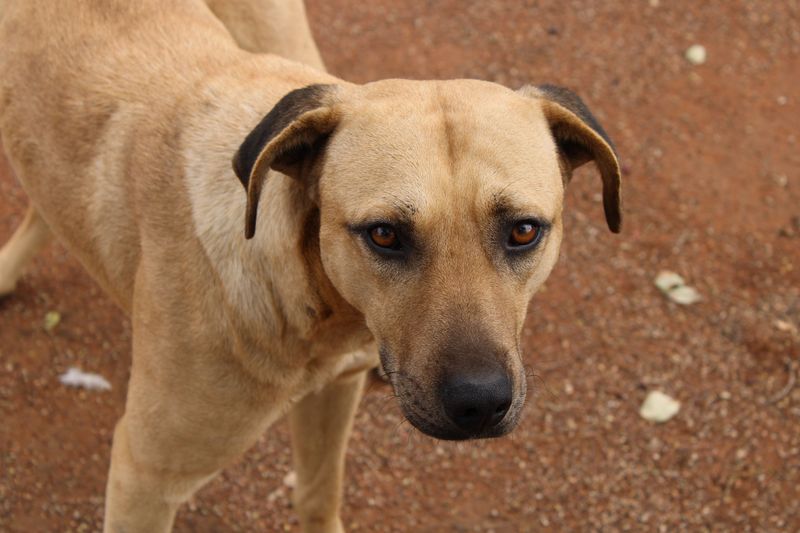
A muddy lane and a useful task often suit this southern farm type. Black Mouth Curs have worked as hunting dogs and livestock helpers.
Because lines vary, ask specifically about the parents’ jobs, temperaments, and behavior around animals.
Do not assume every puppy will naturally respect chickens or horses. Use secure separation, reward calm choices, and introduce chores gradually.
Regular scent games and obedience sessions can provide useful outlets when weather keeps longer outdoor activities on hold.
11. Redbone Coonhound: A Nose With Country Roots
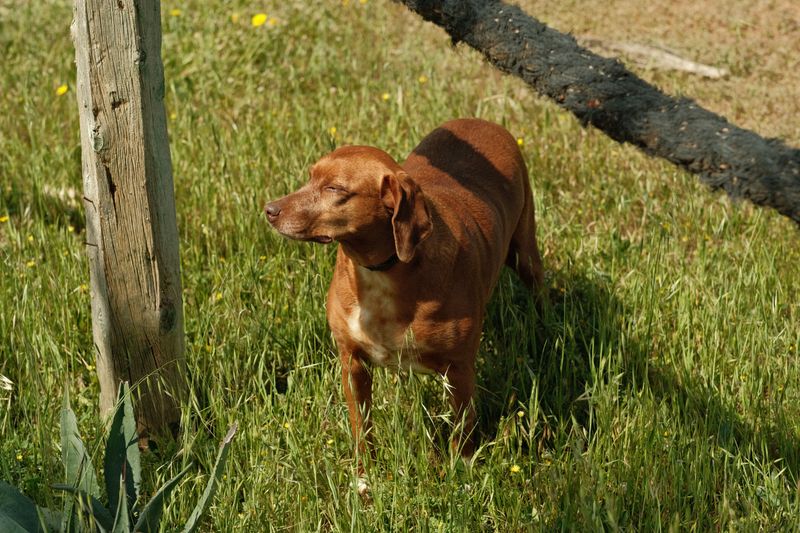
One interesting scent can turn an ordinary walk into a full investigation. Redbone Coonhounds were developed for hunting, not moving livestock or guarding paddocks.
They suit rural owners who enjoy scent work and understand independent noses.
Use secure fencing and a leash outside enclosed areas, even after recall training. Their carrying voices may matter near neighboring horse properties.
Check floppy ears regularly, and keep barn introductions calm so curiosity never becomes an invitation to follow horses.
12. Treeing Walker Coonhound: An Athletic Scent Specialist
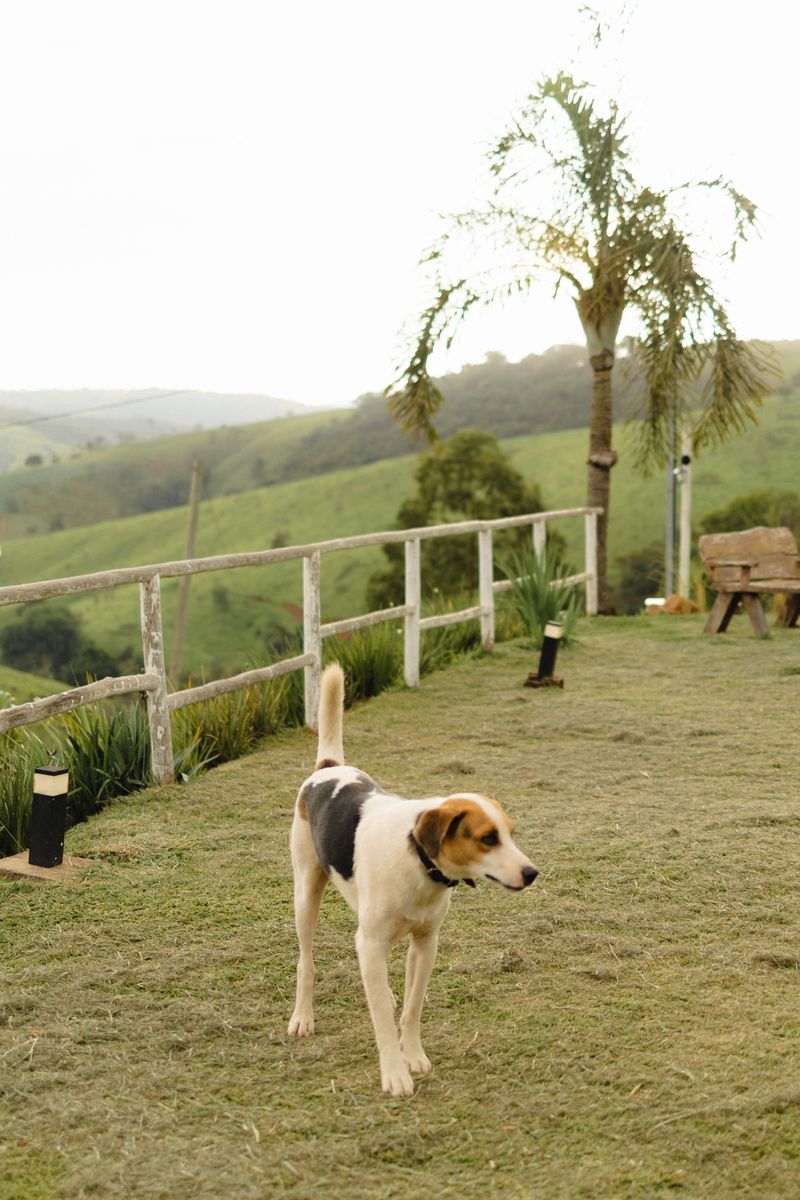
Follow the nose, and the rest of this athlete usually follows too. Treeing Walker Coonhounds bring speed, stamina, and a strong interest in scent.
Their working role centers on hunting rather than general livestock management.
A fenced exercise area and planned scent activities make rural life more manageable. Never rely on acreage boundaries that exist only on a map.
Teach quiet rest after activity, consider neighbors when managing vocal behavior, and supervise every introduction to horses.
13. Labrador Retriever: An Eager Everyday Helper
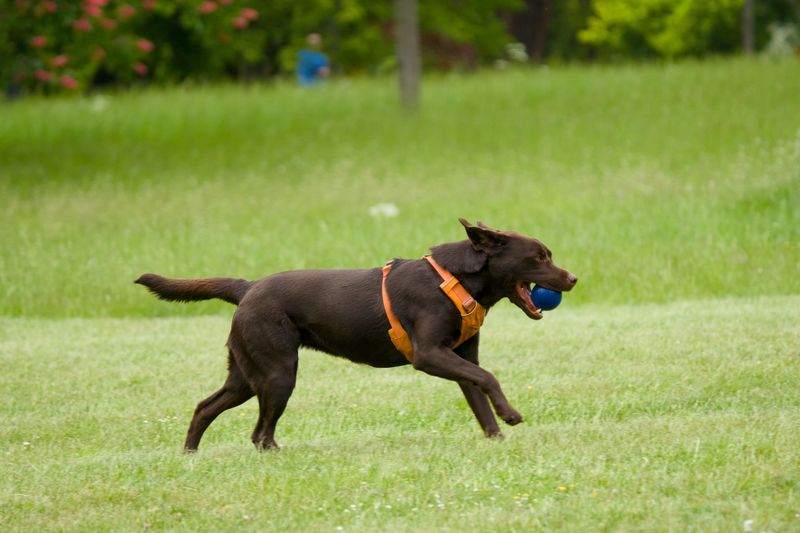
Carrying a soft training dummy can feel like a very important farm assignment. Labrador Retrievers often enjoy retrieving, learning routines, and spending time with people.
They are not livestock guardians, but many suit active rural households.
Teach polite greetings before welcoming riding students or barn guests. Keep feed rooms closed, since curious appetites can create trouble around animal supplies.
Maintain a healthy weight, supervise swimming, and practice leaving horses alone throughout daily walks around your property.
14. Standard Schnauzer: A Watchful Barnyard Character
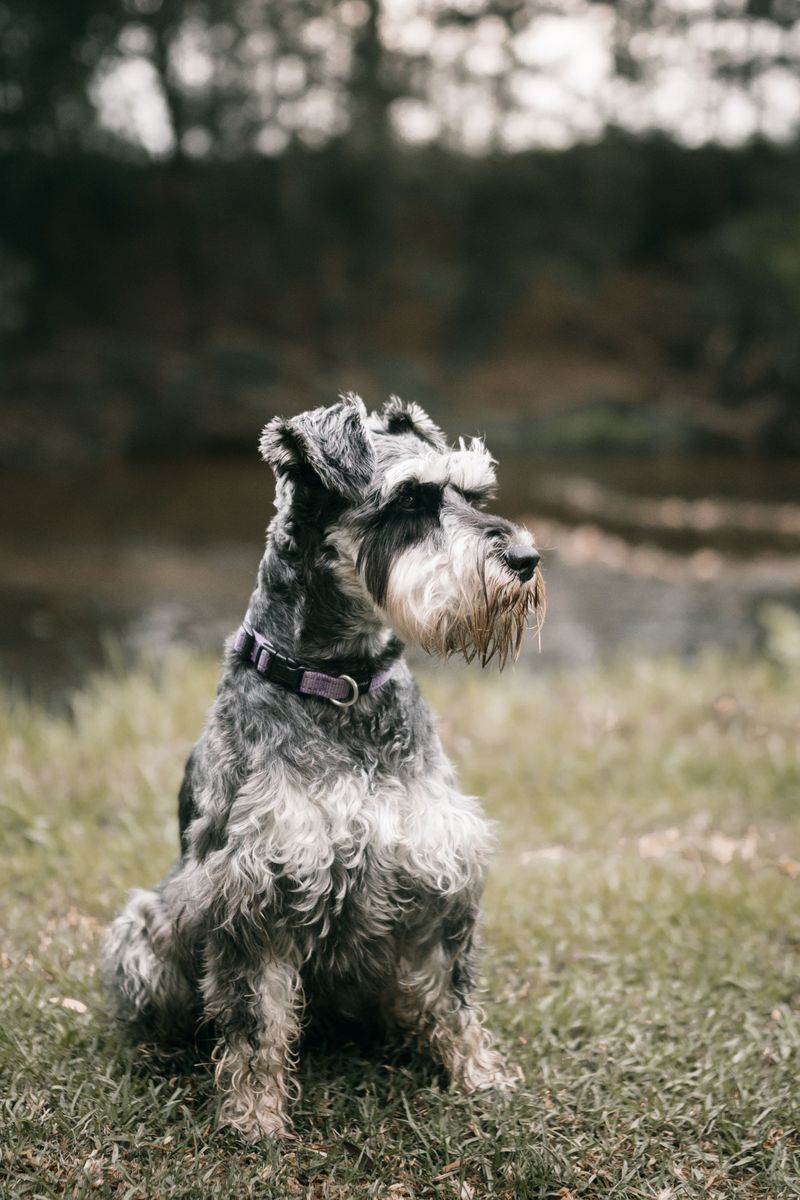
That bristly beard belongs to a farm dog with plenty of opinions. Standard Schnauzers historically served as versatile German farm helpers, including watching property.
Their handy size appeals to owners wanting energy without a giant frame.
Channel alertness into a quiet cue and polite greetings for visitors. Regular coat care is necessary, including brushing and suitable clipping or stripping.
Around barns, prevent chasing smaller animals, and use reward based training to make horse watching pleasantly uneventful.
15. Dutch Shepherd: A Bright Finish to the Chore Team
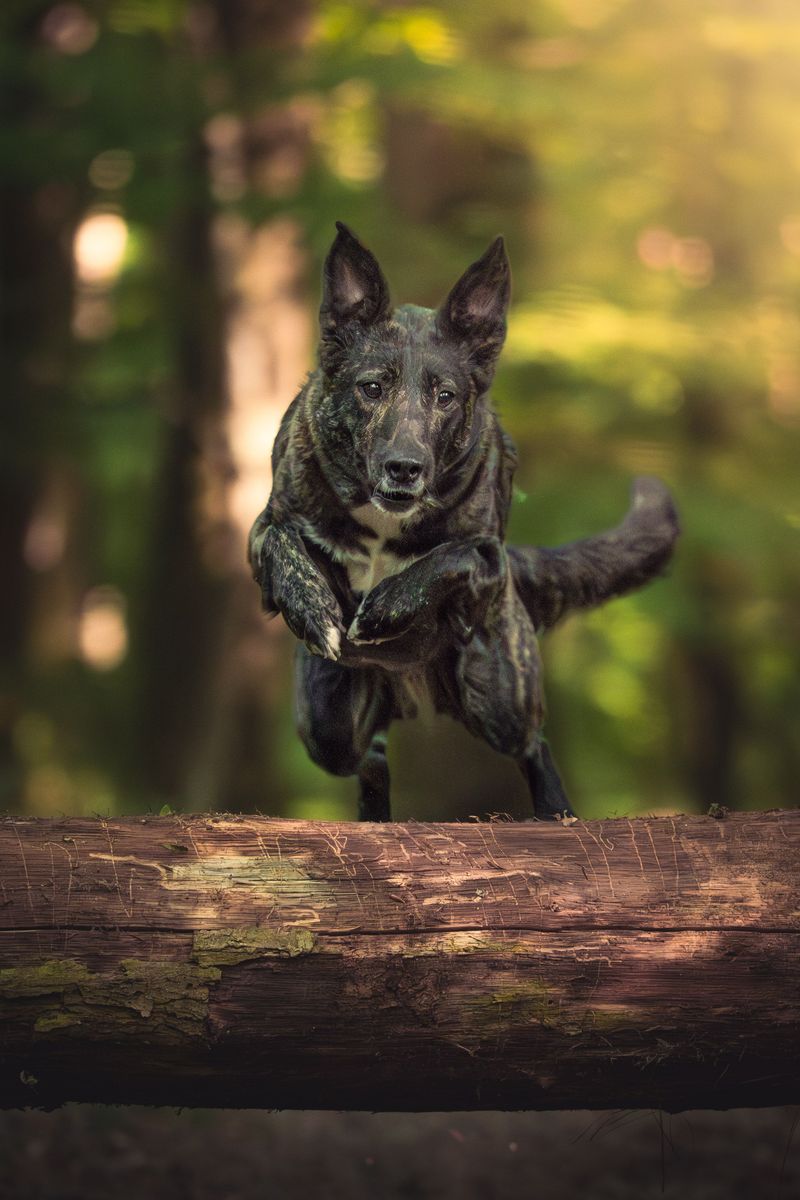
Brindle stripes hide a quick learner with roots in Dutch farm work. Dutch Shepherds can enjoy obedience, tracking, and other demanding activities with committed owners.
Working lines may require far more engagement than casual country companionship provides.
Ask about temperament, health testing, and the daily needs of close relatives. Build calm horse manners before assigning any barnside role.
Match the dog to your real routine, then grab the leash and let good habits lead the way.