17 Dog Breeds Suited To Nebraska Farms And Wide-Open Properties
Nebraska hands a dog everything it could want: hundreds of acres, cattle to move, coyotes to bark at, and weather that swings from ice storms to blazing July heat. Not every pup can handle that job description.
The right breed reads livestock, patrols fence lines, and still curls up on the porch at sundown. Some of the names ahead are obvious.
Others may surprise you, especially the sweet-faced giant that once hauled carts across Swiss farmland.
1. Australian Shepherd
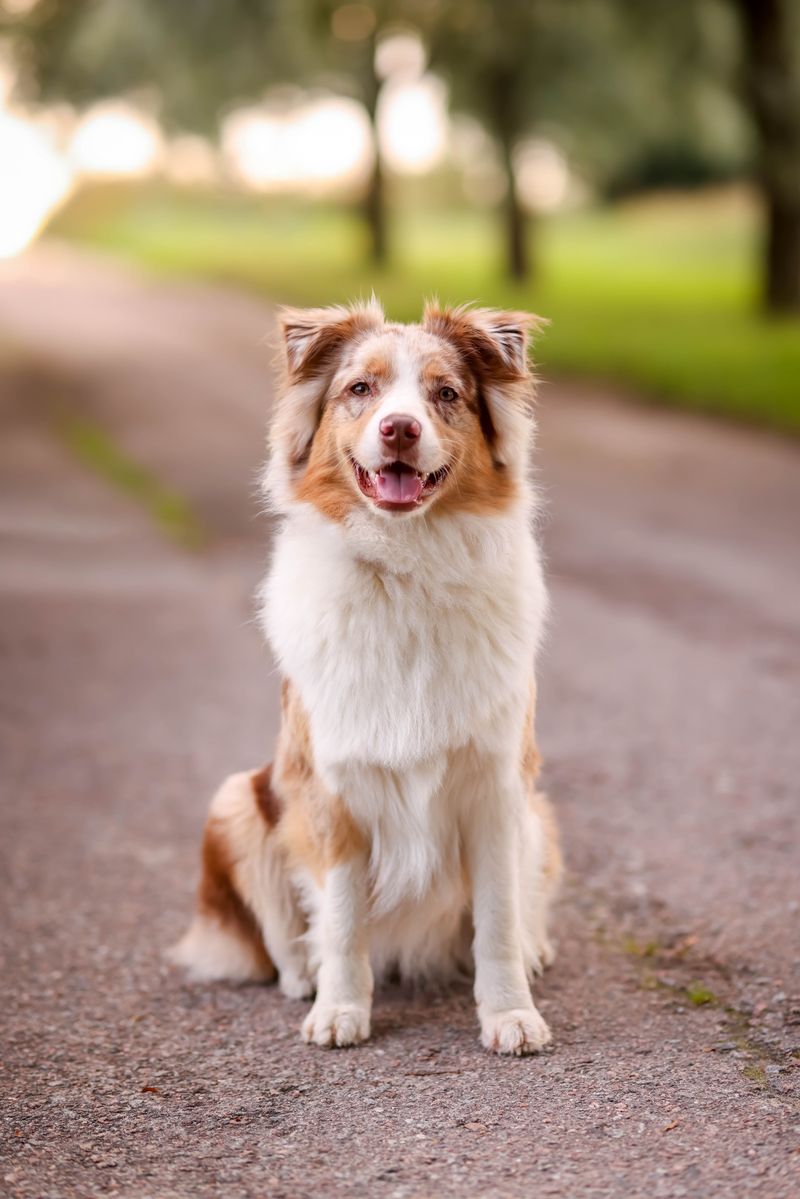
Few dogs think as fast on their feet as an Aussie. Bred to control herds without waiting for instructions, they read cattle movement almost before it happens.
Expect a busy brain that needs jobs daily. Bored Aussies invent chores you never wanted done.
Heel-nipping comes standard, so teach boundaries early around kids. Give one agility work, tracking, or real stock time and you get a loyal, courageous partner.
2. Border Collie
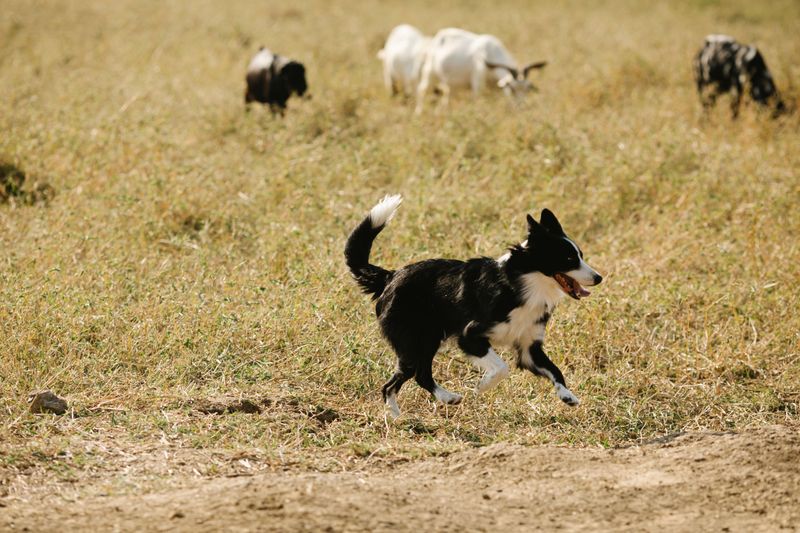
That famous stare, called the eye, moves stock without a single bark. It is quiet control, and it is remarkable to watch.
Border Collies work sheep, cattle, goats, hogs, and even poultry across farms of any size. Gathering, sorting, driving, holding: all in a day.
Endurance and speed run deep here. Channel those instincts with training, or the dog will invent obsessive habits instead.
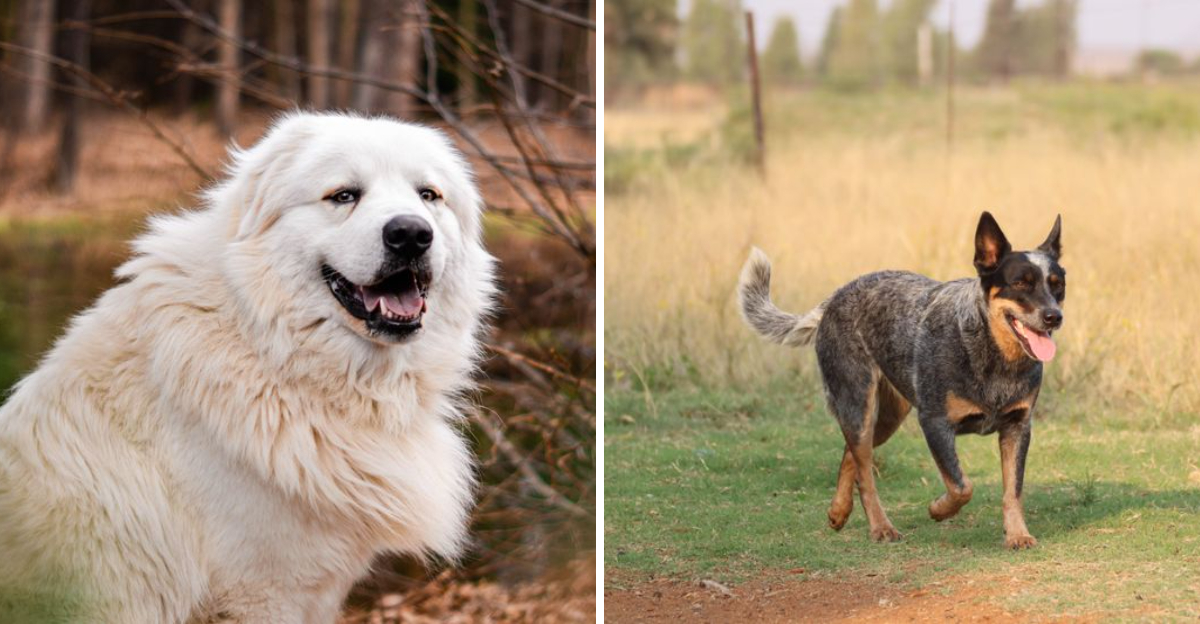
3. Australian Cattle Dog
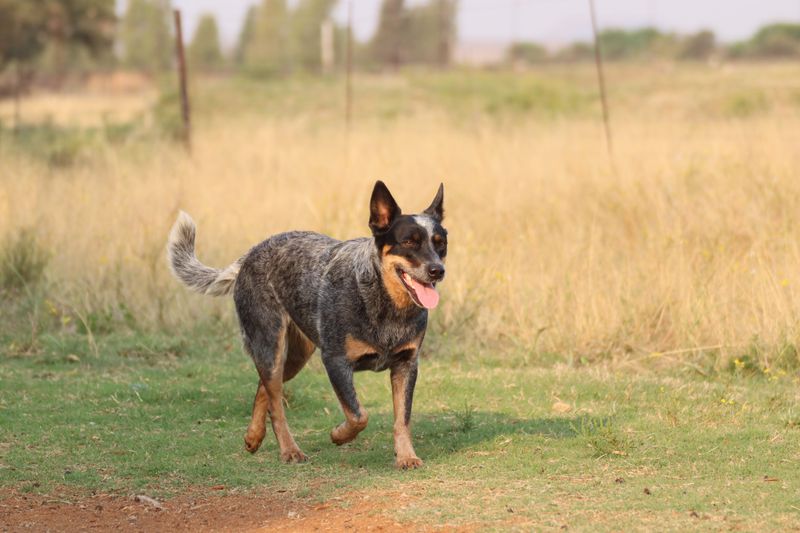
Built to push cattle across brutal Australian distances, the heeler treats a Nebraska section like a warm-up lap.
Stubbornness comes with the intelligence. Consistent, fair training matters more than repetition, because this dog solves problems on its own.
Strangers get a wary once-over, so socialize early and often. Heels get nipped, that is the working style.
Give one endurance work and you gain a fiercely devoted partner.
4. Great Pyrenees
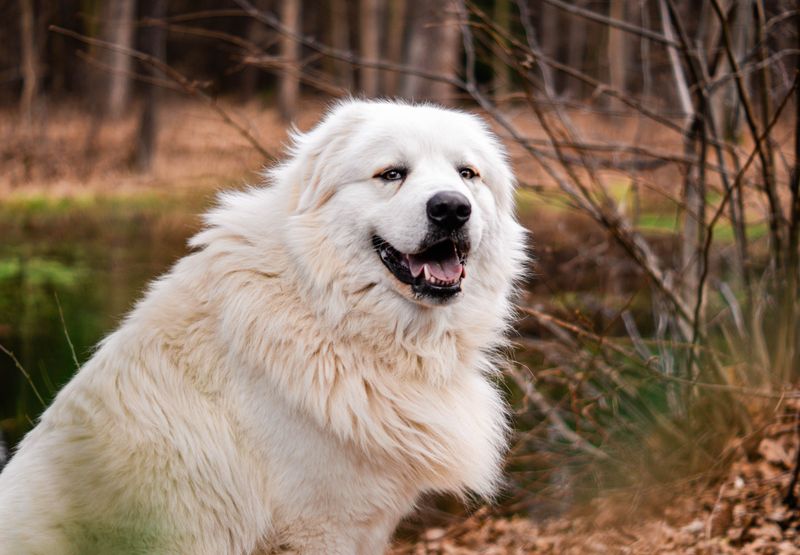
Coyotes hear that deep bark rolling across the pasture and rethink their evening plans.
Great Pyrenees bond to livestock like family, patrolling fields largely at night with almost no supervision needed.
Their thick double coat shrugs off January wind and still handles August humidity.
Independent thinking means early training is essential. Around familiar people they turn calm and patient, a soft giant who happens to guard everything.
5. Anatolian Shepherd
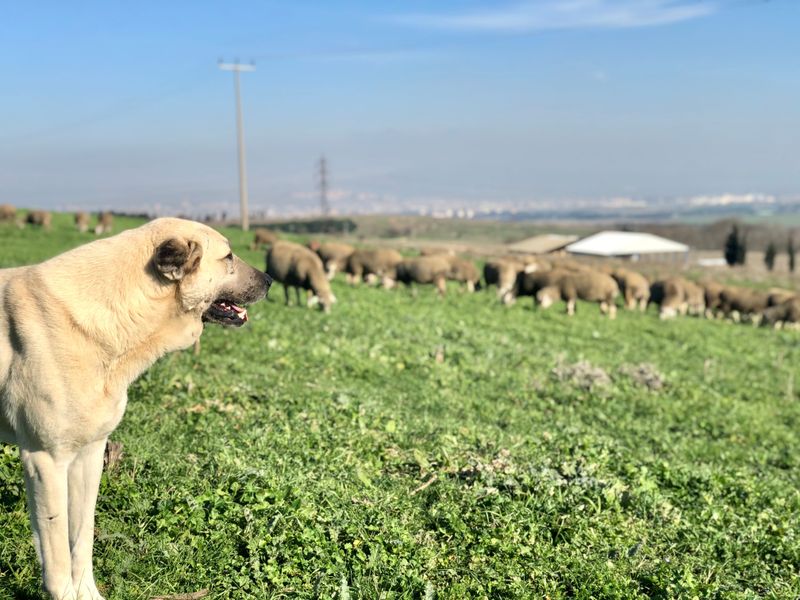
Turkish shepherds bred this rugged giant for one purpose: keep predators away from sheep and goats.
Herding is not the job. Guarding is, and the Anatolian does it with quiet, powerful confidence.
Owners describe an independent mind that weighs situations before acting. Training takes patience and respect.
Socialized properly, the same dog that stares down trouble at midnight naps peacefully beside the family come Sunday afternoon.
6. German Shepherd
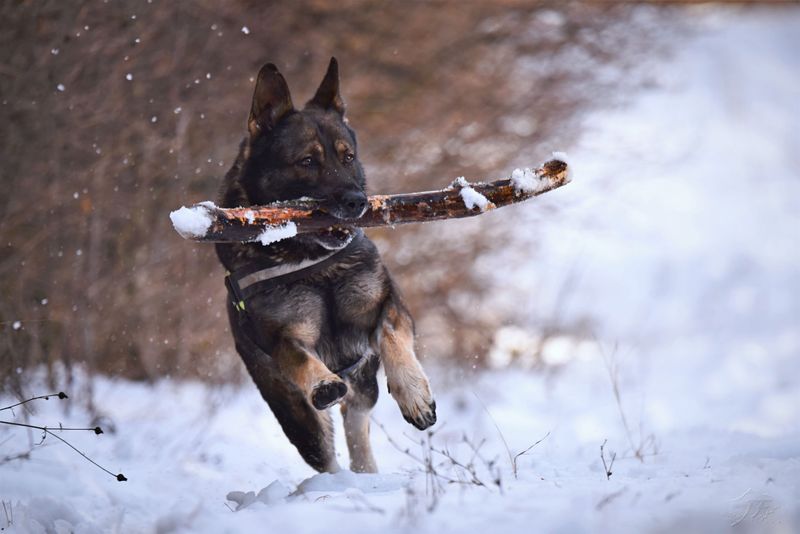
Germany originally developed these dogs to keep large flocks from wandering, essentially a living fence.
They trot borders, define grazing edges, and move stubborn stock with measured power rather than force.
Handler focus is the magic ingredient. Give clear systems and mental puzzles, not just laps around the yard.
Prey drive runs high, so introduce poultry and small stock carefully. Idle Shepherds bark, patrol, and rearrange your barn.
7. Catahoula Leopard Dog
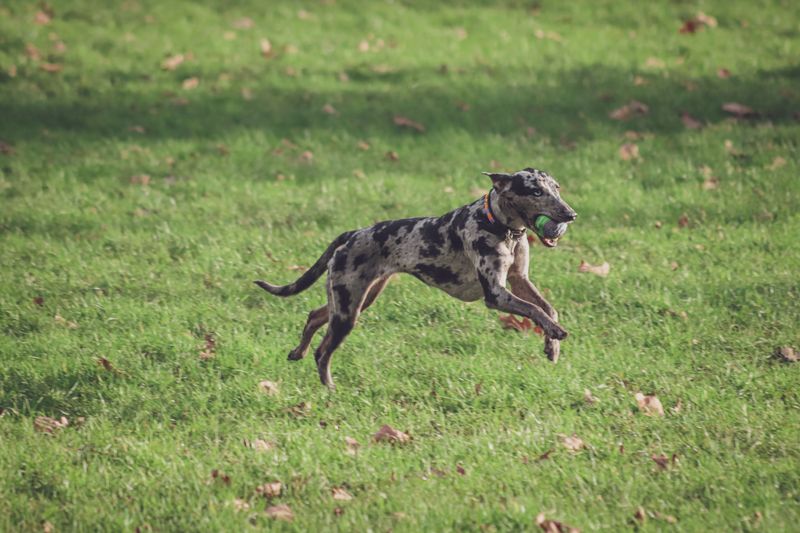
Nicknamed King of the Stock Dogs, the Catahoula earned that title rounding up feral hogs and rangy cattle.
Focus and assertiveness define the breed. Timid handling will not work here.
Young ones are rowdy and need serious daily running space, plus jobs to keep mischief away.
Reserved with strangers and strong with prey drive, they need heavy socialization. Cats and small pets are a poor match.
8. Belgian Malinois
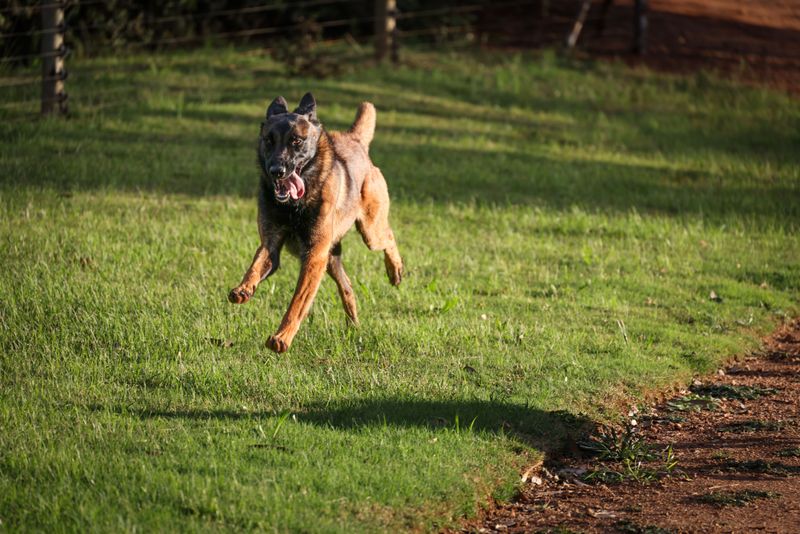
Before police work made them famous, Malinois were Belgian sheepdogs handling herding, guarding, and general farm duty.
Speed, reflexes, and stamina come standard in that lean frame. The short weather-resistant coat handles Nebraska seasons well.
Perimeter patrol is instinctive, and strangers get a cool, watchful reception.
Skip the structured work and that huge drive turns into anxiety. Give a job, get an unstoppable teammate.
9. Shetland Sheepdog
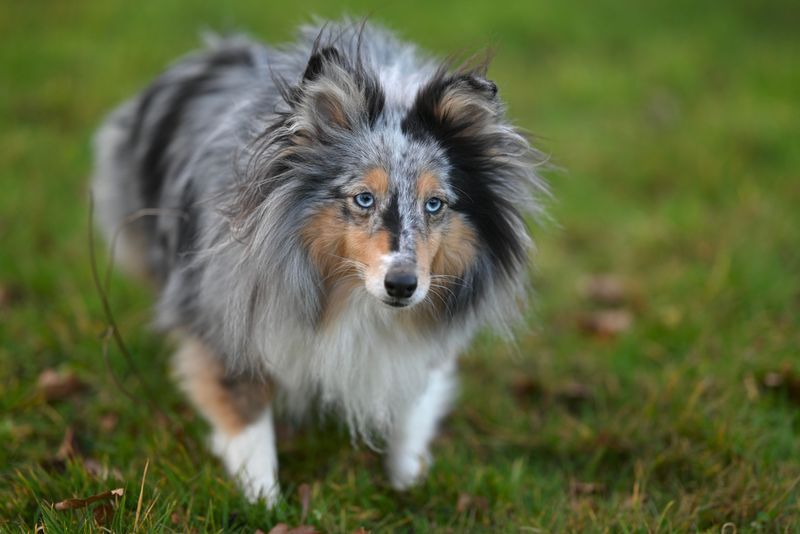
Small package, serious resume. On the rugged Shetland Islands these dogs managed sheep, ponies, and poultry alike.
Modern Shelties still thrive with acreage, moderate exercise, and something useful to do.
Training feels almost effortless, which is why they shine in obedience, agility, and herding trials.
Two quirks to manage: a high-pitched alarm bark and heel-nipping enthusiasm. Both respond well to early, positive guidance.
10. Rough Collie
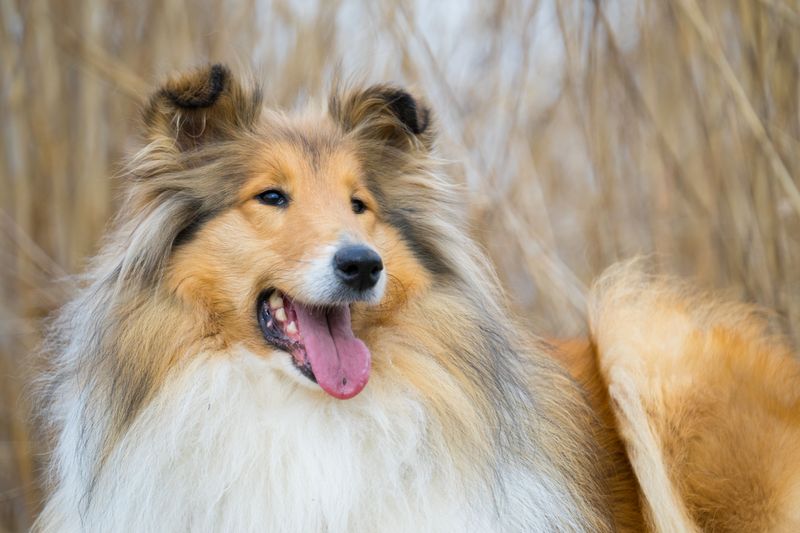
Scotland shaped this elegant coat around a genuinely practical sheep dog.
Gathering instincts remain strong, and Rough Collies often try keeping the whole household tidy, children included.
Sensitivity is the key trait. Positive reinforcement works beautifully; sharp corrections shut them down fast.
That glorious mane collects burrs, mud, and cockleburs, so budget real grooming time. In exchange you get a watchful, adaptable, all-around farm companion.
11. Bernese Mountain Dog
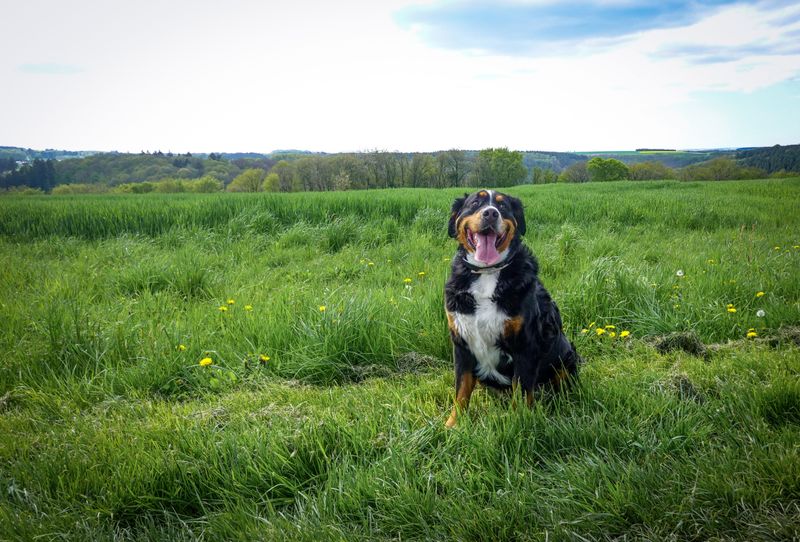
Swiss farmers asked a lot of the Berner: haul carts, drive cattle, guard the herd, then be pleasant at dinner.
Strength plus surprising agility makes them true all-purpose farm dogs.
Winter is their season. Heavy coats and broad paws handle Nebraska snow happily.
Barking alerts you to visitors, though the manner stays dignified rather than pushy. They dislike solitude, so include them.
12. English Shepherd
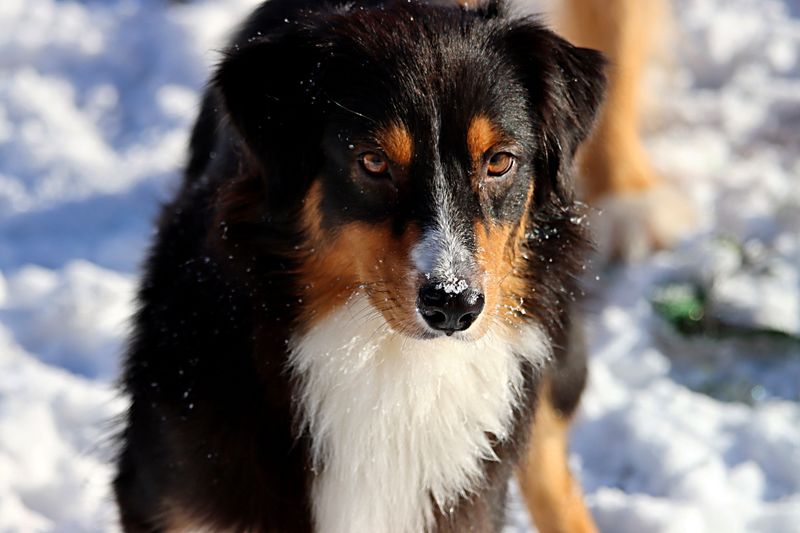
America’s heritage farm dog rarely gets the spotlight, and that feels like an oversight.
Loose-eyed and practical, English Shepherds handle cattle, sheep, hogs, and poultry, then guard against pests and predators.
Calm judgment is their signature. Chores done, they settle at your boots without fuss.
Kids get a self-appointed guardian. Rodents get trouble, thanks to solid prey drive worth supervising.
13. Rottweiler
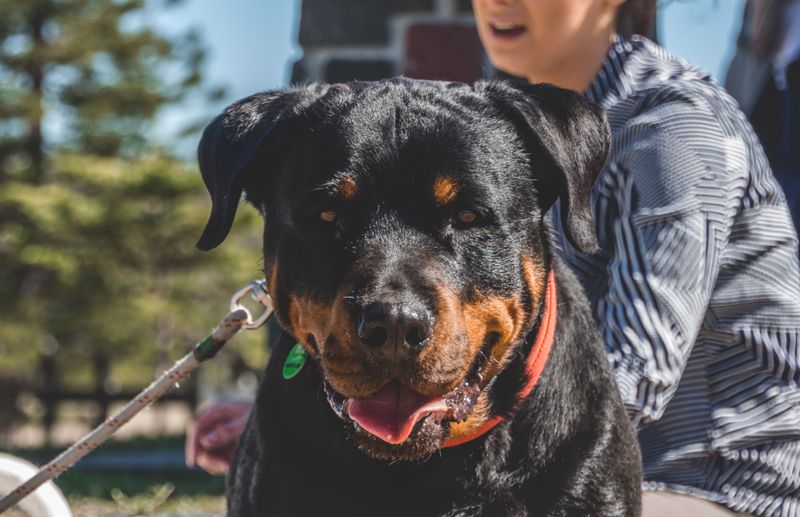
Roman legions once relied on Rottweiler ancestors to drive cattle across long distances.
That drover heritage still shows. They move livestock, deter thieves, and can even pull carts around the place.
Confidence is their calling card, paired with deep devotion to family.
They are not full-time livestock guardians living with stock, but they pair nicely with a Pyrenees. Consistent socialization keeps judgment sharp and fair.
14. Labrador Retriever
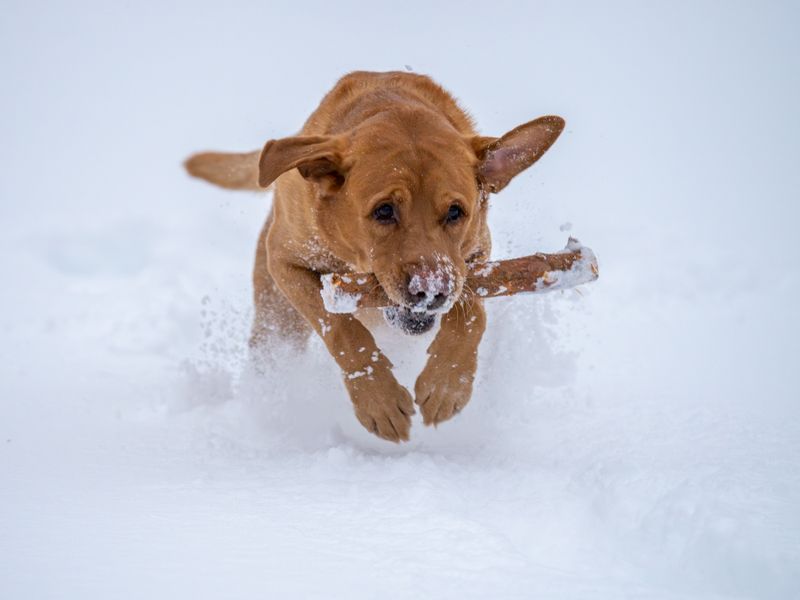
Every intruder gets licked, not challenged. Guard duty is simply not the Lab’s department.
What they offer instead is tireless work ethic, especially in retrieving, hunting, and search tasks around water.
Working lines bring extra drive and focus compared to show lines.
That otter tail and water-repellent coat make Nebraska ponds a playground. Skip exercise and you will find chewed boots waiting.
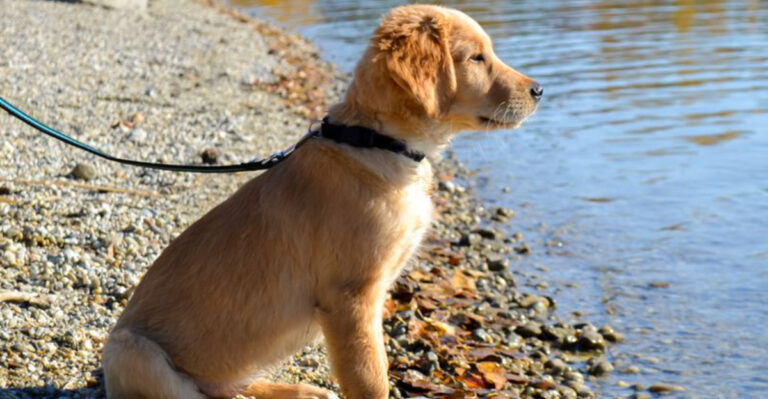
15. Golden Retriever
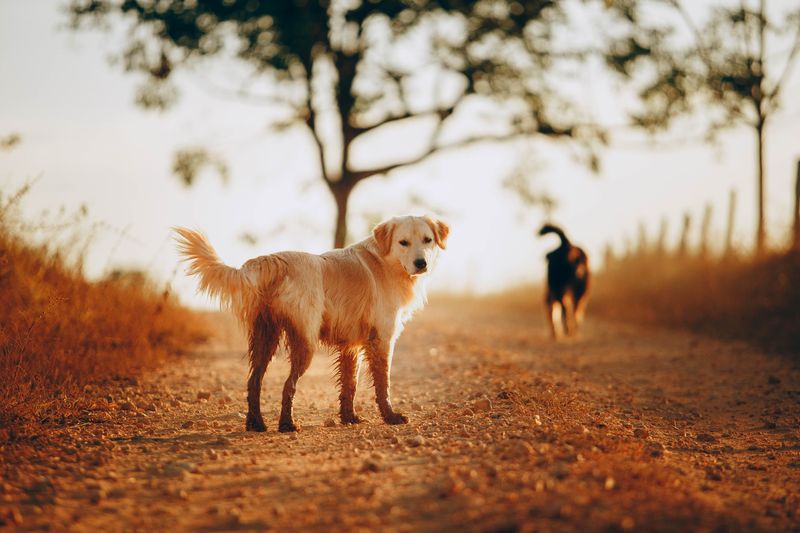
Countryside living suits Goldens right down to their feathery tails.
Long walks, farm ponds, fetch in the stubble field: they treat all of it like a holiday.
Bred to retrieve waterfowl, they swim readily, and that dense double coat handles wet, chilly mornings.
Some become surprisingly determined barn rodent hunters. Just do not expect security work, since strangers get a friendly welcome committee.
16. Newfoundland
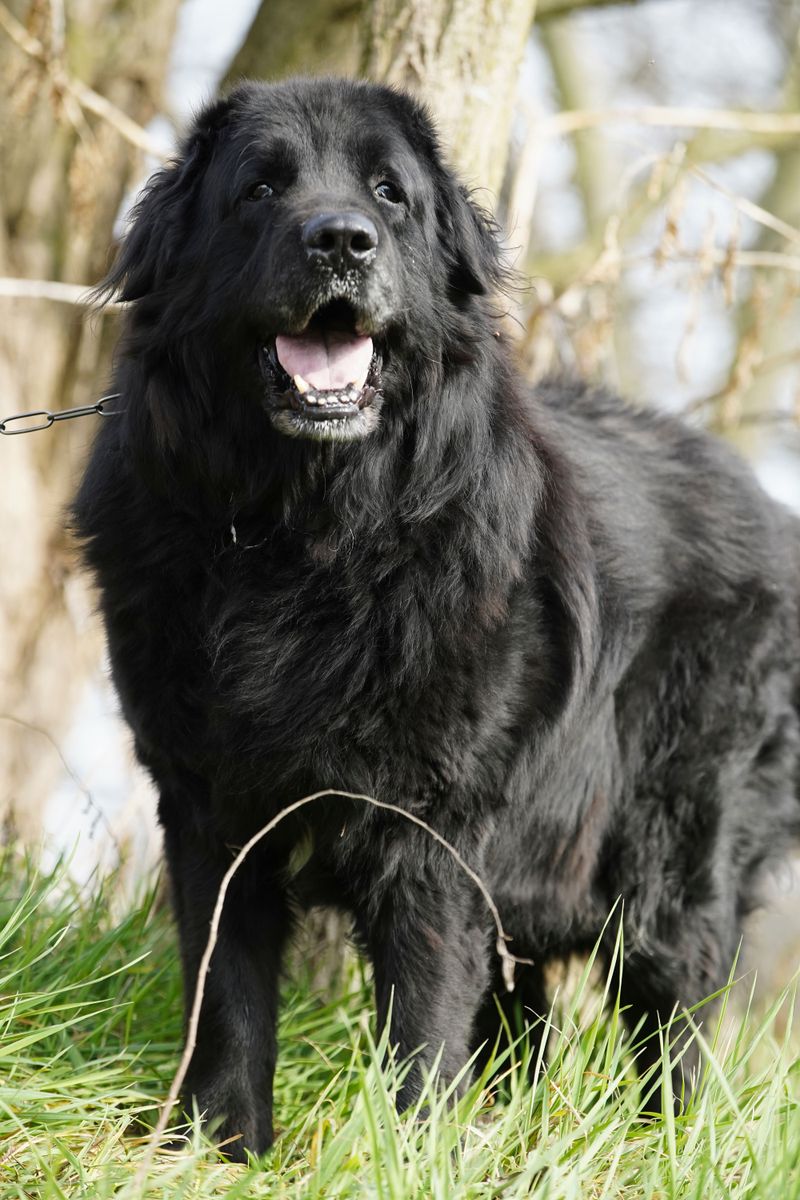
Picture a bear-sized dog convinced it belongs on your lap. That is the Newfie.
History gave them serious muscle: hauling lumber, carrying loads, and towing ship lines in frigid water.
Cold Nebraska winters barely register under that heavy coat.
Guarding chickens is not their thing, honestly. They prefer being near people, offering patient supervision of children and a booming alarm when something feels off.
17. Kuvasz
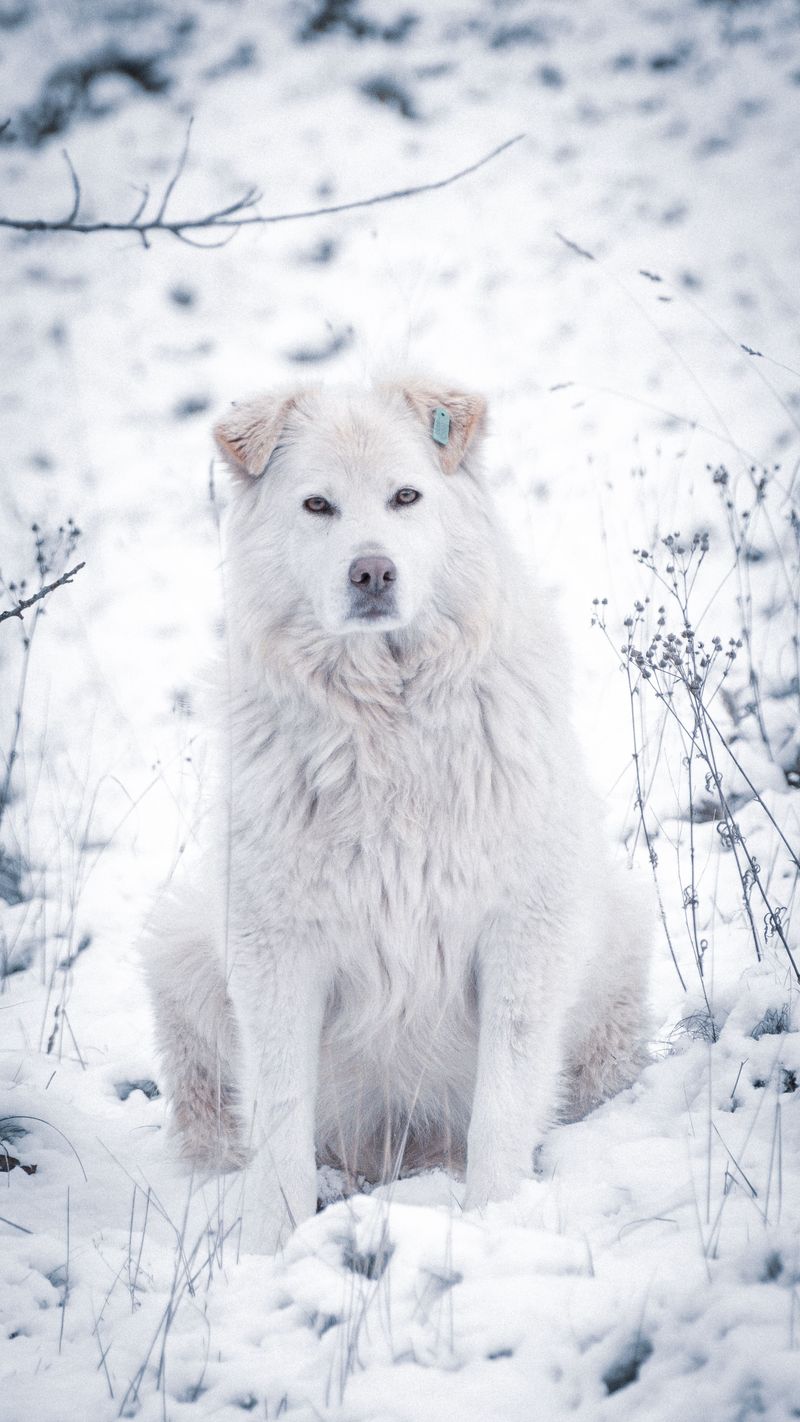
Hungary produced this snow-white guardian to face wolves alone, and the independence shows.
Kuvasz make their own calls, patrolling territory on instinct instead of waiting for orders.
Maturity arrives slowly, sometimes near age three, so patience beats repetitive drilling every time.
Low prey drive plus strong protective instinct is a rare combination. Give solid fences, real socialization, and a job that matters.