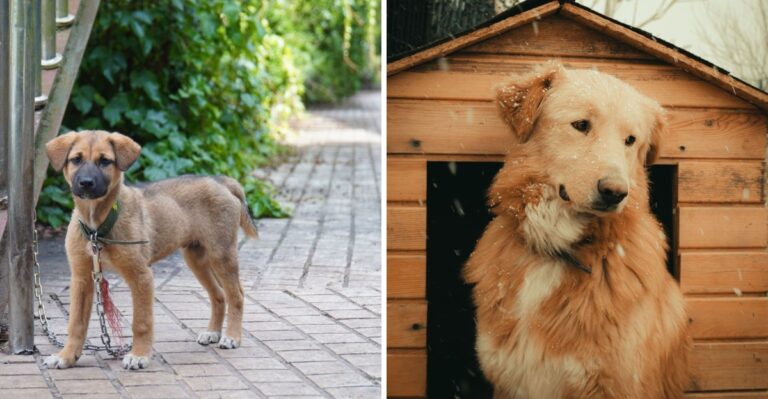
Why Idaho River Days Require Extra Planning When Your Dog Loves The Water
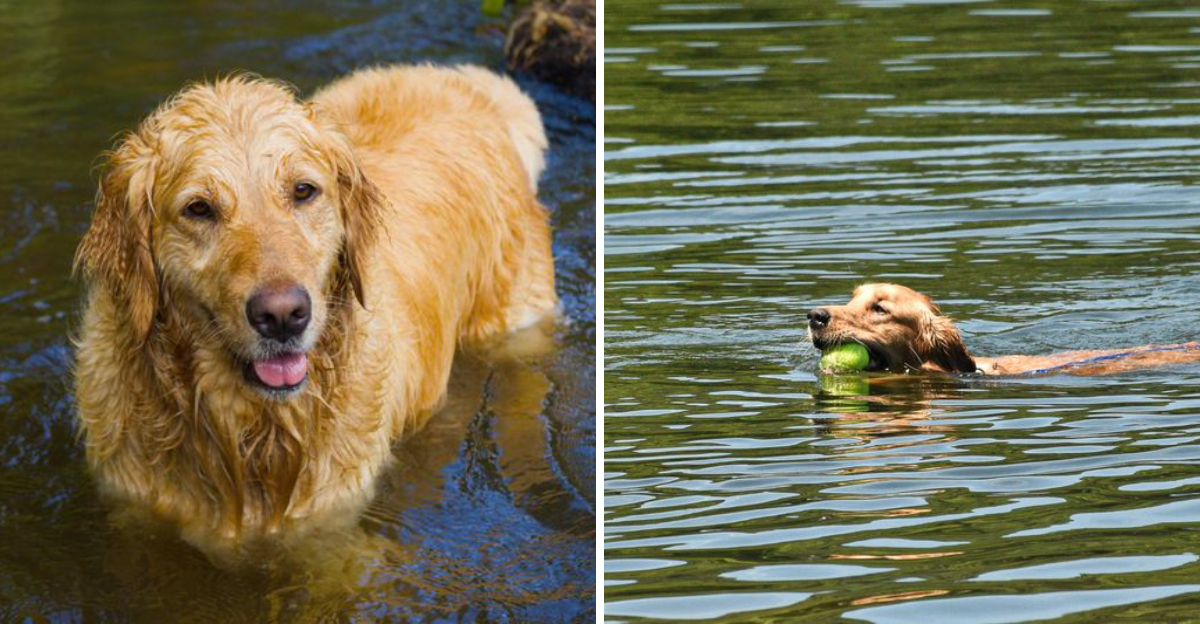
Idaho rivers pull dogs in like magnets, and honestly, who can blame them? Cold, clear water and long gravel bars look like paradise to a swim-happy pup.
Still, our rivers move fast, change with the weather, and hide a few surprises under the surface. A little planning turns a risky afternoon into a great one.
Here is what local owners learn quickly, gathered in one place so your next river day feels easy, calm, and well prepared.
1. Fast-moving rivers can challenge even strong swimmers
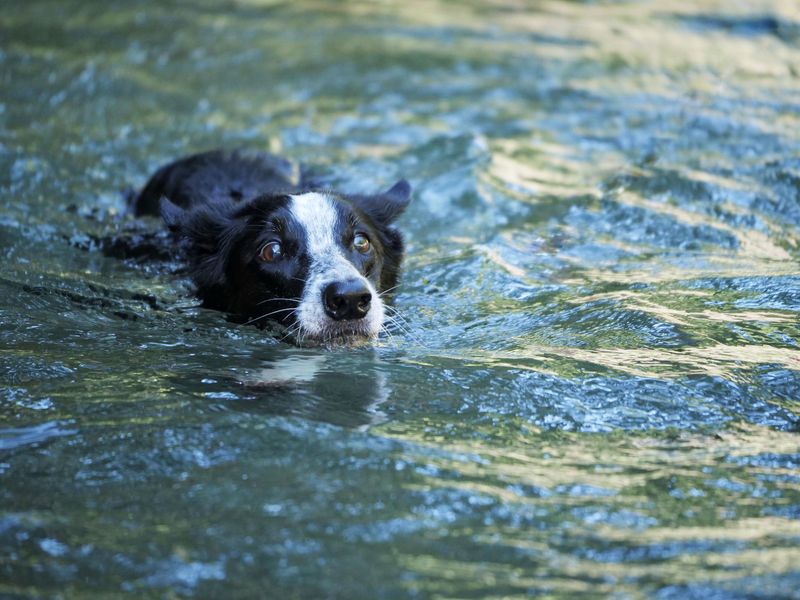
Strong current beats strong muscles, every time. Idaho rivers can carry a dog well past shore before anyone reacts, especially during spring snowmelt.
Irrigation canals deserve special caution. They look calm, but the pull is deceptive and the sides are steep and slick.
Pick slower side channels, eddies, or shallow gravel bars for swimming. Watch flow levels before you go.
When water looks pushy, keep the leash on and enjoy the shoreline instead.
2. Cold water can be a problem even during hot weather
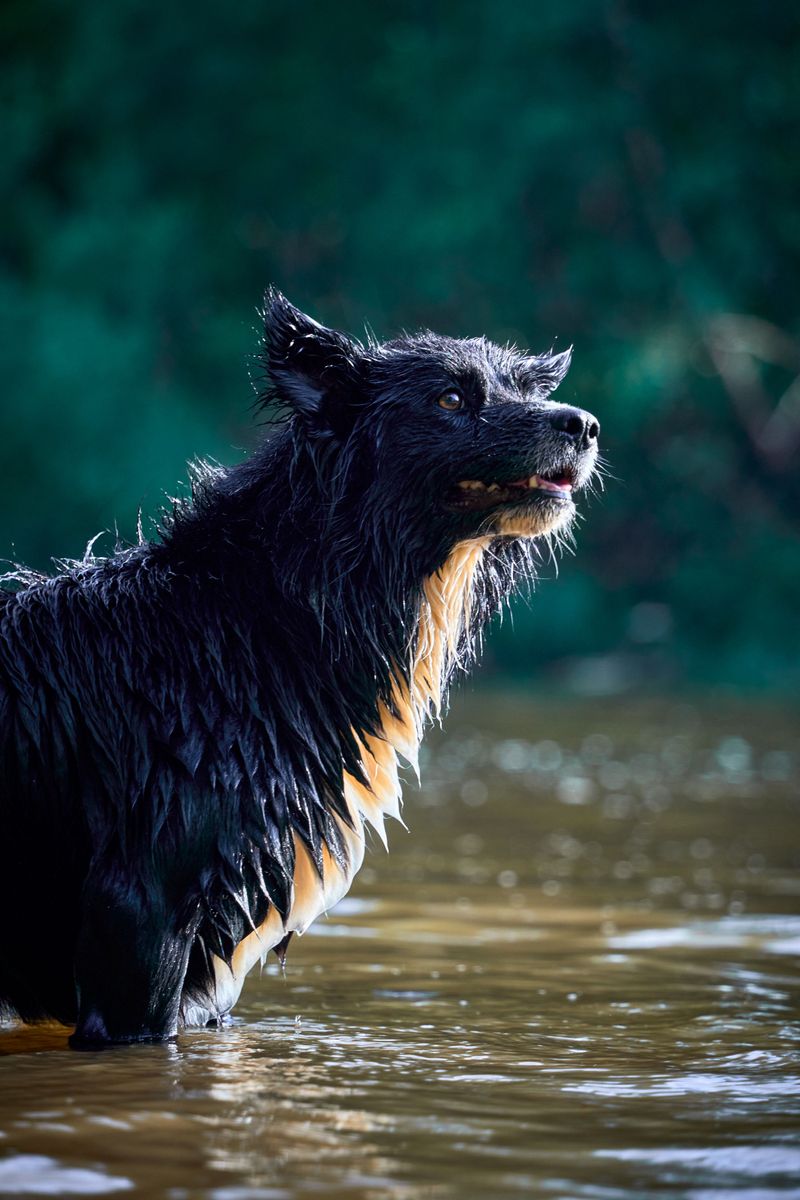
Ninety degrees outside means nothing to a snowmelt river. Water fed by mountain runoff stays surprisingly cold well into summer.
Cold water tires dogs fast and can lower body temperature more quickly than owners expect. Sudden immersion may also cause gasping and rapid breathing.
Keep swims short early in the season. Bring a towel and a dry blanket for the ride home.
Small dogs and thin-coated breeds chill fastest, so watch them closely.
3. River rocks can hurt paws
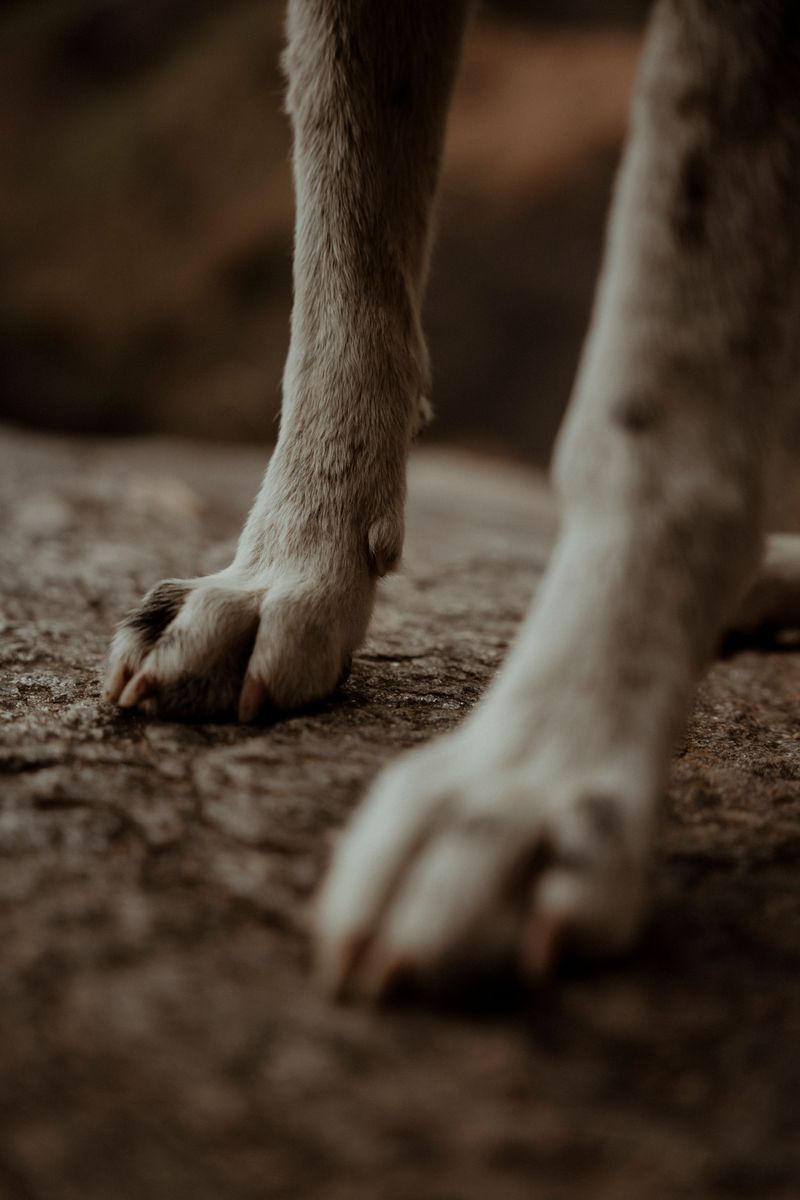
Riverbeds are basically a floor of uneven stone. Sharp edges cause scrapes, and slick wet rocks lead to slips and strained legs.
Dogs rarely limp until later, so damage often goes unnoticed at the water.
Run your hands over each paw before loading up. Look between the toes for cuts, gravel, or bits of glass.
Booties help sensitive dogs. Keeping nails trimmed also improves footing on those wobbly river stones.
4. Not every shoreline is safe for off-leash exploring
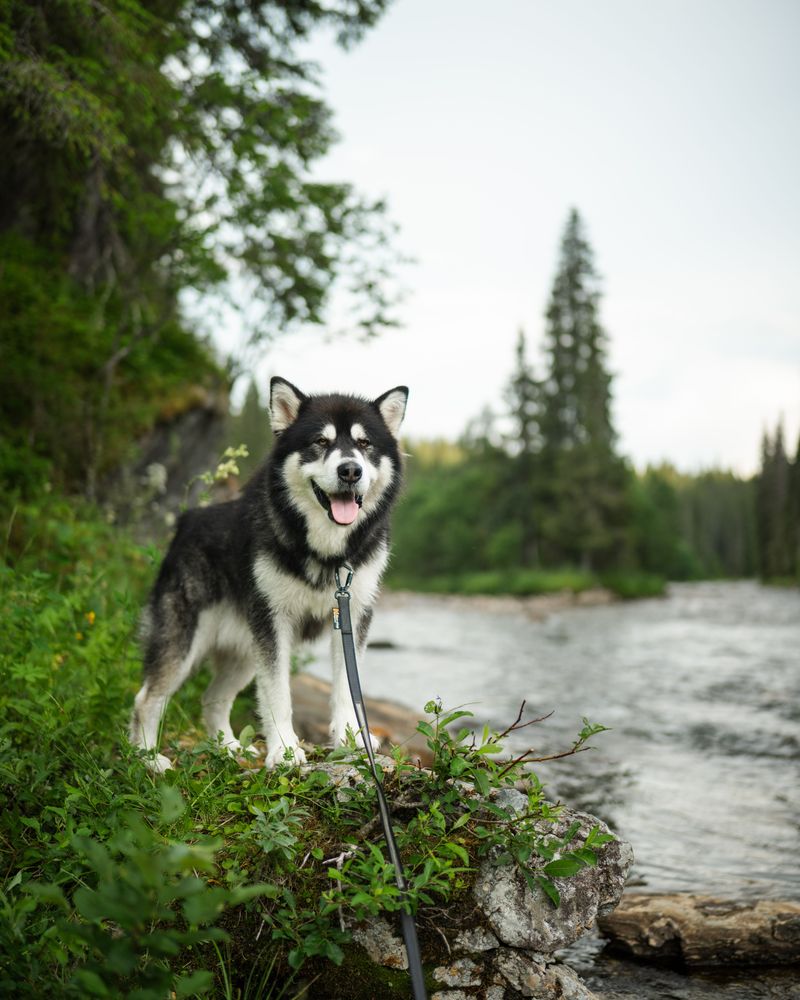
Banks can lie to you. Some drop off sharply, and others are undercut, meaning a tired dog cannot climb back out.
Soft mud and crumbling edges add to the trouble.
Scout entry and exit points before letting your dog roam. Choose gentle, sloped gravel where getting out is simple.
Many developed beaches and popular trails require leashes anyway. Rules differ by city and county, so check posted signs at each access point.
5. Strong recall matters near moving water
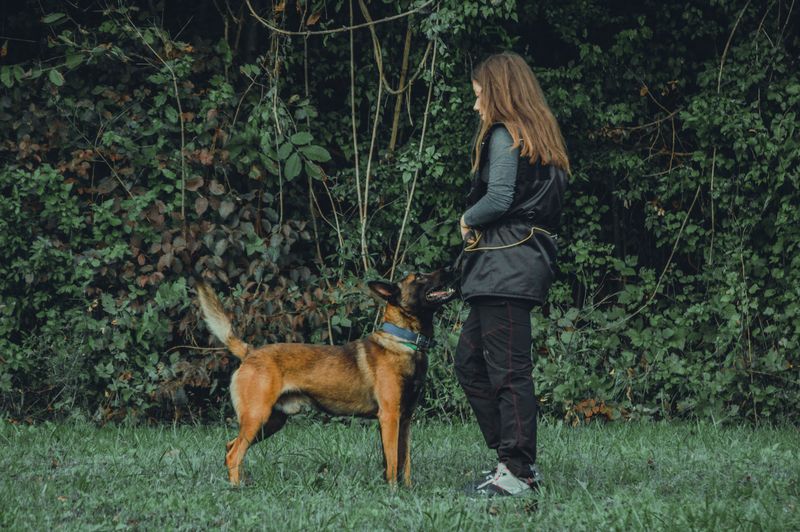
One solid recall is worth a hundred worried shouts. Near current, calling your dog back may keep them out of a channel they cannot handle.
Practice at home, then in a quiet park, then near water with a long line attached.
Reward generously, every single time. Recall fades when it goes unrewarded.
Until it is reliable, keep the leash clipped. Squirrels, ducks, and splashing kids all compete for your dog’s attention.
6. Toxic algae can make some waters unsafe for pets
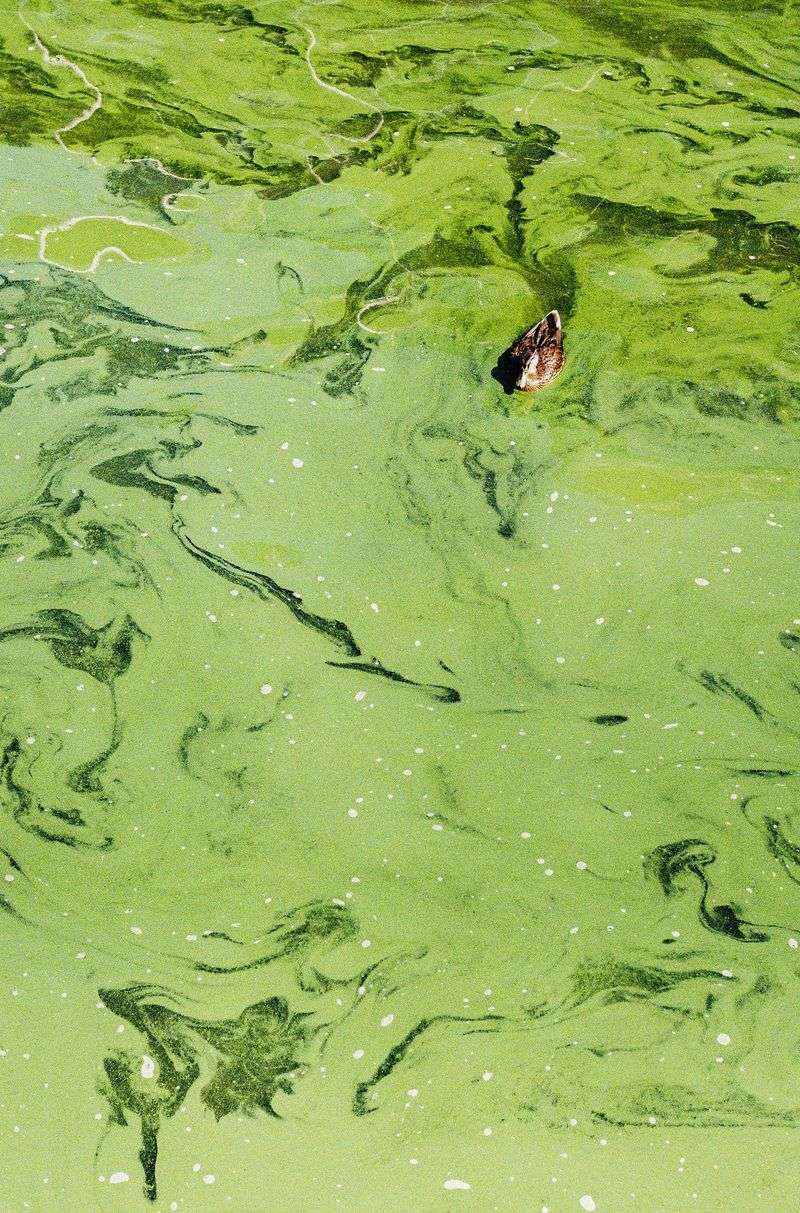
Warm, slow, nutrient-rich water sometimes grows harmful algal blooms, also called cyanobacteria.
Look for green scum, foam, paint-like swirls, or oddly colored patches along the edges. Dogs can be affected by drinking the water, swallowing it while swimming, or licking their fur.
Illness can come on quickly, so skip any water that looks suspicious.
Check state and local advisories before heading out. If exposure happens, rinse your dog and contact a veterinarian right away.
7. River water is not always safe to drink
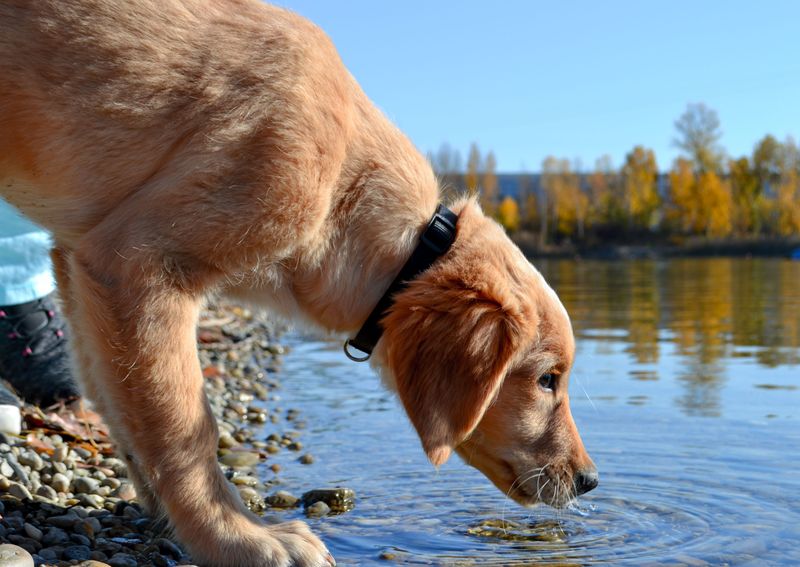
Clear does not mean clean. River water can carry giardia, leptospirosis bacteria from wildlife, farm runoff, or other contaminants.
Upset stomachs are the most common outcome, though some infections affect the kidneys or liver.
Pack more fresh water than you think you need, plus a collapsible bowl.
Offer drinks often, since a hydrated dog is less tempted by the river. Ask your veterinarian whether a leptospirosis vaccine suits your dog’s lifestyle.
8. Wet dogs can overheat after swimming
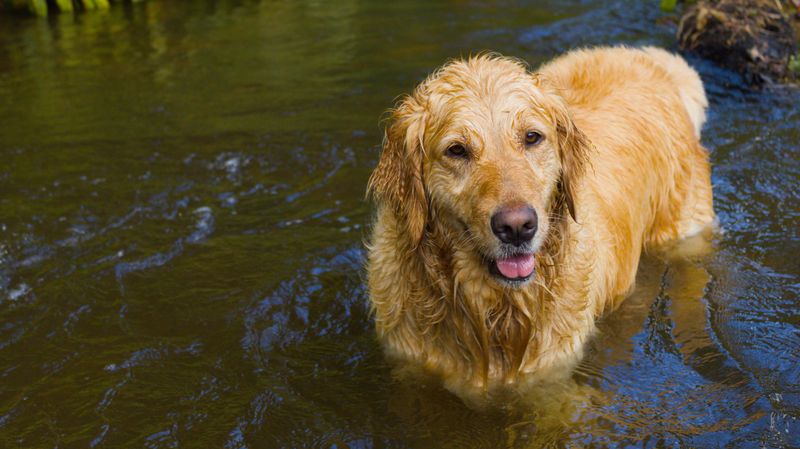
Odd as it sounds, swimming and overheating go together. Long games of fetch on a hot day raise body temperature, even with damp fur.
Thick coats and flat-faced breeds struggle most.
Watch for heavy panting, drooling, red or dry gums, wobbliness, or confusion.
Move your dog to shade, offer water, and apply cool water to the neck, chest, armpits, and paws. Serious signs need a veterinarian promptly, not a wait-and-see approach.
9. Wildlife encounters require extra awareness
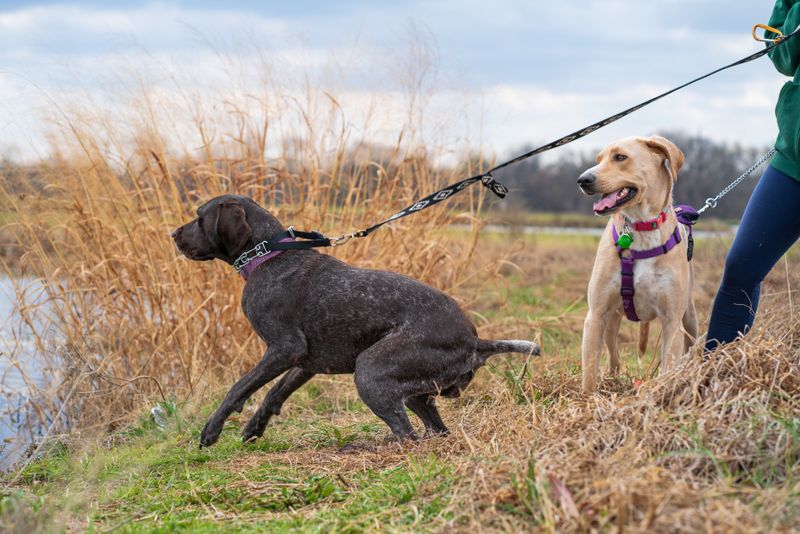
Riverbanks are busy neighborhoods. Geese, deer, beavers, snakes, and nesting birds all use the same shoreline your dog wants to sniff.
A leash prevents chases that end badly for everyone, wildlife included.
Dead fish along the bank deserve a wide berth too. They can carry bacteria and parasites that make dogs unwell.
Teach a solid leave it cue. Scan ahead as you walk, and steer around anything smelly your dog spots first.
10. Fishing areas create extra hazards
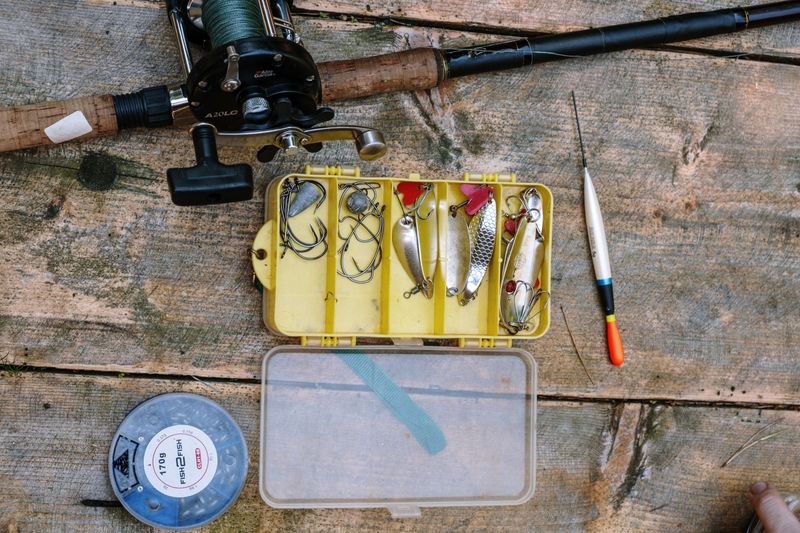
Popular fishing spots hide small metal problems. Tangled line, lost hooks, and abandoned lures end up in grass, sand, and shallow water.
A hook in a paw or mouth means a veterinary visit, not a home fix.
Give anglers plenty of space, both for courtesy and safety when lines are cast.
Scan the ground before letting your dog sniff around. Carrying a small trash bag lets you clean up whatever you find.
11. Life jackets are useful beyond deep water
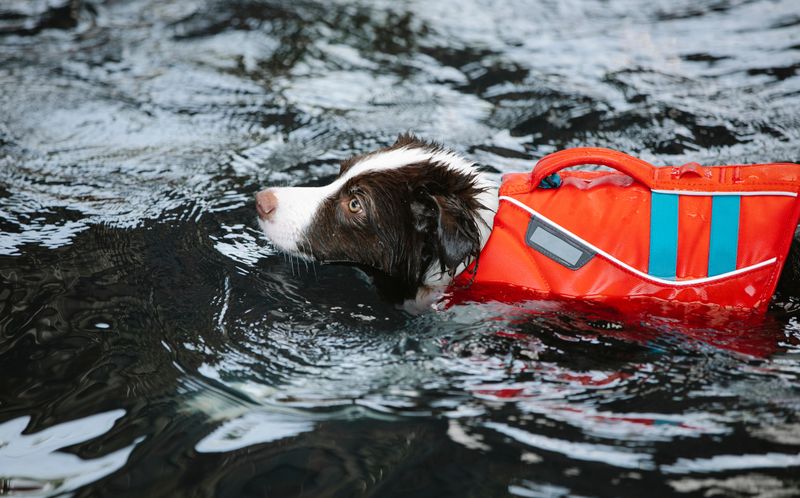
Think of a life jacket as insurance, not a sign of weakness. Buoyancy keeps a tired dog level in the water and easier to spot.
The handle on top makes lifting your dog out of a boat or steep bank far simpler.
Bright colors help in choppy water.
Flat-faced breeds, deep-chested dogs, and short-legged pups benefit most. Fit matters, so adjust every strap and test it in shallow water first.
12. River access points are not always dog-friendly
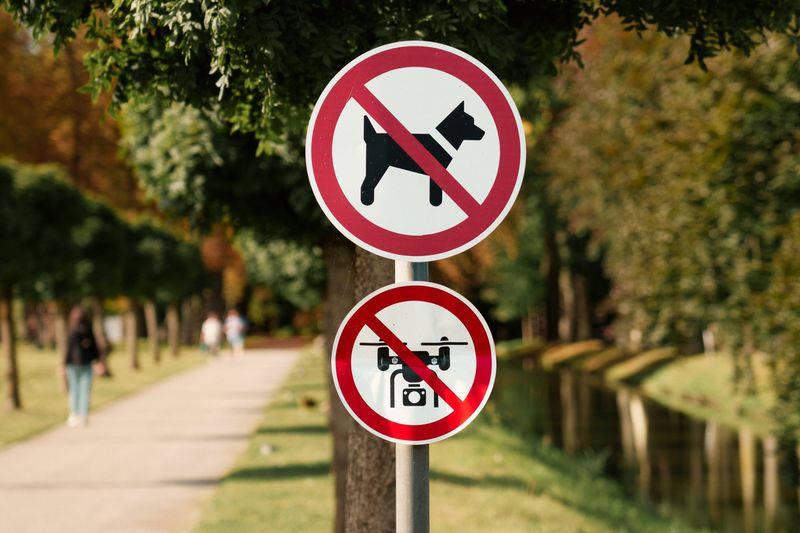
Rules shift from one boat ramp to the next. Some Idaho spots welcome dogs happily, including certain Boise River areas and a well-known dog beach in Sandpoint.
Other developed swim beaches restrict pets entirely.
Irrigation canals are off limits and genuinely unsafe.
Regulations vary by city, county, and managing agency. A quick look at the park website or a call to the local office saves an awkward turnaround at the gate.
13. Dogs can swallow more water than owners realize
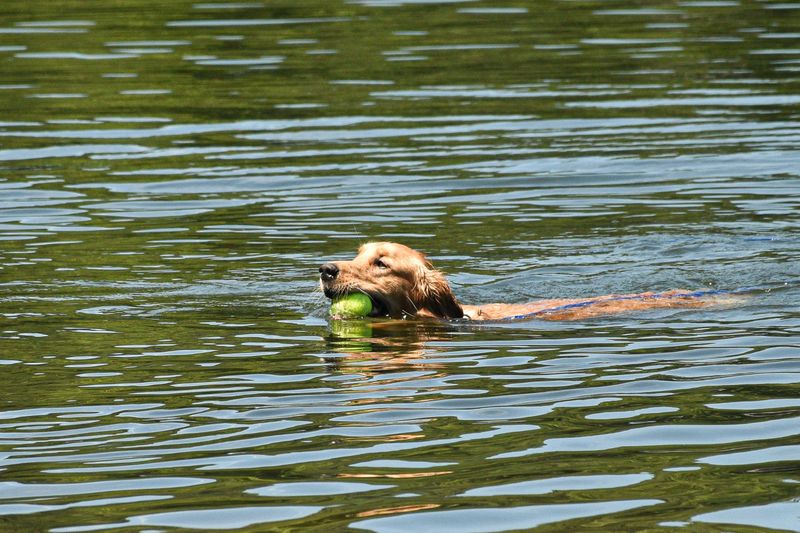
Enthusiastic retrievers gulp water with every grab of a toy. Taking in too much can dilute sodium in the blood, a condition called water intoxication.
Signs include bloating, wobbliness, vomiting, or unusual sleepiness.
Cap the fetch sessions, use flat floating toys instead of sticks, and build in rest breaks on shore.
Offer fresh water during those breaks. If your dog seems off after heavy swimming, call your veterinarian.
14. A post-river cleanup is often necessary
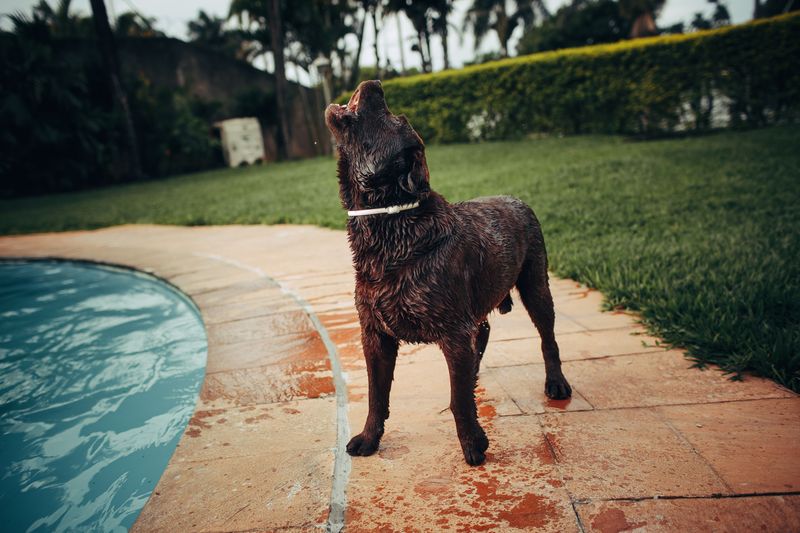
The tailgate rinse becomes routine fast. Washing removes silt, bacteria, algae, and anything else clinging to the coat.
Rinsing matters most if you suspect contact with questionable water.
Towel drying helps too, since wet fur pulls heat away long after the swim ends.
While drying, run a tick check through the ears, armpits, and belly. Dry the ear flaps gently, because trapped moisture invites irritation in floppy-eared dogs.
15. Summer crowds change the experience
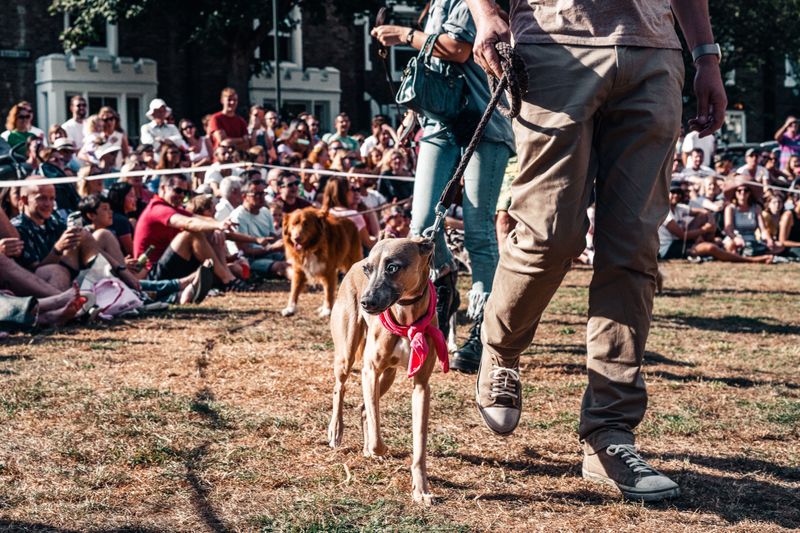
July turns quiet riverbanks into social hubs. The Boise Greenbelt fills with cyclists, joggers, floaters, and other dogs.
Leashes are required in these shared spaces, and short leashes work better than long ones in traffic.
Step aside for bikes, and give nervous dogs room.
Crowds can unsettle even friendly pets, so read your dog’s body language. Early mornings and weekdays offer calmer water and far more elbow room.
16. Weather can change river conditions quickly
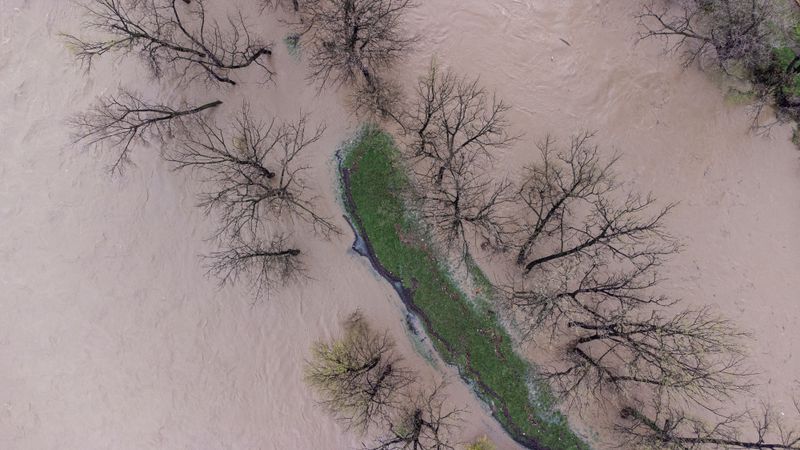
A storm upstream can reshape your favorite swimming hole overnight. Rain, snowmelt, and dam releases raise flows and speed up currents.
Muddy water hides logs and branches that were not there yesterday.
Check the forecast and current river flow data before loading the car.
If the water looks higher, browner, or louder than usual, save swimming for another day. A shoreline walk still counts as a great outing.
17. Not every dog is built for river adventures
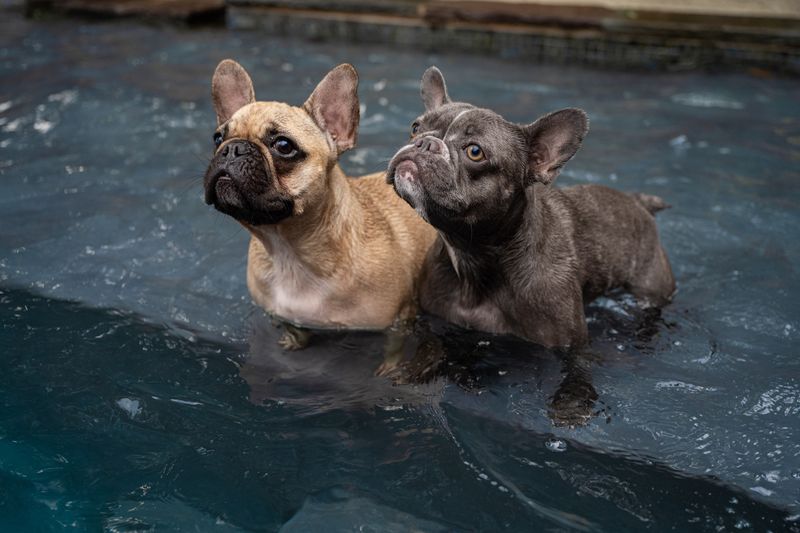
Breed and body shape matter more than enthusiasm. Flat-faced dogs, deep-chested breeds, and short-legged pups face higher risk in water.
Bulldogs, pugs, corgis, and dachshunds usually do better wading than swimming.
Senior dogs and those with joint, heart, or breathing conditions need a veterinarian’s input first.
Dogs also hide fatigue until they are struggling. Watch for a lowered rear end or frantic paddling, then call it a day.
18. Planning ahead makes river trips safer and more enjoyable
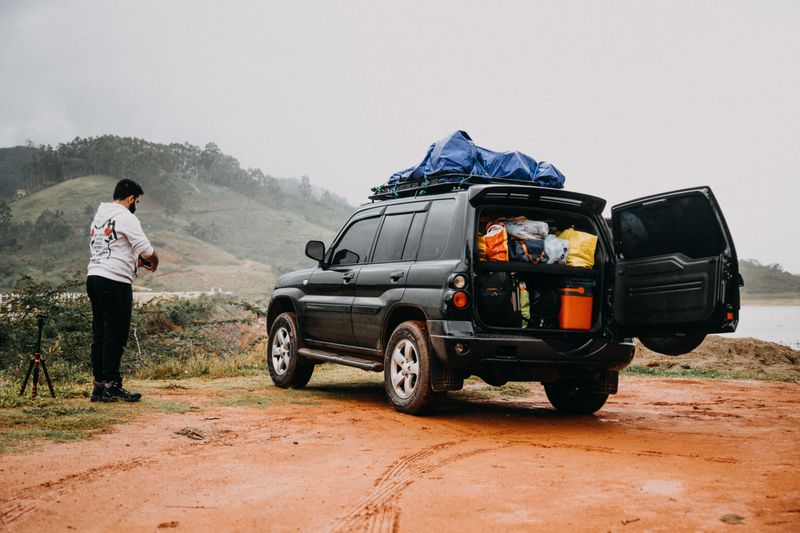
Everything above adds up to one simple habit: pack and check before you go.
Research the spot, confirm leash rules, review flow and weather, and toss in fresh water, a towel, a fitted life jacket, and a basic first aid kit.
Save your veterinarian’s number and the nearest emergency clinic in your phone.
Preparation is quiet work, but it buys you long, easy afternoons watching a very happy dog swim.