17 Pennsylvania Mushroom Hazards Dog Owners Should Learn After Rainy Weather
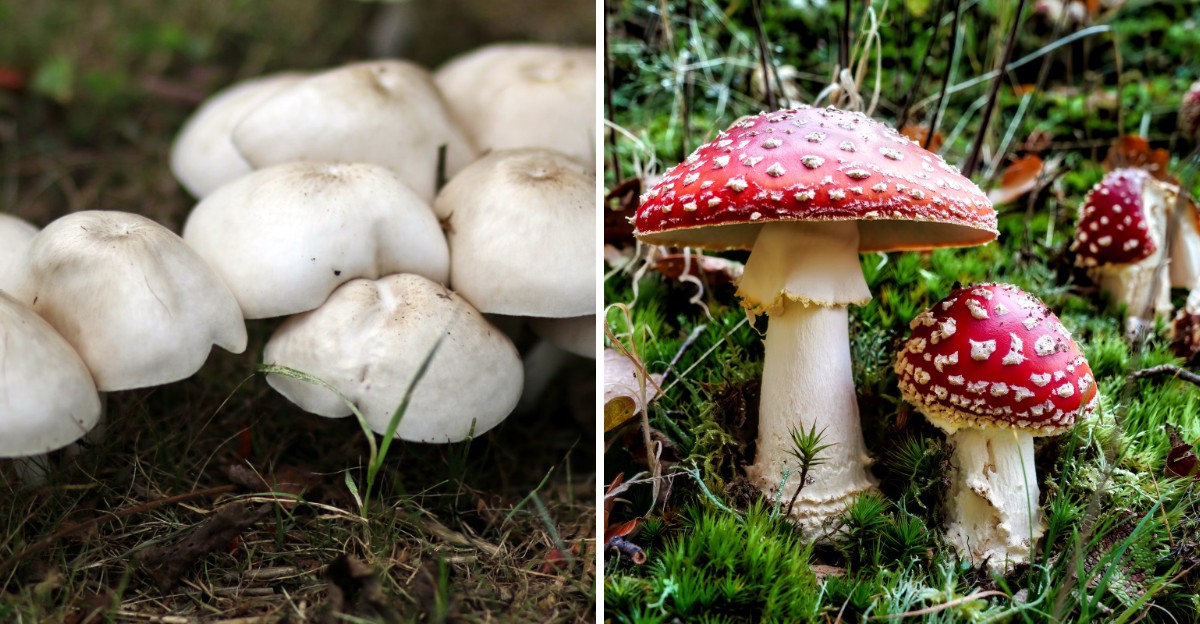
After a rainy stretch in Pennsylvania, mushrooms can pop up along familiar walking routes and in your own yard. Most dog owners cannot tell which wild mushrooms are harmful just by looking, and curious dogs may sample them quickly.
A few simple habits can help you spot growth, prevent snacking, and respond calmly if your dog eats one. Here is what to watch for when the ground stays damp.
1. Why Rain Can Mean More Mushrooms
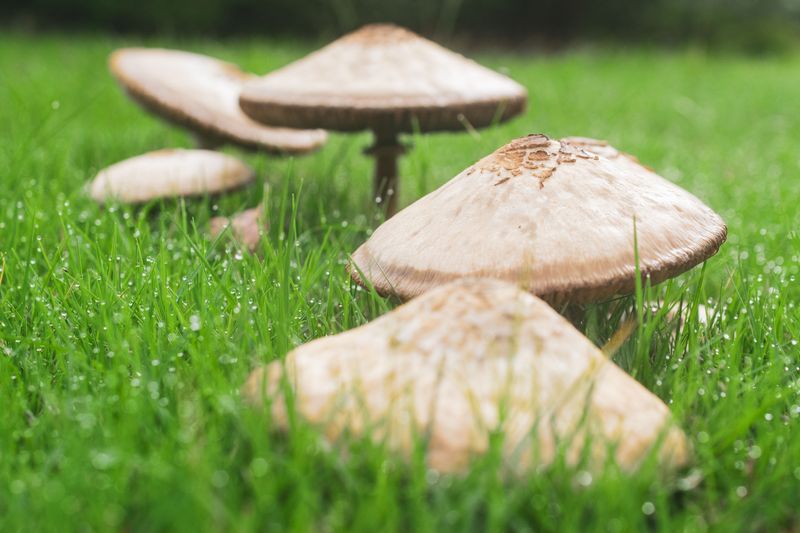
Rain changes a familiar yard in surprising ways. Moist soil helps many fungi grow, so mushrooms may appear after wet weather, especially when temperatures are mild.
Shady spots often stay damp longer than open grass.
After a rainy spell, scan your usual potty area before opening the door. Check again during walks, since new growth can appear in places your dog explored safely yesterday.
A short look around is easier than guessing what a curious nose found later.
2. Why Wild Mushrooms Are Hard To Identify
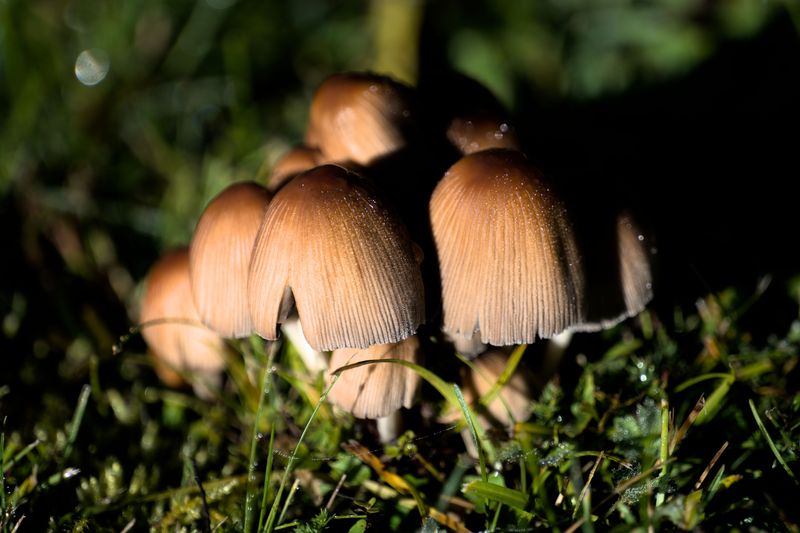
Two mushrooms can look alike to an untrained eye, even when their effects differ greatly. Color, shape, and size can change as a mushroom grows or gets soaked by rain.
Useful identification may require details beneath the cap, near the stem base, and around the growing site. A chewed piece makes the job harder.
Treat any wild mushroom your dog eats as unidentified. Let a veterinarian guide the next step rather than relying on its appearance.
3. Amanita Mushrooms Can Be A Serious Concern
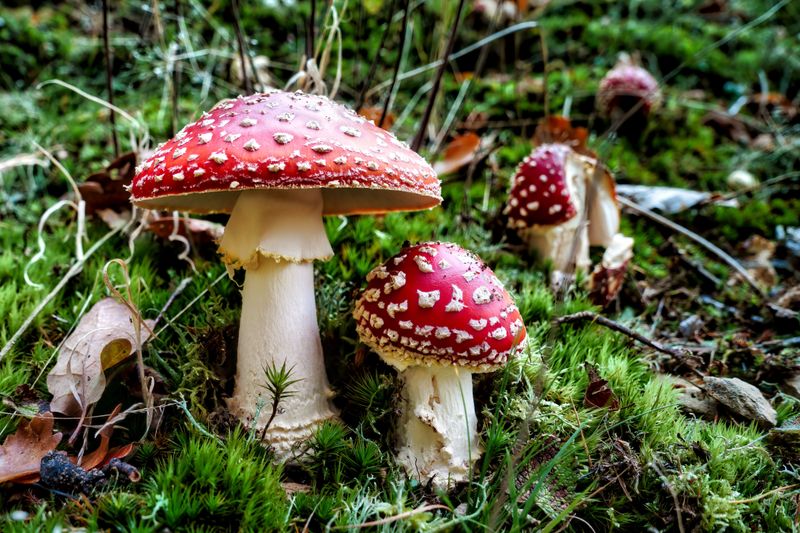
A pale mushroom beneath a tree might seem harmless, but some Amanita species contain dangerous toxins. Pennsylvania has wild Amanita mushrooms, and members of this group can be difficult to tell apart.
Do not assume a mushroom is safe because an insect touched it or another animal passed by. Keep your dog away from unknown growth.
If your dog eats a suspected Amanita, contact a veterinarian immediately. Symptoms may not appear right away, so waiting is unwise.
4. Galerina Mushrooms Deserve Extra Caution
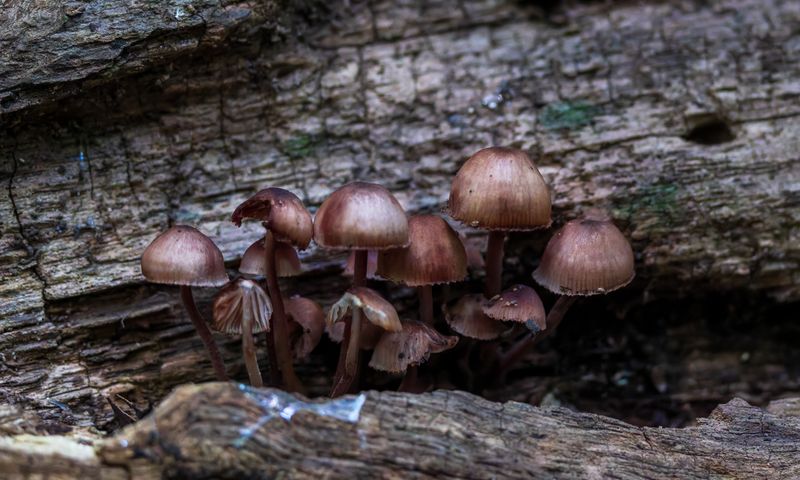
Small brown mushrooms rarely catch an owner’s attention. Galerina species can grow on decaying wood, and some contain toxins that can cause serious illness.
A wet log near a trail may put these mushrooms right at nose level for a curious dog. Avoid letting your pet investigate clusters on wood, even if they look ordinary.
If any are swallowed, note the location and call your veterinarian promptly. Appearance alone cannot confirm whether a small brown mushroom is safe.
5. Watch For Mushrooms In Pennsylvania Lawns
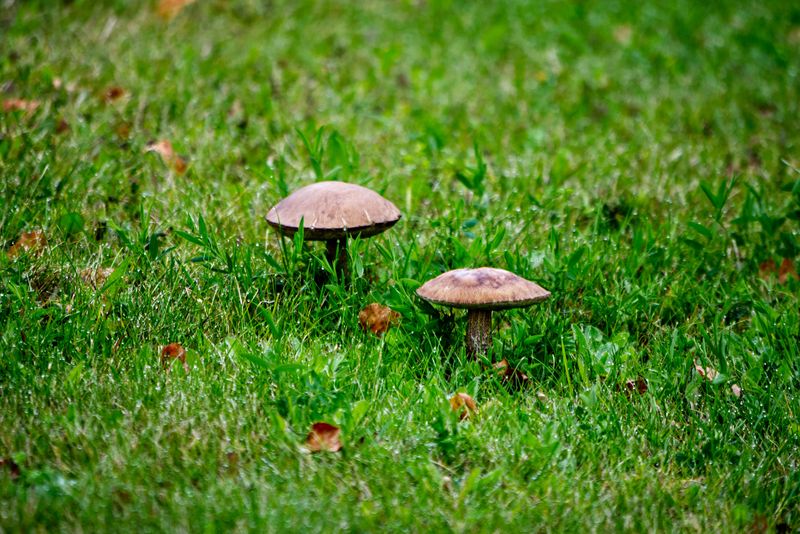
Even a neatly mowed lawn can produce mushrooms after steady rain. Fungi may grow where buried roots or other organic matter provide food underground.
Walk through the grass before playtime, paying attention to spots your dog likes to sniff. Pick up visible mushrooms while keeping your pet indoors or securely away.
Use gloves or a tool, then dispose of the growth where your dog cannot reach it. More may appear later, so make checking a routine.
6. Check Around Trees And Stumps
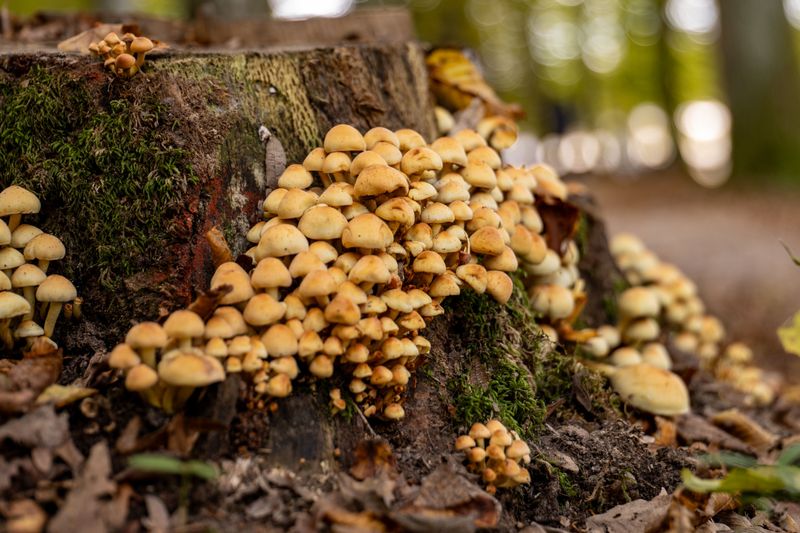
That old stump your dog circles deserves a second look after rain. Mushrooms often grow near trees, roots, fallen branches, and rotting wood.
Some growth sits low enough to disappear beneath leaves or grass. Check these areas before your dog explores, particularly if chewing sticks is a favorite game.
Redirect sniffing toward clear ground and remove accessible mushrooms from your yard. On public paths, give the stump extra space instead of trying to clear it yourself.
7. Mulch Beds Can Hide New Mushrooms
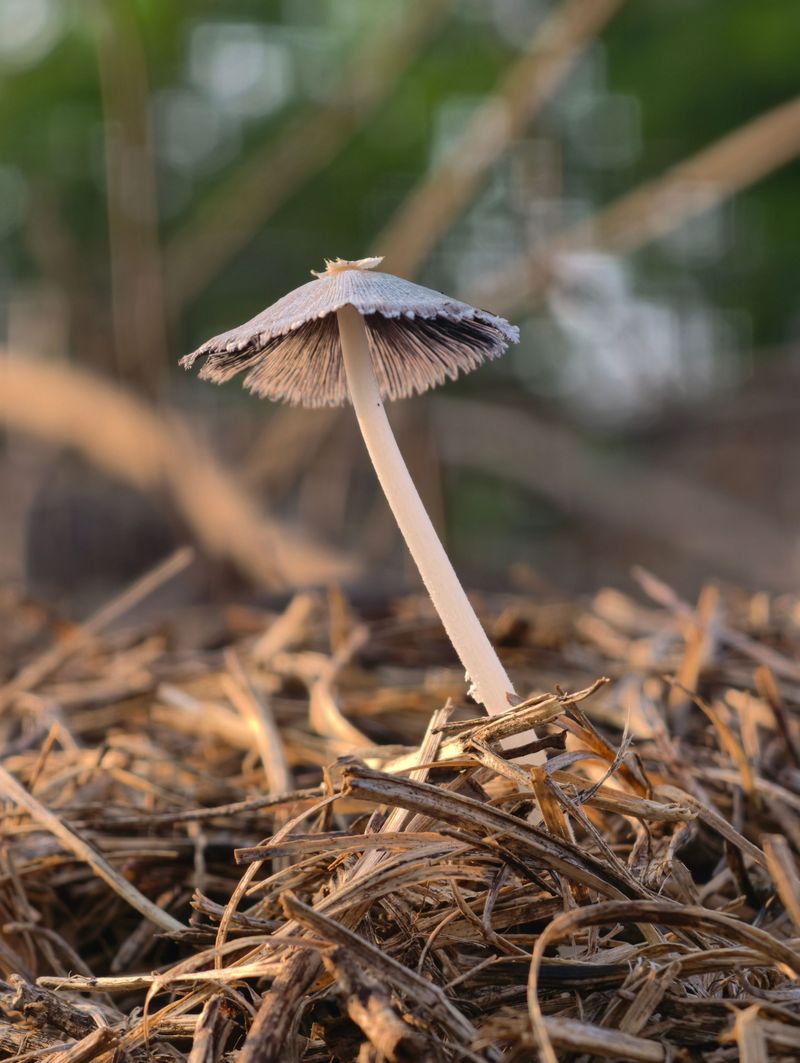
Mulch beds can turn into tempting sniffing stations after a shower. Their damp wood chips create conditions where fungi may grow, sometimes between plants or under leaves.
Look closely along garden edges before letting your dog roam. Avoid assuming a mushroom is safe because it grew beside a flower or vegetable.
Remove reachable growth from private property and check the bed again later. For dogs that dig or forage, a barrier around the bed may help.
8. Mushrooms Can Appear Overnight
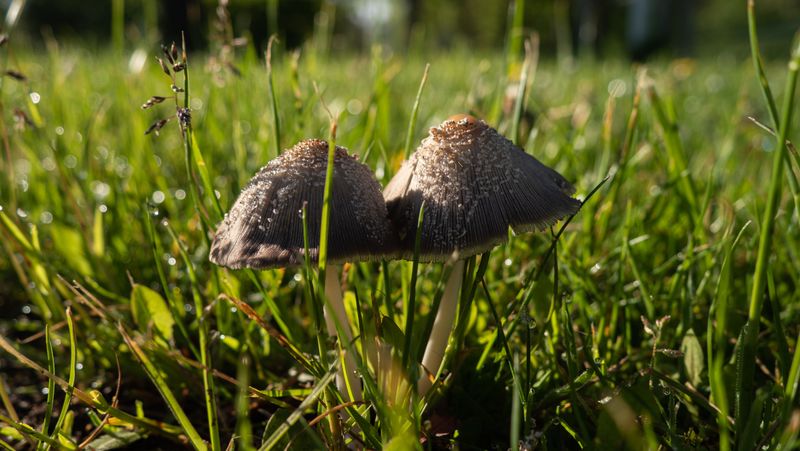
Yesterday’s clear patch of grass may look different this morning. A mushroom’s visible part can emerge quickly when moisture and temperature suit its growth.
That makes a single yard cleanup helpful, but not permanent. Check the ground at first light during damp periods, especially before an unsupervised bathroom break.
Keep a flashlight near the door for early or late outings. You do not need to identify every mushroom to decide your dog should avoid it.
9. Some Mushrooms Cause Stomach Problems
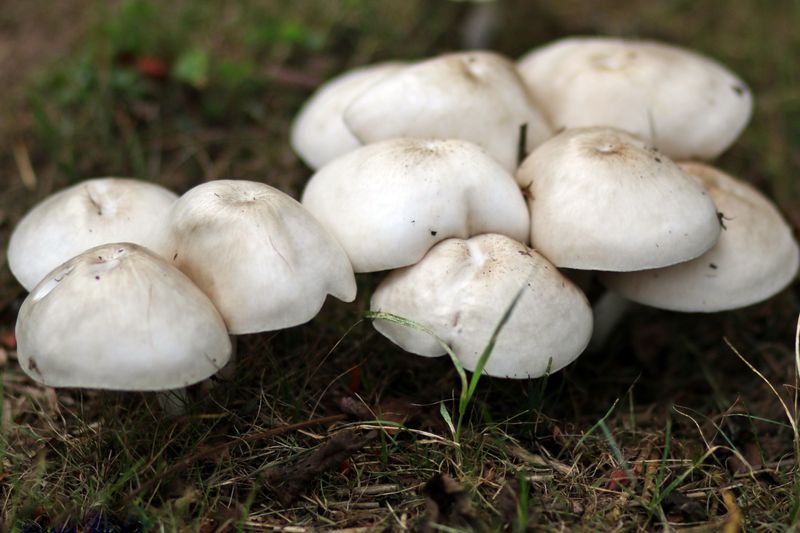
A dog with an upset stomach might have eaten something during a walk. Some mushrooms can cause vomiting, diarrhea, or drooling, while others pose different risks.
Do not use symptoms alone to decide whether the mushroom was harmless. If you saw your dog swallow one, tell your veterinarian when it happened and what you noticed afterward.
Offer water only as your veterinarian advises, and avoid home remedies. Early guidance helps you choose the safest next step.
10. Neurological Signs Can Develop After Ingestion
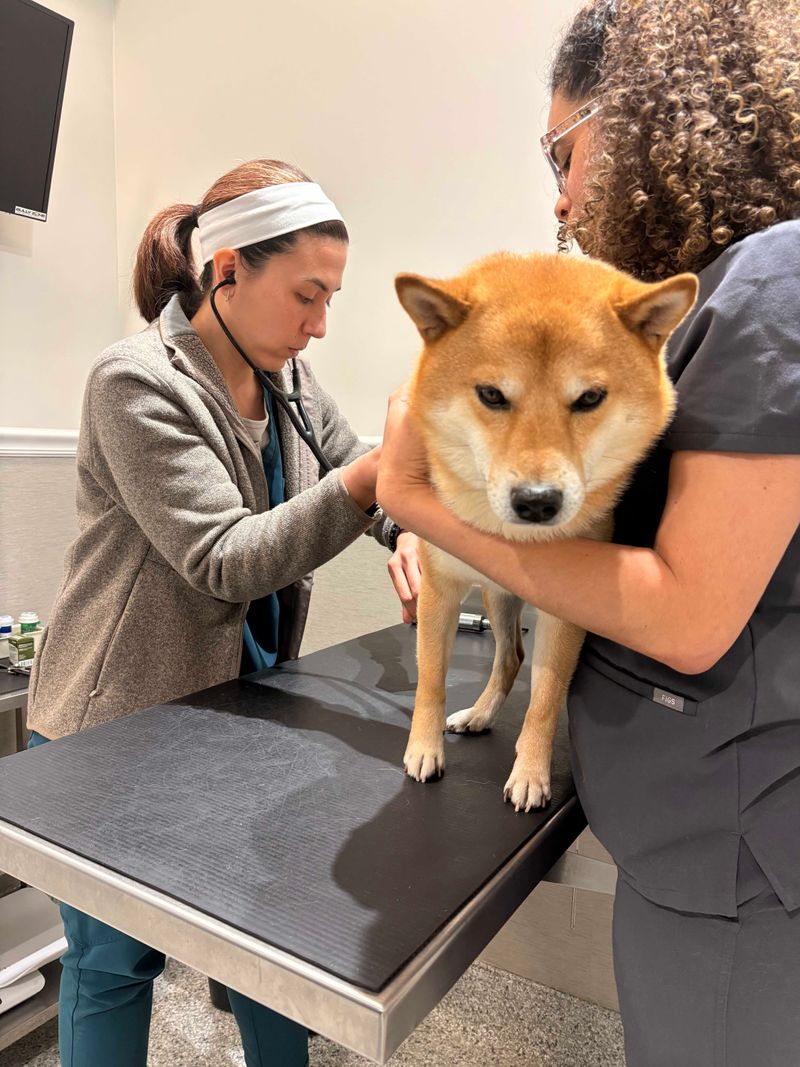
Changes in movement or behavior also deserve attention after possible mushroom ingestion. A dog may seem unsteady, unusually sleepy, restless, or confused, depending on the mushroom involved.
Those signs can have many causes, so a veterinarian needs the full story. Tell the clinic about any wet lawns, mulch, or wooded paths your dog explored.
Keep your pet in a quiet, safe place while arranging care. Do not wait for symptoms to become more obvious.
11. Delayed Symptoms Can Be Misleading
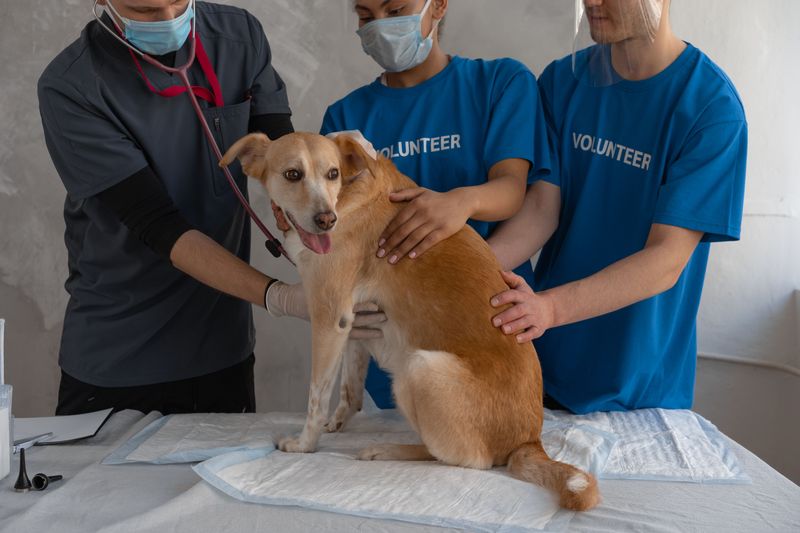
A dog can look perfectly normal soon after swallowing a mushroom. With some concerning species, signs may take hours to develop.
That quiet period does not prove the mushroom was safe. Write down the approximate time of ingestion, the amount you saw, and where it happened.
Then call a veterinarian or animal poison service for advice. If a clinic recommends an examination, follow that plan even if your dog still seems playful at home.
12. A Mushroom Snack Should Be Treated Seriously
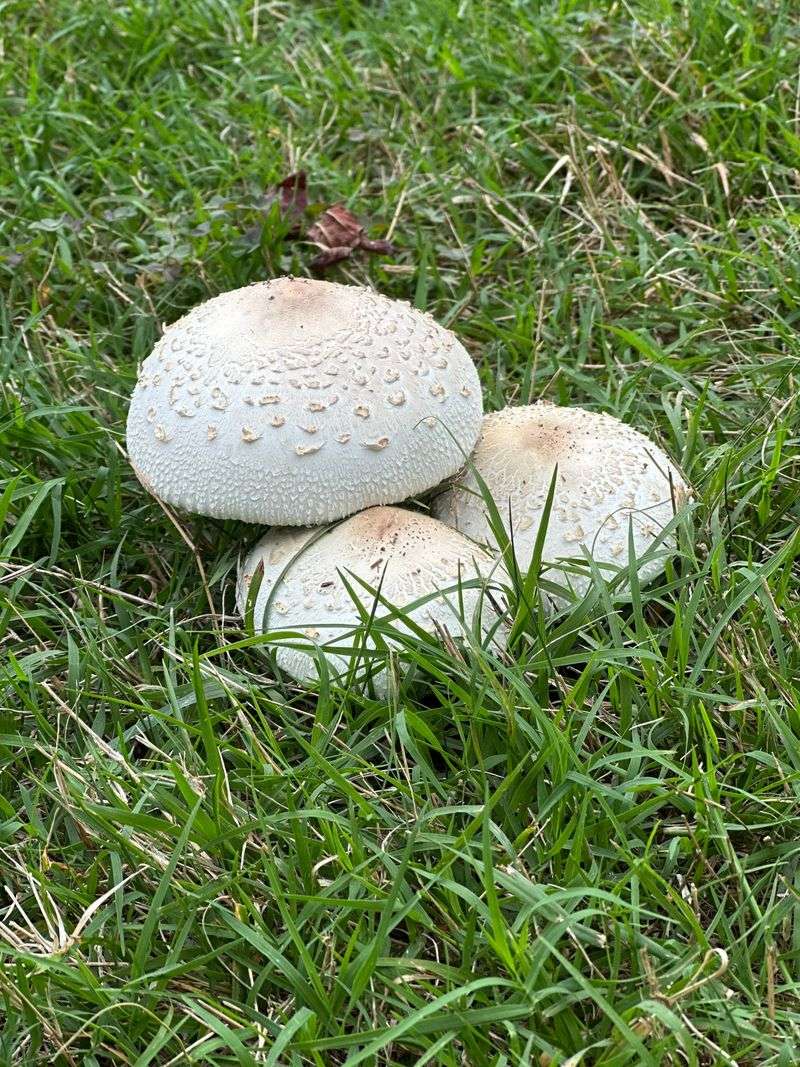
Dogs do not need to eat a whole mushroom to create a concern. A quick bite can leave you unsure what was swallowed, especially when several mushrooms grow together.
Move your dog away from the area and check the mouth only if you can do so safely. Never risk a bite while reaching inside.
Contact your veterinarian with the details, including your dog’s size and possible amount eaten. Do not make your dog vomit unless instructed.
13. Do Not Rely On A Quick Internet Identification
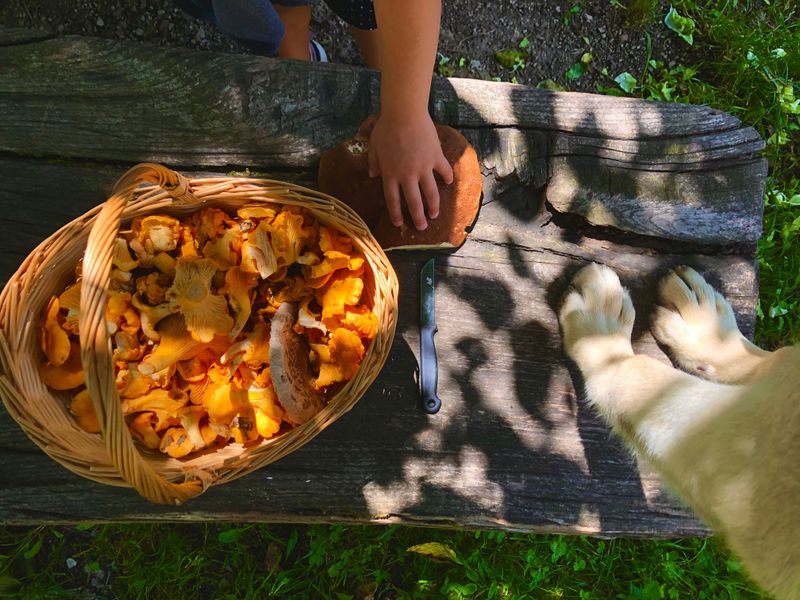
A phone search can bring up convincing pictures that match the wrong mushroom. Apps and online groups may offer clues, but they cannot replace professional care after ingestion.
Photos may miss features hidden underground or beneath the cap. Rain, age, and chewing can also change what a mushroom looks like.
Share clear photos with your veterinarian if requested, including the surrounding area. Make the call first, rather than spending valuable time comparing images on your own.
14. Save A Sample If It Can Be Done Safely
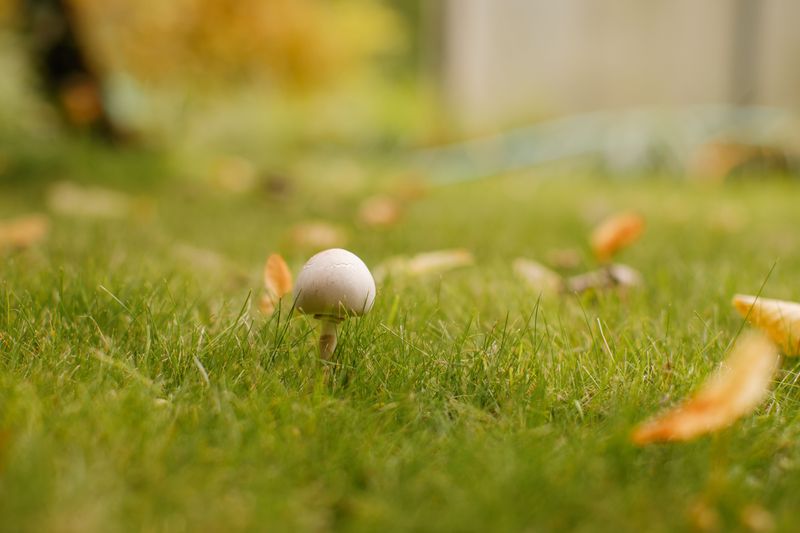
A useful sample might help a veterinarian seek expert identification. If your dog is secured and the area is safe, collect an intact mushroom from the same patch.
Include the base when possible, since important details may be there. Use a bag or container, and keep the sample away from children and pets.
Photograph the growing site before disturbing it. Never delay calling for help just to collect a mushroom, and follow the clinic’s handling instructions.
15. Keep Dogs Close On Wet Woodland Walks
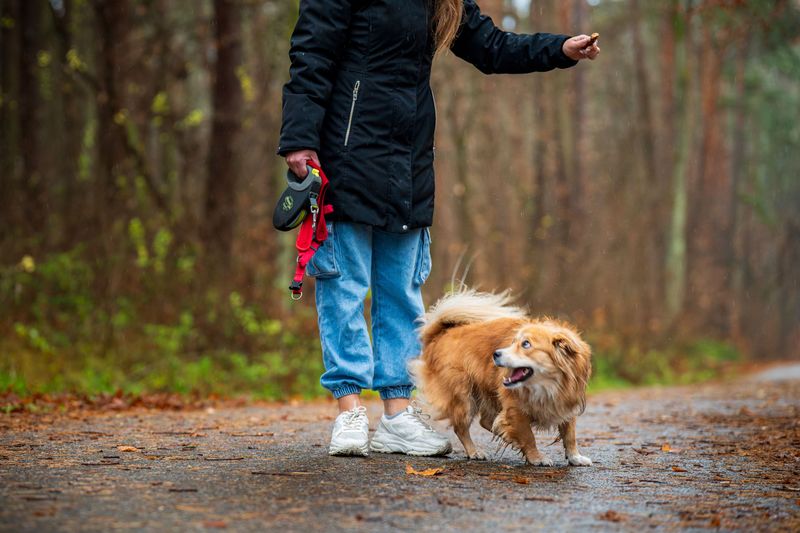
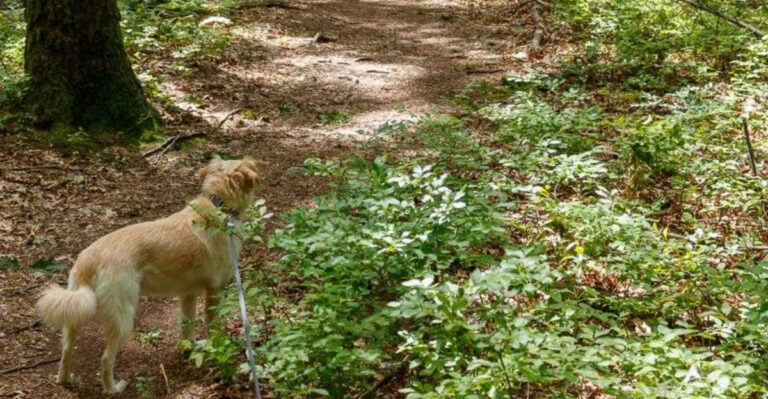
Woodland trails offer wonderful smells after rain, including fungi among leaves and fallen logs. A shorter leash gives you time to steer a curious dog away.
Watch the ground near trail edges, where mushrooms may be easy to miss. Practice a cheerful leave-it cue during ordinary walks, before you need it near unfamiliar growth.
Trail rules can differ among Pennsylvania parks and municipalities, so check posted leash requirements. Even where allowed, close supervision matters in damp woods.
16. Remove Yard Mushrooms Before Letting Dogs Out
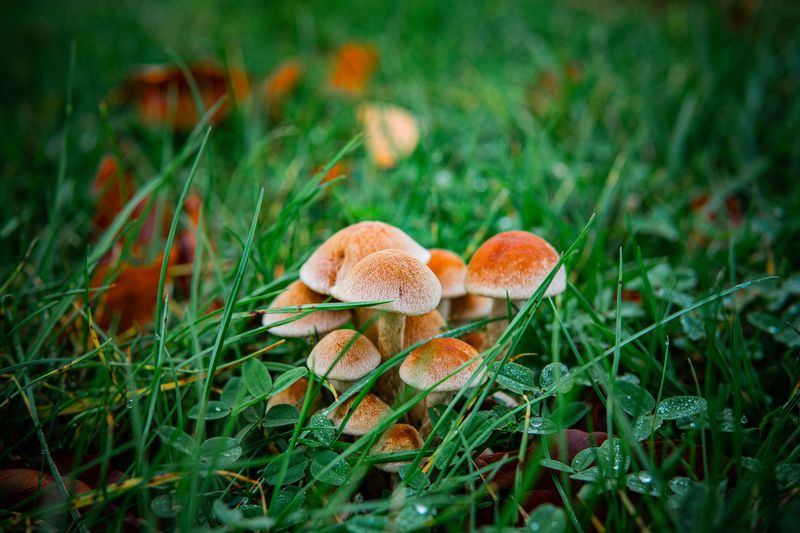
A quick yard sweep can prevent an avoidable snack. Keep your dog inside while you collect visible mushrooms from grass, garden beds, and play areas.
Wear gloves or use a tool, then place the mushrooms in a secured waste container. Washing your hands afterward is sensible.
Removal cannot guarantee that every mushroom is gone, since more may grow after rain. Pair cleanup with supervision, especially if your dog often searches the ground for things to eat.
17. Know The Difference Between Food Mushrooms And Wild Growth
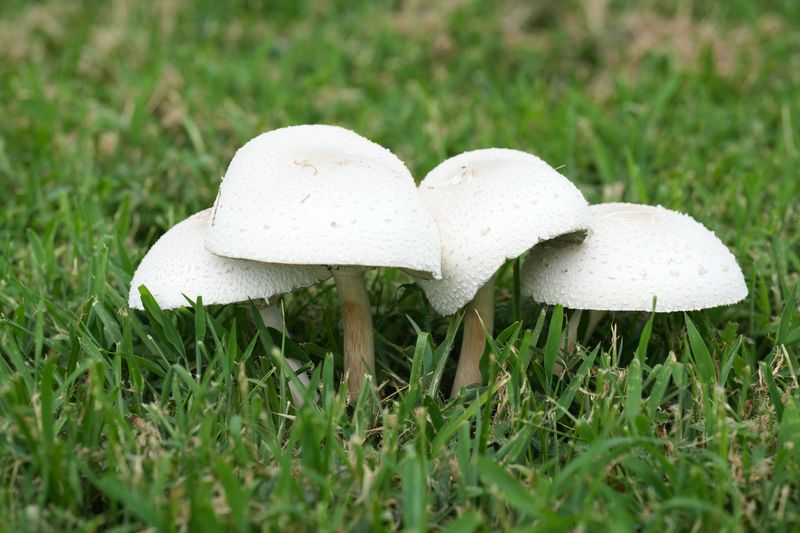
Grocery-store mushrooms sold for human consumption are generally considered safe for dogs, but mushrooms growing outdoors should not be assumed safe based on their appearance. Wild mushrooms can be difficult to identify accurately.
Seasonings and rich sauces can make prepared foods unsuitable for dogs, too. If your pet grabs a mushroom from the lawn, do not assume it is comparable to one from the kitchen.
Tell your veterinarian that the mushroom was wild growth. Keep food scraps secured, and teach your dog to leave outdoor finds alone.
18. Contact A Veterinarian Without Waiting For Symptoms
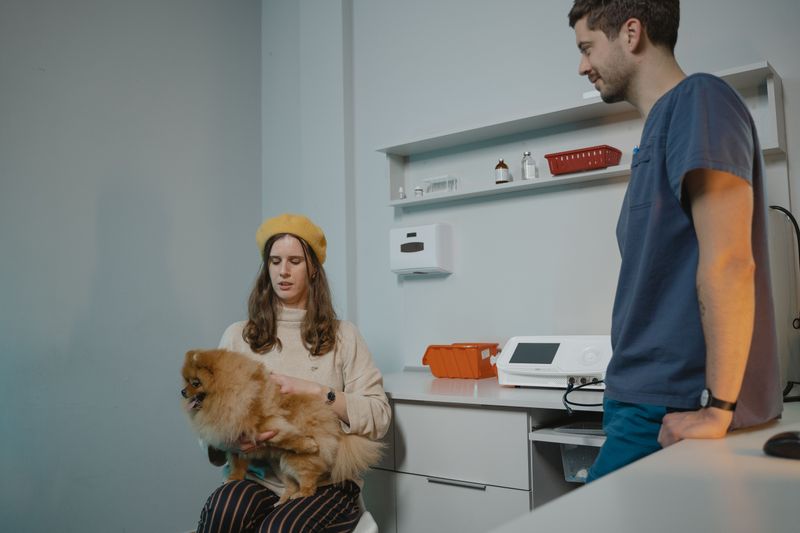
When a mushroom bite happens, contact your veterinarian or an animal poison service promptly. Explain when and where it happened, what your dog ate, and any changes you have noticed.
The clinic or poison service may recommend an examination or provide further guidance. Keep your dog’s weight, photos, and any safely collected sample handy.
If your regular clinic is closed, contact an emergency veterinarian or appropriate animal poison service. Prompt advice is important because some mushroom toxins can cause serious problems before obvious signs appear.