Acreage Changes The Dog Budget In Texas Long Before The First Vet Bill Arrives
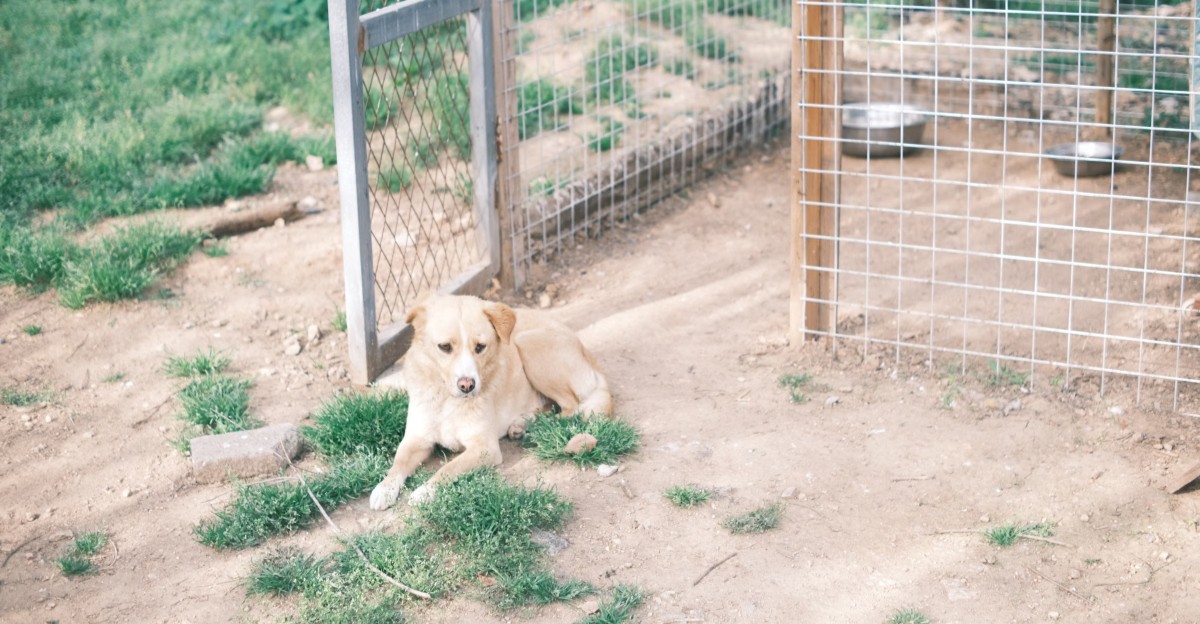
A big Texas yard can feel like a dream for a dog. Before you bring one home, though, take a close look at what that space needs.
Fences, shade, water, and long drives can all add to your costs before the first vet bill arrives. A little planning now can help you give your dog room to roam while keeping the budget comfortable.
1. More Land Can Mean More Fence To Maintain
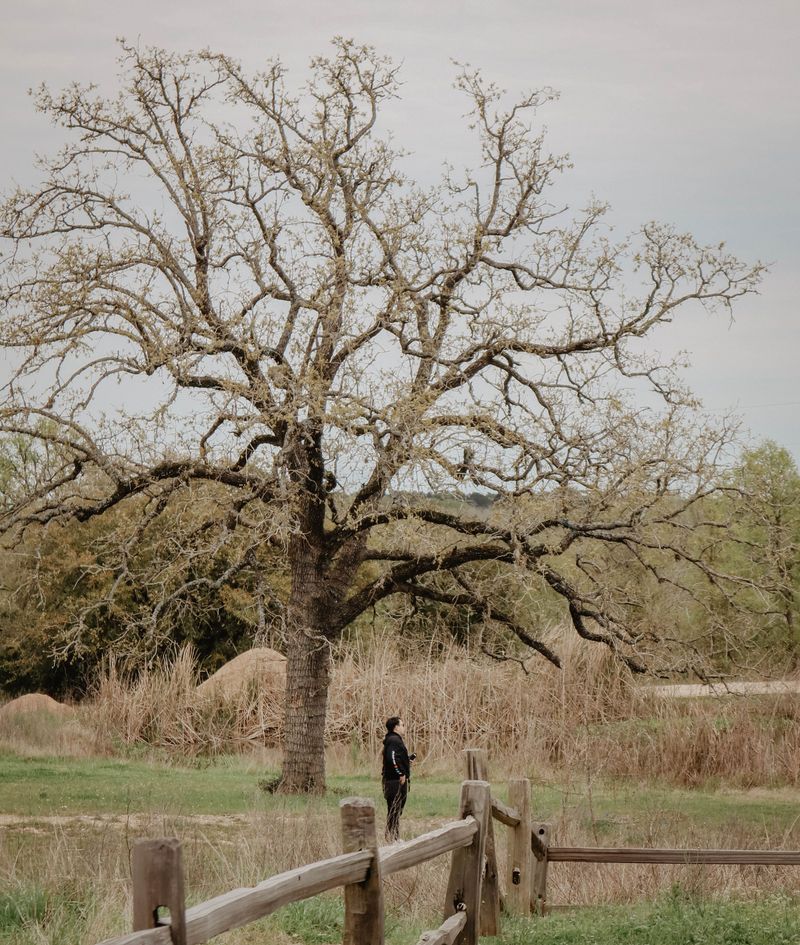
A fence looks sturdy from the porch, but its far corners tell another story. Wind, shifting soil, and fallen branches can loosen posts or open gaps.
Longer fence lines mean more ground to check and more supplies to replace.
Walk the boundary on a regular schedule, especially after storms. Keep spare fasteners and basic tools handy.
Before adopting, measure the fence line and price common repairs. That small homework task makes upkeep less surprising later.
2. Fencing Needs Grow With The Property
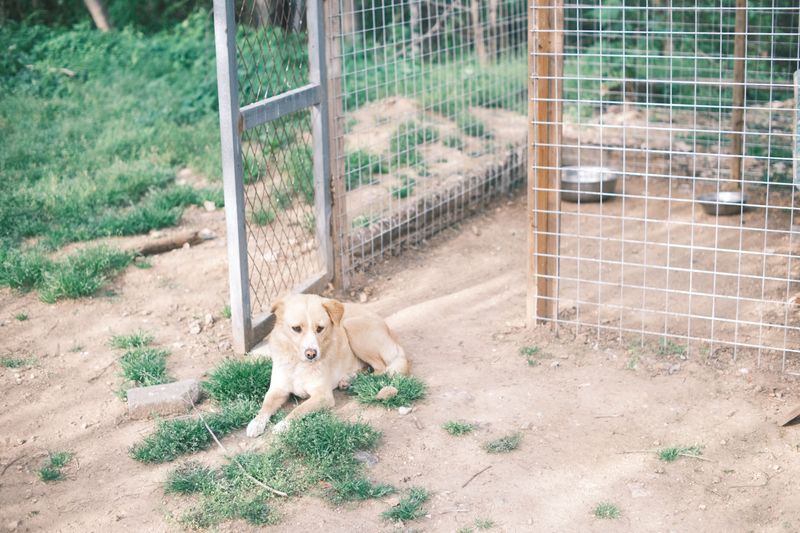
Open space does not mean every acre needs dog fencing. A smaller, secure yard near the house may cost less than enclosing the whole property.
It can also make daily checks much easier.
Choose fence height, material, and ground protection for your dog’s actual habits. A jumper and a digger need different solutions.
Ask local installers about soil and weather, then compare full property fencing with a smaller dog area. Price the safest useful space first.
3. Gates Need To Be Part Of The Dog Budget
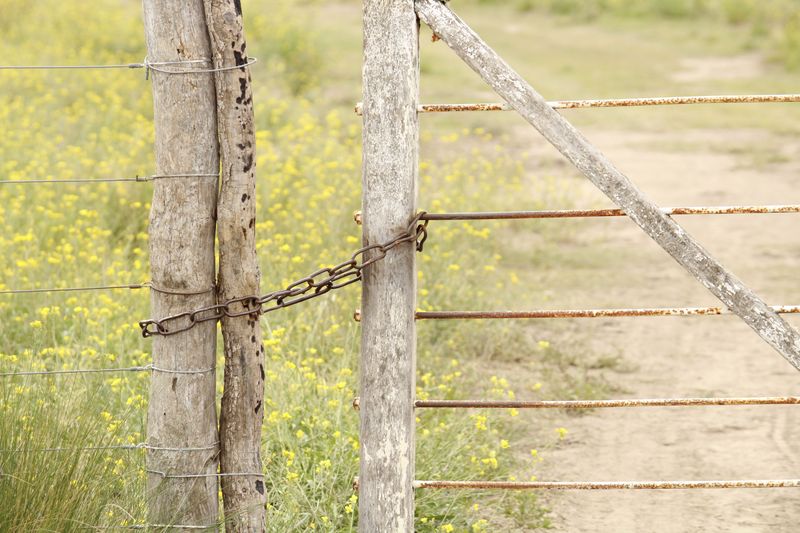
The strongest fence still depends on a gate that closes every time. Delivery trucks, visitors, and lawn equipment can turn a loose latch into a daily problem.
Wide driveway gates may also need different hardware than a small walking gate.
Count every entrance when planning costs. Check hinges, latches, and gaps beneath gates at your dog’s eye level.
If guests use the property, add a clear closing rule. A dependable gate protects the value of the fence around it.
4. Rural Roads Change Daily Safety Costs
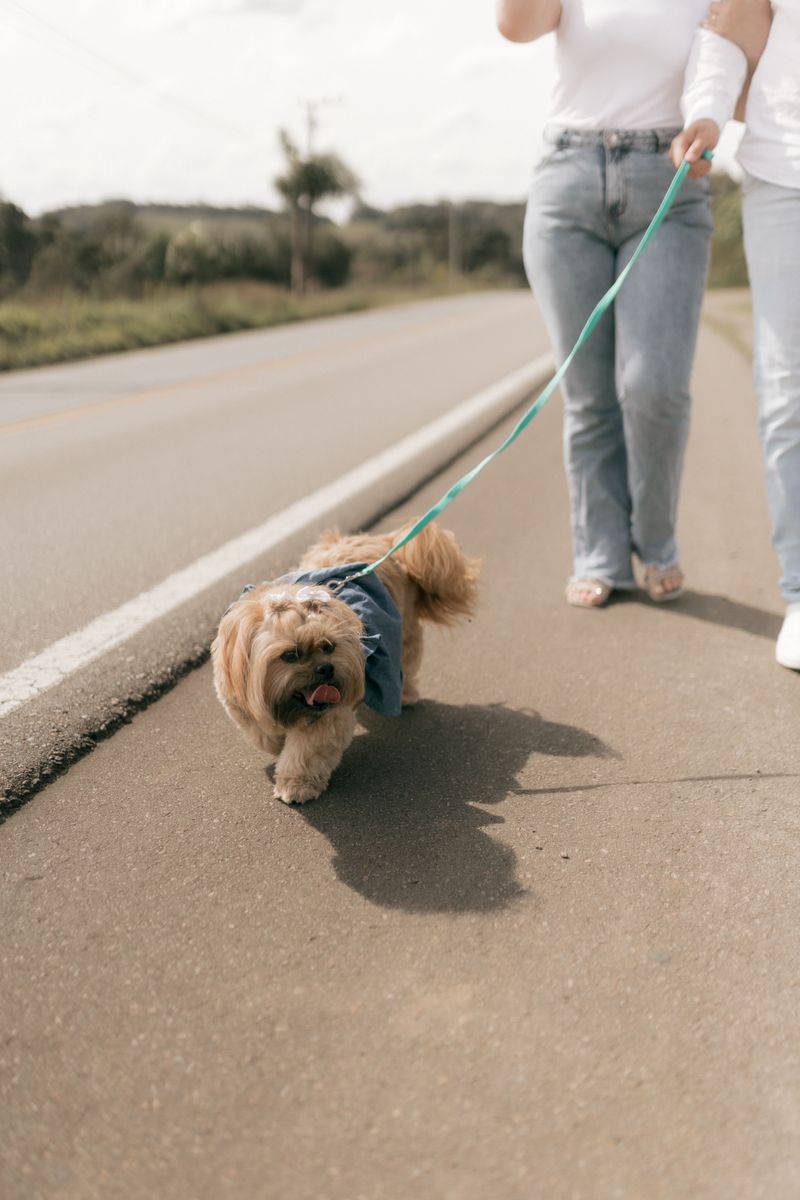
A quiet country road can become busy without much warning. Farm vehicles, delivery drivers, and fast traffic leave little room for a wandering dog.
Even a long driveway may connect to an open road.
Budget for a sturdy leash, a comfortable harness, and secure places to practice walking. Reflective gear can help when light is low.
Check local rules about dogs roaming off property, since requirements vary. Good daily habits matter more than how empty the road looks.
5. Wildlife Adds Another Layer Of Planning
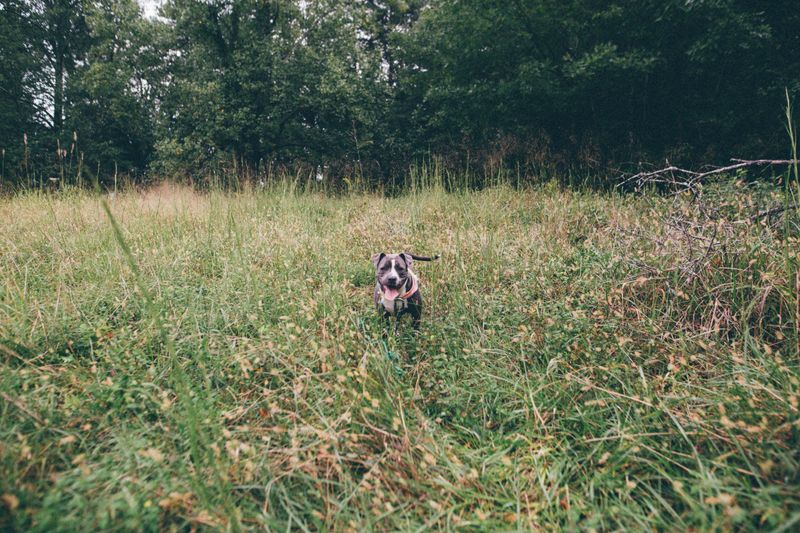
Brush piles and tall grass attract more than a curious dog. Texas wildlife may include snakes, skunks, and other animals best viewed from a distance.
Clearing dog areas and removing outdoor food can reduce unwanted visits.
Set aside money for safe brush removal and supervised outdoor time. Practice a reliable recall and leave it cue.
Ask your veterinarian which vaccines fit your dog’s exposure. If you spot a possible wildlife injury, call a veterinarian promptly.
6. Long Walks Are Not Always Free
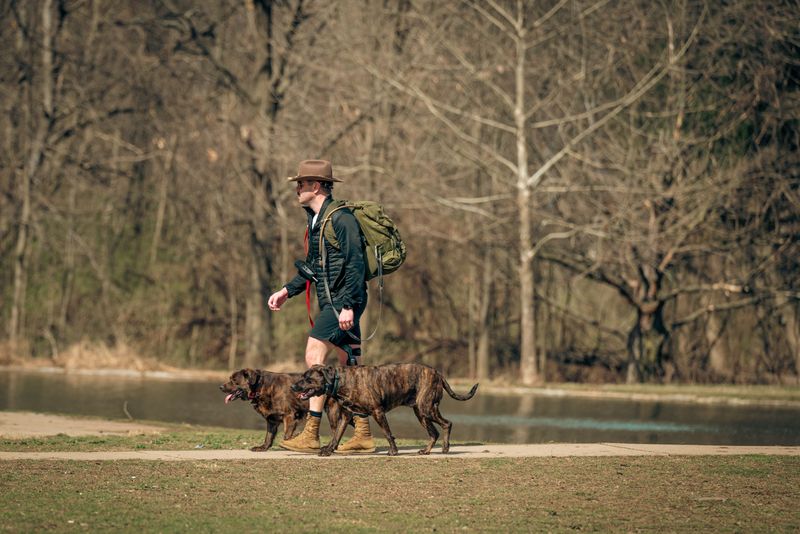
That long property trail feels free until summer arrives. Water bottles, paw protection, and trail upkeep may become regular expenses.
Some dogs also need walks beyond the fence for new sights and sounds.
Map a shaded route before buying special gear. Carry fresh water, check ground temperature, and shorten outings when conditions are hot.
If you drive to a safer trail, include fuel in the plan. Time is part of the budget, too.
7. Mowing And Yard Work Affect Dog Areas
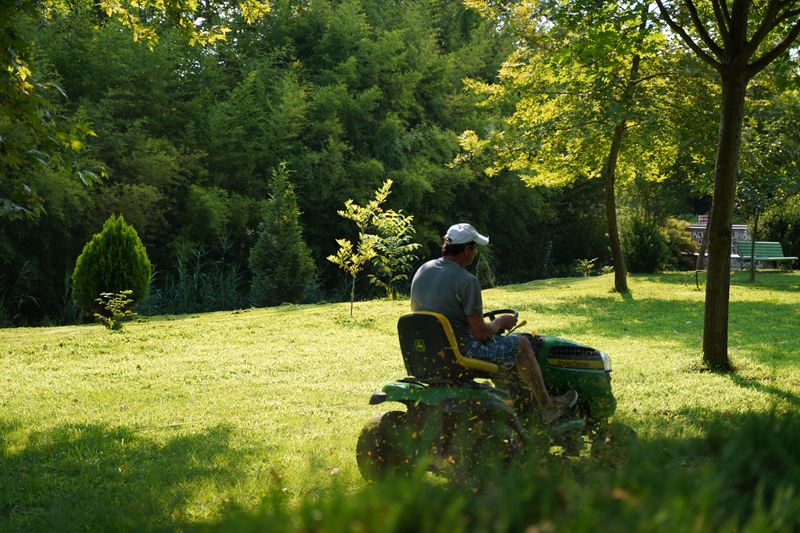
Grass can grow faster than the dog area stays tidy. Tall growth hides holes, ticks, and plants your dog might chew.
Mowing equipment and yard products also need careful storage.
Plan a regular schedule for trimming paths and checking plants. Keep dogs indoors or securely elsewhere while machinery runs.
Read product labels before using lawn treatments, and follow every pet safety direction. Ask a local expert about unfamiliar plants.
Yard care is part of dog care on acreage.
8. Water Access Needs A Safety Plan

A pond may look like a giant water bowl, but it is not a safe substitute. Natural water can contain germs or harmful algae.
Texas law requires access to potable water for a dog that is outside and unattended while restrained. Dogs should also have reliable access to clean drinking water whenever they are outdoors.
Place clean bowls where they stay shaded, and refill them often. Consider a second water spot if your dog uses a large yard.
Check any pond or pool access, including an easy exit. When water looks suspicious, keep your dog away.
9. Hot Texas Weather Changes Outdoor Spending
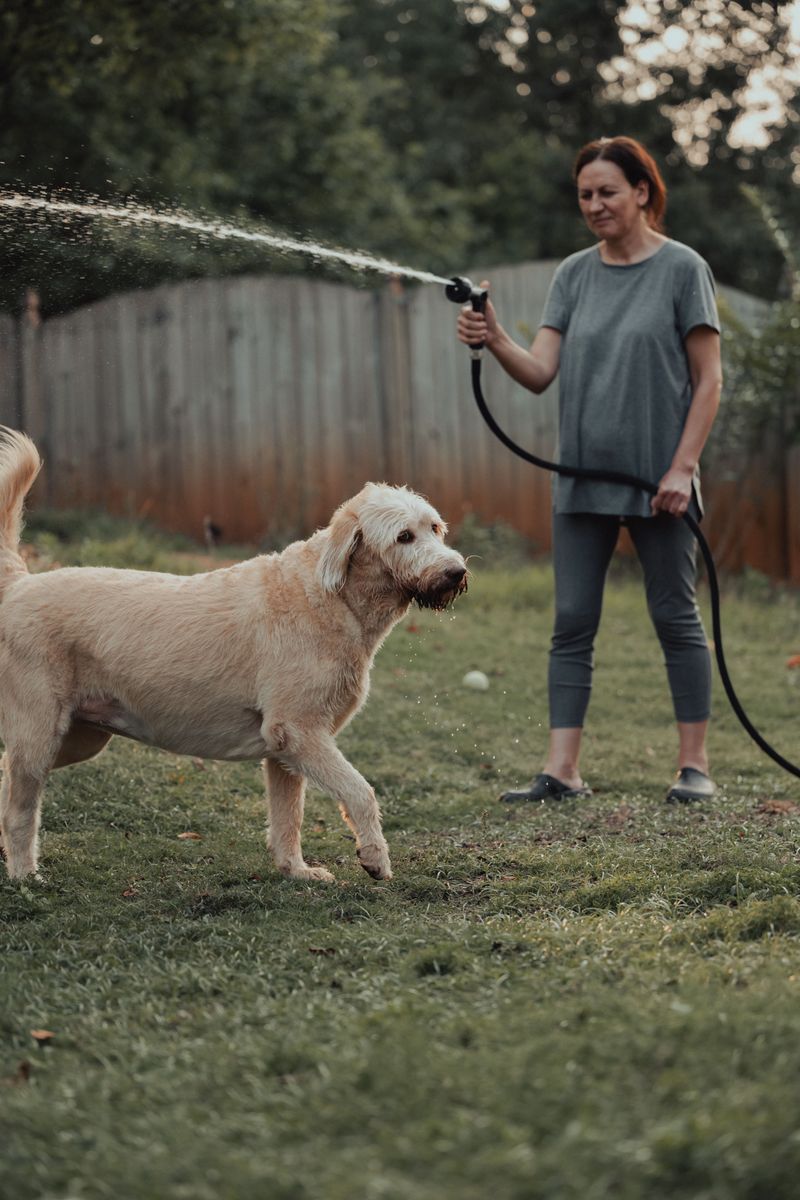
Texas heat can turn a pleasant yard into a place for short visits. Shade moves during the day, and bare ground or pavement can get very hot.
A dog may need indoor rest even with acres available.
Check shade where your dog actually spends time. Budget for dependable water containers, shaded resting spots, and cooling indoors.
Schedule play for cooler hours and test walking surfaces with your hand. Ask a veterinarian about heat concerns for your dog.
10. Outdoor Dogs Need More Than A Doghouse
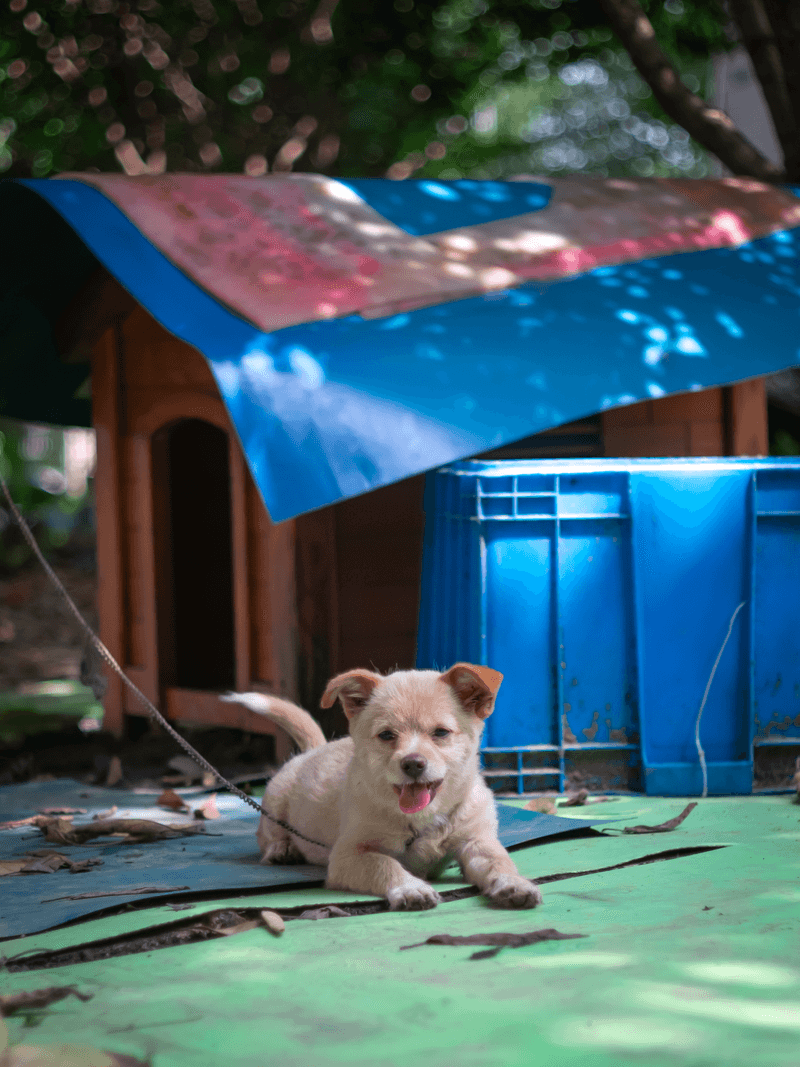
A doghouse alone cannot make every outdoor day comfortable. Shelter needs protection from weather, along with drinkable water and a safe place to rest.
Direct sun can heat a doghouse quickly.
Plan for indoor access when temperatures or storms make the yard unsuitable. Check your shelter, shade, and any tethering setup against current Texas law and local rules.
Costs may include repairs, bedding, and a secure indoor space. Watch your dog, not just the forecast.
11. Acreage Can Increase Pest Prevention Costs
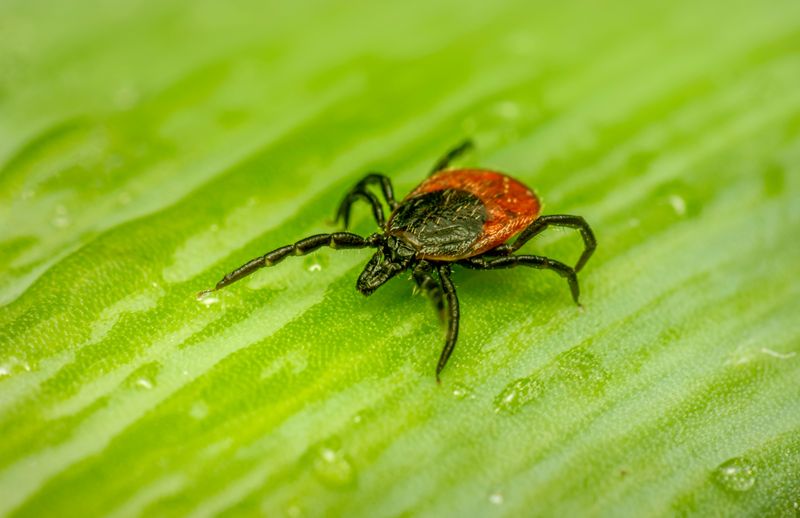
After a romp through grass, a coat check is worth the minute. Fleas and ticks can be common on Texas properties, and mosquitoes spread heartworms.
More outdoor time may make prevention especially useful.
Ask your veterinarian for a prevention plan suited to your dog and area. Include recurring medication in the monthly budget, rather than treating it as an occasional purchase.
Keep grass managed and check your dog after brushy walks. Never share products between pets without veterinary guidance.
12. Training Matters More When The Yard Is Huge
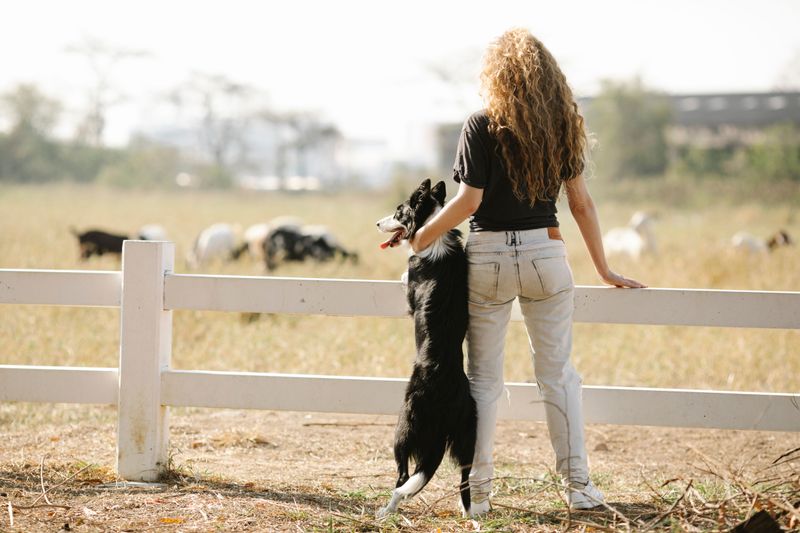
A dog can hear you perfectly and still find the far fence more interesting. On acreage, recall and leave it are everyday safety skills.
Training also helps when gates open or wildlife appears.
Start in a secure area before practicing around distractions. A long training line gives your dog room without giving up control.
Set aside time for short sessions or a qualified trainer. Until recall is dependable, use a leash or fenced space instead of trusting distance.
13. Farm Equipment Creates Extra Risks
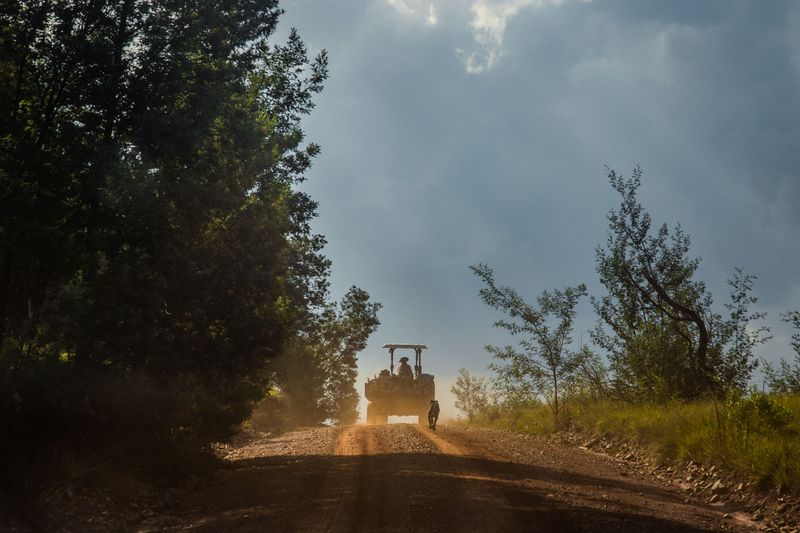
Tractors and mowers make acreage work easier, but they change where a dog can safely play. A dog may approach equipment without being noticed.
Even parked machines can have tempting parts and fluids.
Make a rule that your dog stays indoors or behind a secure gate during equipment use. Store tools and supplies where paws cannot reach them.
Walk the work area before starting any machine. A simple barrier may be cheaper than trying to supervise from a tractor seat.
14. Barns And Outbuildings Need Dog Rules
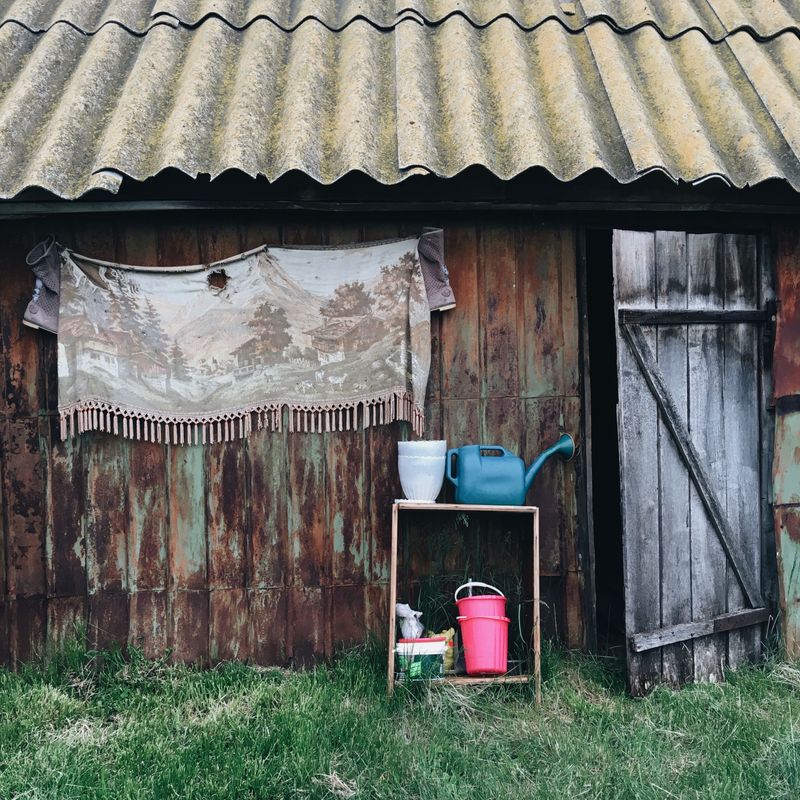
That open barn door can look like an invitation to explore. Sheds and outbuildings may hold sharp tools, stored products, or small spaces that are hard to inspect.
Rodents and wildlife may visit them, too.
Decide which buildings are off limits, then add reliable latches where needed. Store chemicals according to their labels and keep food sealed.
Check doors before letting your dog roam. Clear rules make chores smoother and protect curious noses without constant chasing.
15. More Space Can Mean More Identification Needs
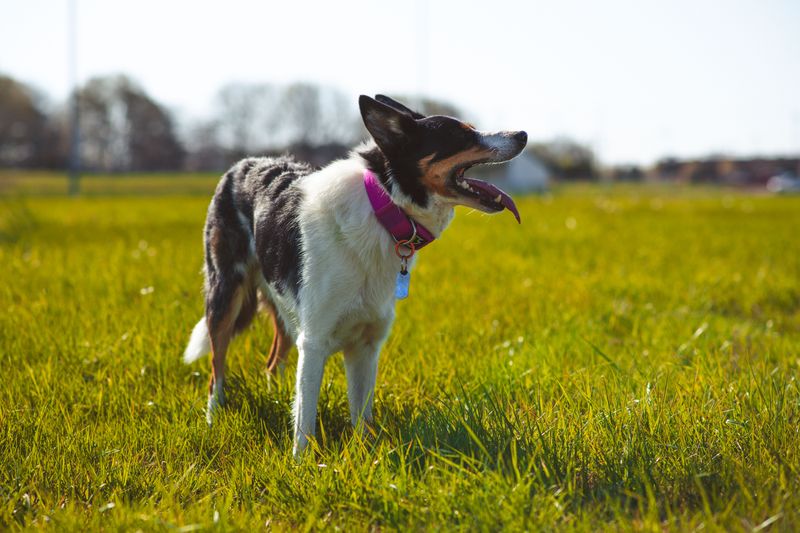
From the porch, a distant dog can disappear behind one row of trees. Good identification helps if a gate opens or someone finds your dog beyond the property.
A collar tag offers quick contact information.
Ask your veterinarian about microchipping, and keep registration details current. Check tags for worn lettering and replace loose collars.
Some Texas cities have additional identification rules, so confirm local requirements. Neither a tag nor a chip replaces secure fencing and supervision.
16. Transportation Costs Can Rise With Rural Living
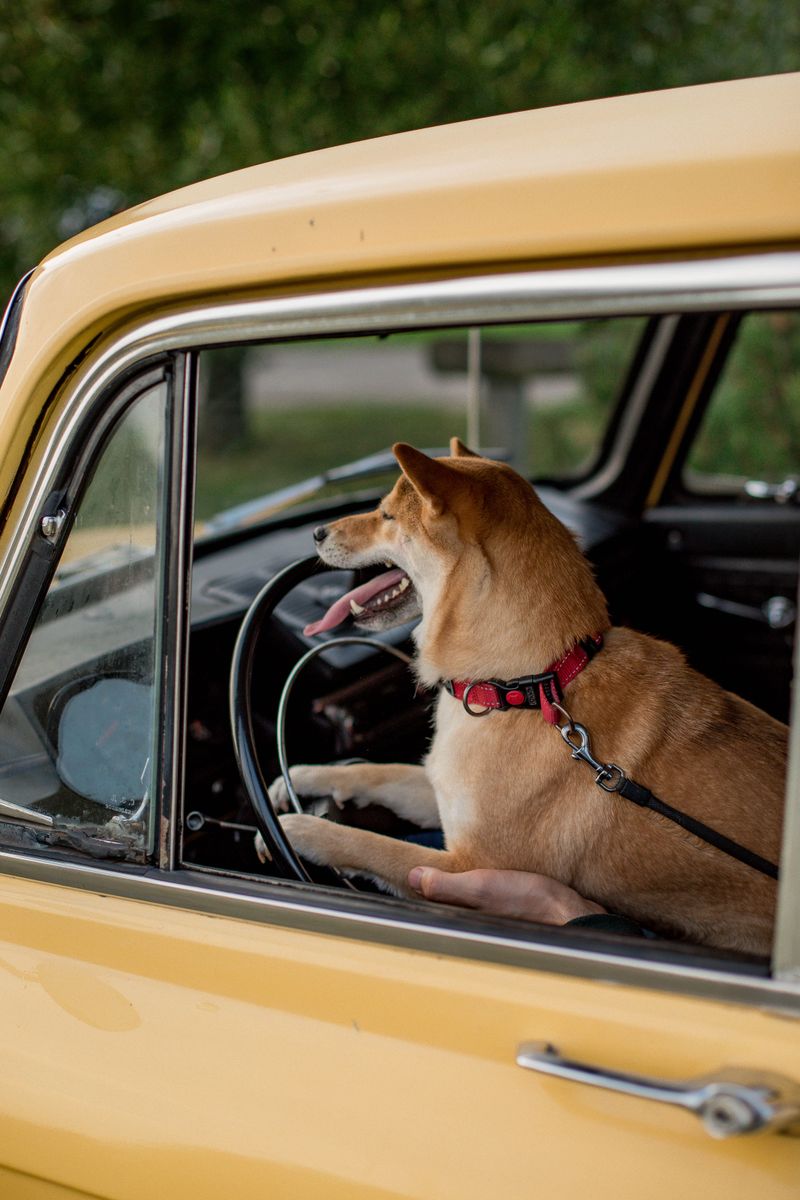
A bag of dog food costs more when the nearest store is far away. Rural owners may also drive longer for grooming, training, or routine appointments.
Fuel and vehicle use belong in the dog budget.
Group errands when practical, and keep enough food on hand for normal delays. Find nearby service options before you need them.
Use a secure travel crate or harness appropriate for your vehicle. Small travel costs are easier to manage when planned.
17. Emergency Vet Distance Belongs In The Budget
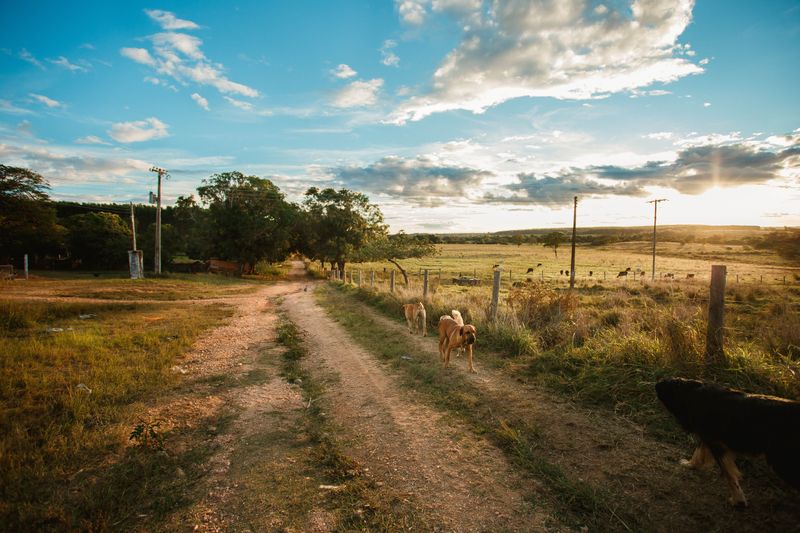
When a dog needs urgent care, finding directions should not be the first job. Emergency clinics may be a long drive from rural Texas homes.
Hours and available services can differ between clinics.
Save the numbers for your veterinarian and the nearest emergency options. Call ahead when possible, and learn the route in advance.
Set money aside for travel and unexpected care, or compare insurance options. A ready plan makes a stressful trip simpler.
18. More Dogs Can Mean More Acreage Expenses
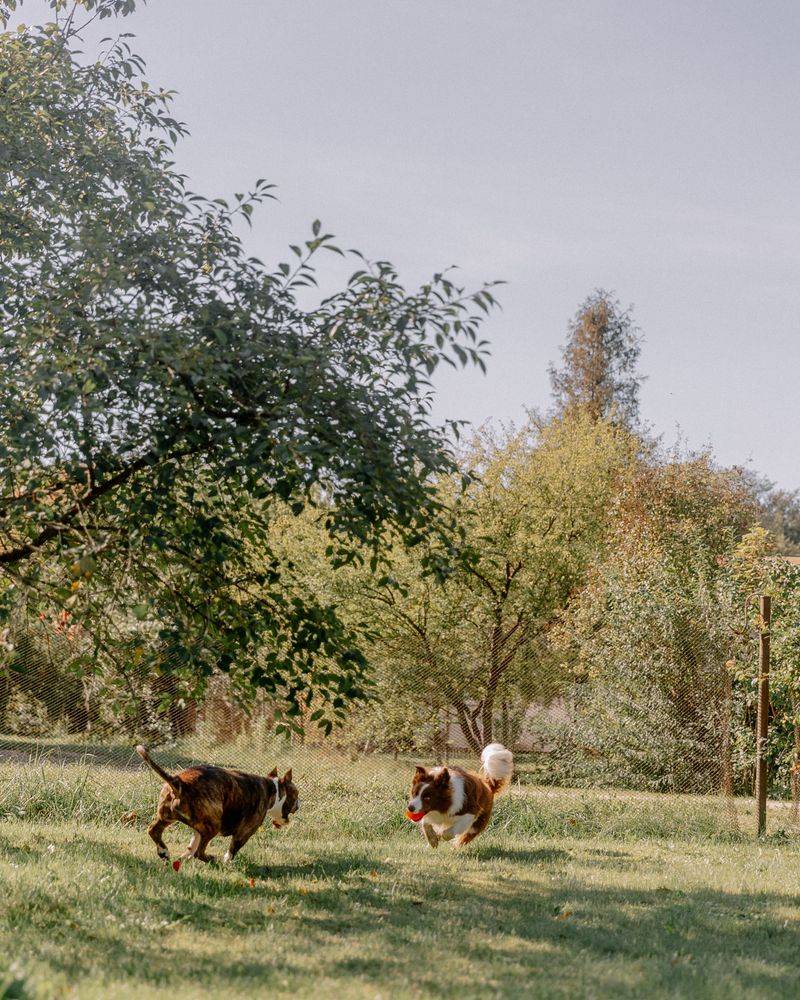
Two dogs bring twice the excitement to a yard, but costs do not stop at extra food. Each needs suitable prevention, identification, supplies, and care.
Some pairs also need separate resting or feeding areas.
Review your fence for the habits of every dog, not just the first one. Price recurring expenses before adding another companion.
Check local animal limits or permits, since rules vary by city and county. Room to run is helpful, but daily attention still counts.
19. The Best Acreage Budget Includes A Repair Fund
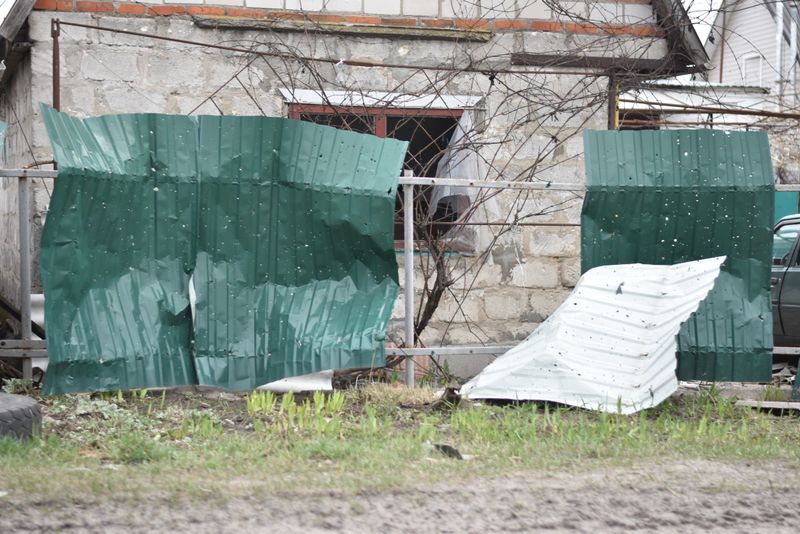
One storm can add a fence task to an already busy week. Gates sag, water bowls crack, and shelter parts wear out.
Those ordinary repairs are easier when they have a place in your budget.
Start a small fund for dog related property upkeep. Make a list of the parts most likely to need replacement, and check prices locally.
Inspect everything after rough weather before letting your dog roam. Planning for repairs keeps acreage enjoyable for both of you.