18 Coat-Care Problems Georgia Humidity Creates After Repeated Rainy Walks
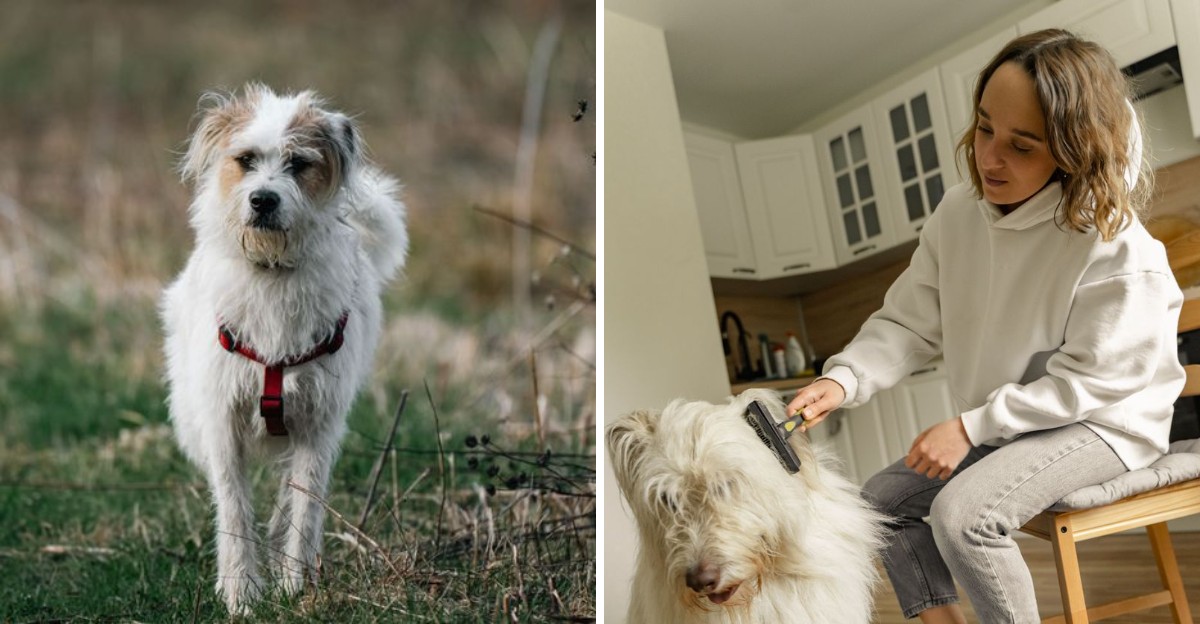
Georgia weather has a habit of soaking your dog, then refusing to let the coat dry. Between summer storms and sticky air, fur can stay damp for hours after a walk.
That lingering moisture is where most coat trouble begins, and it builds quietly over days. The good news is that nearly every issue here is preventable with simple habits at home.
Here is what local dog owners should watch for, and what actually helps.
Dampness That Settles Deep in the Undercoat
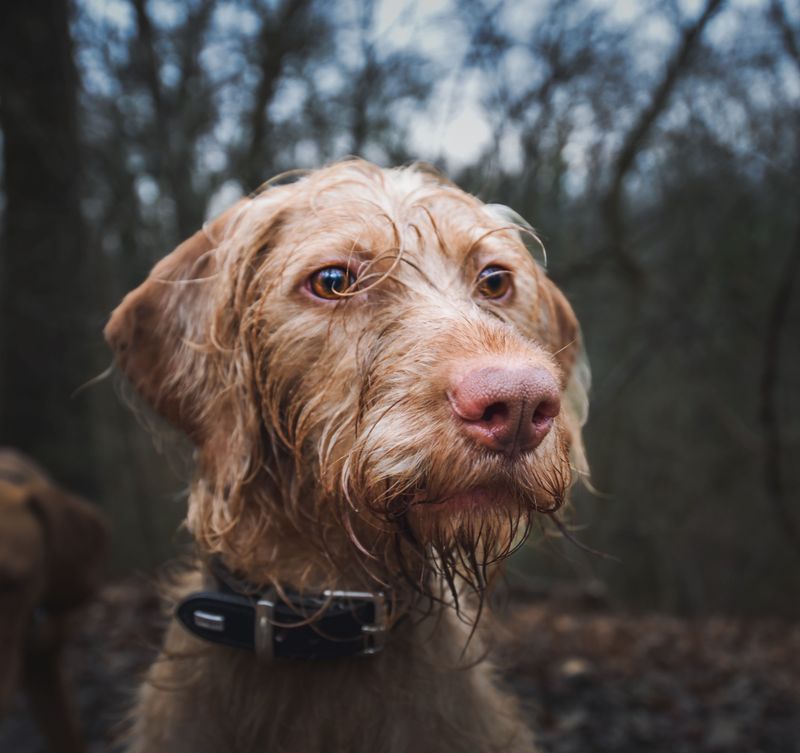
Run your fingers down to the skin after a rainy walk. The topcoat may feel dry while the layer underneath is still soaked.
That undercoat behaves like a sponge in humid air, holding water close to warm skin for hours. Airflow drops, and the skin stays soft and vulnerable.
Towel down to the skin, then use a cool dryer or fan. Check the chest and hips first, since they hold moisture longest.
Tangles Forming Twice as Fast
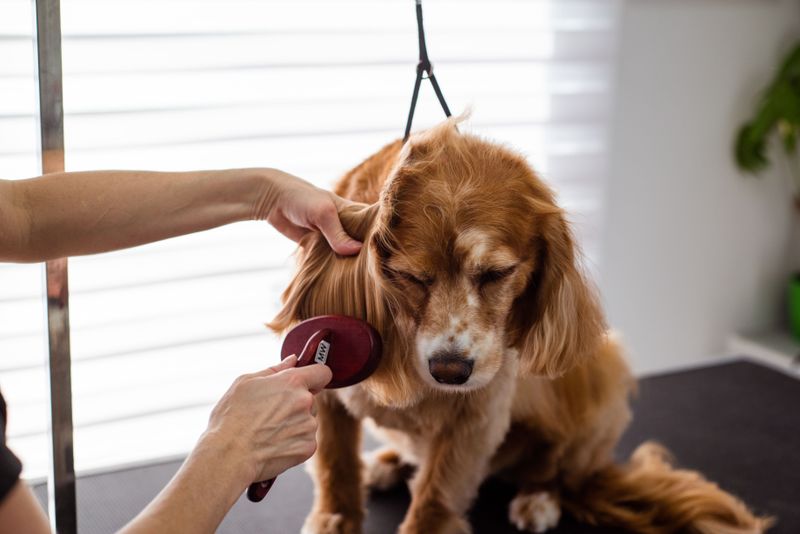
Wet fur swells, twists, and grips itself. Add friction from a harness and you get mats forming in a single afternoon.
Doodles, Shih Tzus, and long-coated retrievers feel it fastest. Trouble spots include armpits, the tail base, and the collar line.
A short comb-through once the coat is dry beats a long detangling session later. Five minutes a day usually keeps things manageable through a stormy week.
That Musty Wet-Dog Smell That Will Not Quit
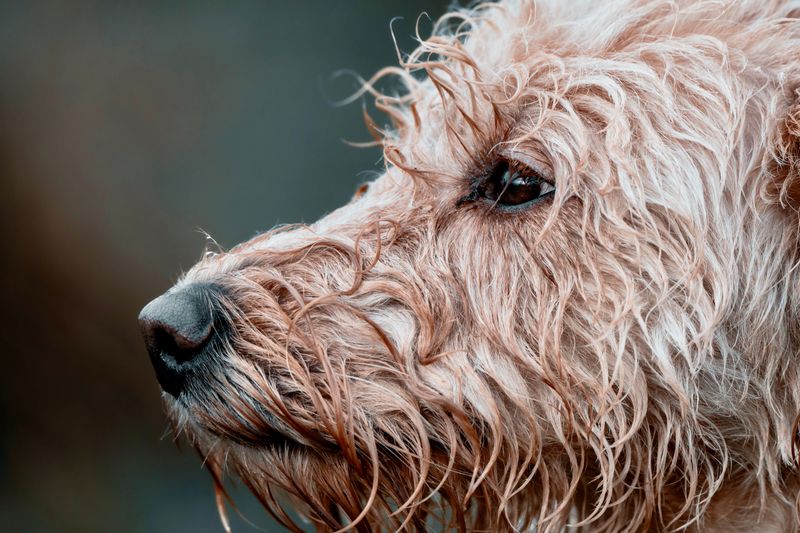
Everyone knows the smell. It comes from normal bacteria and yeast on the skin releasing odor compounds when the coat gets wet.
In sticky Georgia air, drying takes far longer, so the smell hangs around instead of fading.
Faster drying is the real fix, not more perfume sprays. If a strong musty odor lingers after the coat is fully dry, book a vet check for skin issues.
Yeast Finding the Perfect Conditions
Malassezia yeast lives on healthy skin in small numbers. Warmth plus humidity above roughly seventy percent lets it multiply quickly.
Dogs with allergies, skin folds, or a damaged skin barrier are the most likely to react.
Watch for a corn-chip odor, redness, or greasy patches. Drying thoroughly helps prevent it, but treatment needs a veterinarian.
Medicated shampoos should only be used with professional guidance.
Bacterial Irritation Creeping In
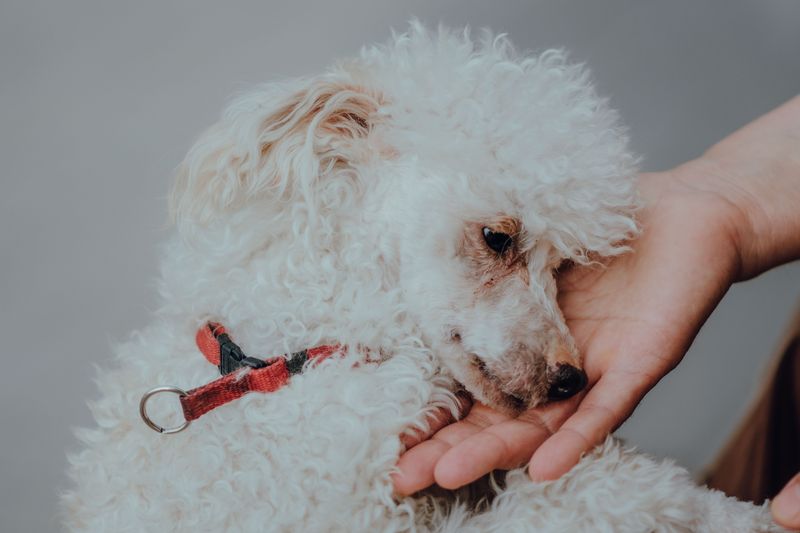
Constantly damp skin softens, and a softened surface is easier for bacteria to slip past.
Southern vet clinics see pyoderma cases climb when summer humidity peaks. Small red bumps, crusting, or itchiness are common early signs.
Keep the coat clean and genuinely dry between walks. If irritated patches spread or your dog keeps licking one area, get it looked at rather than waiting it out.
Hot Spots That Appear Almost Overnight
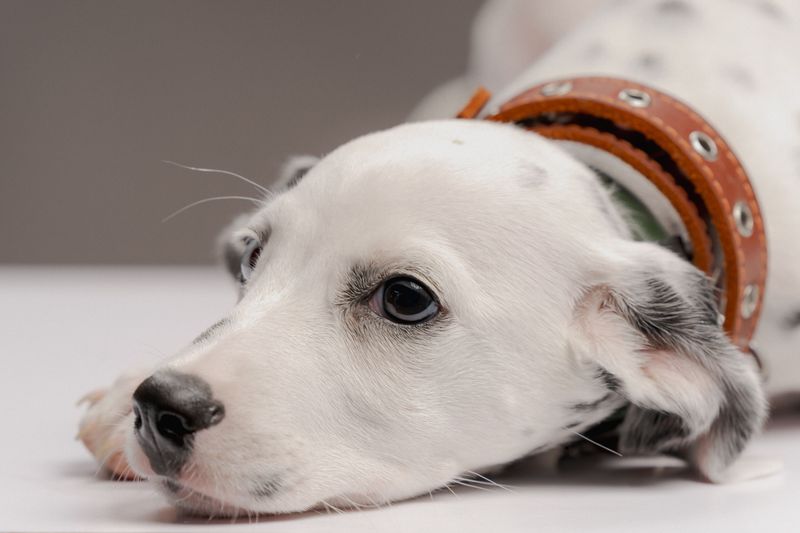
Acute moist dermatitis moves fast. Moisture, warmth, and a bit of licking can create an angry patch within hours.
Thick-coated breeds like Goldens, Newfoundlands, and German Shepherds face the highest odds after wet walks.
Damp fur seals air away from the skin, which lets bacteria multiply. Clip-free home remedies rarely fix it, so call your vet early.
Prompt drying remains the strongest prevention you have.
Chafing Where Wet Fur Rubs Skin
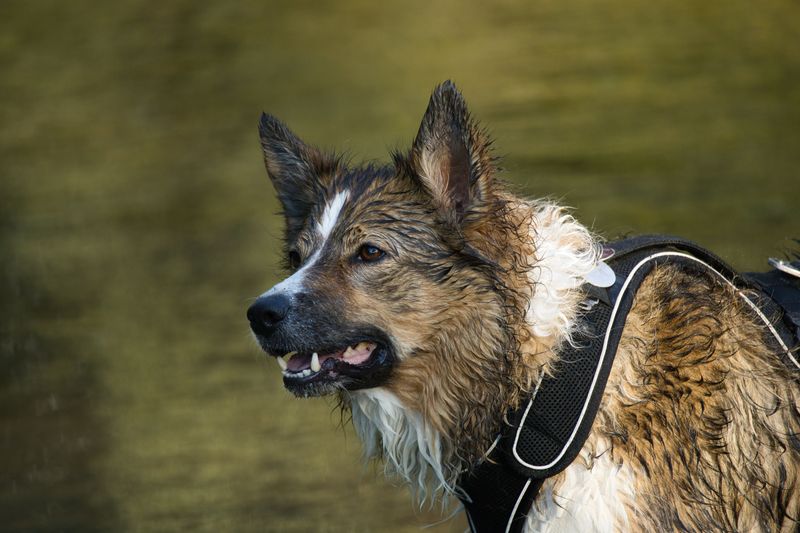
Harness straps and collars press wet hair against skin with every step. Friction plus moisture equals soreness.
Armpits, the chest, and the belly take the worst of it on long rainy outings.
Loosen or remove the harness once you are home, and dry those contact points first. A properly fitted, quick-drying harness makes a noticeable difference on soggy Georgia mornings.
Mud Clinging to Long Coats
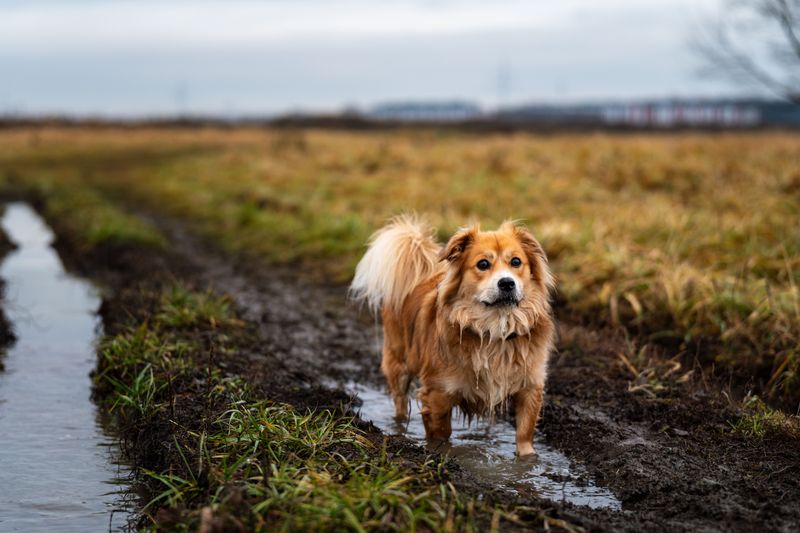
Georgia red clay has opinions about your dog’s feathering. Wet hair grabs dirt and holds it tight.
Dried mud stiffens the coat and pulls strands together, which is how mats quietly begin.
Rinse legs and belly before the mud sets, then dry properly. Keeping a bucket and towel by the door turns a fifteen-minute cleanup into a two-minute one.
Burrs and Plant Bits Woven Into Fur
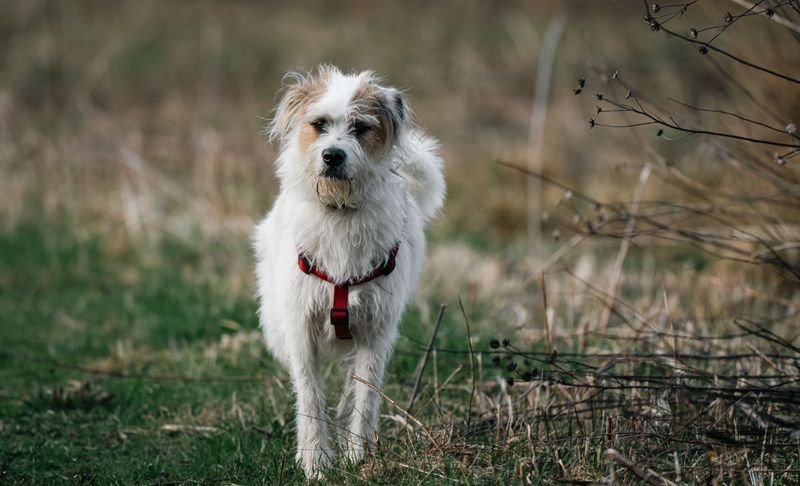
Wet trails mean overgrown edges, and overgrown edges mean seed pods. They hook into damp fur and refuse to let go.
Left alone, burrs tug on skin and become the center of a stubborn mat.
Check ears, legs, and the tail after every wooded walk. A metal comb and a bit of detangling spray remove most of them without pulling.
Knots Behind the Ears and Along the Legs
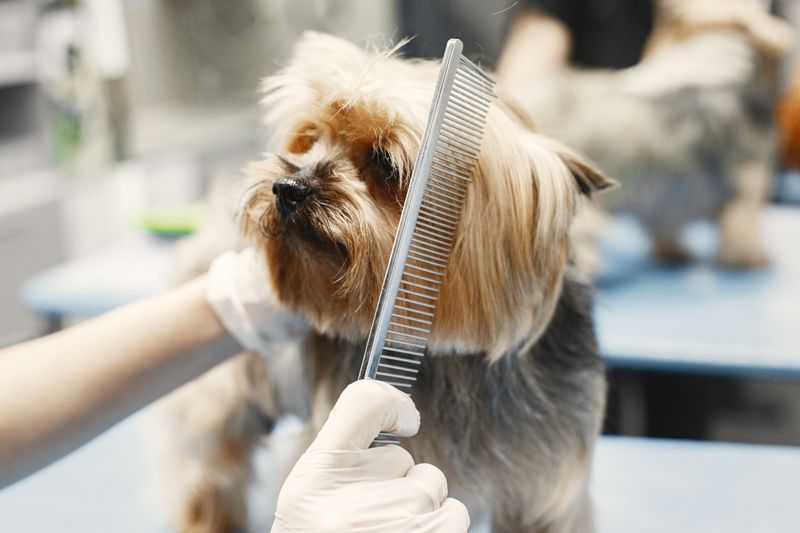
High-friction zones lose first. Behind the ears, the fur is fine, constantly moving, and slow to dry.
Legs suffer too, since they collect water and rub together with every stride.
Work through these spots with a comb, not just a brush, because brushes glide over knots without touching them. Holding the hair at the base keeps combing comfortable for your dog.
Matting Across the Belly and Chest
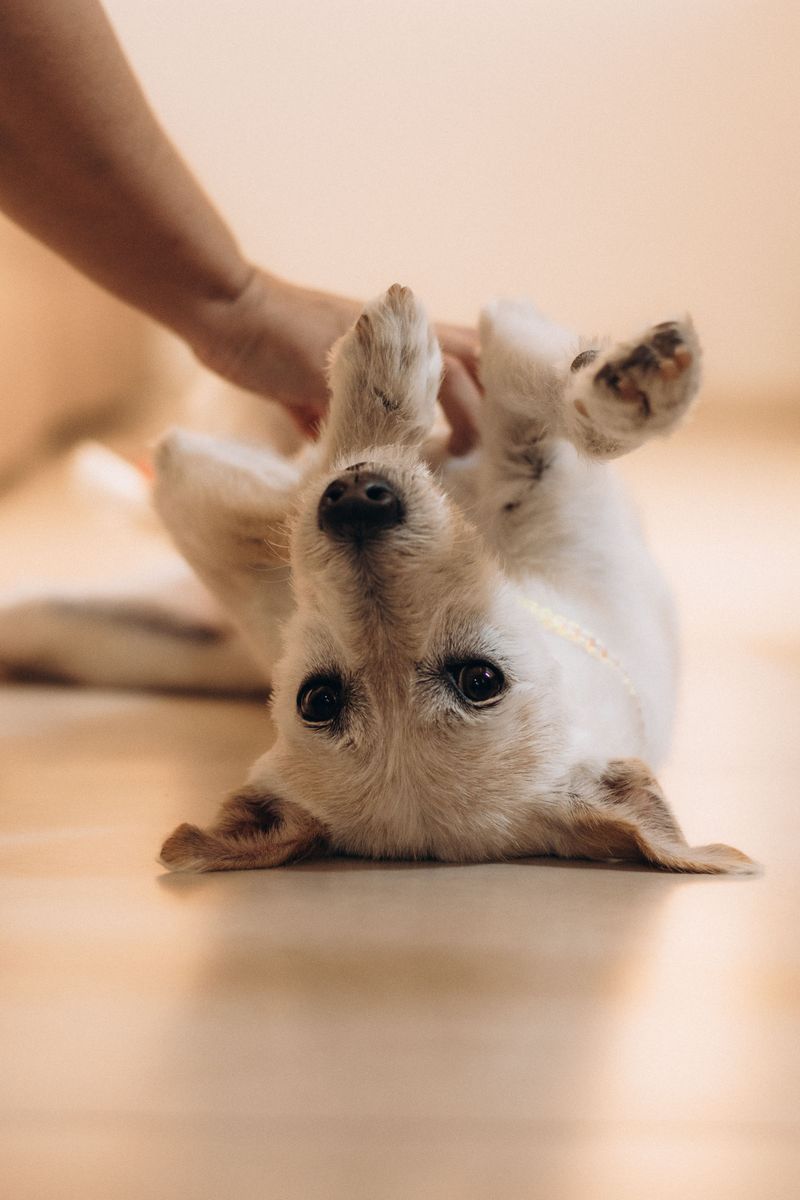
The underside meets wet grass, puddles, and mud directly. It also gets brushed the least.
Mats there trap moisture against skin, which invites both yeast and bacterial trouble.
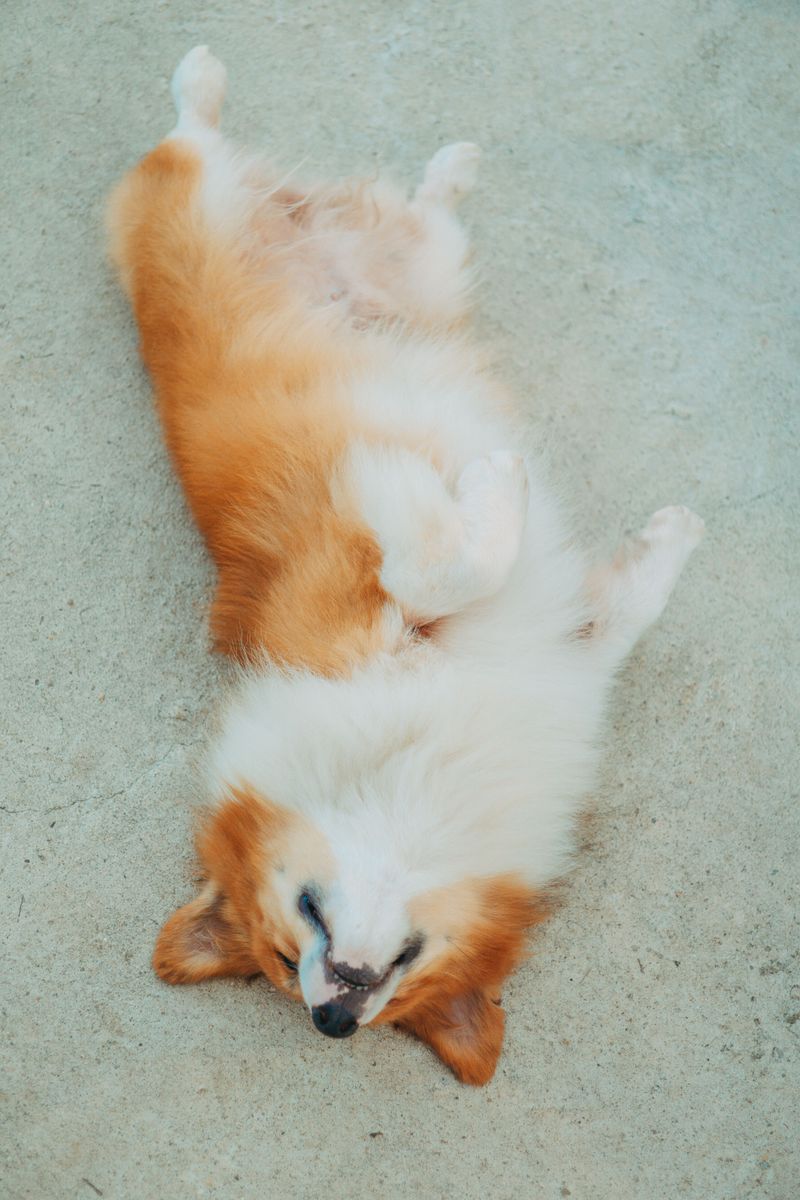
Flip your dog into a belly rub position twice a week and comb while they relax. Most dogs happily accept the inspection, and you will catch problems while they are still easy to solve.
Paw Fur Staying Soggy Between the Toes
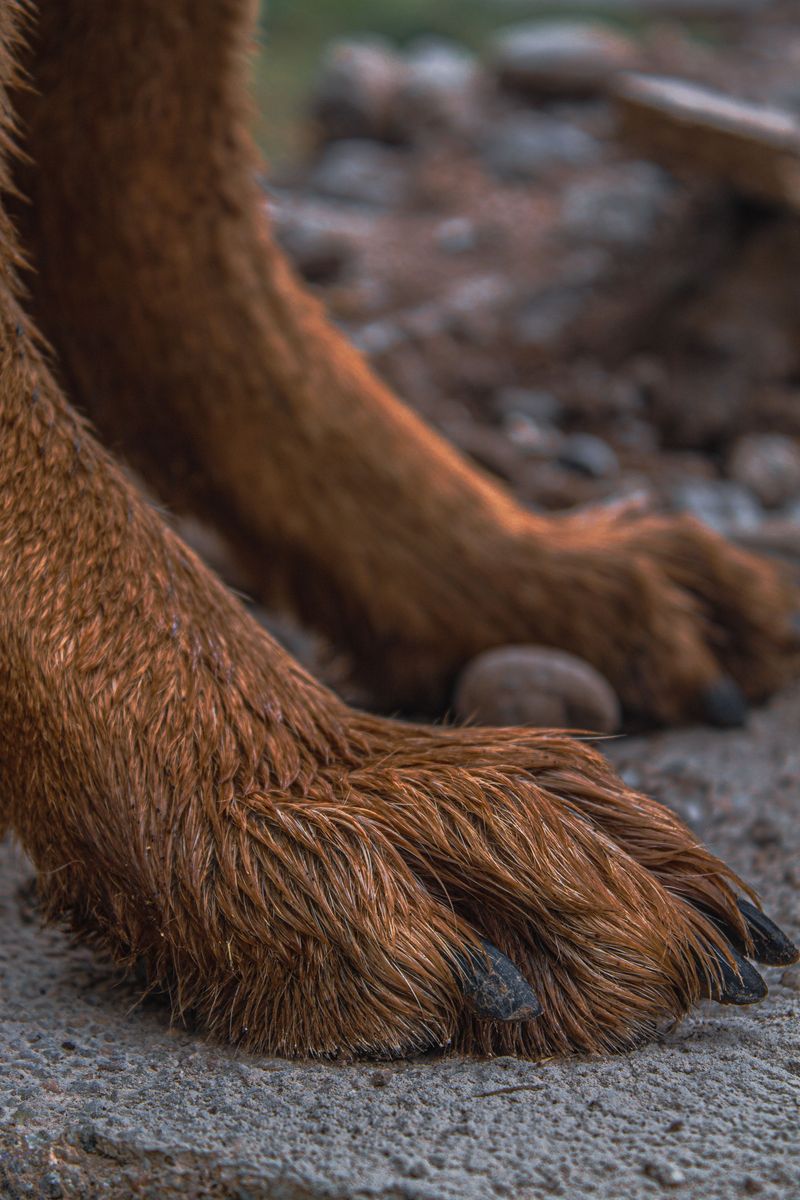
Paws are warm, hairy, and low to the ground. Water sits between the toes long after the rest of the dog looks dry.
Interdigital spaces are a favorite spot for yeast, with signs including licking, redness, rust-colored fur, and a snack-like odor.
Dry each paw individually, spreading the toes gently. Trimming the hair between pads also speeds things up considerably.
Rust-Colored Staining on Light Coats
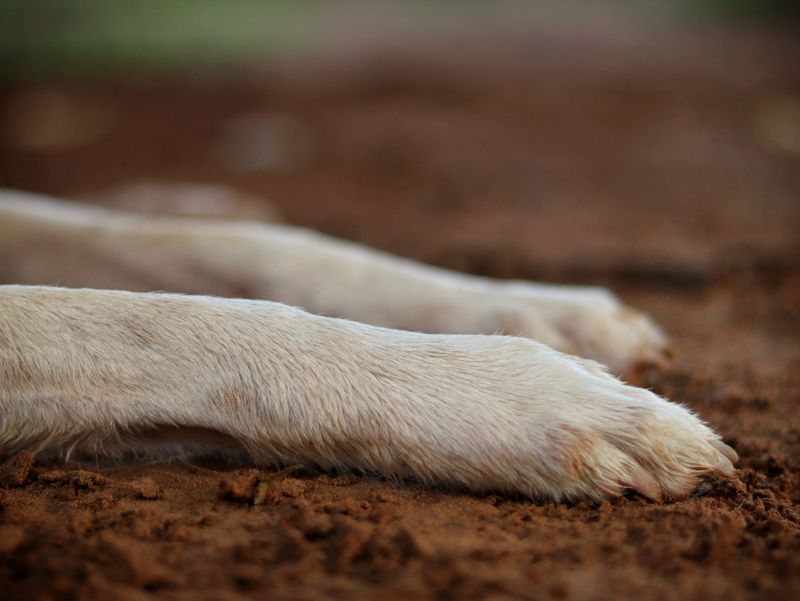
White and cream coats show every splash. Georgia clay leaves a stubborn orange tint on legs and paws.
Staining is cosmetic rather than harmful, though it usually signals fur that stayed wet and dirty too long.
Rinse promptly with plain water, since dried-in clay is much harder to lift. A whitening shampoo used occasionally, not weekly, keeps the coat bright without drying skin.
Coat Breakage From Brushing Wet Tangles
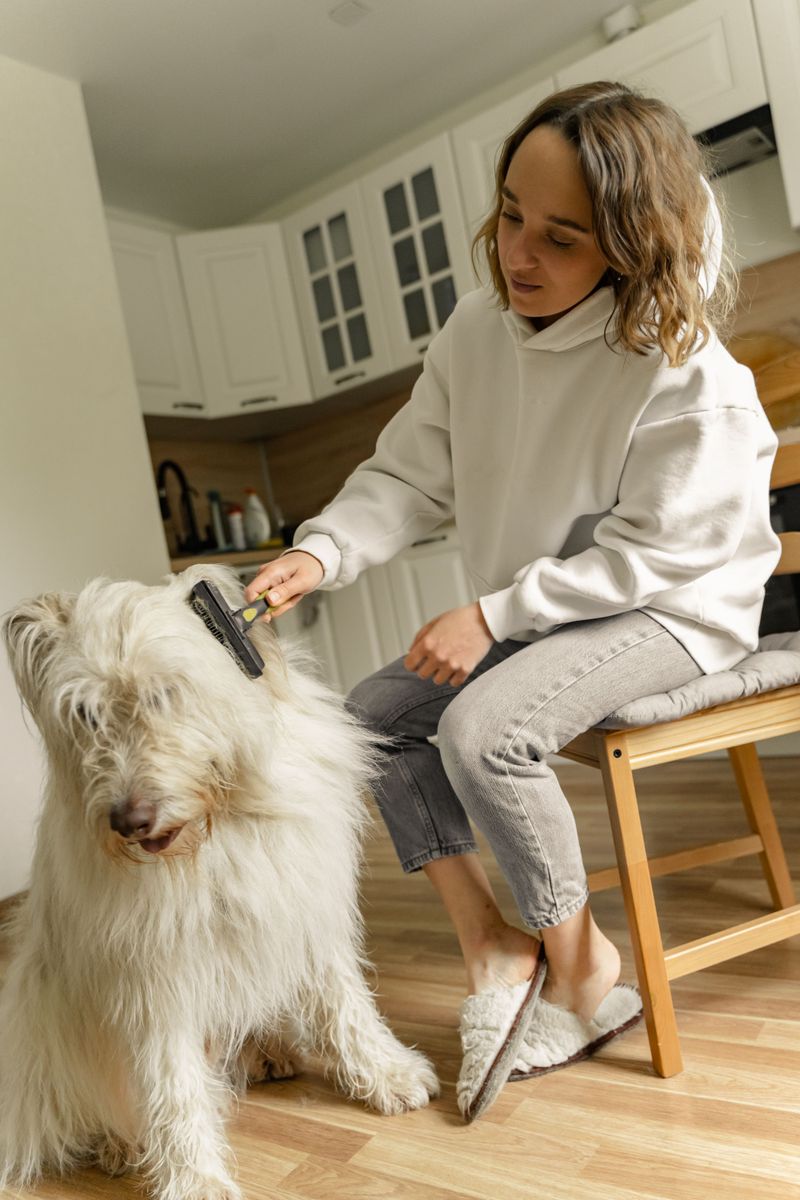
Here is a mistake almost everyone makes. Attacking soaked, tangled fur with a slicker brush feels productive and quietly damages the coat.
Wet hair swells and stretches, so the shaft snaps more easily and the cuticle roughens.
Dry first, then brush. If a mat must come out immediately, work it apart with fingers and a comb, or let a groomer handle it safely.
Shed Hair Clumping Inside the Coat
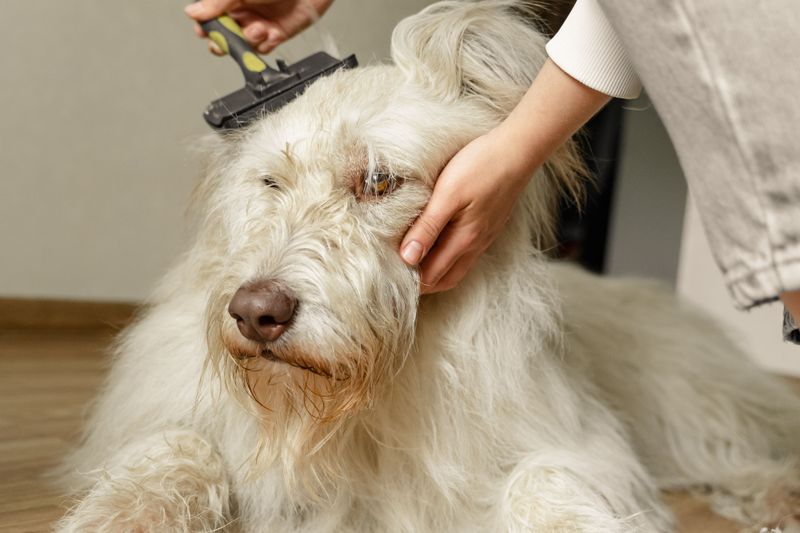
Loose hair does not always fall out. In dense coats, it clumps and stays put, especially when the fur is damp.
Those packed pockets block airflow, hold water, and become the foundation for larger mats.
An undercoat rake or deshedding tool used weekly clears far more than a standard brush. Spring and fall shedding seasons in Georgia deserve extra attention.
Airflow Blocked by Thick Double Coats
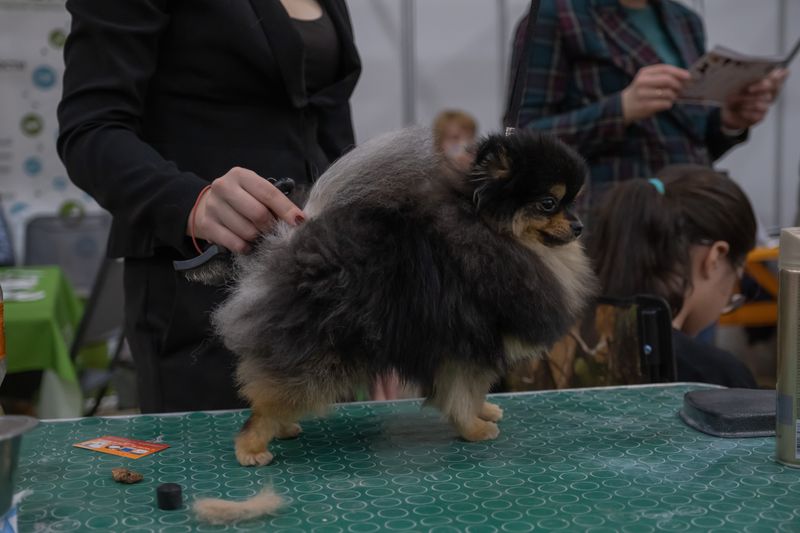
Double coats insulate beautifully against cold. Humid Southern air is a different challenge entirely.
When the undercoat packs with debris and shed hair, warm moisture sits against the skin with nowhere to go.
Regular deshedding restores ventilation better than shaving, which can harm coat regrowth in many breeds. Ask a groomer about a carding or bath-and-blowout schedule suited to your dog.
Moisture Pooling Inside Skin Folds
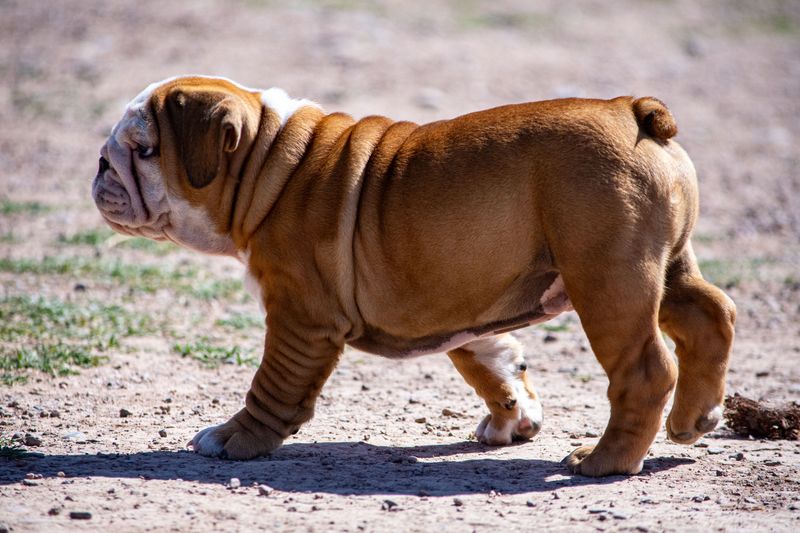
Bulldogs, Pugs, and Shar-Peis carry built-in moisture traps. Folds hold water, oils, and grime with almost no air reaching them.
The result can be intertrigo, meaning inflamed, itchy, sour-smelling skin.
Wipe folds after every wet walk, then dry them completely with a soft cloth. Extra weight deepens folds, so a healthy body condition genuinely helps.
Persistent redness deserves a veterinary opinion.
Slow Drying That Lets Problems Stack Up
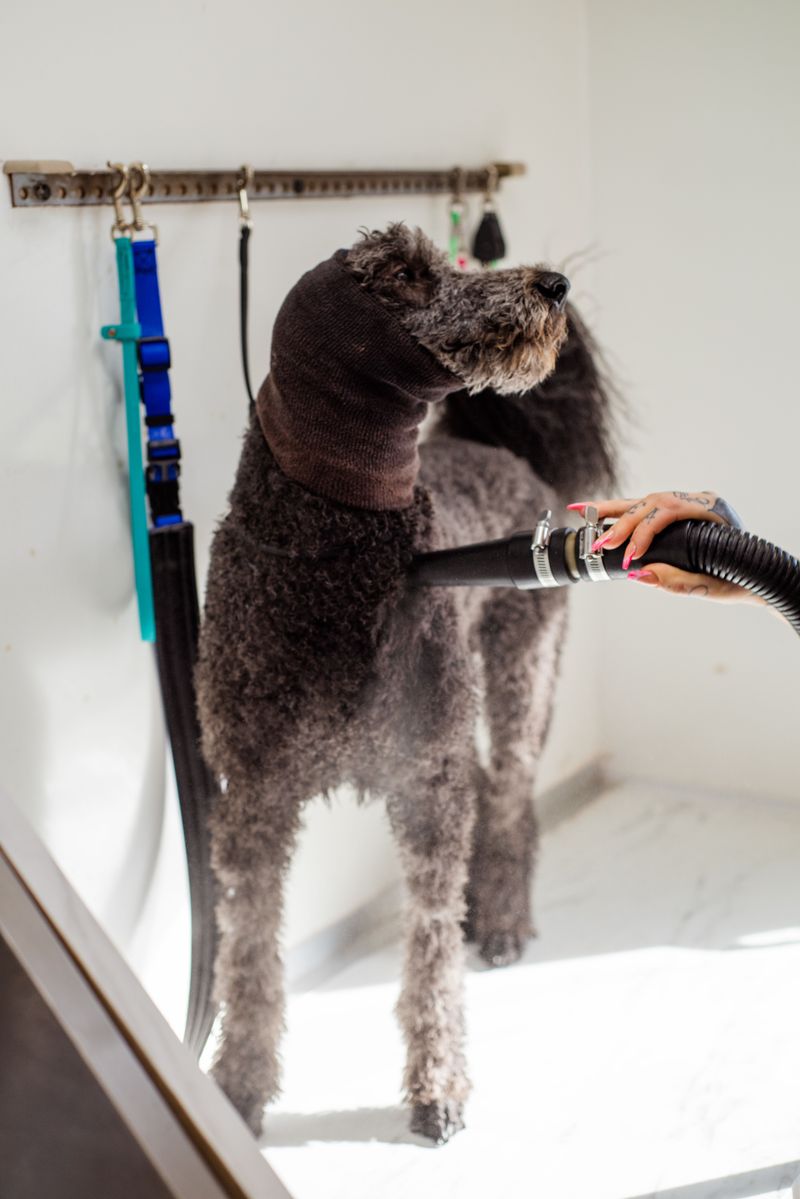
Air already full of moisture cannot pull much more from a coat. Air drying can stretch across an entire afternoon here.
Meanwhile, mats tighten, yeast multiplies, and the next rainy walk arrives before the coat recovers.
Active drying breaks the cycle: towels, a fan, or a pet-safe dryer on cool. Steady habits beat emergency grooming every time, and your dog stays comfortable through storm season.