What Missouri Dog Owners Should Know About Coyotes Near Suburban Greenways
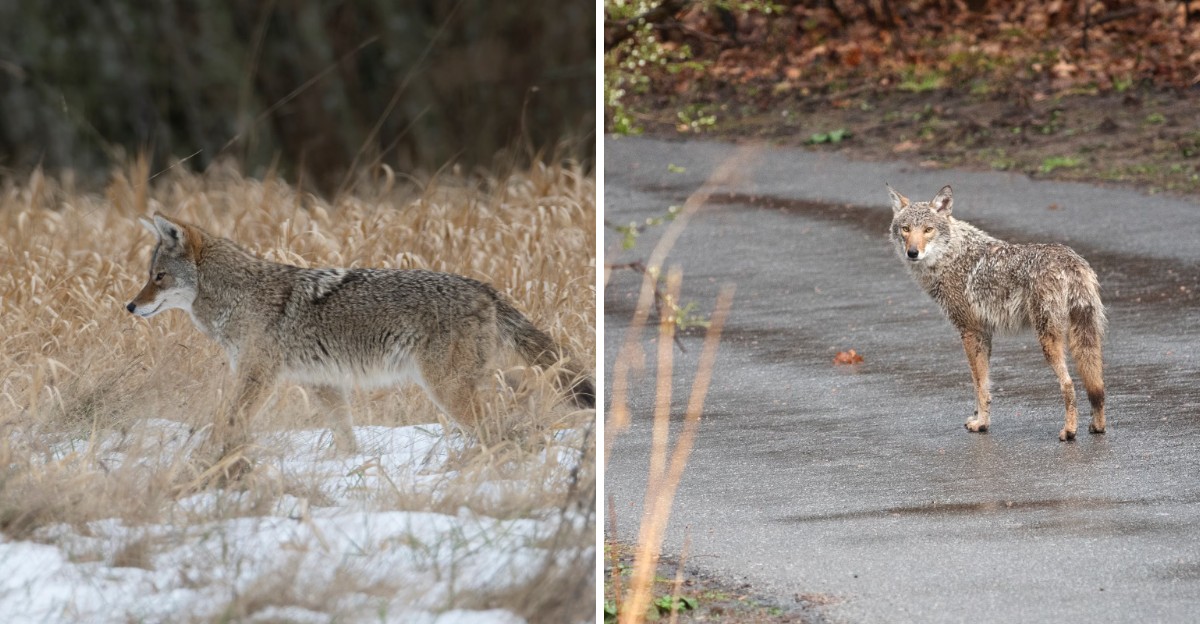
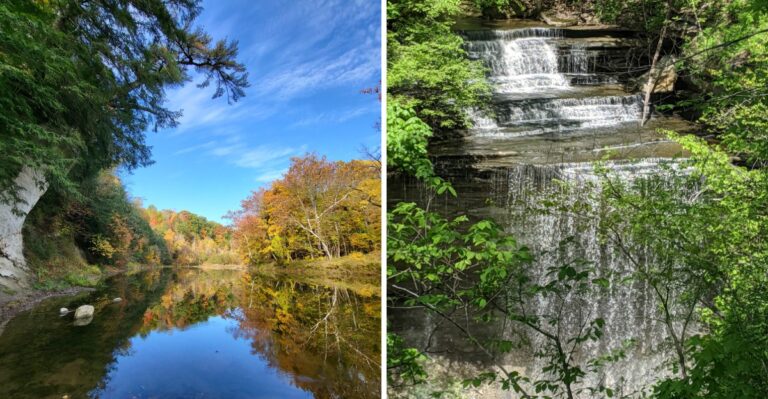
A Missouri greenway can feel like a little escape, even when houses sit just beyond the trees. Those same wooded paths and creek edges also give coyotes places to travel, rest, and find food.
If you walk your dog there, a few simple habits can help you share that space safely. Knowing what to watch for makes each outing feel more relaxed, not more worrying.
1. Why Coyotes Appear Near Missouri Suburban Greenways
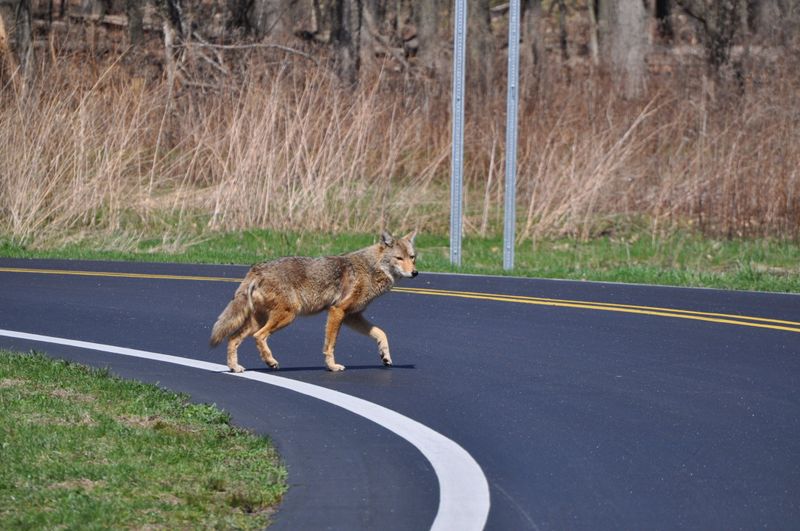
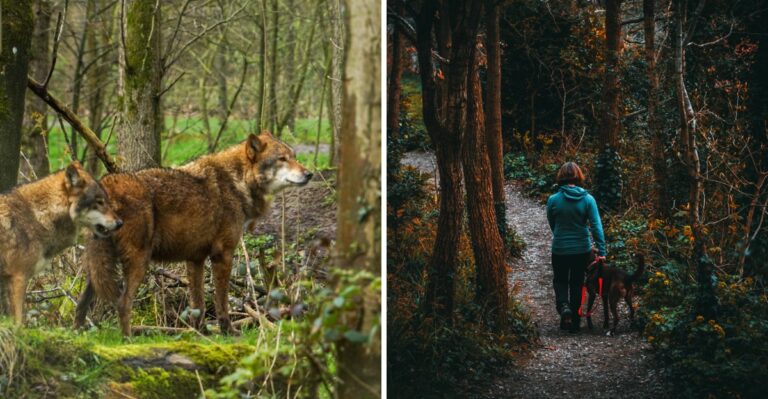
A strip of woods can serve as a wildlife roadway between neighborhoods. Missouri coyotes use greenways to reach food, water, shelter, and other patches of habitat.
They eat varied foods, including rodents, fruit, and insects. Seeing one near a trail does not automatically mean something is wrong.
Keep your dog leashed and watch from a distance. Understanding why coyotes use these spaces helps you respond calmly instead of assuming every sighting signals an immediate safety problem.
2. Learn Which Greenway Features Attract Coyotes
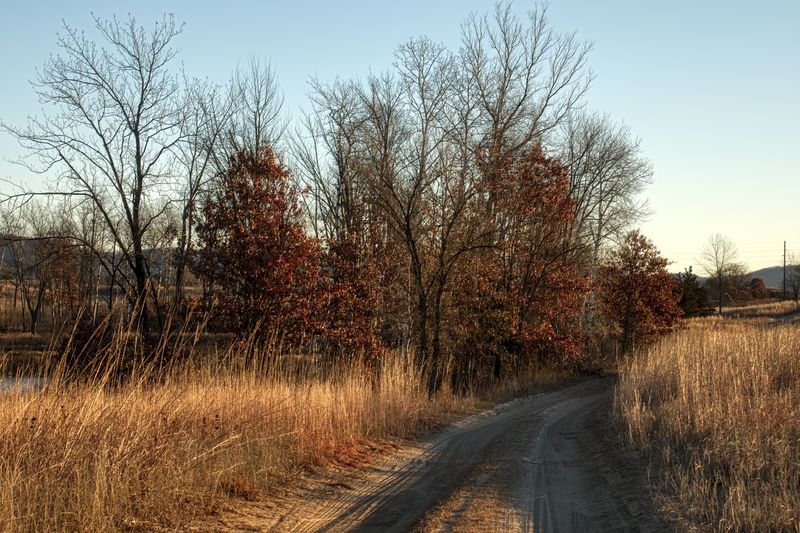
Look beyond the pavement to understand the landscape around your walk. Creek banks, tall grass, wooded edges, and nearby food sources can make greenways useful to coyotes.
Thick vegetation offers cover, while open fields may hold rodents. Overflowing trash containers can add an avoidable food source.
Notice where visibility drops or trails pass close to brush. Choose wider routes when practical, and report overflowing bins to the park manager rather than leaving the problem for others.
3. Keep Your Dog Close on Narrow Trails
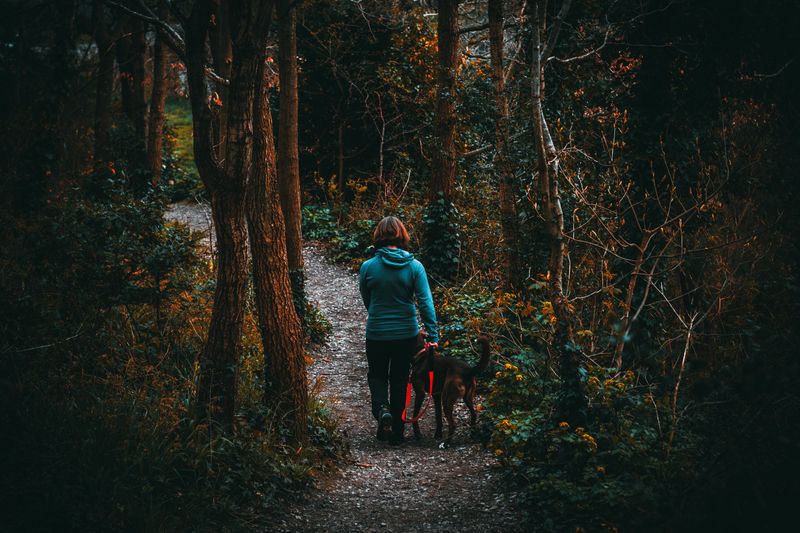
A short leash gives you options when a trail suddenly feels crowded. Keep your dog beside you, especially near blind curves, creek crossings, and thick vegetation.
A fixed leash generally offers better control than a long retractable line. Leave enough slack for comfortable movement without allowing wandering into cover.
Practice turning around together before you need that skill. Follow posted leash rules, which vary among Missouri communities and park systems, even when the path looks empty.
4. Recognize Coyotes Before Your Dog Gets Too Close
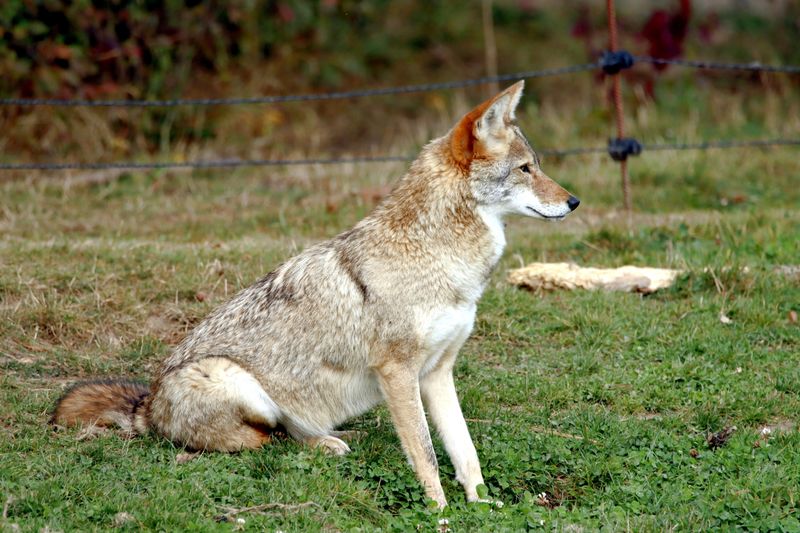
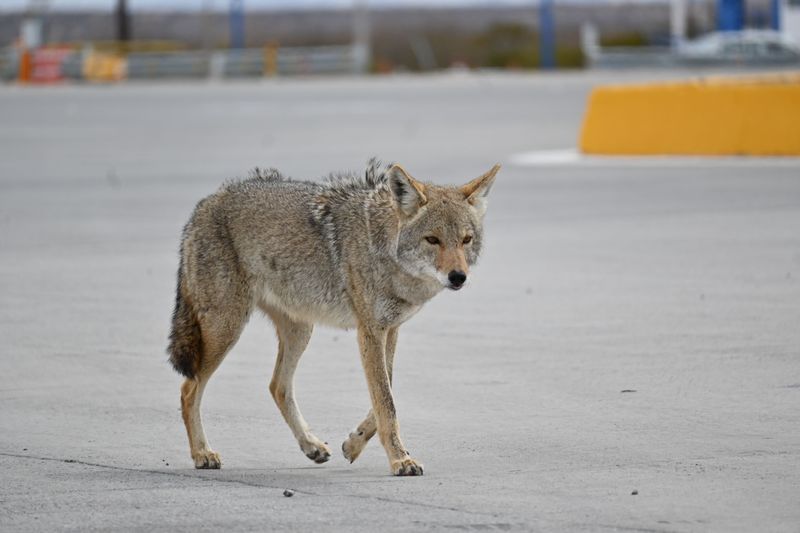
Pointed ears and a bushy tail can help you identify a distant animal. Coyotes usually have narrow muzzles, long legs, and mixed gray or brown coats.
Their tails often hang low while traveling. Size and coloring vary, so avoid relying on one feature alone.
If you cannot identify an animal, give it space anyway. Shorten your dog’s leash and change direction before curiosity brings either of you closer to wildlife beside a Missouri greenway trail.
5. Know Why Small Dogs Need Extra Protection
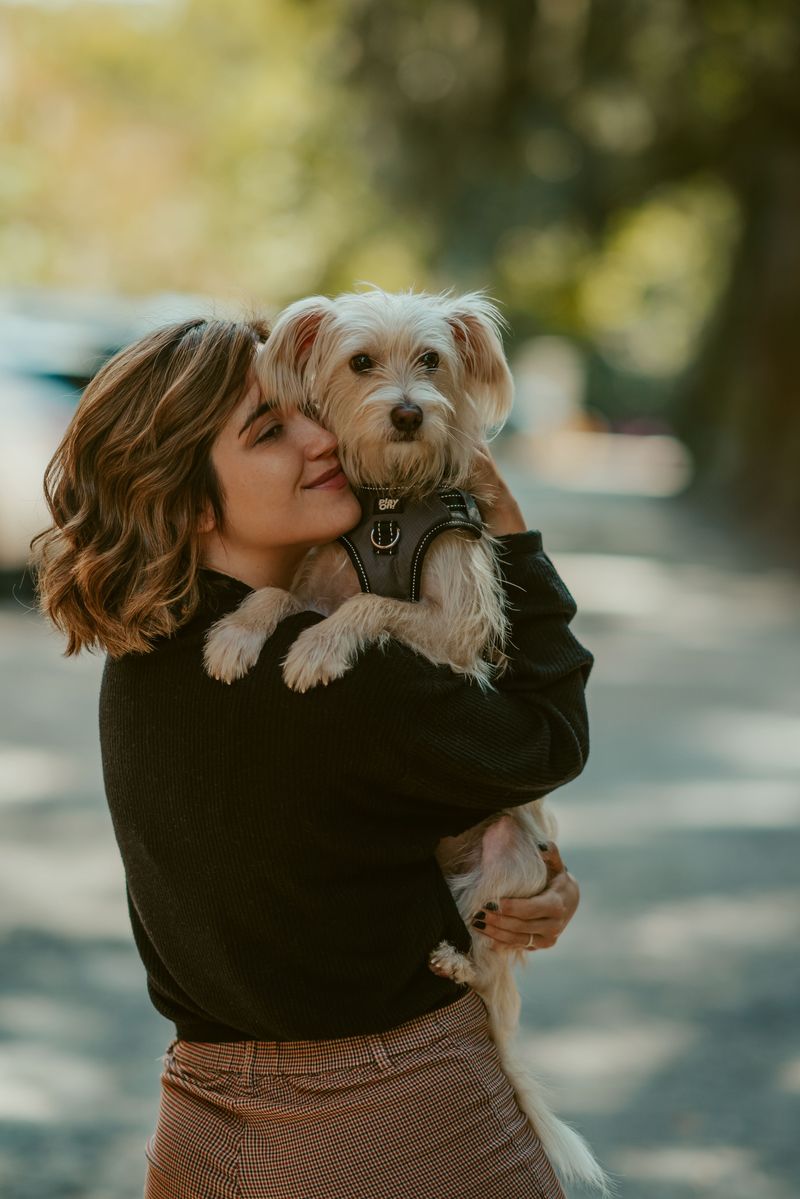
Little dogs can be more vulnerable during an encounter because of their size. Keep them close rather than letting them explore ahead or linger behind you.
If a coyote appears, pick up your small dog when you can do so safely. Keep the leash attached and avoid frantic movements.
A secure harness helps with everyday control, but no accessory guarantees protection. Supervision, distance, and a calm exit remain your most useful tools on Missouri greenway walks.
6. Give Coyotes Space Instead of Approaching for a Closer Look
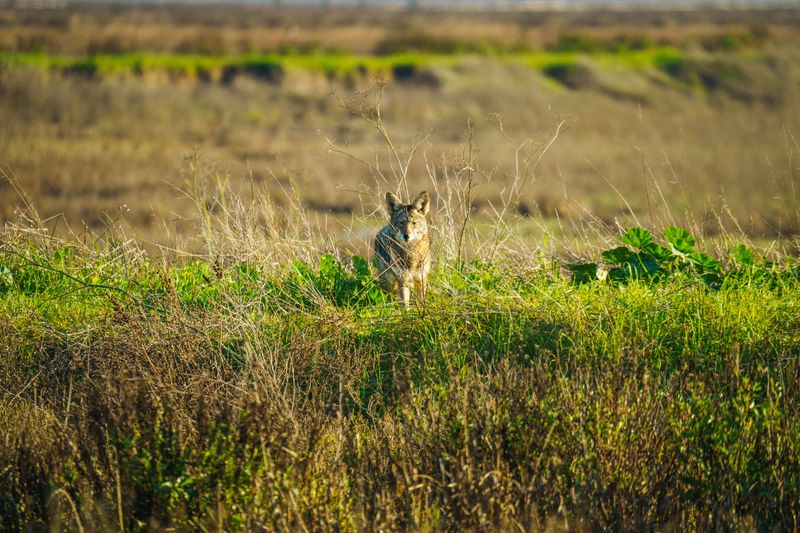
That tempting photo is never worth closing the gap between animals. Stay back, keep your dog beside you, and let the coyote move away.
Never offer food or encourage your dog to investigate. Avoid blocking the animal’s route toward open space or nearby cover.
If the path feels too tight, turn around or wait somewhere farther away. There is no universal safe distance for every encounter, so judge the setting and allow plenty of room.
7. Know What to Do if a Coyote Approaches
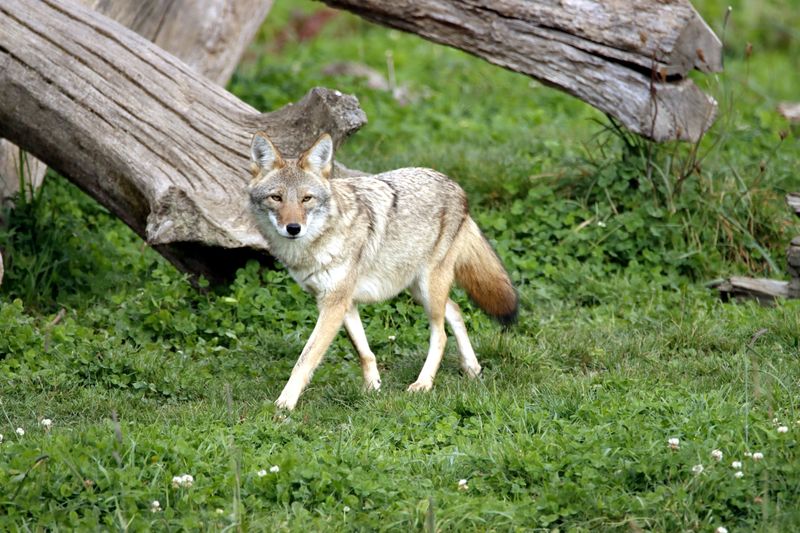
Stay upright and resist the urge to run. Bring your dog close, face the coyote, and move away slowly without turning your back.
If it keeps approaching, make yourself look larger and use a firm, loud voice. Clap or wave your arms while keeping control of your dog.
Allow an escape route, and never corner the animal. If it continues following, seek shelter and contact local authorities once safely away from the immediate encounter area.
8. Be Extra Careful During Coyote Breeding Season
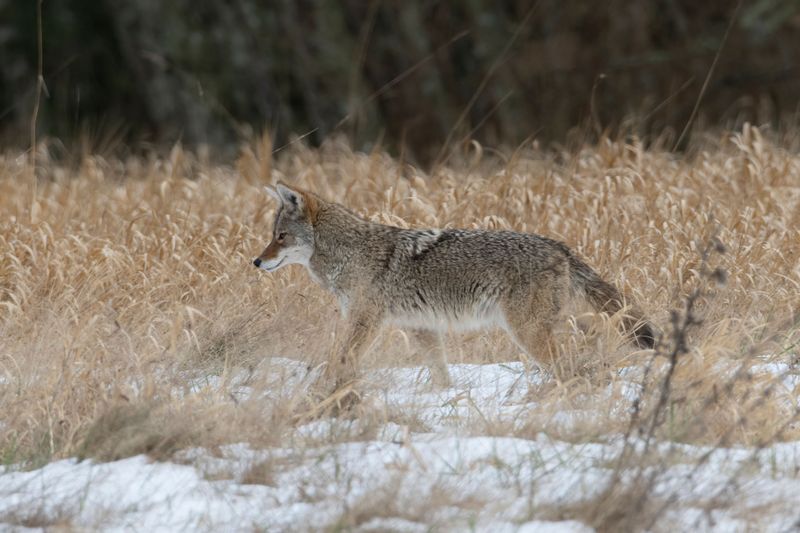
Late winter brings changes in coyote activity across Missouri. Breeding commonly occurs during winter, often peaking around February, although timing can vary.
Some coyotes may travel more or show greater concern about dogs near their territory. That does not mean every winter sighting signals unusual behavior.
Keep leash habits steady and avoid letting dogs approach coyotes. Check local park notices for current concerns, especially when your regular route passes through quiet wooded areas with limited visibility.
9. Avoid Brushy Areas Where Coyotes May Be Raising Pups
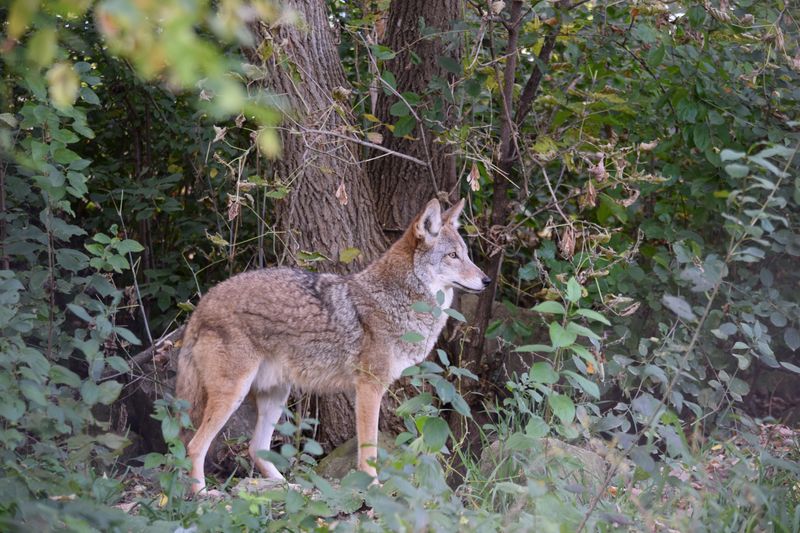
Spring and early summer can bring pups to sheltered spots near greenways. Adults may become more watchful when dogs pass near a den or resting area.
Stay on established trails instead of exploring brush piles or hidden openings. Never search for pups or approach a suspected den.
A coyote lingering nearby may be responding to your presence. Calmly leave by the route you came, and ask park staff about alternate paths if the behavior happens repeatedly.
10. Choose Walking Times With Good Visibility
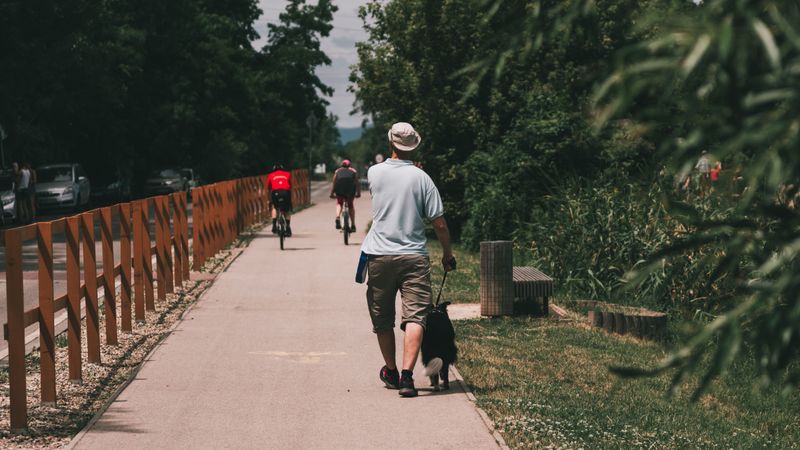
Good light makes it easier to notice wildlife before your dog does. Coyotes often move around dawn, dusk, and nighttime, but daytime sightings also occur.
Pick daylight walks when possible, particularly along routes with thick cover. A daytime coyote is not automatically sick or dangerous.
If your schedule requires darker outings, carry a light and stay alert. Avoid headphones that block surrounding sounds, and choose familiar paths where you can see ahead and turn around easily.
11. Never Let Your Dog Chase Wildlife
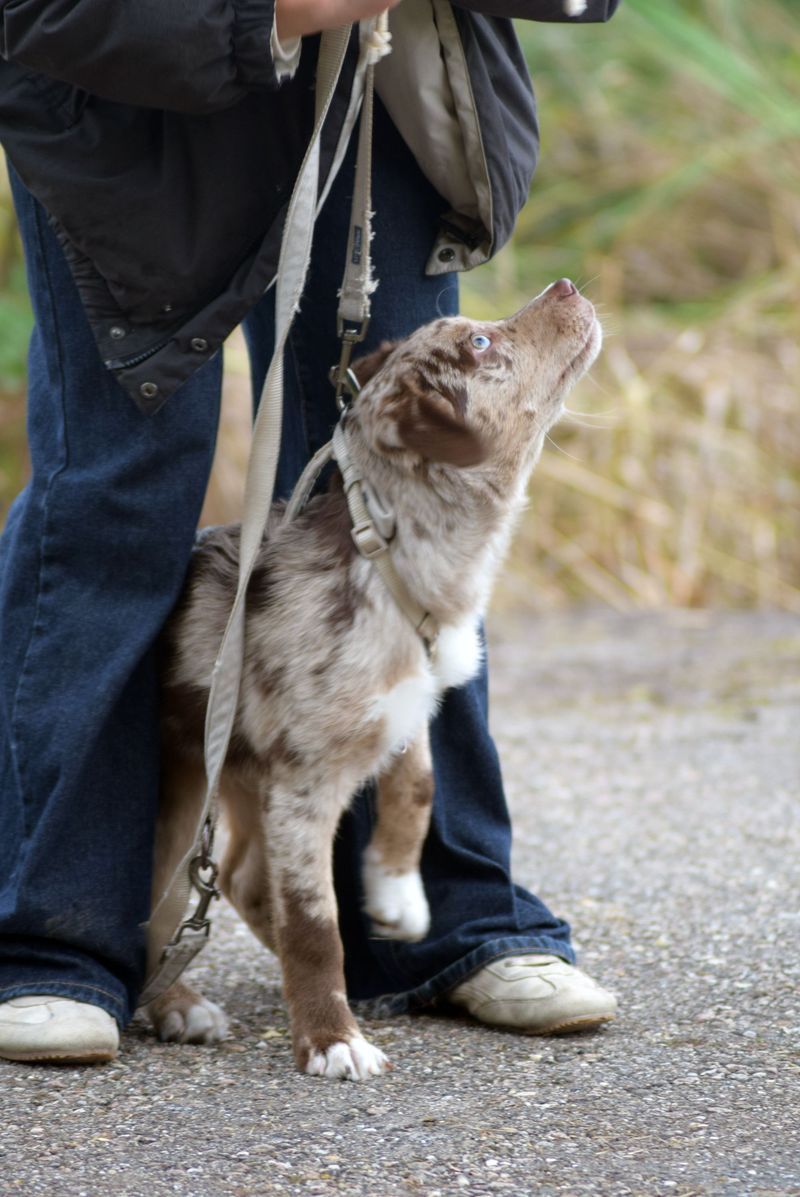
Even a friendly dog can create trouble by rushing toward wildlife. A chase can carry your pet into brush, across roads, or toward protective coyotes.
Practice a reliable turn and a cue that brings your dog’s attention back. Reward calm behavior before excitement takes over.
Keep the leash attached wherever required, and use it around known coyote activity. If your dog gets loose, avoid following blindly into cover and seek help locating your pet safely instead.
12. Remove Food Sources That Draw Coyotes Into Neighborhoods
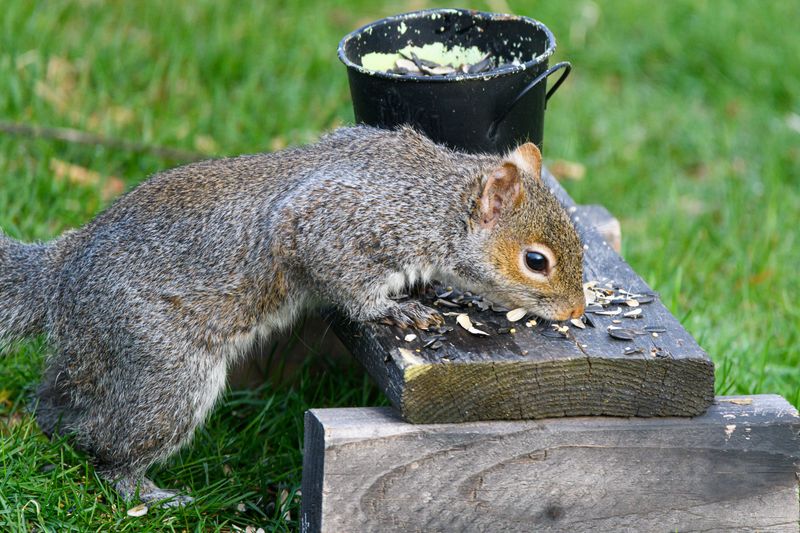
A tidy yard can make your neighborhood less inviting to hungry wildlife. Feed pets indoors, secure trash lids, and collect fallen fruit before it builds up.
Clean beneath bird feeders because spilled seed can attract rodents. Keep compost managed and avoid leaving food scraps where animals can reach them.
Never intentionally feed coyotes, including beside trails or parking areas. Talk with neighbors about shared attractants, since one accessible food source can affect several nearby homes.
13. Check Your Backyard Before Letting Your Dog Out
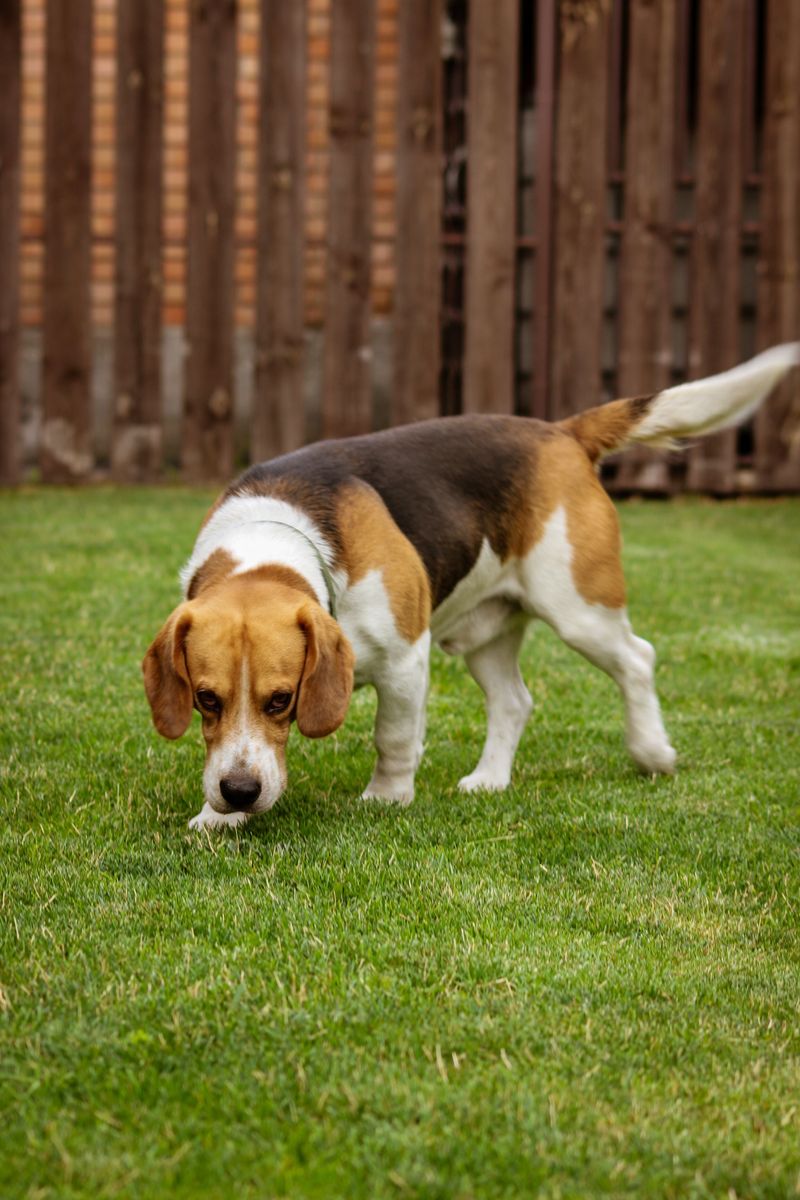
Opening the back door should start with a quick look outside. Scan fence lines, shrubs, and dark corners before sending your dog into the yard.
Accompany small dogs, especially when your property borders a greenway. Use a leash if you have recently seen coyotes nearby.
Check gates and repair gaps, but remember that ordinary fences are not coyote proof. Lighting can improve your view, yet it does not replace supervision or prevent wildlife from entering.
14. Understand When a Coyote Sighting Is Concerning
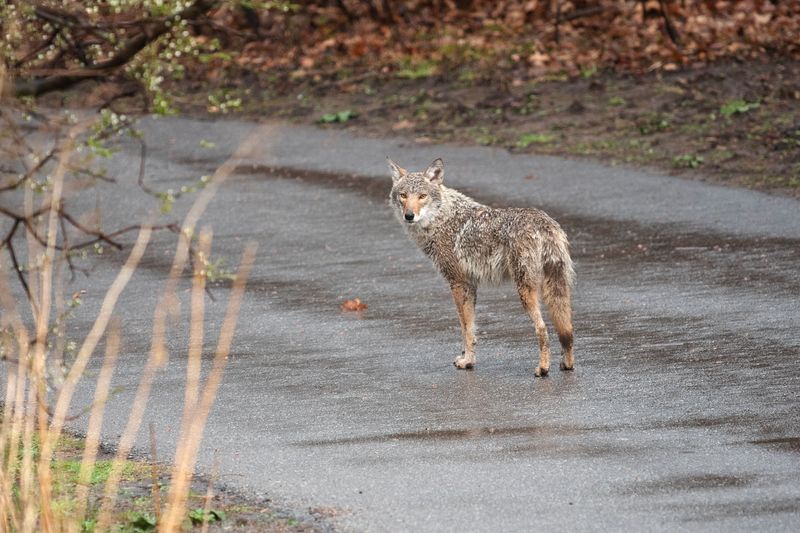
Behavior tells you more than the clock or location alone. A coyote crossing a trail and moving away usually calls for space, not alarm.
Repeated approaches, persistent following, or little response to firm human presence deserve attention. Stumbling, unusual confusion, or obvious injury also warrant a report.
Do not try to diagnose illness or handle the animal yourself. Move your dog away, note what happened, and contact local animal control or the appropriate wildlife authority.
15. Report Repeated or Aggressive Coyote Encounters
Useful reports describe actions rather than simply labeling an animal aggressive. Record the date, time, trail location, and whether the coyote approached, followed, or contacted anyone.
Contact park staff, local animal control, or the Missouri Department of Conservation for guidance. Responsibilities vary by community and the circumstances involved.
Take photos only from a safe position, without delaying your exit. For immediate danger, call emergency services rather than waiting for a routine wildlife report response later.
16. Check Your Dog for Injuries After an Encounter
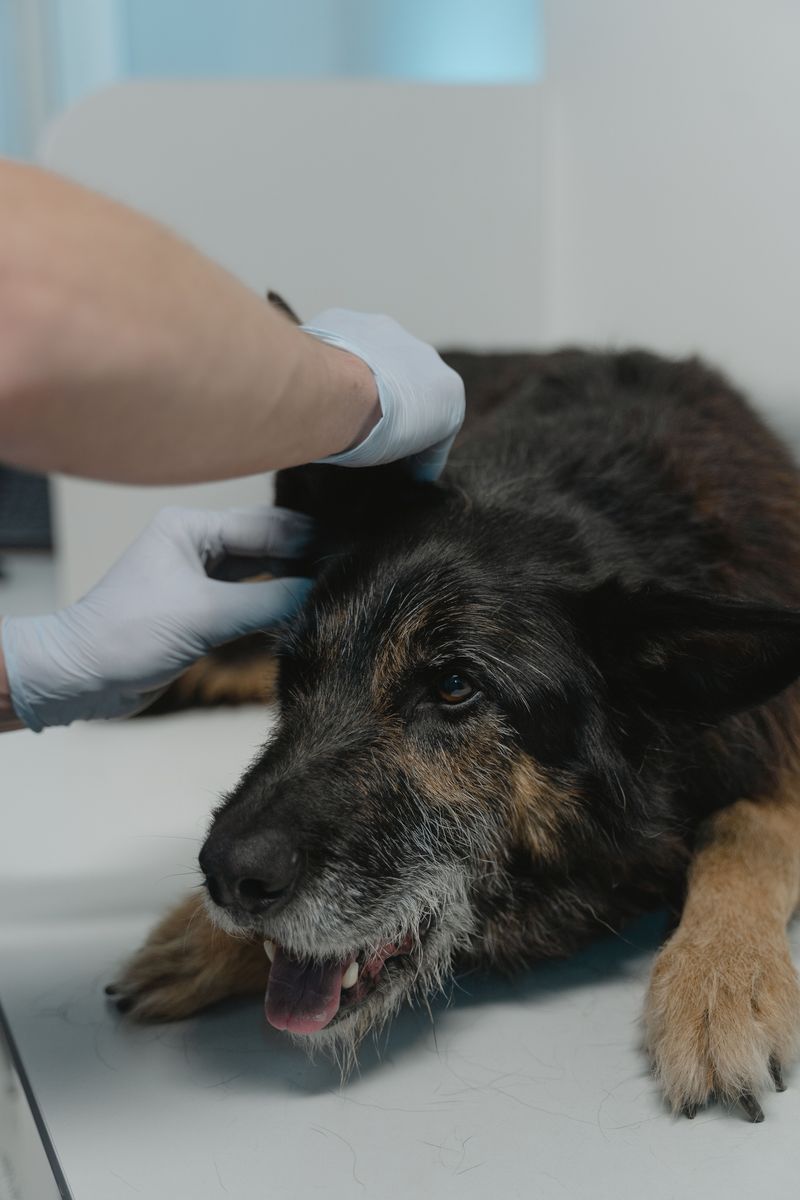
Once you reach safety, give your dog a careful check. Look through the coat for small punctures, tenderness, limping, or changes in behavior.
Contact your veterinarian promptly after a bite or direct physical contact. Small wounds can hide beneath fur, and your veterinarian can assess infection and rabies concerns.
Keep rabies vaccination records available and follow local reporting instructions. If a person has been bitten or exposed to saliva, seek medical advice promptly as well.
17. Make Coyote Awareness Part of Every Greenway Walk
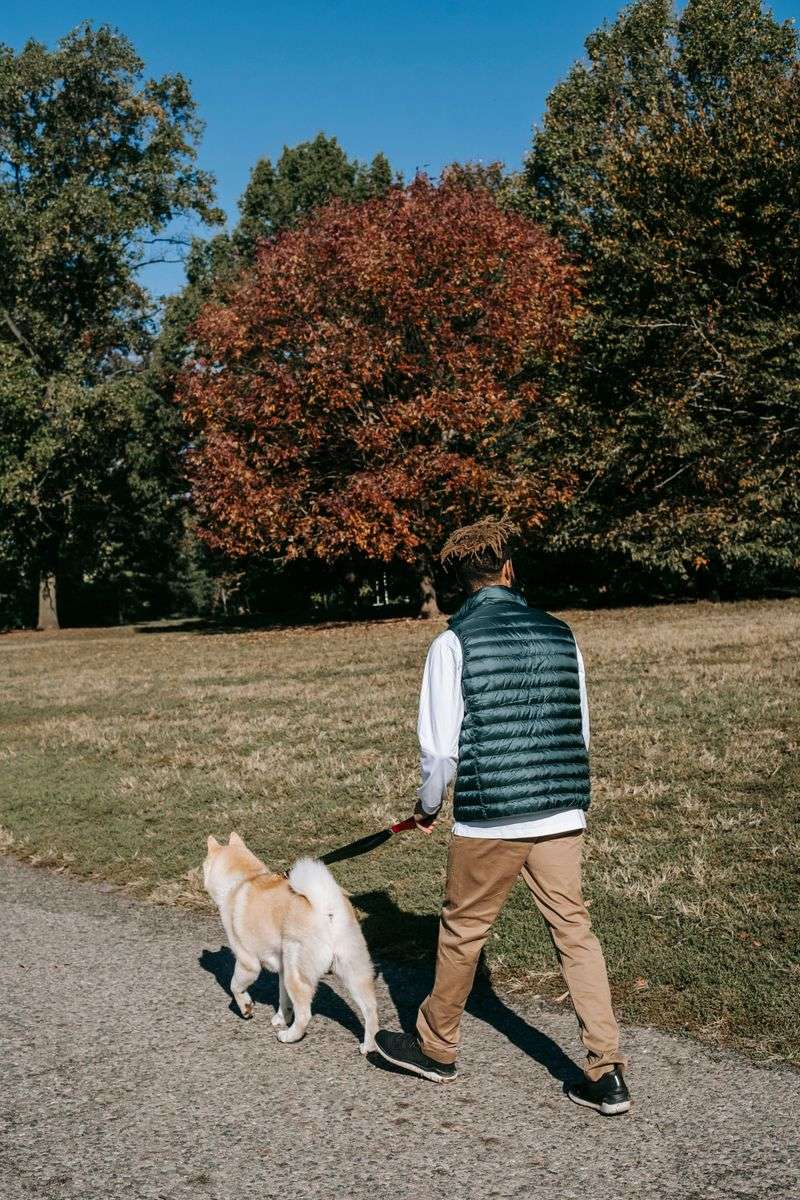
A simple routine makes outdoor safety feel ordinary rather than stressful. Before leaving, check your leash, bring your phone, and review any posted trail alerts.
Share the same plan with family members and anyone walking your dog. Practice calm turns and keep local contact numbers easy to find.
You do not need to expect trouble around every bend. Stay aware, give wildlife room, and keep your dog close.
Prepared owners can enjoy Missouri greenways with confidence.