18 Pennsylvania Rowhouse Setups To Finish Before Bringing Home A Puppy
Rowhouses have a charm all their own: narrow stairs, tall windows, shared walls, and a tiny patch of yard out back. Those same features need a little planning before a puppy comes bounding through the door.
The good news is that most of the work is simple, affordable, and can be finished in a weekend. Here is a friendly checklist built for Pennsylvania homes, from Philadelphia trinities to Pittsburgh brick rows, so your first days together feel calm instead of chaotic.
1. Stair Gates at Both Ends of the Main Staircase
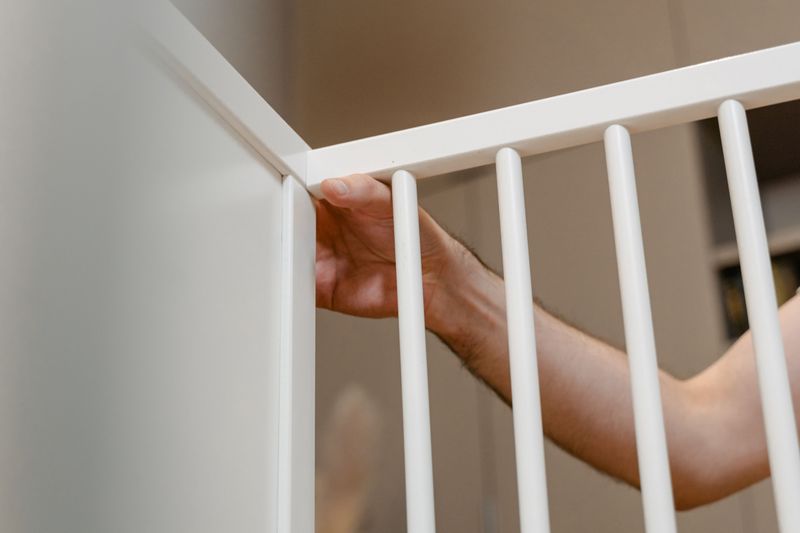
Rowhouse stairs are steep, narrow, and usually the first thing a curious puppy finds. Gates at the top and bottom solve that in one afternoon.
Hardware-mounted gates bolt into studs or banisters and hold firm, which matters most at the top step. Pressure gates work fine at the bottom or in low-traffic spots.
Choose a metal model if your pup chews, and measure the opening twice before buying.
2. Non-Slip Stair Treads or a Secured Runner
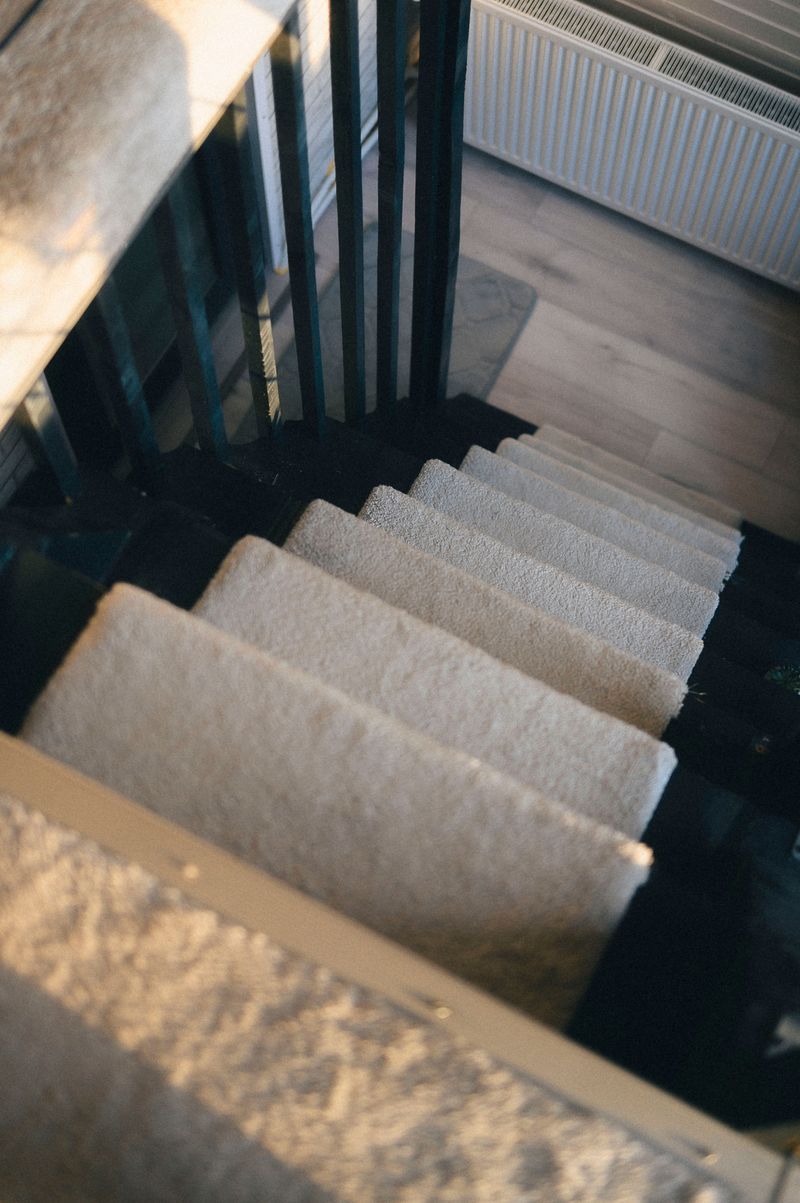
Polished hardwood looks lovely and turns into an ice rink under eight-week-old paws. Traction fixes that fast.
Low-pile carpet treads or rubber-backed strips give grip, soften sound, and protect old wood from scratches. A full runner works too, as long as it is tacked down securely.
Check that the backing is pet-safe adhesive or rubber, not something slick. If your risers are open, add a simple panel so nobody slips through.
3. One Dedicated Puppy-Safe Room
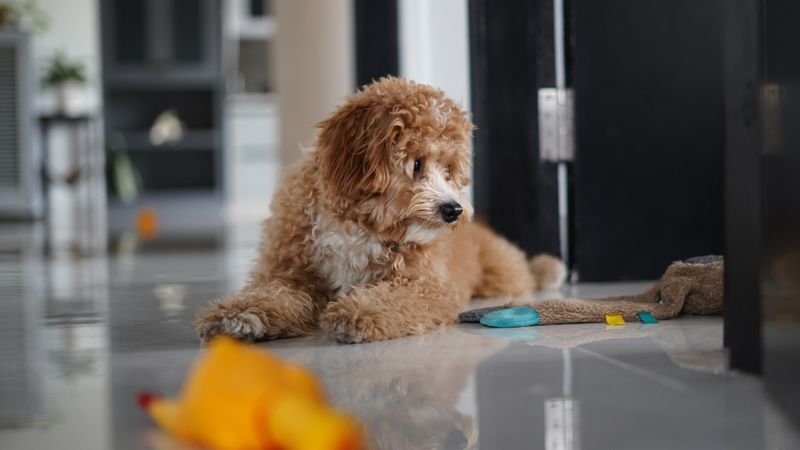
Every new puppy needs one room where nothing is off limits and nothing is dangerous. In most rowhouses, the kitchen or a first-floor back room fits perfectly.
Clear the floor, tuck away shoes, and leave washable flooring exposed. Add water, a bed, and two or three safe chew toys.
Having one reliable zone means you can step away for a minute without worrying, which keeps everyone’s stress lower.
4. Properly Sized Crate and Exercise Pen
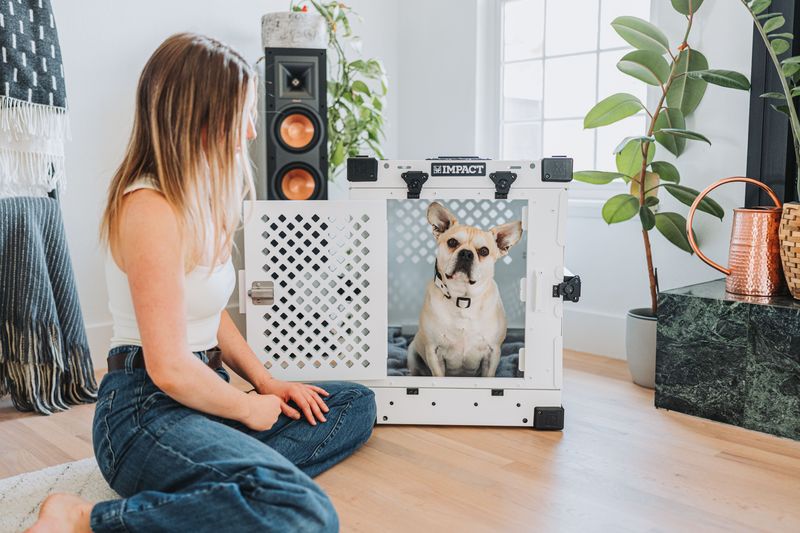
A crate is not a punishment box. Think of it as a small bedroom your puppy actually likes.
Size it so the pup can stand, turn, and stretch out, nothing larger. Divider panels let a wire crate grow with your dog, which saves money.
Pair it with a folding exercise pen for daytime play in tight rowhouse rooms. Feed meals inside the crate early on to build happy associations.
5. Front-Door Escape Barrier
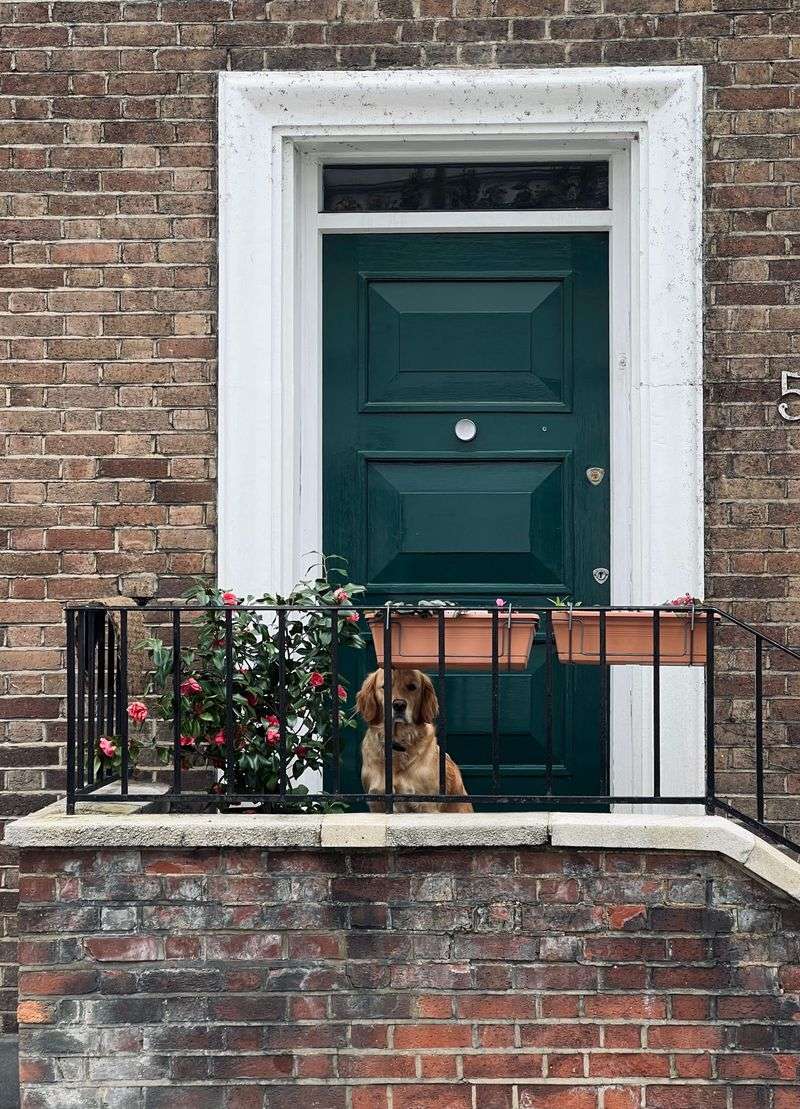
Rowhouse front doors open straight onto a sidewalk, sometimes inches from traffic. That makes door-dashing the risk worth solving first.
A vestibule gate or a second barrier a few feet inside creates an airlock. Guests can enter, the puppy stays put.
Hang the leash right there so you can clip on before opening anything. Teaching a sit-at-the-door routine early turns the barrier into backup rather than your only defense.
6. Secure Rear-Yard or Patio Boundary
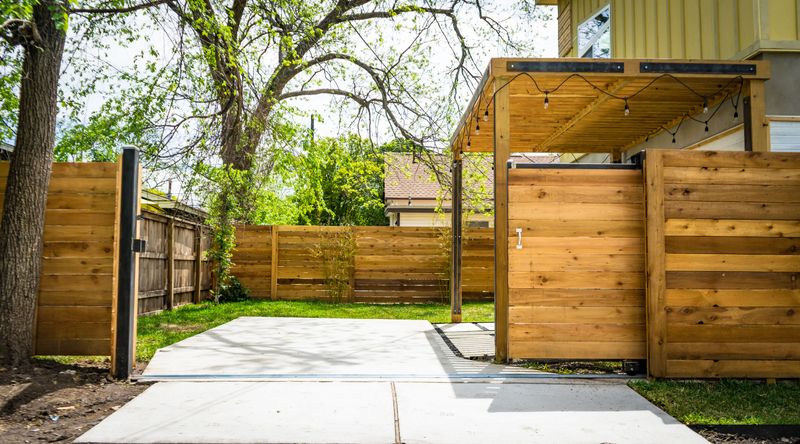
Back patios in Pennsylvania rows are small, which is great news: less fence to inspect.
Walk the perimeter and look for gaps under gates, loose boards, and spaces between fence and wall. Puppies squeeze through openings adults never notice.
Add a self-closing latch high enough that visitors cannot bump it open. Fence height and permit rules vary by municipality, so confirm with your local zoning office before building anything new.
7. Designated Potty Exit and Supply Station
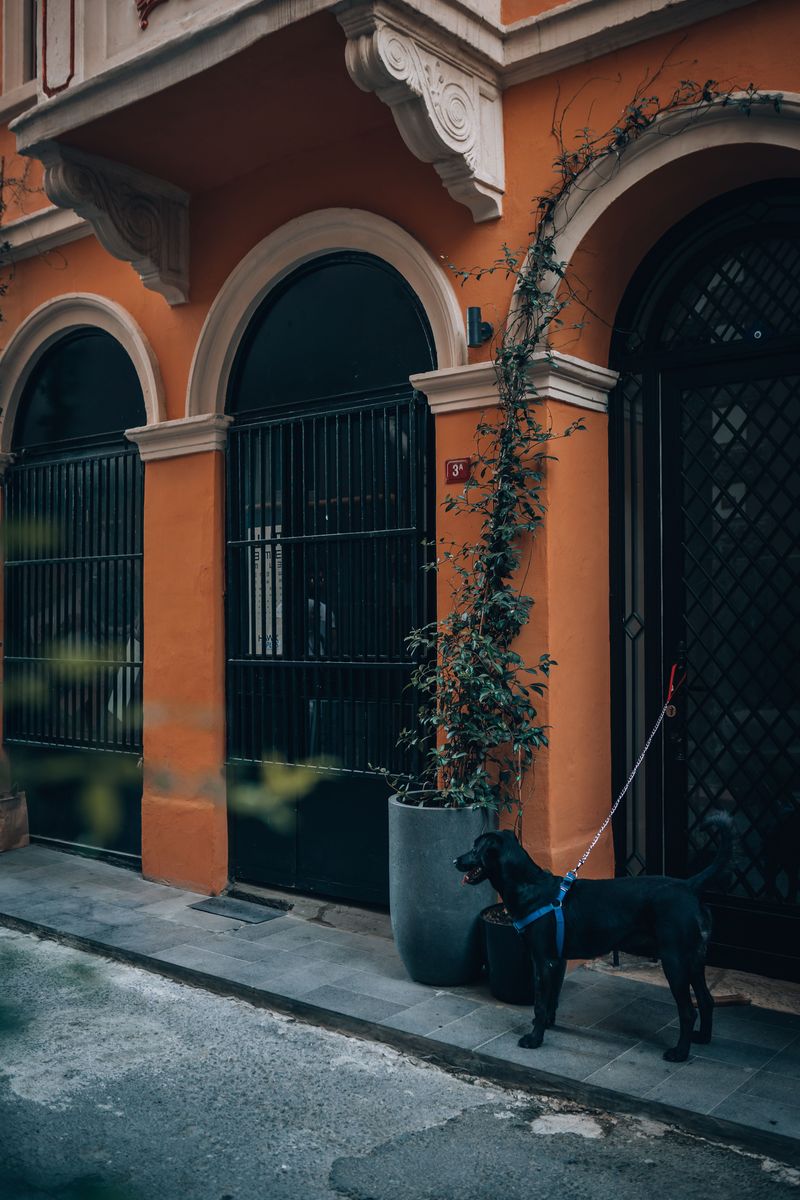
House-training goes faster when the route outside never changes. Pick one door and stick with it.
Mount a small caddy beside it with waste bags, a spare leash, treats, and a towel. Everything within arm’s reach means fewer delays during those urgent 3 a.m. trips.
Pennsylvania cities generally require picking up after your dog on public property, so keep bags in your coat pocket too. Consistency here pays off quickly.
8. Basement Puppy-Proofing
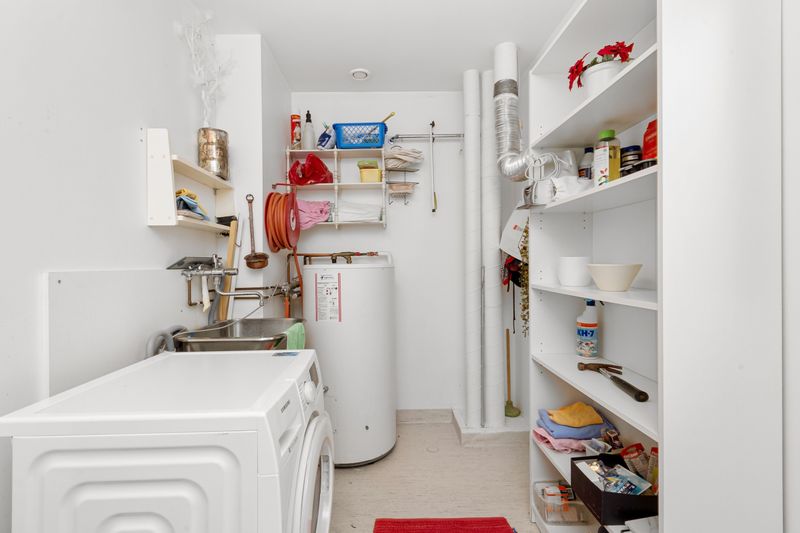
Old rowhouse basements collect everything: paint cans, mousetraps, rock salt, forgotten cleaning bottles.
Move all of it to shelves well above nose height, or into a latched cabinet. Rodent bait and antifreeze deserve special attention and are best removed entirely while a puppy lives upstairs.
Check for gaps around pipes and the utility area. A closed door at the basement stairs is the simplest fix of all.
9. Radiator or Heater Protection
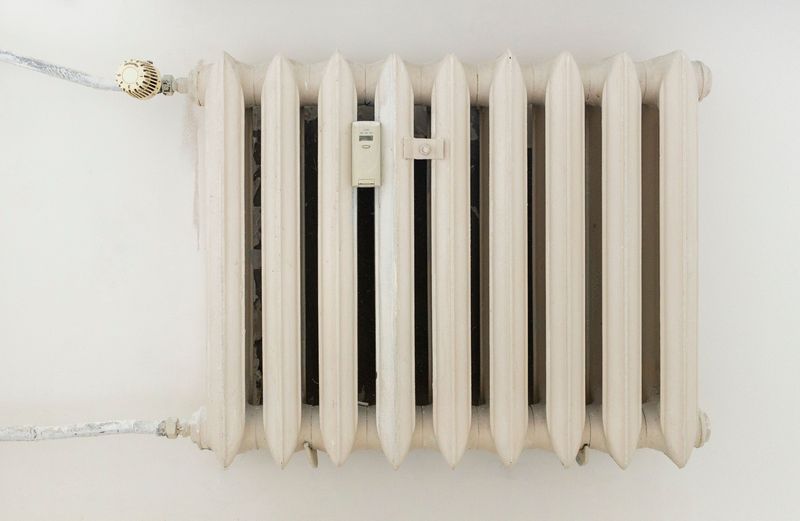
Cast iron radiators are classic Pennsylvania, and they get genuinely hot from October through April.
A vented radiator cover keeps curious noses at a safe distance while still letting heat through. Covers also stop toys from rolling underneath.
Space heaters are trickier: use only tip-over-protected models, never leave one running unattended, and keep cords out of reach. Baseboard heat?
A simple pen or gate blocks off the hottest stretch.
10. Electrical-Cord and Outlet Setup

Teething puppies treat a dangling charger cable like a free toy. Not ideal.
Run cords through split-loom tubing or plastic channels, then clip them along the baseboard. Unplug small appliances when you are not using them.
Older rowhouses sometimes have limited outlets, which encourages cord clutter behind furniture. Bundle those bunches and push them flush to the wall.
Outlet covers cost a few dollars and close the last gap.
11. Blind and Curtain Cord Control
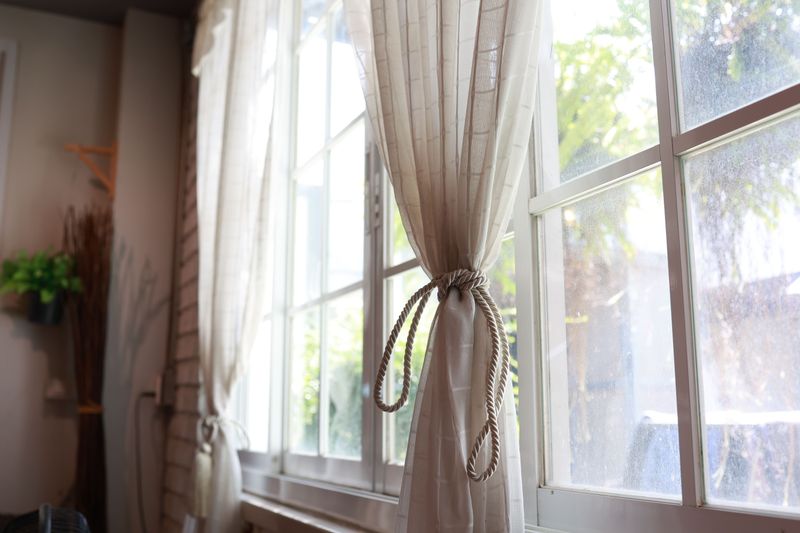
Long, dangling window cords swing invitingly and can loop around a small neck. Worth fixing before day one.
Wind them onto a wall cleat mounted high, or swap in cordless blinds when budget allows. Cord cleats cost very little and install with two screws.
Rowhouse front windows are prime lookout spots, so puppies gravitate there. Clear the sill, secure the cords, and let them watch the street safely.
12. Locked Low Cabinets and Secure Trash Cans
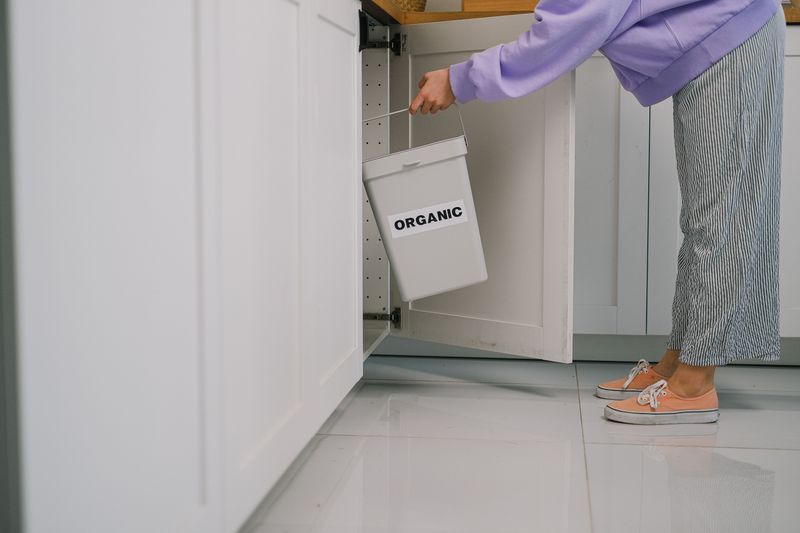
Under-sink cabinets hold the least puppy-friendly items in the whole house.
Magnetic or slide-style child locks handle it in ten minutes, no drilling required for most types. Move cleaners and medications to a higher shelf as a second layer.
Trash is the bigger temptation. Use a step-lid or latching can, ideally tucked inside a cabinet.
Bones, wrappers, and chocolate scraps are common reasons for emergency vet calls.
13. Puppy-Safe Houseplant Arrangement
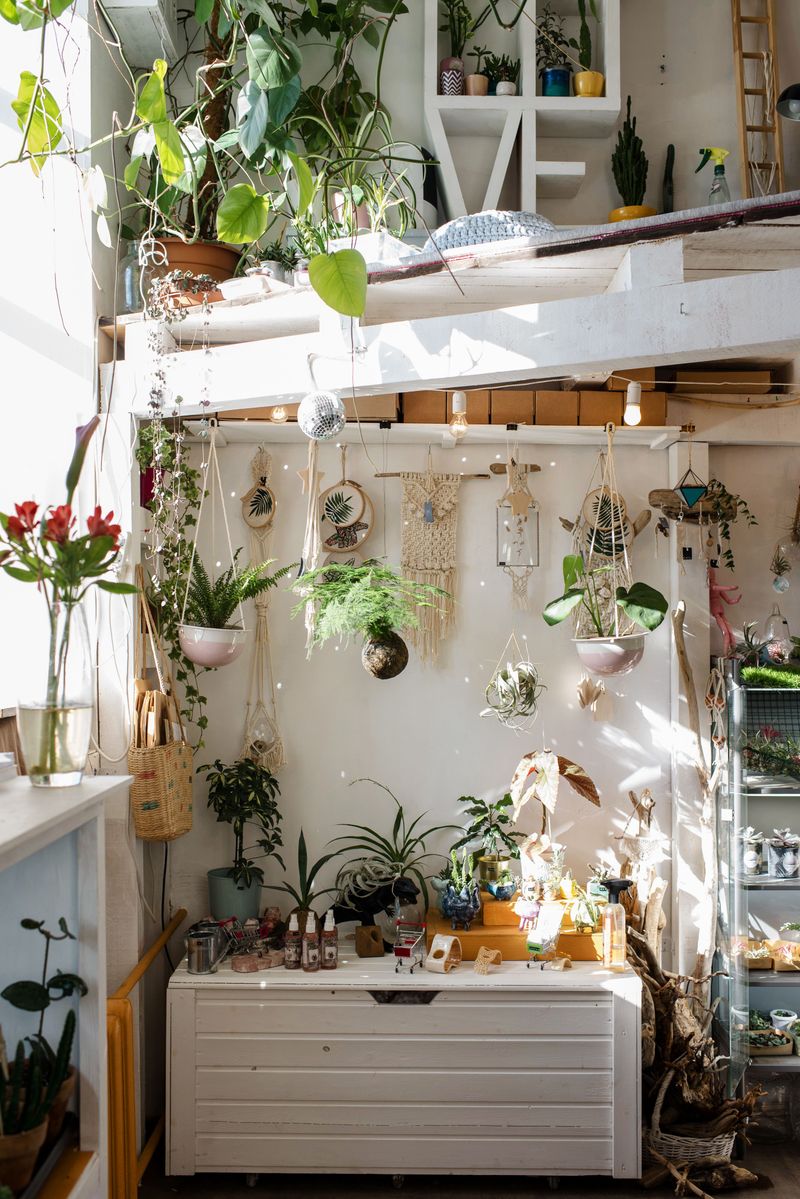
Plant lovers, this one is easy. Move greenery up, not out.
Hanging baskets, tall plant stands, and floating shelves keep leaves off the menu. Lilies, sago palm, philodendron, and pothos are among the plants known to cause problems for dogs.
Check the ASPCA toxic plant list before adding anything new. Spider plants and Boston ferns are generally considered safer picks for households with young dogs.
14. Secure Windows and Screens
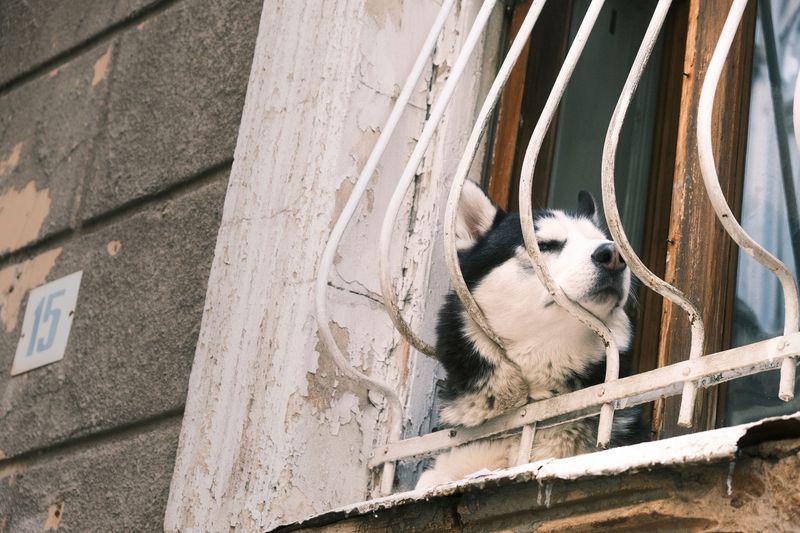
A screen is fabric on a thin frame. It will not hold an excited puppy leaning into it.
Test each screen by pressing gently on the mesh and checking the frame clips. Replace anything loose, and add window guards on upper floors.
Many older rowhouse sashes slide easily once unlocked. Use sash stops so windows open only a few inches.
Fresh air, no worry.
15. Washable Floor and Accident-Cleanup Setup
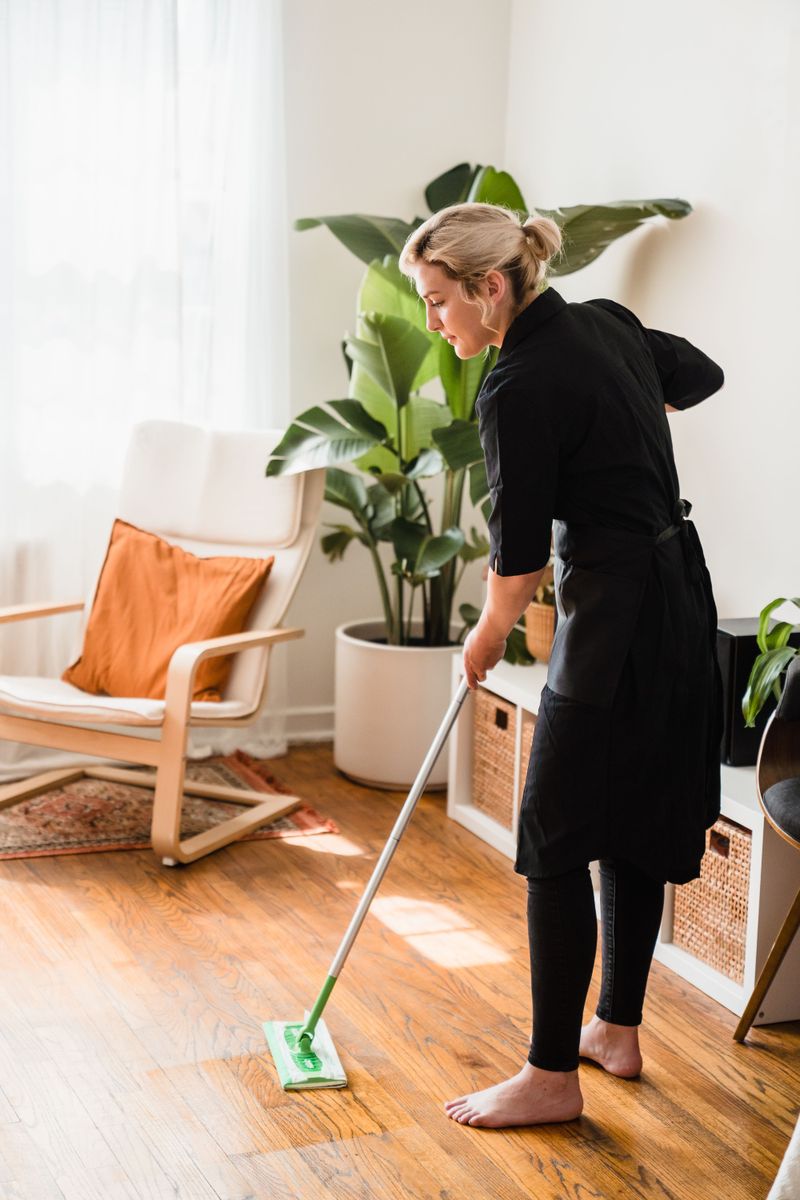
Accidents happen, usually on the nicest rug you own.
Roll up heirloom carpets for a few months and swap in machine-washable runners. Keep an enzymatic cleaner stocked, since regular cleaners leave scent markers that invite repeat visits.
Build a small cleanup kit: paper towels, cleaner, gloves, and a trash bag, stored on each floor. Old rowhouse hardwood absorbs moisture fast, so quick response protects the boards.
16. Quiet Sleeping Area Away From Shared Walls
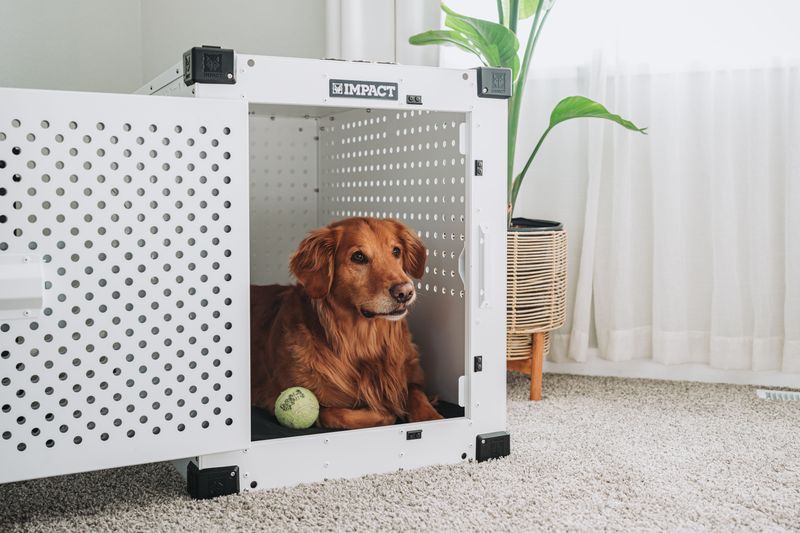
Shared party walls carry sound both ways, and a puppy learning to settle can be vocal at first.
Place the crate along an interior wall, not the one you share with neighbors. A corner away from the street cuts down on sirens and car doors.
White noise helps everyone sleep. A quick, friendly heads-up to neighbors about the adjustment period goes a long way too.
17. Pennsylvania Winter Paw-Cleaning Station
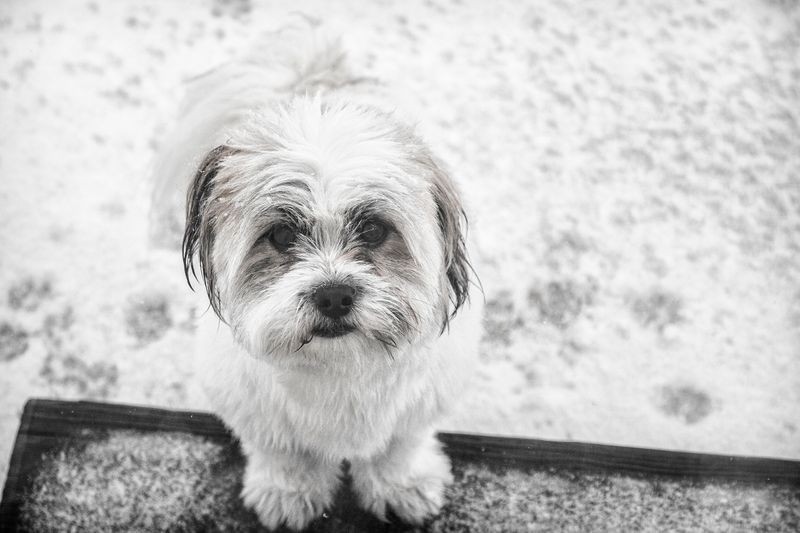
Pennsylvania sidewalks get salted heavily from December onward, and that salt irritates paw pads.
Set a mat, a stack of towels, and a paw-rinse cup by your main entrance. Wipe between the toes after every walk.
Pet-safe ice melt on your own steps helps, though your neighbors may use the standard kind. Booties and paw balm are worth trying once your pup tolerates handling.
18. Dog License, ID, and Veterinary Setup
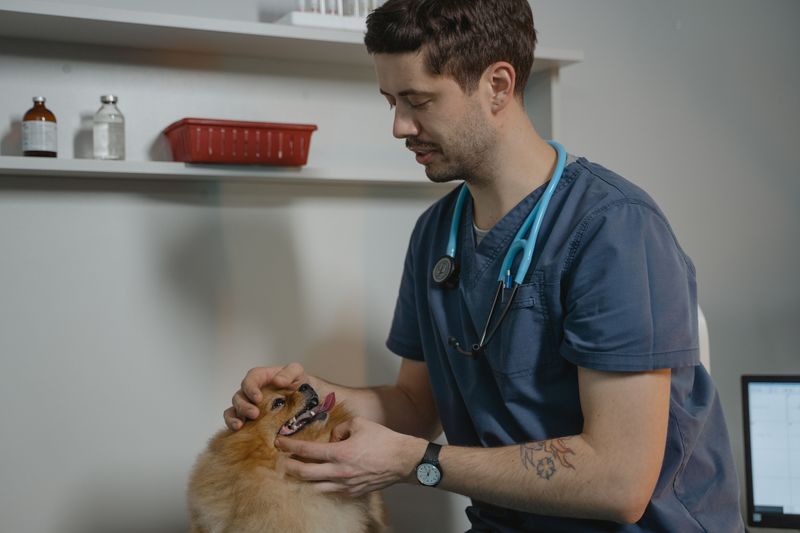
Pennsylvania law requires dogs three months and older to be licensed, renewed annually through your county treasurer.
Rabies vaccination is also required for dogs at that age, given by a licensed veterinarian. Keep the certificate handy.
Add an engraved ID tag and register the microchip with current contact details. Book your first wellness visit within the first few days.
Preparation done, now enjoy the puppy breath and the mess. You are ready.