18 Skills Pennsylvania Rowhouse Dogs Need For Shared Walls, Narrow Sidewalks, And Small Yards
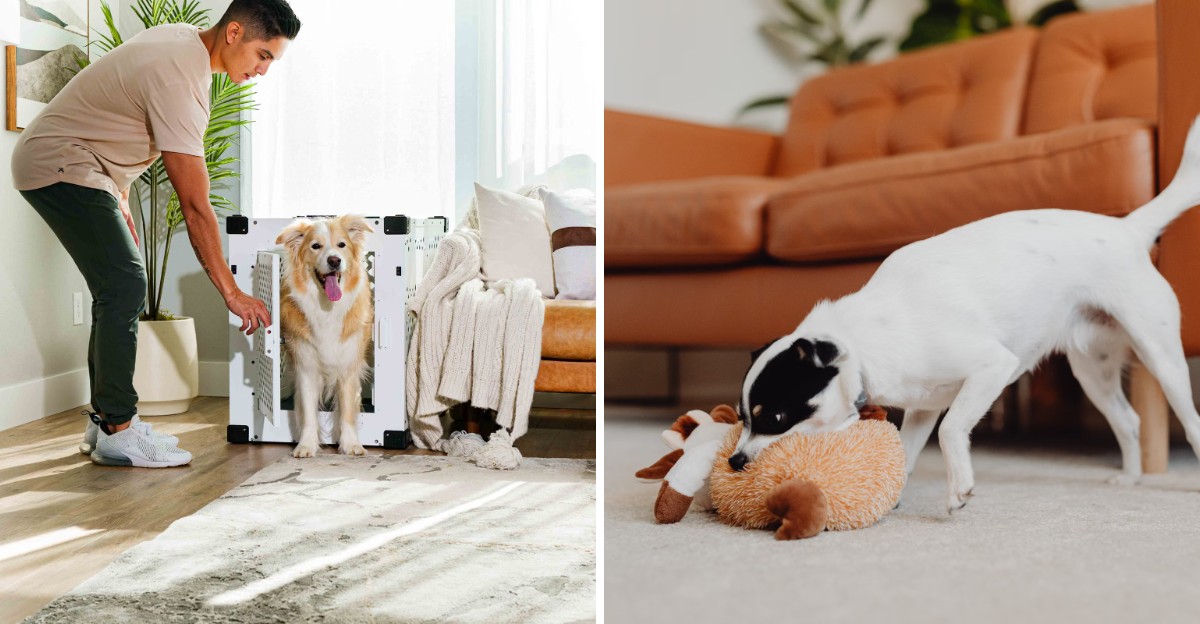
Life in a Pennsylvania rowhouse is cozy, close, and full of character. Your dog shares walls with neighbors, squeezes past strollers on skinny sidewalks, and makes do with a tiny yard.
That setup can work beautifully when your pup has the right skills. Think of this as a friendly guide from someone who has walked those brick sidewalks many times.
Each skill below is practical, learnable, and kind to both your dog and the people next door. With patience and small daily steps, your rowhouse dog can become the calm, welcome neighbor everyone hopes for.
1. Quiet Indoor Settling
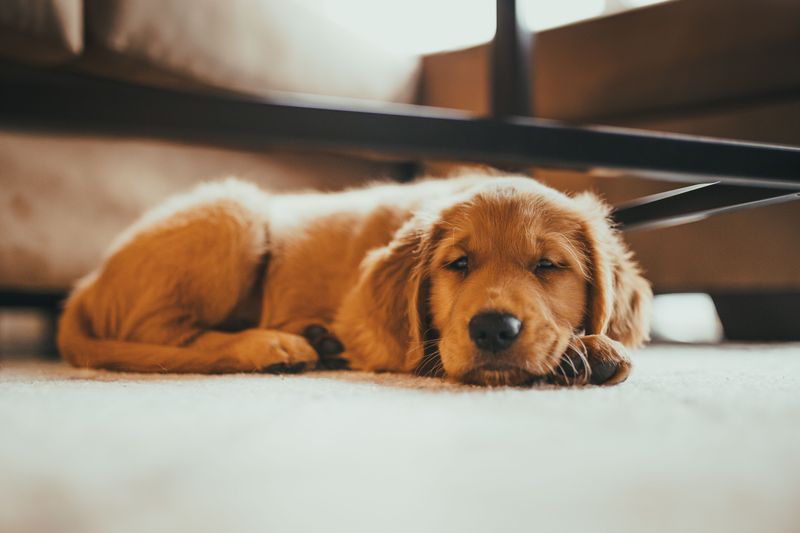
Calm dogs make cozy homes, especially when rooms are narrow and walls are thin. Settling is a skill, not just a personality trait.
You can teach it.
Start in a quiet room with few distractions. When your dog lies down on their own, slip a treat between their front paws.
Repeat every few seconds while they stay relaxed.
Once your dog offers this calm down in several rooms, add a cue like settle. Soon, relaxing becomes their favorite default.
2. Low-Barking Habits Around Shared Walls
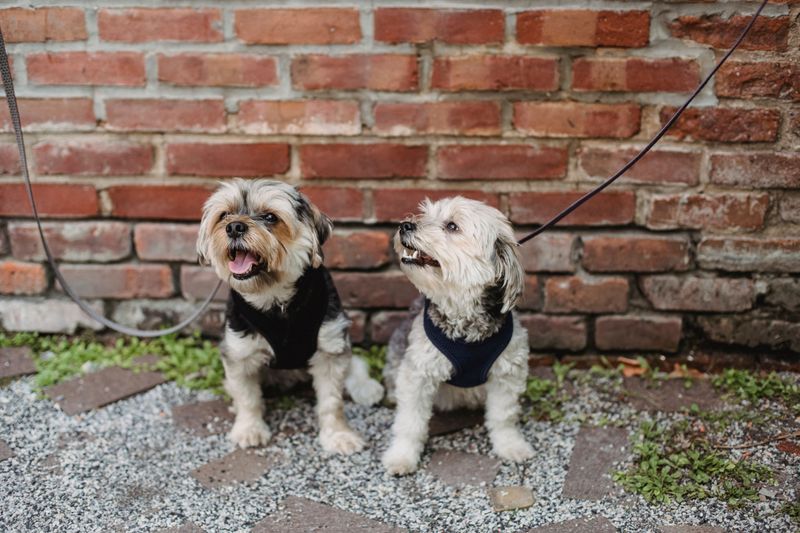
Picture your neighbor reading on the other side of a shared brick wall. Every bark carries further than you might expect.
Barking rules in Pennsylvania are mostly set locally. Townships and boroughs, such as Whitpain Township, define nuisance barking differently, and some issue fines.
Check your own municipality’s code to learn the specifics.
Meanwhile, notice what sets your dog off. Reward quiet moments generously.
Teach a calm alternative, like going to a mat, when a trigger appears.
3. Staying Cool When Neighbors Make Noise
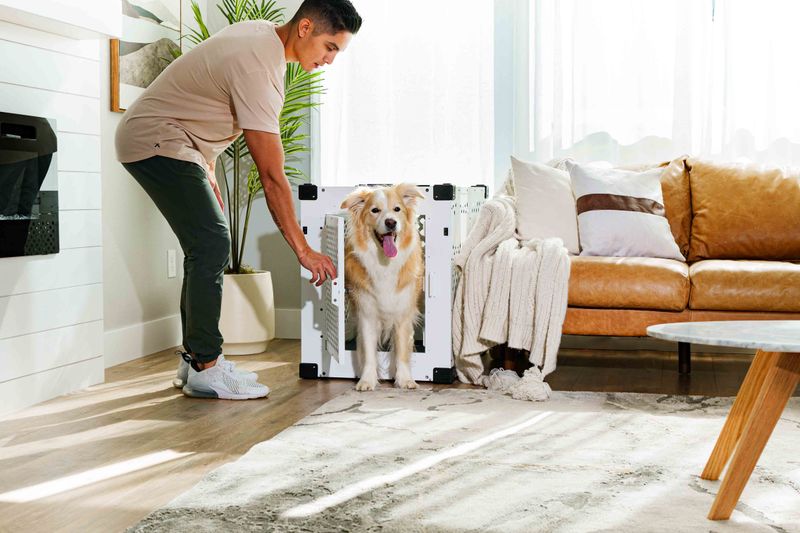
Doors slam, footsteps thump, and someone next door drops a pot. Rowhouse life comes with a soundtrack.
Desensitization and counter-conditioning help most dogs adjust. Play recordings of these sounds at a very low volume.
Pair each sound with a tasty treat or happy praise. Over days or weeks, raise the volume slowly.
Also give your dog a safe retreat. A covered crate or quiet back room offers a calm spot when things feel too busy.
4. Loose-Leash Walking on Narrow Sidewalks
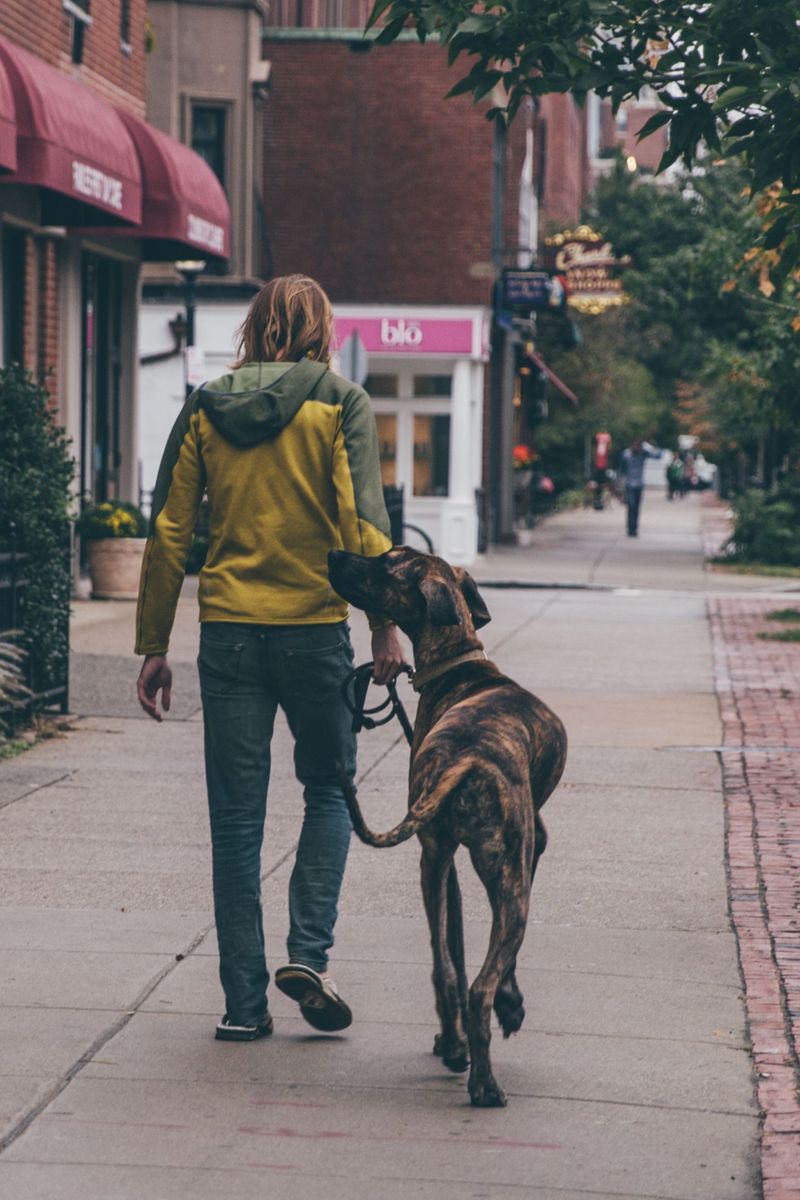
Old Pennsylvania sidewalks were not built for tug-of-war. A loose leash keeps everyone comfortable and safe.
State Dog Law requires dogs to be under reasonable control off your property. Many cities add their own leash rules.
Philadelphia, for example, limits leash length, so check your local code.
Practice first in a quiet hallway or alley. Reward your dog whenever the leash hangs slack.
Stop when it tightens. Add busier streets gradually.
5. Passing People Closely Without Lunging
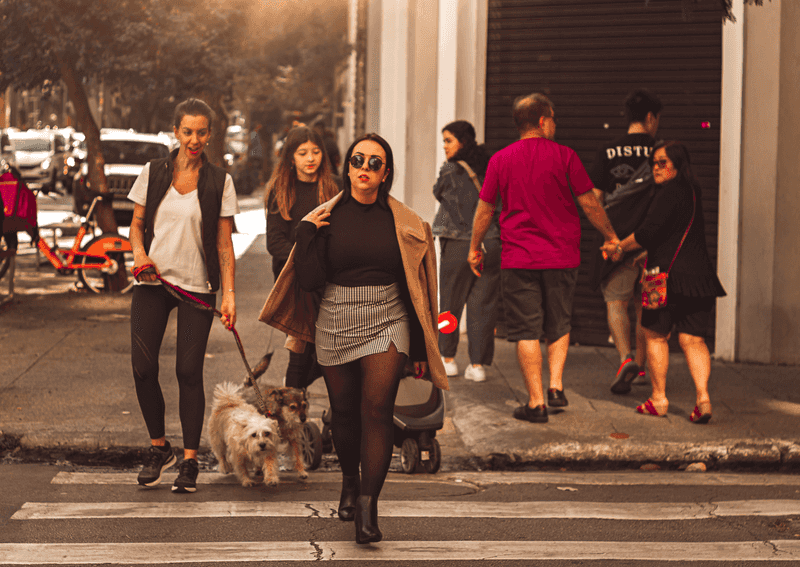
A jogger, a stroller, and your dog, all on four feet of concrete. Sound familiar?
A strong watch me cue is your best friend here. Teach it at home by rewarding eye contact.
Then use it on walks before someone gets close. Your dog’s attention shifts to you instead of the passerby.
Step aside to a stoop or driveway when you can. Giving your dog extra space keeps nerves low and manners high.
6. Keeping Composure Near Other Dogs
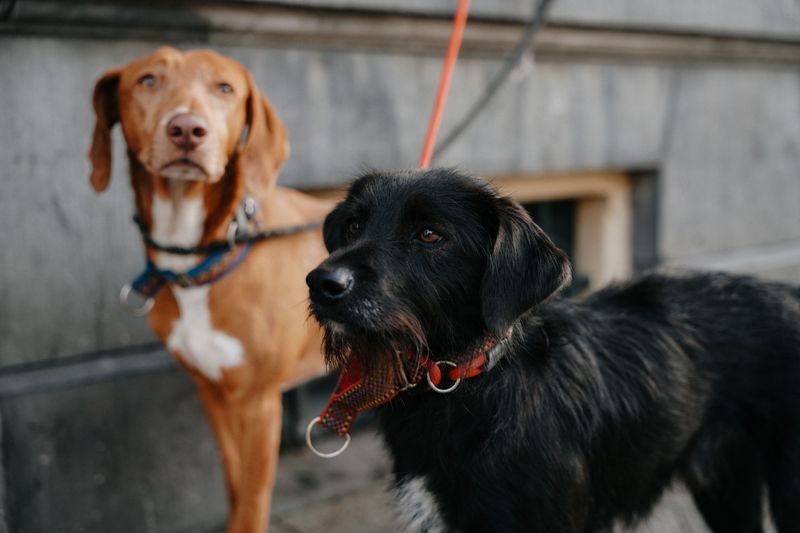
Here is a surprise for many owners: plenty of dogs find on-leash greetings stressful. Tight leashes and tight spaces can feel awkward.
Your goal is polite passing, not instant friendship. Reward your dog for glancing at another dog and then looking back at you.
Keep moving at a steady pace.
If dogs do meet, choose neutral ground away from either home. Keep it short and cheerful.
Then walk on together.
7. A Rock-Solid Leave It
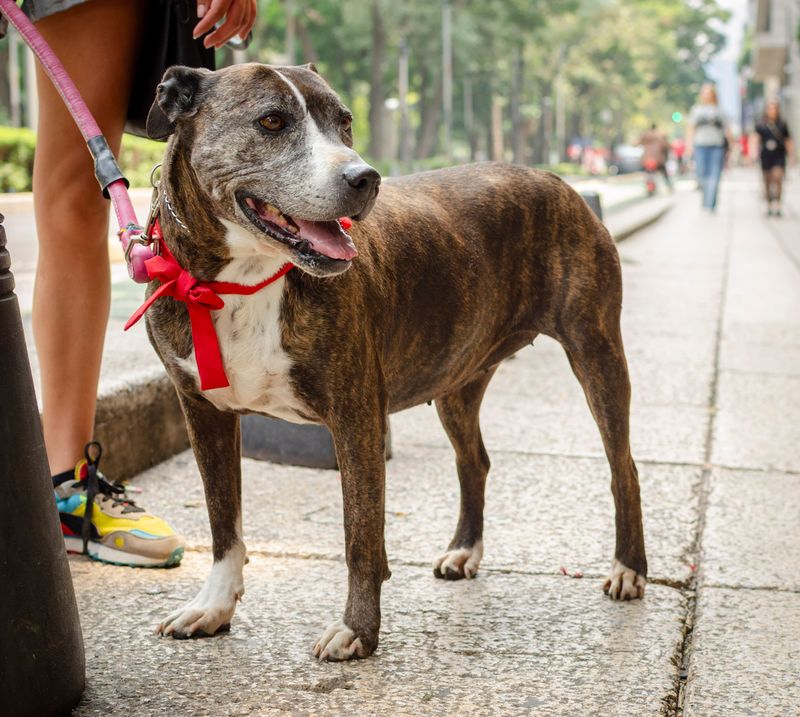
Chicken bones, wrappers, and mystery snacks seem to appear on every block. A dependable leave it protects your dog’s tummy.
Begin at home with a treat in your closed hand. Reward your dog the moment they back away.
Next, try a treat on the floor under your foot.
Increase the challenge slowly. Practice on quiet streets before busy ones.
Always pay with something better than the sidewalk prize.
8. Strong Recall in Small Outdoor Spaces
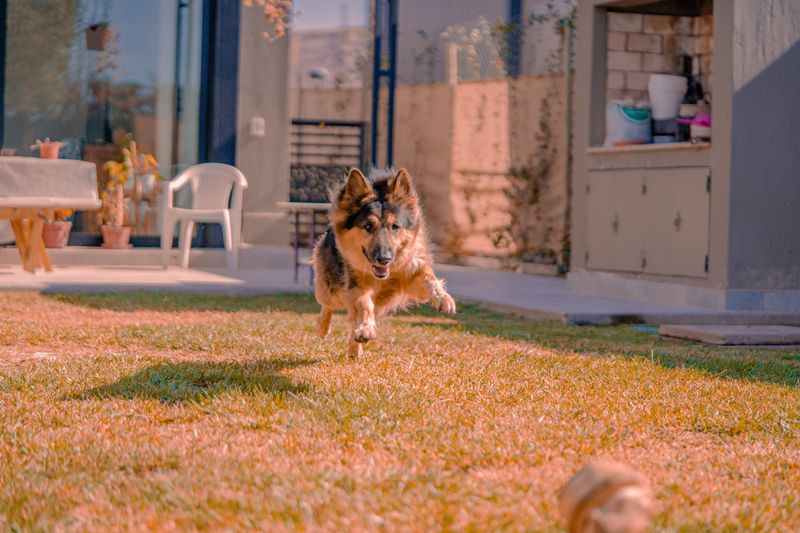
Small yards can still surprise you. A gate left open or a dropped item can change things quickly.
Reliable recall is a core safety skill. Practice it daily in your yard with very high-value rewards.
Call once, cheerfully, then celebrate when your dog arrives.
Never call your dog for something unpleasant, like a bath. Keep recall fun and rewarding.
Over time, coming to you becomes an automatic, happy habit.
9. Polite Waiting at Doors and Gates
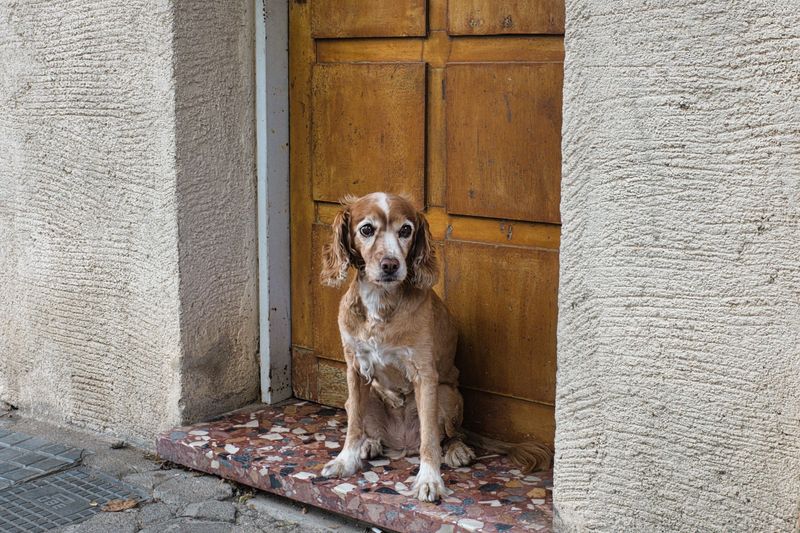
Rowhouse front doors often open straight onto the street. That makes door manners a true safety skill.
Leash your dog and ask for a sit. Slowly open the door a crack.
If your dog moves, gently close it and try again.
Build up gradually. Open the door wider and ask for longer waits.
Reward patience every time. A release word, like okay, tells your dog when it is time to go.
10. Staying Close on the First Step Outside
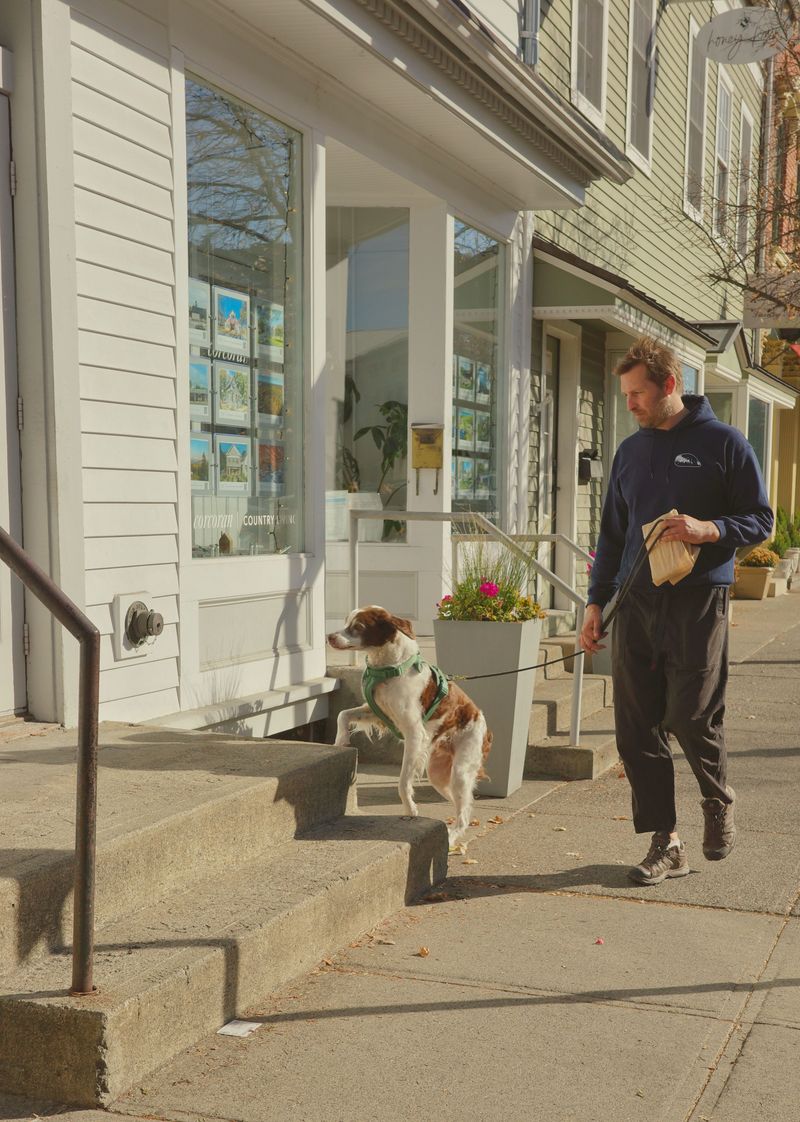
Step out a typical Philly or Pittsburgh rowhouse and you might be three feet from a bike lane. The first few seconds matter.
After your dog waits at the door, guide them right to your side. Reward them for staying close as you check the sidewalk.
Remember, state law expects reasonable control once you leave your property. A short, calm pause outside the door helps your dog start every walk focused.
11. Comfortable Stair Use
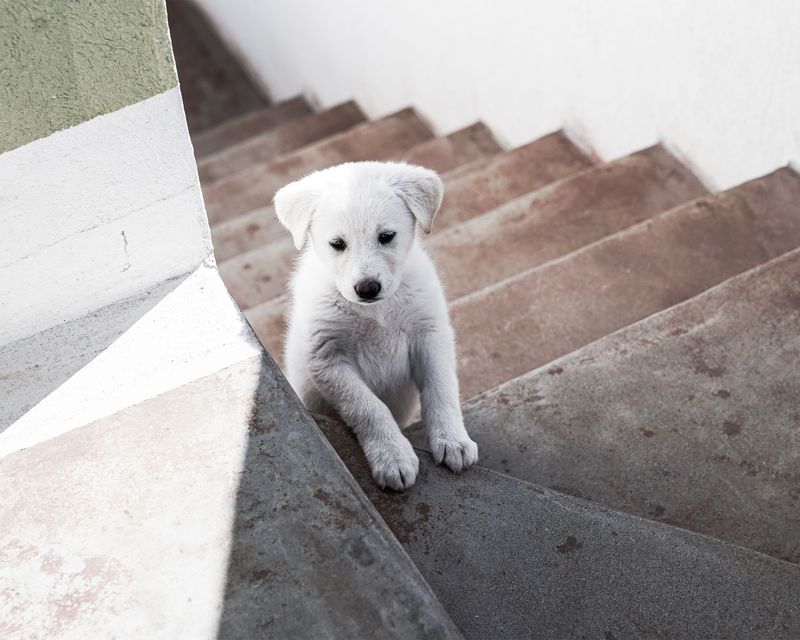
Rowhouses love steep, narrow staircases. Some dogs climb happily, while others freeze, especially on the way down.
Start with just one step. Sit on the floor beside it and use tasty treats to lure your dog up and down.
Praise every small success.
Add steps slowly over several sessions. Stay patient and offer gentle support.
Ask your vet about stair safety for puppies, seniors, or dogs with joint concerns.
12. Friendly, Four-on-the-Floor Greetings
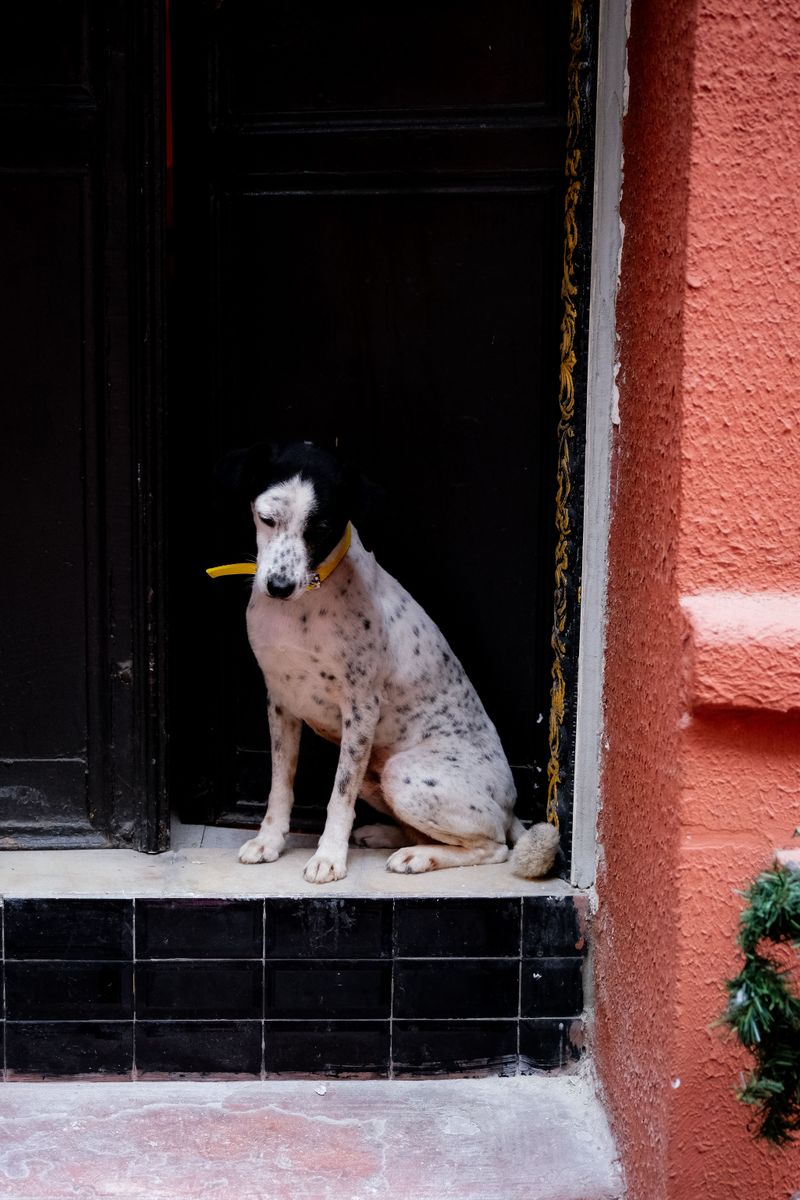
Stoop culture is alive in Pennsylvania. Neighbors chat, and your dog wants in on the action.
Aim for four paws on the floor during every greeting. Teach a sit as the polite way to say hello.
Reward calm greetings with treats and praise.
Let neighbors know what you are working on. Share where your dog enjoys being petted.
Most people happily help when they understand the plan.
13. Ignoring Delivery Workers and Street Bustle
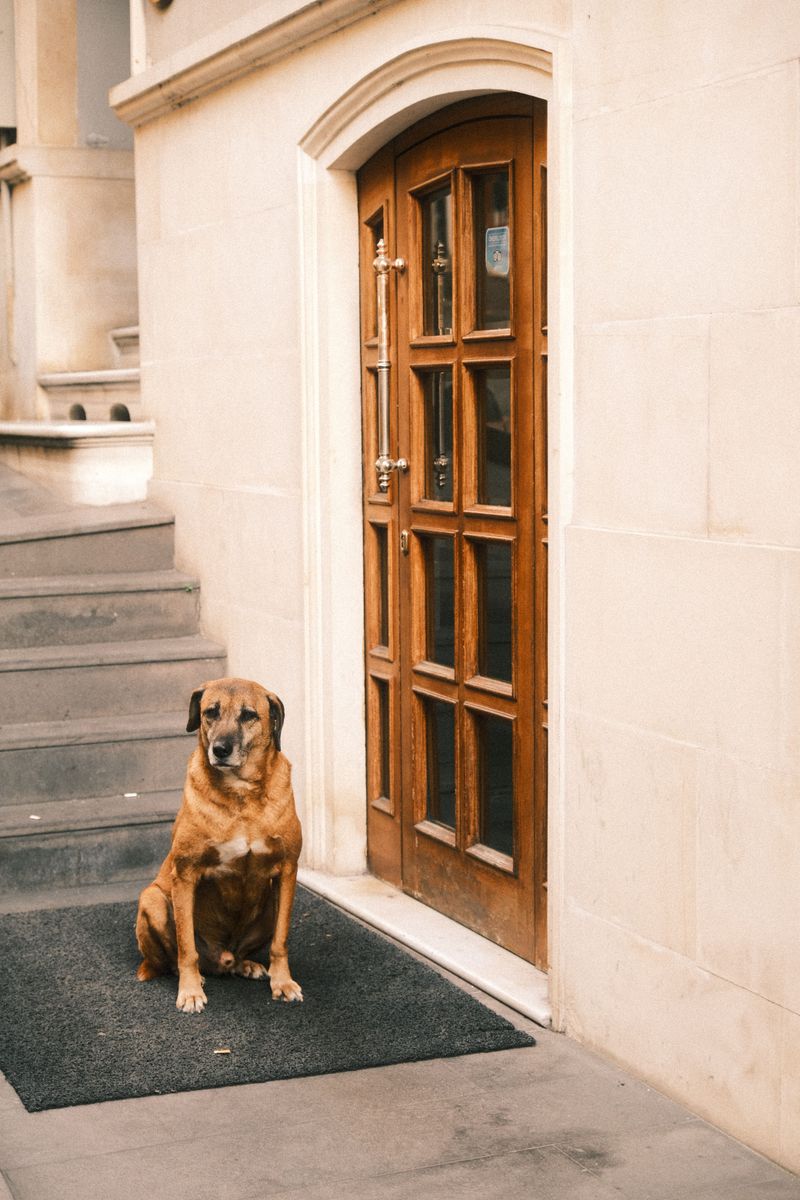
Packages arrive daily on most blocks. To many dogs, each knock feels like big news.
Play doorbell and knocking sounds quietly indoors, rewarding calm reactions. Later, watch real street activity from a distance and reward relaxed behavior.
A mat stay works wonders here. Teach your dog to go to a mat near the door and stay put.
It gives them a clear job while visitors come and go.
14. House-Training With Limited Yard Access
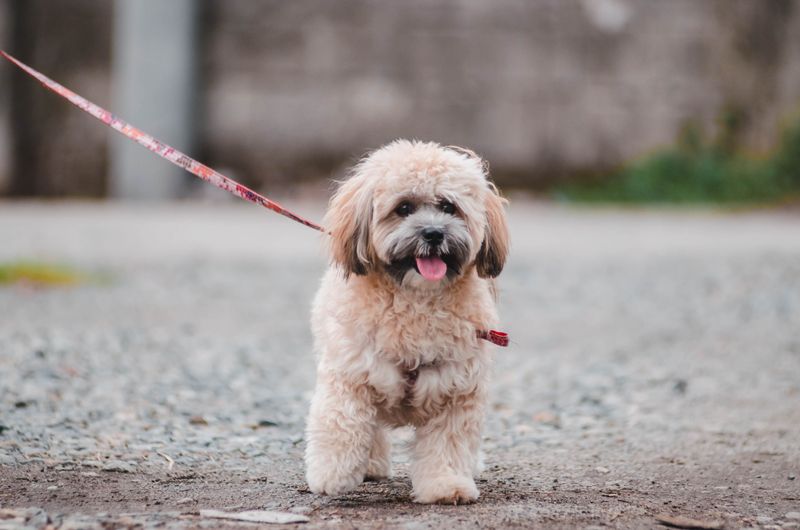
No sprawling lawn? No problem.
Consistency matters far more than square footage.
Take your dog out after waking, eating, and playing. Reward them right after they go outside.
When you cannot supervise, use a crate or gated area, since most dogs avoid soiling where they sleep.
Carry bags everywhere. Many Pennsylvania municipalities require prompt waste pickup on public and private property.
Check local rules for details.
15. Quiet Yard Time
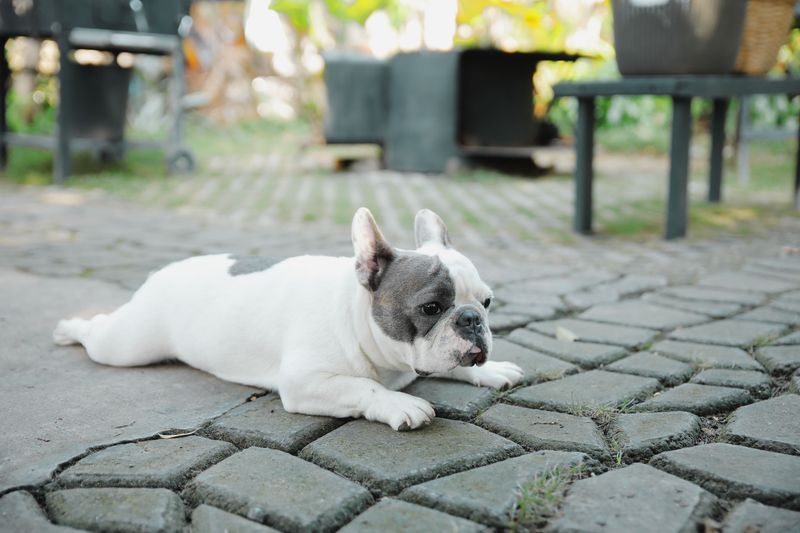
Small yards sit close to neighbors’ windows. A barking session out back echoes off every brick wall.
Watch what triggers your dog outside. It might be squirrels, fence noises, or passing voices.
Then reward a calmer choice, like checking in with you.
Stay outside with your dog at first. Keep visits short and purposeful.
Local nuisance rules vary by township or borough, so learn yours.
16. Settling After Short Outdoor Breaks
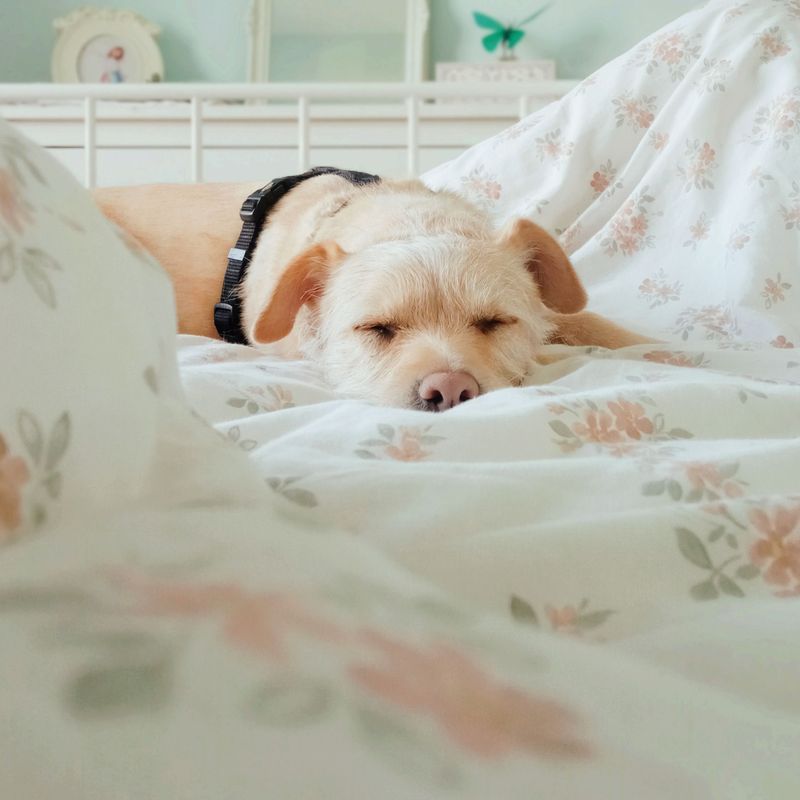
Quick trips outside can leave some dogs buzzing. Coming back in should feel like a gentle exhale.
Build on the settle cue you already practiced. Once inside, guide your dog to their bed or mat.
Reward the calm down that follows.
A chew or lick mat can help them unwind. Over time, your dog learns that indoor time means rest.
The whole household benefits.
17. Handling Traffic and City Sounds
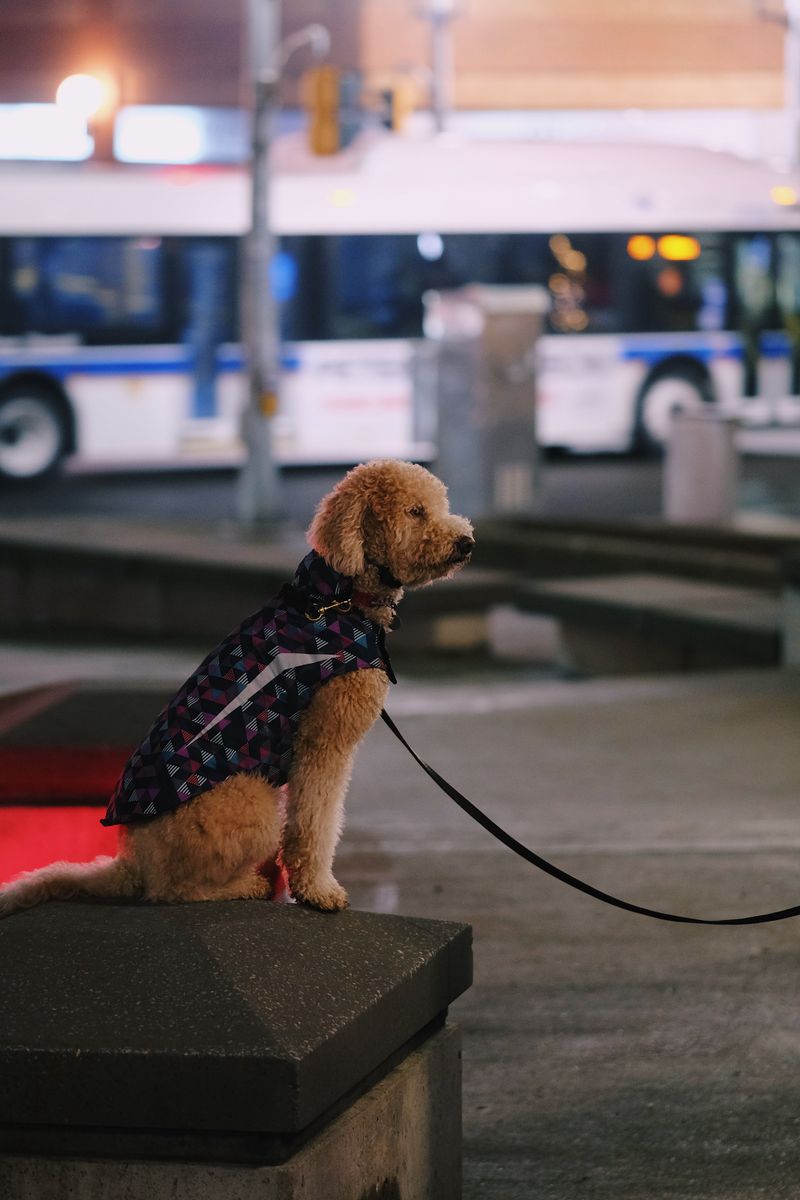
Buses, sirens, and trolleys are part of everyday Pennsylvania city life. Dogs can learn to take them in stride.
Start with recordings of traffic at low volume indoors. Reward calm reactions, then slowly raise the volume and length.
Next, watch real traffic from a comfortable distance. Move closer only as your dog relaxes.
Your own steady energy matters too, so breathe easy and keep your voice light.
18. Plenty of Mental Exercise in Small Spaces
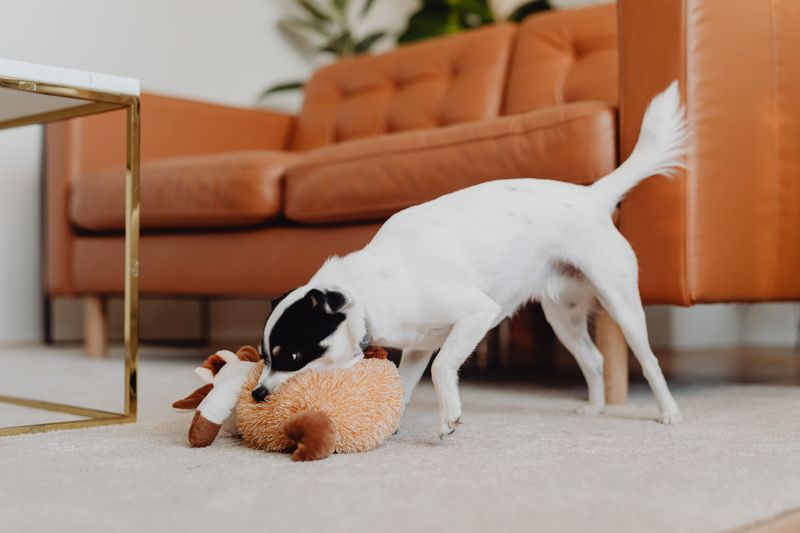
A tired brain often means a peaceful dog. That is great news when outdoor space is tight.
Try food puzzles, treat-dispensing toys, and snuffle mats. Hide treats around a room for a nose-work game.
Short training sessions and new tricks also count.
Rotate toys weekly to keep things fresh. With these eighteen skills growing over time, your rowhouse dog can thrive, and your whole block can enjoy the calm.