18 Ways California Heat, Stairs, And Long Car Rides Get Harder For Senior Dogs
Your gray-muzzled buddy still loves sunny walks, cozy naps, and riding along in the car. As dogs age, though, everyday things like heat, stairs, and road trips can feel a lot tougher.
The good news is that small changes make a big difference. Here is what every California owner of an older dog should know, shared like advice from a friend who has been there.
1. Heat Waves Hit Older Bodies Faster
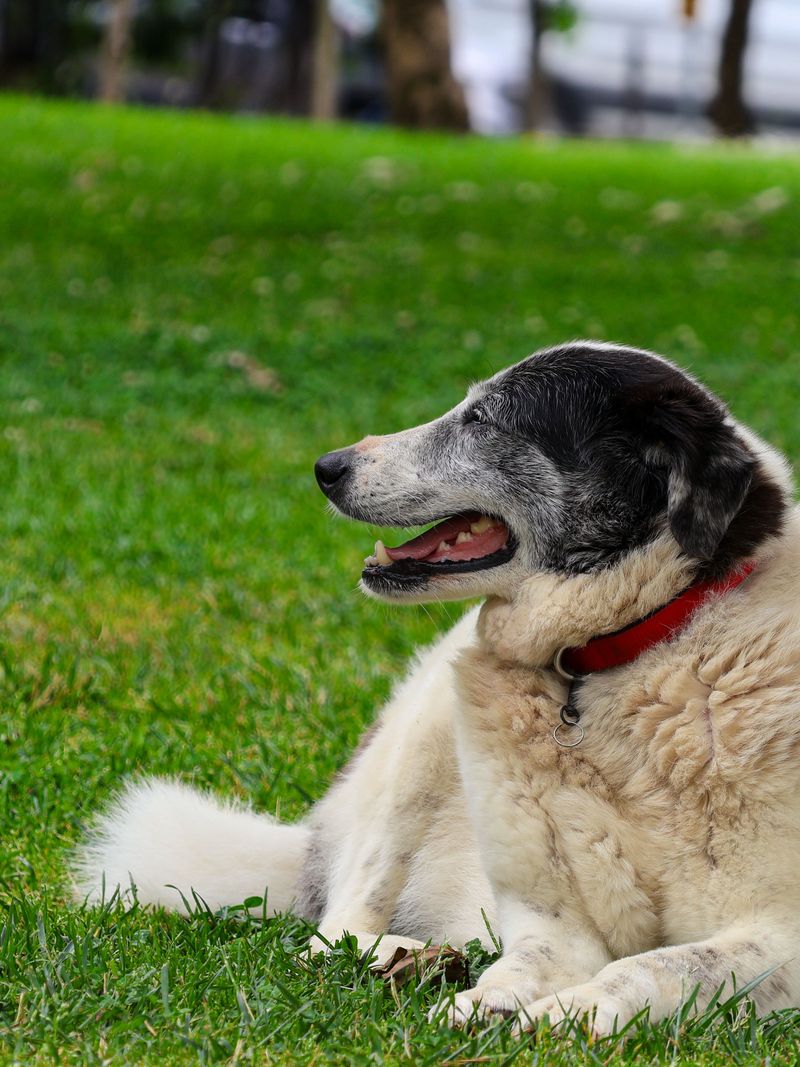
Picture a September heat wave rolling across the Central Valley. Your young dog might shrug it off, but your senior pup feels it sooner.
Older dogs cool themselves less efficiently. Their heart and lungs often have less reserve, so extra heat builds up quickly.
That raises the chance of heat exhaustion or heatstroke.
Keep older dogs indoors with air conditioning or fans on hot days. Heavy panting, weakness, or drooling means call your vet right away.
2. Thirst Signals Fade With Age
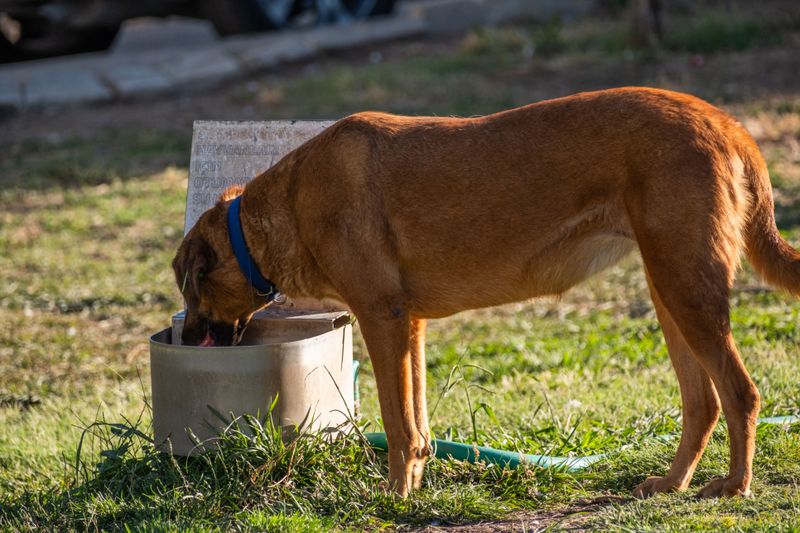
Here is a sneaky one. Many older dogs simply do not feel thirsty, even when their bodies need water.
Aging kidneys also hold onto water less well, so fluid slips away faster on warm days. Hot, dry California air makes this worse.
Place several fresh water bowls around the house. Adding a little water to meals can help too.
Sticky gums or low energy are worth a quick call to your vet.
3. Sidewalks That Sizzle
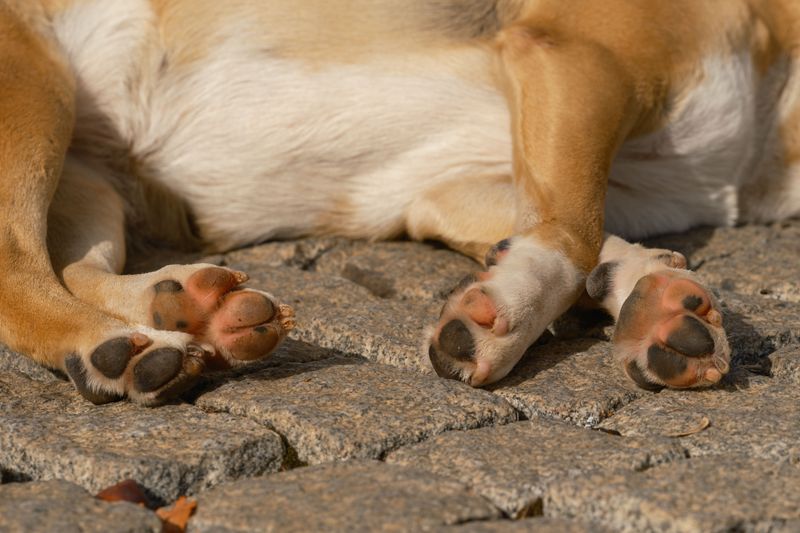
Try the seven second test. Press the back of your hand on the pavement.
If you cannot hold it there comfortably, it is too hot for paws.
Asphalt and concrete soak up sunshine and can get far hotter than the air. Older dogs often have thinner pads and slower reflexes.
Walk on grass or shaded paths whenever possible. Dog booties are another option, though some seniors need time to accept them.
4. Hearts and Lungs Work Overtime
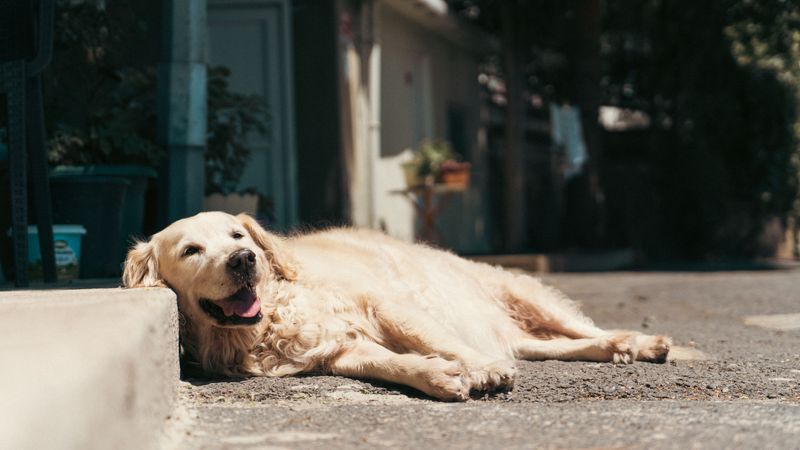
Heat asks the heart to pump harder and the lungs to pant faster. For a dog with heart disease, that is a heavy request.
Breathing troubles like laryngeal paralysis or chronic bronchitis also make cooling harder. Flat-faced breeds face extra challenges too.
If your dog has one of these conditions, ask your vet for a personal heat plan. Knowing your dog’s limits ahead of time brings real peace of mind.
5. A Smaller Window for Walks
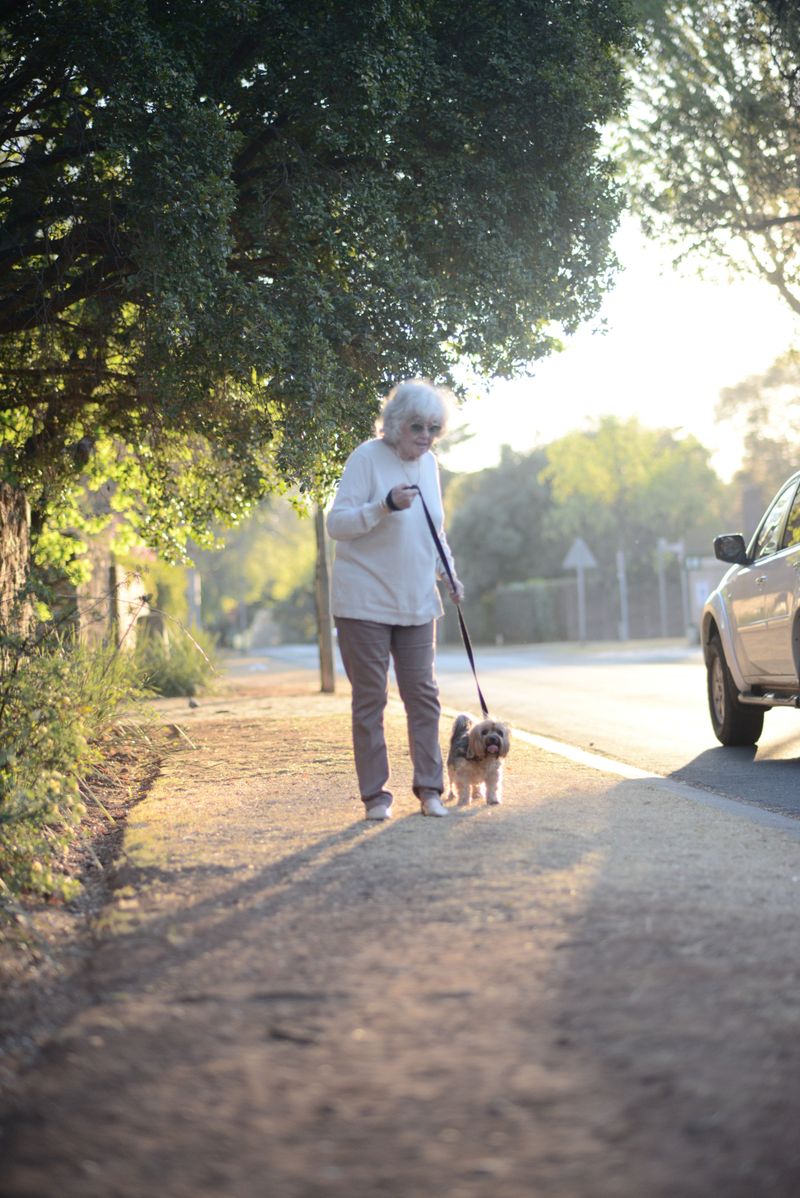
Early birds have the advantage in summer. Sunrise and late evening are often the friendliest times for senior strolls.
Midday heat in places like Riverside or Sacramento can climb quickly. That leaves fewer comfortable hours for exercise.
Check the forecast each morning and plan walks around it. Shorter, gentler outings still count.
On scorching days, indoor sniff games and puzzle feeders keep minds busy without the sun’s strain.
6. Slow Recovery After Play
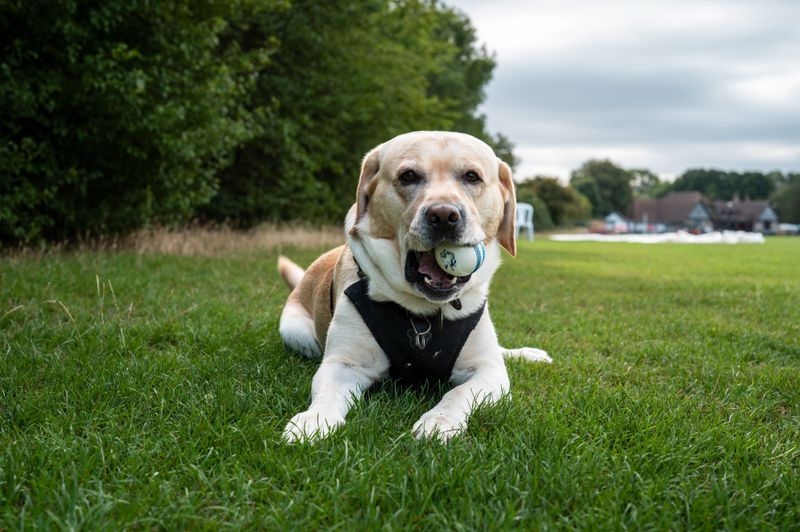
Ever notice your older pup panting long after a short game of fetch? You are not imagining it.
Aging affects circulation and panting power, the two main ways dogs shed heat. So cooling down simply takes longer.
Keep play sessions brief and follow them with rest in a cool room. Offer water and a damp towel to lie on.
If panting does not ease within several minutes, contact your vet.
7. Every Step Pushes on Sore Joints
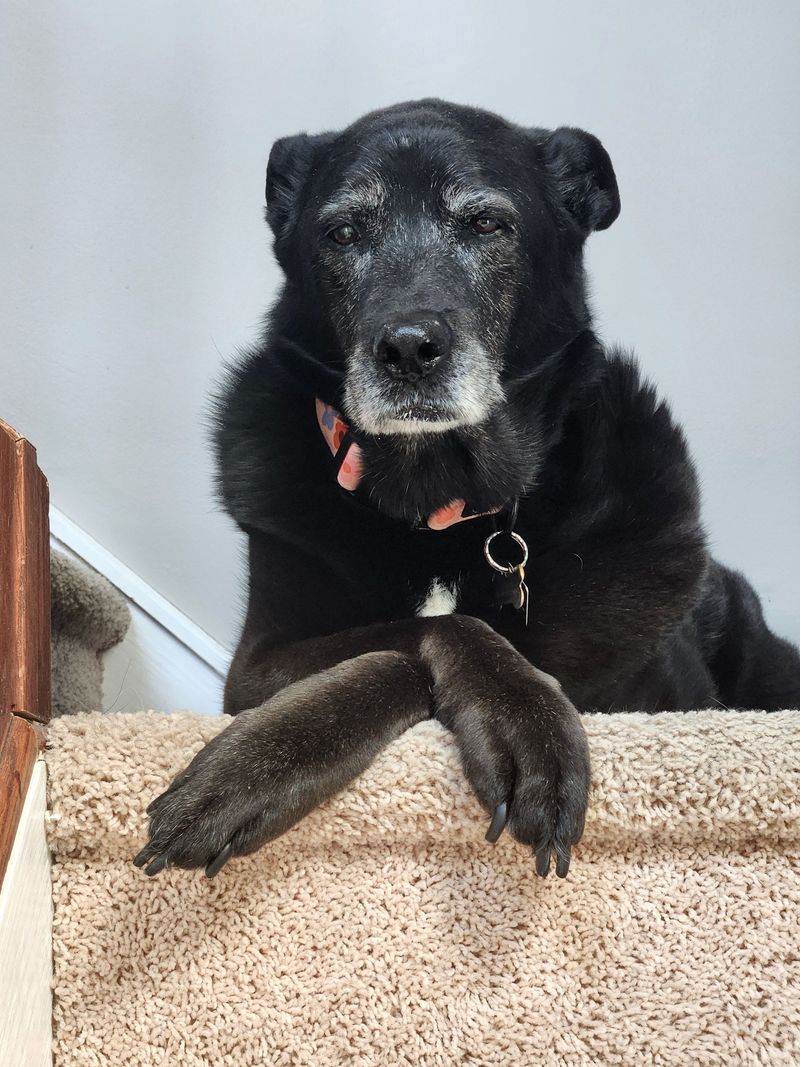
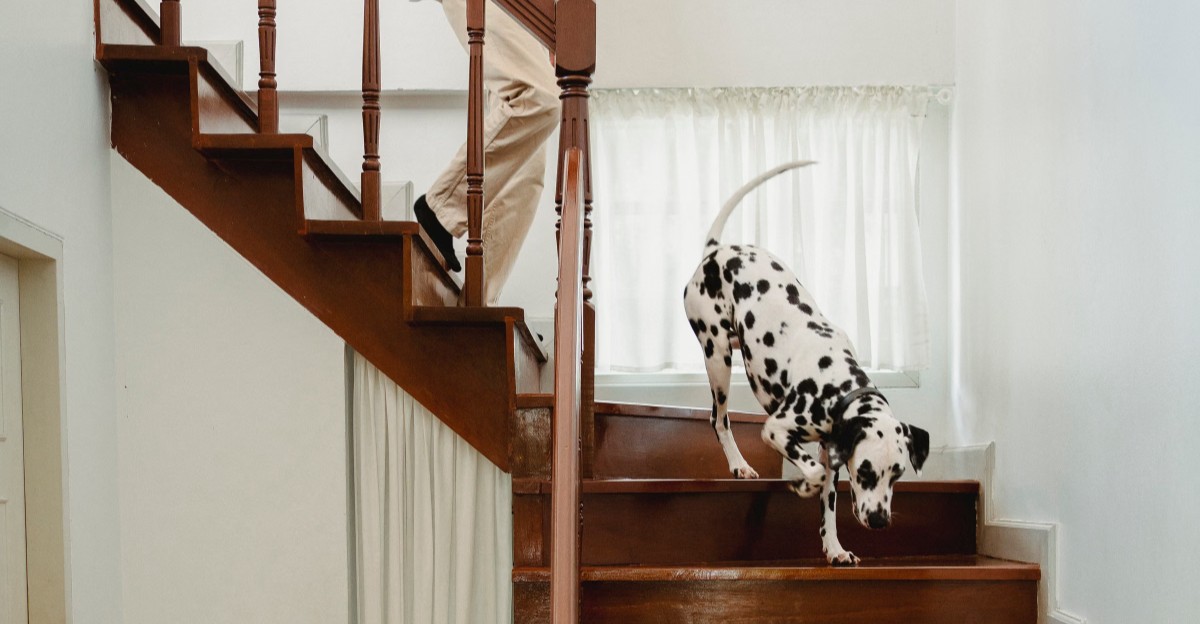
Stairs look harmless, but each step loads the hips, knees, and elbows. For a dog with arthritis, that adds up fast.
Climbing up pushes weight into the back legs and hips, a common trouble spot. Going down jars the front legs instead.
Watch for hesitation, slow steps, or stiffness afterward. Your vet can suggest pain relief options, joint supplements, or physical therapy that keep your dog comfortable.
8. Muscles That Are Not What They Used To Be
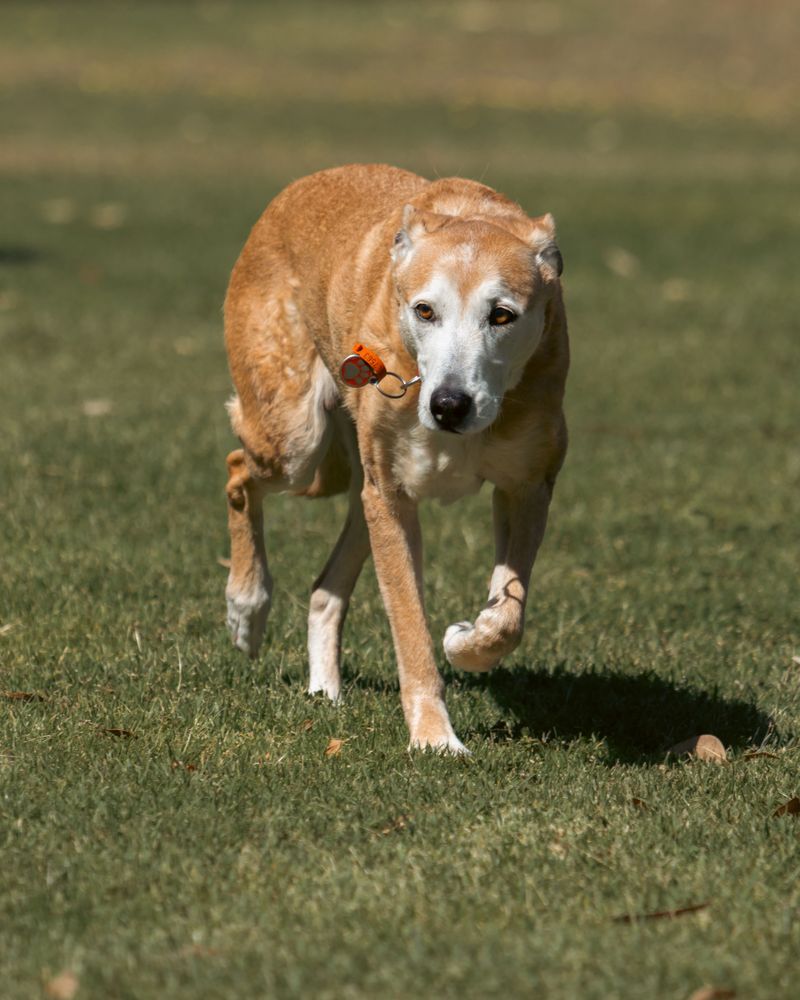
Think about climbing a tall ladder with tired legs. That is close to how steep stairs feel for many older dogs.
Muscle naturally shrinks with age, especially in the back legs. Weaker hind ends make balance and lifting each paw harder.
Gentle daily walks help maintain strength. Some vets recommend simple exercises or canine rehab.
Ask what fits your dog, since every senior has different needs and abilities.
9. Potty Breaks From the Third Floor
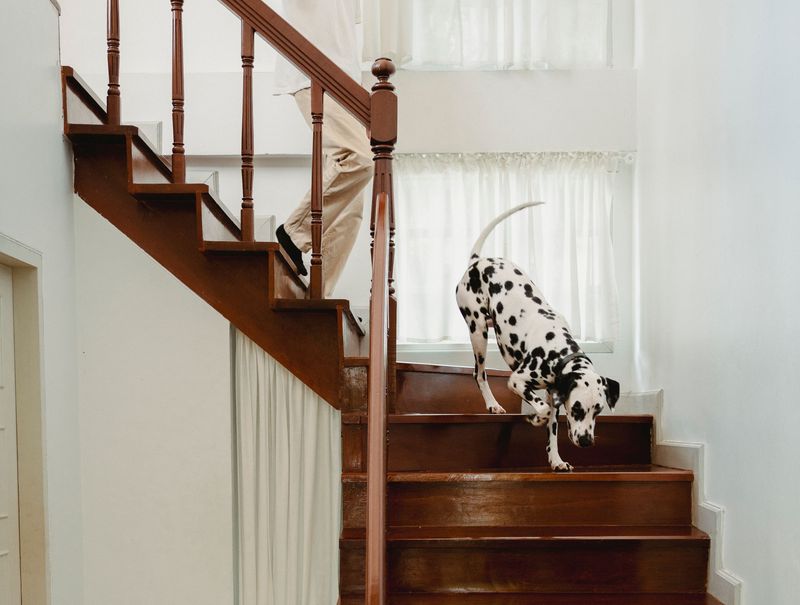
Apartment living in San Francisco or Oakland often means stairs between your door and the grass.
Older dogs may need to go out more often. Add sore joints, and every bathroom trip turns into a workout.
Plan extra time for each outing. Indoor grass pads can help during nights or bad days.
If you are apartment hunting, a ground-floor unit or elevator building may be worth considering.
10. When Your Big Buddy Needs a Lift
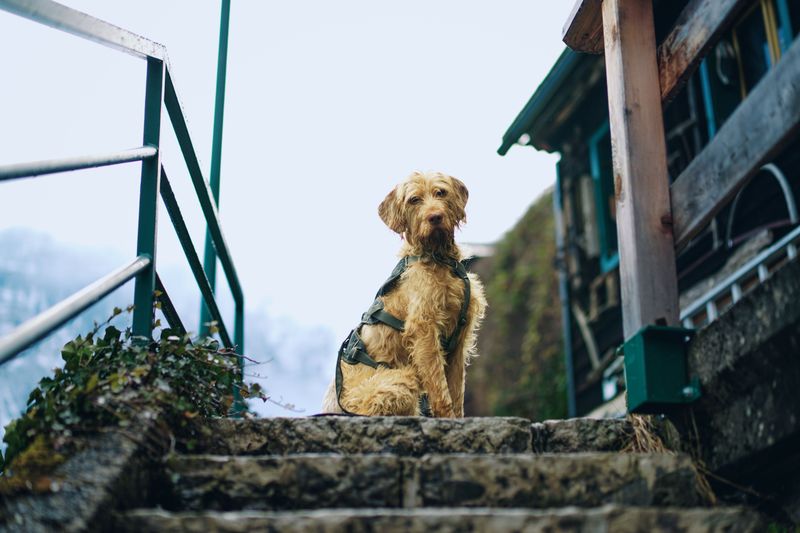
Carrying a 70-pound Lab up a flight of stairs is no small feat. Many owners learn this the hard way.
Lifting a large dog awkwardly can strain your back and frighten your pup. A slip could hurt both of you.
A support harness with a handle lets you guide and steady your dog instead. Rear-end slings work well for weak back legs.
Ask your vet to show you proper technique.
11. That Big Leap Into the SUV
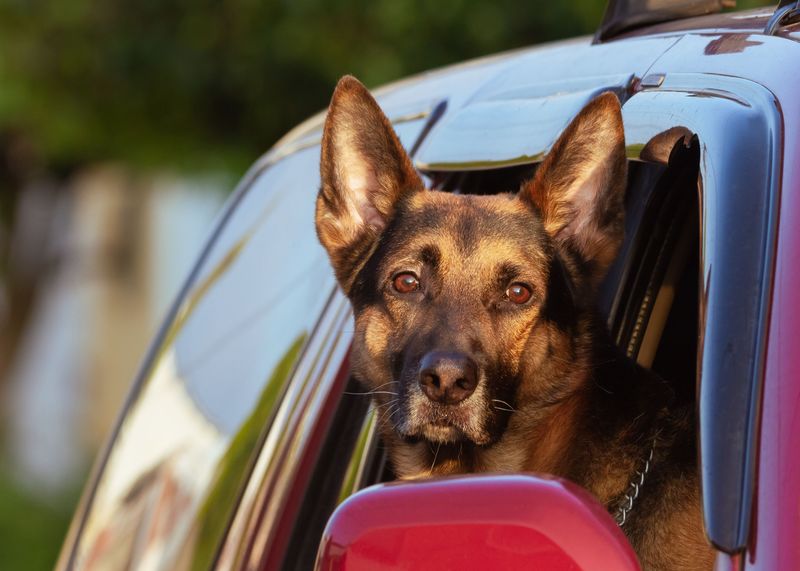
Remember when your dog sailed into the back seat in one bound? Those days may quietly fade.
Jumping into tall SUVs and trucks puts heavy force on hips, elbows, and spine. Jumping out can be even harder on the front legs.
A sturdy ramp or folding steps makes car access much gentler. Practice with treats at home first.
Most dogs catch on quickly with patience and praise.
12. Stiff Legs After Miles of Highway
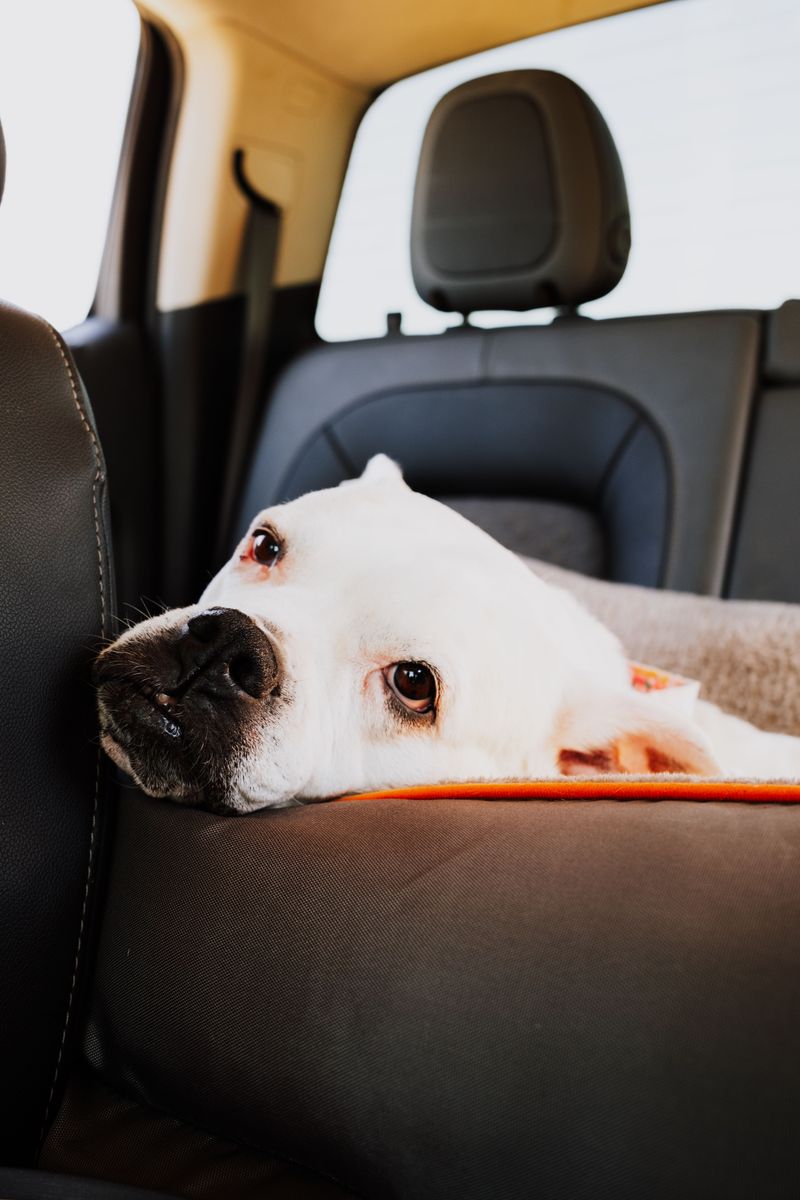
A drive from Los Angeles to Tahoe takes hours. For a dog with arthritis, sitting that long can mean stiff, achy joints.
Without movement, sore joints tighten up. You may see limping or slow steps when the car finally stops.
Plan stops every couple of hours for short, easy walks. Ask your vet whether pain medication before travel makes sense.
A little stretching goes a long way.
13. More Stops for Bathroom Breaks
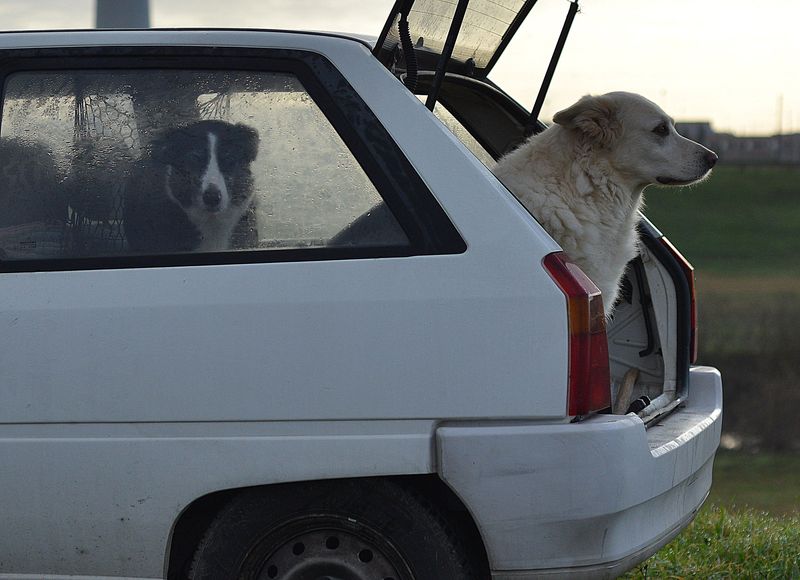
Expect your trip to take a bit longer. That is perfectly okay.
Older dogs often have weaker bladder control or need to pee more often. Some health conditions add to this.
Map out rest areas and dog-friendly parks before you leave. Bring waste bags, wipes, and a washable seat cover just in case.
A relaxed pace keeps everyone happier and more comfortable along the way.
14. Water Breaks Matter on the Road
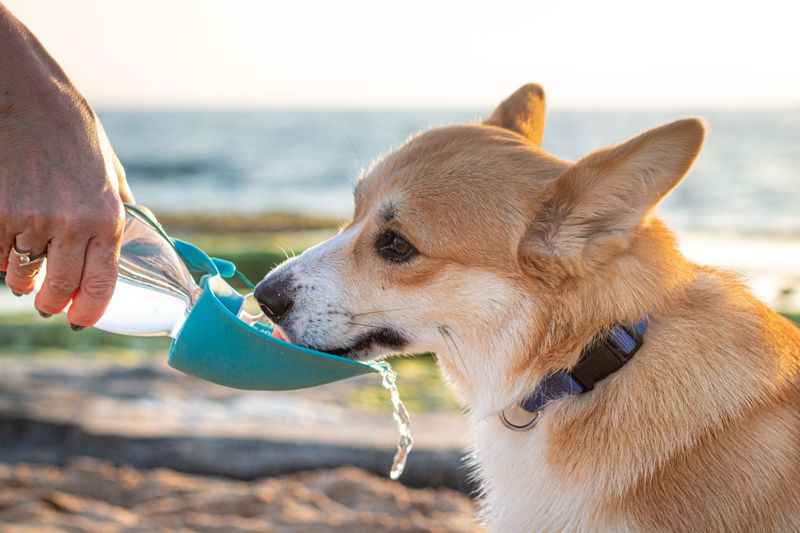
Road trips are drying, especially across hot stretches like the Mojave or Interstate 5.
Since older dogs may not feel thirsty, offering water at every stop is a smart habit. Do not wait for your dog to ask.
Pack a collapsible bowl and plenty of water from home. Familiar water can help sensitive stomachs.
A cooler with ice cubes makes a refreshing treat many dogs enjoy.
15. Comfort Counts in the Back Seat
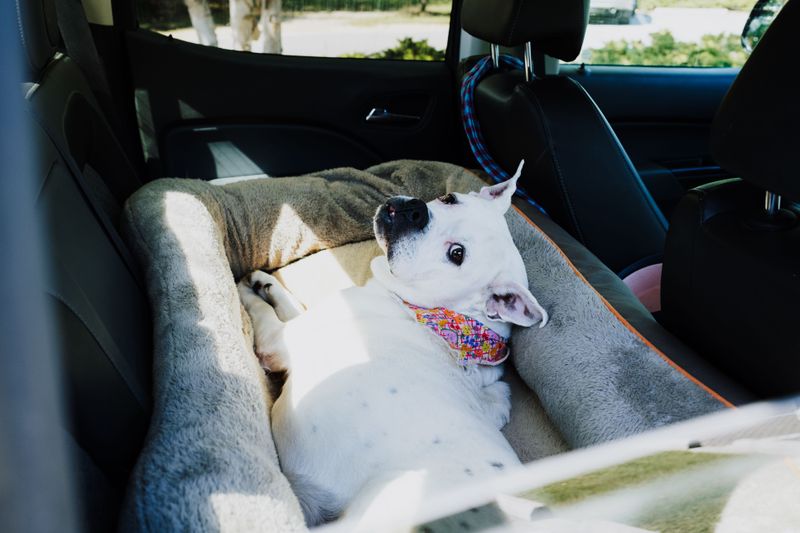
Imagine sitting on a hard bench for five hours. Your dog’s body feels that way too.
Staying in one spot puts pressure on bony areas like hips and elbows. Muscles get stiff and achy.
A padded orthopedic bed or bolster cushion spreads weight more evenly. Secure it with a crash-tested harness or crate for safety.
Small comforts help senior dogs rest calmly through long drives.
16. New Places Can Feel Confusing
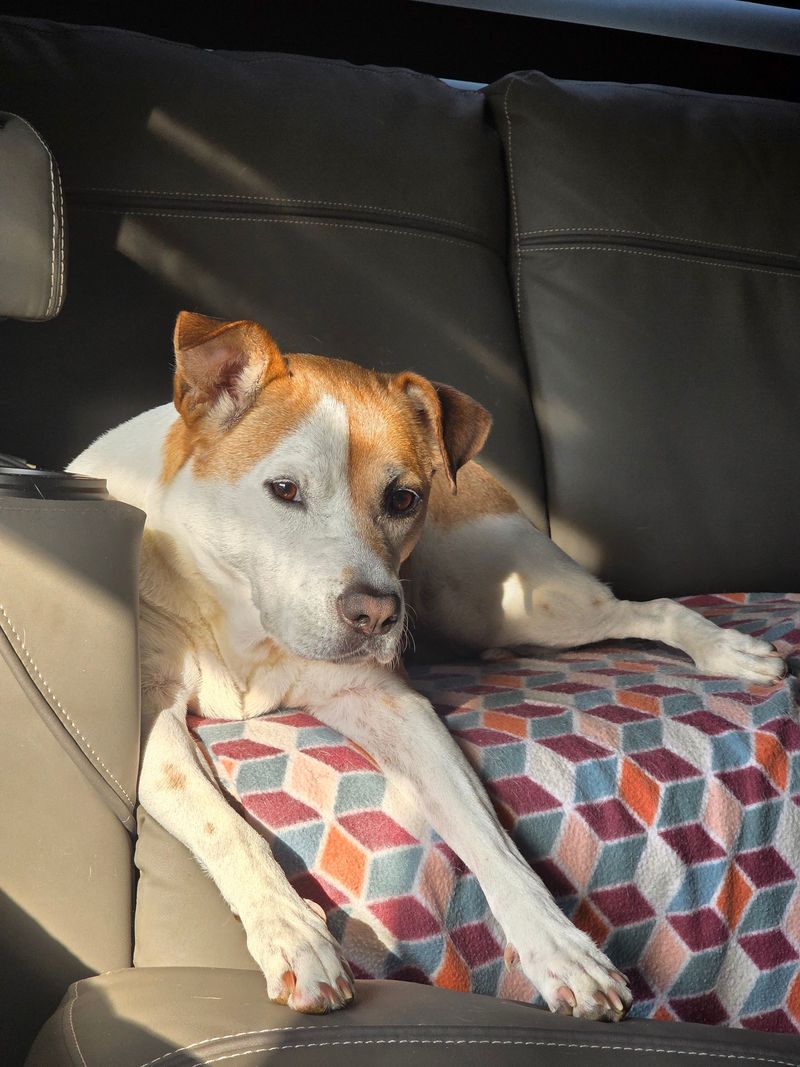
Some older dogs grow a little more anxious with age. Others develop canine cognitive dysfunction, similar to memory changes in people.
Unfamiliar roads, sounds, and hotel rooms can feel confusing. Pacing, whining, or restlessness are common signs.
Bring a favorite blanket, toy, and their usual food. Stick to normal meal and sleep times.
Your vet can discuss calming options if travel stress seems strong.
17. Parked Cars Heat Up Shockingly Fast
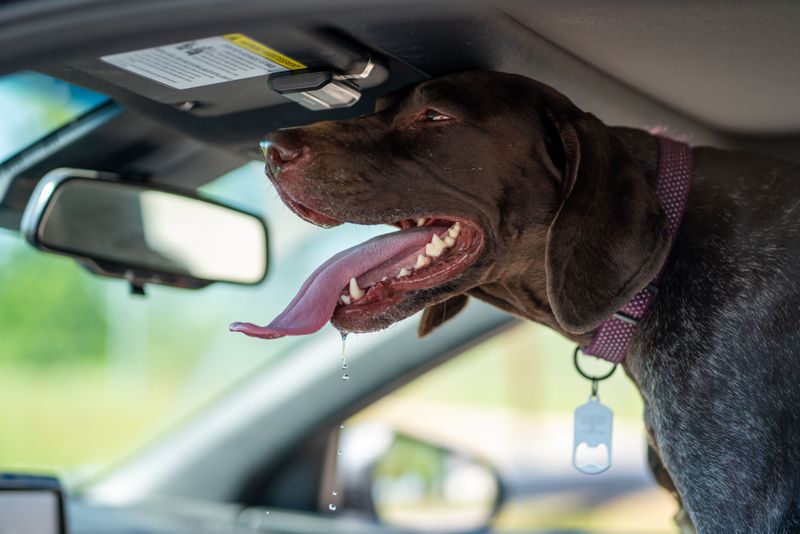
A pleasant 70 degree day sounds safe. Yet a parked car can heat up dramatically within minutes, even with windows cracked.
California law prohibits leaving animals in vehicles when conditions endanger their health. Penalties and rescue rules vary, so check local guidance.
The simplest rule is easy: never leave your senior dog in a parked car. Choose drive-throughs, pet-friendly stops, or leave your pup home.
18. Your Senior Dog Toolkit
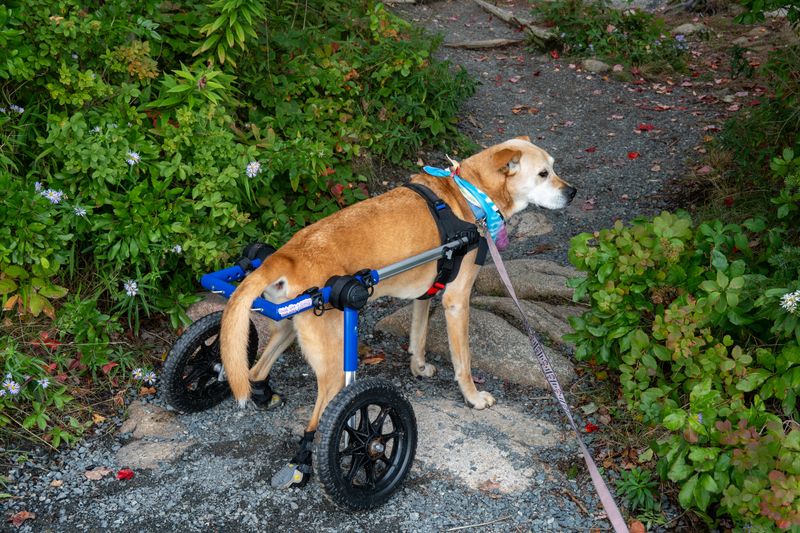
Good news: helpful gear is easy to find. A few smart tools make life smoother for aging pups.
Ramps ease car rides and couch climbs. Support harnesses help you steady wobbly legs.
Cooling mats, vests, and fresh water fight summer heat.
Pair the gear with planning. Map rest stops, check forecasts, and schedule a senior vet checkup.
Prepared owners help older dogs enjoy many more golden adventures.