19 Everyday Michigan Dog Routines That Change Between City Life, Cottage Season, And The Upper Peninsula
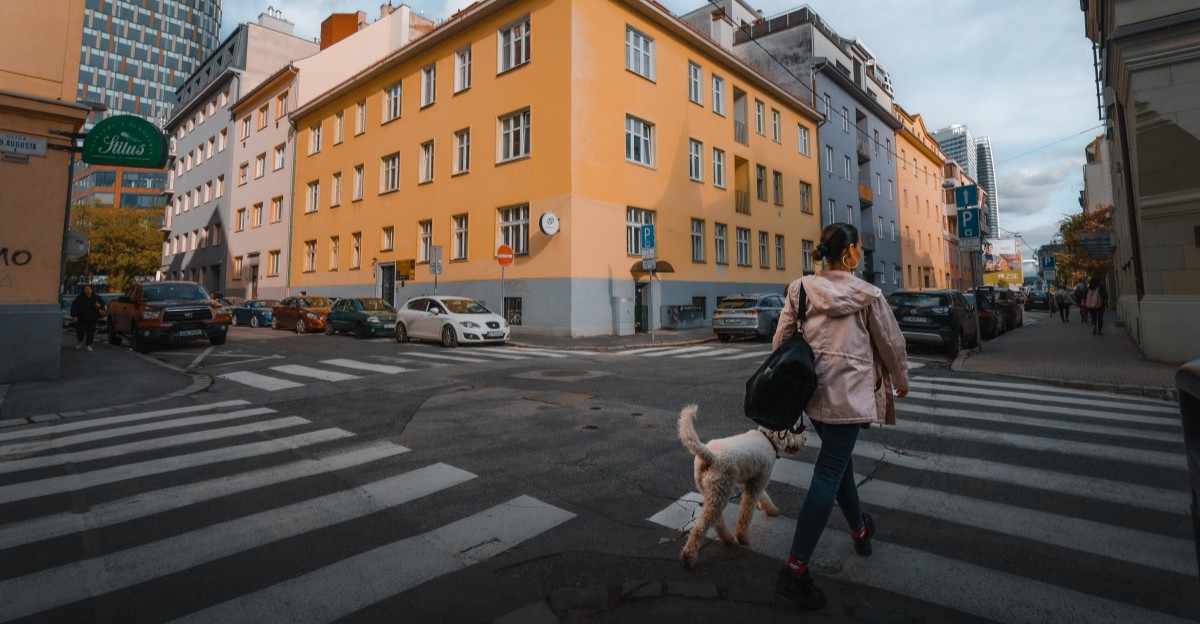
Michigan asks a lot of dogs. One week your pup is padding down a Grand Rapids sidewalk, the next she is shaking lake water off a dock, and by fall she is sniffing pine needles somewhere past the Mackinac Bridge.
Each setting comes with its own habits, hazards, and small adjustments that keep tails wagging. Here is a friendly walkthrough of the daily routines that shift as you move around the state, plus practical ways to stay ready.
Sidewalk Loops Rule the City Schedule
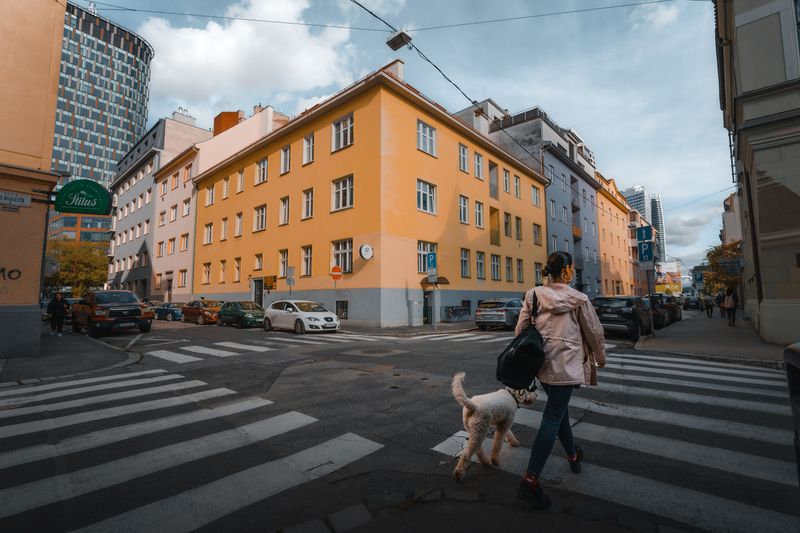
Urban walking is all about repetition. Most city dogs learn a handful of blocks by heart, complete with familiar crosswalks and curb cuts.
Michigan communities generally require leashes in public, and many local ordinances specify a leash around six feet. Rules vary by city, so check your municipality.
Short, predictable loops make training easier too. Practice sitting at corners, waiting for the signal, then crossing calmly beside you every single time.
Gravel Roads and Lake Paths Take Over in Cottage Season
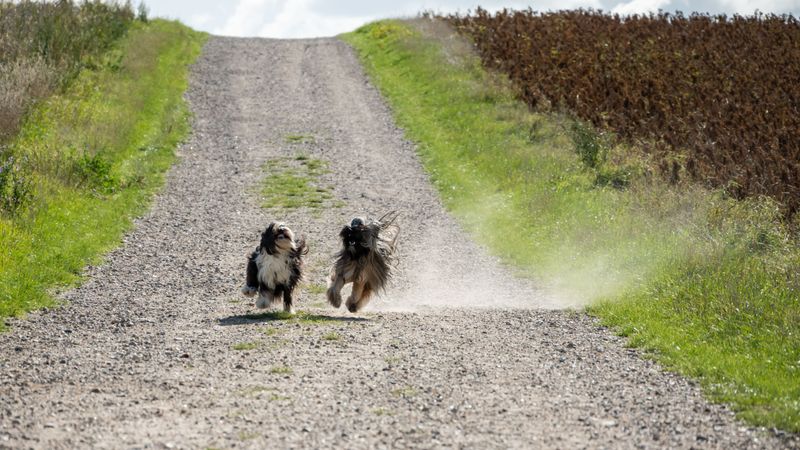
Trade concrete for crushed stone and everything changes. Gravel roads, sandy two-tracks, and shaded property edges become the new walking route once cottage season starts.
Loose stone can be rough on paws that spent all spring on pavement, so build distance slowly.
Leash rules still apply on public roads, beaches, and trails. Respect neighboring private property lines, and keep your dog close when cars kick up dust.
Upper Peninsula Outings Stretch Longer and Wilder
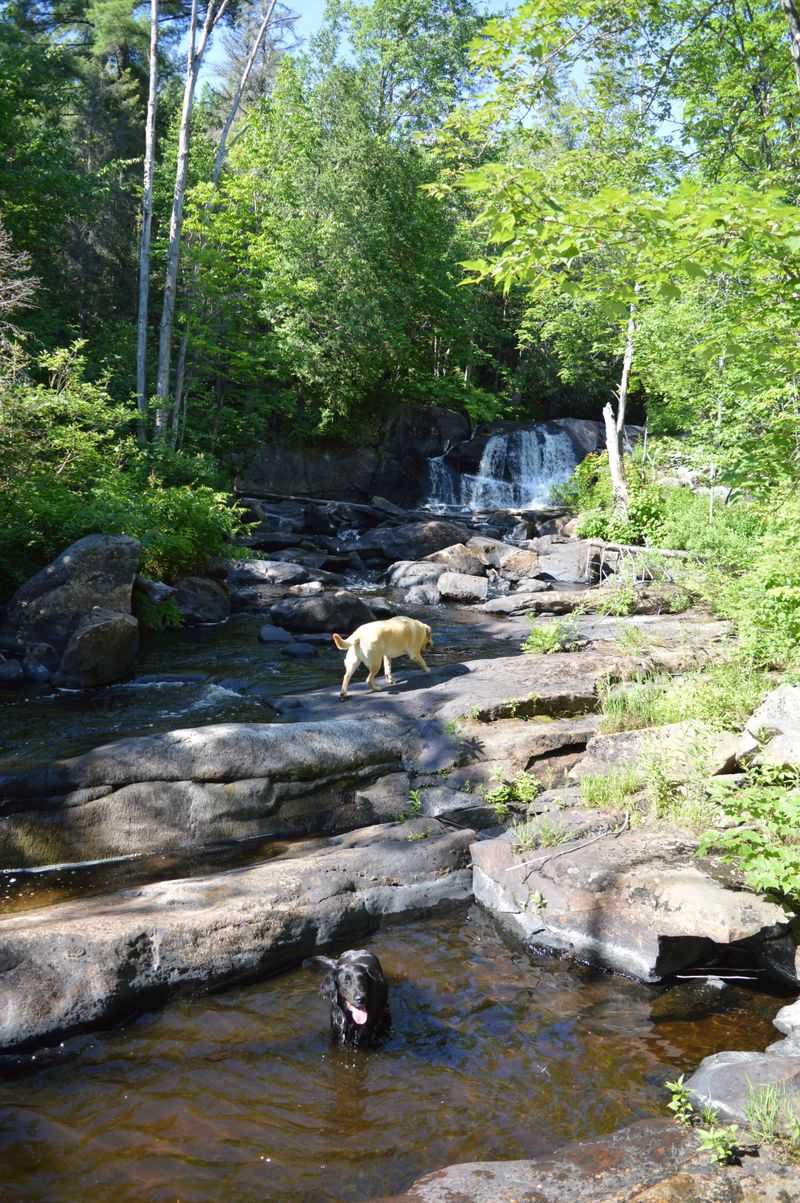
Up north, a quick walk rarely stays quick. Forest trails, logging roads, and rural shoulders invite long outings that can run for miles.
State parks and state forest campgrounds in Michigan generally require a leash no longer than six feet. Trailhead signs list any extra rules.
Plan turnaround times before you start. Cell service thins out fast, so tell someone your route and expected return.
Busy Streets Mean Constant Social Input

Consider how much a city dog processes in ten minutes: strollers, cyclists, delivery carts, and a parade of other dogs.
All that exposure builds confidence in some pups and overwhelm in others. Watch for lip licking, tucked tails, or freezing.
A short leash and a reliable focus cue help enormously. Reward calm choices near distractions, and give nervous dogs extra space rather than forcing greetings.
Dock Time Needs a Watchful Eye
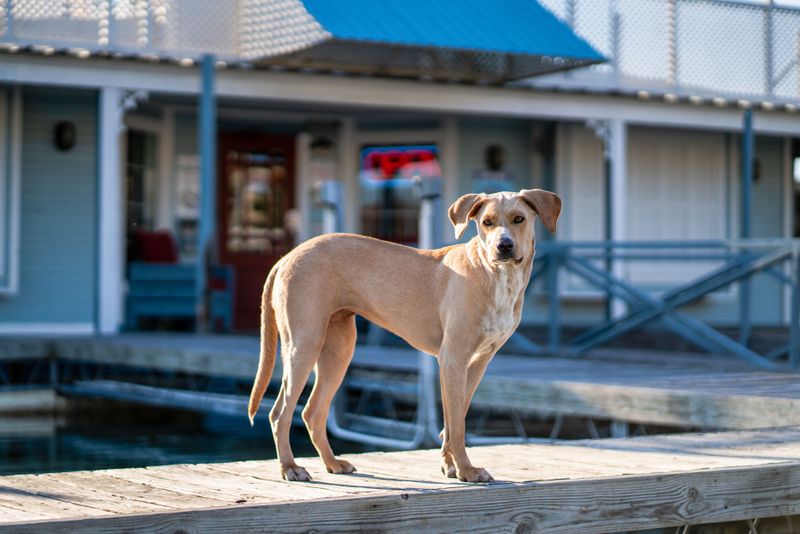
Cottage life hands dogs something rare: hours of unstructured outdoor freedom. That freedom deserves supervision, especially near docks and drop-offs.
Not every dog swims well, and slick dock boards make climbing out tricky. A properly fitted flotation vest adds a real margin of safety.
Teach an easy exit route, whether that is a ramp or a shallow shoreline. Never leave a dog near open water alone.
Wildlife Encounters Rise North of the Bridge
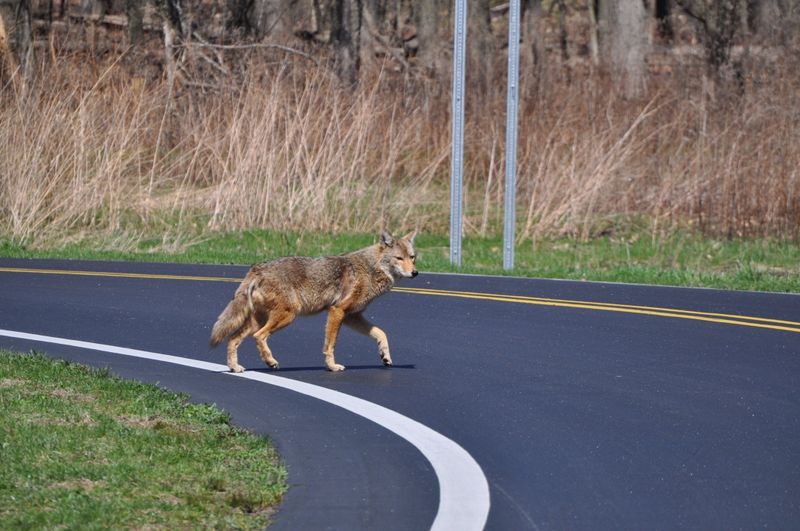
Deer bounding across a two-track. A porcupine ambling near the woodpile.
Black bears passing through at dusk.
The Michigan Department of Natural Resources advises keeping pets from interacting with wildlife, and a leash is your simplest tool.
Porcupine quills are a common reason for northern vet visits, so avoid brushy areas at dawn and dusk. Make noise on trails, and recall your dog before curiosity wins.
Leash Habits Tighten in Unfamiliar Territory
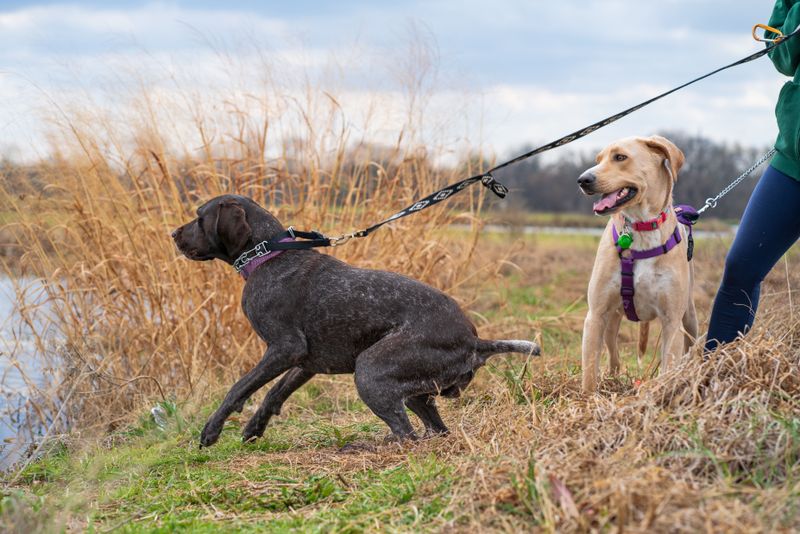
Here is something experienced owners notice: a dog with a perfect recall at home may ignore you completely in new woods.
Unfamiliar scents, terrain, and animals override training. That is why leash discipline usually gets stricter at cottages and in wilderness areas.
Use a fixed-length leash rather than a retractable one on trails. Add a harness for control, and double-check that ID tags are current before you travel.
Nightly Tick Checks Become Non-Negotiable
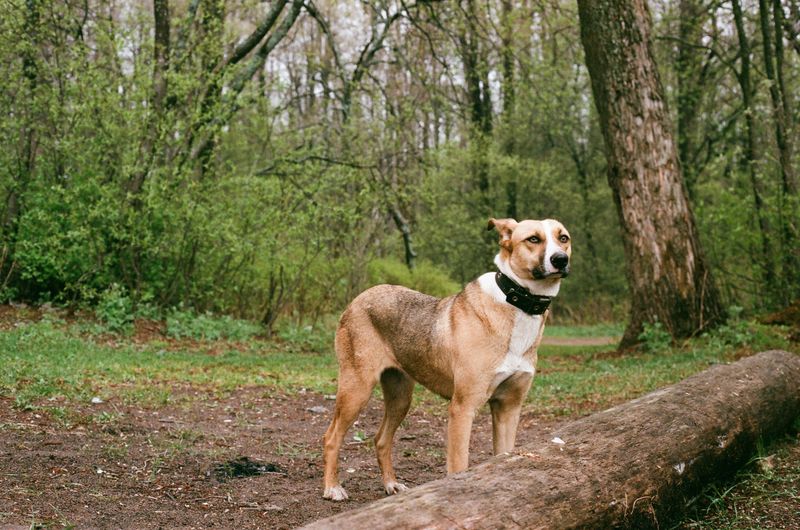
Blacklegged ticks and American dog ticks are both present in Michigan, and they can carry illnesses such as Lyme disease.
Cottage season and northern trips call for a hands-on check every evening. Run fingers through ears, armpits, neck folds, and between toes.
Talk with your veterinarian about year-round preventives before travel. Keep fine-tipped tweezers or a tick tool in your kit, and note the date of any removal.
City Potty Breaks Follow a Predictable Map
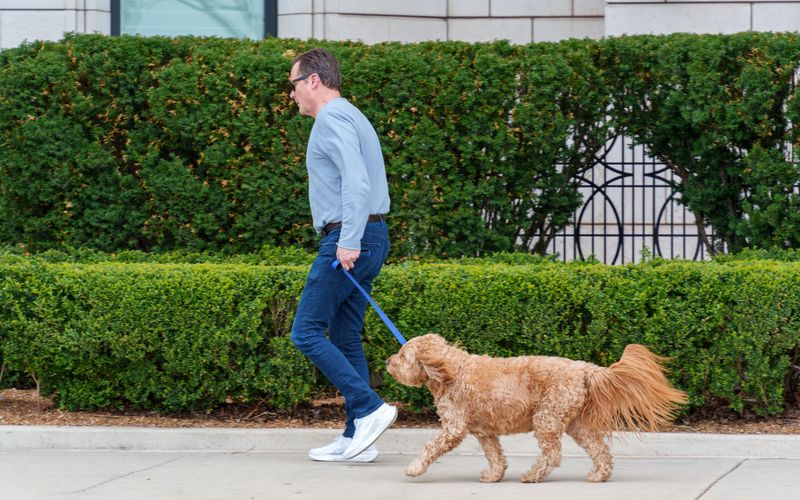
Ask any apartment dweller and they can point to the exact grass strip their dog prefers. City routines revolve around those reliable spots.
Designated relief areas, tree lawns, and fenced yards keep things simple and quick.
Cleanup is expected everywhere, and many Michigan communities have local ordinances requiring it. Carry more bags than you think you need, especially during longer evening walks or unexpected detours.
Woodland Bathroom Trips Call for a Quick Scan
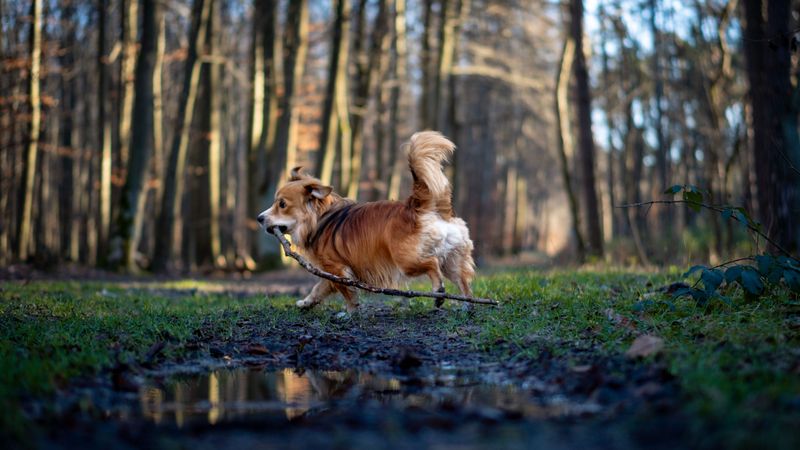
At the cottage, the backyard is often the forest itself. A ten-second scan before letting your dog wander pays off.
Look for tall grass where ticks wait, fresh animal signs, and plants you cannot identify. Michigan has several plants that are irritating or harmful if chewed.
Keeping a mowed path near the cottage helps. Dogs use it happily, and you spend less time picking burrs out of fur.
Swimming Turns Into a Daily Sport
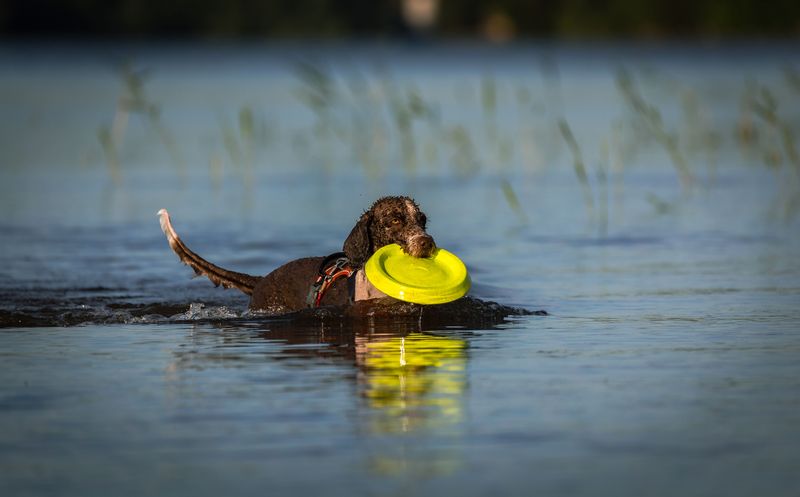
Some dogs discover water in June and never look back. Summer near Michigan lakes can turn swimming into a daily habit.
Many state parks offer pet-friendly shoreline areas, though rules differ by park and by beach section.
Watch for currents on the Great Lakes, and rinse eyes after murky water. Offer fresh drinking water often, since lake-swimming dogs frequently gulp more than they should.
Rinse, Towel, Repeat After Shoreline Fun
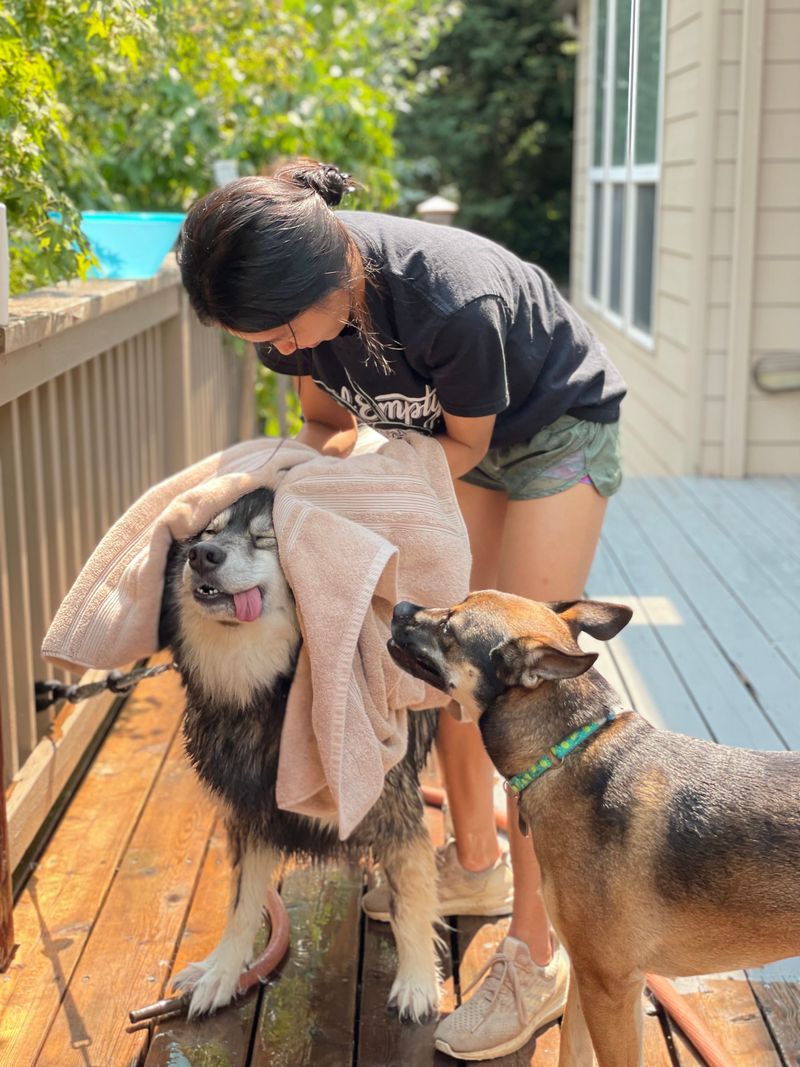
Sand, mud, and lake water make a mess that goes beyond the floor. Trapped moisture can irritate skin and set up ear trouble.
A quick freshwater rinse removes grit, and a thorough towel dry handles the rest. Pay attention to ears, belly, and the spaces between toes.
Floppy-eared breeds benefit most. Ask your veterinarian which ear cleaner suits your dog before swimming season begins.
Upper Peninsula Packing Lists Get Serious
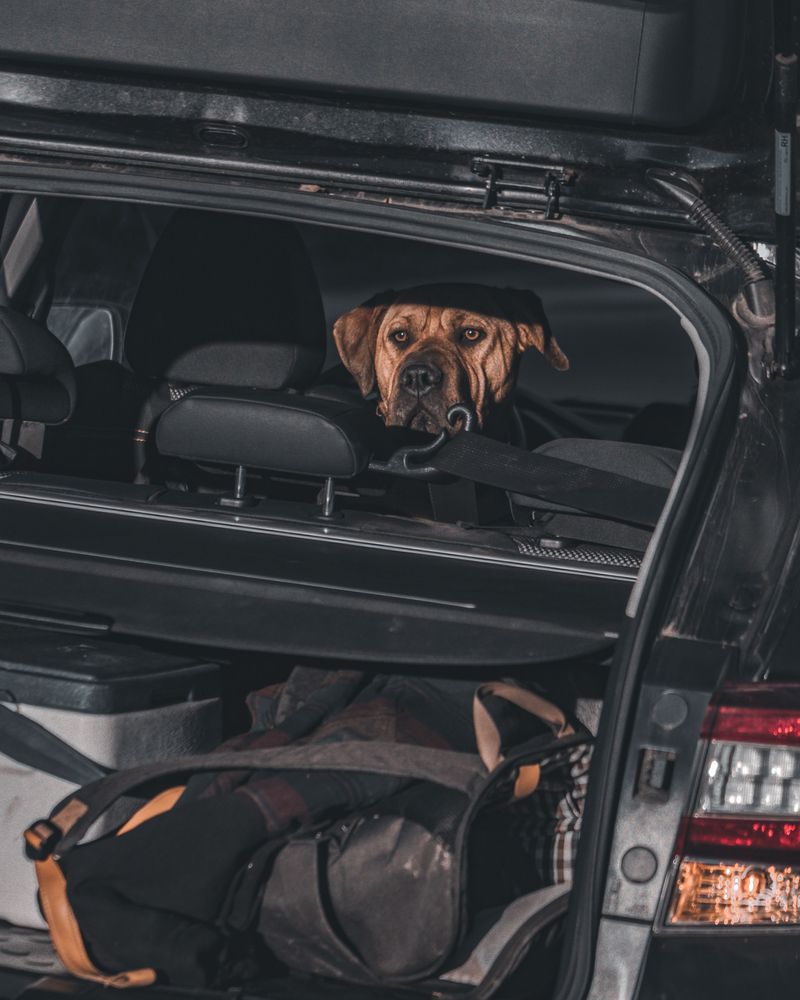
Remote country rewards preparation. A U.P. day trip usually means hauling more water, extra food, and a real canine first-aid kit.
Include bandage material, tweezers, a paw balm, and any medications your dog takes. Add a spare leash, since gear fails at inconvenient moments.
Collapsible bowls weigh almost nothing. Download offline maps too, because a wrong turn feels much longer without directions.
Urban Pet Services Sit Minutes Away
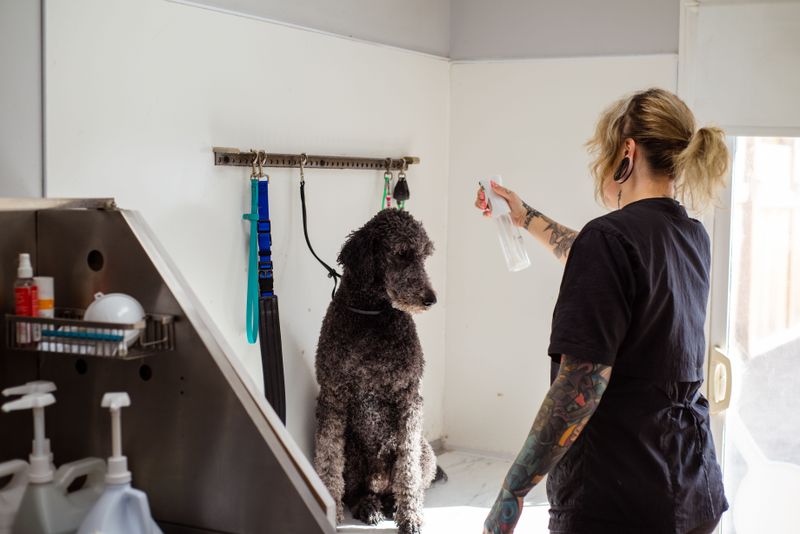
Convenience is an underrated perk of city living. Groomers, supply shops, general practice clinics, and around-the-clock emergency hospitals cluster in metro areas.
Same-day appointments are often possible, and refills take one short drive.
Use that access wisely. Schedule preventive care, vaccines, and parasite protection before travel season, so your dog leaves town fully covered rather than needing help somewhere far from help.
Rural Vet Planning Happens Before You Leave
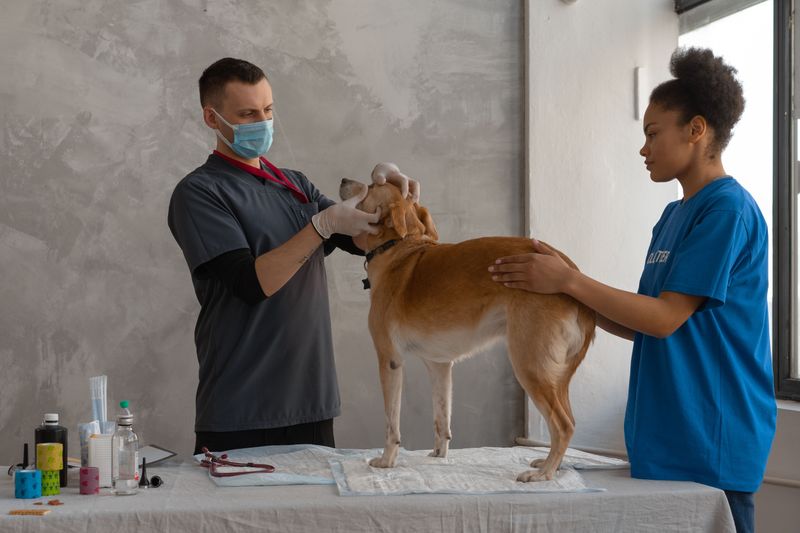
Clinic coverage thins as you head north. Some communities have limited hours, and the nearest emergency service may be an hour or more away.
Before the trip, save two clinic numbers along your route. Note which ones handle after-hours cases and what their procedure is.
Bring a copy of vaccination records and medication details. That small bit of homework removes a lot of guesswork later.
Kibble Storage Gets an Upgrade at the Cottage
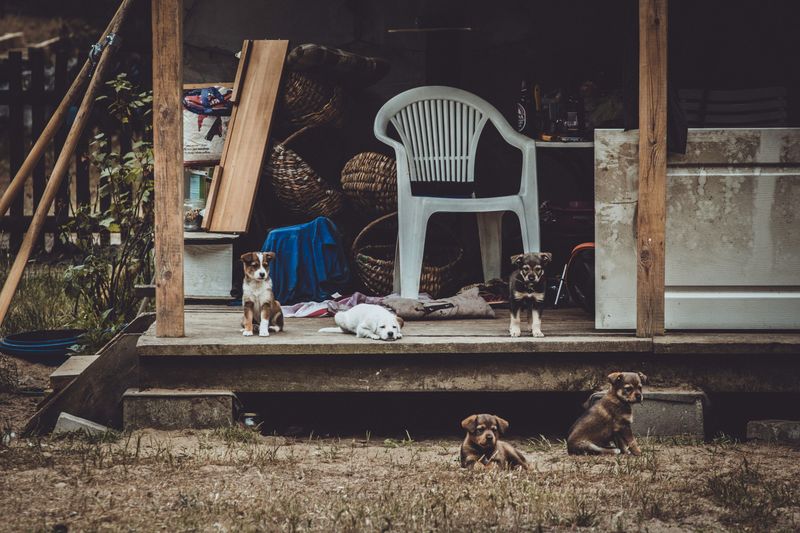
Open bags on a cottage porch send an invitation. Raccoons, mice, and the occasional bolder visitor follow their noses.
Store food in a sealed, sturdy container, preferably indoors. Pick up bowls after meals rather than leaving food out all afternoon.
Sweep up spilled kibble near the deck too. Keeping the feeding area tidy is the easiest way to avoid unwanted overnight guests.
After Dark, Visibility Gear Does the Heavy Lifting
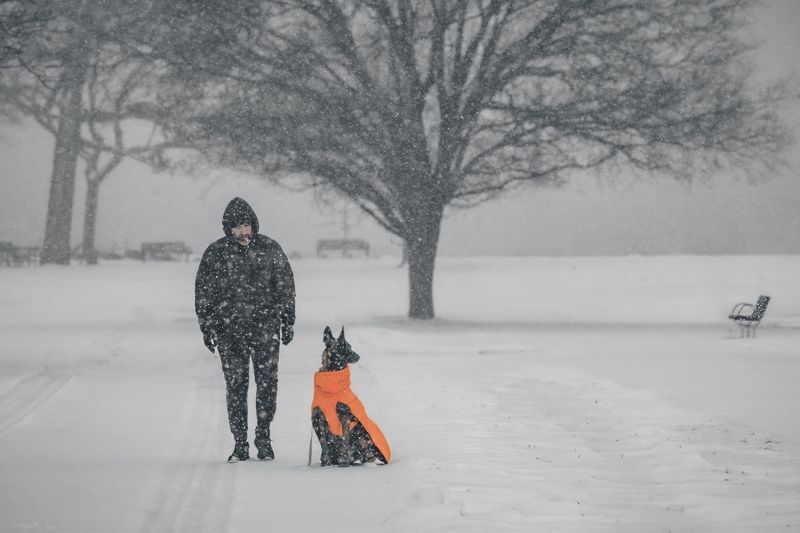
Streetlights spoil us. In the city, an evening stroll stays bright enough for drivers to spot you easily.
Cottage roads and U.P. shoulders offer no such luxury. Darkness there is genuinely dark.
Clip a light to the collar, wear a reflective vest yourself, and carry a headlamp. Walk facing traffic when there is no shoulder, and keep the leash short near curves.
Weather Swings Reshape the Whole Day
Michigan hands dogs two very different challenges. July means hot sand, warm pavement, and overheating risk, so shift walks to morning or evening and offer shade and water.
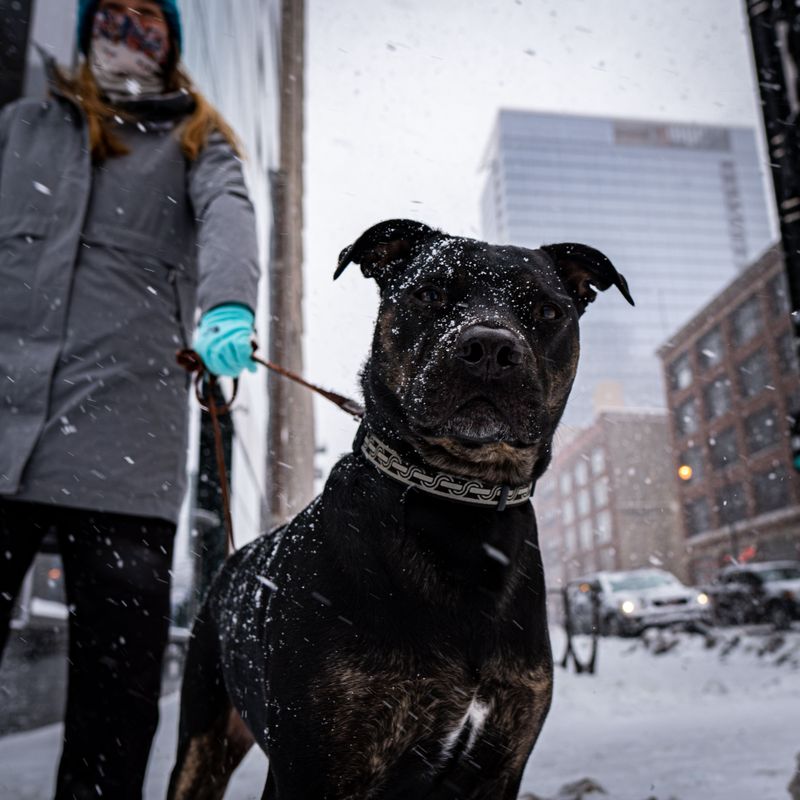
Northern winters flip the script. Salt, ice balls between toes, and biting wind call for booties, a coat for thin-coated dogs, and shorter outings.
Check pavement with your hand first. If it feels hot, wait.
Car Time Becomes a Routine of Its Own
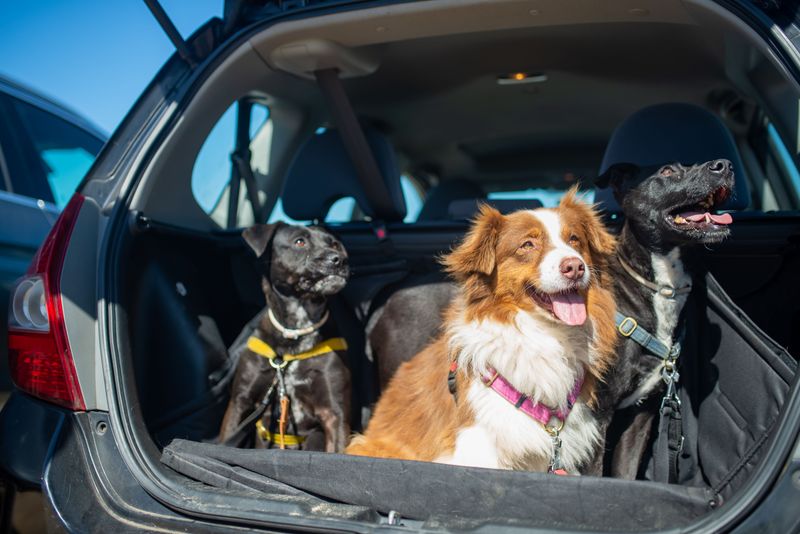
Dogs that split time between home, cottage, and the U.P. log serious highway miles. Comfort in the car matters as much as any walk.
Michigan does not have a specific canine seat belt statute, though an unrestrained pet can distract a driver.
A secured crate or a tested harness in the back seat is safest. Plan stops every few hours for water and a stretch.