19 Florida Condo Problems To Solve Before Bringing Home A Puppy

Bringing a puppy into a Florida condo is a joy, but it works best when the paperwork and the practical details are handled first. Condo rules, hot pavement, hurricane season, and shared hallways all shape daily life with a young dog.
The good news is that every one of these hurdles has a simple, workable solution. Here are 20 things worth sorting out before those little paws walk through your door.
1. Confirm Pets Are Actually Allowed
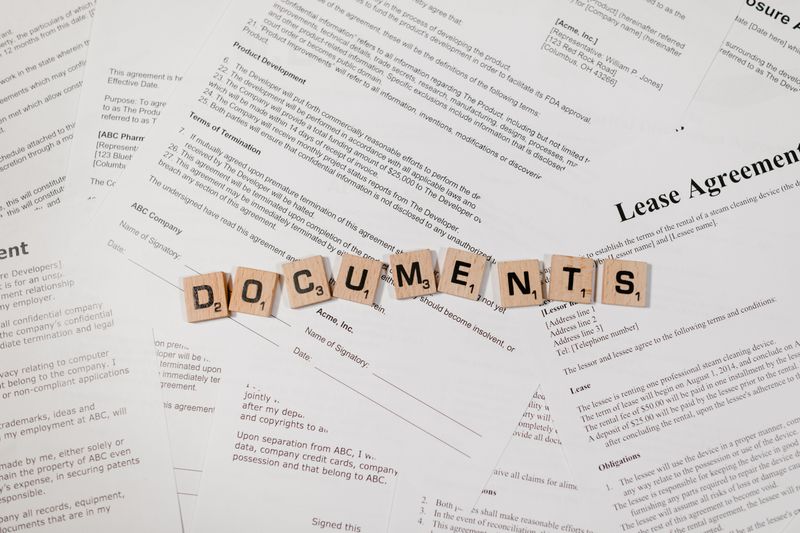
Start with the document that outrules everything else: the Declaration of Condominium. Some Florida buildings permit pets freely, others restrict them, and a few prohibit them entirely when the declaration says so.
Listings and casual conversations go stale fast. Ask the association or property manager for the current written pet policy in writing.
Rules differ building to building, even on the same street. Ten minutes of verifying now saves months of stress later.
2. Breed Rules Still Live In Governing Documents

Here is a detail that surprises many buyers. A Florida law effective October 1, 2023 stops local governments and public housing authorities from adopting breed-specific rules.
Private condo associations may still keep breed restrictions in their own documents.
Those restrictions often trace back to insurance underwriting. Commonly listed breeds include Pit Bulls, Rottweilers, and Dobermans.
Approved service animals and emotional support animals are generally exempt under federal and Florida law.
3. Check The Weight Cap Against Adult Size

Puppies grow, and condo scales do not care how cute they were at twelve weeks. Florida weight limits commonly land between 20 and 60 pounds, and some upscale buildings set caps closer to 15.
Certain communities cap the combined weight of all pets instead of each animal.
Ask your veterinarian for a projected adult weight before you commit. Associations can require removal if a dog later exceeds the limit.
4. How Many Pets Per Unit
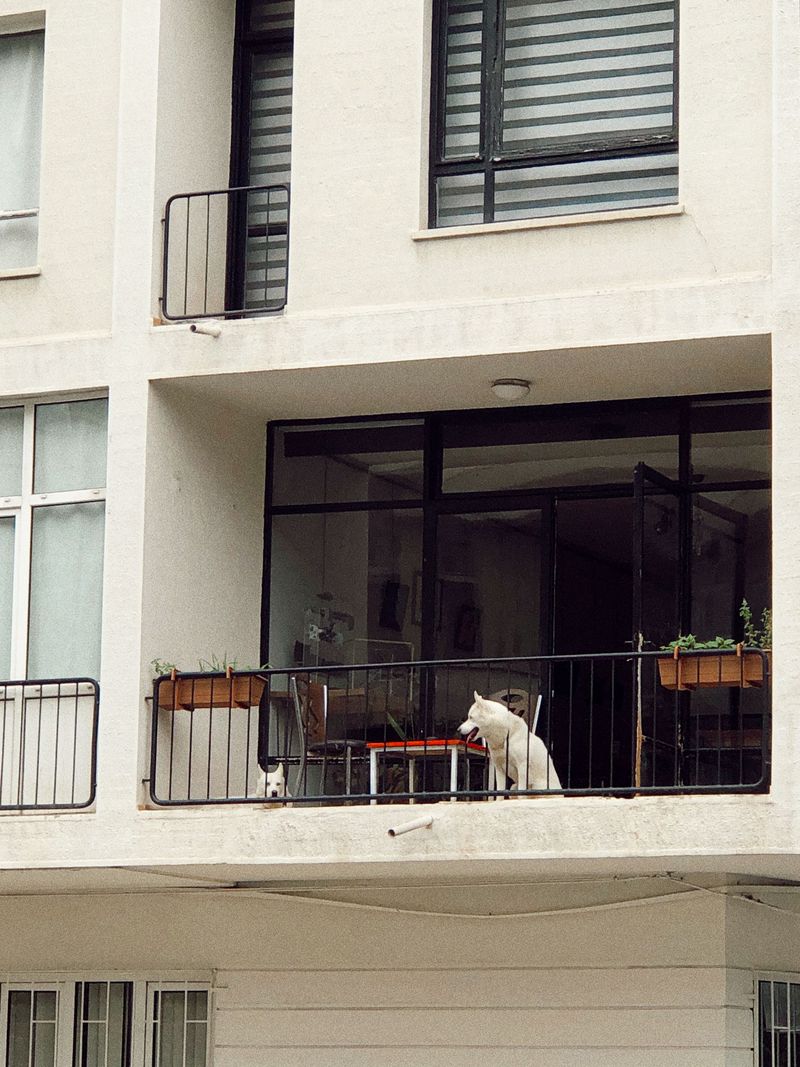
Many associations cap the number of animals per home, and two domestic pets is a frequent limit. If you already share space with a cat or an older dog, that new puppy may push you over the line.
Renters face a second layer, since the lease and landlord policy also apply.
Count your current household honestly, then read the exact wording before falling in love with a litter.
5. Registration And Approval Come First

Plenty of Florida buildings want the puppy approved before it ever rides the elevator. Applications often ask for photographs, veterinary records, proof of vaccination, and a fee.
Request the pet addendum directly from the management office rather than relying on secondhand summaries.
For an emotional support animal, a formal request with documentation from a qualified healthcare provider is the proper route. Submitting early keeps move-in day calm and uncomplicated.
6. Budget For Deposits, Fees, And Pet Rent

Money questions deserve daylight. Florida associations and landlords may collect refundable pet deposits and non-refundable pet fees, and some add recurring monthly pet rent.
Short-term rental hosts often charge pet fees around 5 to 15 percent of the nightly rate.
One firm exception matters: associations cannot charge deposits, fees, pet rent, or surcharges for approved service animals or emotional support animals. Get every figure in writing.
7. Ask About Insurance Expectations

Insurance quietly shapes a lot of pet rules. Underwriting requirements are a common reason associations restrict certain breeds in the first place.
Some landlords also build liability or pet insurance requirements into a lease or pet agreement.
Call your own insurer and ask whether dog liability is covered under your policy, then confirm what the association expects. Requirements vary, so verify with management rather than assuming anything.
8. Leash Rules In Shared Spaces

Hallways, lobbies, and elevators count as common areas, and most pet policies require a leash there at all times. Retractable leads are often discouraged in tight spaces.
A short four-foot leash gives you control when the doors open unexpectedly.
Practice calm sits before elevator rides, since neighbors remember a polite puppy. The specific wording lives in your association’s governing documents, so read that section closely.
9. Locate The Designated Relief Area
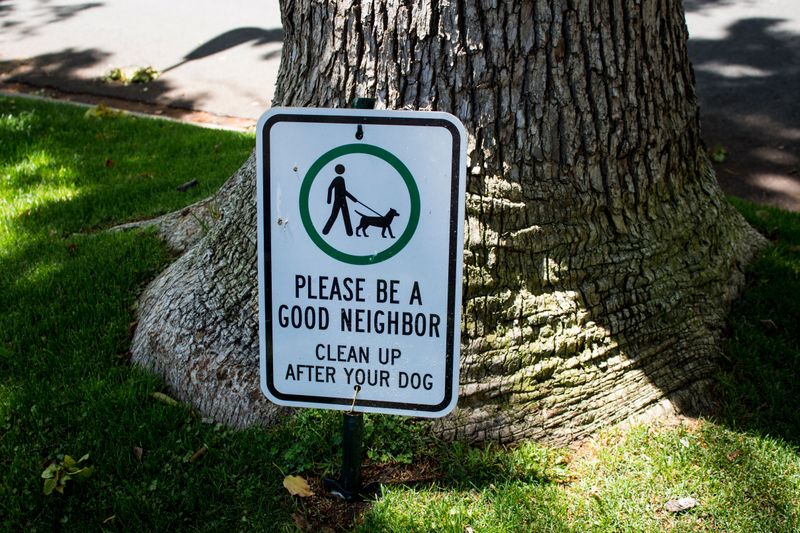
Housetraining goes smoother when the destination is fixed. Many Florida communities designate specific pet relief zones and mark them with signs.
Walk the route yourself before the puppy arrives and time how long it takes from your door.
If the approved patch sits far away, an indoor grass pad can bridge the gap during those early weeks. Using the same spot daily builds the habit remarkably fast.
10. Waste Cleanup Is Non-Negotiable
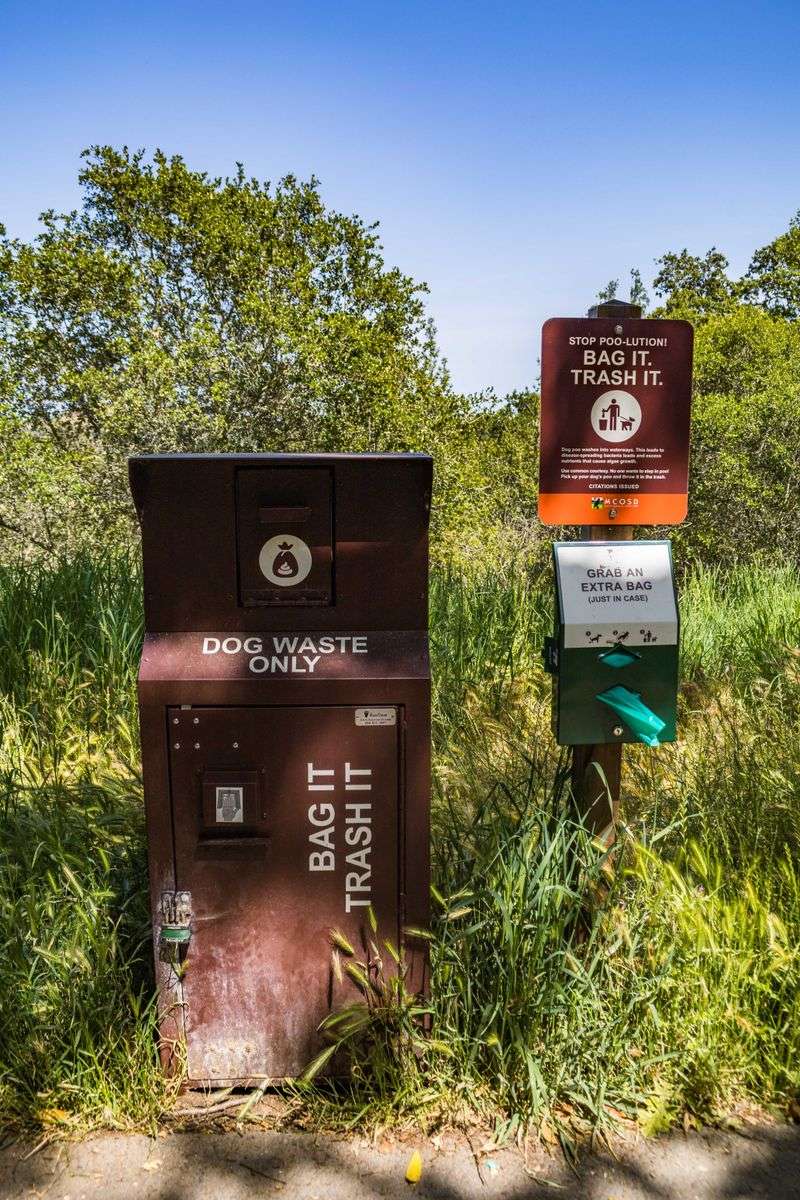
Nothing sours neighborly goodwill faster than a missed cleanup. Condo policies almost always require immediate pickup in common areas, and violations can bring warnings or fines.
Clip a bag dispenser to the leash so you are never caught short.
Some communities now use DNA registration programs to trace repeat offenders. Consistent cleanup controls odors in humid weather and keeps shared lawns pleasant for everyone using them.
11. Understand How Barking Complaints Are Handled
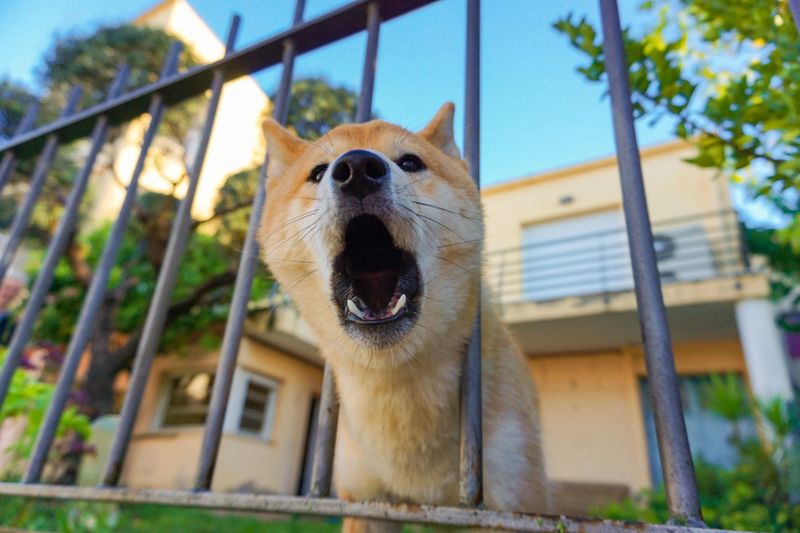
Sound carries through shared walls, and barking is among the most common triggers for pet complaints in condo life. Enforcement strength varies widely between associations.
Ask how complaints are documented and what steps follow a first report.
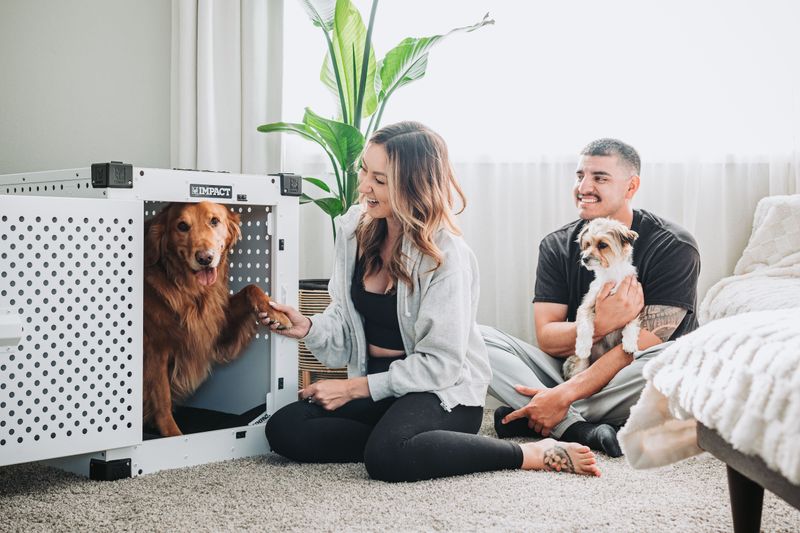
Meanwhile, teach settling early with crate training, food puzzles, and short absences that build confidence. A puppy who feels secure alone barks far less, which protects both your peace and theirs.
12. Secure The Balcony, Lanai, And Screens

Screened lanais look enclosed, yet a determined puppy can push through mesh in seconds. Railing gaps are another weak point on older Florida balconies.
Add a mesh barrier or panel and check that sliding doors latch fully.
Never leave a young dog outside unsupervised on an upper floor. Also confirm with management whether balcony modifications need approval, since exterior changes often do in condo buildings.
13. Plan For Endless Elevator Trips

Young puppies may need outdoor breaks every couple of hours, and a twelfth-floor unit turns that into real logistics. Carrying a small puppy to the ground floor prevents accidents on the way.
Keep a leash, bags, and shoes staged by the door for speed.
Learn the stairwell route as a backup. Setting an alarm for scheduled breaks builds a rhythm both of you can rely on.
14. Beat The Florida Heat On Walks
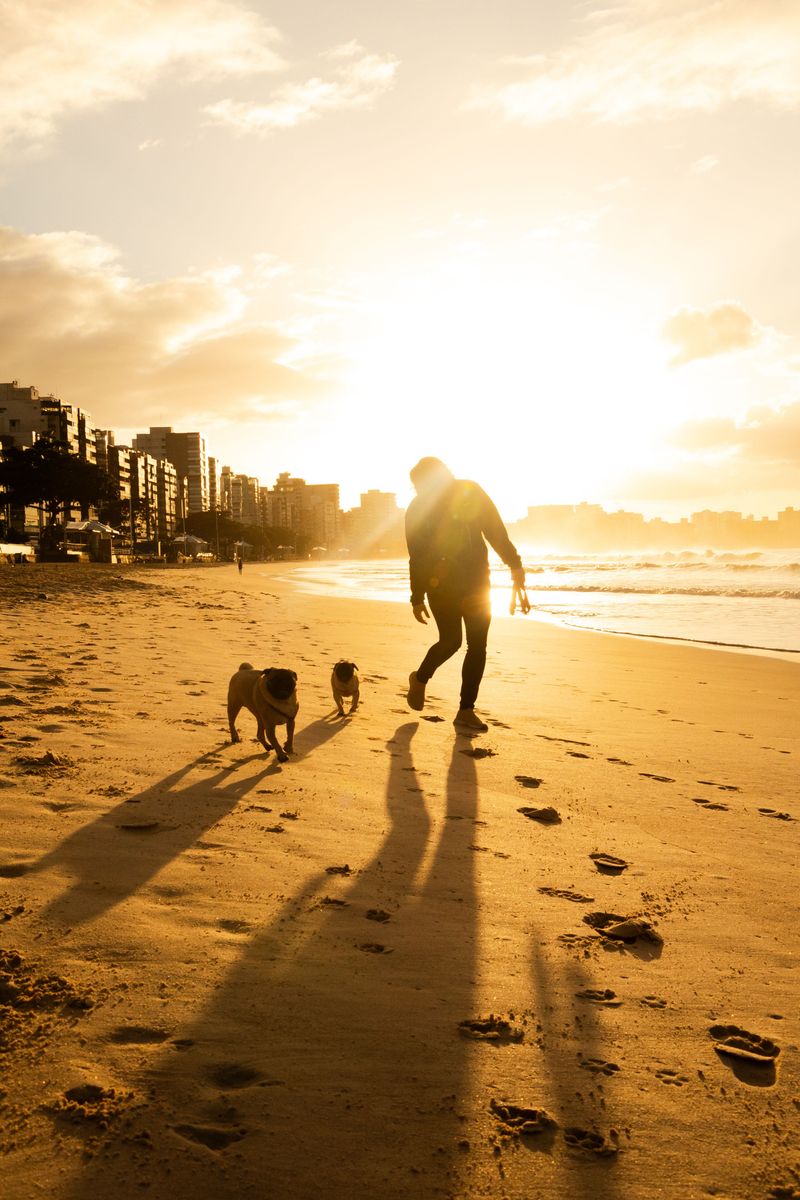
Summer sidewalks get hot enough to hurt paw pads within seconds. Skip walks between roughly 10 a.m. and 4 p.m., choosing early morning or after sunset instead.
Press your palm to the pavement first. If you cannot hold it comfortably for seven seconds, neither can your puppy.
Stick to grass and shade, carry cool water, and rest often. Puppies and flat-faced breeds overheat especially quickly.
15. Map The Water Near Your Walking Routes
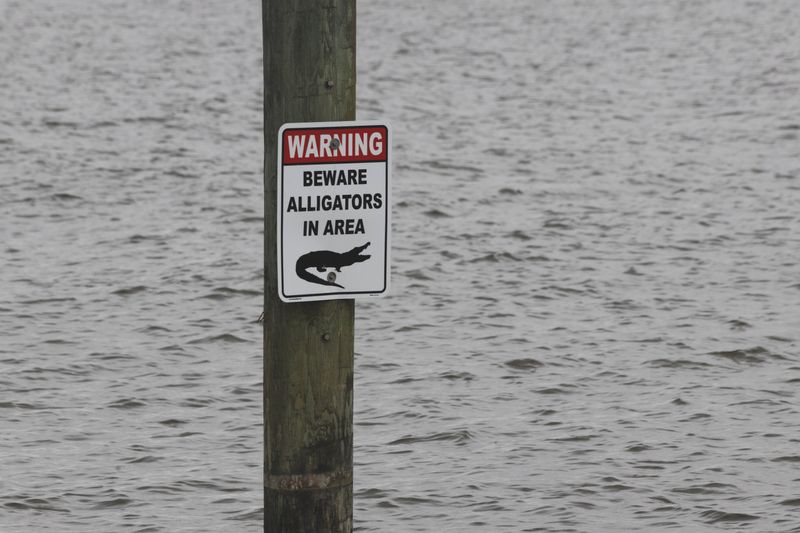
Retention ponds, canals, and lakes are everywhere in Florida communities, and alligators live in all 67 counties. Wildlife officials advise treating any fresh or brackish water as potential habitat.
Keep your puppy leashed and well back from the water’s edge, especially at dawn and dusk.
Never let a young dog wade or drink from these areas. Choose walking paths that stay away from shorelines entirely.
16. Build The Hurricane Evacuation Plan Early

Hurricane season runs June 1 through November 30, so plan well before a storm forms. Most Florida counties operate at least one pet-friendly public shelter, though space is limited and required supplies apply.
Rules differ locally. Monroe County offers pet shelters only for Category 1 and 2 storms, while Miami-Dade requires no pre-registration but examines arriving pets.
Identify inland pet-friendly lodging now, and always evacuate together.
17. Prepare For Outages And Stalled Elevators
When power drops, high-rise elevators stop, and stairs become your only route down. Practice carrying your puppy a few flights while conditions are calm.
If you shelter at home, set up a quiet interior room away from windows and keep the puppy crated near family.
Stock water, food, and a flashlight there. Remember that responders may be unable to reach residents until weather improves.
18. Ask What Gets Sprayed On The Grass
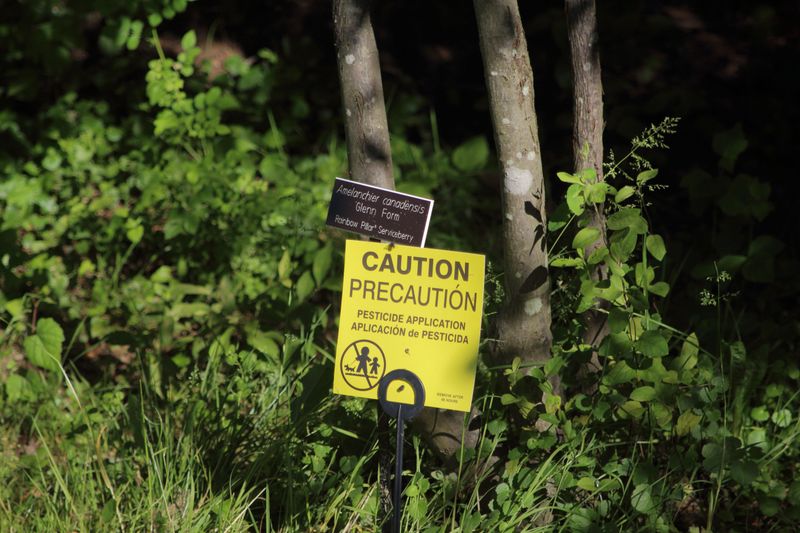
Shared lawns get fertilized, treated for weeds, and sprayed for pests on a schedule most residents never see. Request that calendar from management and ask for advance notice of applications.
Look for small warning flags before letting your puppy sniff or roll.
Rinse paws after walks near freshly treated turf. If you have questions about a specific product, your veterinarian can advise on safe re-entry timing.
19. Line Up Backup Care Before You Need It
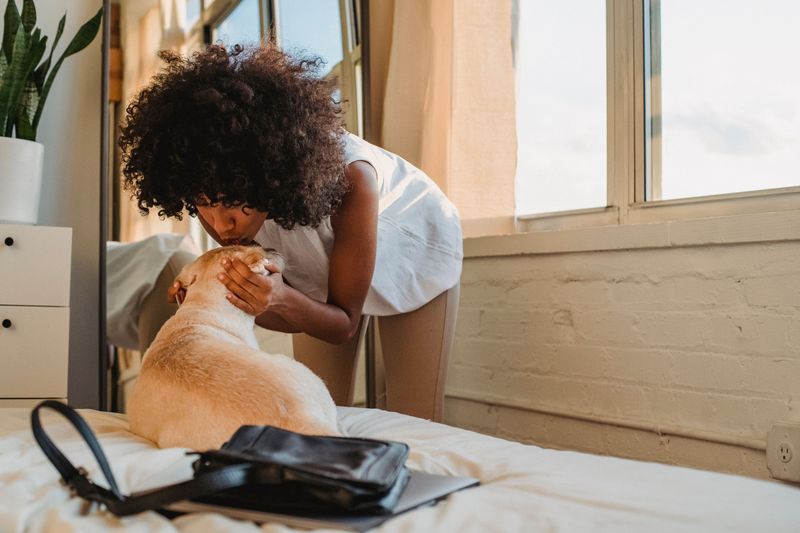
Maintenance visits, traffic jams, and unexpected work days all happen. Arrange a trusted neighbor or a reliable pet sitter who can step in with a spare key.
Keep a grab-and-go kit ready: five to seven days of food and water, medications, records, carrier, leash, and ID tags.
Microchip your puppy and keep the registration current. A photo of the two of you helps confirm ownership if you are separated.