19 Florida Poolside And Patio Foods Dog Owners Should Keep Off Low Tables
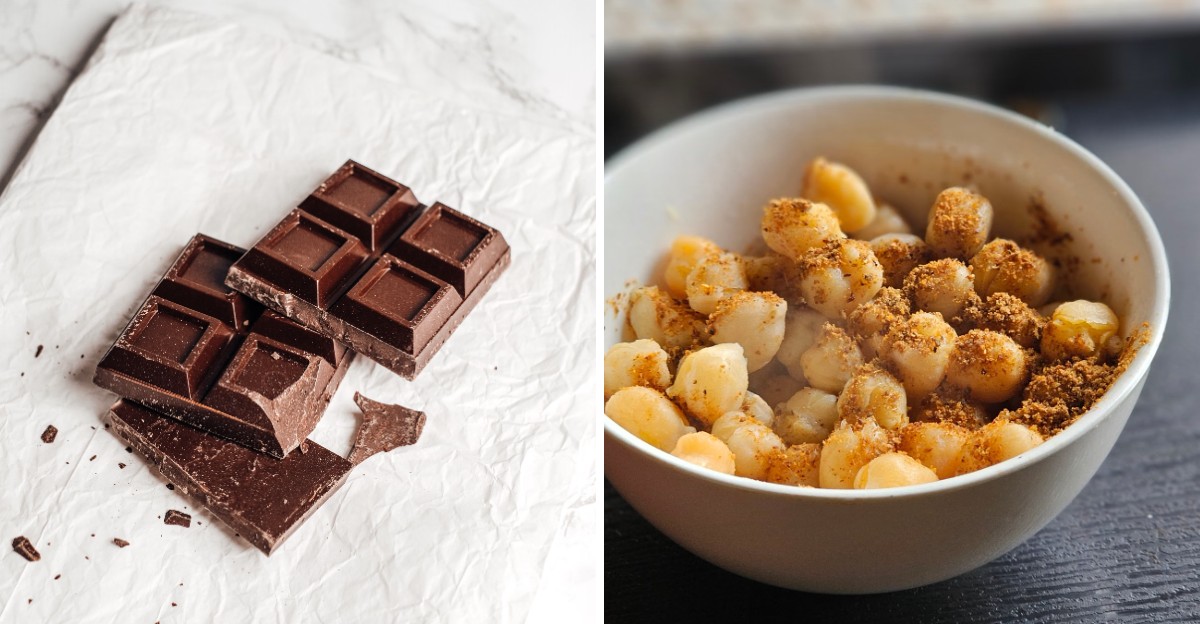
Florida patio season never really ends, which means snacks on low tables all year long. Your dog notices every plate, and a quick nose is faster than any reaching hand.
Most of these foods are fine for people, yet several can upset a dog or cause real health trouble. Knowing which ones deserve a higher shelf makes hosting easier and calmer.
Here is a friendly guide to the items worth moving out of paw’s reach.
1. Grapes
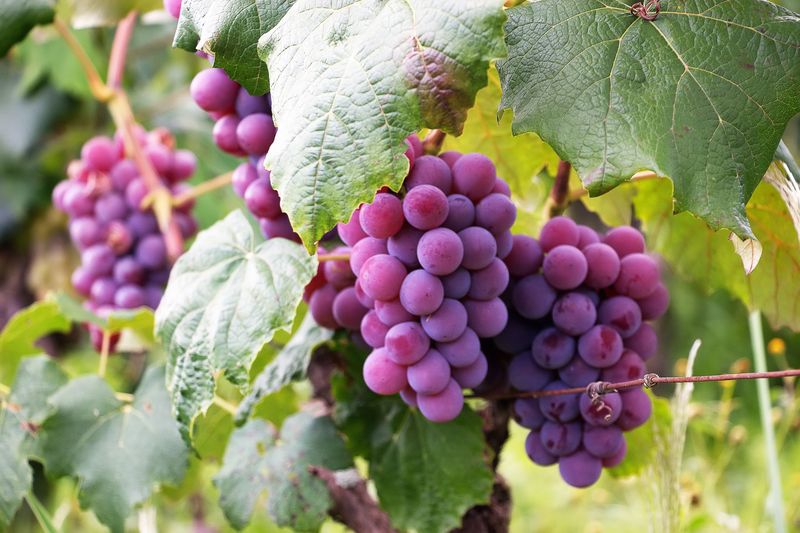
That chilled fruit bowl by the pool looks harmless, yet grapes are among the trickiest foods for dogs. Veterinarians still have not pinned down the exact toxic compound.
Even small servings have been linked to sudden kidney problems in some dogs. Warning signs may show up within 6 to 24 hours: vomiting, loose stool, low energy, or skipped meals.
Call your veterinarian right away if any are eaten. Serve grapes at counter height instead.
2. Raisins
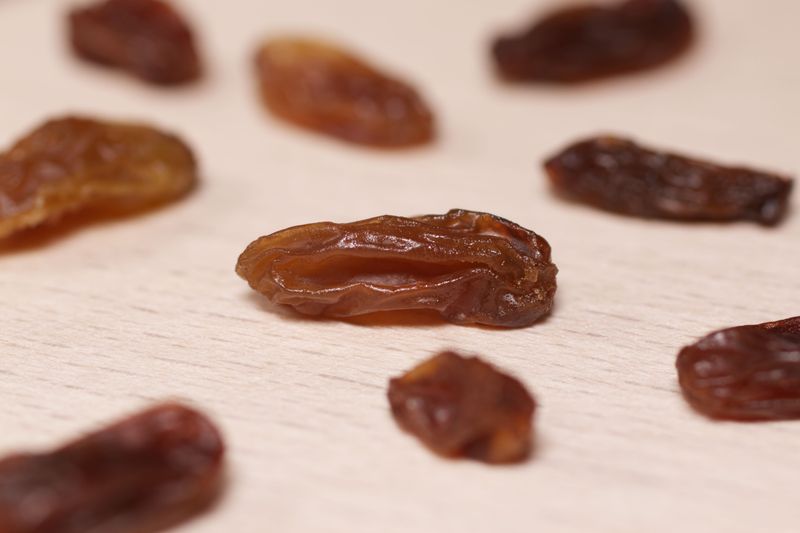
Trail mix, oatmeal cookies, and snack boxes all hide raisins, which makes them easy to overlook. Dried grapes carry the same risk in a more concentrated form by weight.
Kidney trouble is the main concern, and symptoms often include vomiting, tiredness, or refusing food within hours.
Later, you might notice extra thirst or fewer bathroom trips. Prompt veterinary care matters most here, so make the call rather than waiting things out.
3. Chocolate
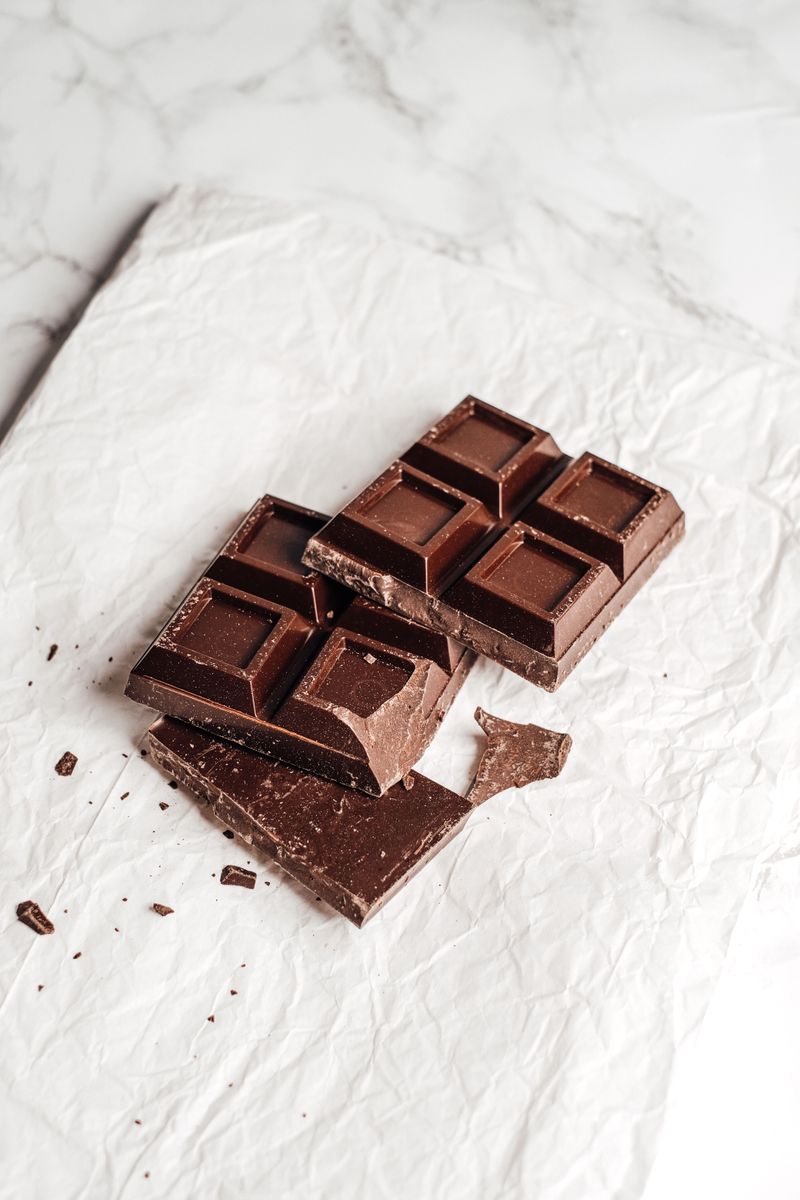
Poolside desserts melt fast in Florida heat, and a soft brownie is awfully tempting to a patient dog. Chocolate contains theobromine and caffeine, and dogs process both very slowly.
Darker products such as baking chocolate and cocoa powder pack the highest concentration.
Watch for vomiting, extra thirst, panting, restlessness, or a racing heartbeat. Contact your veterinarian or a pet poison control line promptly, and mention the type and amount eaten.
4. Sugar-free gum
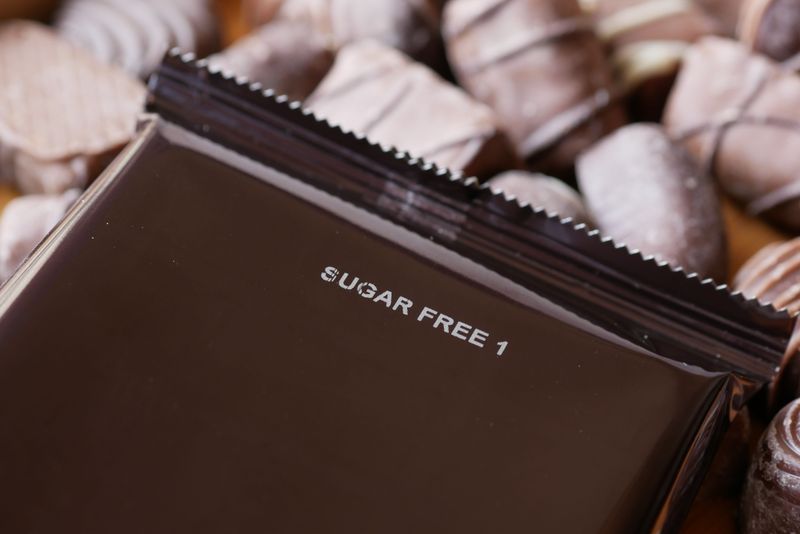
Gum packs slide out of pockets and land on cushions constantly. Many sugar-free brands contain xylitol, which affects dogs very differently than people.
Xylitol can trigger a rapid drop in blood sugar and, in larger amounts, liver injury.
Signs sometimes appear within 30 minutes: weakness, wobbliness, vomiting, or tremors. Because reactions move quickly, treat any suspected gum chewing as urgent and call your veterinarian immediately for guidance.
5. Sugar-free candy and desserts
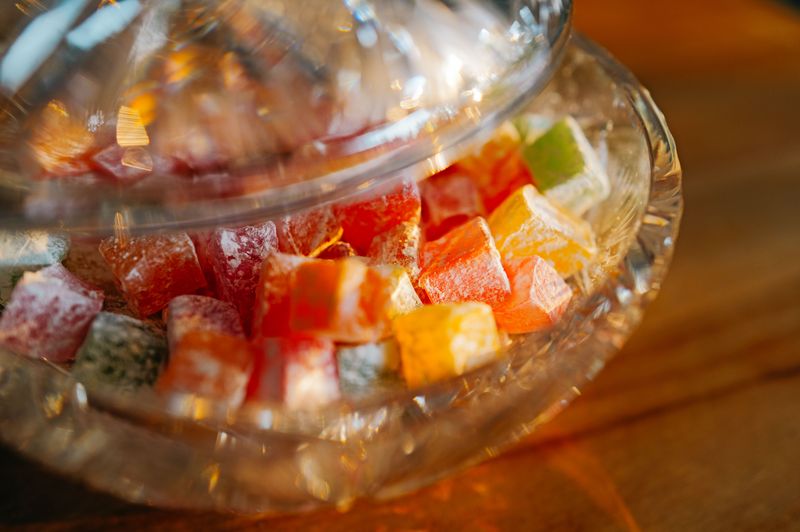
Guests bringing sugar-free treats usually mean well, especially at a health-minded cookout. Trouble is, xylitol hides in candies, cookies, puddings, and protein bars.
Labels sometimes list it as birch sugar or a sugar alcohol, so a quick ingredient scan helps.
Affected dogs may seem weak, uncoordinated, or nauseated, and seizures are possible in serious cases.
Keep these plates indoors or on a high surface, and tell guests why it matters.
6. Peanut or nut butter containing xylitol
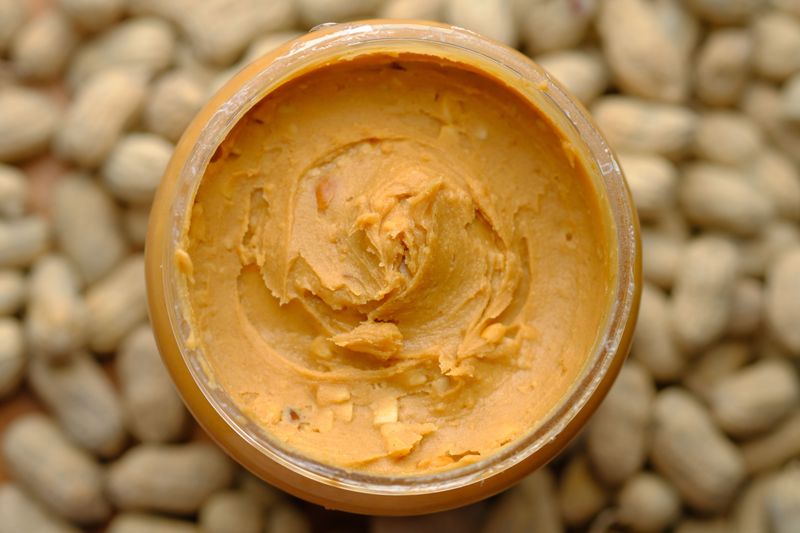
Plain peanut butter earns its reputation as a favorite dog treat, and most jars are fine in small amounts. Certain specialty and sugar-free versions, though, sweeten with xylitol.
That single ingredient changes everything, since it can cause blood sugar to fall sharply and may harm the liver.
Flip the jar over and read the label before scooping any for your dog.
When xylitol appears, store that jar well out of reach.
7. Onion-topped burgers and sandwiches
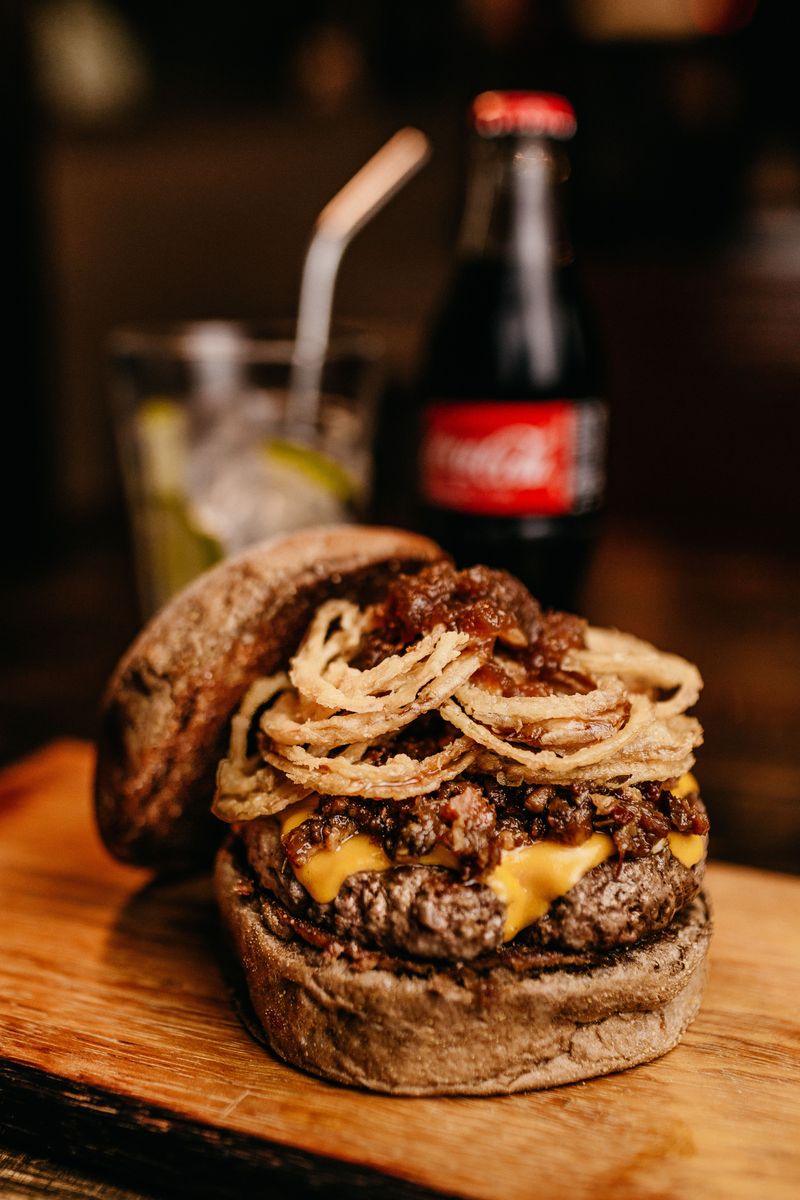
Grill day sandwiches often come loaded with raw or grilled onion. Onions belong to the Allium family, and their compounds can damage a dog’s red blood cells.
Every form counts: raw, cooked, dried, and powdered, including onion soup mix.
Symptoms such as vomiting, belly discomfort, weakness, or pale gums may show up days later, which makes the link easy to miss.
A plain unseasoned bite is the safer sharing option.
8. Garlic-heavy dips, sauces, and marinades
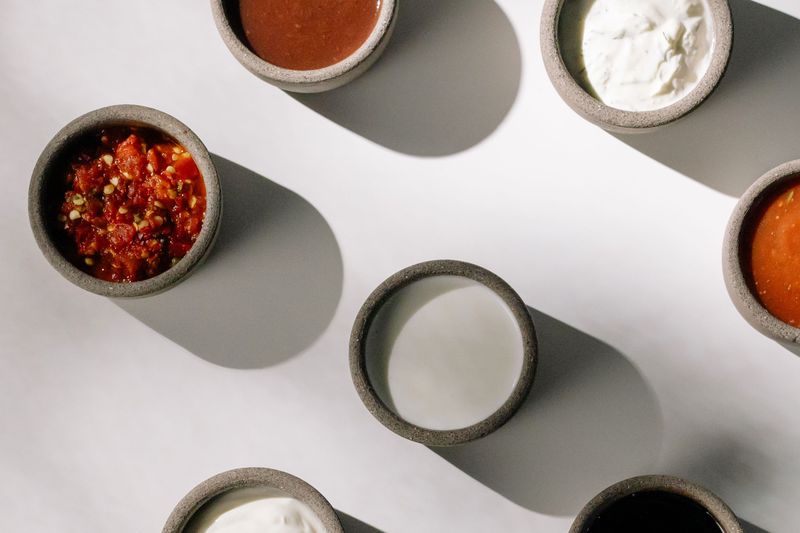
Here is a detail many owners miss: garlic affects dogs in every form, including powder, paste, and flavored oil. Its sulfur compounds can harm red blood cells, leading to anemia.
Marinated ribs, garlic aioli, hummus, and creamy dips all fall into this group.
Possible signs include vomiting, tender belly, tiredness, pale gums, and a faster heartbeat, sometimes appearing days later.
Ring your veterinarian for advice if a dip bowl gets raided.
9. Foods containing chives
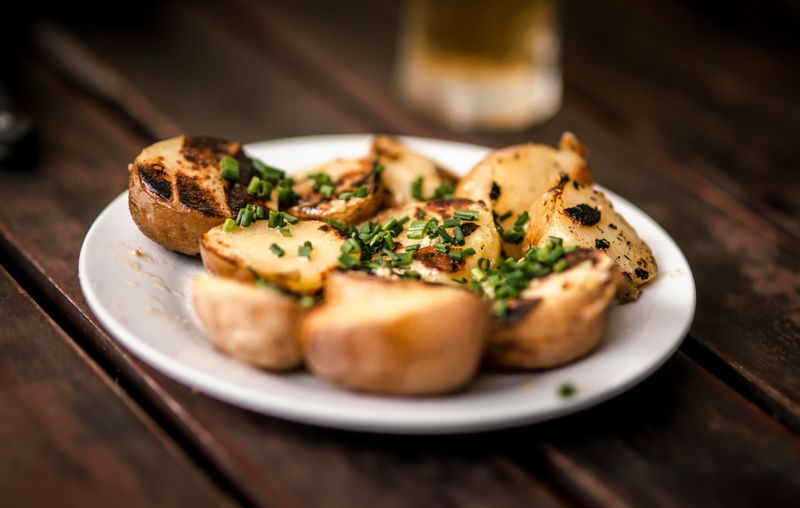
Chives sneak into potato salad, baked potatoes, cream cheese spreads, and herb butters. Like their Allium cousins, they can cause oxidative damage to a dog’s red blood cells.
Early signs tend to be mild: drooling, nausea, loose stool, or stomach ache.
Delayed changes may include weakness, pale gums, a quicker pulse, or unusually dark urine.
Chopped herbs blend in visually, so check side dishes before setting them on a low table.
10. Macadamia nuts
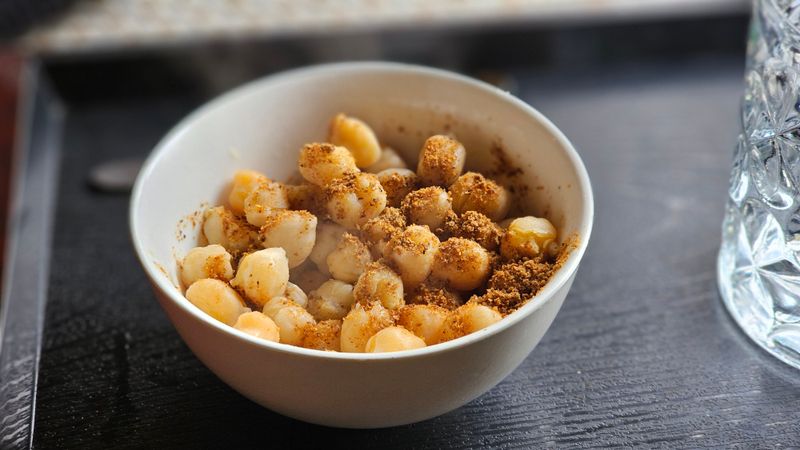
Cookies and tropical snack mixes made with macadamia nuts show up often at Florida gatherings. Researchers still have not identified why these particular nuts affect dogs.
Effects usually appear within 12 hours and may include hind leg weakness, wobbliness, low mood, vomiting, tremors, or a raised temperature.
Most dogs improve within 12 to 48 hours with veterinary support.
High fat content adds a pancreatitis concern, so call your clinic for direction.
11. Fatty burgers, hot dogs, and meat scraps
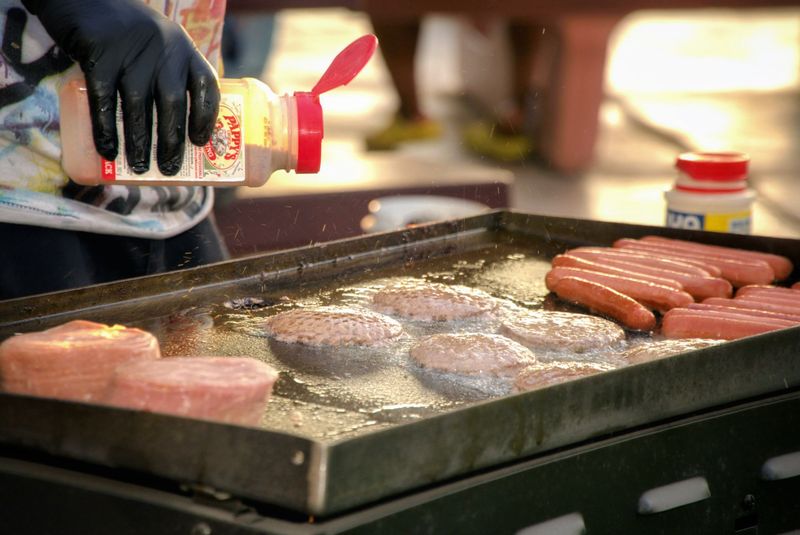
Nothing draws a dog closer than a plate of grilled leftovers. Rich, greasy scraps can bring on digestive upset or pancreatitis, an inflammation of the pancreas.
A sudden load of fat is a common trigger, and dogs carrying extra weight face higher risk.
Look for belly pain, vomiting, diarrhea, low energy, and lost appetite.
Scrape plates into a covered bin instead of handing down that last bite.
12. Rich cheese and dairy foods
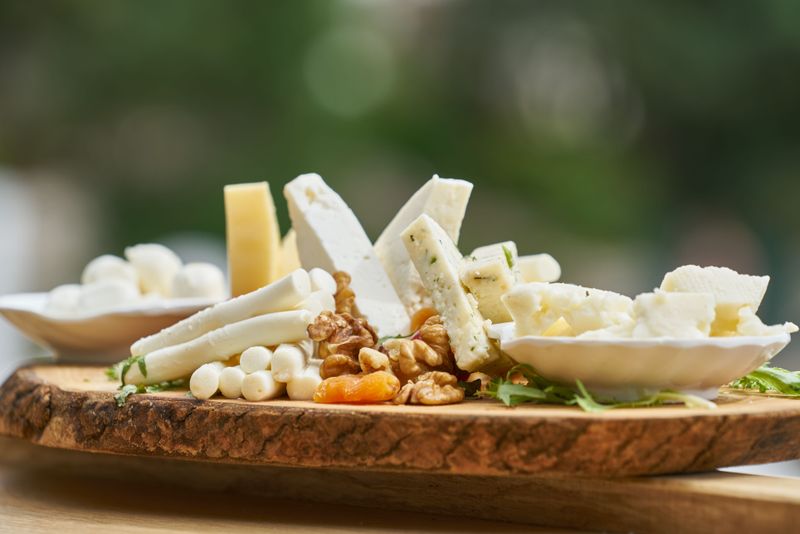
Cheese boards look gorgeous on a patio table, and they sit at perfect snout height. Many dogs lack enough of the enzyme needed to digest lactose properly.
Gas, loose stool, vomiting, and general stomach discomfort can follow a cheesy snack.
Creamy, high-fat varieties add pancreatitis risk on top of that.
A tiny plain cube rarely causes issues for most dogs, but the whole platter is a different story.
13. Chicken, rib, steak, and other bones
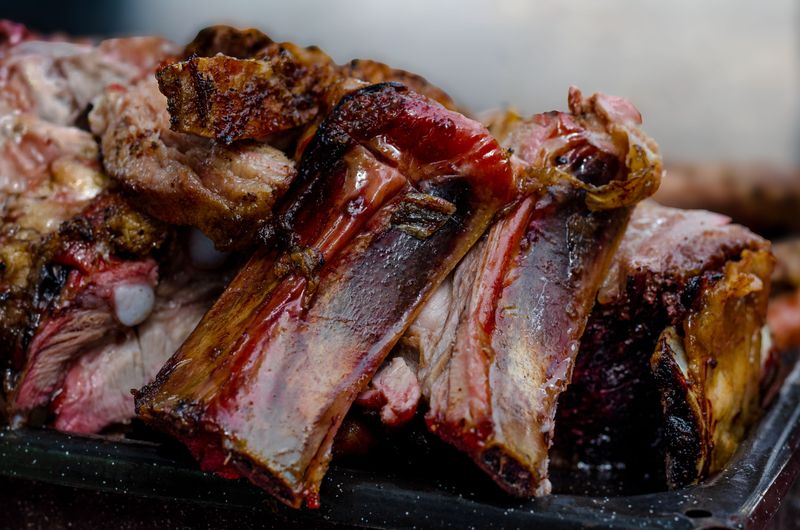
Bone piles collect fast at a barbecue, and they smell irresistible. Cooked bones turn brittle and can splinter into sharp pieces.
Choking, cracked teeth, and injuries along the digestive tract are all documented risks, and blockages sometimes require surgery.
Raw bones are not automatically safe either, carrying risks of tooth damage, obstruction, and bacteria such as Salmonella.
A lidded trash can beats a bone plate on the coffee table every time.
14. Corn on the cob
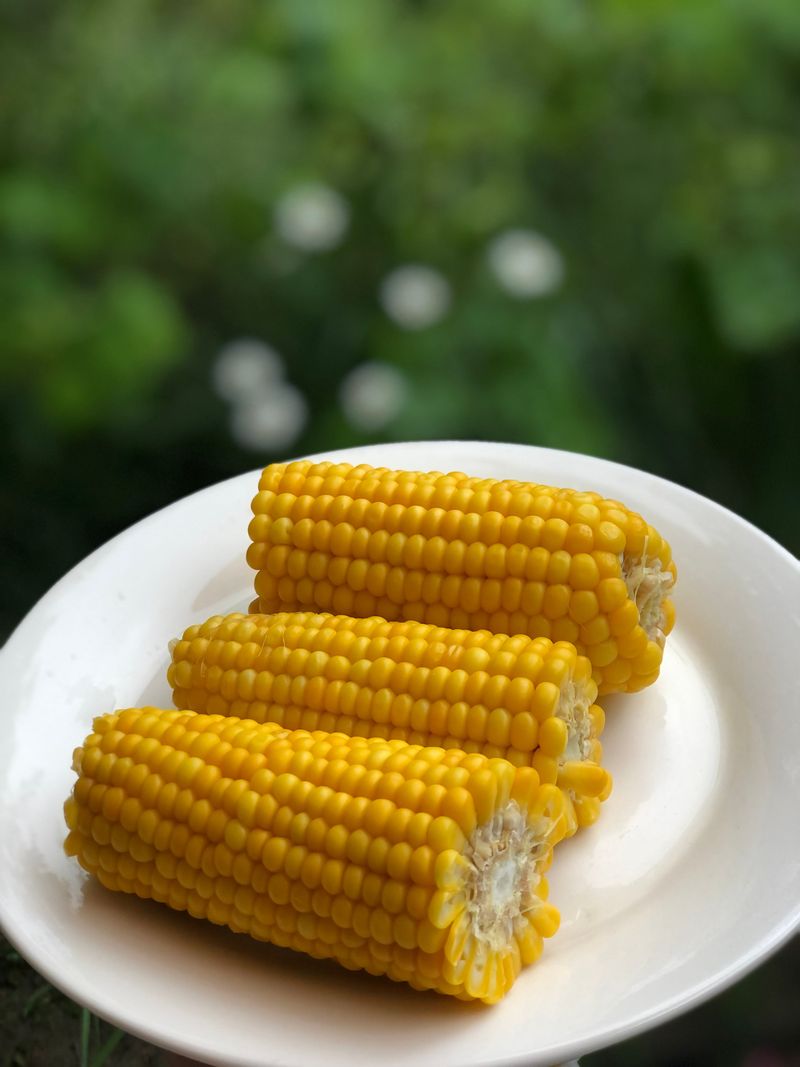
Kernels themselves are generally fine in small amounts, which surprises some owners. The cob is the real problem, since it does not break down in the digestive system.
Swallowed cobs can lodge in the intestines and cause a serious obstruction.
Vomiting, low energy, appetite loss, and a swollen or painful belly are warning signs.
Toss cobs straight into a sealed container, because half-eaten ones roll off tables easily.
15. Raw yeast dough

Homemade pizza night sometimes moves outside, dough bowl and all. Inside a dog’s warm stomach, raw yeast dough keeps rising and fermenting.
Fermentation produces substances that act like intoxicants, causing disorientation, weakness, and sluggishness.
Expanding gas can also lead to painful bloating, where the stomach stretches and may twist.
Treat any dough sampling as an emergency and head to the clinic. Proof dough indoors, ideally behind a closed door.
16. Extremely salty chips and snacks
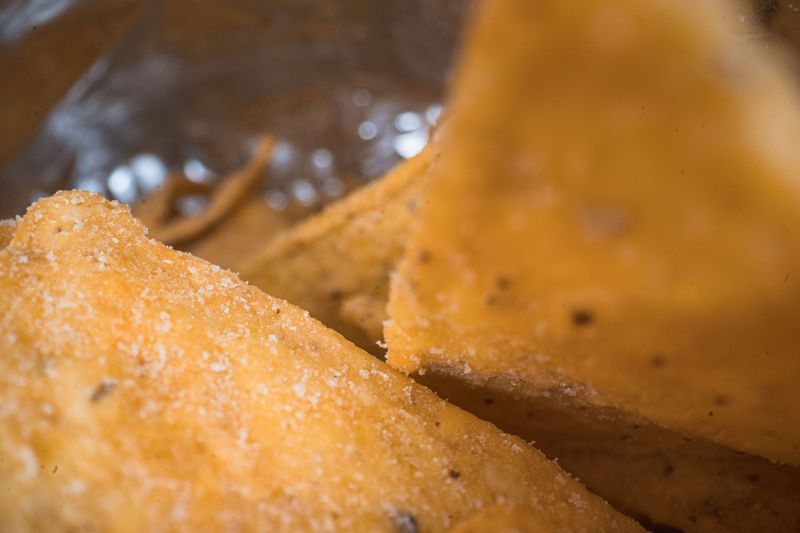
Chip bowls are the unofficial centerpiece of every pool day. Lots of salt makes dogs thirsty and sends them outside more often.
Very large quantities can cause sodium ion poisoning, with vomiting, loose stool, low energy, tremors, or seizures.
Fresh water should always be available, especially during humid Florida afternoons.
If your dog clears a whole bag of chips or pretzels, phone your veterinarian for advice rather than guessing.
17. Peaches, plums, nectarines, and cherries with pits
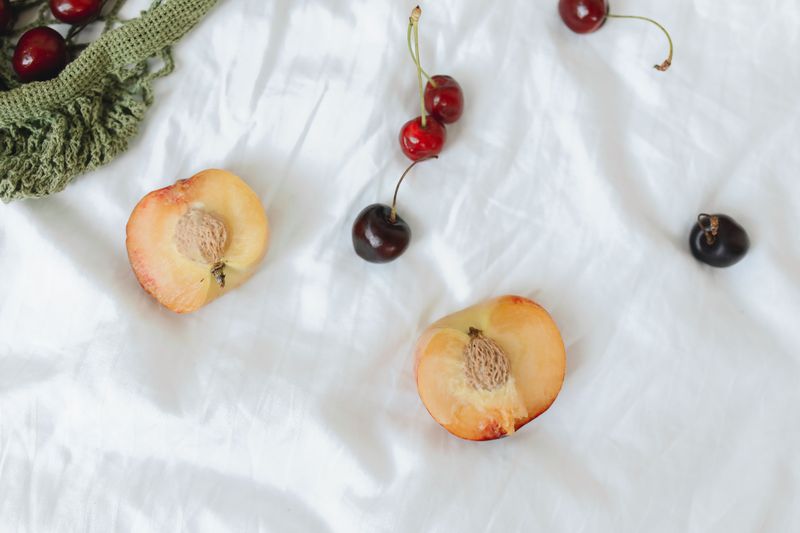
Summer stone fruit brings two separate concerns. Pits can block the airway or intestines, particularly in smaller dogs.
The kernel inside contains amygdalin, which releases cyanide when crushed or chewed, interfering with the body’s oxygen use.
Signs can arrive quickly: bright red gums, fast breathing, drooling, tremors, or seizures.
Slice the flesh off, discard pits securely, and enjoy your peaches knowing the leftovers are not within reach.
18. Avocados with the pit accessible
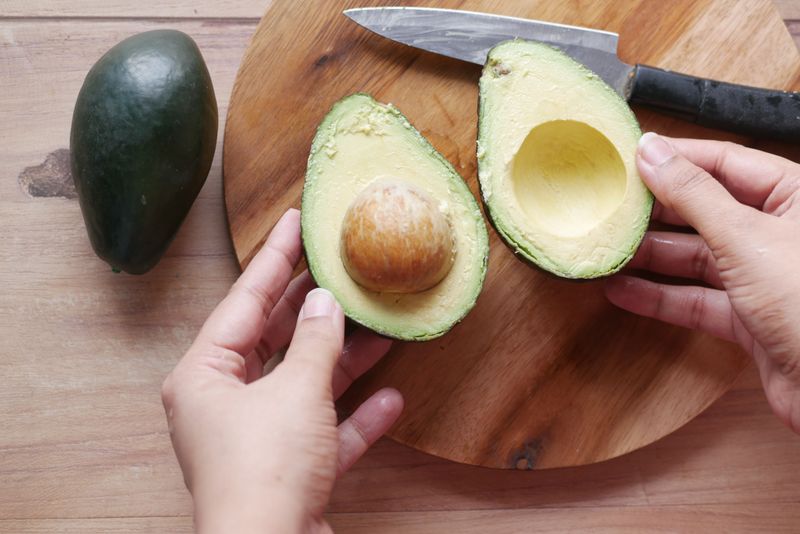
Guacamole prep leaves a smooth, round pit sitting right there on the cutting board. Dogs sometimes grab them like a ball, and swallowing one can block the digestive tract.
Its shape and size make passing it unlikely, and surgery is occasionally needed.
Avocado flesh contains persin, which may cause mild stomach upset in some dogs.
Bag pits immediately, and share only a small amount of plain flesh if you choose to.
19. Caffeinated foods and drinks
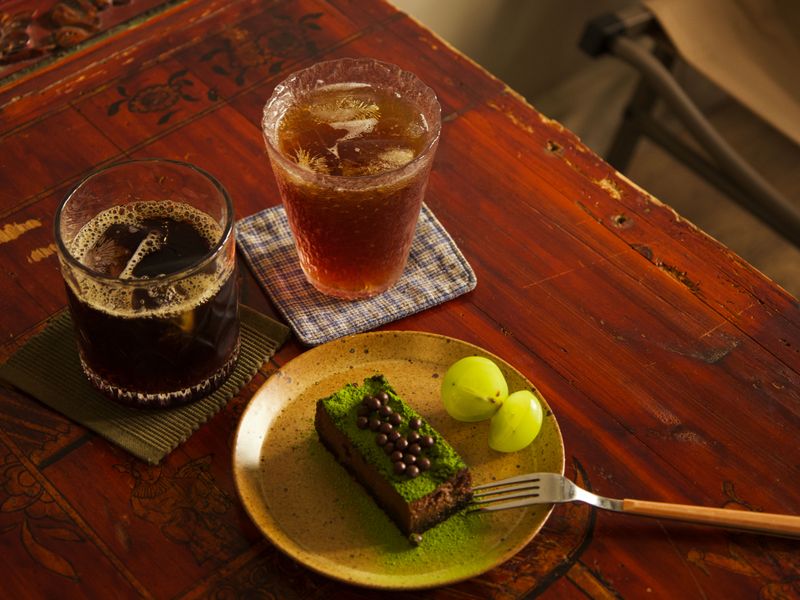
Iced coffee, sweet tea, energy drinks, and mocha desserts all belong on higher ground. Caffeine works much like theobromine, and dogs react far more strongly than we do.
Restlessness, hyperactivity, panting, a fast heartbeat, vomiting, or diarrhea can follow, with tremors in serious cases.
Spilled cups and abandoned cans are common patio culprits.
Clear glasses when you head into the pool, and call your veterinarian if any is swallowed.
Small habits like this keep Florida patio days easy and worry-free.