19 Questions Pennsylvania Dog Owners Should Ask Before Adopting From A Shelter
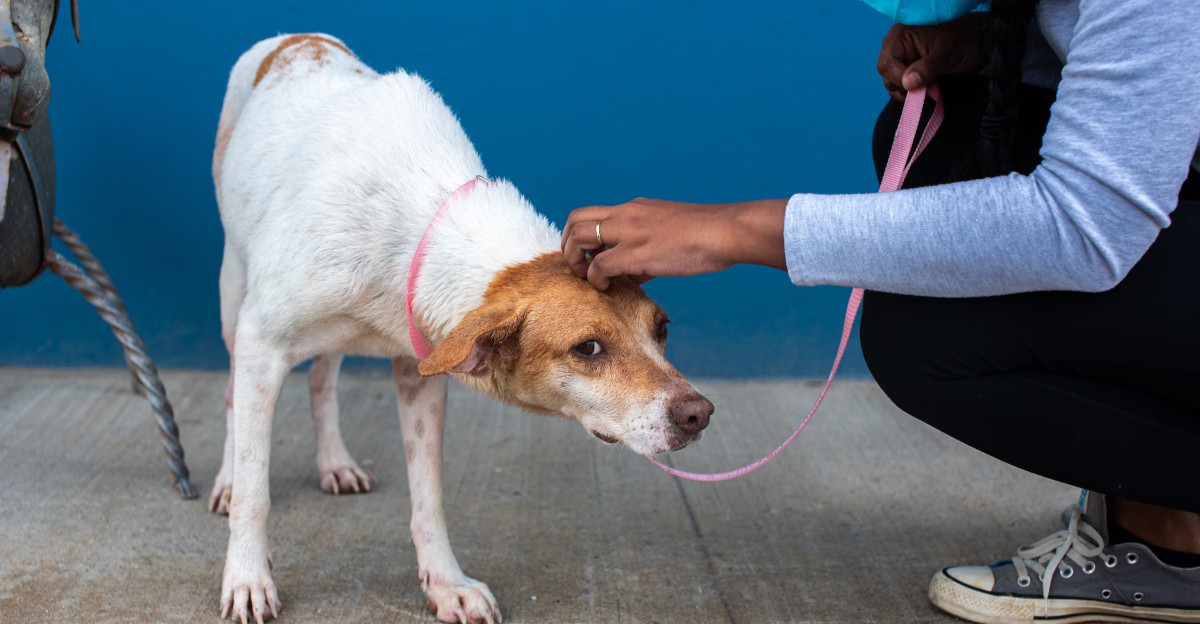
Bringing home a shelter dog is one of the kindest things a Pennsylvania family can do. Still, a happy match starts long before the car ride home.
The right questions help you understand a dog’s health, habits, and history. Think of this guide as a friendly checklist from someone who wants your new pup to settle in smoothly.
1. Start With the Basics: Age, Breed, Size, and Weight
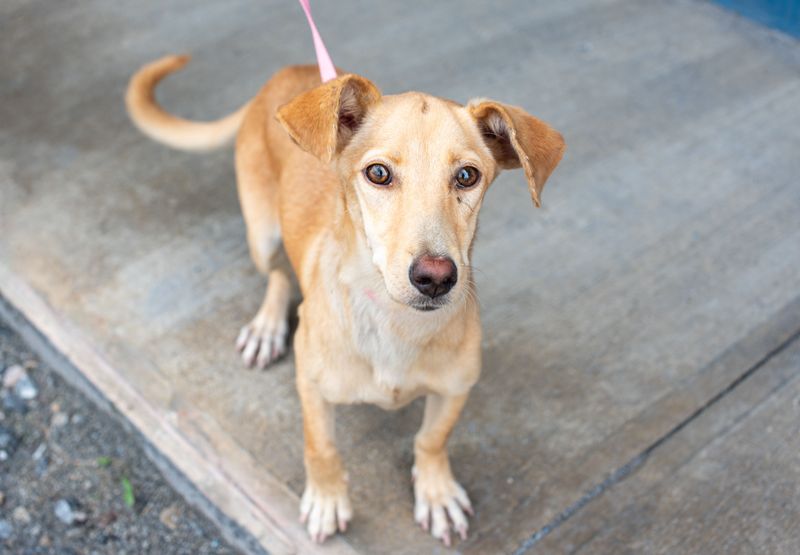
Picture a fluffy puppy that grows into a sixty-pound couch hog. Surprises like that happen more often than you might think.
Shelters usually list an estimated age, likely breed mix, size, and weight. Most of these are educated guesses, especially for strays.
Ask how staff made their estimates. Then compare the answers to your space, your lease rules, and your daily routine.
A good fit on paper makes the real fit much easier.
2. Time Spent at the Shelter and How the Dog Arrived
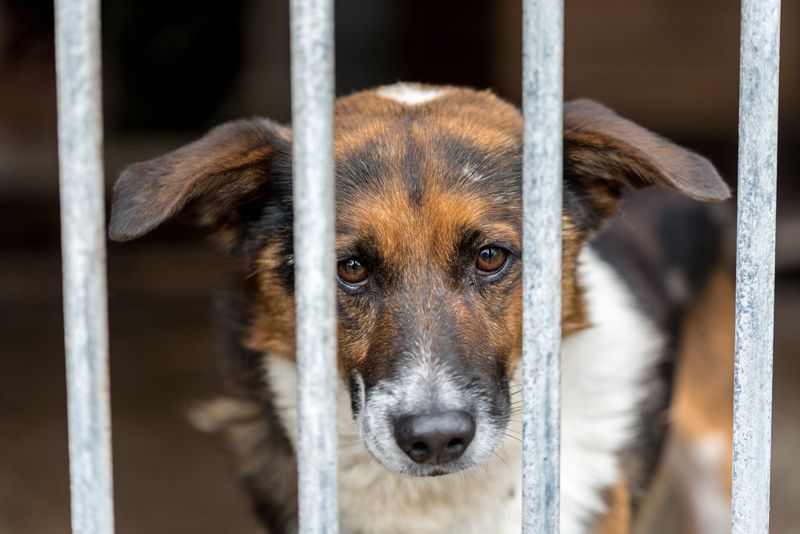
Every shelter dog has an arrival story. Some came in as strays, while others were handed over by owners.
Knowing how long a dog has stayed helps you understand its mood. Kennel life can be noisy and stressful, so a long stay may affect behavior.
Ask whether the dog came from a home, a street, or another rescue. That small detail often explains a lot about its comfort level.
3. The Reason Behind the Surrender

Life changes, and sometimes good dogs lose their homes through no fault of their own. Moves, allergies, and new babies are common reasons.
Shelters often collect background notes from the person who surrendered the dog. These notes can reveal routines, likes, and dislikes.
Ask to see any history the shelter has. If a dog was returned for chasing cats, for example, you want to know before you bring one home.
4. Health Conditions and Ongoing Care
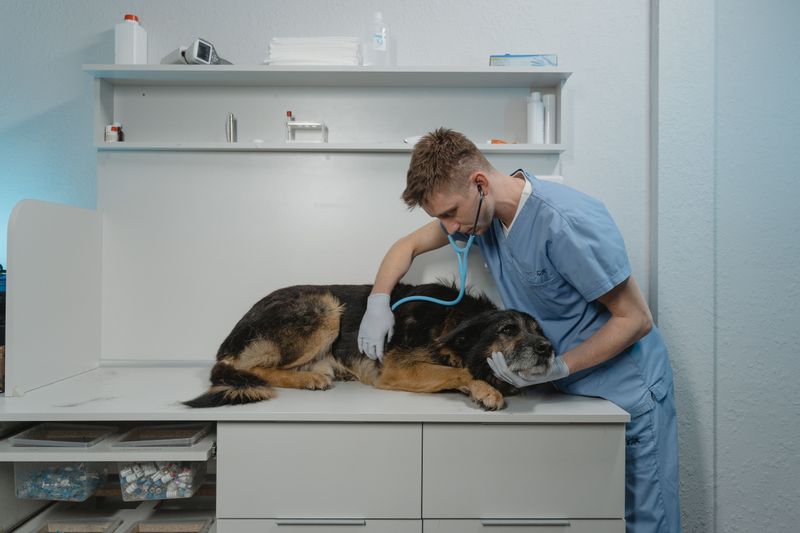
Here is a question that protects both your heart and your budget. Reputable shelters perform a veterinary exam when a dog arrives.
They should share any known conditions, past injuries, or medications. Some issues, like allergies or arthritis, are very manageable with the right care.
Ask what treatment the dog needs now and later. Then check with your own vet about likely costs.
Clear answers help you plan with confidence.
5. Vaccines and Pennsylvania’s Rabies Rule
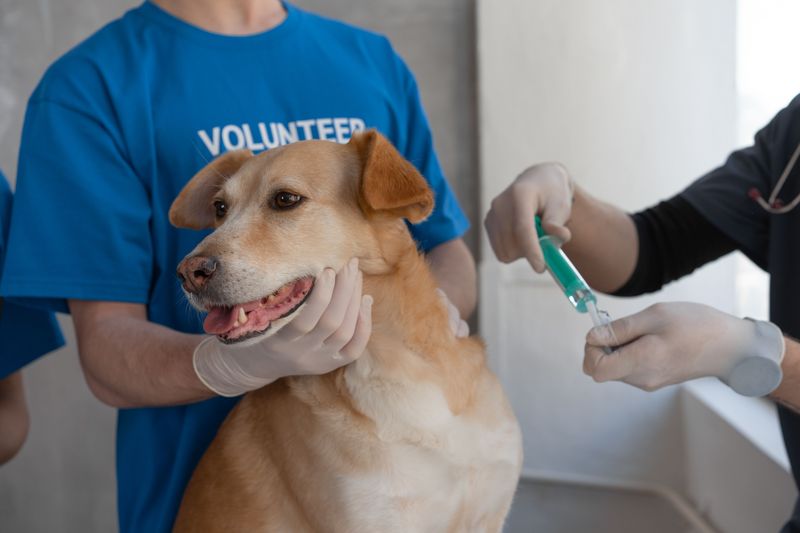
Pennsylvania law requires rabies vaccination for dogs three months and older. That rule covers indoor pets too.
Most shelters give age-appropriate vaccines before adoption, including rabies when the dog is old enough. Puppies may need booster shots afterward.
Ask which vaccines were given and when the next ones are due. Write those dates on your calendar.
Your vet can confirm the schedule at the first checkup.
6. Spay or Neuter Status
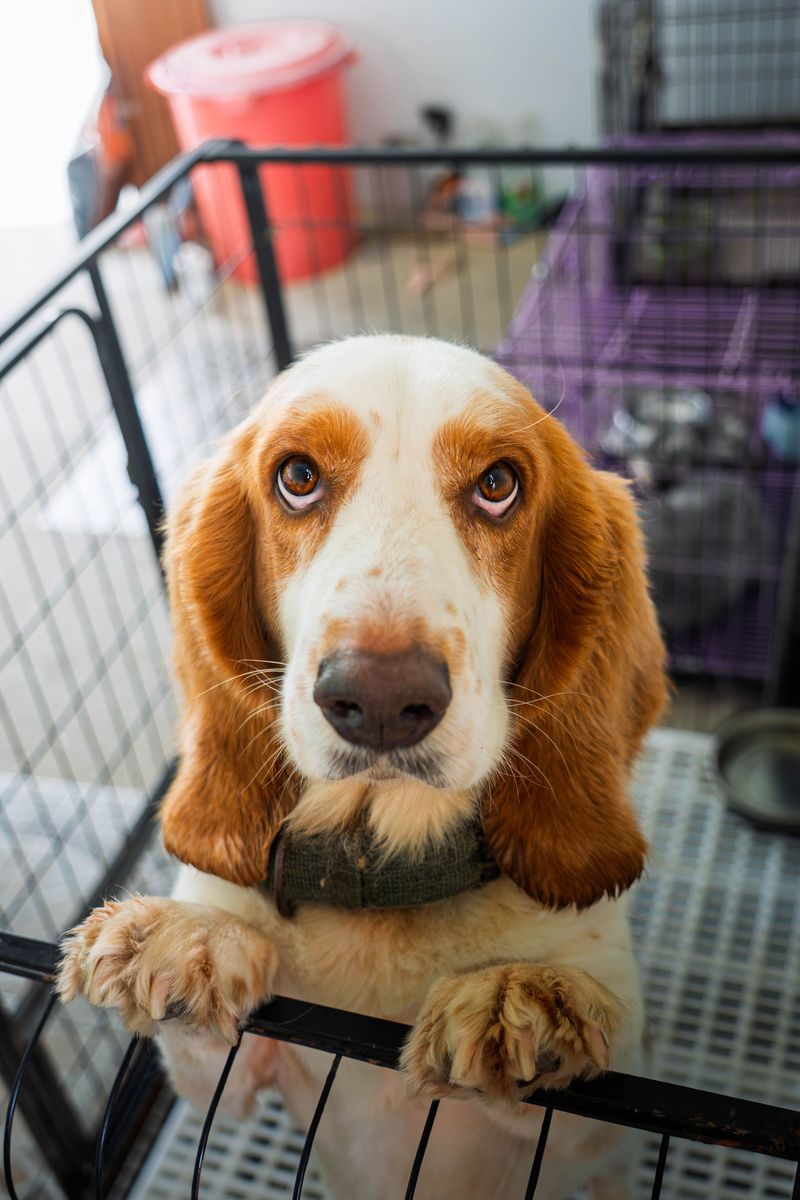
Good news for adopters: Pennsylvania has clear rules here. Releasing agencies generally must sterilize a dog before adoption.
In some cases, a new owner signs an agreement and pays a deposit to have the surgery done later. The adoption fee usually covers the procedure.
Ask whether surgery is complete or still scheduled. If it is pending, learn the deadline and which vet clinic will handle it.
7. Heartworm, Parasites, Fleas, and Ticks
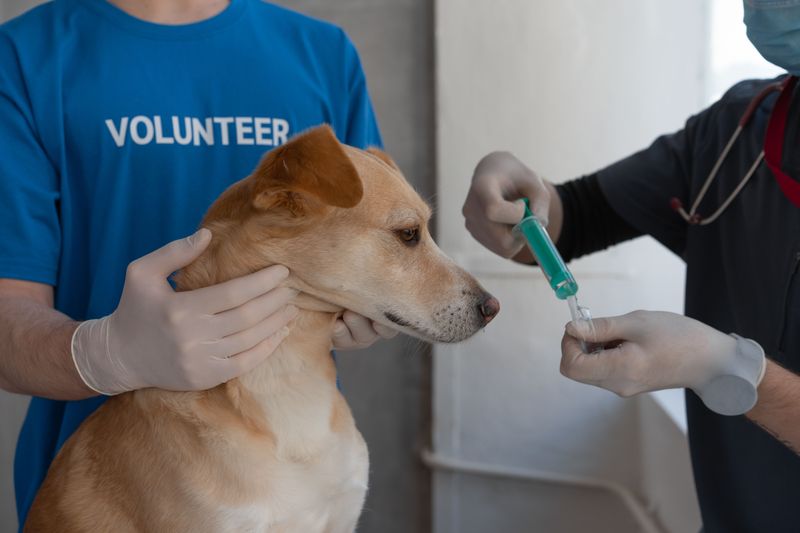
Pennsylvania woods and fields are lovely, but they are full of ticks. Parasite care matters right from day one.
Many shelters run fecal tests, give dewormer, and treat for fleas. Some also test for heartworm, though practices vary.
Ask exactly what was tested and treated. Then talk with your vet about a year-round prevention plan.
A little prevention now saves stress and money later.
8. Microchip Details and Registration Transfer

A tiny chip, about the size of a rice grain, can bring a lost dog home. Many shelters microchip dogs before adoption.
However, the chip only works if the registration lists your contact details. Ask for the chip number and the registry company name.
Fun fact: Pennsylvania lifetime dog licenses require a microchip or tattoo. Update your information soon after adoption, and again whenever you move.
9. Any History of Biting or Guarding

No one likes asking this, yet honest answers keep everyone safe. Shelters often run behavior assessments and review past owner notes.
Ask about any bites, growling, or guarding food and toys. Resource guarding, for instance, is common and often improves with patient training.
Knowing the full picture lets you decide calmly. A trainer or behavior professional can help if the dog needs extra support.
10. Comfort With Kids, Strangers, and Other Dogs
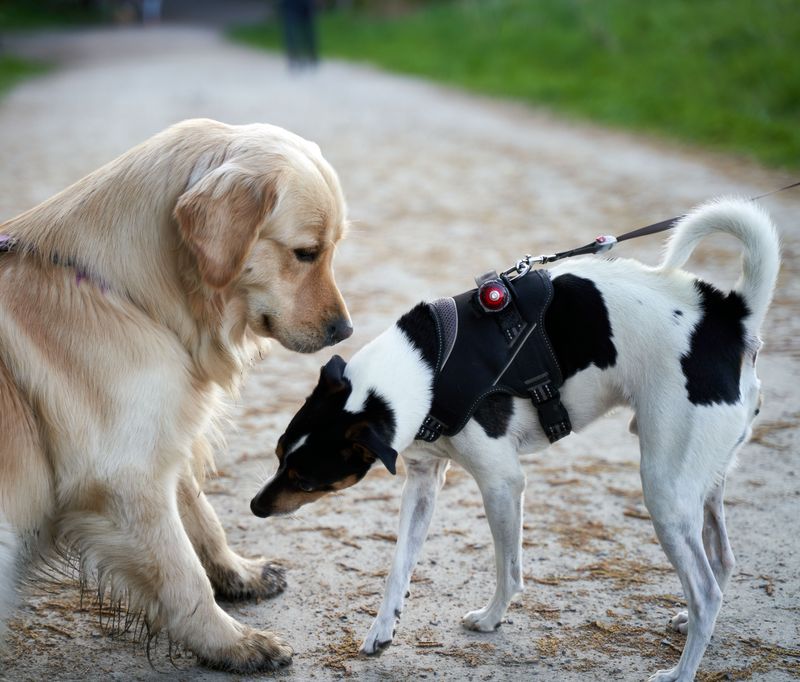
Some dogs adore a crowd, while others prefer a quiet life. Both kinds deserve the right home.
Behavior evaluations often look at reactions to children, new people, and other dogs. Volunteers who walk the dog daily may share helpful observations too.
Ask specific questions. Does the dog jump on visitors?
Is it calm with small kids? Real stories tell you more than general labels.
11. Cats and Other Household Pets
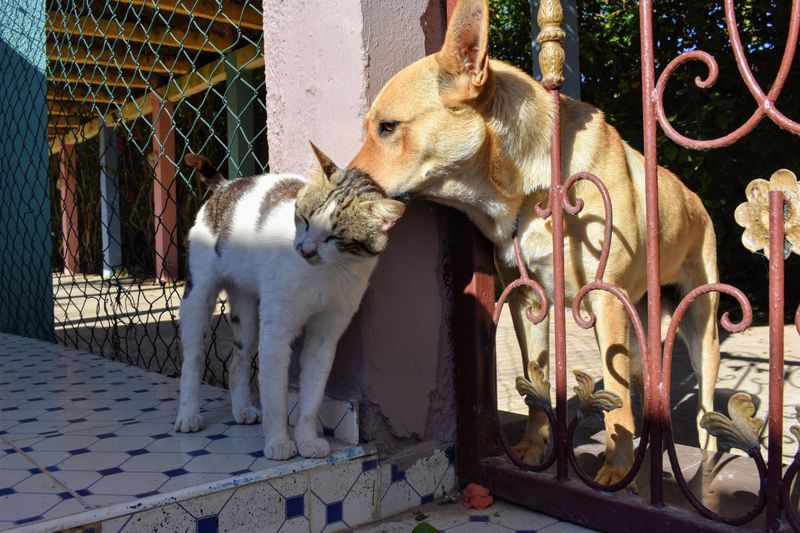
Have a cat ruling your living room? Then this question deserves extra attention.
Some shelters test dogs around cats or other small animals. Others simply have no information yet, and that is useful to know.
Ask how any testing was done and what the dog did. Plan slow, supervised introductions at home with baby gates.
Patience in the first weeks builds lasting peace between pets.
12. House Training, Crate Skills, and Commands

A dog that already knows sit is a lovely bonus. Still, training levels vary widely among shelter dogs.
Staff and volunteers often note house training habits, crate comfort, and known cues. Keep in mind that even trained dogs may slip during the first weeks at home.
Ask what works best for this particular pup. Copying the shelter’s words and routines can help your new friend adjust faster.
13. Separation Stress, Barking, and Chewing
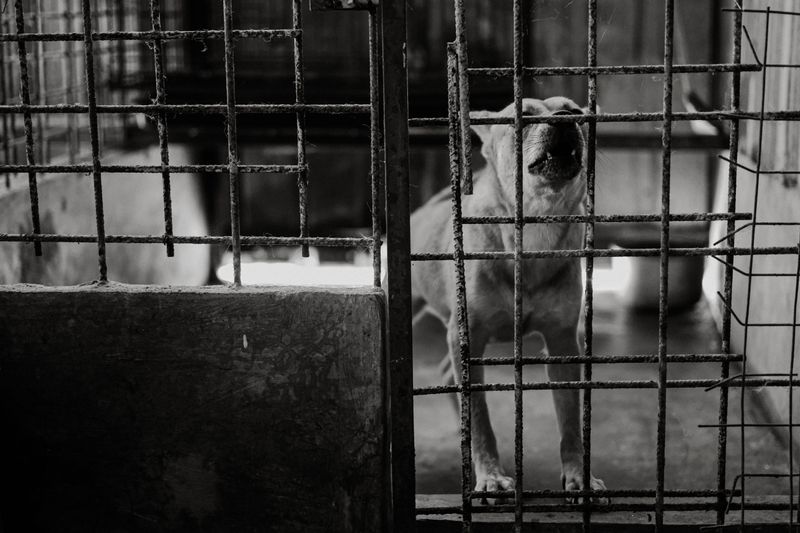
Think about your work schedule for a moment. If you are gone eight hours, a dog’s alone-time comfort really matters.
Shelters try to share known concerns like separation stress, loud barking, or chewing furniture. Former owners often provide the best clues here.
Ask what the dog does when left alone. Then plan ahead with puzzle toys, a dog walker, or short practice departures.
14. Energy Level and Daily Exercise Needs
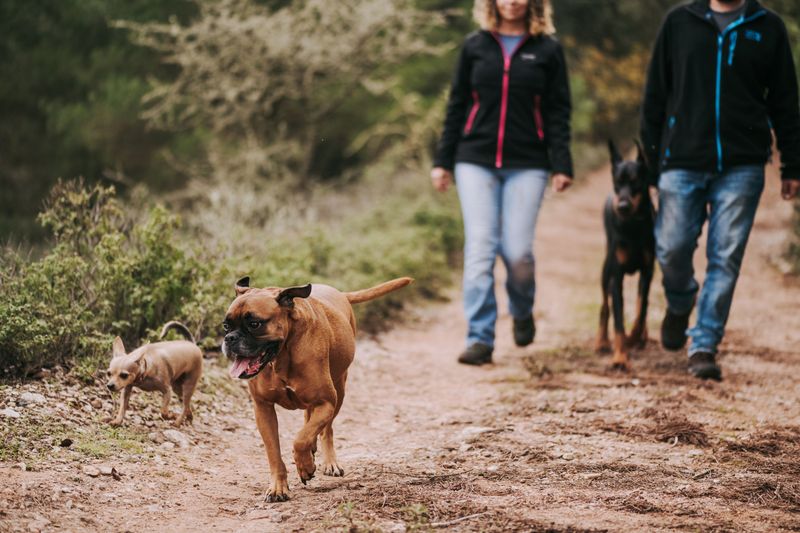
Are you a weekend trail hiker or a cozy movie fan? Your answer should shape your choice.
Behavior assessments help shelters gauge each dog’s energy. A young herding mix may need long daily outings, while an older hound might nap happily.
Ask how much activity the dog needs to stay calm. Matching energy levels prevents boredom, frustration, and chewed shoes for everyone involved.
15. Fears, Triggers, and Special Training Needs
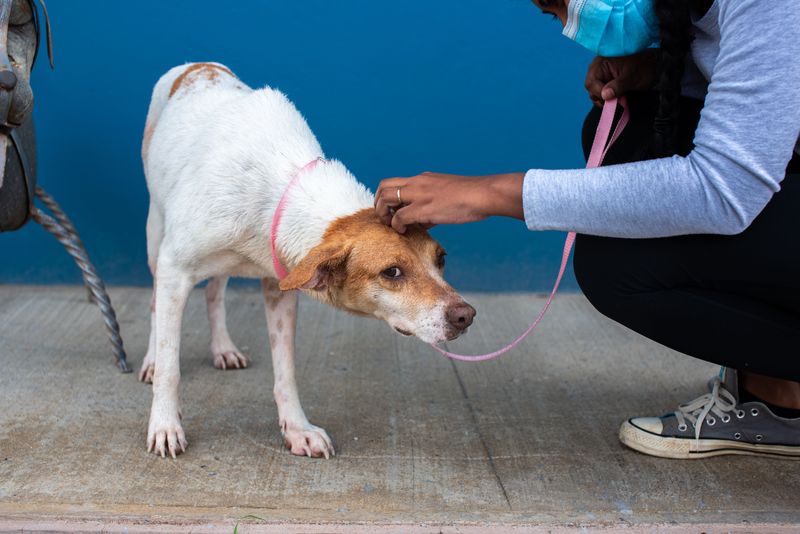
Thunderstorms, skateboards, men in hats: dogs can have surprising worries. Knowing them early helps you avoid stressful moments.
Shelters try to note fears and triggers they observe. Some dogs also need special training, like help with leash manners or handling.
Ask what calms the dog down. Then consider working with a positive reinforcement trainer.
Small, steady steps help nervous dogs grow brave over time.
16. Current Food and Dietary Limits
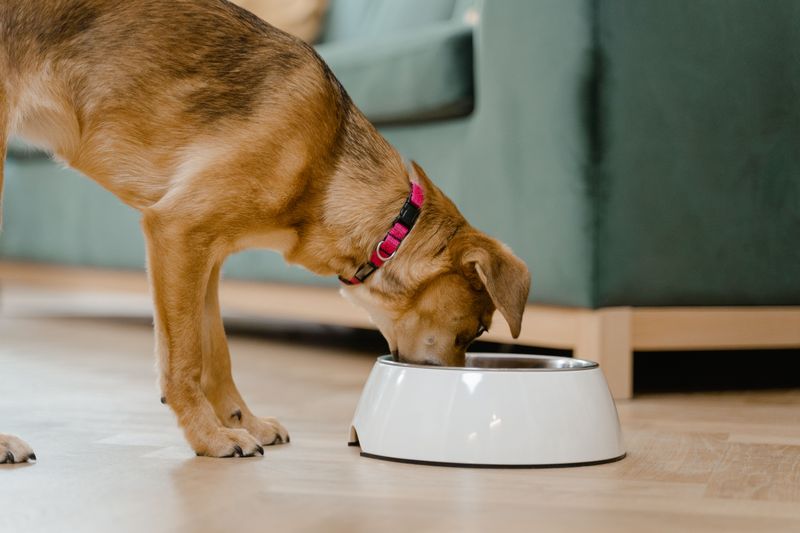
Switching food too fast can upset a dog’s tummy. A gentle transition makes the first week much smoother.
Shelters can usually tell you the brand and amount the dog eats now. They should also share any known allergies or special diets.
Ask for a small supply to take home if possible. Mix it with the new food over several days.
Your vet can guide longer-term choices.
17. Meet-and-Greets Before You Commit
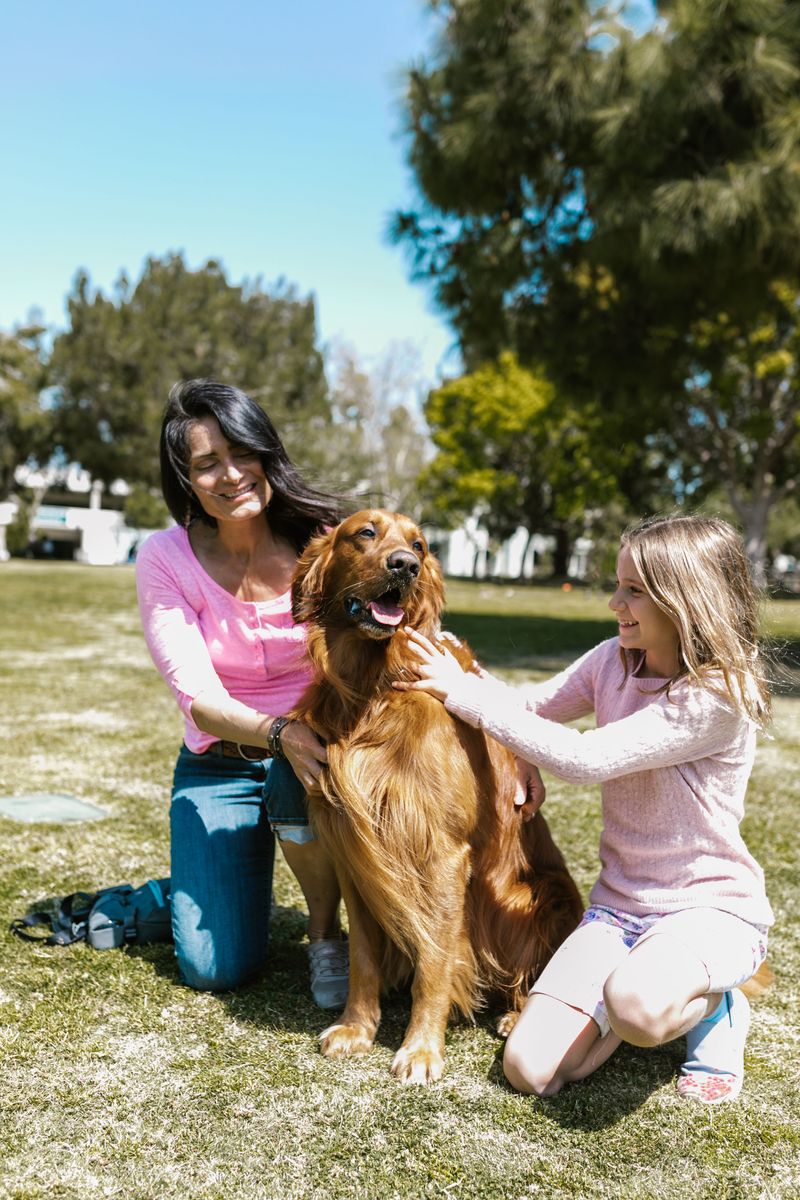
Love at first sight is nice, but a second visit is smarter. Most shelters welcome extra time with a dog.
Many also arrange meetings with family members and current dogs. These visits show how everyone reacts in a calm, neutral space.
Ask whether you can walk the dog or visit more than once. Bring the whole household if allowed.
Shared excitement makes the decision feel right.
18. Trial Periods, Support, and Return Policies
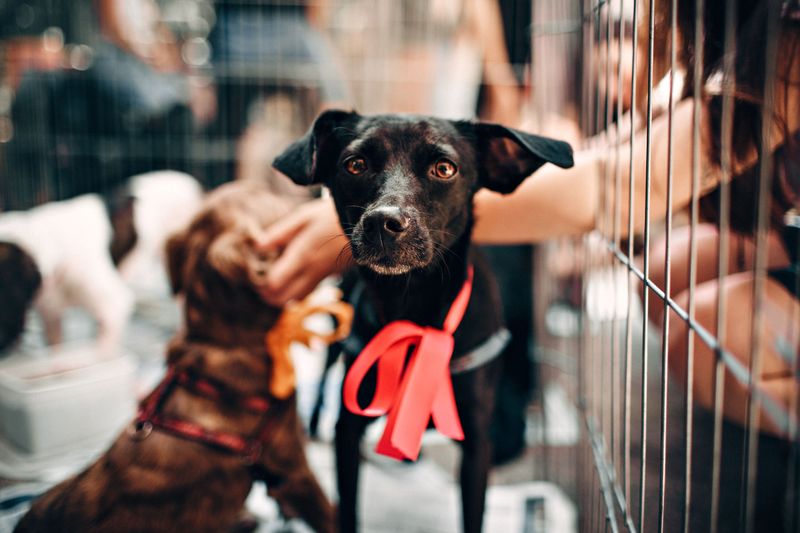
Even careful matches sometimes need a little help. Good shelters plan for that possibility.
Many offer post-adoption support like training classes, behavior advice, or phone check-ins. Some allow foster-to-adopt trials, and most have a return policy.
Ask exactly how returns work and whether fees are refunded. Knowing a safety net exists can ease your mind.
It also shows the shelter truly cares about outcomes.
19. Records, Medical History, and Your Pennsylvania Dog License
Paperwork is the final step toward bringing your buddy home. Shelters typically provide vaccination records and medical history at adoption.
Pennsylvania requires dogs to be licensed by three months of age. Groups offering dogs for adoption must provide a license application.
Licenses come through your county treasurer or approved agents. Ask the shelter for the form, then confirm fees and deadlines with your county office.