19 Things To Check Before Taking A Dog Into New York State Forests
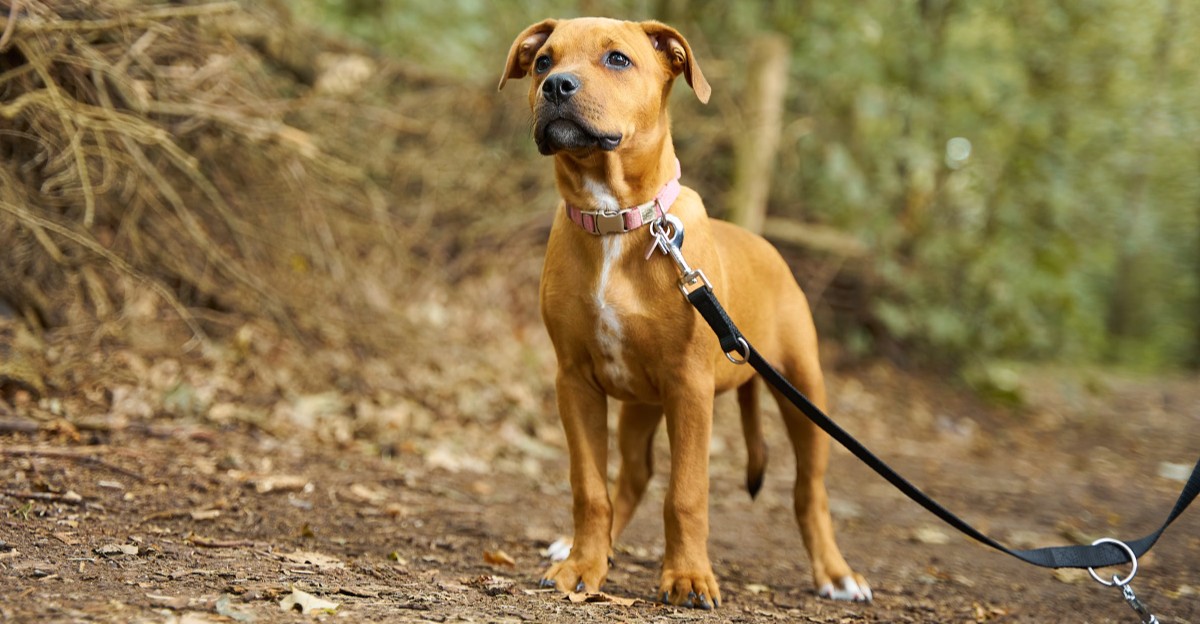
A walk in the woods with your dog is one of the best parts of living in New York. State forests offer quiet trails, cool shade, and plenty of fresh smells for curious noses.
A little planning makes every trip smoother for you, your dog, and everyone else outdoors. Think of this list as friendly advice from a fellow owner who has learned what to check first.
1. Look Up the Forest’s Current Rules
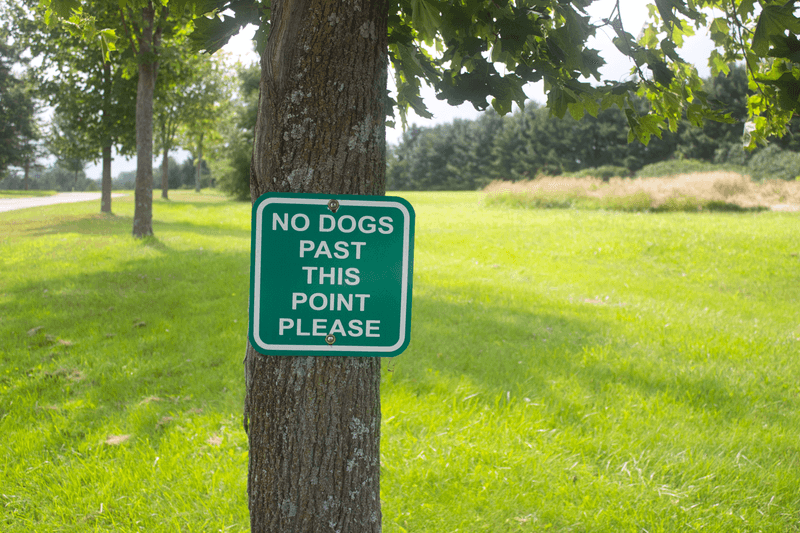
Every state forest has its own small quirks. New York State Forests are managed by the DEC Division of Lands and Forests.
Their rules come from state regulations, 6 NYCRR Parts 190 to 199.
Before packing the car, open the DECinfo Locator. This interactive map shows details for specific properties.
For anything unclear, call the nearest Division of Lands and Forests office. A quick chat with local staff can answer questions no website covers.
2. Know the Leash Rules for That Spot
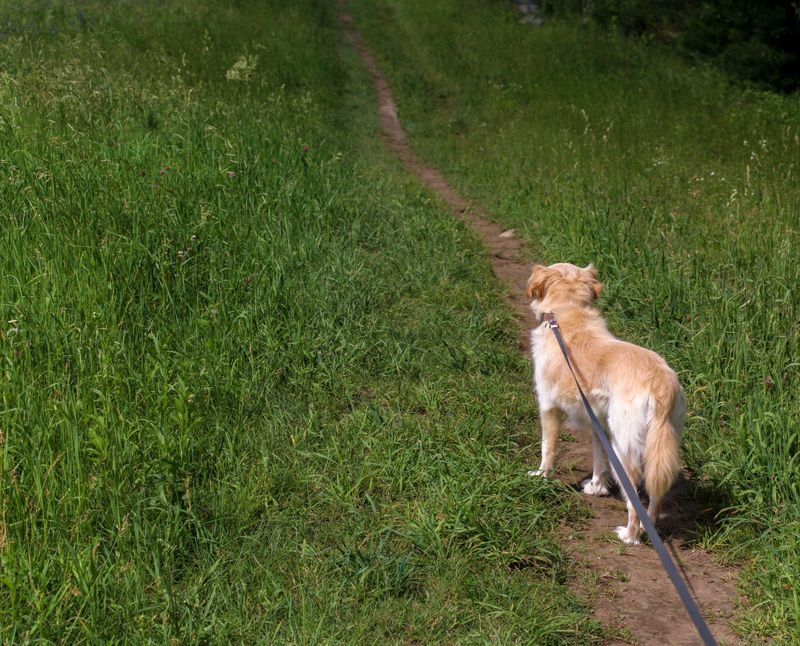
Six feet is the magic number in many places. Dogs must be leashed and under immediate control in DEC day-use areas, shared-use trails, and campsites.
Wildlife Management Areas follow the same rule, with exceptions for legal hunting dogs.
In the Adirondacks, dogs must be leashed in the Eastern High Peaks Wilderness. Leashes are also required at trailheads, campsites, and above 4,000 feet.
When you meet other hikers, clip on the leash anyway.
3. No Free Roaming in Deer Country
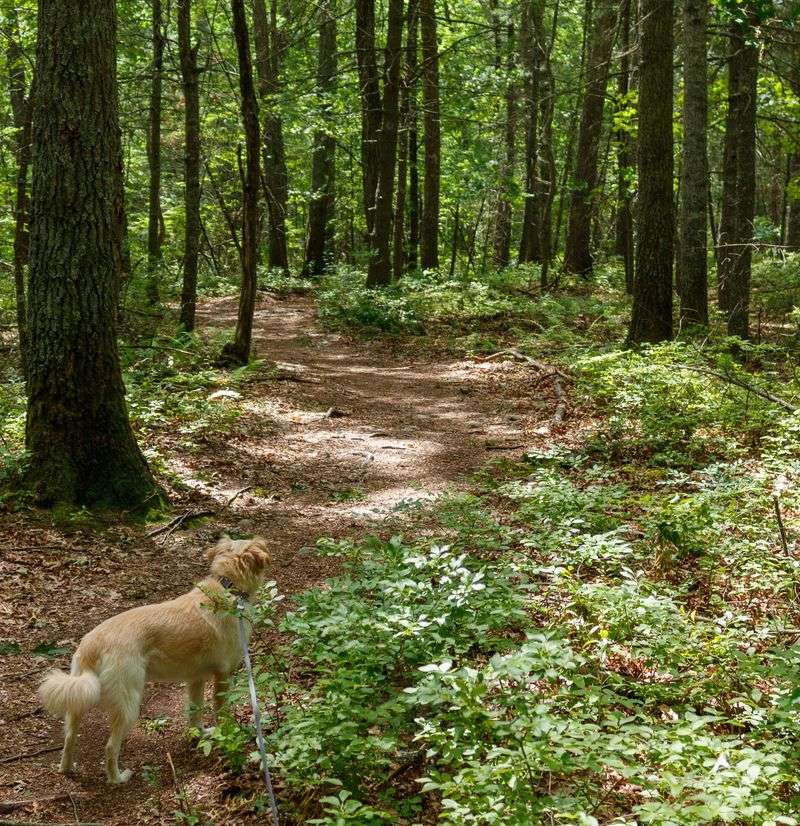
Deer and loose dogs are a poor mix under state law. New York Environmental Conservation Law 11-0923 says owners cannot let dogs chase deer.
Outside city or village limits, dogs may not run at large in woods or fields where deer live. The narrow exception covers farmland the owner owns or leases.
Dogs caught pursuing deer face serious consequences under the law. A steady leash keeps your pup safe and legal.
4. Confirm the Rabies Shot Is Current

A tiny metal tag carries a lot of weight. New York law requires every dog to be vaccinated against rabies.
The first shot comes by four months of age, with a second within a year.
Boosters follow every one or three years, depending on the vaccine. Dogs in public should wear a visible rabies tag.
Campgrounds may ask for proof, so keep a paper or digital copy handy. Your vet can confirm your dog’s due date.
5. Scan for Closures First
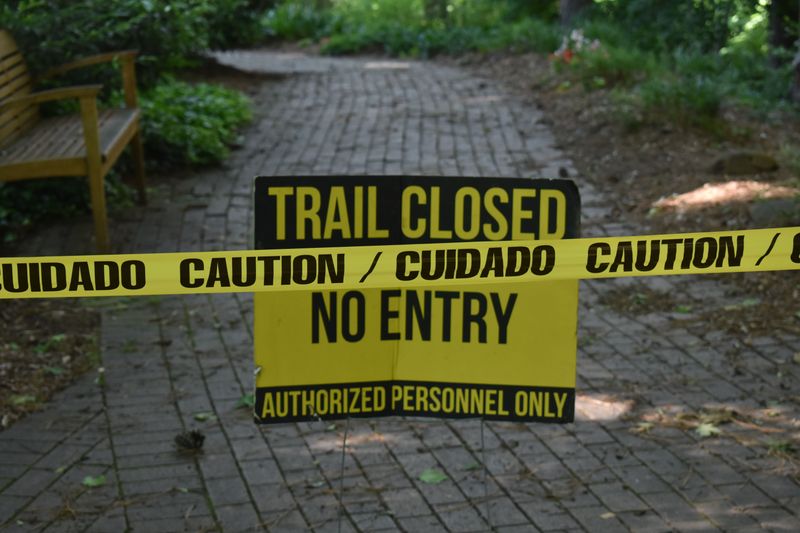
Nothing deflates a fun morning like a locked gate. Trails, roads, and parking areas sometimes close for repairs, logging, storms, or wildlife needs.
For Adirondack trips, the Adirondack Backcountry Information page lists current notices. The DECinfo Locator helps with other areas too.
Road closures and travel delays show up on 511NY. A five-minute check the night before can save hours of driving.
It also gives you time to pick a backup trail.
6. Read Up on Trail Conditions
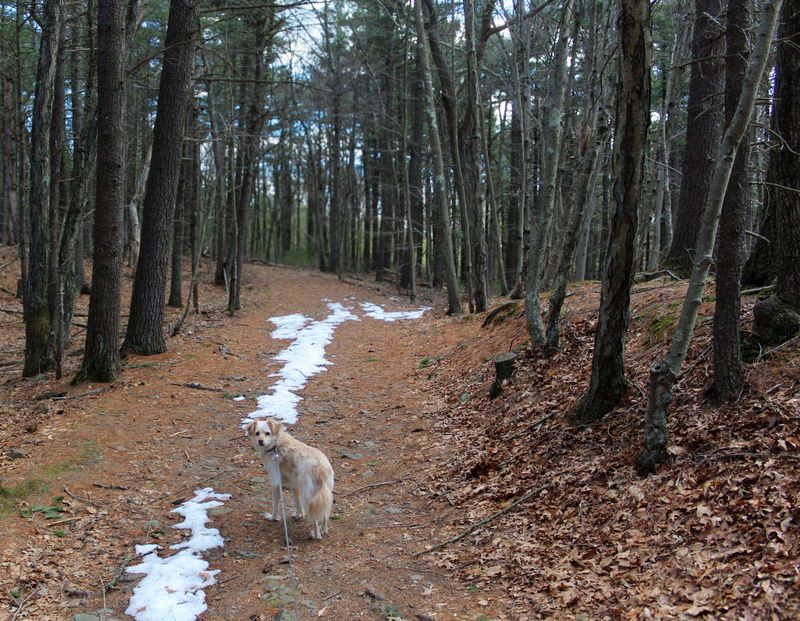
Yesterday’s easy path might be today’s soggy mess. Trail conditions shift with rain, snowmelt, and downed trees.
Look at the Adirondack Backcountry Information page for seasonal updates. Hike Smart NY also shares solid advice for safe outings.
In spring mud season, officials ask hikers to skip steep, high elevation trails. Soft soil erodes fast, and wet slopes are hard on paws.
Lower, drier routes are kinder to everyone during that stretch.
7. Watch the Weather for the Whole Day
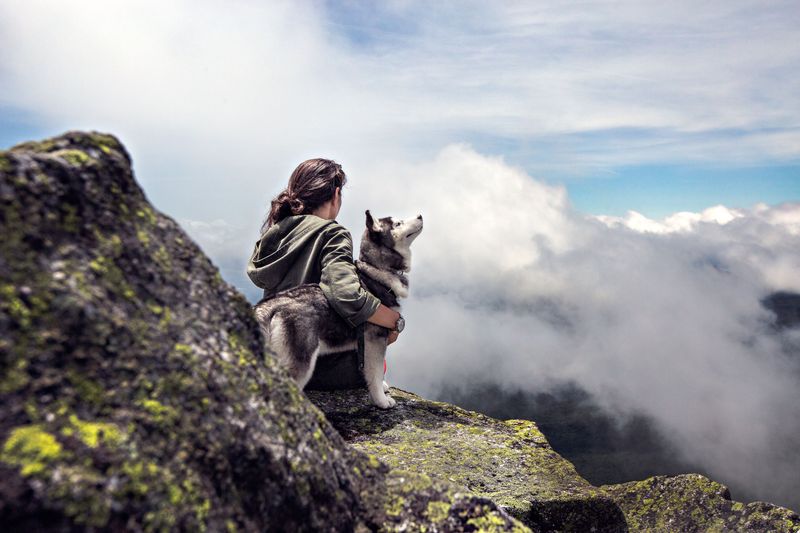
Mountain weather loves a plot twist. A warm parking lot can turn into a chilly, breezy summit just a few hours later.
Check the forecast for your entire trip, not just the start. Temperatures drop as you climb higher.
Summits are often colder and windier than valleys. Short-haired dogs may appreciate a jacket in cool weather.
Pack an extra layer for yourself too, since comfort helps you both enjoy the views longer.
8. Find Out If Hunting Season Is Open
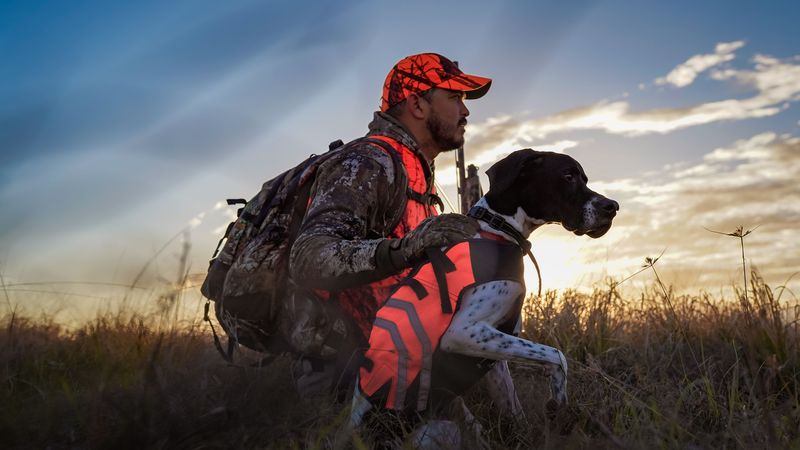
Autumn in the woods is shared with hunters. Public hunting is allowed in New York State Forests, and seasons vary widely.
Dates depend on species, the Northern or Southern zone, and weapon type. Check the DEC hunting seasons page and the current Hunting and Trapping Regulations Guide.
During these months, dress your dog in blaze orange or bright pink. A colorful vest or bandana helps others spot your pup from far away.
9. Ask Whether Trapping Is Allowed
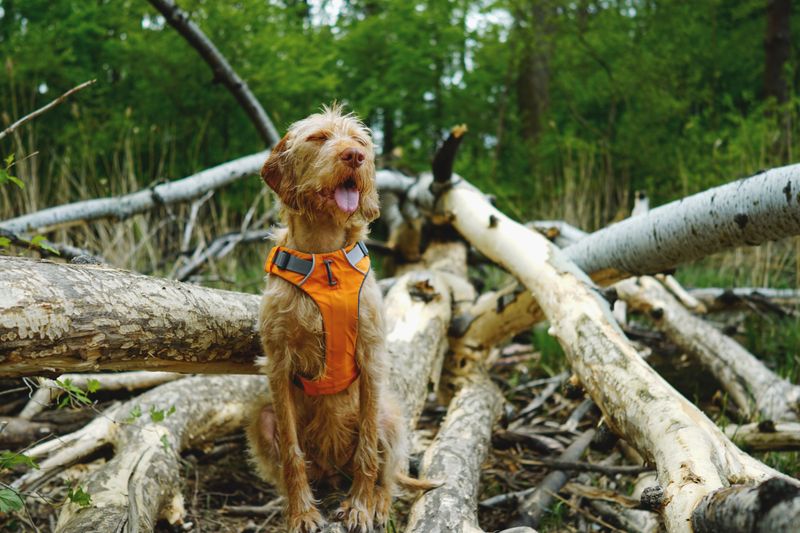
Here’s a fact many owners miss: trapping is legal in New York State Forests. Most furbearer seasons run from November through February.
Beaver season may stretch into March.
Traps are often hidden near water, logs, or trail edges. Keeping your dog leashed and on the path is the simplest safeguard.
The DEC Hunting and Trapping Regulations Guide lists exact dates. Bright gear for both of you is a smart seasonal habit.
10. Stay Close Around Other People
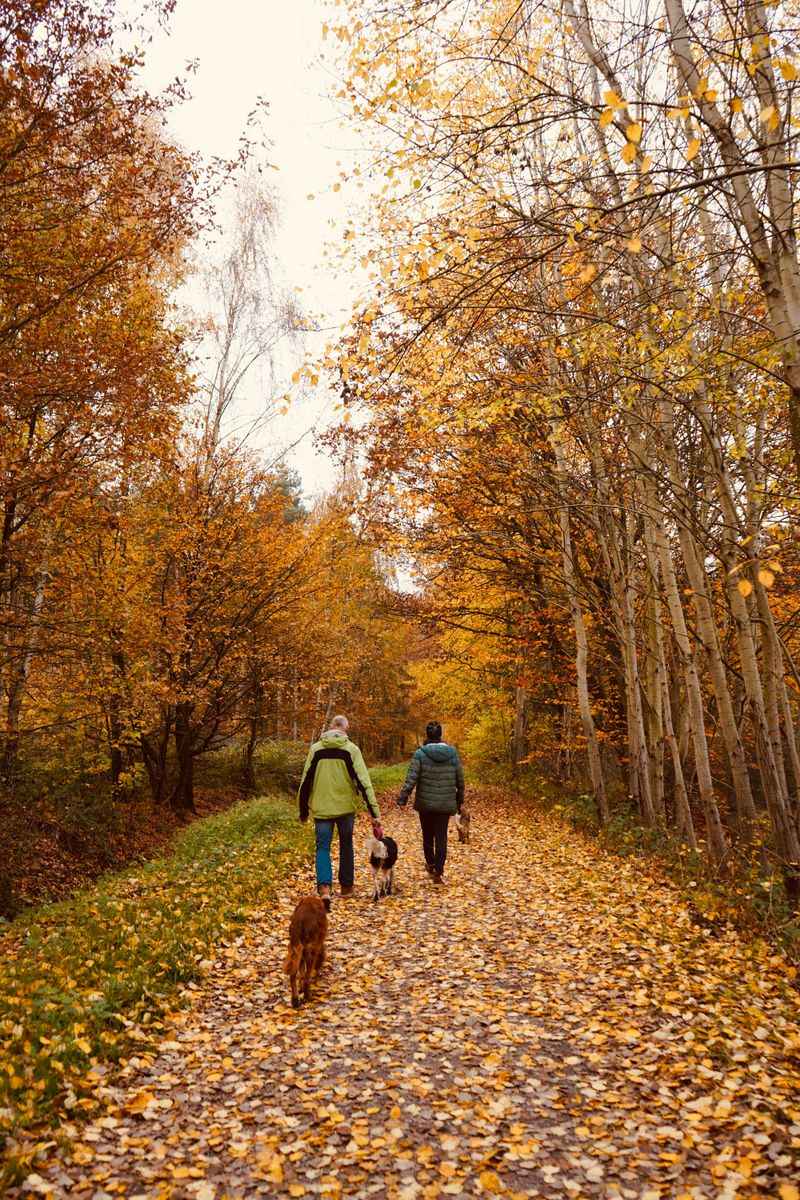
Picture a narrow trail, a group of hikers, and an excited pup. Control matters most in moments like that.
Keep your dog close whenever you meet hunters, wildlife, or other visitors. Not everyone feels relaxed around dogs, even friendly ones.
Step aside and let others pass with ease. Owners are also responsible for nuisances, including constant barking.
A calm, close dog helps keep trails welcoming for pets in the future.
11. Make Tick Checks a Habit
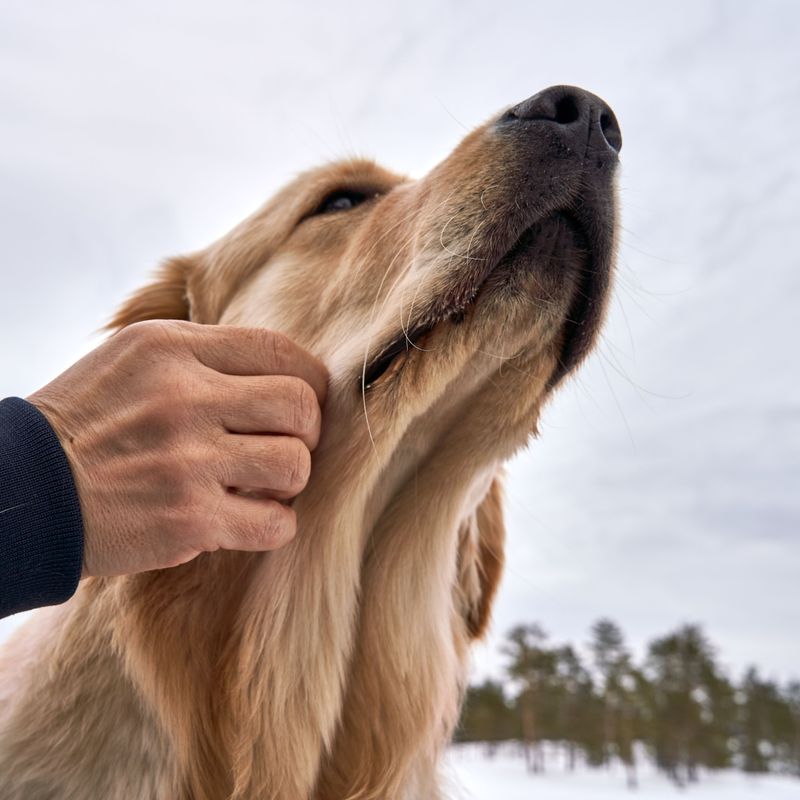
Ticks are tiny hitchhikers that love New York woods. They hang out in shady, damp spots, tall grass, brush, and leaf litter.
They become active once it reaches about 40 degrees.
Check your dog often during breaks and again at day’s end. Look between toes, around ears, and under the collar.
A lint roller grabs loose ones. Keep a tick removal tool handy.
Ask your vet about prevention products too.
12. Pack Plenty of Water
That sparkling creek looks inviting, but it isn’t always a safe drink. Streams and ponds can carry giardia, a parasite that upsets stomachs.
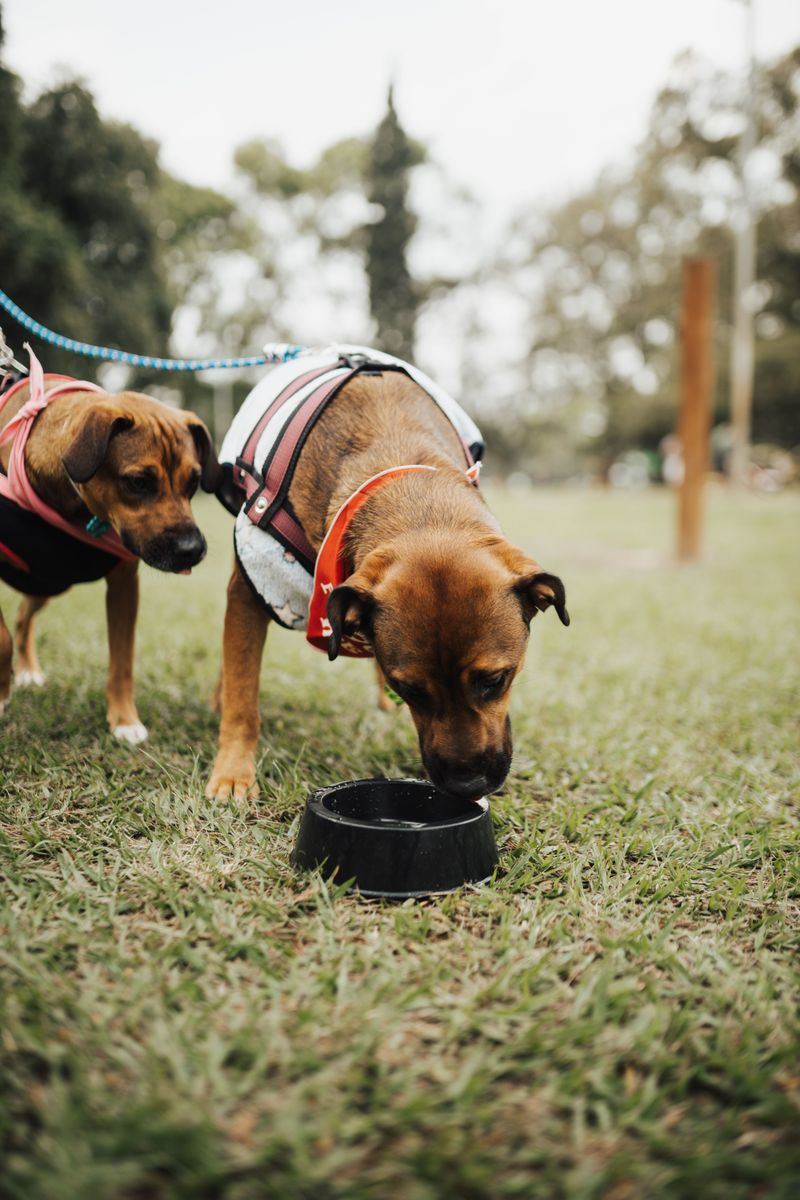
Bring enough fresh water for your dog, plus a lightweight bowl. Collapsible bowls fit easily in a pocket or pack.
Offer small sips during breaks, especially on warm days. Keep pets away from designated drinking water sources at campgrounds.
A hydrated dog stays happier and steadier on the trail.
13. Match the Route to Your Dog
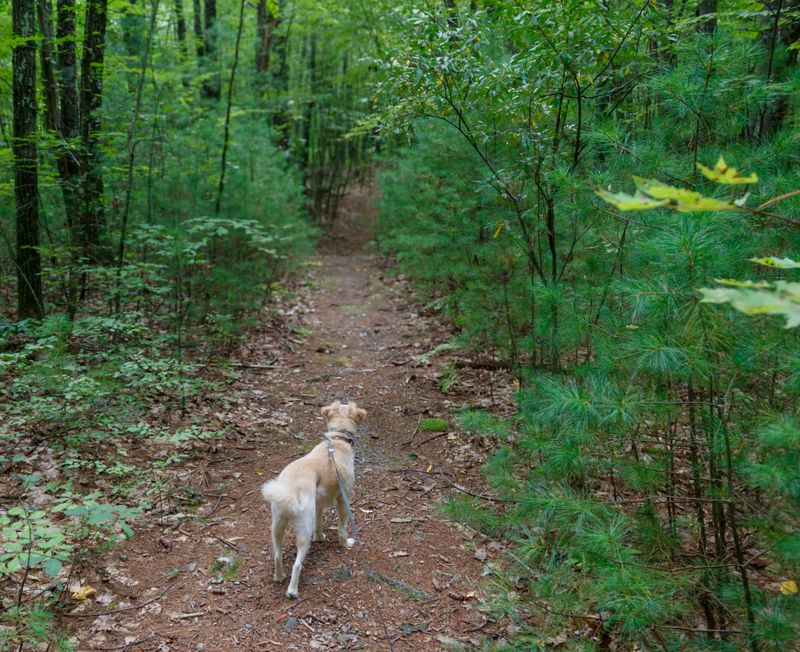
Dogs are loyal to a fault. Many will keep pace even when tired or sore, just to stay beside you.
Pick a trail that suits your dog’s fitness, age, and paw health. Puppies and seniors often do best on shorter, flatter loops.
Build stamina with regular walks before tackling bigger hikes. Check paw pads for cracks before you leave.
Skip long outings on very hot, sunny days.
14. Watch for Private Land Boundaries
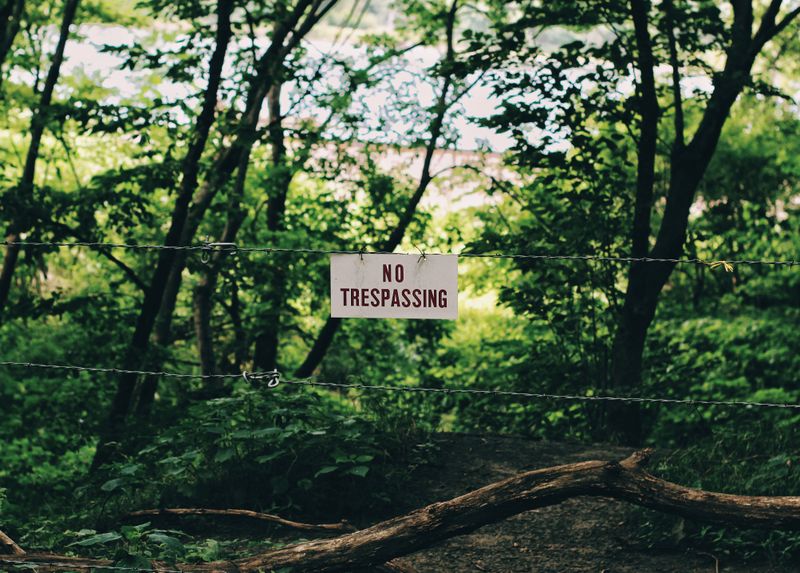
Some trails wander across more than one owner’s land. State forests often border private parcels and conservation easements.
Those properties may not allow dogs at all, even when the path continues. Look for posted signs and boundary markers along the way.
The DECinfo Locator can help you see who owns which land. Planning ahead keeps you on friendly terms with neighbors.
It also avoids surprises halfway through a hike.
15. Check Camping Permits and Pet Limits
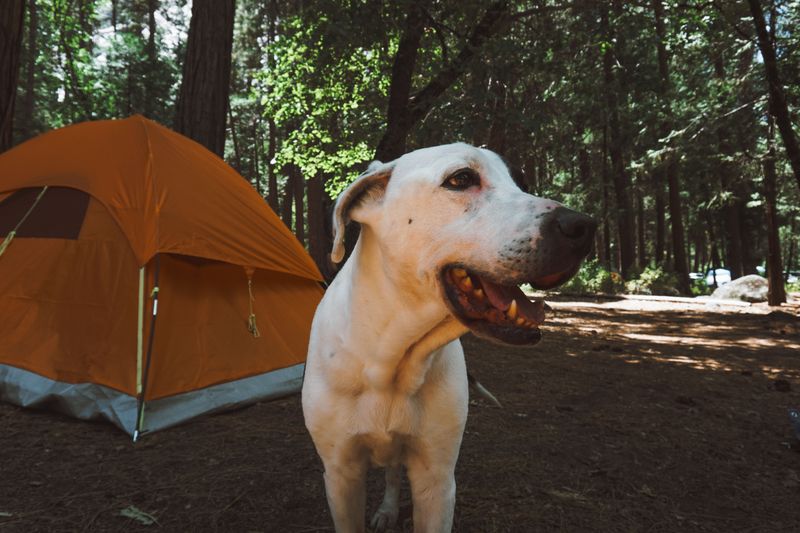
Overnight trips need a bit more homework. Primitive camping is allowed on many State Forest lands outside the Adirondack and Catskill Preserves.
You need a Forest Ranger permit to stay over three nights or camp with ten or more people. Sites must usually sit 150 feet from roads, trails, and water.
Some forests, like Stewart State Forest, require permits for all camping at designated sites. Confirm any pet rules when booking.
16. Bring Bags and Pack It Out
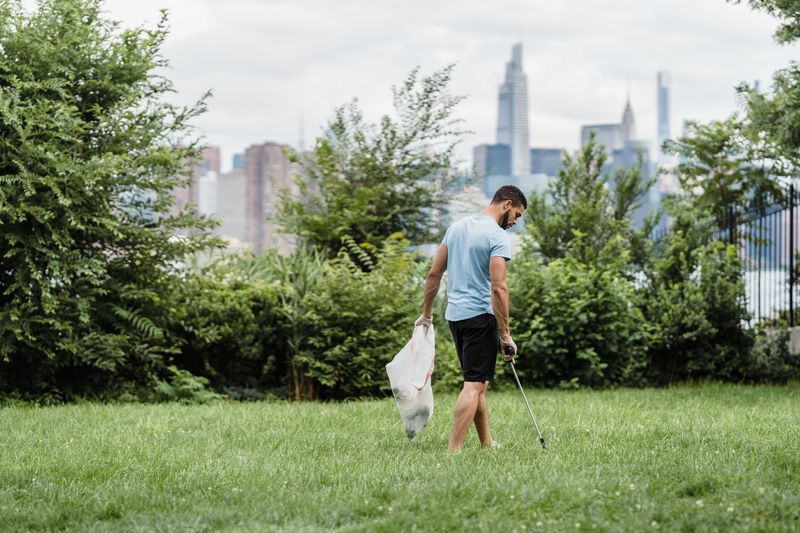
Many DEC lands have no trash cans at all. That means whatever you carry in, you carry back out.
Clip a roll of waste bags to your leash before leaving home. Pick up promptly, especially near campgrounds and developed areas.
Keep droppings far from water, trails, and campsites. Leave No Trace principles help keep forests clean for everyone.
A sealed container in your pack makes the trip home less smelly.
17. Plan Around Seasonal Hazards
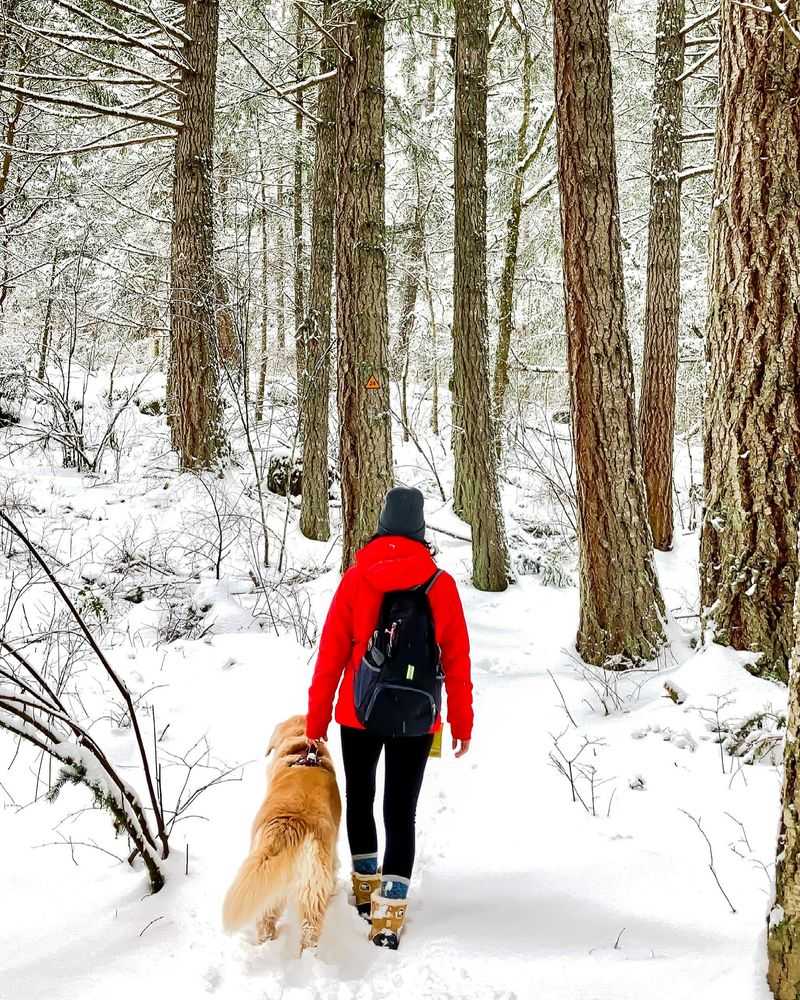
Each season brings its own curveballs. Winter can mean deep snow, slick ice, and snowmobiles sharing designated routes.
In Wildlife Management Areas, snowmobiles may run after big game season ends through March 31. They need at least three inches of snow or ice.
Spring brings mud, while summer brings heat. Booties can protect paws on ice.
On hot days, hike early or choose a shorter, shady loop.
18. Let Wildlife Stay Wild
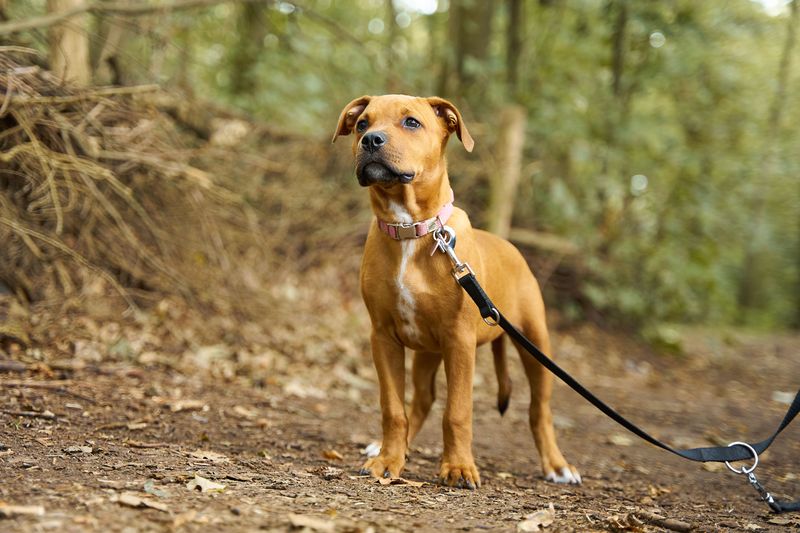
A squirrel darts by, and suddenly your dog has one goal. Chasing feels like a game to them, but it stresses wild animals.
Hold the leash firmly and keep your dog’s attention with treats. Watch wildlife from a respectful distance and never feed it.
Feeding changes natural habits and can spread disease. If an animal acts strangely, move away calmly.
Report unusual behavior to the DEC or local authorities.
19. Do a Final Sweep Before Driving Home
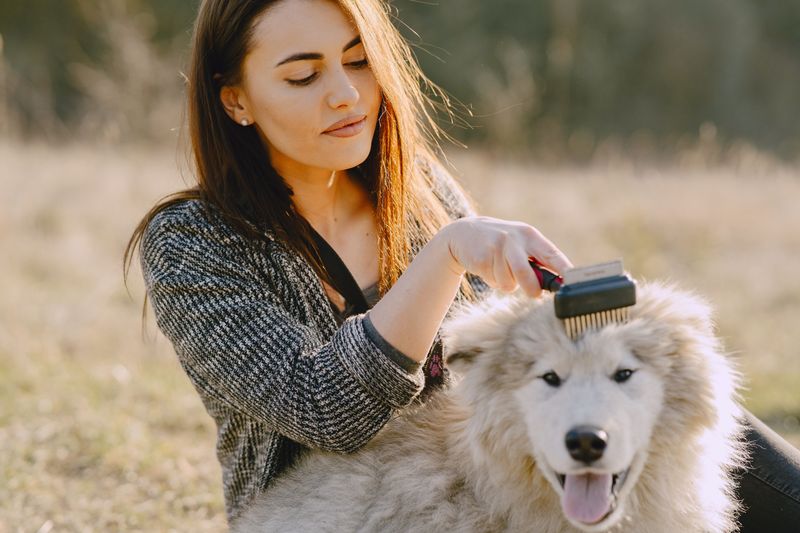
The last stop before the car is the most overlooked. Brush through your dog’s coat for ticks, seeds, and burrs.
Then check boots, leashes, and packs for plant bits and mud. Invasive species often travel on shoes, pets, and gear without anyone noticing.
New York regulates the transport of certain invasive plants. A quick brush helps protect the forests you love.
Keep a stiff brush in your car for easy cleanup.