20 Dog Breeds Suited To Oregon’s Rainy, Trail-Heavy Lifestyle
Oregon asks a lot from a dog. Nine months of drizzle, mossy switchbacks, cold coastal surf, and weekend hikes that stretch past lunch.
Some dogs shrink from that. Others treat a soaked coat as a badge of honor and beg for one more mile.
The breeds below were built for damp air, long climbs, and muddy paws on the truck seat. Here is which one might match your rain jacket and your route.
1. Golden Retriever
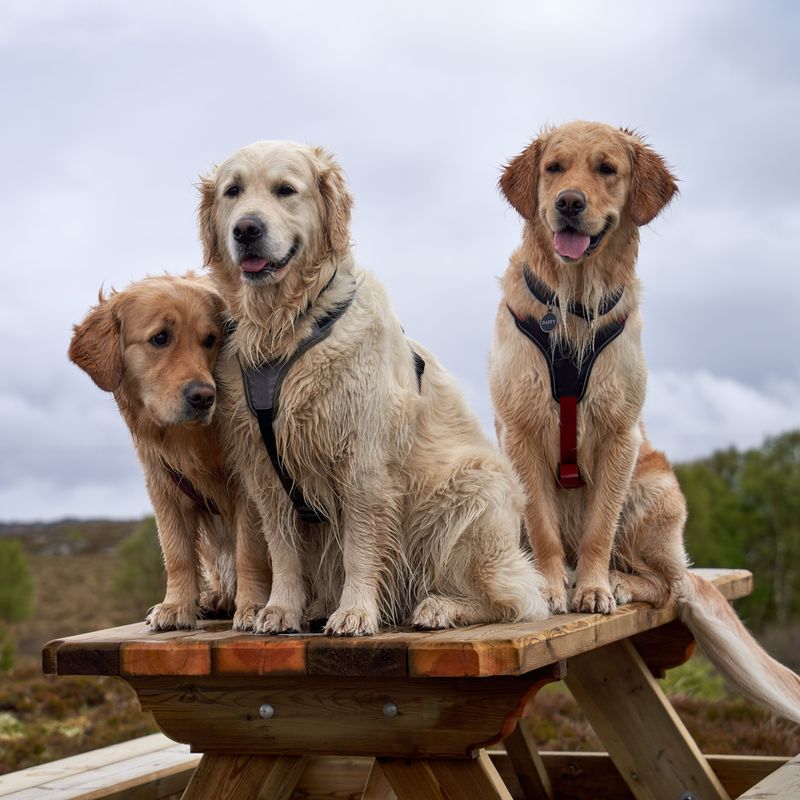
Few dogs greet a downpour with such open cheerfulness. Goldens carry a water-repellent double coat under all that feathering, so puddles cause no drama.
Stamina is the real selling point. Many happily cover eight or ten miles of Cascade foothill trail, then nap by the woodstove.
Plan for grooming, though. Wet feathering collects fir needles, burrs, and half the forest floor.
A slicker brush becomes your best friend.
2. Portuguese Water Dog
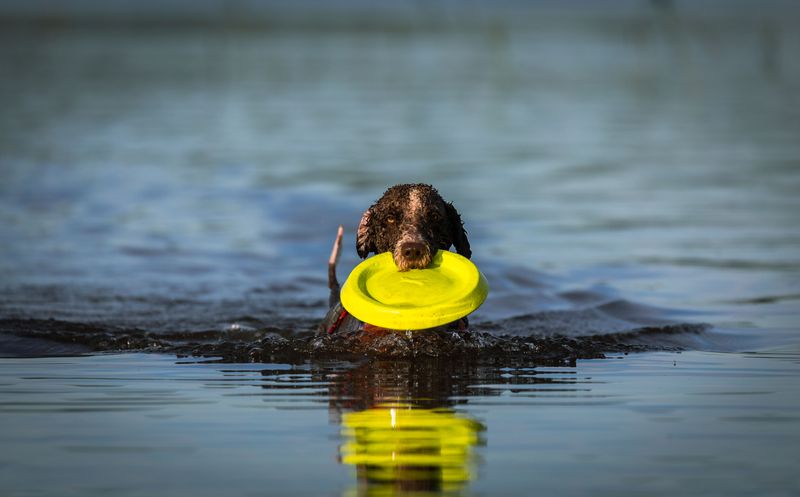
Portuguese fishing crews once used these curly athletes to herd fish into nets and carry messages between boats. Water is not a challenge to them.
It is the office.
Their single, curly coat sheds very little, which helps if your car interior matters to you.
Energy runs high, so pair coastal swims with real mental work. A bored one will redesign your garden.
3. Standard Poodle
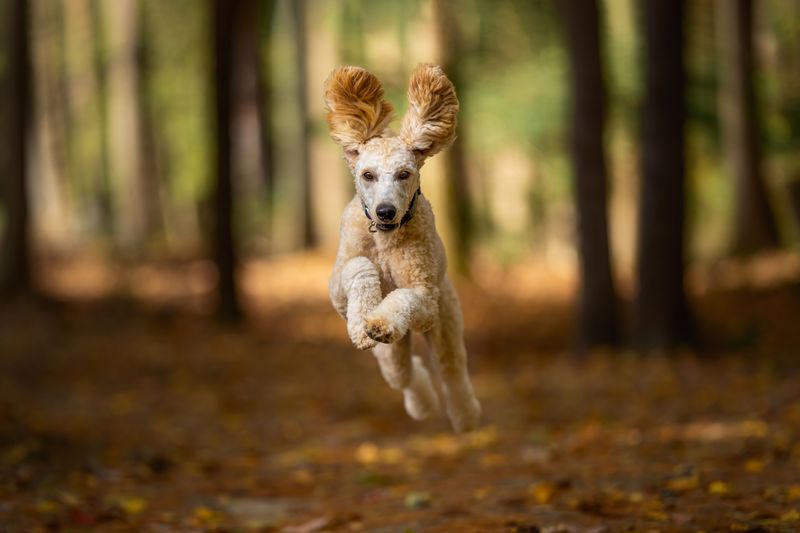
Forget the show ring clip for a second. Poodles were bred as German water retrievers, and the fancy trim originally protected joints in cold water.
On trail, a Standard moves with surprising spring and covers ground efficiently. Keep the coat in a short sport trim and mud rinses out fast.
Brains are the bonus. Teach trail manners once and a Poodle files it away permanently.
4. Labrador Retriever
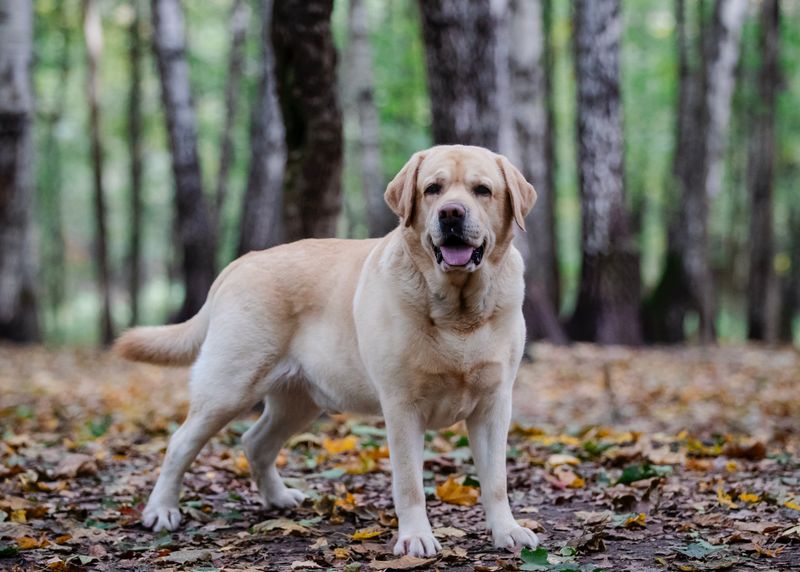
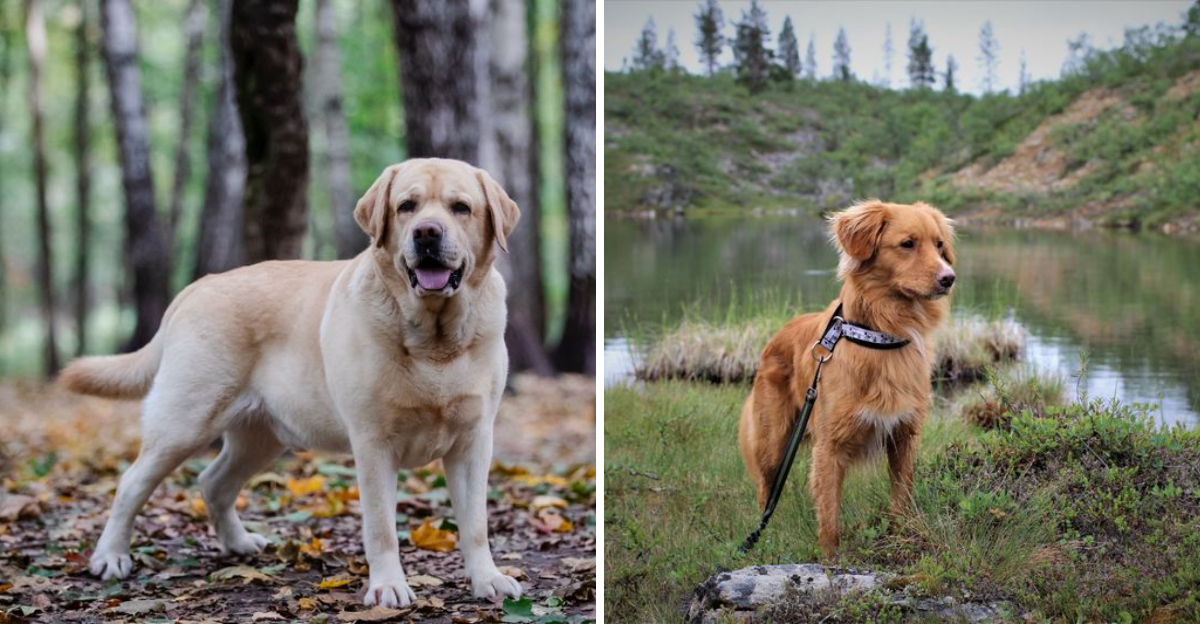
Rain rolls right off a Lab and nobody tells him about it. That double coat and its slightly oily topcoat were shaped by fishermen working cold Atlantic water.
Give him a Willamette Valley trail, a river crossing, and a stick, and he is completely content. Labs stay steady around strangers and other dogs on busy paths.
Fun bit: the breed traces back to Newfoundland, not Labrador. Watch his weight, since Labs eat with enthusiasm.
5. Chesapeake Bay Retriever
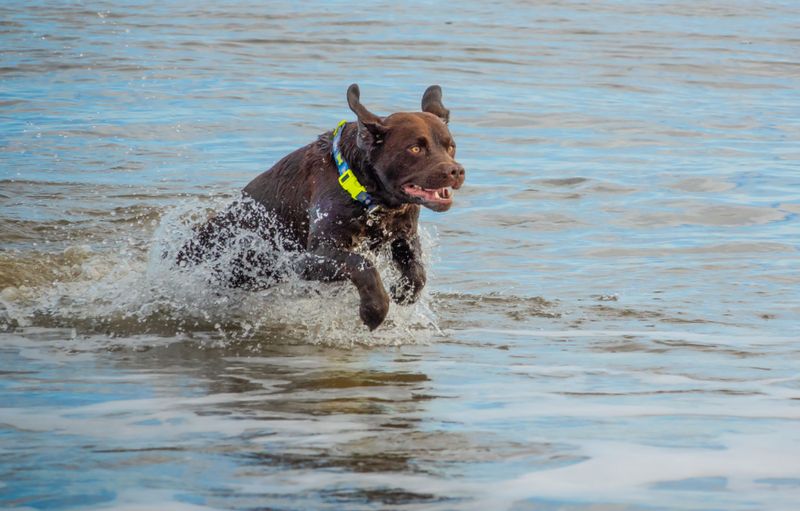
Here is the breed that laughs at ice. Chesapeakes were developed to break through frigid Chesapeake Bay water for ducks, sometimes dozens per day.
Their wavy, oily coat beads water like a waxed jacket, and it dries remarkably quickly for such a thick pelt.
Temperament runs more independent than a Lab. Start training early, stay consistent, and you get a tough, devoted partner for cold rivers.
6. Nova Scotia Duck Tolling Retriever
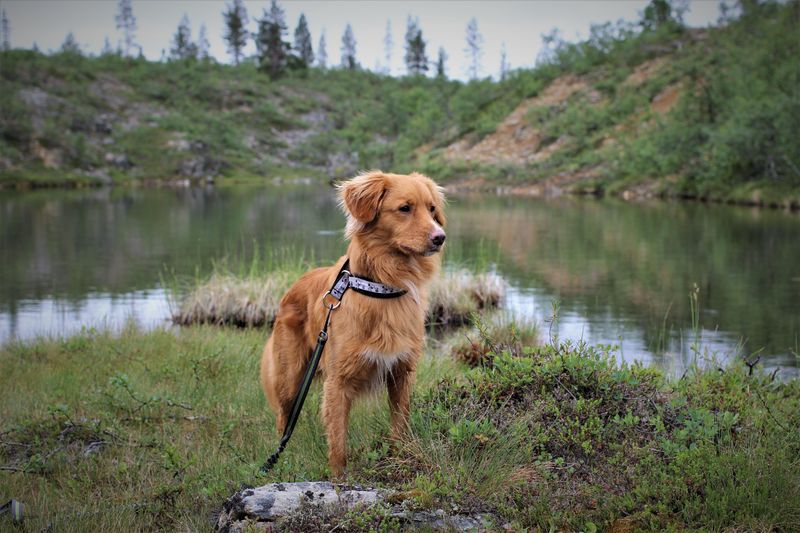
Compact, fox-red, and endlessly springy, the Toller was created to lure ducks closer by playing along the shoreline. Deception with a wagging tail.
Size works in your favor here. Around 45 pounds fits a small car, a trail, and a tent without much negotiation.
They are vocal and intense. Expect the famous Toller scream when excitement peaks near water.
7. Flat-Coated Retriever
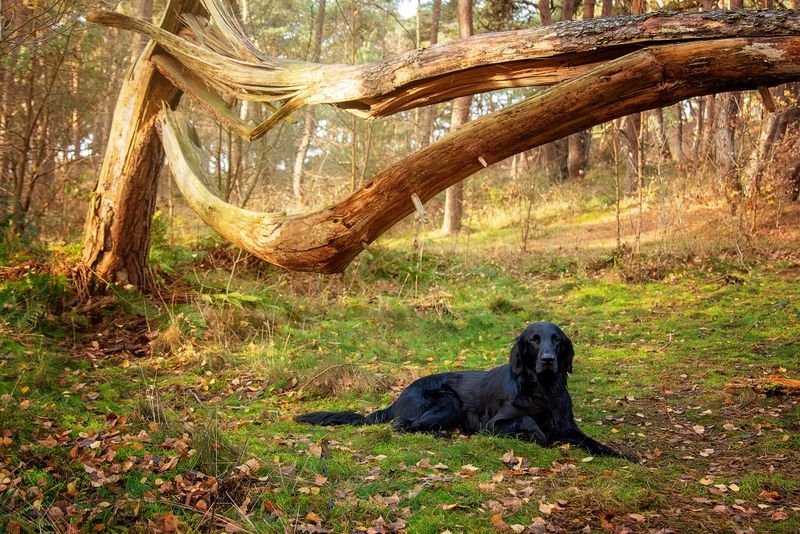
Nicknamed the Peter Pan of retrievers, this glossy sort keeps a puppyish bounce well past its third birthday. That works nicely for people who hike often.
The flat, weather-resistant coat handles Oregon drizzle with ease, and feathering dries faster than you would guess.
Sociability is a strength. Flat-Coats greet other hikers warmly, which makes crowded weekend trailheads much less stressful for everyone.
8. English Springer Spaniel
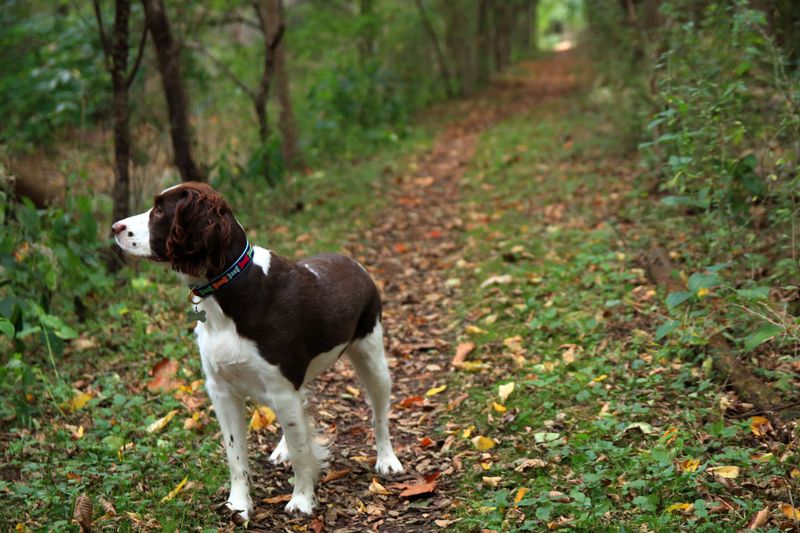
Bramble, blackberry, mud, creek: a Springer sees all four as one continuous invitation. Bred to flush birds from thick cover, they thrive in tangled Northwest brush.
Medium size, roughly 40 to 50 pounds, keeps them nimble on rocky switchbacks and easy to lift over blowdowns.
Check those long ears after wet outings. Moisture plus debris equals irritation if you skip the routine.
9. Brittany
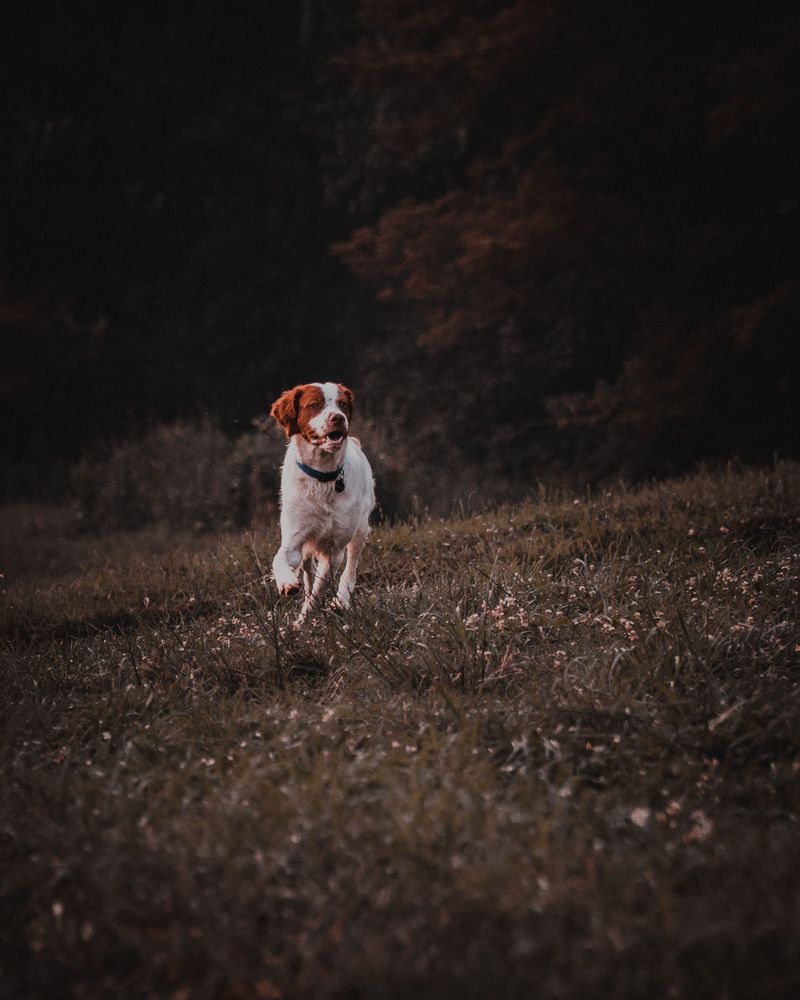
Light on its feet and lean as a runner, the Brittany was built by French hunters for all-day ground coverage. Endurance is the whole point.
Trail runners in Bend and Eugene love them because they match human pace for miles without complaint.
Short coat means less drying time, though a thin jacket helps on cold, wet winter mornings. Give them a job or they invent one.
10. Australian Shepherd
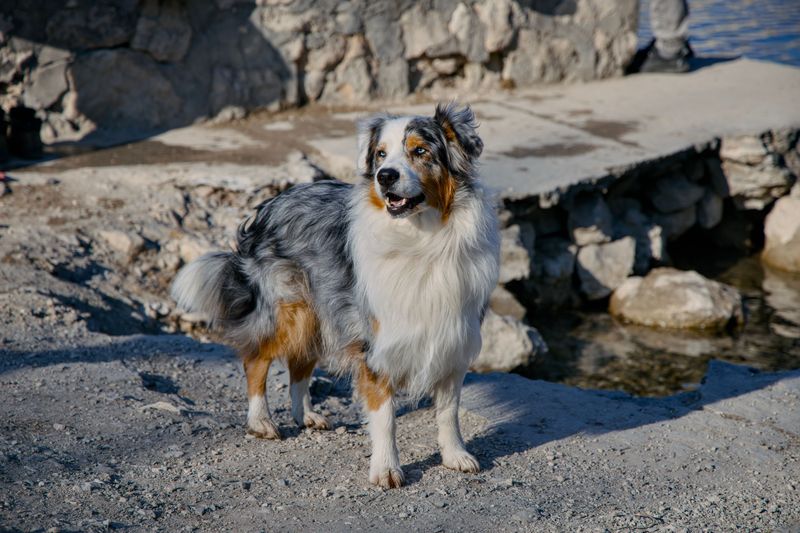
Despite the name, Aussies were refined on American ranches, largely in the West. Oregon country suits them almost suspiciously well.
That medium-length double coat handles rain and cold, then dries into a fluff cloud by the campfire. Merle patterns hide trail dirt nicely.
Their brains demand employment. Add scent games or trick training to your hikes and you will have a calm dog at home.
11. Border Collie
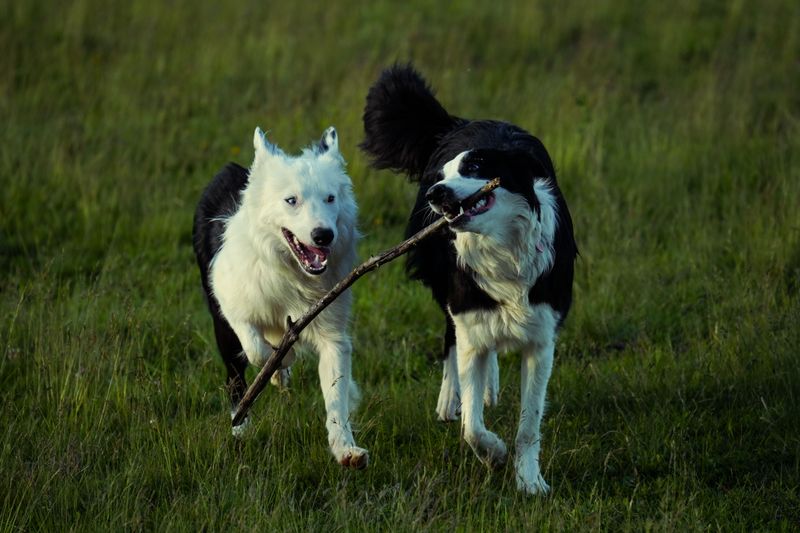
Consider the border between Scotland and England, where these dogs learned to work rough hills in constant weather. Drizzle means nothing to them.
On trail, a Border Collie will out-hike you, then stare politely at the car door. Twelve miles is a warm-up.
They are famously smart, so plan structure. Without a job, herding instinct can turn toward joggers and bicycles.
12. German Shorthaired Pointer
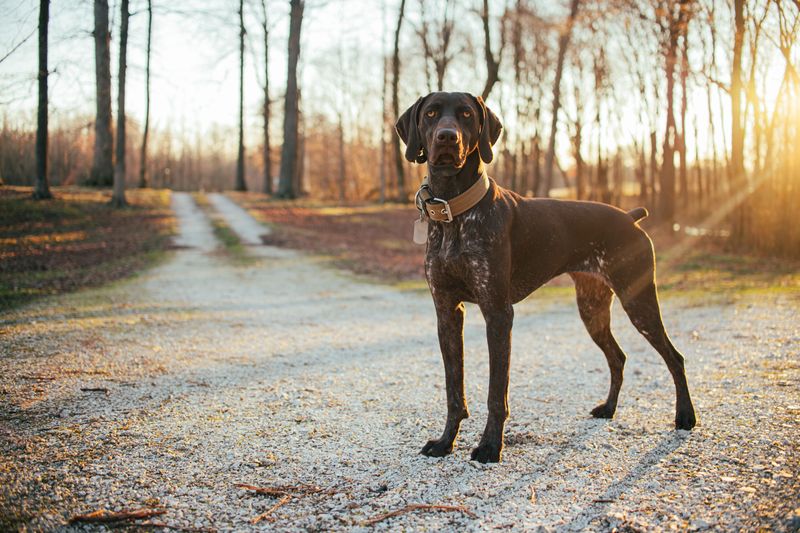
Ask any trail runner about GSPs and you will hear one word: relentless. Bred as versatile German hunting dogs, they point, retrieve, and swim.
Webbed feet make river crossings a breeze near places like the Deschutes. Their short coat rinses clean in seconds.
Cold rain does chill them faster, so pack a fleece layer for winter outings. Daily hard exercise is nonnegotiable.
13. Vizsla
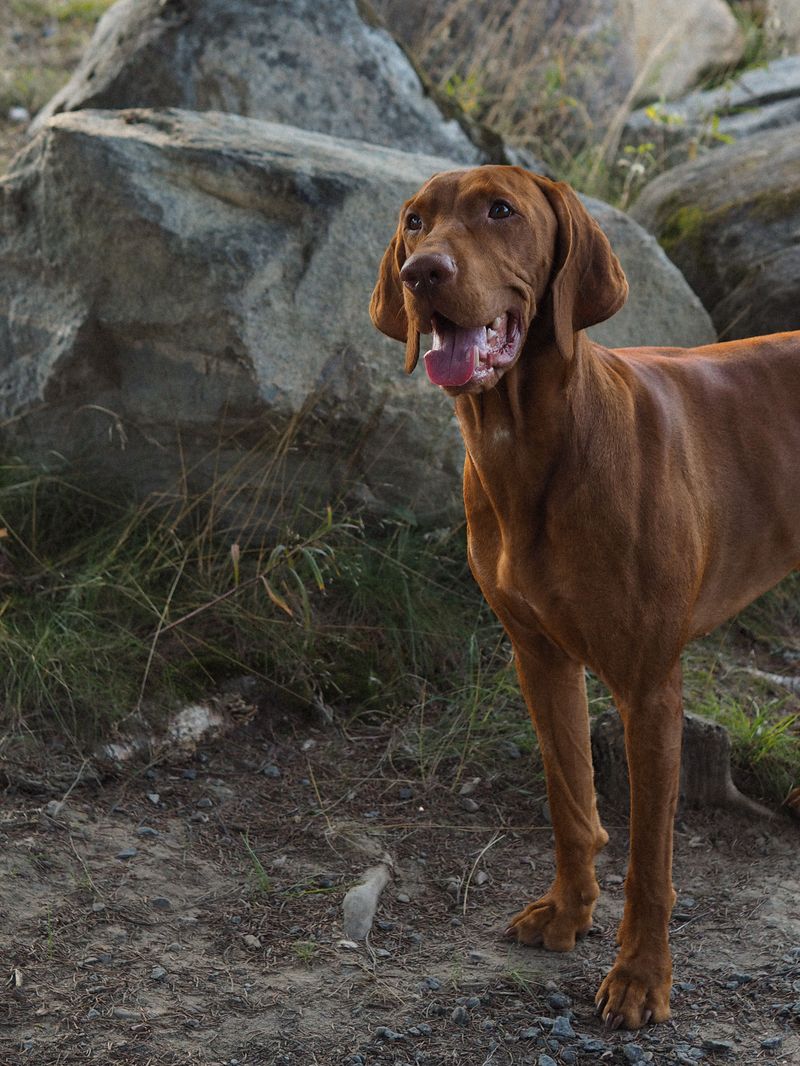
Velcro dog, they call it, and the nickname earns itself daily. A Vizsla hikes with one eye permanently on you.
Hungarian hunters prized their tireless trotting gait, which translates beautifully to long ridge routes and forest loops.
The thin rust-colored coat is the catch. Bring a waterproof jacket for chilly Oregon winters and dry them thoroughly after swims.
14. Rough Collie
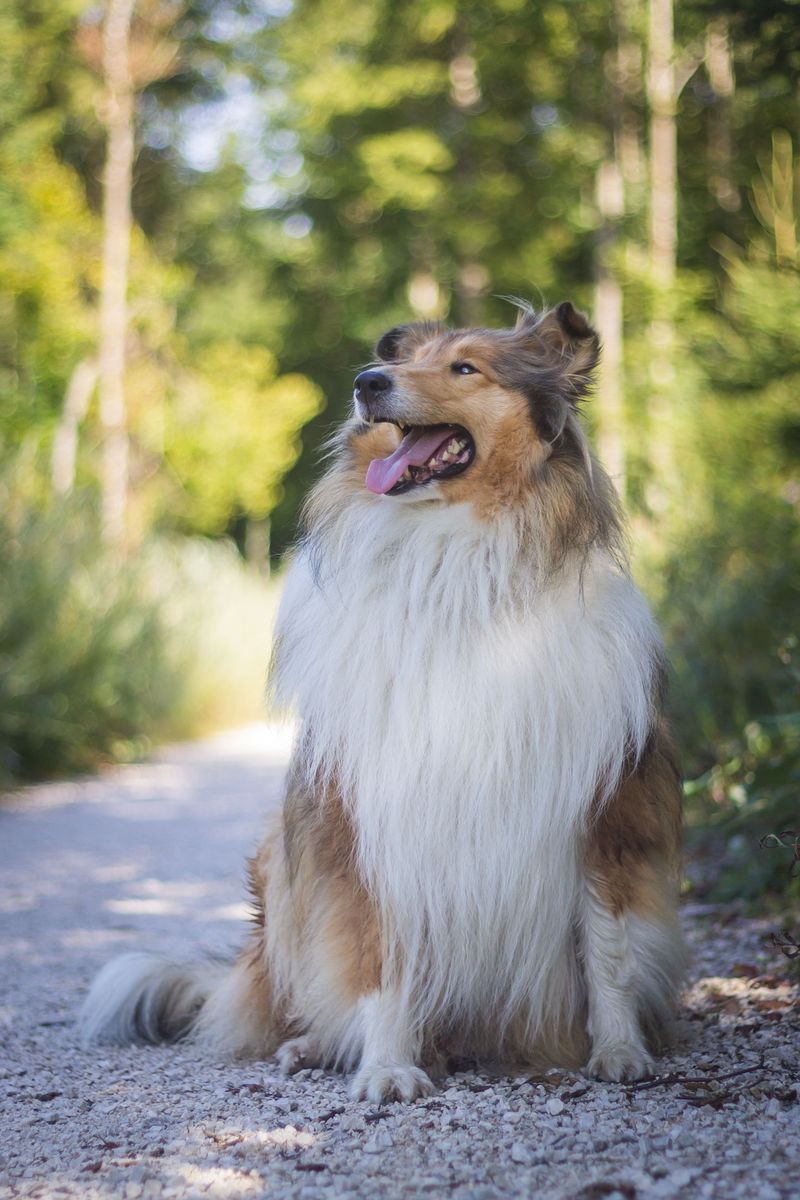
That flowing mane is not decoration. Scottish hill shepherds needed dogs that could stand in rain and wind for hours, and the Collie coat delivered.
Pace is moderate rather than frantic, making them lovely for families who hike four or five miles at a chatty speed.
Grooming is the trade. Weekly brushing keeps mats away, especially behind the ears and along the trousers.
15. Smooth Collie
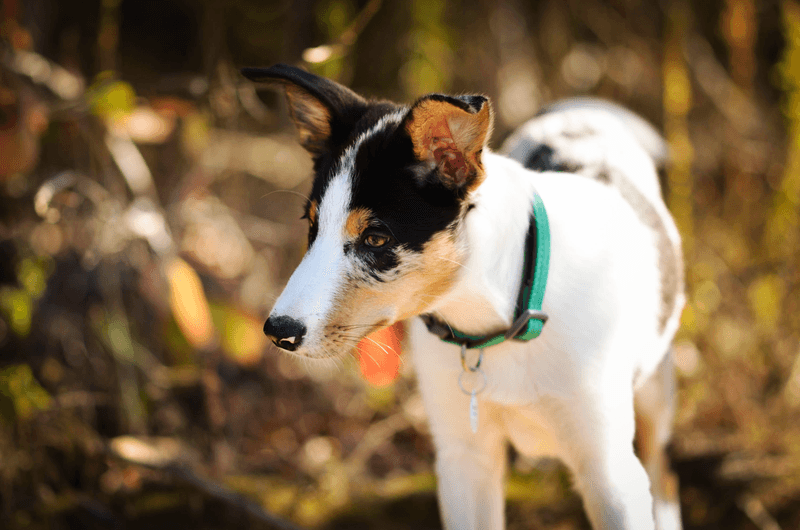
Same brain, same heart, far less brushing. Smooth Collies share ancestry with their long-haired cousins but carry a short, dense double coat.
Practical hikers adore that combination. Mud and rain wipe off with a towel at the trailhead instead of an hour of detangling.
Sensitivity is real, so keep training gentle and upbeat. They read your mood on the trail better than your weather app.
16. Bernese Mountain Dog
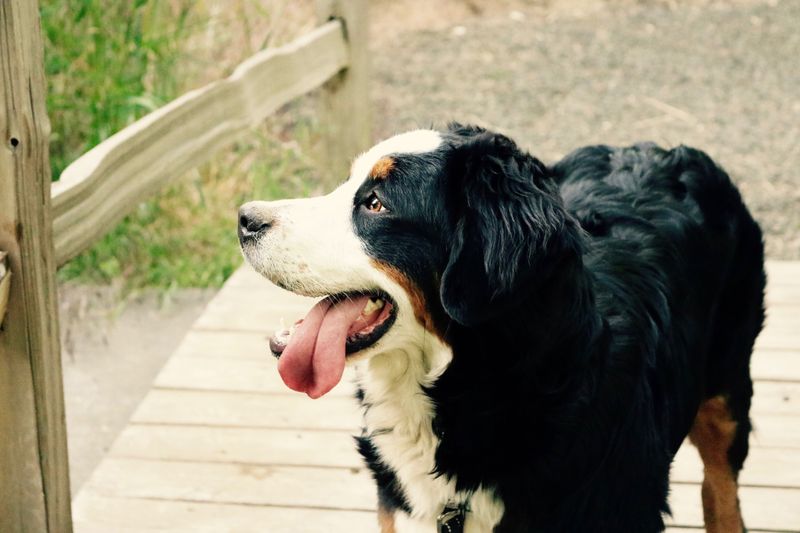
Swiss farmers used Berners to pull carts of milk through alpine weather, so cold rain barely registers. Heat is the enemy, not moisture.
Oregon’s cool, wet months are their season. Shady coastal forest trails and misty mornings suit them beautifully.
Keep hikes moderate in distance and skip hot afternoons. That heavy coat traps warmth quickly, and joints deserve careful management.
17. Irish Water Spaniel
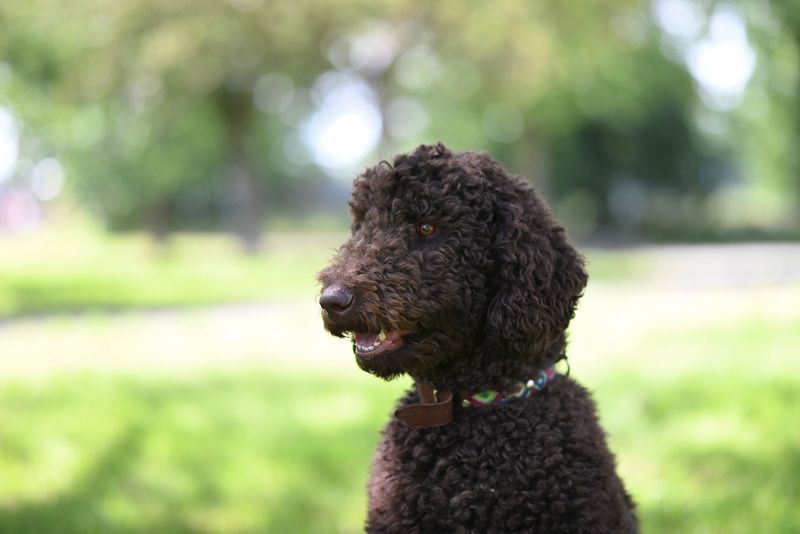
Meet the tallest of the spaniels, topped with tight liver curls and a bare, tapering rat tail. Nothing else looks quite like it.
Irish sportsmen developed the breed for cold bog and coastal water, and the curls act like natural insulation.
Shedding stays minimal, though those curls need regular combing. Playful and a bit clownish, they keep long hikes entertaining.
18. Boykin Spaniel
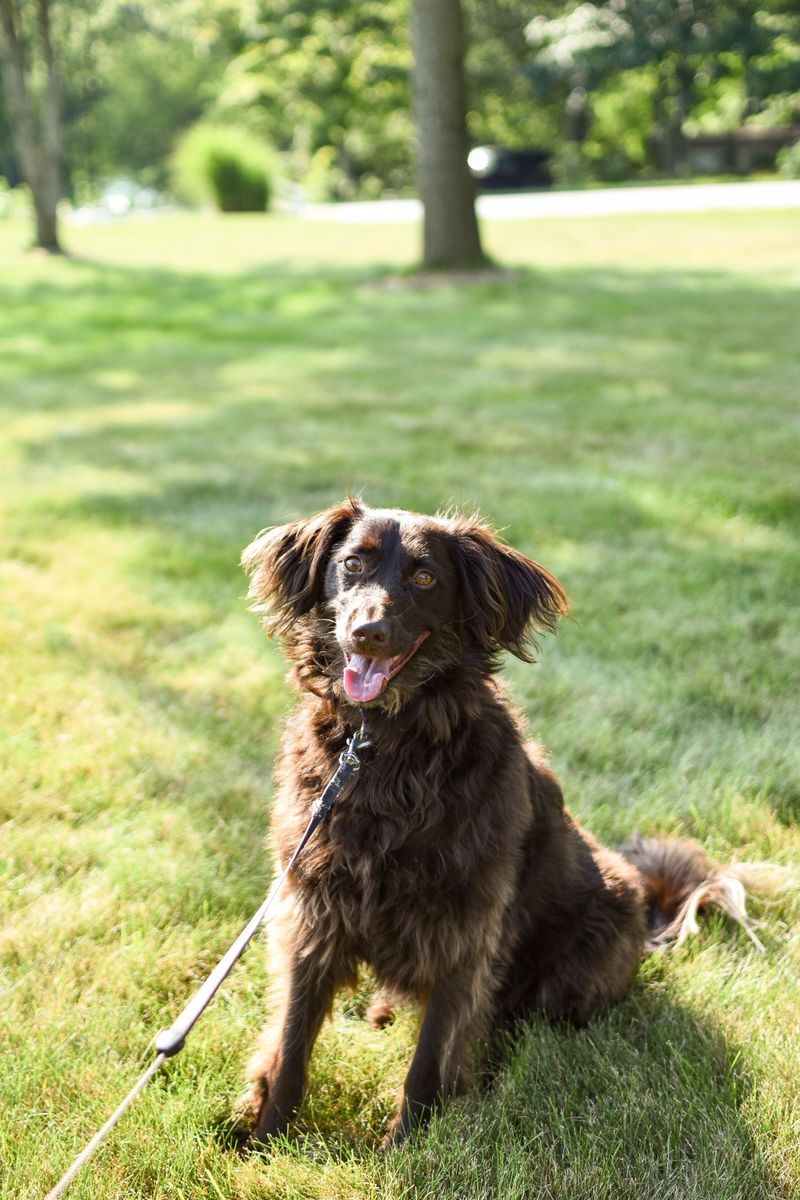
South Carolina’s state dog was designed to fit in a small boat, which also means it fits in a hatchback. Roughly 30 pounds of pure willingness.
The wavy brown coat repels water well, and swamp origins mean marshy trails feel like home.
Portability is underrated for Oregon travel. Coast, high desert, or Cascade lake, a Boykin packs easily and keeps up cheerfully.
19. Miniature American Shepherd
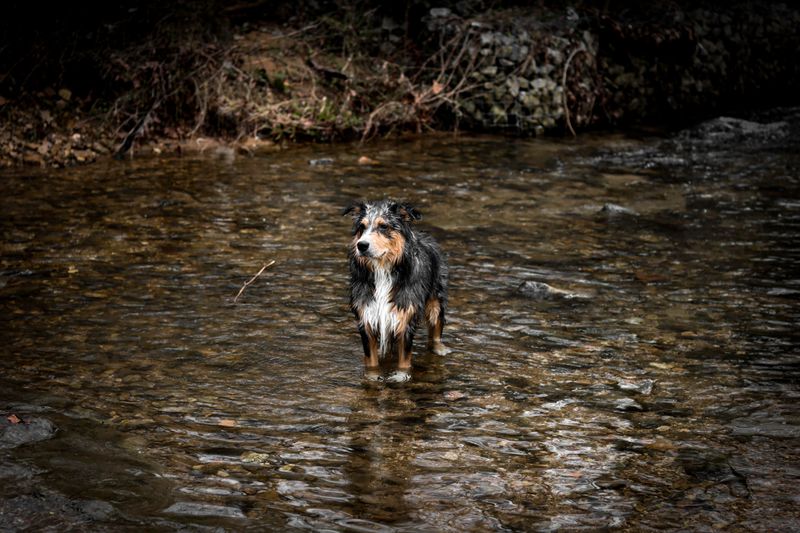
Think Aussie spirit shrunk into a 20 to 40 pound frame. Developed in California from small herding stock, they earned full recognition in 2015.
Apartment dwellers in Portland get the best of both worlds: a compact roommate with genuine trail stamina.
Their weather-ready double coat handles rain, and shorter legs still clock impressive miles. Give them puzzles between adventures to stay balanced.
20. Newfoundland
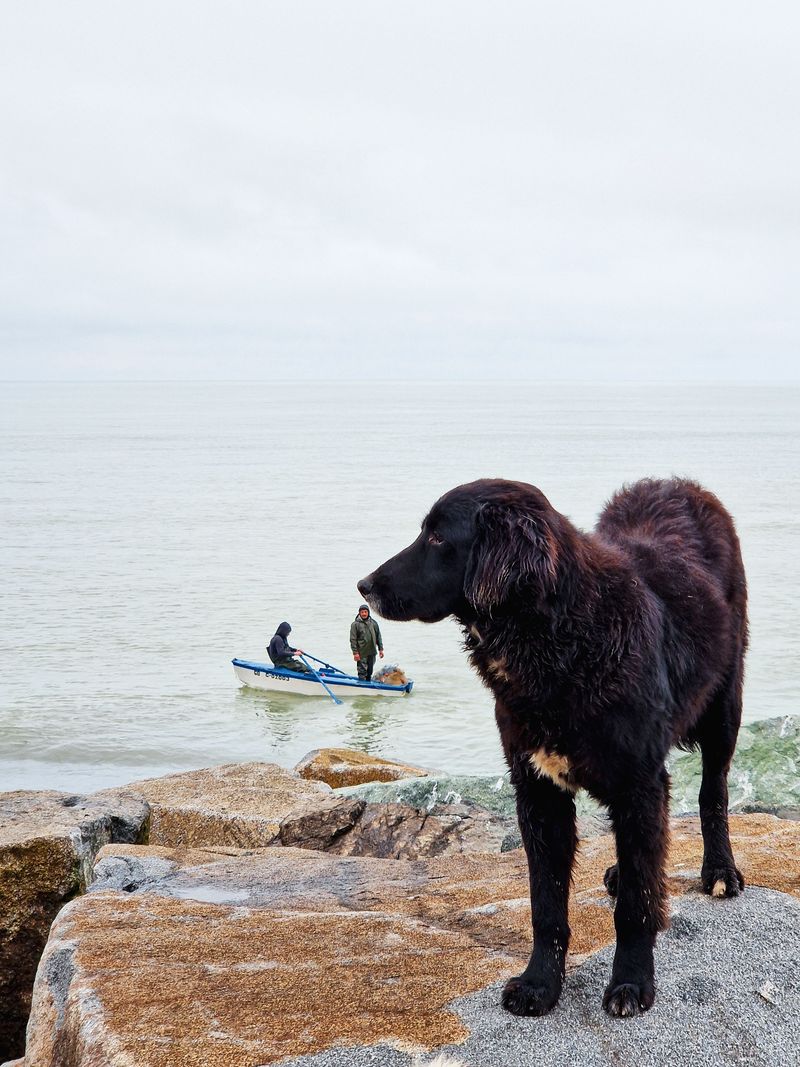
With webbed feet, a rudder-like tail, and a coat that shrugs off ocean chill, the Newf is a swimming legend. Water rescue is literally in the résumé.
Oregon’s cool coastline suits them, and calm surf days near driftwood beaches are pure joy.
Distance hikes should stay short and shady. Bring towels, plenty of them, because a wet Newf holds a remarkable amount of ocean.
Grab the leash. The trails are already wet.