Why Altitude Can Change The Way Your Dog Handles A Colorado Hike
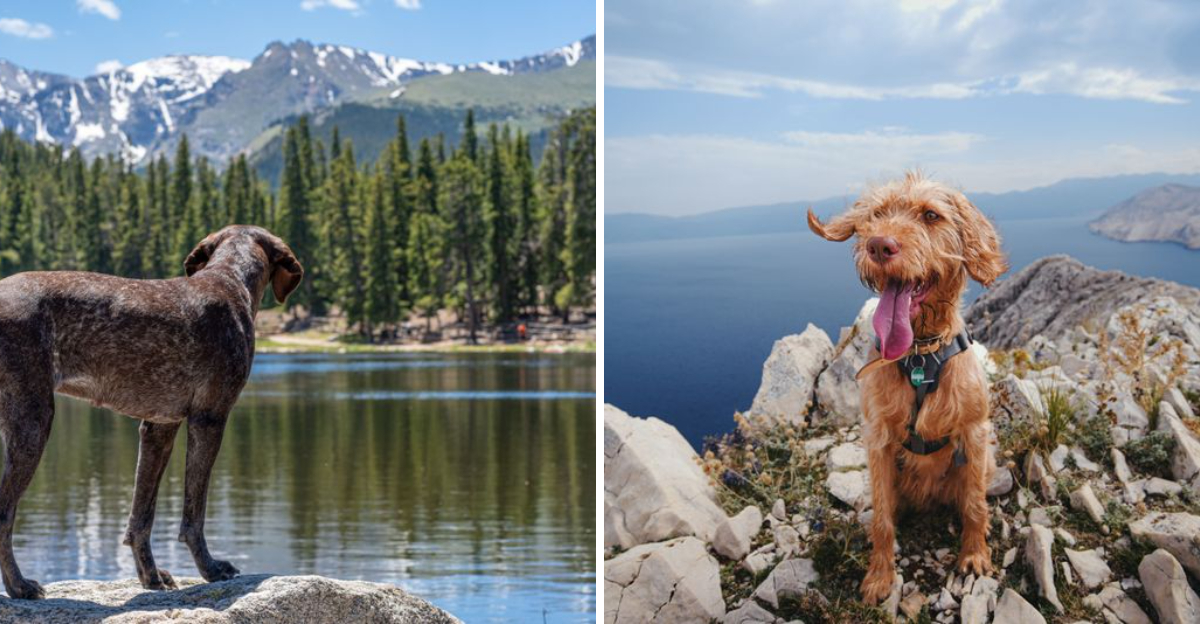
Colorado trails have a way of humbling even the fittest dogs. The same pup who cruises through neighborhood walks may slow down, pant harder, or ask for a break halfway up a mountain path.
Thin air is the reason, and it affects dogs much like it affects us. Knowing what to watch for makes every hike safer and a lot more enjoyable for both of you.
1. Thinner Air Means Fewer Oxygen Molecules Per Breath
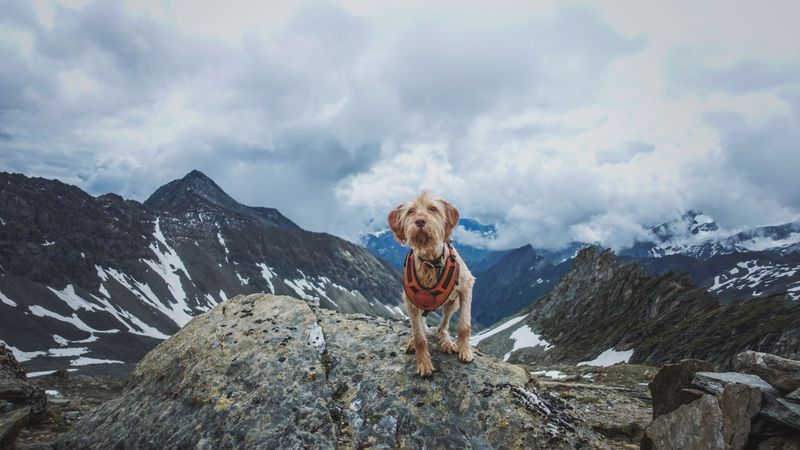
Air pressure drops as you climb, so each breath your dog takes carries less oxygen. The percentage of oxygen stays the same, but the pressure pushing it into the lungs weakens.
Muscles still demand the same fuel during a climb. To keep up, the body breathes faster and the heart works harder.
That extra effort is invisible at first. It shows up later as slower steps or longer rest breaks.
2. Stamina Runs Out Earlier Than You Expect
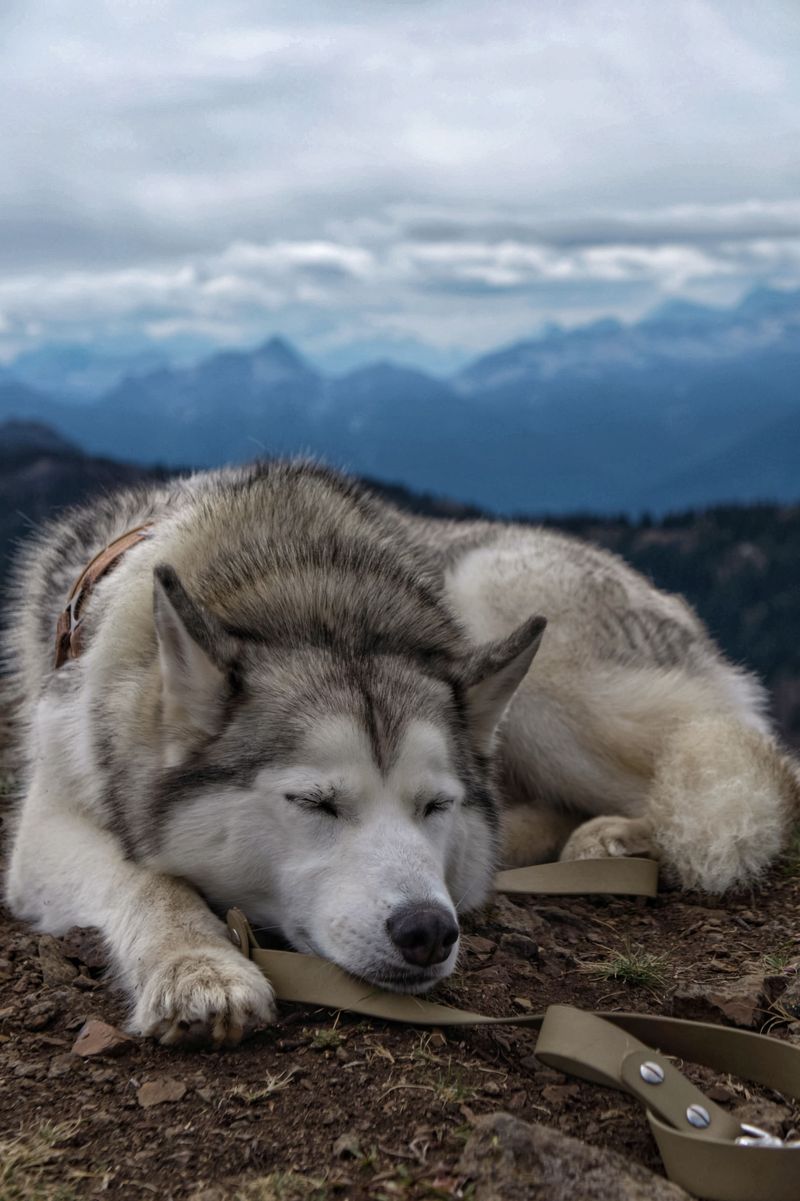
Fitness at low elevation does not always transfer to the mountains. A dog who happily logs five miles at home may fade after two above treeline.
Reduced oxygen shortens endurance, plain and simple. Enthusiasm stays high, but the tank empties sooner.
Plan shorter routes for the first few outings. Turning around early is not a failure, it is smart pacing that protects your dog’s energy.
3. Your Usual Trail Pace Quietly Drops
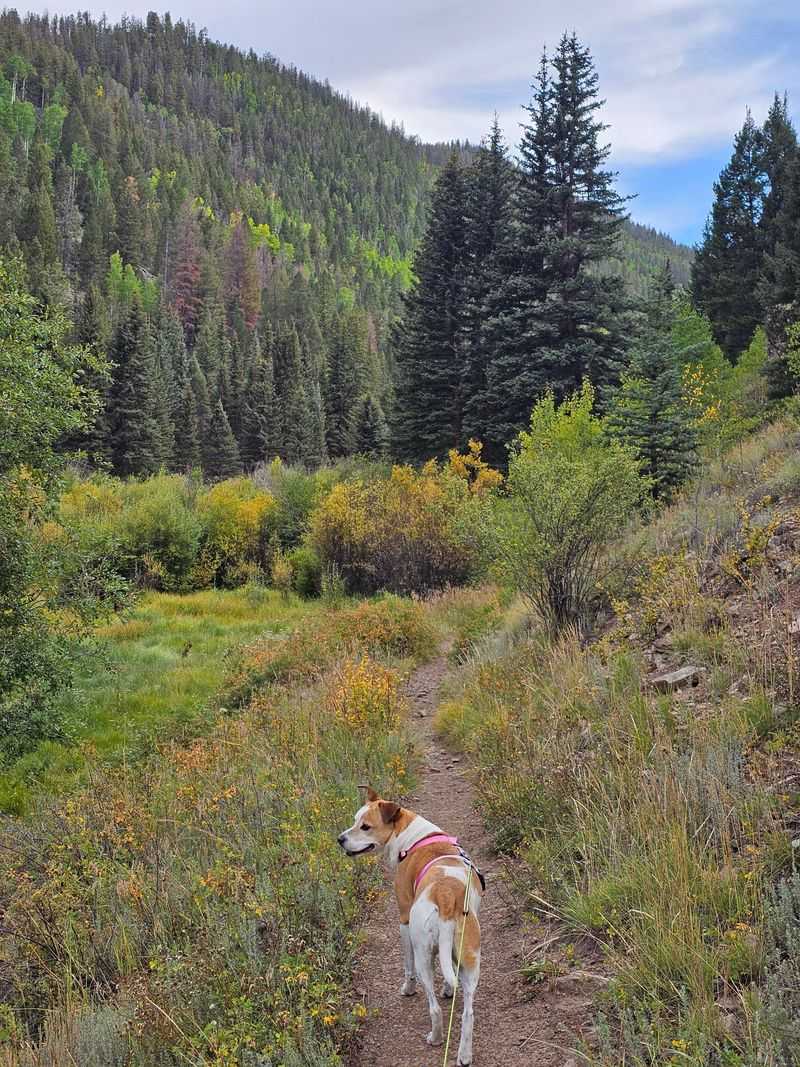
Frequent stops tell a story. A dog who normally leads the way may start trailing behind, sniffing longer, or pausing at every switchback.
Lagging is rarely stubbornness at elevation. It is usually the body asking for a moment to catch up on oxygen.
Let your dog set the tempo on mountain days. Matching their speed keeps the outing pleasant instead of turning it into a slog.
4. Effort Amplifies Everything Thin Air Already Does
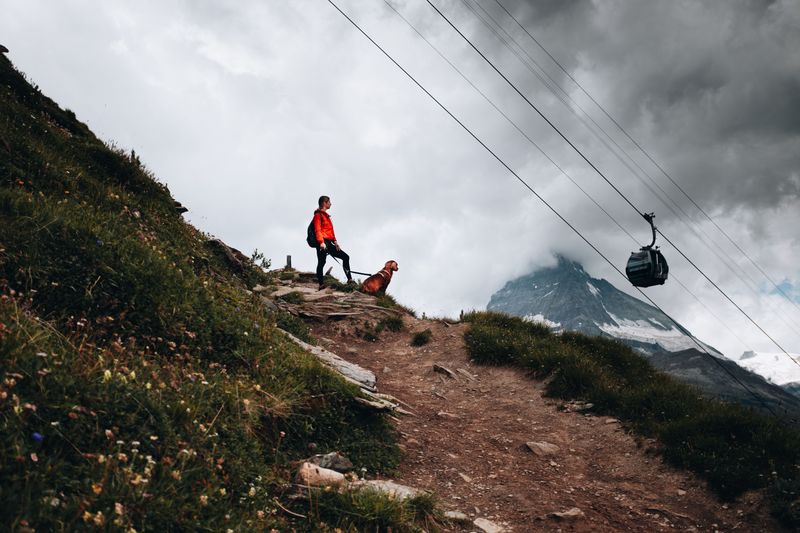
Standing still at 10,000 feet feels fine for most dogs. Add climbing, pulling, and squirrel chasing, and oxygen demand spikes fast.
Altitude effects tend to appear quickest when a dog is driven up from town and immediately turned loose to sprint.
Start slow for the first twenty minutes. A calm warmup lets the body adjust before the hard climbing begins.
5. Heavier Panting Is An Early Signal Worth Reading
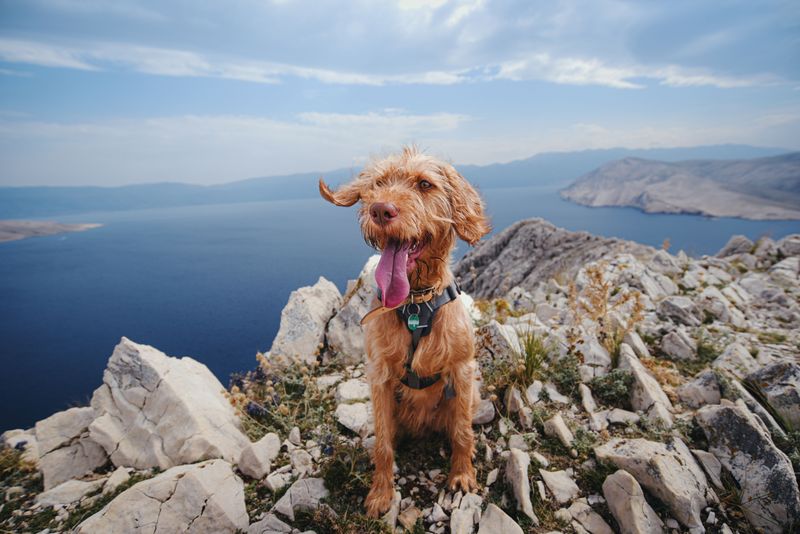
Panting is how dogs cool themselves, so some of it is completely normal. At elevation, though, the rhythm often changes noticeably.
Watch for panting that starts sooner, sounds heavier, or continues during rest stops. Slightly faster breathing at rest can linger for a few days after arriving.
Treat that shift as useful feedback. Slow down, offer water, and let the breathing settle before continuing.
6. Adjustment Takes Days, Not Minutes
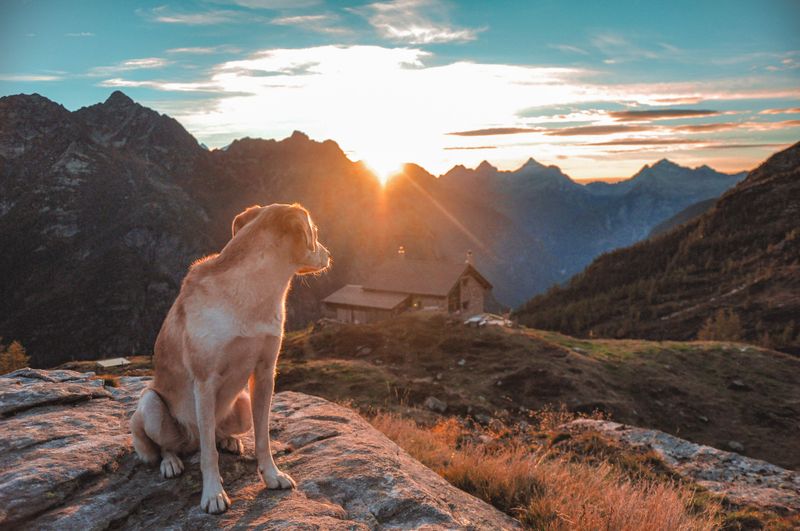
Bodies adapt to elevation gradually. Most healthy dogs settle in within a few days to about a week of arriving.
Full adjustment can stretch from one to three weeks, depending on how high you are and your dog’s overall health.
Build in easy days early in a mountain trip. Short walks and plenty of rest set up better hiking later in the week.
7. Visiting Dogs From Sea Level Feel It Most
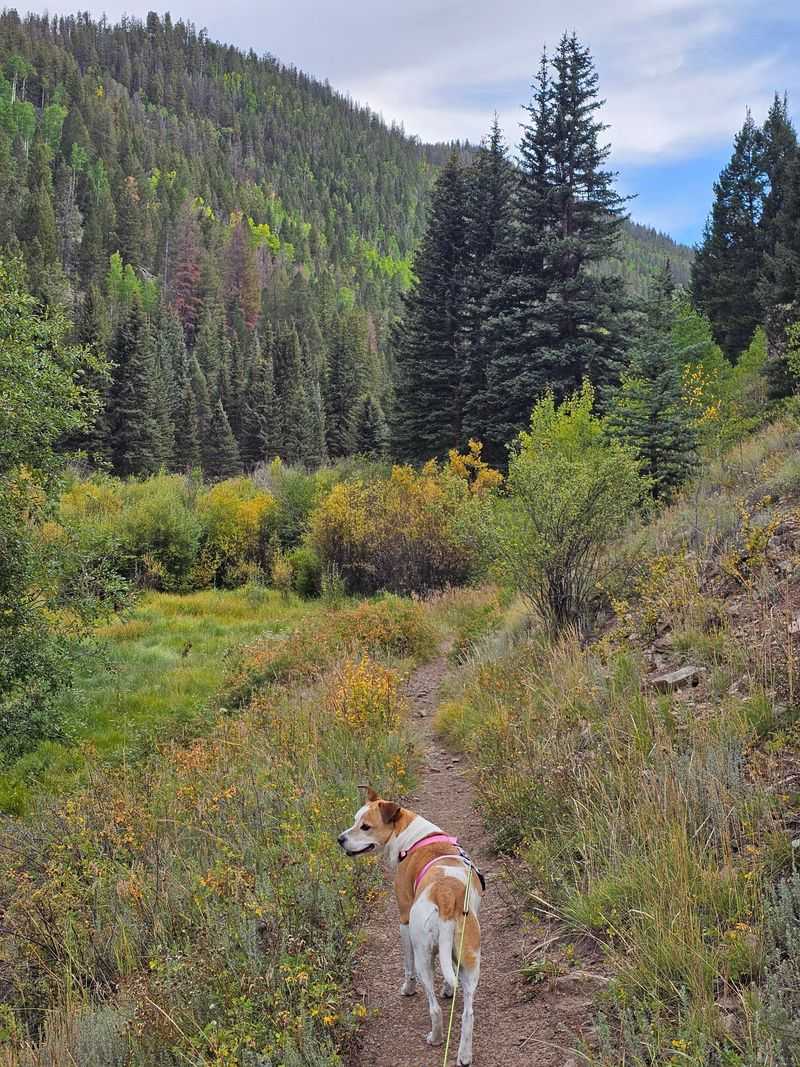
Guests arriving from coastal cities have the steepest adjustment curve. So do newly relocated dogs during their first couple of weeks in Denver.
Driving from the airport straight to a mountain trailhead compresses that transition even further. Stamina often dips noticeably.
Give visiting dogs a mellow first few days. Flat parks and short outings beat ambitious summit attempts right off the plane.
8. Above 8,000 Feet, Raise Your Caution Level
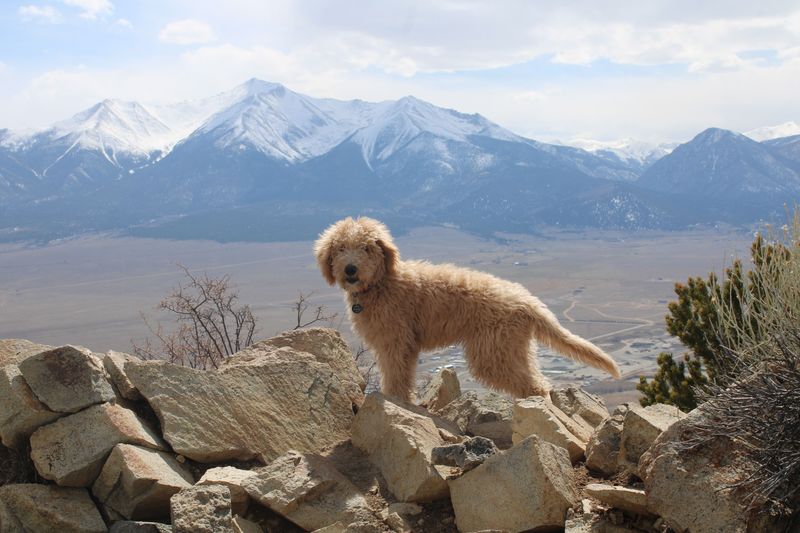
Guidance from veterinary sources often flags 8,000 feet as the point where altitude symptoms can begin in pets. Many Colorado trails cross that line quickly.
Routes above timberline reach 11,000 to 12,000 feet, and fourteeners climb past 14,000. Only healthy, well-conditioned dogs belong that high.
Check your route’s elevation profile beforehand. Knowing the high point helps you plan turnaround times honestly.
9. Food Suddenly Looks Less Appealing

A skipped meal after a big mountain day catches many owners off guard. Reduced appetite ranks among the most common altitude signs in dogs.
Some pups sniff their bowl and walk away, even after burning serious energy.
Offer smaller portions and something tempting, like a bit of warm broth mixed in. Mention ongoing disinterest in food to your veterinarian rather than waiting it out.
10. Upset Stomachs Sometimes Follow The Climb
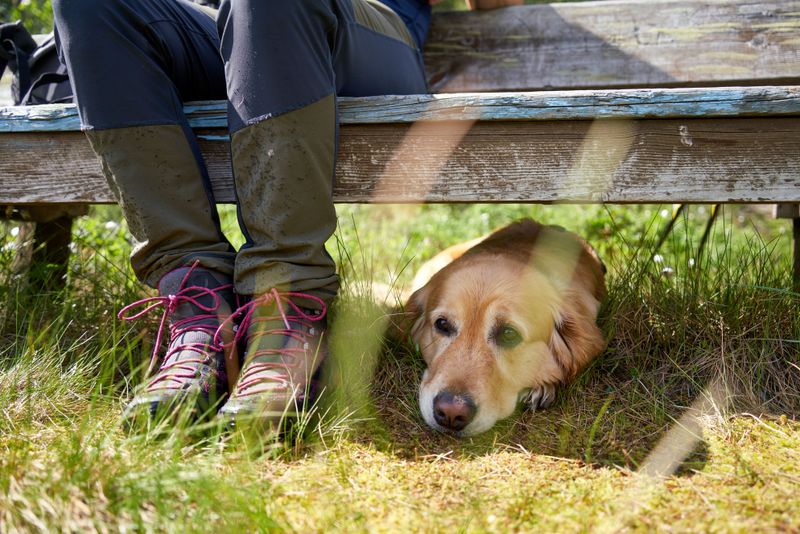
Queasiness can accompany altitude changes in pets, just as it does in people. Occasional drooling, lip licking, or a single episode of vomiting may show up.
Repeated vomiting is different. That warrants prompt veterinary attention rather than a wait-and-see approach.
Head downhill if your dog seems unwell, and offer small sips of water. Lower elevation usually brings quick relief.
11. Water Breaks Matter More Than They Do Back Home
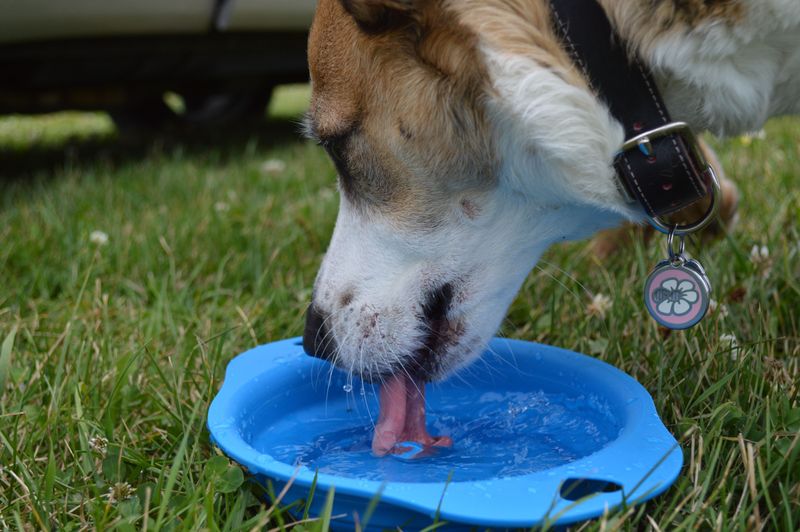
Colorado air is famously dry, and moisture leaves the body faster up high. Guidance suggests dogs may need roughly one and a half times more water at altitude.
Dogs do not reliably drink when they need to. That makes you the one keeping track.
Offer water before, during, and after the hike. Carry a collapsible bowl and stop every twenty minutes or so.
12. Hidden Heart Issues Can Surface In Thin Air
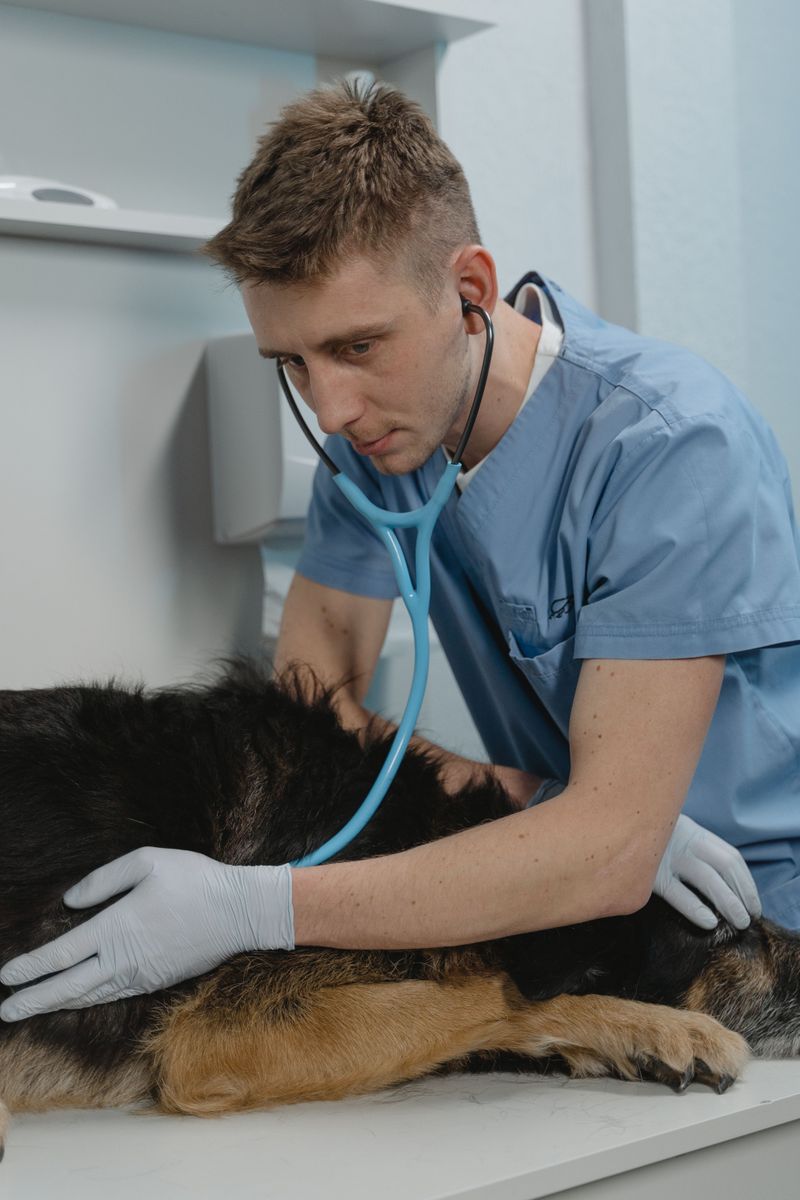
Reduced oxygen asks more of the cardiovascular system. Dogs with known murmurs or heart conditions should skip high-elevation hikes entirely.
Conditions such as cardiomyopathy or congestive heart failure can worsen up high. Occasionally, a problem that stayed quiet at lower elevations becomes noticeable on a mountain trip.
Ask your veterinarian for a heart check before planning big climbs, especially with an older dog.
13. Breathing Conditions Shrink The Margin For Error
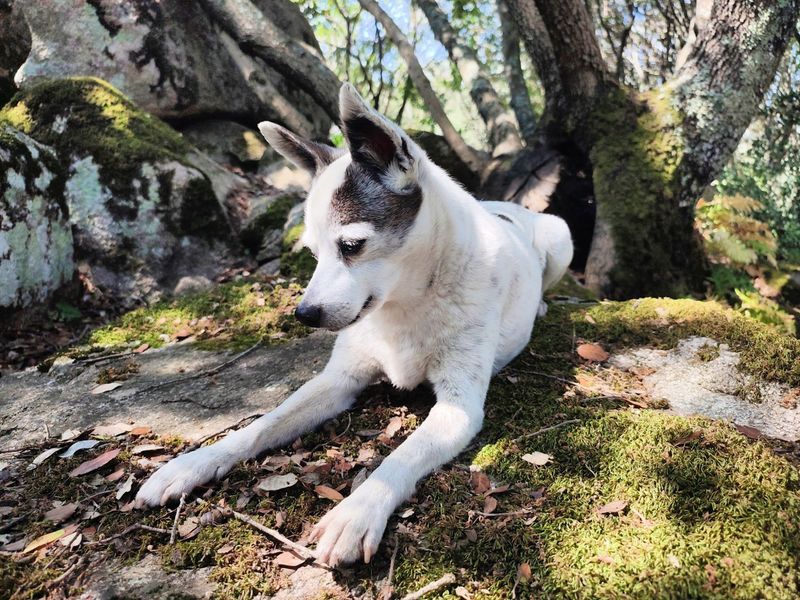
Airway conditions such as collapsing trachea, chronic bronchitis, or asthma already make breathing more work. Less available oxygen narrows the cushion further.
Dogs with allergies or respiratory disorders tend to be more vulnerable to altitude effects.
Stick to foothill trails and gentler grades with these pups. Your veterinarian can advise on a safe elevation ceiling based on your dog’s history.
14. Flat-Faced Breeds Need A Gentler Plan
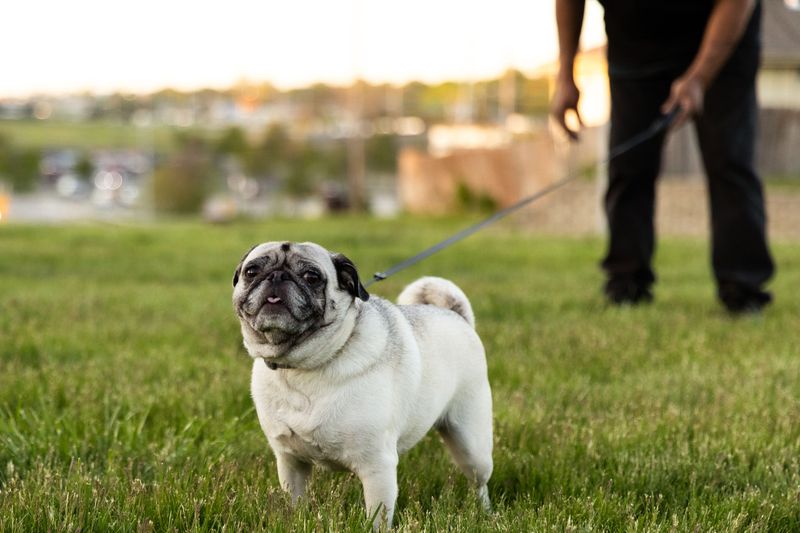
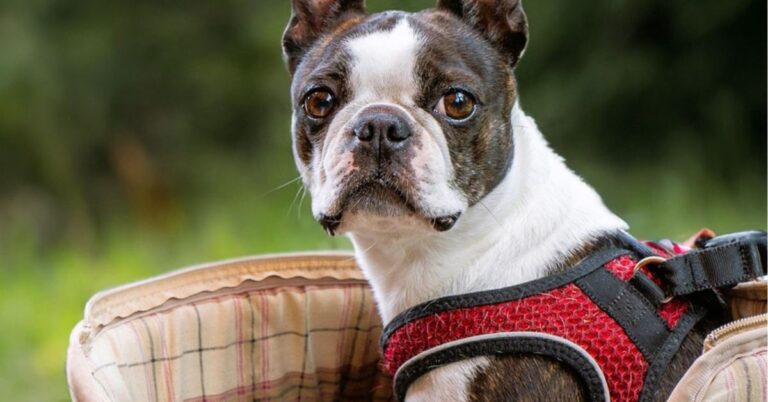
Bulldogs, Pugs, Boxers, and Boston Terriers work harder for every breath even at sea level. Narrow airways simply move less air.
Up high, these breeds must move more air to get the same oxygen, so distress can arrive quickly.
Monitor them closely above 5,000 feet, which includes much of the Front Range. Short, shaded, low-grade walks suit them best.
15. Puppies And Seniors Sit In A Different Category
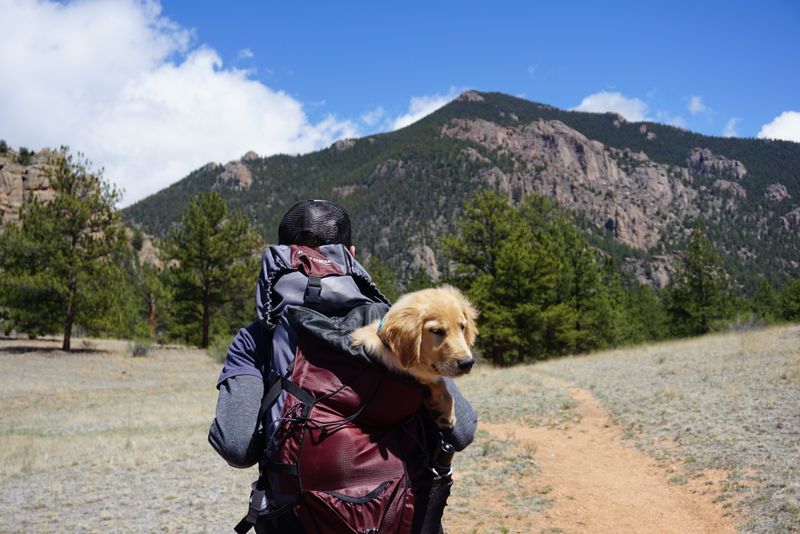
Both ends of the age spectrum handle altitude less easily. Very young puppies and older dogs rank among the most sensitive groups.
Growing bodies find thin air taxing, so short and easy routes are the right call for pups.
Seniors often need extra days to adjust and closer monitoring on the trail. Frequent breaks and modest mileage keep outings comfortable.
16. Training Beforehand Still Pays Off
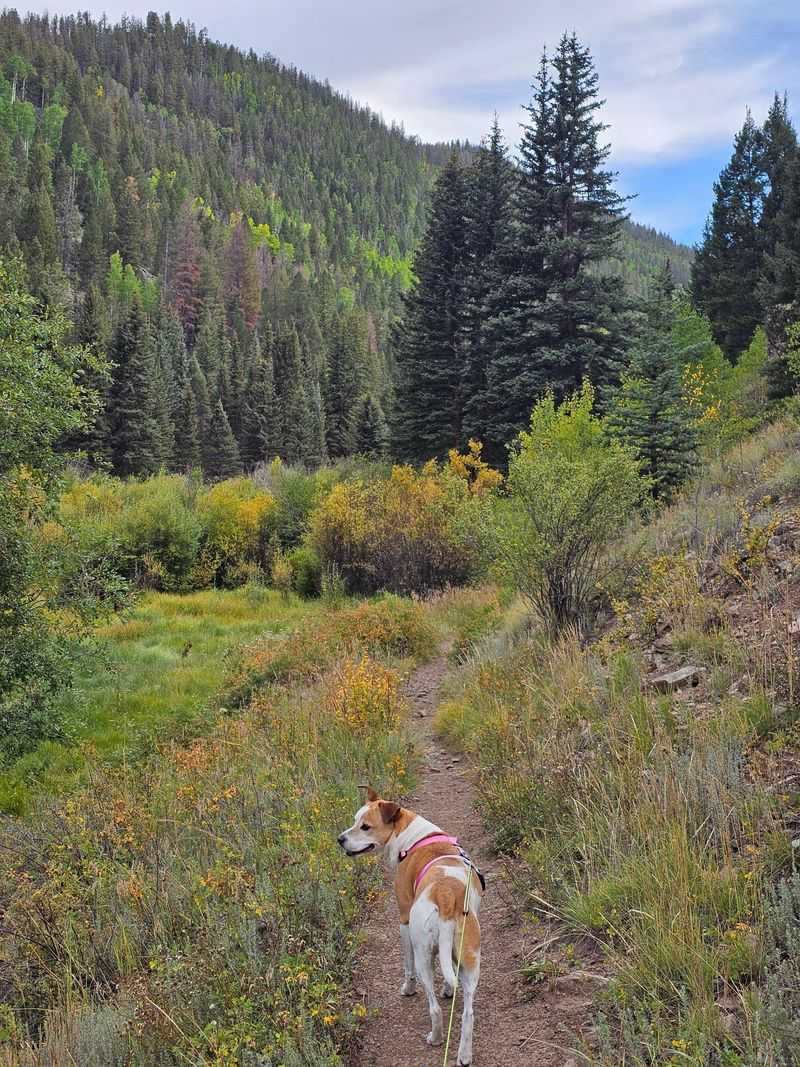
Conditioning does not cancel out altitude, but it absolutely softens the blow. A dog with a base of regular walking handles climbs more comfortably.
Gradual training also protects against sore muscles and overuse strains.
Build up over weeks: shorter outings first, then more distance, then more elevation gain. Slow progression beats a single ambitious weekend every time.
17. Three Familiar Miles Can Feel Like Six
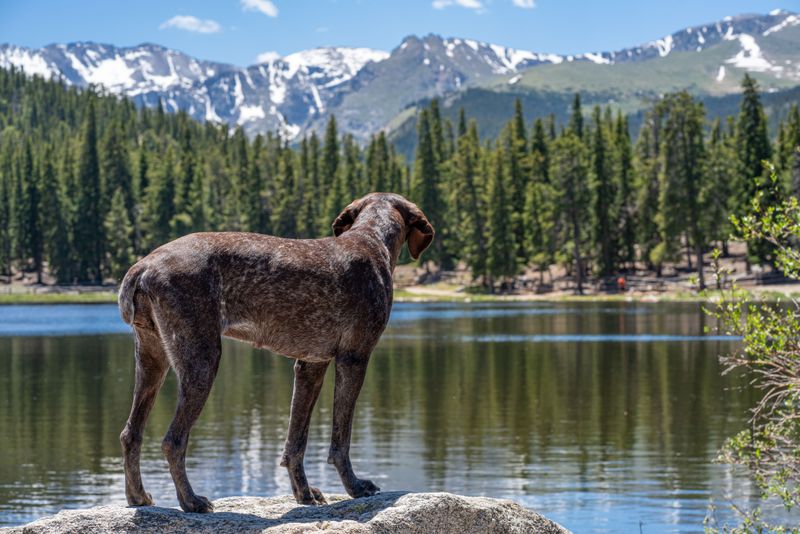
Distance means something different in the mountains. A route your dog knows cold at 5,000 feet becomes a real workout at 10,000.
The body is simply working harder to gather oxygen from every breath.
Judge effort instead of mileage. If your dog seems more spent than usual at the halfway mark, that is your cue to turn back.
18. Unusual Tiredness Deserves A Response, Not A Push
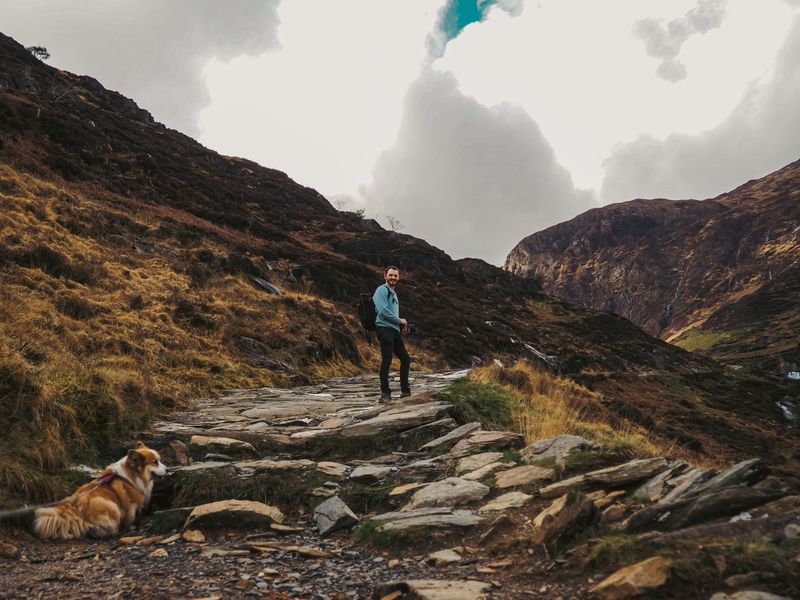
Sudden illness during or after a mountain trip should be handled as a medical matter, not ordinary fatigue.
A clear drop in energy, wobbliness, or persistent lagging deserves attention. Stop the activity, offer water, and head to lower elevation.
Call your veterinarian if signs continue or worsen. Turning around early is the simplest safety tool you have, and it works every time.