20 Georgia College-Town Rental Questions Dog Owners Should Ask Before Signing A Lease

Finding a rental in Athens, Statesboro, Valdosta, or another Georgia college town is exciting. Bringing your dog along adds a few extra steps.
Every property writes its own pet rules, and the details often hide in the lease or pet addendum. A few smart questions now can save you money, stress, and awkward surprises later.
Think of this list as advice from a friend who has signed a few pet leases. Keep it handy during tours, and you will walk into your new place feeling calm and ready.
1. Are Dogs Welcome, and What Are the Limits?

Picture falling in love with a sunny apartment, then learning your pup is over the weight limit. Georgia landlords set their own pet policies, so rules differ from building to building.
Many cap pets at one or two per unit. Weight limits of 30 or 50 pounds are common.
Some properties also ban breeds that insurers flag, such as Rottweilers or Huskies.
Service animals and approved emotional support animals are different. Fair housing laws protect them from breed and size limits.
2. Deposit, Fee, or Monthly Pet Rent?

Rent is only part of the monthly picture for dog owners. Georgia landlords may charge a pet deposit, a one-time pet fee, a monthly pet rent, or some mix of all three.
Pet rent often runs about $25 to $50 per pet each month. Over a twelve-month lease, that adds up quickly for a student budget.
Ask for every charge in writing before you sign. Landlords cannot charge these fees for service animals or approved emotional support animals.
3. Which Pet Charges Come Back at Move-Out?

Here is a word worth circling in your lease: refundable. A pet deposit usually works like a security deposit, so you can get it back if your home stays in good shape.
A non-refundable pet fee is different. The landlord keeps it no matter what, and the lease should say so clearly.
Georgia’s Safe at Home Act, effective July 2024, caps total deposits at two months of rent. Refundable money must come back within 30 days, with an itemized list of deductions.
4. Pet-Friendly Buildings Versus Pet-Free Ones

Large student complexes often feel like small neighborhoods, with many buildings spread across one property. Not every building may welcome dogs, though.
Some owners set aside pet-friendly buildings or specific unit types. Others allow dogs everywhere.
There is no statewide rule here, so it comes down to each landlord.
During your tour, ask which units are open to pets and which are not. Then make sure the pet addendum names your exact unit.
That small detail protects you later.
5. Assigned Floors and Pet Wings

Ground-floor living can be a gift for dog owners. Late-night potty trips are easier when you skip three flights of stairs.
Some properties go further and assign dog owners to certain floors or wings. The goal is usually to reduce noise and help neighbors with allergies.
These policies are property-specific, not state law.
Ask whether such a rule exists before you pick a unit. If you have a choice, a lower floor near an exit may make daily walks much simpler.
6. Rules on Home-Alone Time

Class schedules, study groups, and part-time jobs can keep students away for hours. That makes this question more important than it first seems.
Some pet addendums say dogs cannot be left unattended for unreasonable periods. The wording is often vague, so ask what the property actually considers too long.
Ask about crate rules too. If long days are common, plan for a midday walker or doggy daycare.
Your pup stays happier, and your neighbors stay calmer.
7. How Barking Complaints Get Handled

Thin walls and a vocal beagle can be a tricky mix. Apartment living puts you close to neighbors, and sound travels.
Most pet policies require owners to prevent excessive noise and fix problems quickly after a complaint. Ongoing barking can count as a lease violation.
In some cases, it may even lead to eviction.
So ask how complaints are handled, and whether a warning comes first. Knowing the process early helps you respond calmly if a neighbor speaks up.
8. Leash Rules Beyond Your Front Door

Georgia has no statewide leash law. That surprises many new residents, but the story does not end there.
Most counties and cities set their own leash rules for public spaces. Some ordinances even limit leash length, such as six feet.
Rules vary, so check with your local animal control office.
Apartment complexes usually add their own policy. Most require a leash anytime your dog leaves the unit.
Ask whether retractable leashes are allowed in hallways and parking areas.
9. Fenced Dog Runs and Relief Areas

A fenced dog park steps from your door can feel like a small luxury. Some pet-friendly properties offer one, along with relief areas or even pet washing stations.
None of these perks are required by law. They are simply amenities a property may choose to provide.
Ask about open hours, too.
If a dog run is listed, go see it in person. Check the fence height, gate latches, shade, and cleanliness.
A tidy, well-kept space says a lot about management.
10. Cleanup Duty and Waste Stations
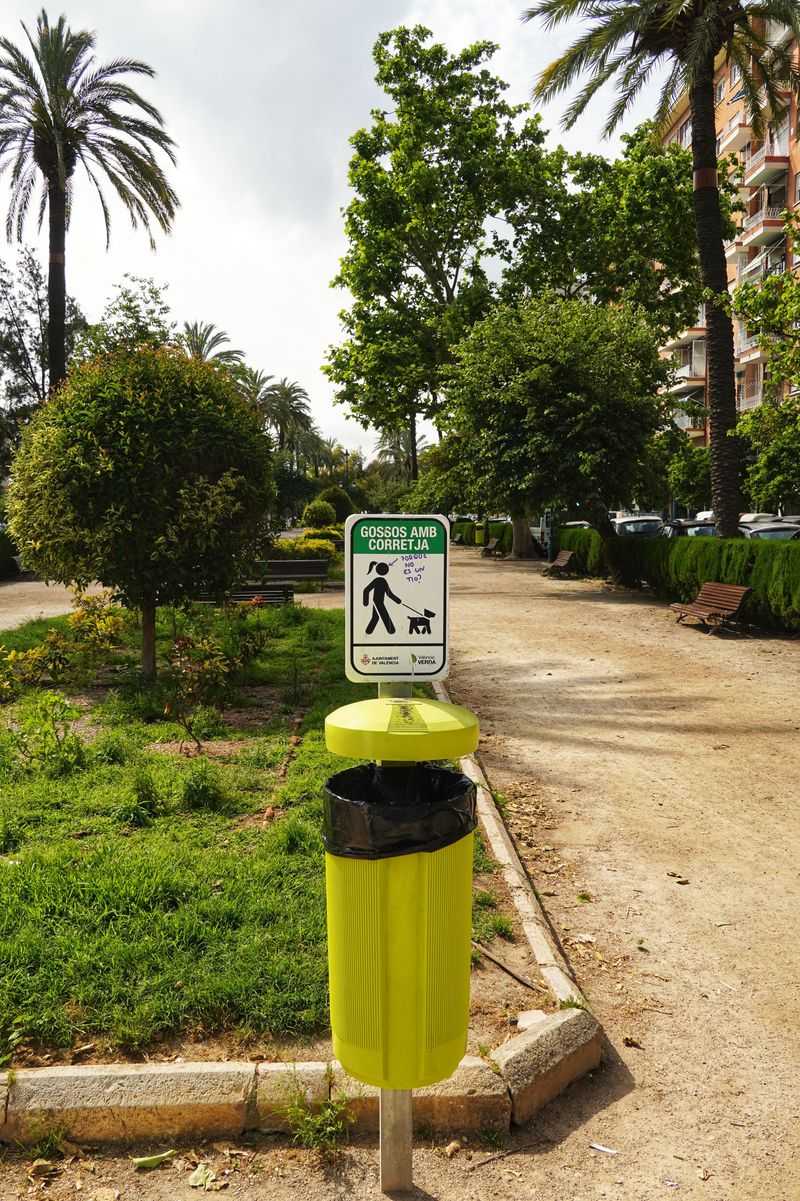
Nobody loves this chore, but every dog owner shares it. Most leases make tenants responsible for picking up after their dogs right away.
Georgia has no statewide pet waste law. Local ordinances often do, with fines that commonly range from about $25 to $500.
Many complexes charge their own penalties as well.
Ask where the waste stations are and how often they get emptied. Handy stations with bags make good habits easy.
Keep a spare roll clipped to your leash anyway.
11. Sidewalks, Parks, and Walking Routes

Your dog will judge a new home by its walks, not its granite countertops. Think about the route outside the front door.
Are there sidewalks, or will you share a busy road with game-day traffic? Is there a park or grassy strip within a short stroll?
Many college towns have lovely trails, but not every complex sits near one.
Try walking the area at night before you sign. Good lighting and safe crossings matter for those late potty breaks.
12. Courtyards, Lounges, and Shared Spaces

That shady courtyard might look perfect for a lazy afternoon with your pup. Still, many properties keep dogs out of lounges, pools, gyms, and study rooms.
The reasons are fair. Some residents have allergies, others feel nervous around dogs, and landlords want to limit liability.
Ask for a clear list of where dogs may and may not go. Where dogs are allowed, close supervision is usually required.
Knowing the boundaries keeps everyone comfortable, including your four-legged roommate.
13. Guest Dogs and Pet-Sitting for Friends

Fall break arrives, and a friend asks you to watch her dog. Sounds easy, right?
Your lease may say otherwise.
Many pet agreements approve only the animals listed in the addendum. Some prohibit fostering, pet-sitting, or swapping in a new pet without written permission.
Others set rules for guests who bring dogs over.
Ask about this directly, especially in a social college town. A quick email to the office can prevent an unwelcome surprise.
14. Paperwork to Gather Before Move-In

Paperwork is the least exciting part of moving, but it matters. Many Georgia landlords use pet screening during the application process.
Expect to share a current photo of your dog and up-to-date rabies vaccination records. Some properties also ask for your veterinarian’s contact details or a reference from a past landlord.
For an emotional support animal, a letter from a licensed healthcare professional is typically needed. Landlords may verify it.
Gather everything in one folder before your first tour.
15. Pet Liability Insurance Requirements

Did you know some leases require renters insurance with pet liability coverage? Georgia landlords are allowed to include this condition.
This coverage can help pay for injuries or property damage your dog causes to others. Required limits often fall between $100,000 and $300,000.
Some insurers exclude certain breeds, so read the fine print.
Service animals and approved support animals are generally exempt from pet insurance rules. Owners still remain responsible for any damage, though.
Ask your agent to confirm.
16. When Paws Meet Floors, Doors, and Screens
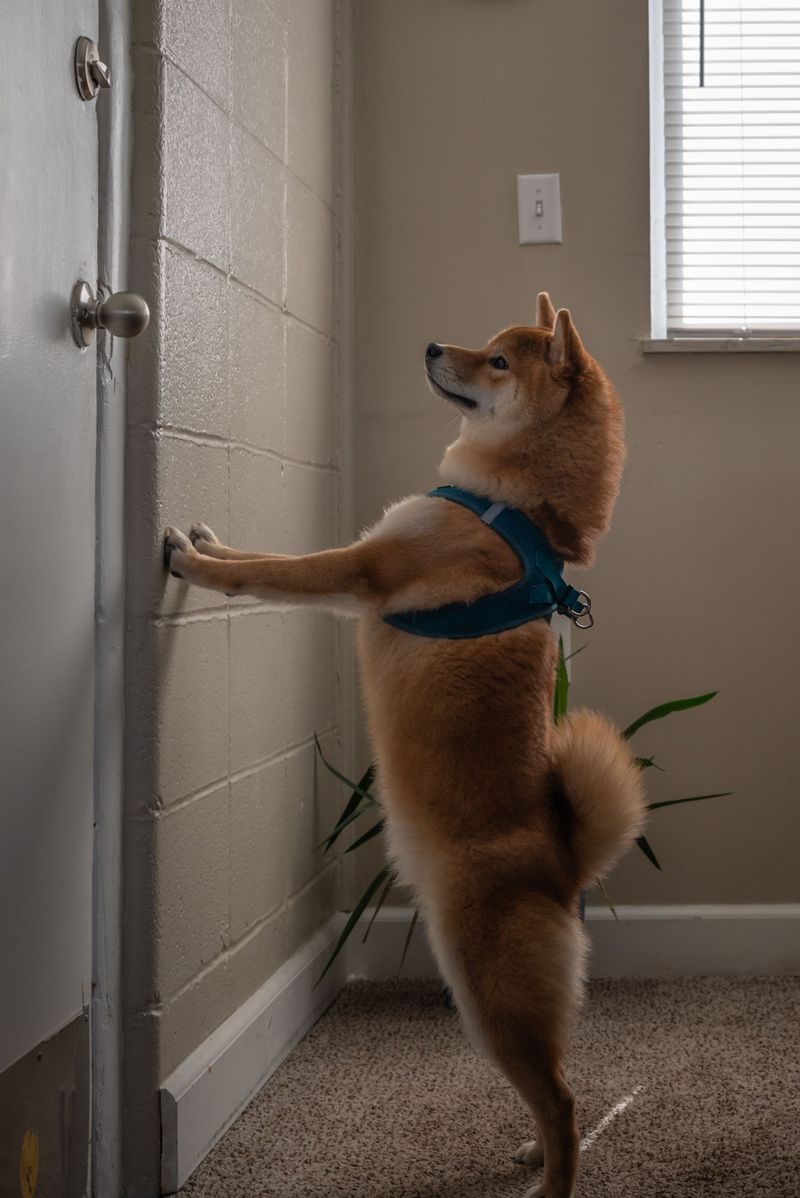
Puppies chew. Anxious dogs scratch.
Even the calmest senior can have an accident on the carpet.
Tenants are responsible for pet damage beyond normal wear and tear. Common examples include scratched floors, chewed baseboards, stained carpet, and torn window screens.
Landlords can deduct repair costs from your deposit, and some leases treat unpaid repairs as additional rent.
Ask how repairs are priced and who does the work. Chew toys, rugs, and door guards are cheap insurance against expensive surprises.
17. Telling Wear and Tear Apart From Pet Damage

Faded paint and lightly worn carpet in a hallway are normal wear and tear. They happen in any home over time, with or without a dog.
Pet damage is different because it comes from specific, preventable actions. Think urine stains, deep floor scratches, or scuffs at exactly tail height.
Carpet age at move-in should also factor into any charges.
Your best protection is a detailed move-in checklist with dated photos. Snap every room, closet, and screen before unpacking a single box.
18. Pest Treatments Along Dog Paths

Warm, humid weather makes Georgia a favorite for fleas, ticks, and fire ants. Properties often treat lawns and common areas to keep pests in check.
Treatment schedules are a management decision, not a state mandate. Ask which products are used, how often, and whether residents get notice first.
Some leases also bill for flea treatment at move-out.
Advance notice lets you steer your pup to another path for a while. Your veterinarian can also recommend safe year-round flea and tick prevention.
19. Move-Out Cleaning Rules for Pet Owners
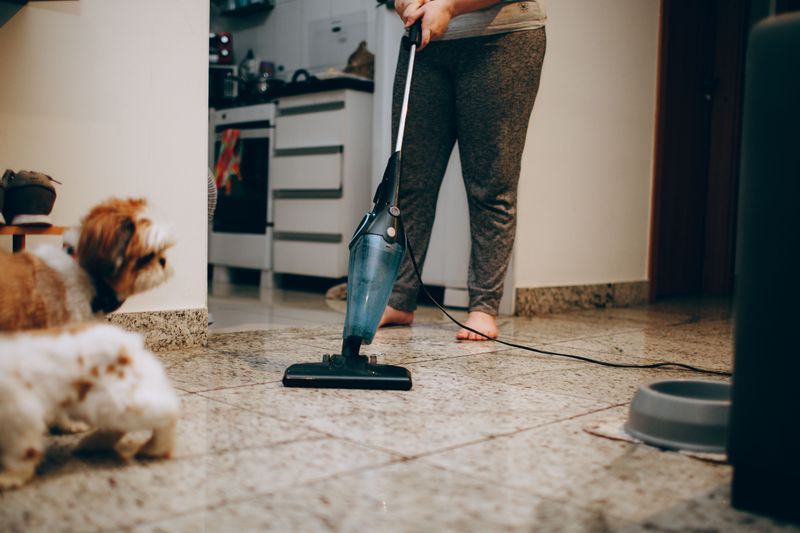
Moving day is hectic enough without a surprise cleaning bill. Some leases include extra move-out rules just for pet owners.
These might require professional carpet cleaning, deodorizing, or flea treatment if your dog left a mess. Ask whether these services are automatic or only needed when problems appear.
Also ask if you may hire your own cleaner and show a receipt.
A little effort helps too. Vacuum fur from vents and corners, and wipe nose prints off windows.
20. Can Pet Rules Change Mid-Lease?

Signing a fixed-term lease usually locks in your pet terms. Landlords generally cannot change rules or fees midway unless the lease allows amendments.
Month-to-month renters have less certainty. Changes are possible with proper written notice, often 30 days.
New policies typically apply at renewal, and some landlords grandfather in existing pets.
Look for any amendment clause before you sign. Ask good questions, save everything in writing, and you and your dog can settle in with confidence.