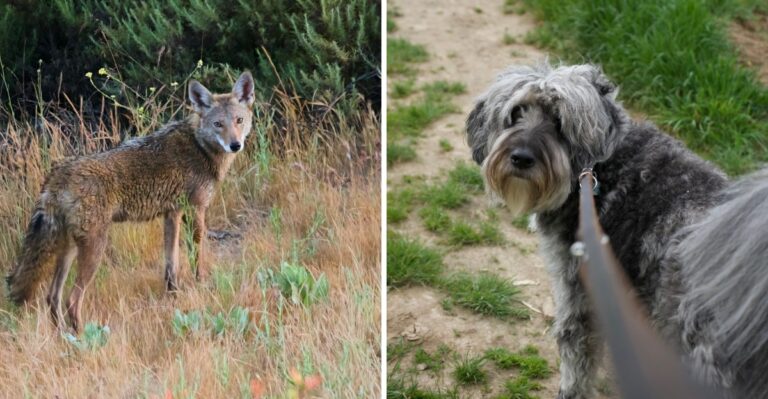
20 Louisiana Yard Plants And Seeds Dog Owners Should Keep Out Of Reach
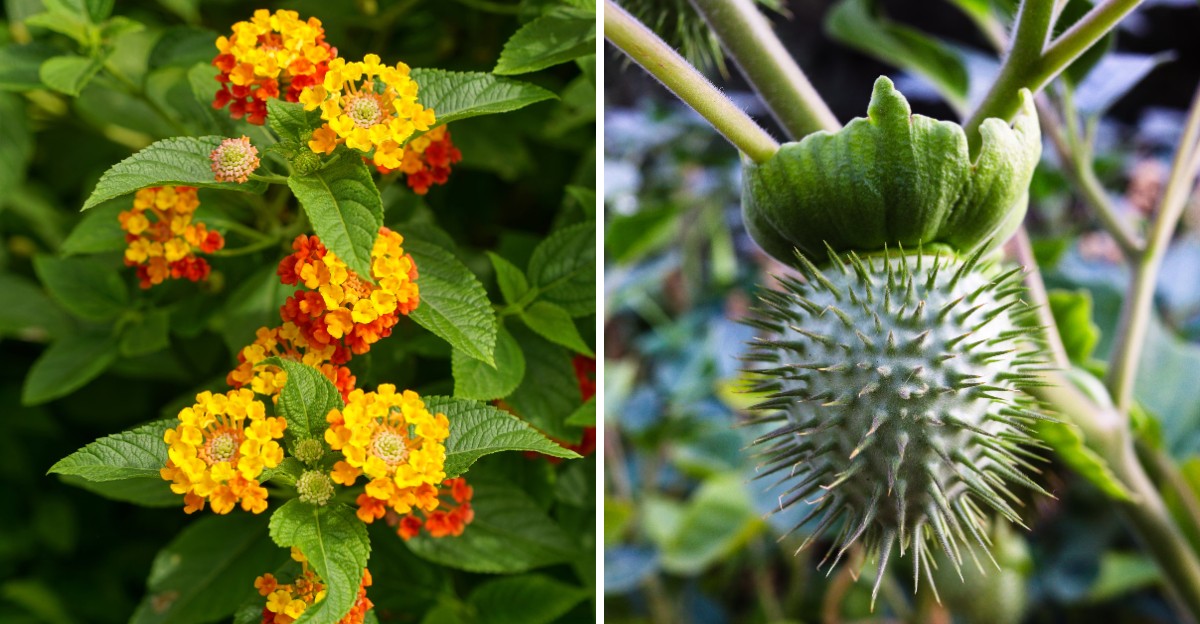
Louisiana yards are full of color, shade, and blooms almost all year long. Some of those pretty plants, though, can upset a curious dog’s body if chewed or swallowed.
You do not need to rip out your whole garden to keep your pup safe. Knowing which plants and seeds to watch lets you enjoy your yard and relax a little more.
Here is a friendly guide to the ones worth keeping out of reach.
1. Sago Palm
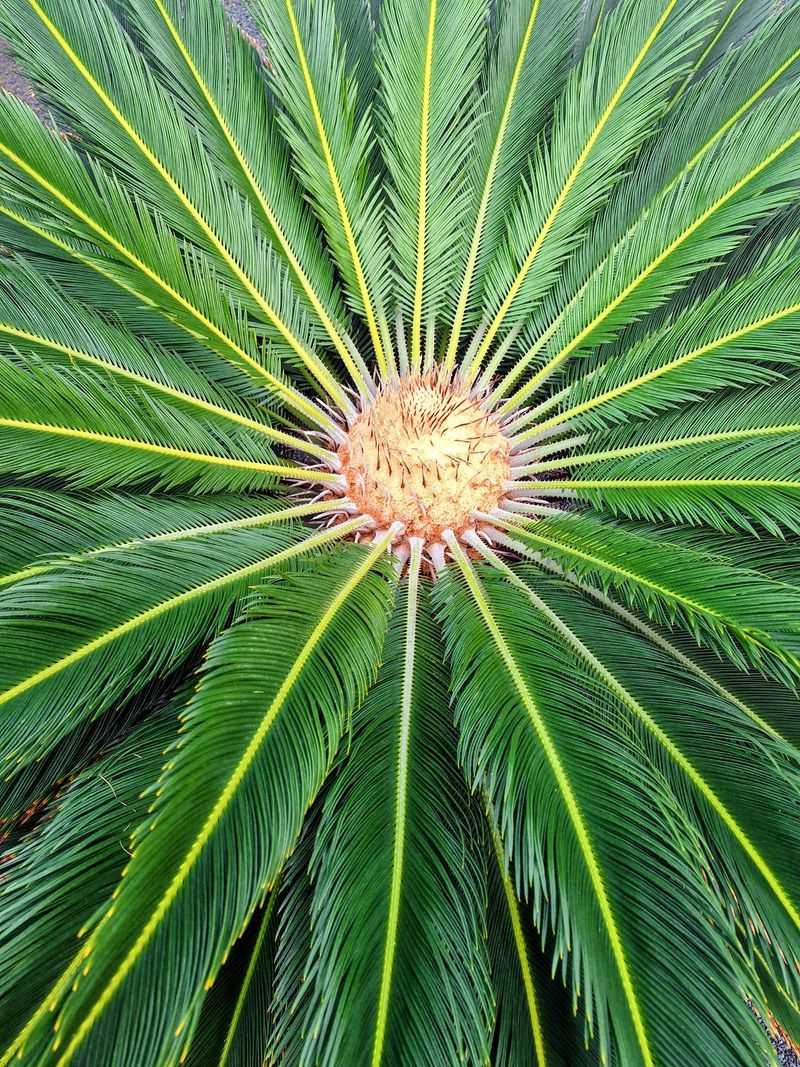
Few yard plants worry veterinarians more than the sago palm. It looks like a tidy little palm, and it thrives in Louisiana heat.
Every part is toxic to dogs, and the seeds are the most concerning.
Signs can include vomiting, diarrhea, wobbliness, and extra thirst. Liver trouble may show up two or three days later.
If your dog chews any part, call your vet right away, even if your pup seems fine.
2. Azalea
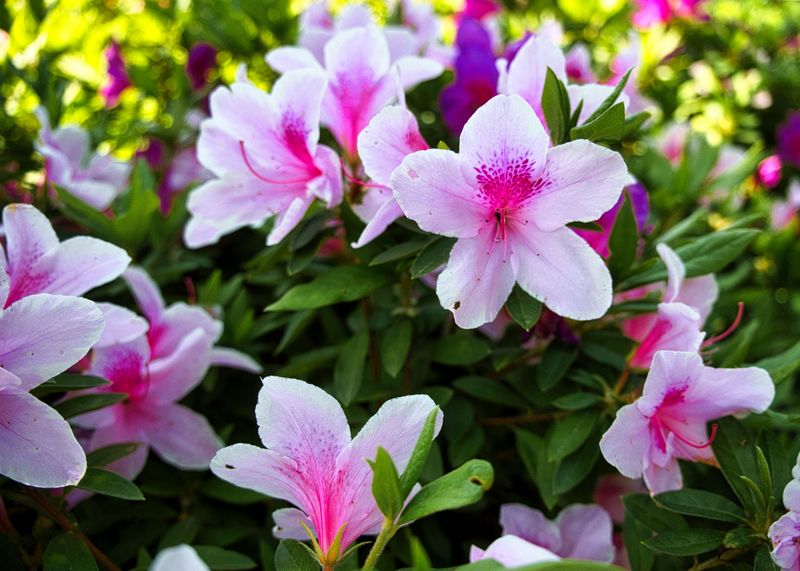
Spring in Baton Rouge or New Orleans often means a sea of pink azaleas. Lovely as they are, these shrubs contain grayanotoxins in every leaf, flower, and stem.
Even a few leaves can cause drooling, vomiting, and belly pain. Larger amounts may affect heart rhythm and blood pressure.
A simple low fence around azalea beds helps a lot, especially with puppies who love to chew whatever they find.
3. Oleander
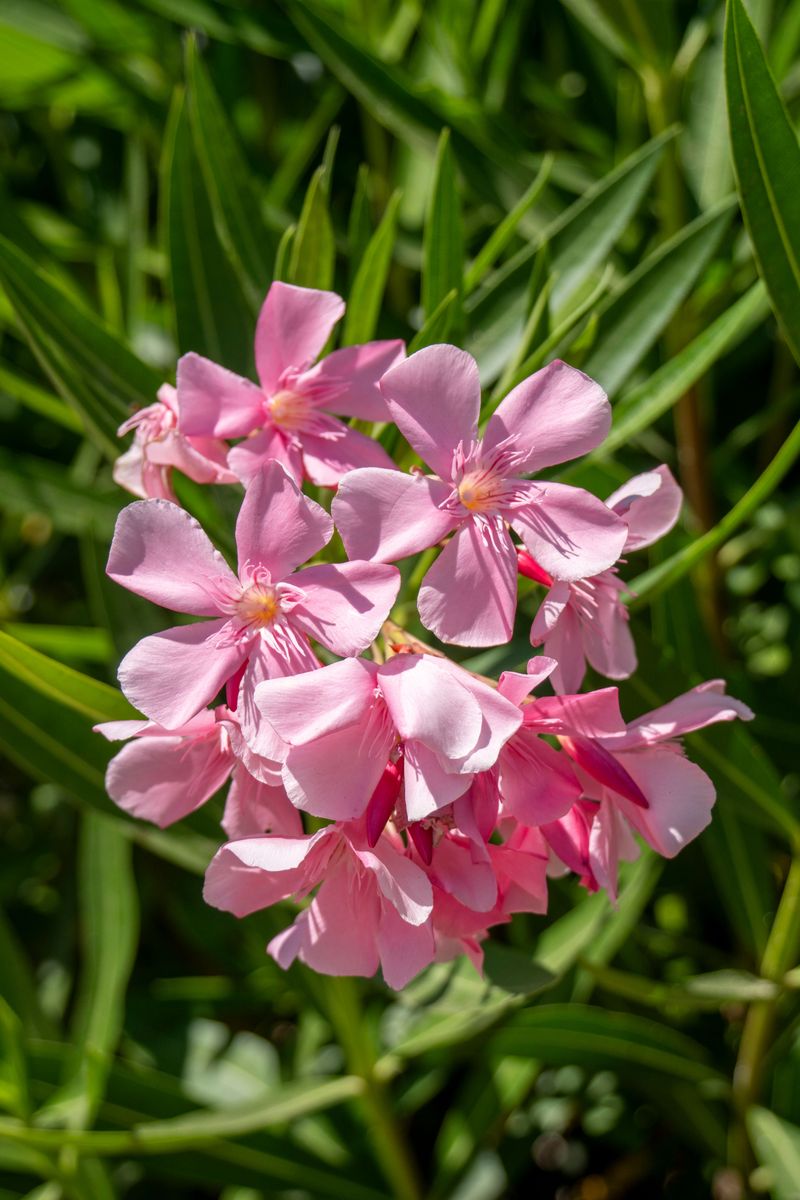
Oleander handles salty Gulf air and summer heat like a champion. That toughness makes it popular, but it also carries strong heart-affecting compounds.
All parts are toxic, including dried clippings left on the lawn. Signs may include vomiting, an irregular heartbeat, weakness, and tremors.
After pruning, bag every trimming quickly. If you suspect your dog nibbled any oleander, treat it as an urgent vet visit, not a wait-and-see moment.
4. Castor Bean
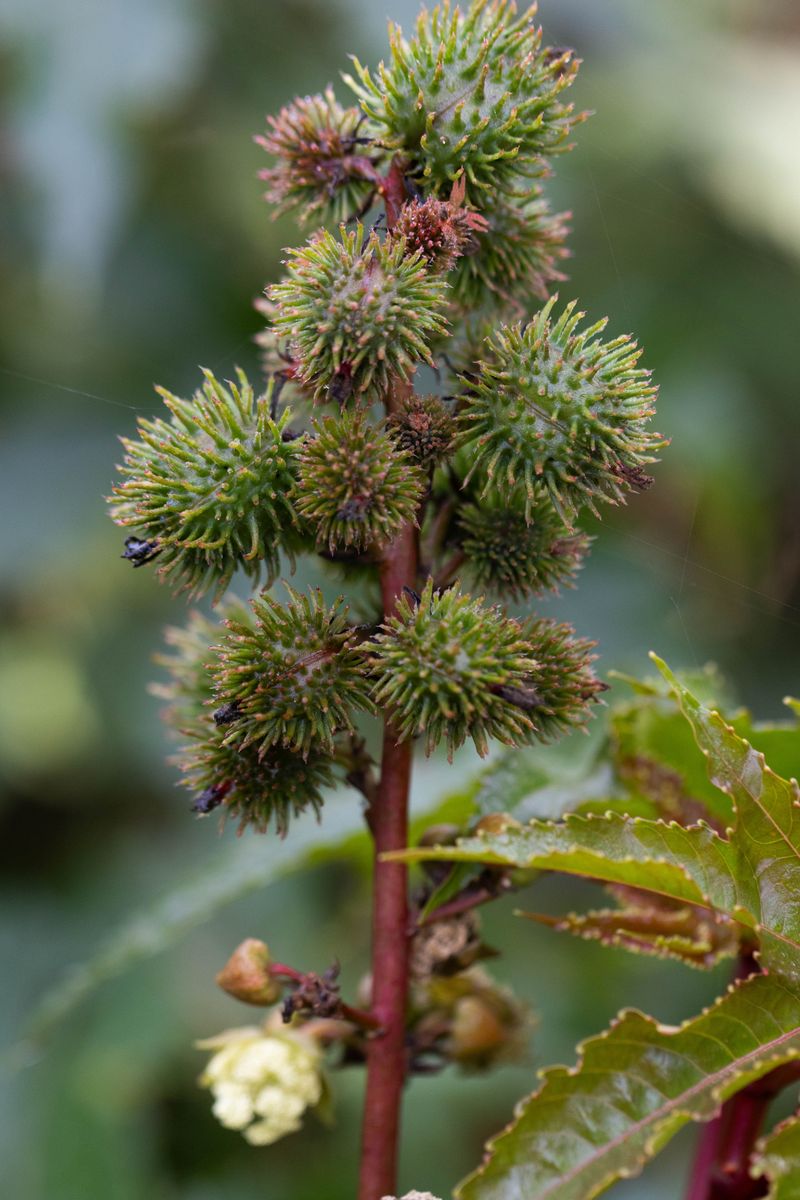
Gardeners sometimes grow castor bean for its dramatic, tropical-looking leaves. The plant is striking, but its mottled seeds contain ricin, a very potent toxin.
Chewing just a few seeds can cause belly pain, diarrhea, dehydration, and weakness. Fallen seed pods are the main concern for dogs.
If you have this plant nearby, consider removing the seed heads early. Call your vet promptly if any seeds go missing into your dog’s mouth.
5. Chinaberry Tree
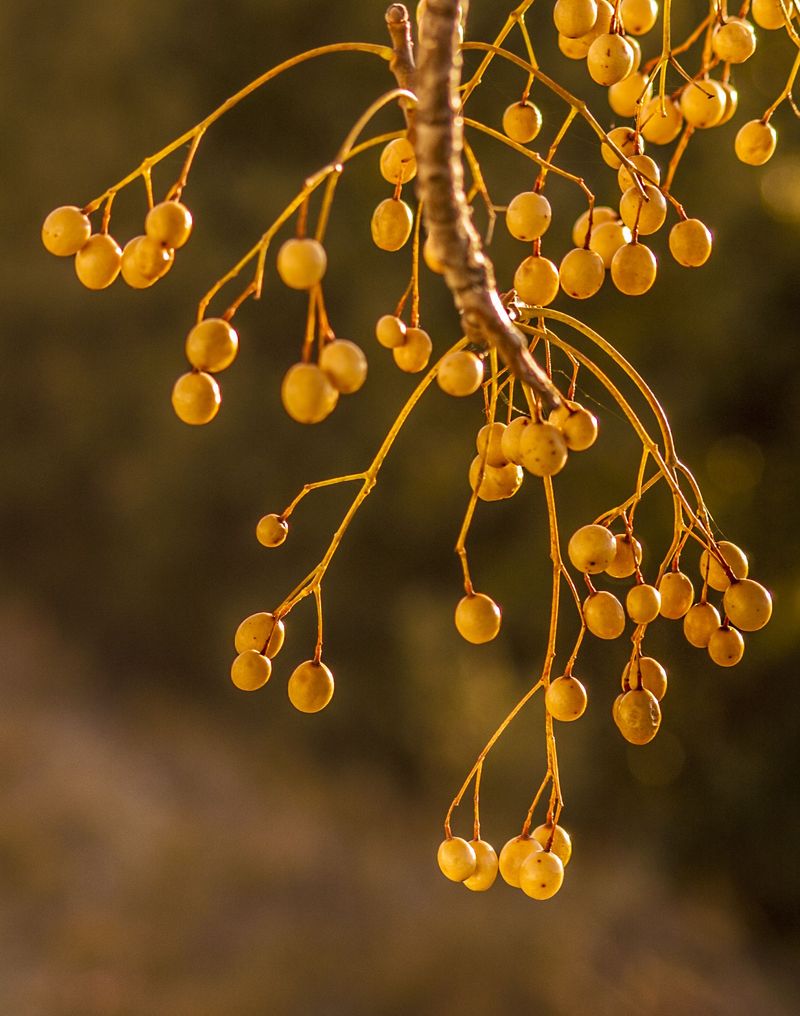
Drive down almost any rural Louisiana road and you will spot chinaberry trees. Their yellow berries hang through winter and drop all over the ground.
The whole tree is toxic, but the berries hold the most toxins. Dogs who eat them may vomit, drool, or have diarrhea.
Bigger amounts can bring weakness or tremors. Raking up fallen berries regularly is an easy habit that keeps snack-hunting pups safer.
6. Wisteria
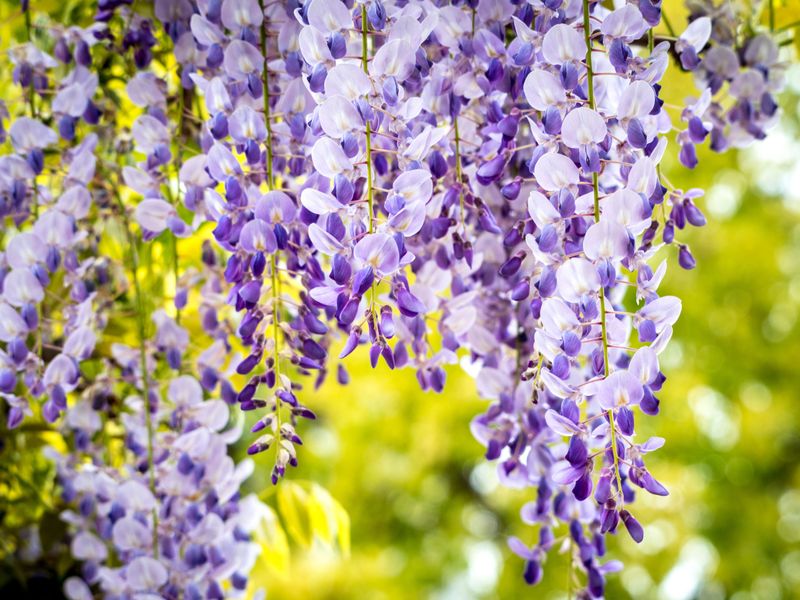
Picture a porch draped in purple blossoms every March. Wisteria is pure Southern charm, yet its fuzzy seed pods deserve a watchful eye.
The seeds and pods hold lectins and glycosides. Sources note that as few as three seeds can upset a dog’s stomach.
Vomiting, diarrhea, and low energy are common signs. Snip off pods after flowering, and pick up any that fall onto the patio.
7. Lantana
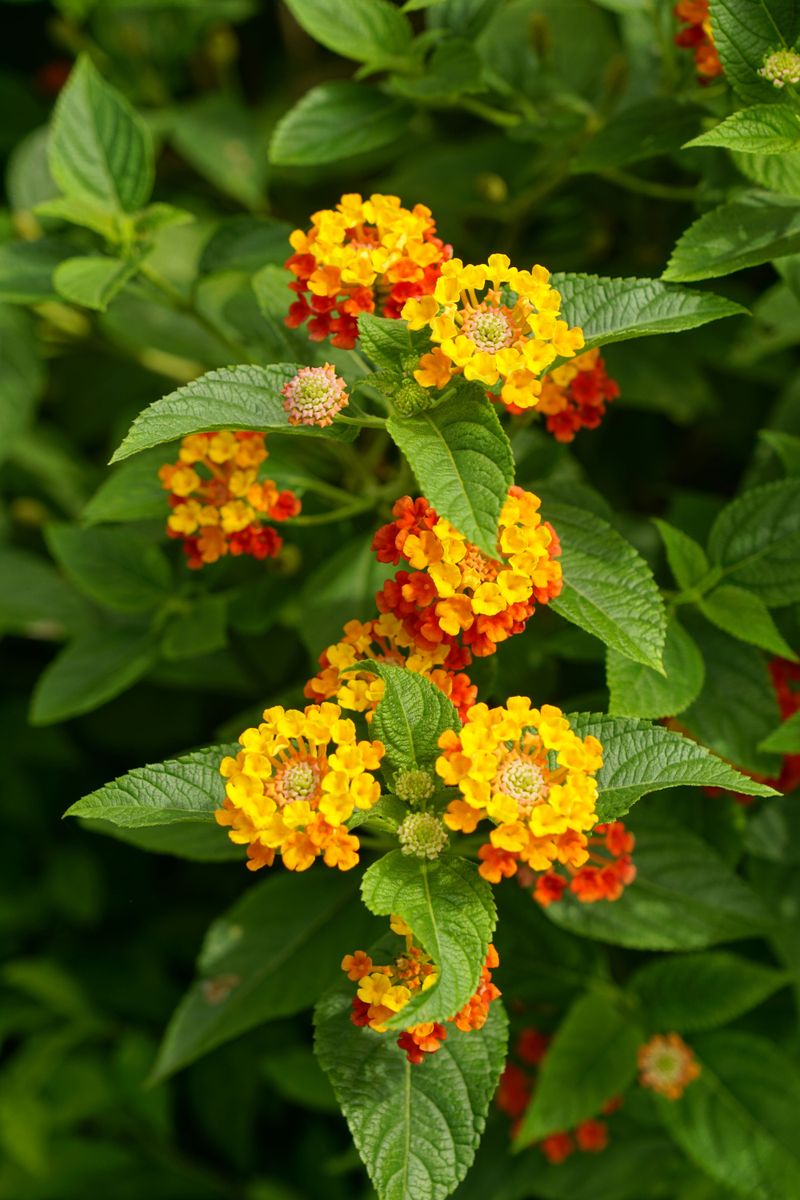
Butterflies adore lantana, and so do busy gardeners. It blooms nonstop and laughs at drought.
Still, all parts are toxic to dogs.
The unripe green berries are the riskiest part. The plant contains compounds that can harm the liver.
Watch for vomiting, diarrhea, weakness, or labored breathing. Most dogs avoid the bitter taste, but young chewers may not.
Keep an eye on berry season and trim when possible.
8. Nandina (Heavenly Bamboo)
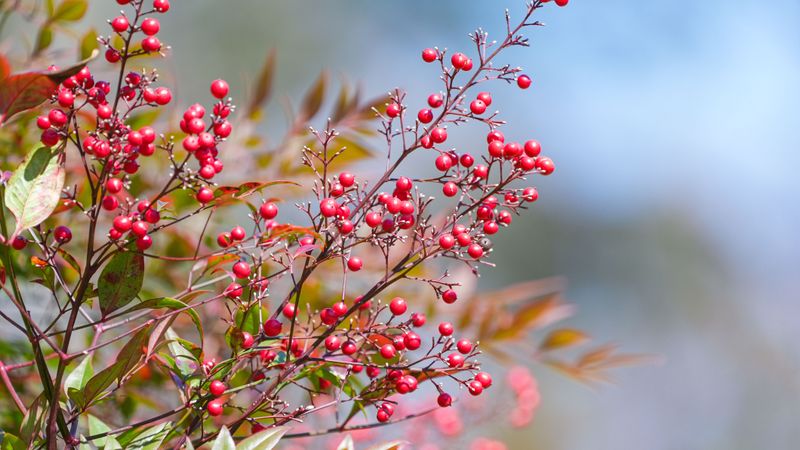
Those cheerful red berries brighten many Louisiana yards in winter. Nandina is not true bamboo, though.
It is a shrub with berries containing cyanogenic glycosides.
Problems are more common in grazing animals and birds. Dogs who eat many berries may show stomach upset, a fast heart rate, or breathing trouble.
Choosing berry-free varieties is one easy fix. Otherwise, clip berry clusters before your dog notices them.
9. Carolina Jessamine
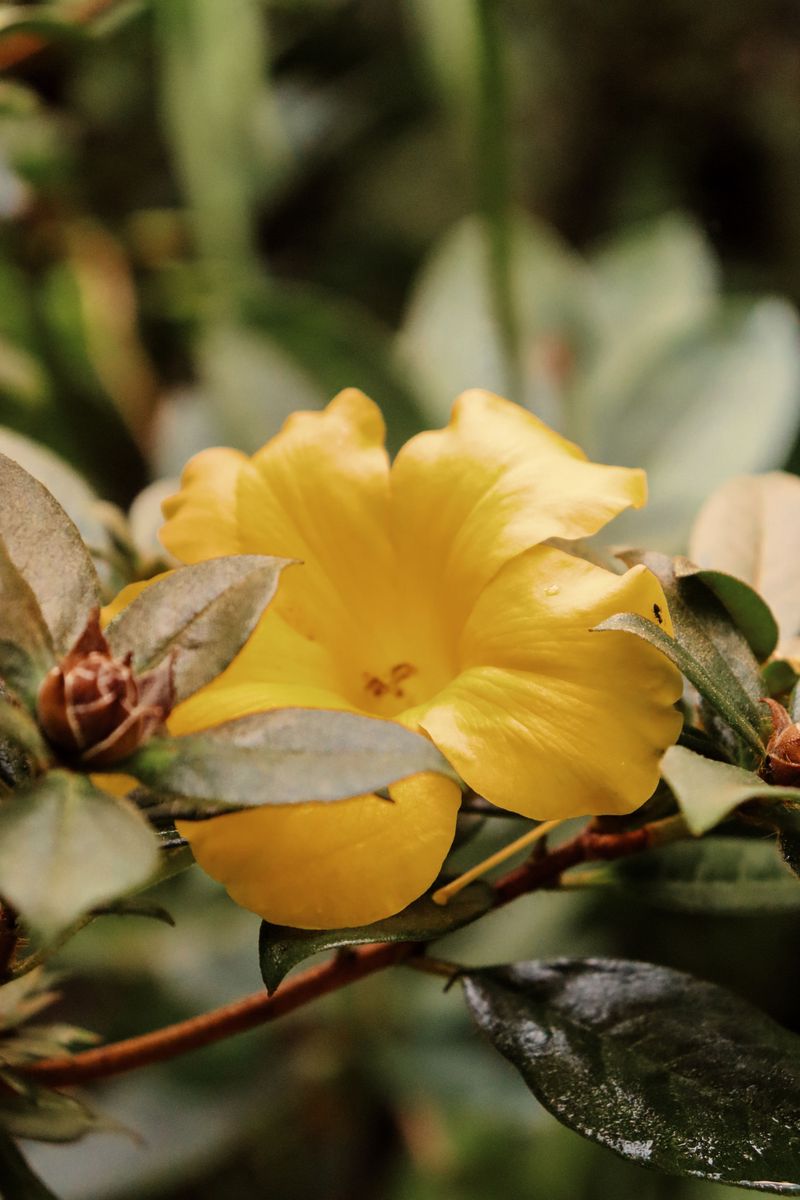
Sweet-smelling yellow trumpets climb fences across the South each spring. Carolina jessamine is a native beauty, but it carries alkaloids that affect the nervous system.
Flowers and leaves are the main concern. A dog who chews them may become weak, wobbly, or shaky.
Breathing and heart rate can also slow. Train vines high on a trellis, well above nose level.
That small step keeps the flowers for your eyes only.
10. Angel’s Trumpet
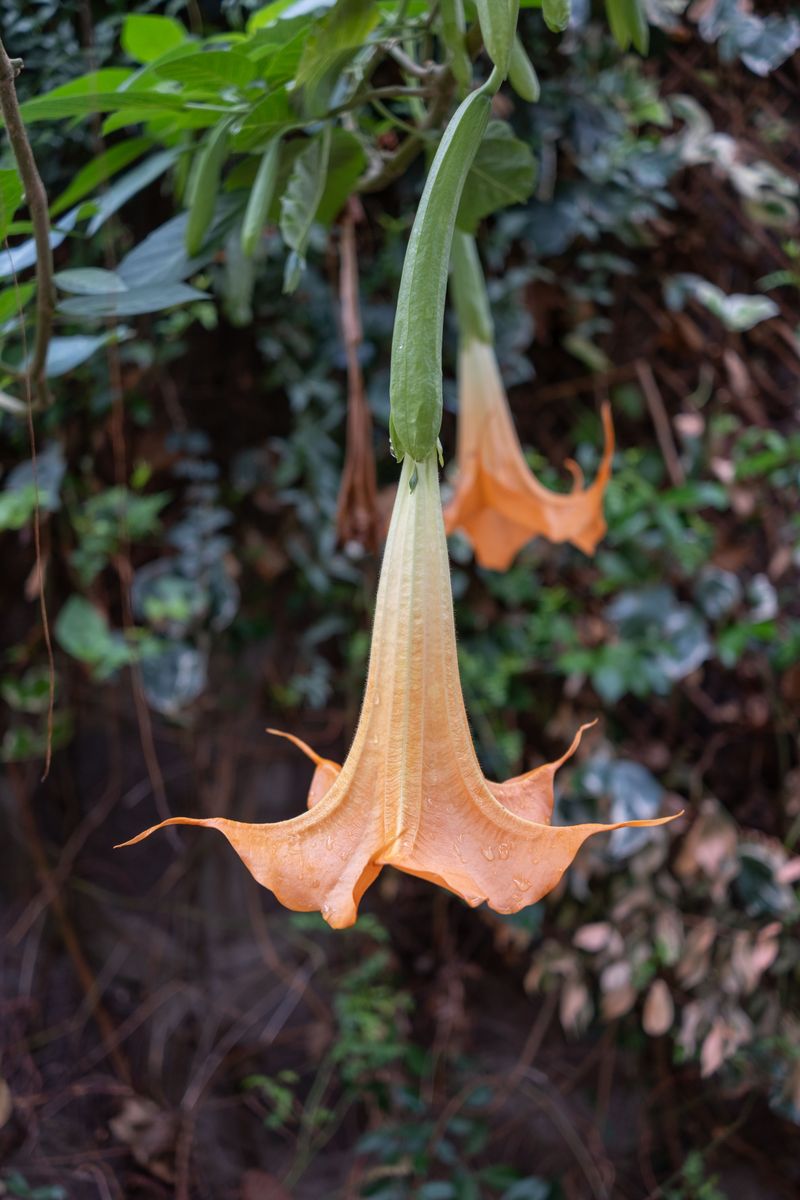
Huge hanging blooms make angel’s trumpet a showstopper in Louisiana gardens. Behind the beauty are tropane alkaloids found in every part of the plant.
Dogs who chew it may have dilated pupils, a racing heart, dry mouth, and confusion. Some act restless or shaky.
Fallen flowers can look like toys to a playful pup. Sweep them up often, and call your vet if any chewing happens.
11. Jimsonweed
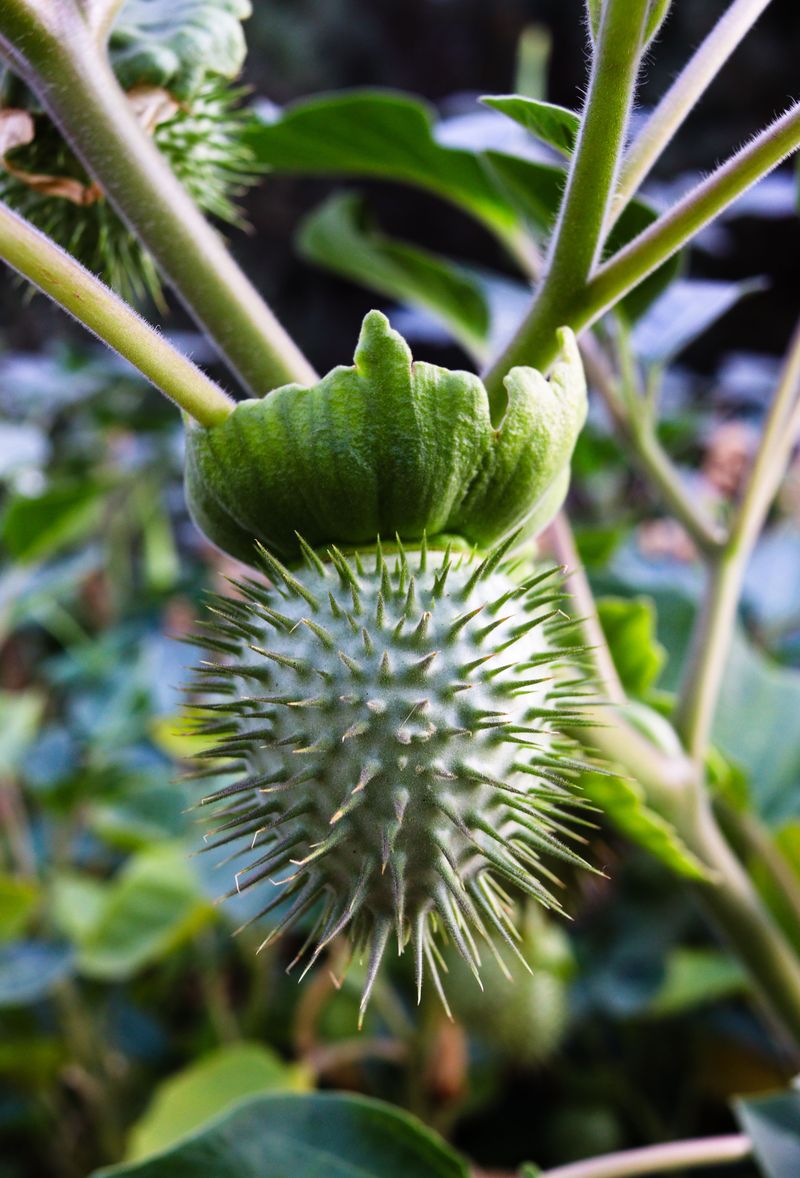
Not every risky plant gets planted on purpose. Jimsonweed pops up along ditches, fence lines, and empty lots all over Louisiana.
Its spiky pods hold seeds packed with tropane alkaloids. Leaves are toxic too.
Signs include dilated pupils, a fast heart rate, confusion, and extreme thirst. Learn to spot its white trumpet flowers on walks.
Pulling young plants with gloves keeps your own yard clear.
12. Red Buckeye
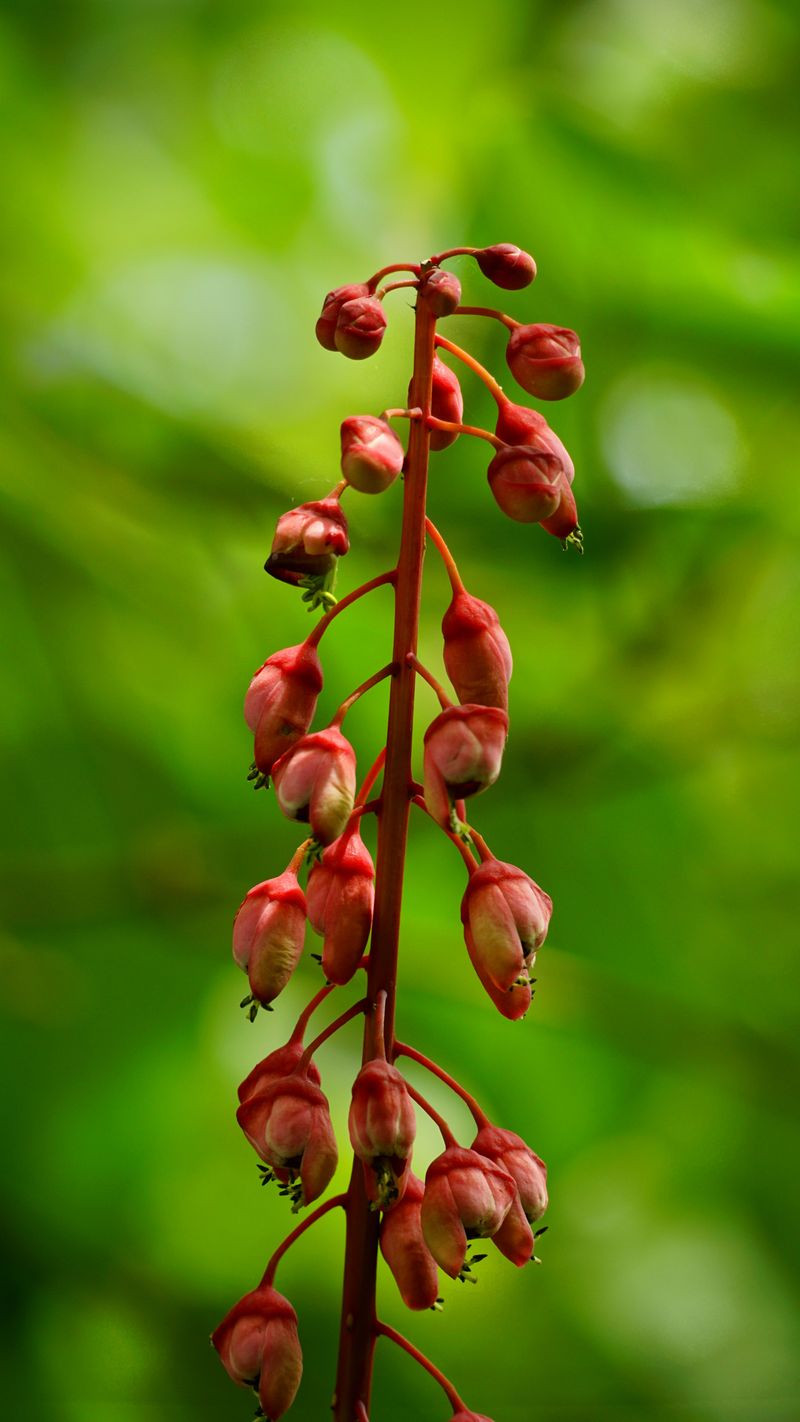
Hummingbirds rush to red buckeye blooms each spring. Later, the tree drops shiny brown nuts that look a lot like fetch toys.
Seeds, bark, leaves, and sprouts contain aesculin. Dogs who chew them may vomit or have diarrhea.
More serious cases bring weakness, wobbliness, or tremors. Large nuts can also cause blockages.
Gather fallen seeds in late summer before your retriever claims them.
13. Cherry Laurel
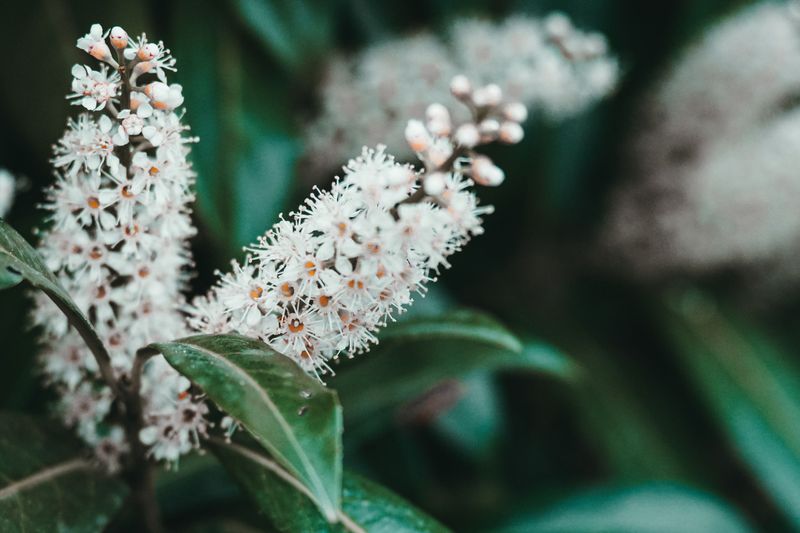
Many homeowners use cherry laurel for quick, glossy privacy hedges. It grows fast in Louisiana and fills gaps nicely.
Leaves, stems, and seeds can release cyanide when chewed or crushed. Wilted leaves after storms may be a bigger concern.
Symptoms include bright red gums, panting, dilated pupils, and weakness. Clean up broken branches after windy weather, and discourage chewing along the hedge line.
14. Hydrangea
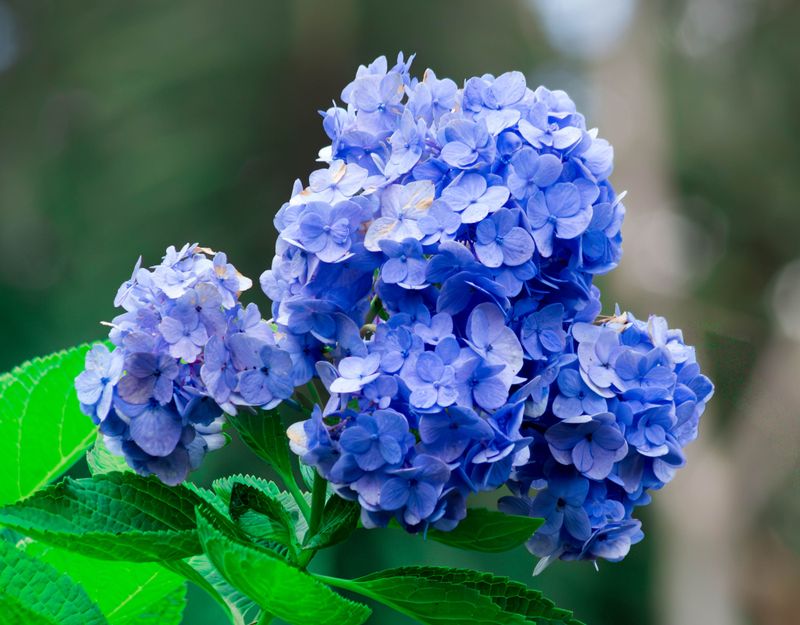
Good news first: most hydrangea nibbles cause only mild to moderate trouble. Even so, these shade-loving favorites are toxic to dogs.
Flowers and leaves hold cyanogenic glycosides. A dog who chews them may vomit, drool, have diarrhea, or seem tired.
Keeping cut blooms on high tables indoors helps too. Outdoors, a border of sturdy plants can gently steer curious noses away.
15. Privet
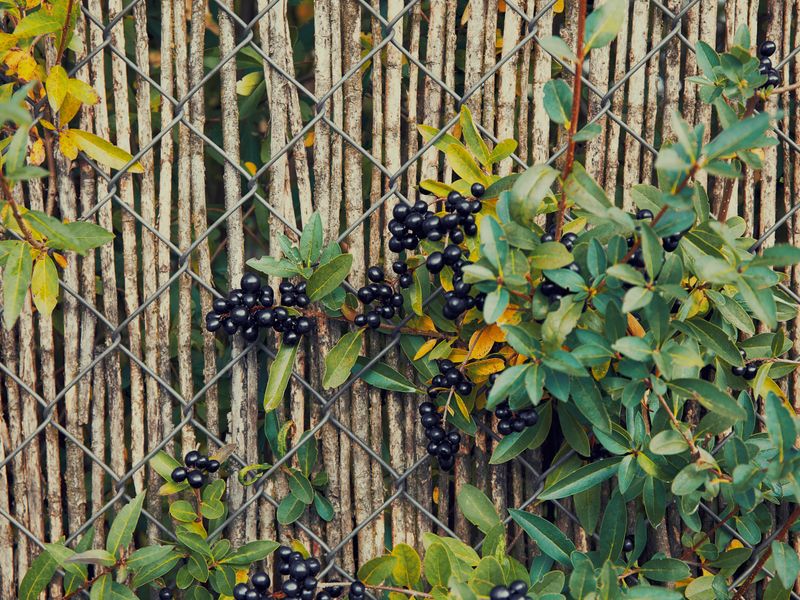
Chances are, a privet hedge grows somewhere on your street. In Louisiana it spreads easily and often escapes into woods and fence rows.
Berries and leaves are the main worry. They can cause vomiting, diarrhea, drooling, and poor appetite.
Large amounts may bring weakness or heart changes. If privet borders your yard, check for dropped berries in fall and winter.
A quick sweep goes a long way.
16. Yesterday-Today-and-Tomorrow
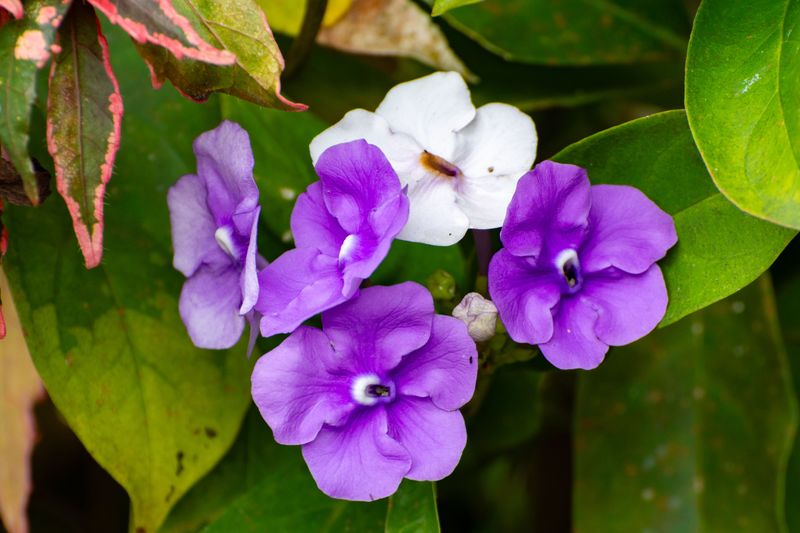
Purple one day, lavender the next, then white. That color-changing trick gives this Brunfelsia shrub its playful name.
Unfortunately, every part is toxic to dogs, and signs can be serious. Watch for drooling, stomach upset, tremors, and wobbliness.
Seizures are possible too. Seed pods and fallen berries tempt chewers most.
If this shrub grows in your yard, fence it off and keep your vet’s number handy.
17. Amaryllis
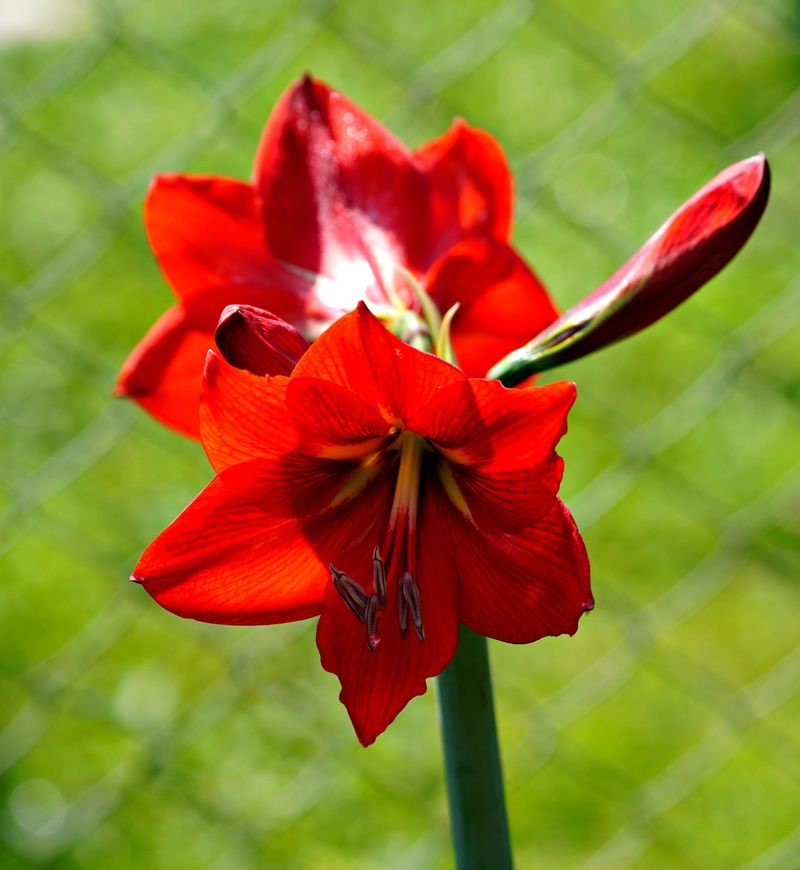
Southern gardeners love amaryllis for its bold red trumpets in spring. Many grow them right in the ground here.
All parts are toxic, but the bulbs pack the most punch. Lycorine and oxalate crystals can cause vomiting, drooling, diarrhea, and belly pain.
Signs often appear within a few hours. Dogs who dig are the biggest concern.
Store loose bulbs in closed bins and cover fresh plantings.
18. Daffodils
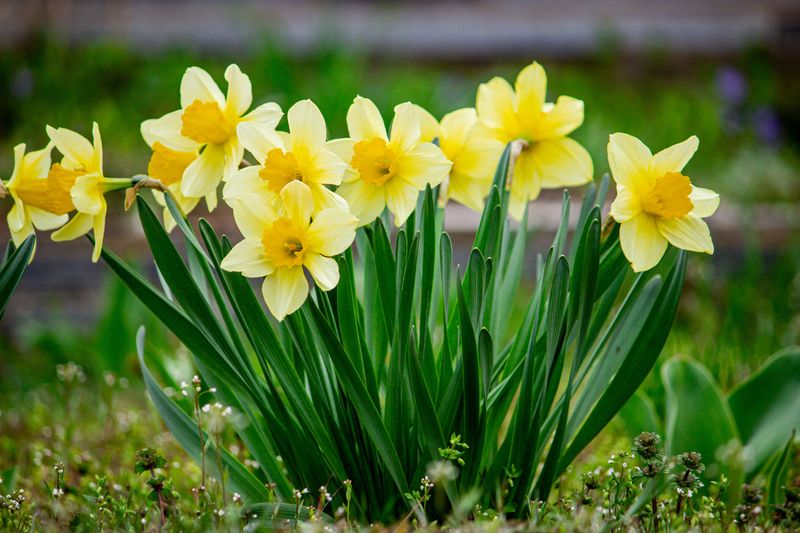
Old homesteads across Louisiana still burst with yellow daffodils every February. They are cheerful, but they are not dog-friendly.
Bulbs are the most toxic part. Chewing any piece can cause drooling, vomiting, diarrhea, and sleepiness.
Bigger amounts may affect breathing or heart rate. Bulb sap can even irritate skin.
If your dog loves digging, plant bulbs in raised beds or sturdy containers.
19. Elephant Ears
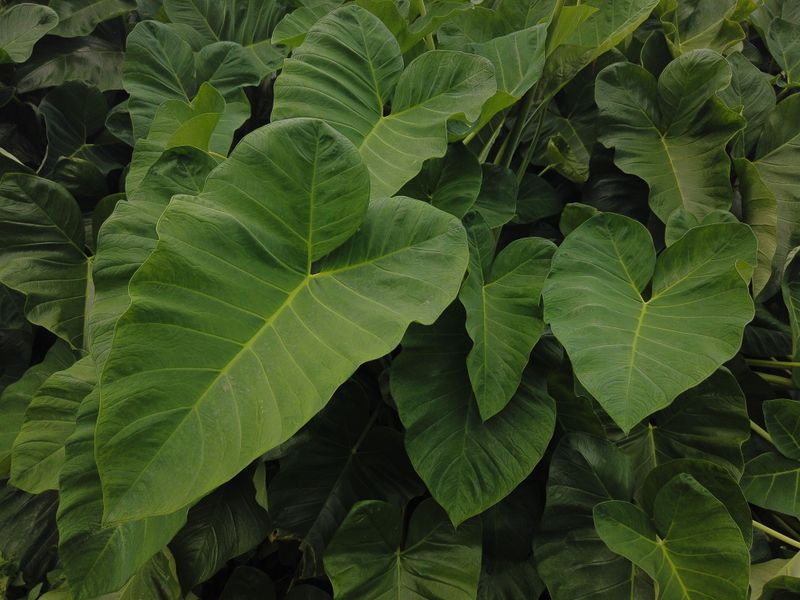
Nothing says humid Louisiana summer like giant elephant ear leaves near a pond. These plants hold tiny needle-like calcium oxalate crystals.
One bite usually brings instant mouth pain, so most dogs stop quickly. Watch for heavy drooling, pawing at the mouth, vomiting, or trouble swallowing.
Rinsing the mouth gently with water may help. Call your vet for advice, especially if swelling seems to affect breathing.
20. Caladium
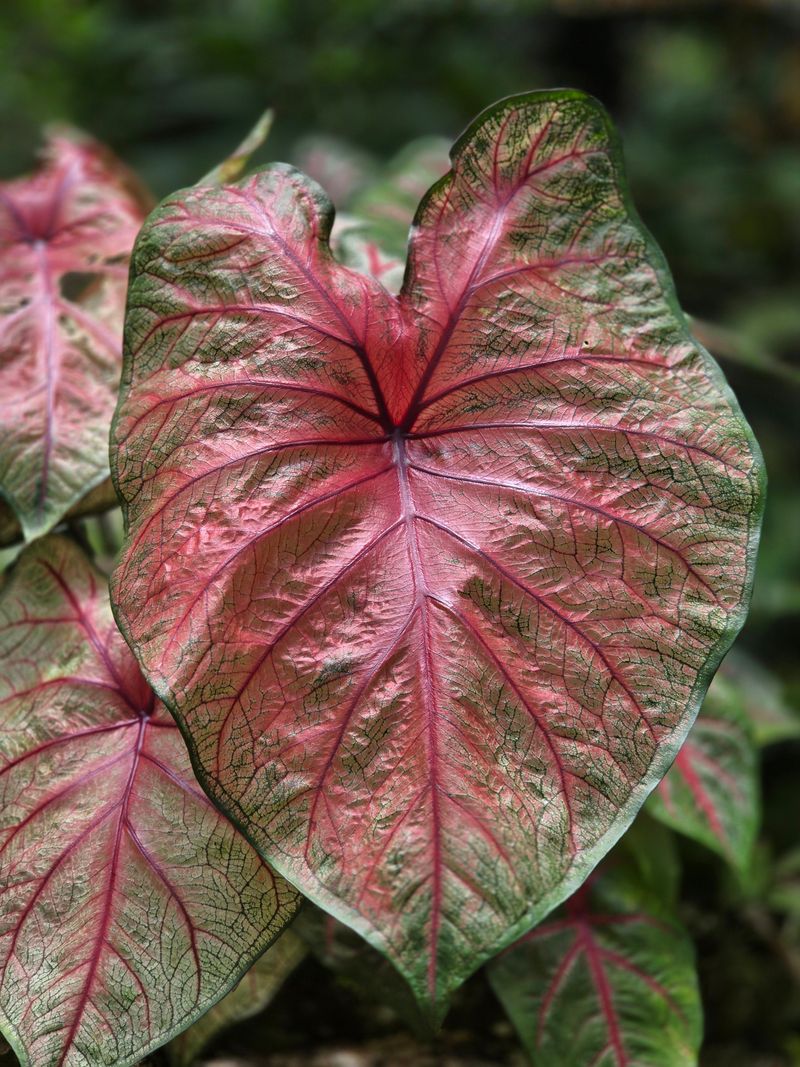
Splashes of pink, white, and red make caladiums a shady bed favorite. Like their cousin the elephant ear, they contain calcium oxalate crystals.
Chewing causes quick, intense mouth irritation. Dogs may drool, paw at their face, vomit, or struggle to swallow.
Swelling in the mouth is also possible. Potted caladiums on porches are easy targets.
Raising pots onto stands keeps those bright leaves safely out of reach.
A little planning keeps your yard beautiful and your dog happy. When unsure, the ASPCA Animal Poison Control Center and your vet are great allies.