20 Puppy House-Training Problems Texas Owners Face When Summer Heat Shrinks Outdoor Time
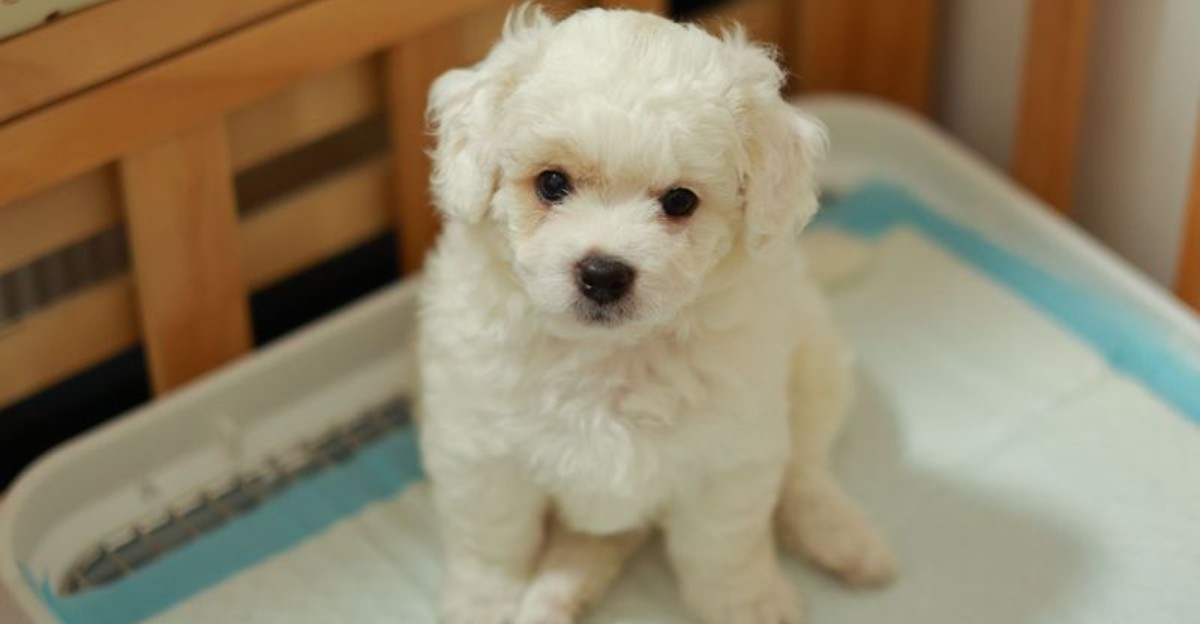
Texas summers have a way of rewriting your puppy’s schedule without asking permission. When the pavement sizzles and the afternoon sun keeps everyone indoors, potty training suddenly gets complicated.
The good news: most heat-related setbacks are predictable, and predictable problems are fixable. Here are 20 common house-training hurdles Texas owners run into during hot months, along with calm, practical ways to work around each one so your puppy keeps making steady progress.
1. Midday Heat Turns Simple Potty Trips Into a Challenge
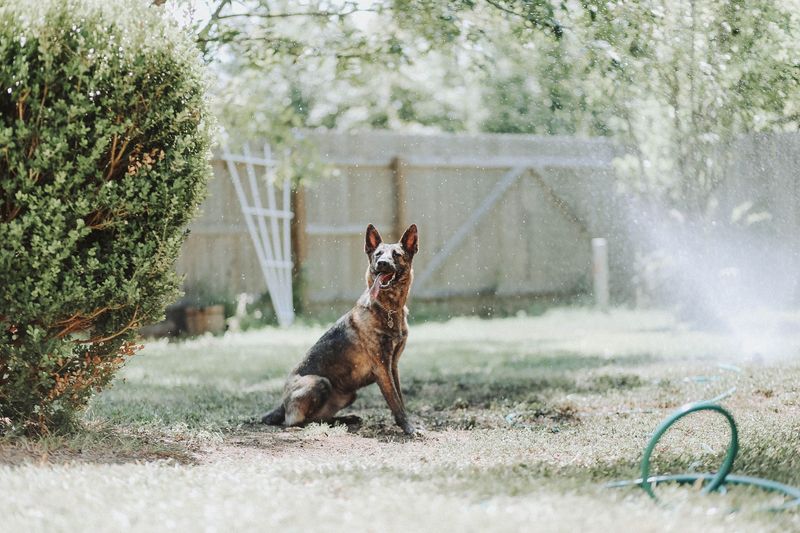
Between roughly 10 a.m. and 4 p.m., Texas air turns punishing for small bodies close to the ground. Many trainers suggest skipping outdoor sessions during those peak hours entirely.
Puppies overheat faster than adult dogs, so long midday trips are not worth the risk. Keep hot-hour breaks short, shaded, and purposeful.
Aim for quick relief, then head back in. Save real training work for cooler parts of the day.
2. Sizzling Pavement Shrinks the List of Safe Spots
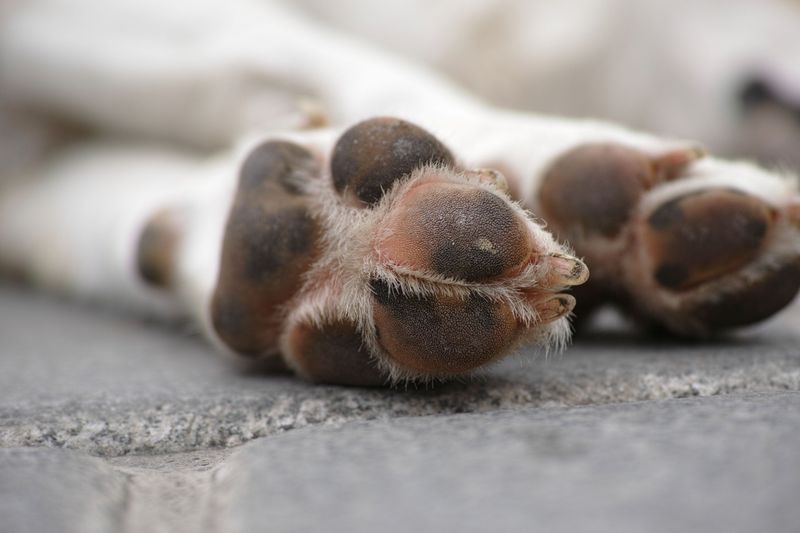
Asphalt and concrete soak up sun and radiate it back. When air hits 95 degrees, pavement can climb past 140 degrees, hot enough to injure paw pads quickly.
Try the hand test: press your palm down for five to ten seconds. Too hot for you means too hot for paws.
Grass, dirt, and shaded paths make far kinder bathroom surfaces during summer.
3. The Quick Dash Back Inside Before Business Is Done
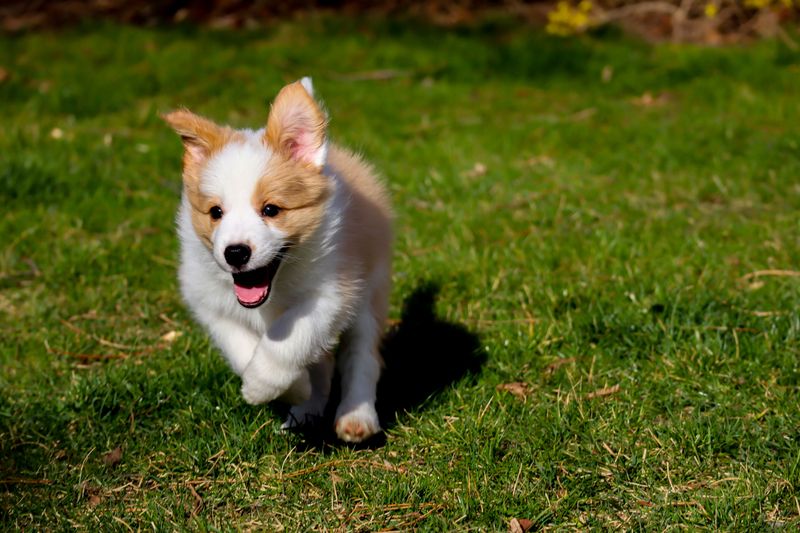
Ever watched a puppy squat halfway, then bolt for the door? Heat does that.
Some pups whine, pout, or sprint back inside after two minutes outside. The problem is that the bladder rarely empties fully.
Stay calm and walk them right back to the potty spot. Wait quietly for another minute or two.
Praise only after they truly finish, so the reward marks the right moment.
4. Brief Trips Leave Bladders Half Empty
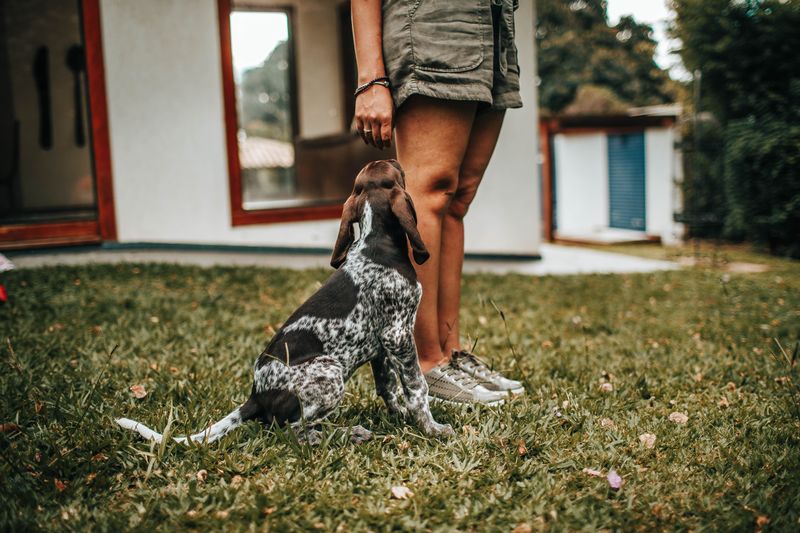
House-training runs on complete elimination, not partial attempts. Rushed summer trips often end before a puppy finishes both jobs.
What is left behind usually shows up on your floor twenty minutes later.
A helpful habit: give three to five quiet minutes in one spot, no chatter, no toys. If nothing happens, go inside, wait ten minutes, and try again rather than assuming success.
5. Shade Hunting Becomes More Interesting Than Peeing
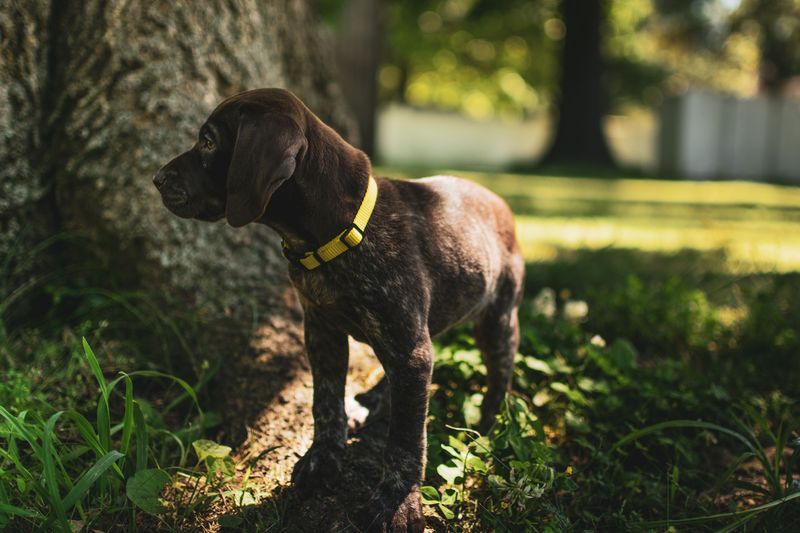
Watch a puppy in July and you will see shade hopping: tree, fence line, car shadow, repeat.
All that searching pulls focus away from the actual task. Heat plus new smells makes a young mind wander.
Pick one shaded potty zone and use it every single time. Familiar scent cues help puppies remember why they came outside in the first place.
6. Skipping Breaks During Heat Advisories
Protecting paws is smart. Quietly dropping the noon break, though, creates a hidden cost.
Inconsistent scheduling remains one of the biggest reasons housebreaking stalls out.
Instead of cancelling, shrink the trip. Carry your puppy across hot pavement to a grassy patch, let them go, then carry them back.
Two minutes on safe footing beats a skipped break every time.
7. Stretched Gaps Between Trips Invite Indoor Puddles
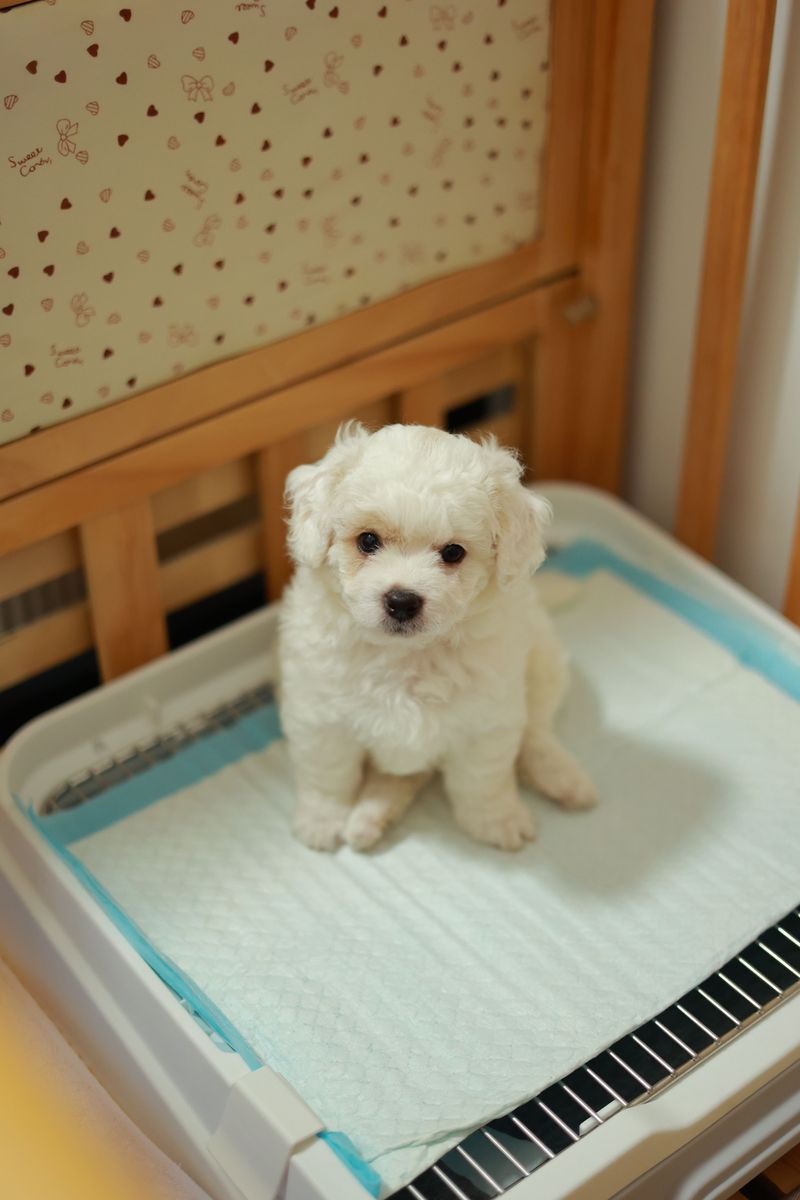
A useful rule of thumb: puppies hold roughly one hour per month of age. A three-month-old manages about three hours.
Summer schedule shuffling stretches those gaps without anyone noticing.
Set phone alarms during hot weeks so time does not slip away. Expecting a young pup to wait most of a workday simply is not realistic, and accidents are the predictable result.
8. Dawn and Dusk Become Your Training Gold Hours
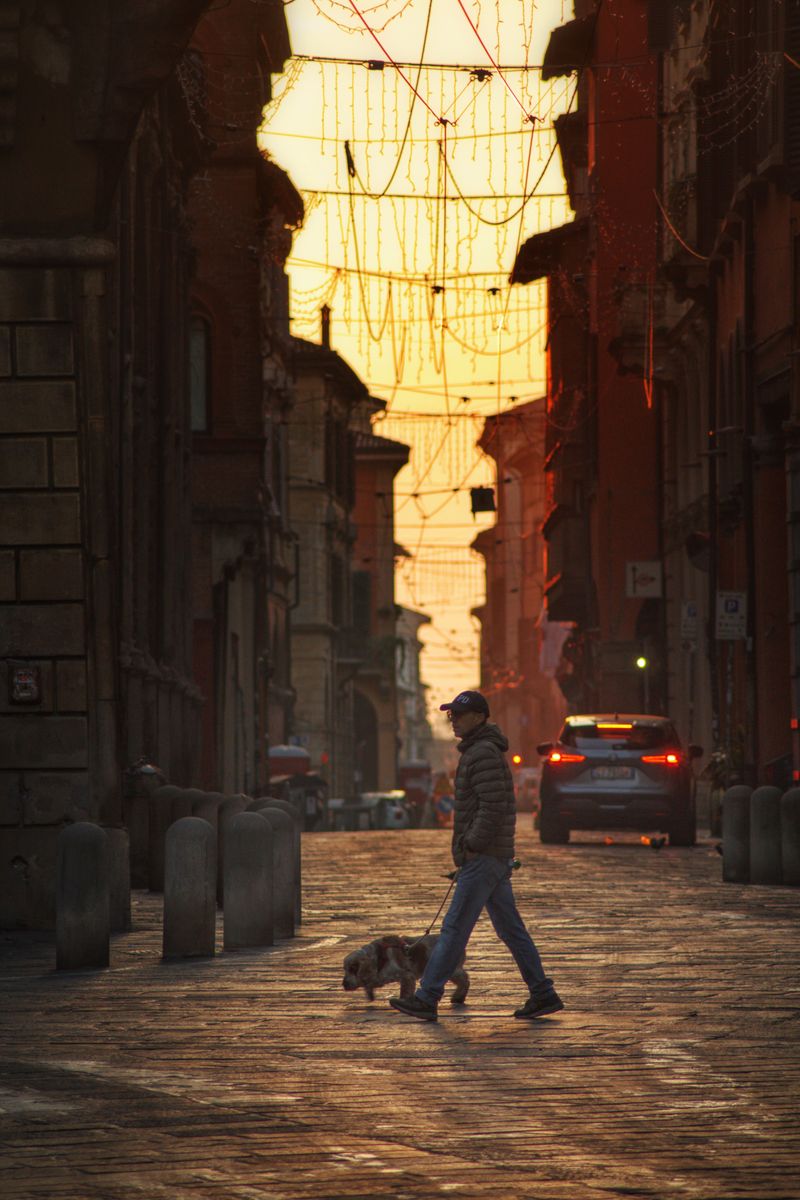
Ground temperature lags behind air temperature, which is why mornings feel kindest.
Before 8 or 9 a.m., surfaces have cooled all night. Evenings after 7 p.m. usually work well too.
Schedule your longest, most patient training sessions in those windows. That is when you can wait out a slow puppy, reward properly, and build the habits that carry through the rest of the day.
9. Nighttime Routine Shifts Undo Daytime Progress
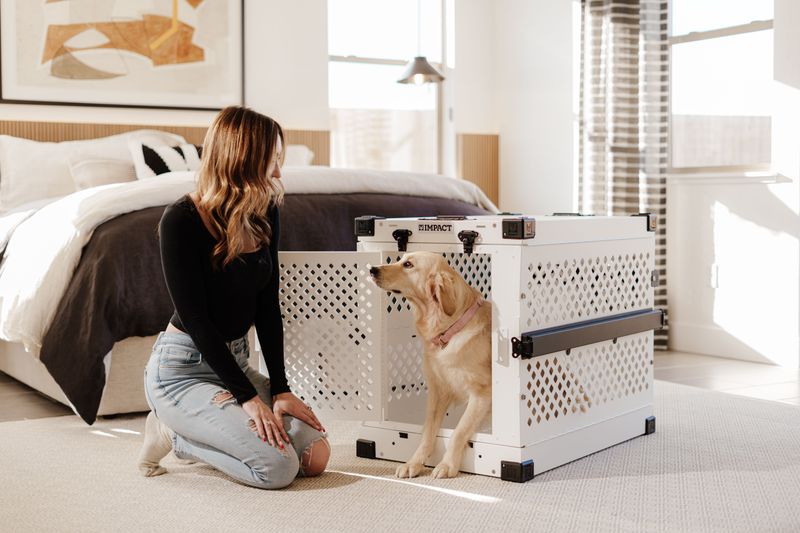
Late-evening walks push bedtime later, and suddenly the overnight routine wobbles.
Two steady habits help: lift the water bowl about two hours before lights out, and do one final potty trip right before bed.
Keeping the crate in your bedroom lets you hear early stirring and respond fast. Consistency overnight protects everything you built during daylight hours.
10. More Water In Means More Trips Out
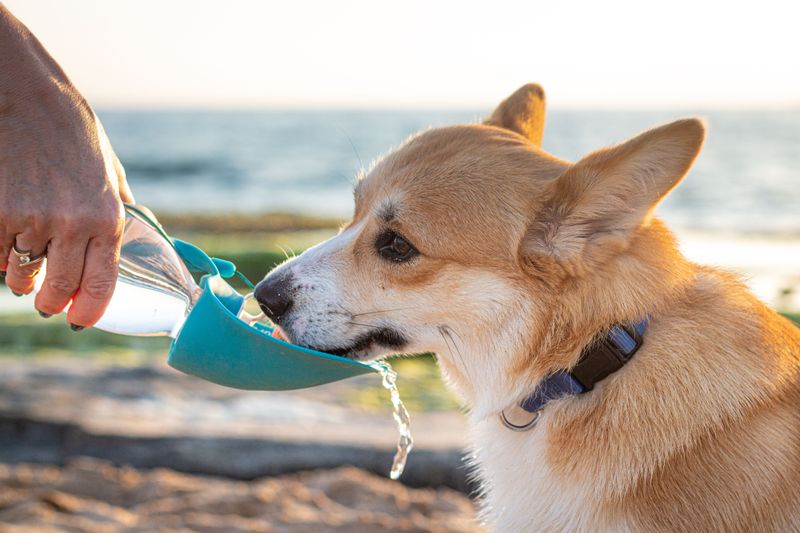
Hot weather makes puppies thirsty, exactly like it does people. Drinking goes up, and bathroom needs follow.
A pup who empties a full bowl will likely need outside within the hour, sometimes sooner.
Never restrict water during heat. Instead, watch the bowl and treat big drinks as a countdown timer.
Anticipating the need beats cleaning up afterward.
11. Unpredictable Drinking Throws Off Your Timing
One day your puppy sips politely. The next, after backyard zoomies, the bowl vanishes in seconds.
That swing scrambles any tidy schedule you had memorized.
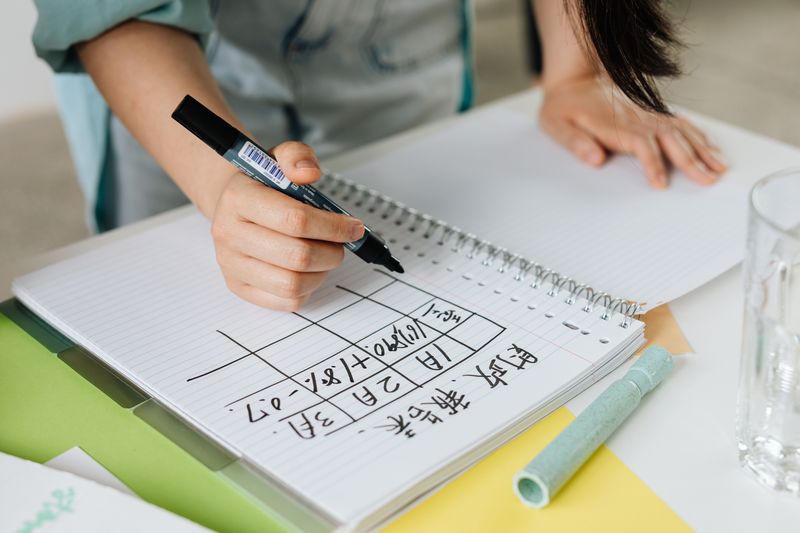
Keep a simple log for a week: drink times, potty times, accidents. Patterns show up quickly on paper.
With a few days of notes, you can predict needs instead of guessing, even when intake keeps changing.
12. Indoor Zoomies Speed Up the Clock
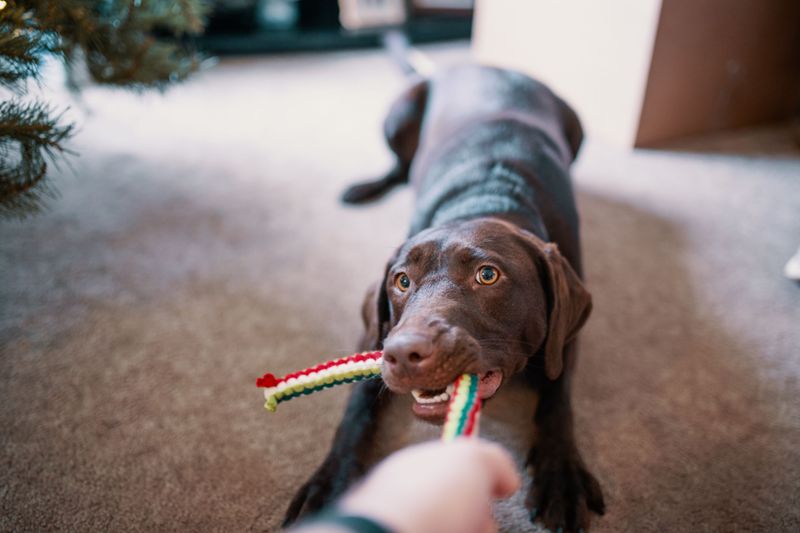
Play stirs everything up. Puppies commonly need to go shortly after excitement, and summer pushes most play indoors.
More hallway fetch means more surprise urges, often before your usual break time arrives.
Build a rule: every play session ends with a trip outside, no exceptions. Treat the toy basket closing as your cue to grab the leash.
13. The Cool Spot Sits Too Far From the Door
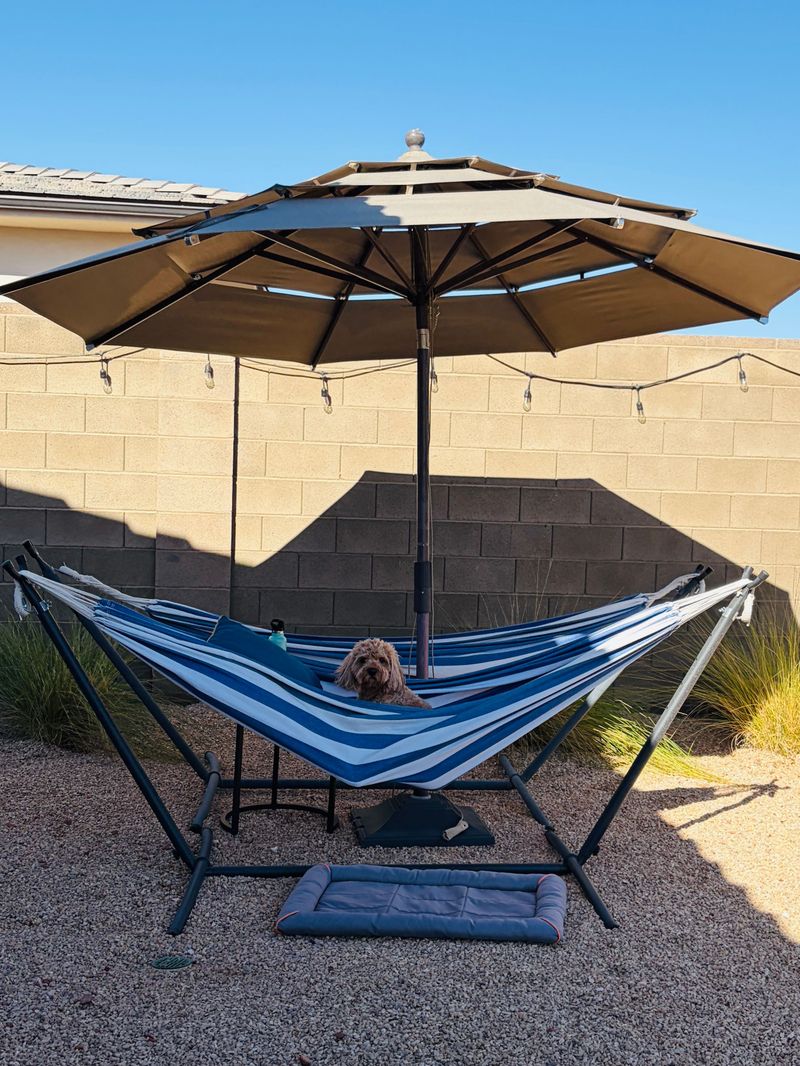
Nice shade often lives at the back fence, under a mature tree, well past a stretch of blazing concrete.
That walk can be the hottest part of the trip.
Many owners solve it by bringing shade closer: a patio umbrella, a canopy, or an awning near the door. A shaded landing pad within a few steps makes quick breaks genuinely usable.
14. Artificial Turf Holds Heat Like a Skillet
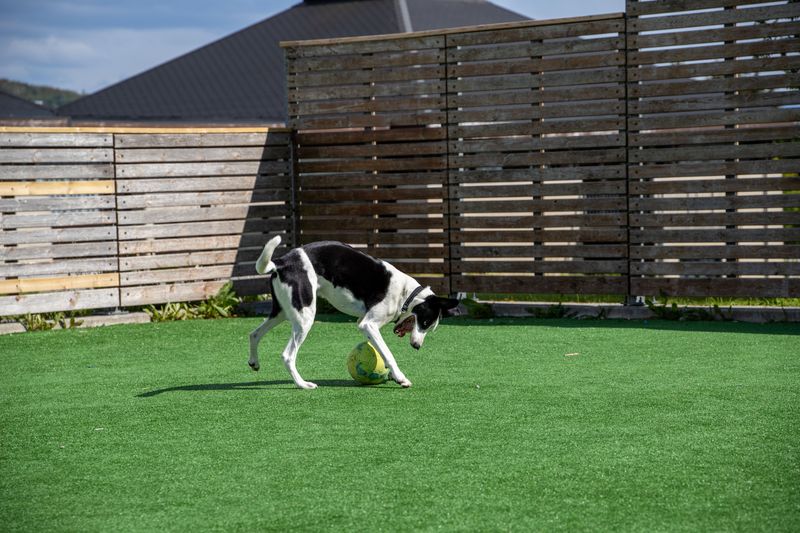
Synthetic grass looks soft and cool, but it stores heat aggressively in direct sun.
On days above 90 degrees, hard surfaces including concrete can reach 145 degrees or more, enough to harm paw pads fast.
Test turf with your hand just as you would asphalt. A quick rinse with the hose can lower the surface temperature before your puppy steps out.
15. Stubborn Refusals to Stay Outside Long Enough
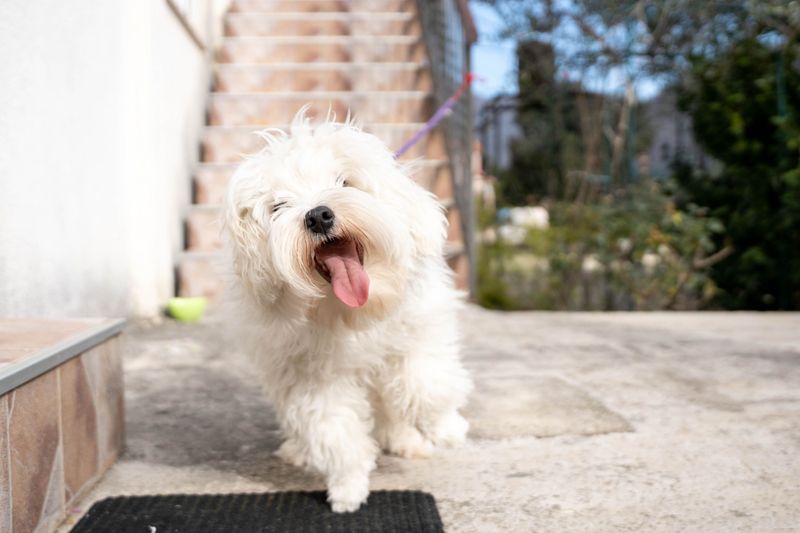
Some puppies plant themselves by the door and refuse to budge, tail low, eyes pleading.
Discomfort, not stubbornness, usually drives it.
Make outside worth staying for: a shaded mat, cool grass, a high-value treat waiting after they finish. Short, pleasant repetitions build willingness better than long standoffs.
Once the routine feels comfortable, most pups stop protesting within a week or two.
16. Leaning Hard on Puppy Pads During Heat Waves
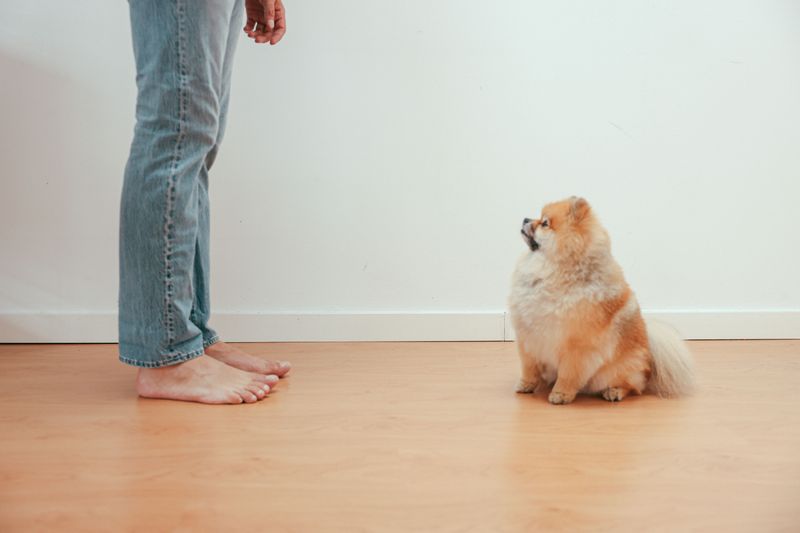
During dangerous stretches of heat, indoor options make sense. Pee pads and porch potties let a puppy relieve itself safely without touching scorching ground.
Used deliberately, they are a helpful bridge.
Used casually, they become the default. Decide in advance which hours are pad hours, then return to the outdoor spot as soon as temperatures allow.
Structure keeps the tool from becoming a habit.
17. Bouncing Between Pads and Grass Confuses Pups
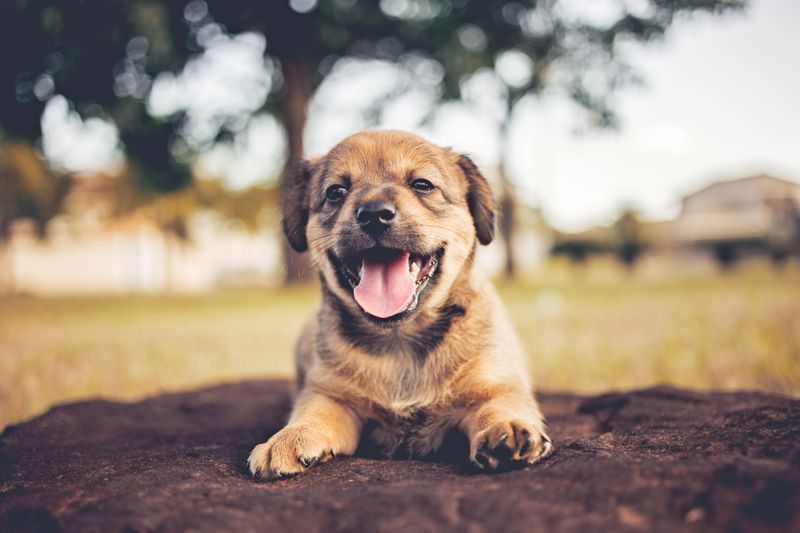
Dogs form strong preferences about what feels right underfoot when they go.
Flip-flopping between soft pads and outdoor grass sends mixed messages, and confusion stretches the training timeline.
If you must use both, keep the pad in one fixed indoor location and always finish the day outdoors. Some owners place a patch of real or artificial grass on the pad to bridge the difference.
18. Afternoon Storms Steal Your Remaining Windows
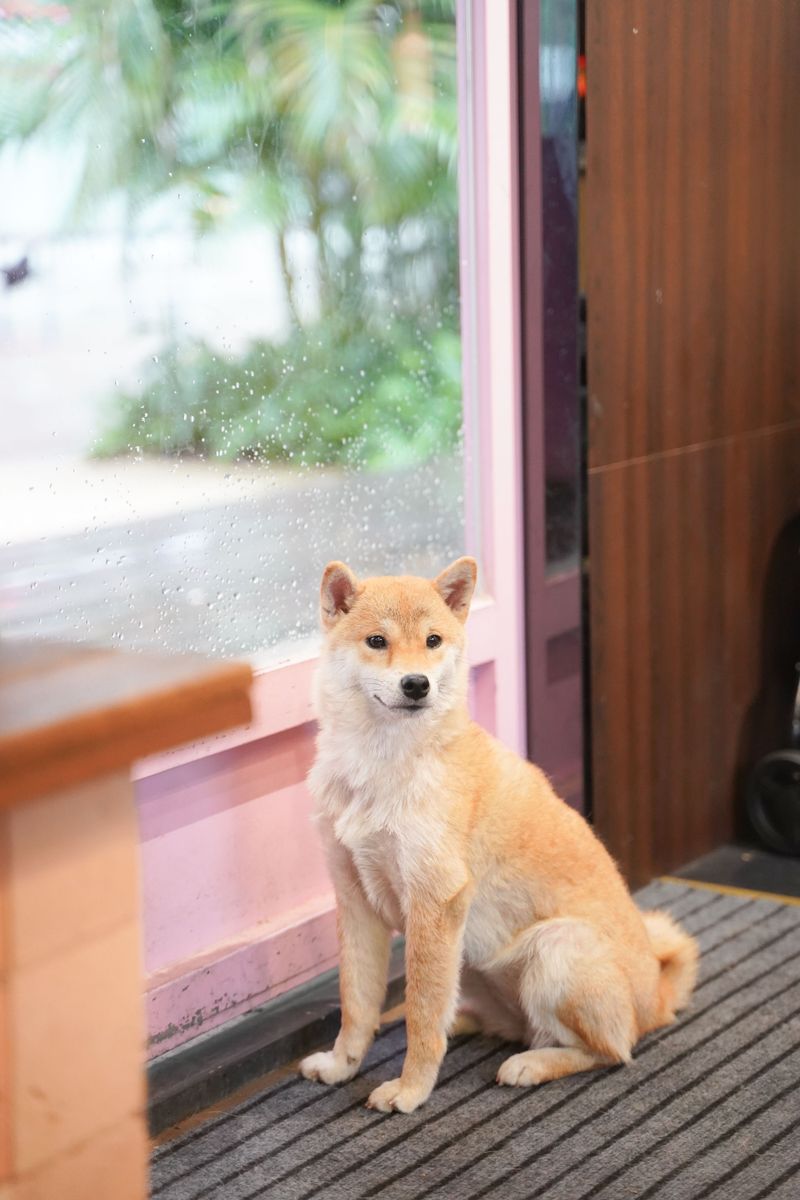
Texas summer delivers heat all day, then a thunderstorm right when it finally cools off.
Plenty of puppies dislike rain and thunder, refusing to step off the porch.
Keep a covered spot ready: a carport corner, a porch overhang, or an indoor backup. Practicing there on calm days means the option feels familiar when the sky opens up.
19. Crowded Cool Hours Bring Endless Distractions
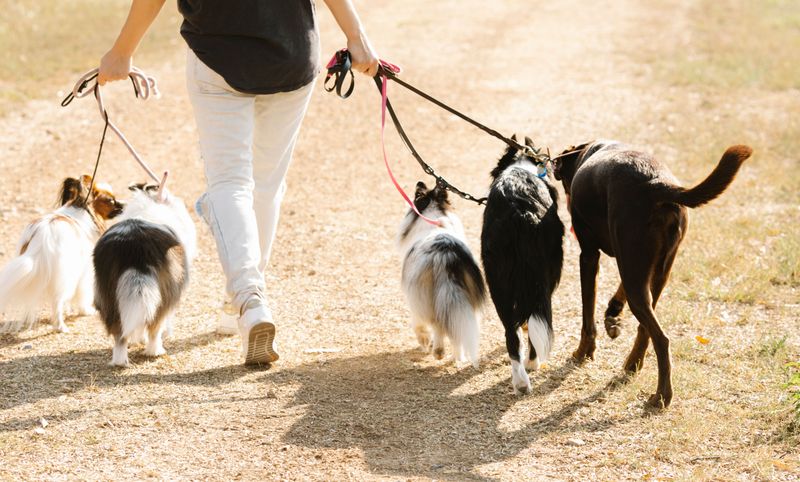
Everyone walks their dogs at the same cool hours, so dawn and dusk get social.
Neighbors, joggers, and other pups all compete for your puppy’s attention.
Head straight to the designated potty spot without greetings or play. Stay boring, keep the leash short, and reserve socializing for after the job is done.
Attention afterward becomes part of the reward.
20. Rushed Trips Muddle Your Reward Timing
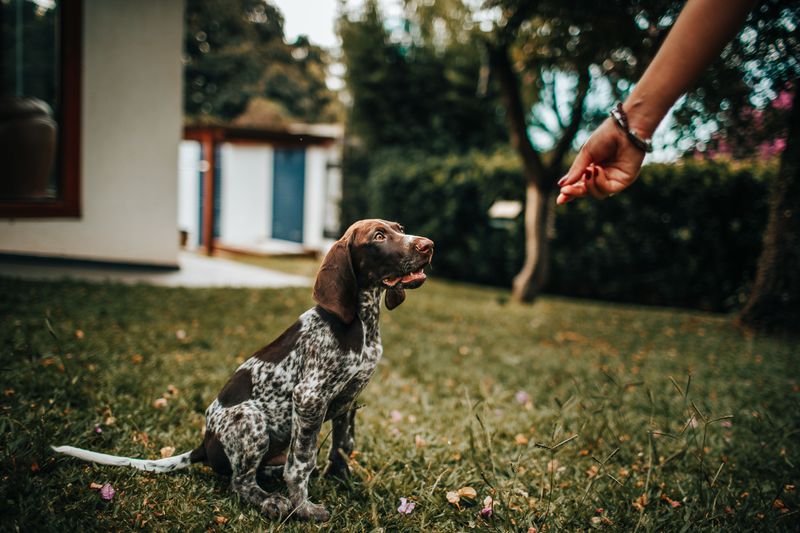
Timing carries most of the training weight. A treat delivered within seconds tells the puppy exactly what earned it.
Hurried heat breaks blur that message, and praise often lands at the door instead of the grass.
Carry treats in your pocket before you step out. Reward outside, right where it happened.
Steady timing, kind patience, and shade will carry you through any Texas summer.