How To Keep Dogs Safe Around Idaho’s Hot Springs And Geothermal Areas
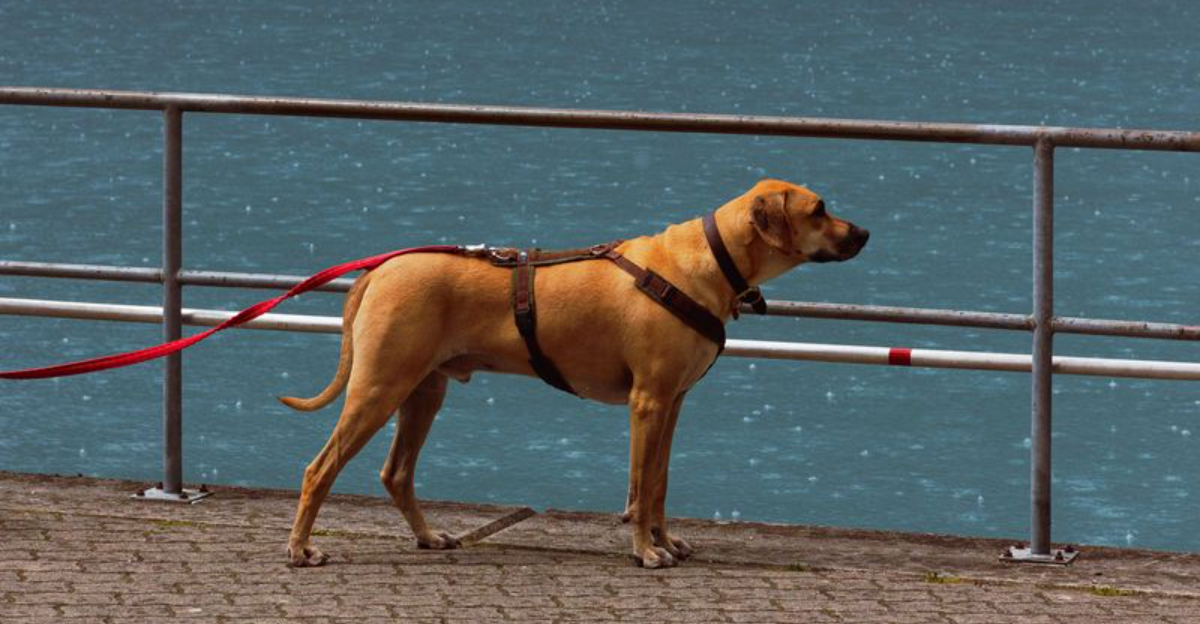
Idaho has more soakable hot springs than almost anywhere in the country, and plenty of us bring our dogs along for the hike. Those steaming pools look inviting, but the water can run far hotter than any dog should touch.
The good news is that a few simple habits keep tails wagging and paws comfortable. Here is what experienced local owners do differently, from leash choices to trail rules, so your soak day stays relaxed and happy.
Learn Why Hot Springs Can Be Dangerous for Dogs
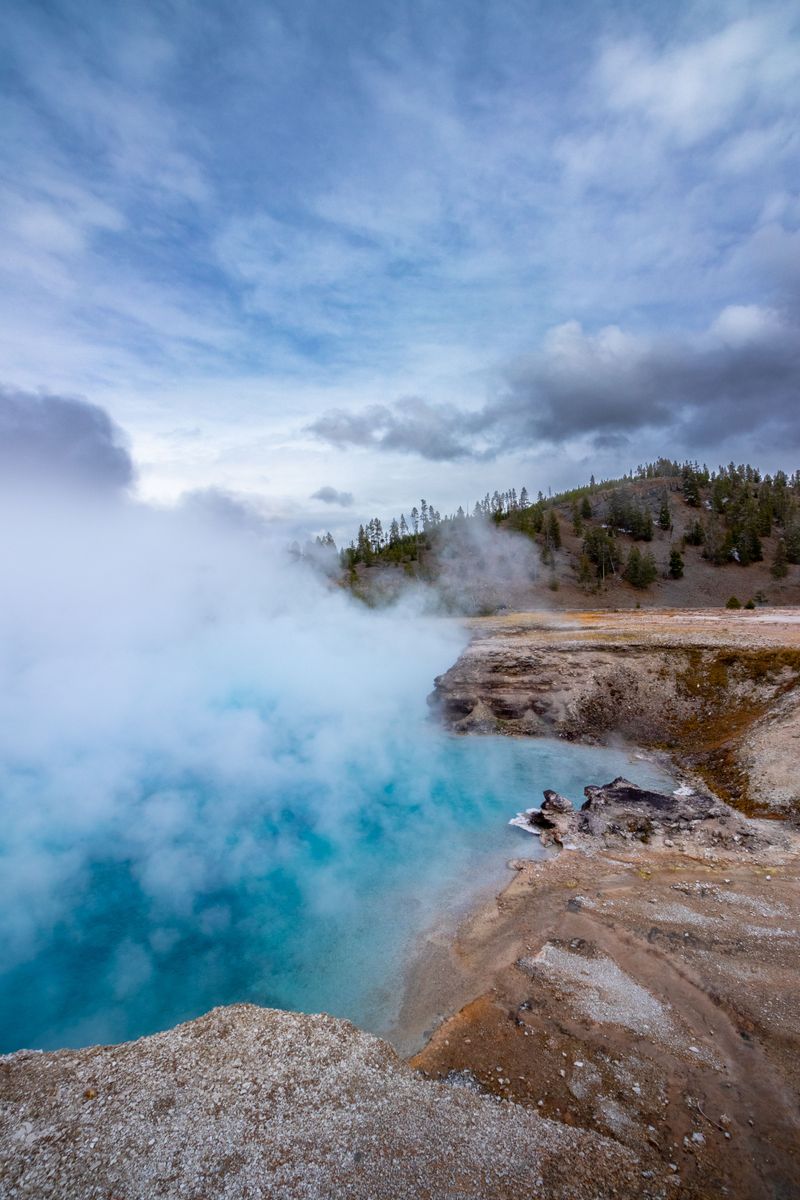
Geothermal water bubbles up from deep underground, and it does not cool off politely on the way. Some Idaho springs reach scalding temperatures right at the source, even when a nearby pool feels pleasant.
Dogs cannot judge heat by looking. They rely on us to read the situation first.
Understanding that basic fact changes how you move around a spring. Slower steps, closer control, and a bit of caution go a long way.
Keep Dogs Well Away From Geothermal Pools
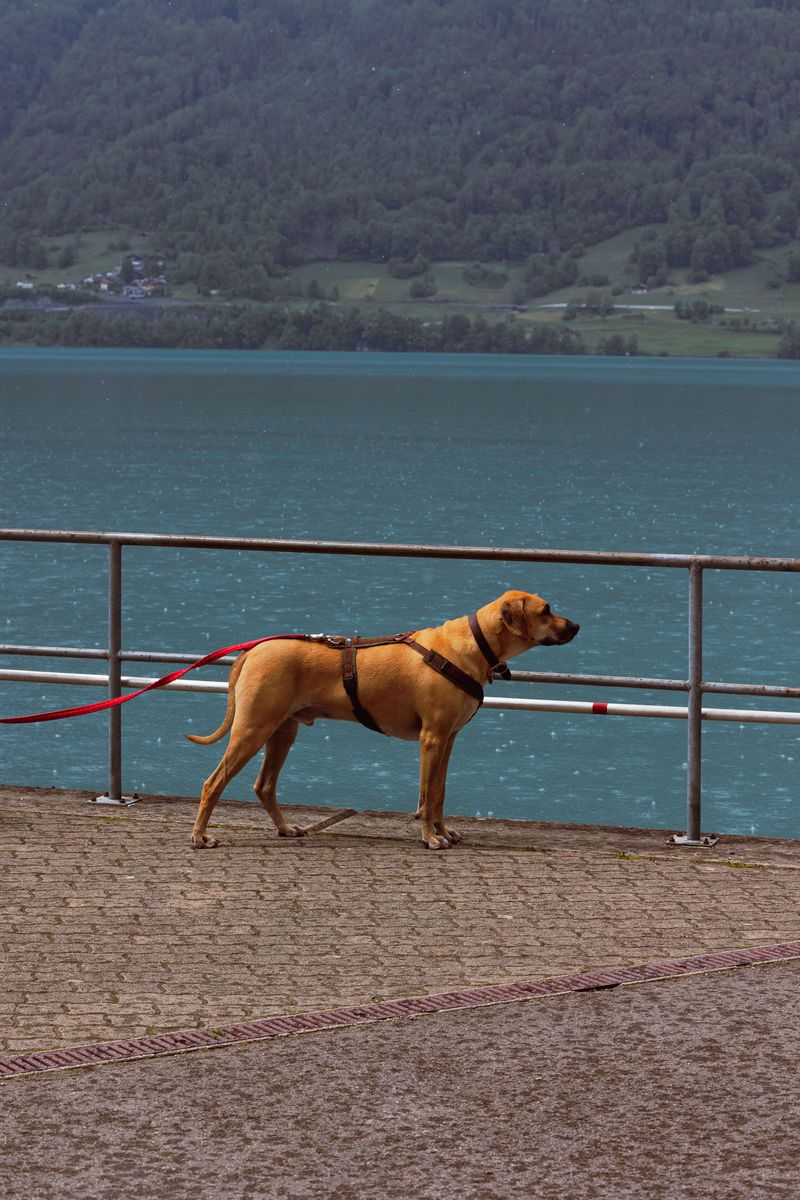
Distance is an important safety measure. Keeping your dog several feet from geothermal pools gives you more time to react if your dog moves toward the water.
Set that boundary before you arrive, not after your dog spots the water.
Many seasoned hikers pick a spot to tie off or hold the leash away from the pool edge, then take turns soaking while someone stays with the dog.
Stay on Marked Trails and Walkways
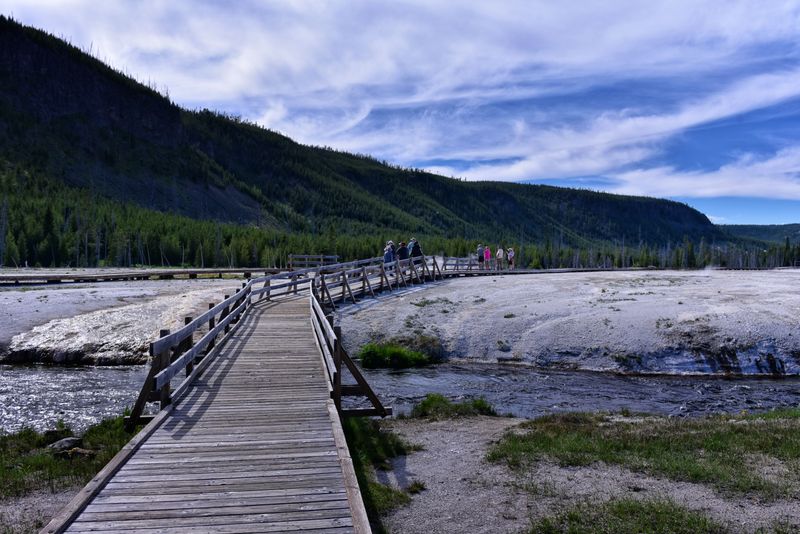
Marked paths exist because someone already checked what lies underneath. Off-trail ground near thermal features can hide thin crust and pockets of hot water.
Your dog will happily follow a scent into brush, so guide the route yourself.
Boardwalks and packed trails also keep paws off soft mineral soil that traps heat. Sticking to the obvious line is easier than backtracking out of trouble.
Use a Short Leash Near Hot Springs
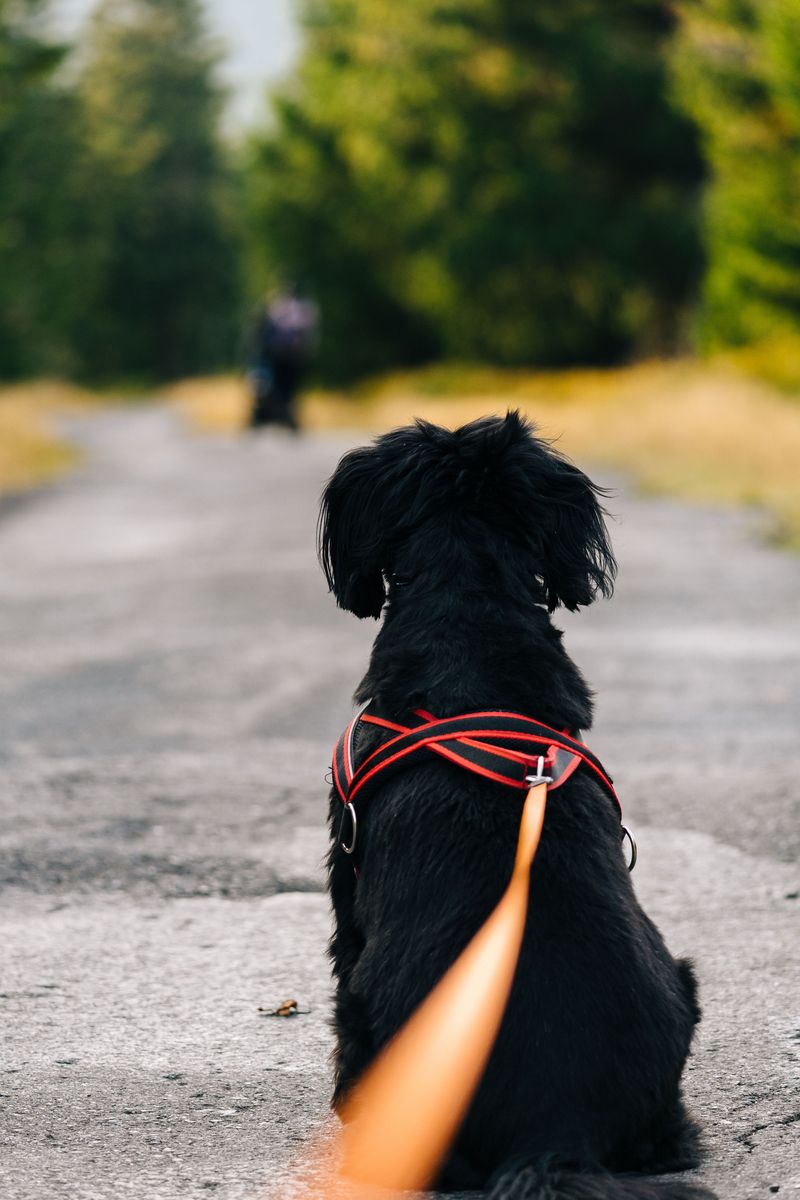
Retractable leashes are fine on open trails and risky at a spring. Twelve feet of slack means twelve feet of unplanned exploring.
A four to six foot leash keeps your dog within arm’s reach, which is exactly where you want them.
Clip it to a well-fitted harness rather than a collar. You get better control, and a sudden pull spreads pressure across the chest instead of the throat.
Watch the Ground, Not Just the Water
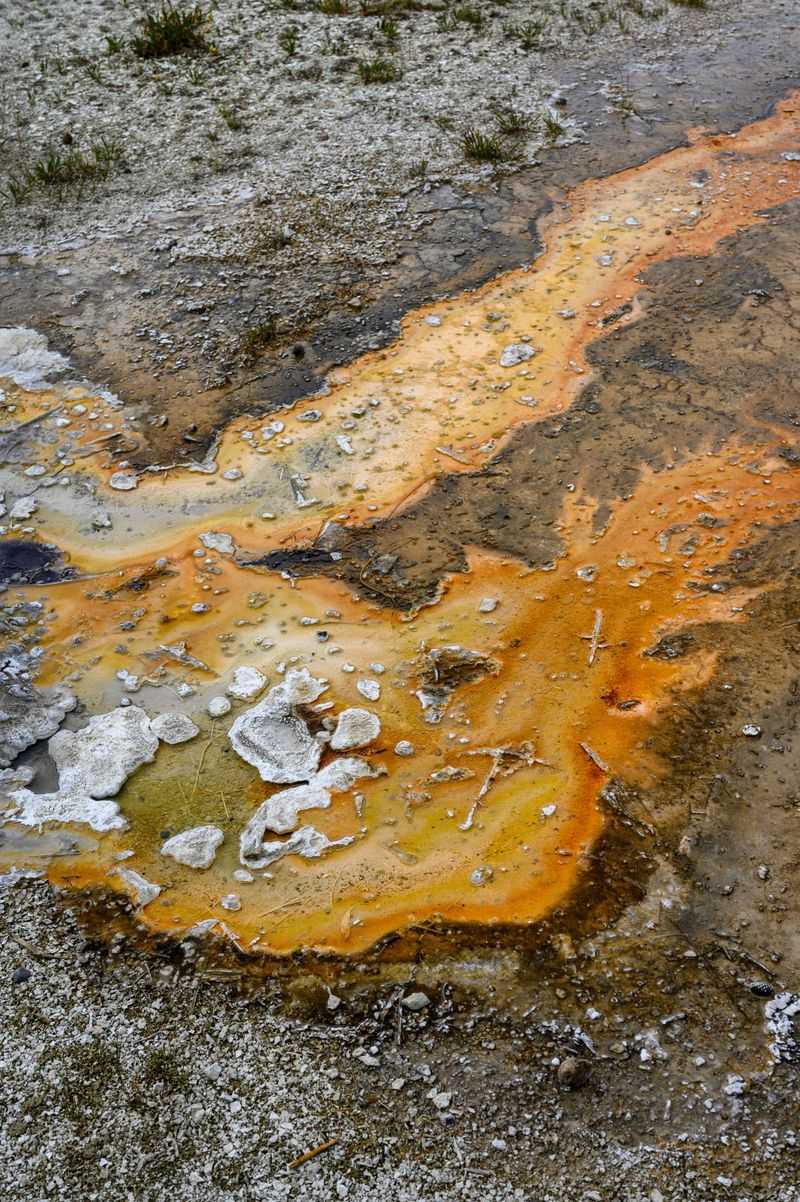
Owners often focus on the pool and miss what is underfoot. Warm runoff channels, small vents, and damp soil near a spring can all carry serious heat.
Scan the ground the way you would scan for broken glass.
Pale crusty patches, steam, wet mineral deposits, and other unusual ground features are worth avoiding. If the surface looks different from ordinary dirt, route your dog around it.
Never Let Your Dog Test the Water
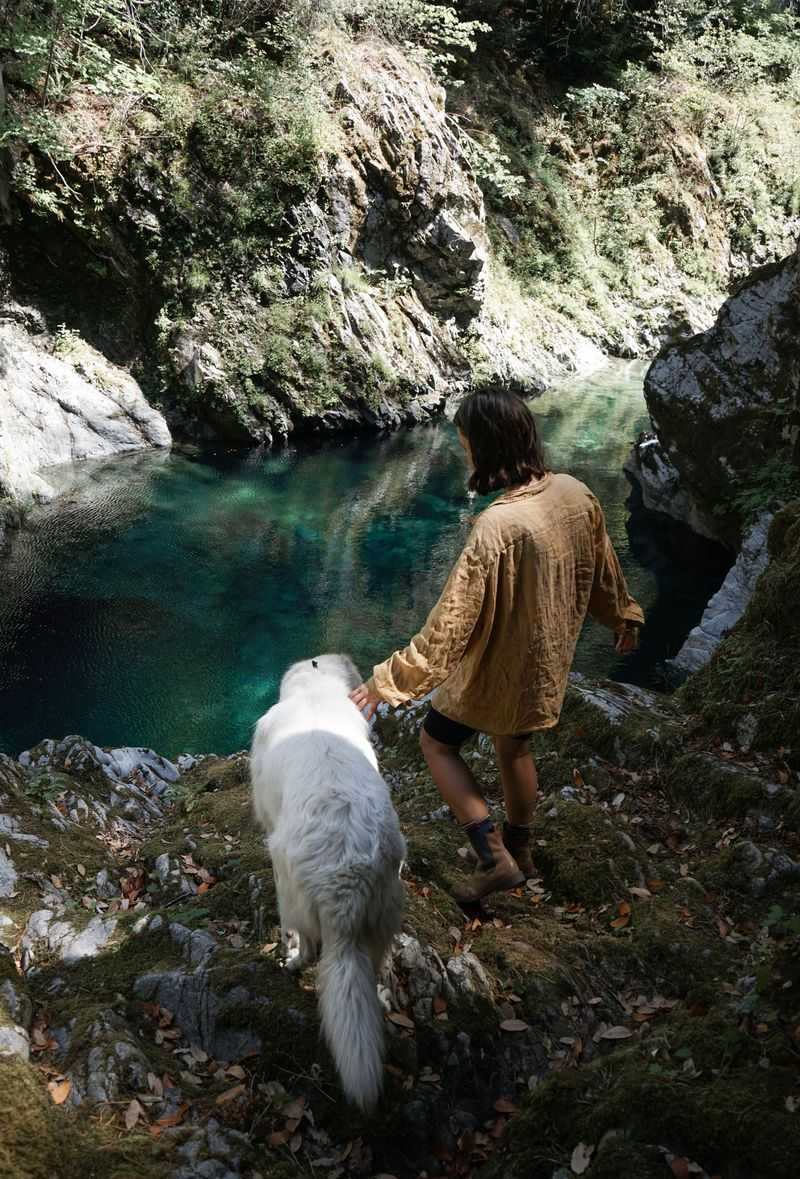
Dogs test unfamiliar things with their paws and noses. At a hot spring, that instinct works against them.
Water temperature can shift within inches, so one spot feeling fine tells you nothing about the next.
Teach a solid leave it cue at home, then use it here. Practicing on boring objects in the kitchen builds the habit you will need on a steamy canyon trail.
Keep Dogs From Drinking Geothermal Water
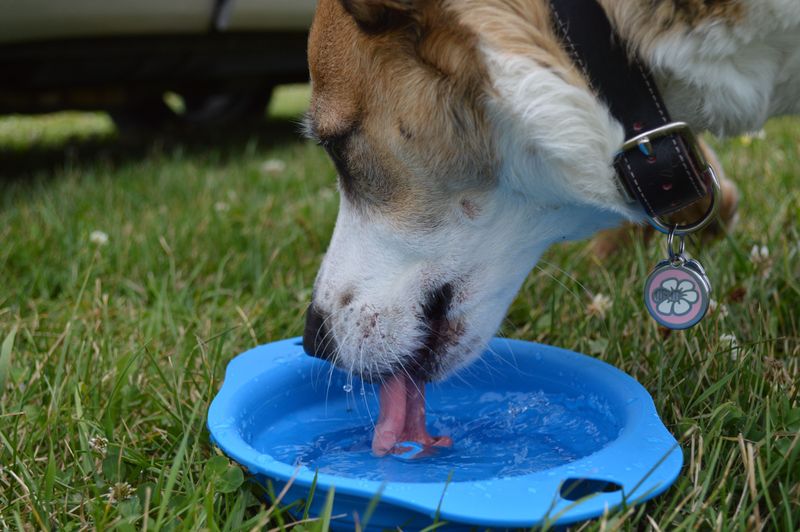
Mineral-rich thermal water can contain sulfur compounds, algae, and bacteria that upset a dog’s stomach. It may also be uncomfortably warm going down.
Thirsty dogs are not picky, which is why the bowl matters.
Offer clean water before your dog even thinks about the pool. A well-hydrated dog is far less interested in whatever is steaming nearby.
Be Careful Around Steam and Gases
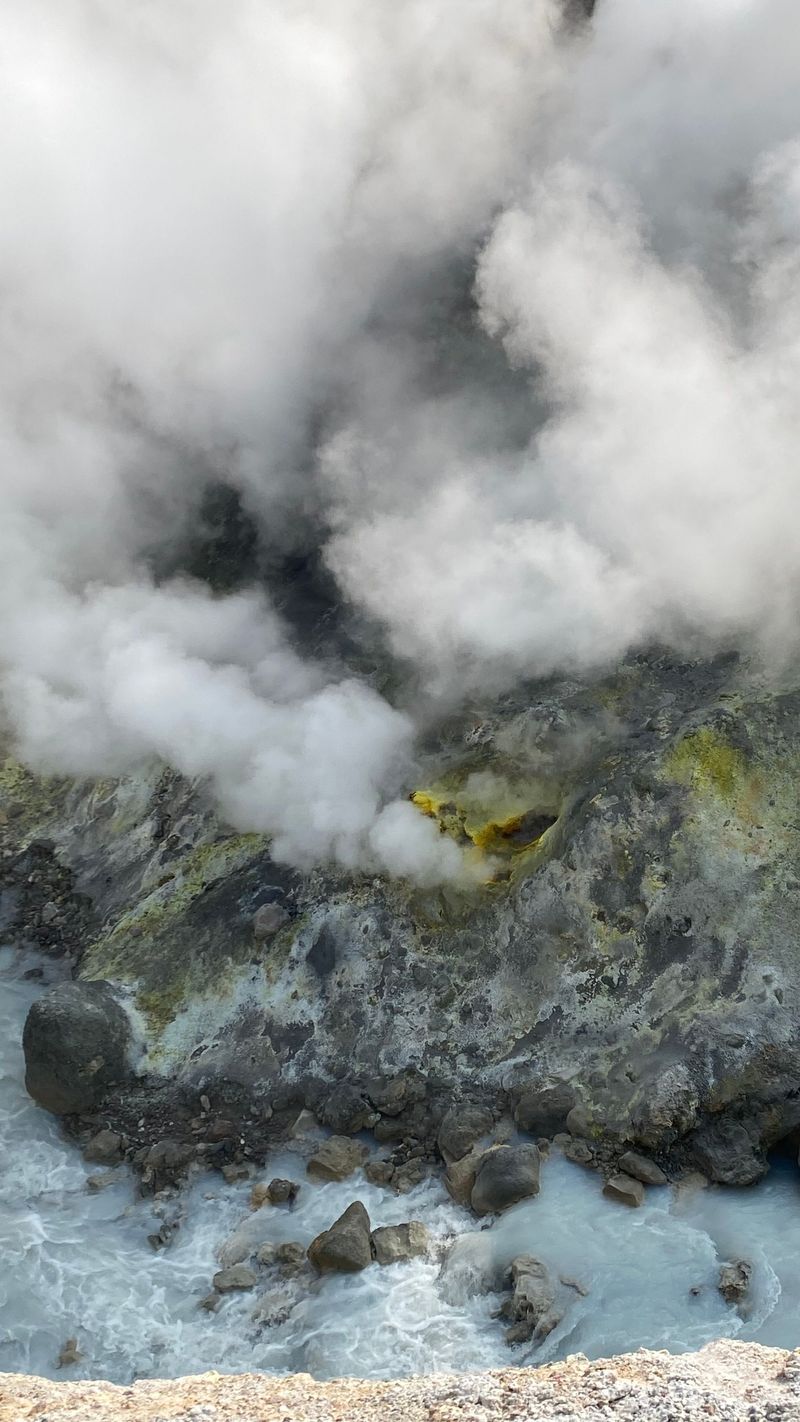
Steam clouds can obscure the ground and may contain gases that irritate the eyes and airways. Keep your dog away from areas where steam accumulates, especially in enclosed or poorly ventilated spots.
Short-nosed breeds and older dogs tend to feel it first.
Position yourself upwind and skip enclosed spots where steam pools between rocks. If your dog starts coughing or squinting, move to fresh air right away.
Check Park and Site Rules Before You Go
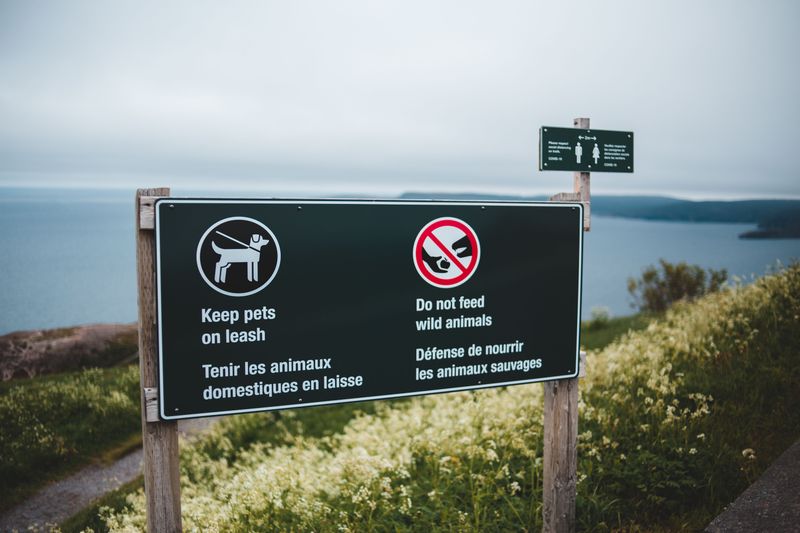
Rules differ by land manager. Many Idaho springs sit on Forest Service land, while others are private, county-managed, or inside state parks.
Leash requirements and pet access vary, so confirm before loading the car.
Agency websites and posted trailhead boards are your best sources. A quick call to the local ranger district clears up questions faster than guessing at the gate.
Choose Pet-Friendly Routes Instead of Restricted Areas
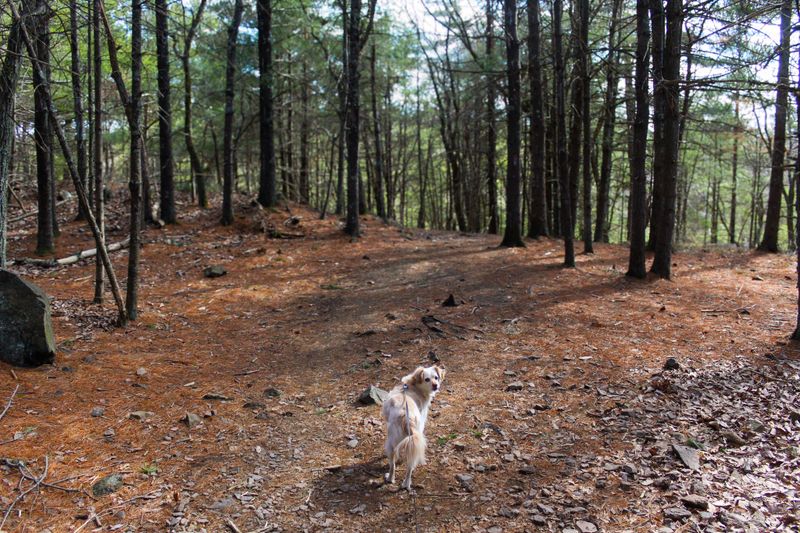
Some developed resorts and sensitive thermal sites do not allow pets at all, and that is worth respecting. Plenty of alternatives exist.
Riverside trails, national forest paths, and dispersed camping areas often welcome leashed dogs happily.
Planning around restrictions beats arguing with a sign. Build your day around a route where your dog belongs, and everyone relaxes more.
Never Leave Your Dog Unattended Near Geothermal Features
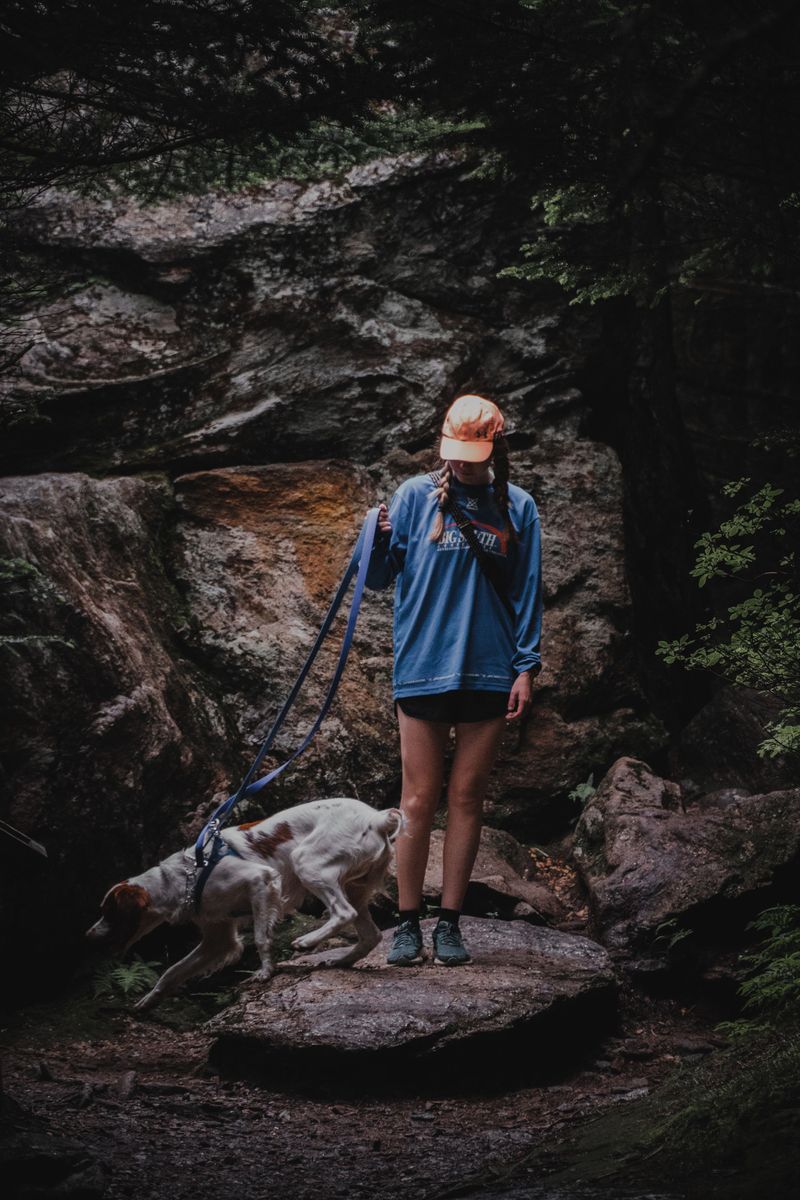
Tying a leash to a rock and hopping in feels harmless. Dogs untangle knots, chew webbing, and slip collars with impressive creativity.
An unsupervised minute near a thermal pool is one minute too many.
Traveling with a friend solves it neatly. One person watches the dog, the other soaks, then you swap and both get a turn.
Protect Paws From Hot Surfaces
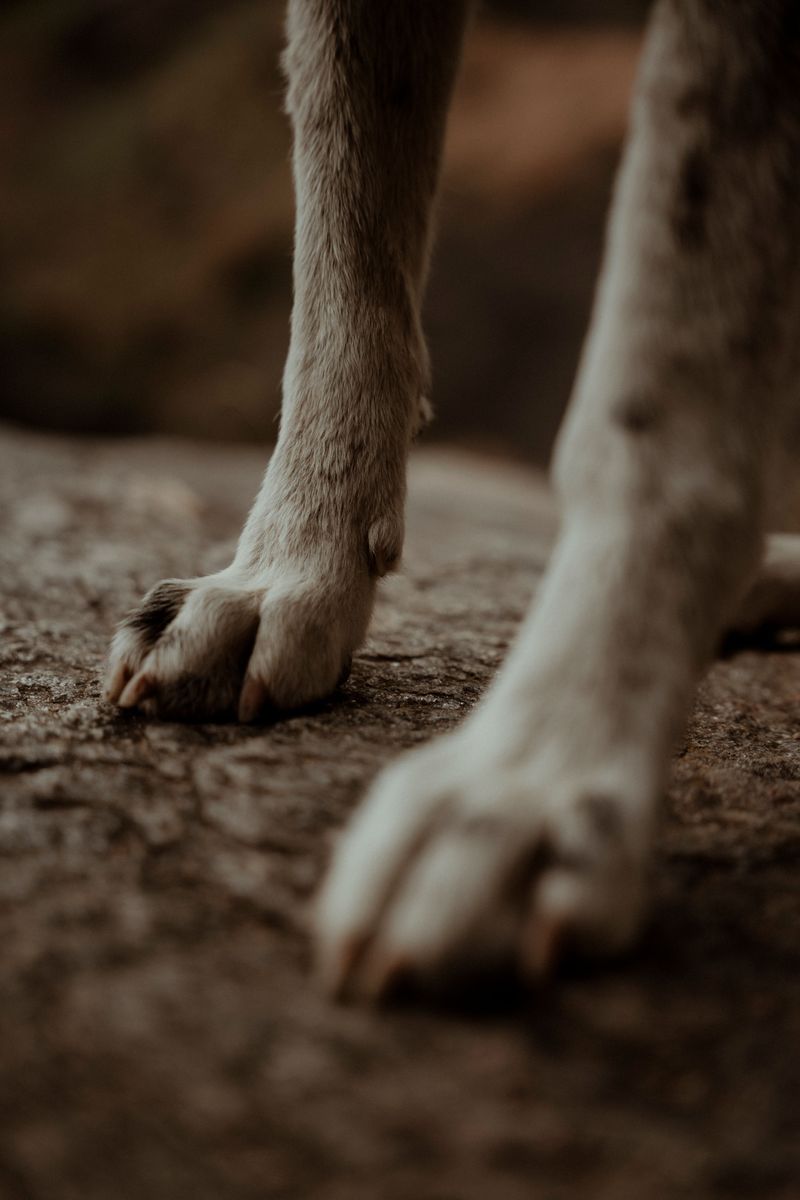
Sun-baked rock, warm mineral crust, and heated gravel all challenge paw pads. Press your palm to the surface for several seconds as a rough test.
If it is uncomfortable for you, it is worse for bare paws.
Booties help dogs who tolerate them, and paw balm supports pad health afterward. Checking between the toes at the trailhead catches problems early.
Bring Fresh Water and a Collapsible Bowl
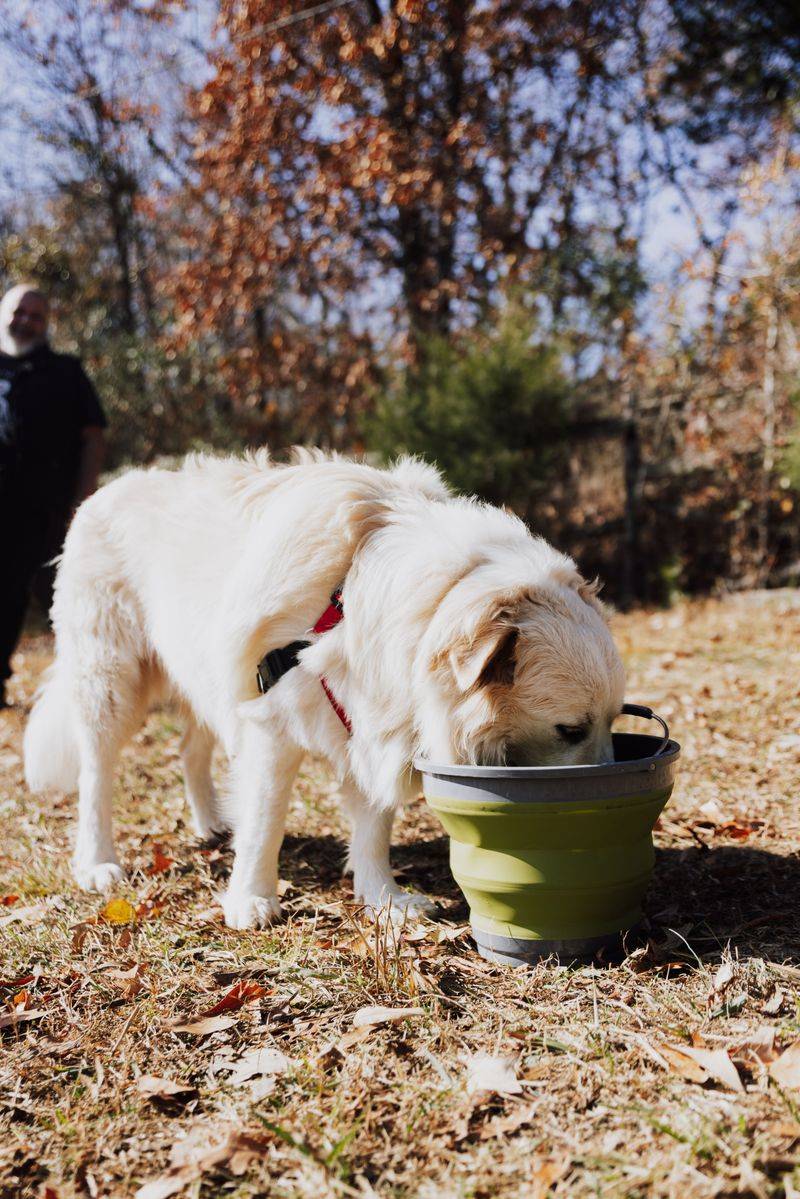
Pack plenty of fresh water for your dog, especially in warm conditions. The amount needed varies with body size, activity level, weather, diet, and individual needs, so ask your veterinarian about an appropriate amount for your dog.
Ask your vet about your own dog’s needs.
A silicone bowl weighs almost nothing and clips to a pack strap. Offering small drinks every twenty or thirty minutes works better than one large gulp.
Watch for Signs of Overheating
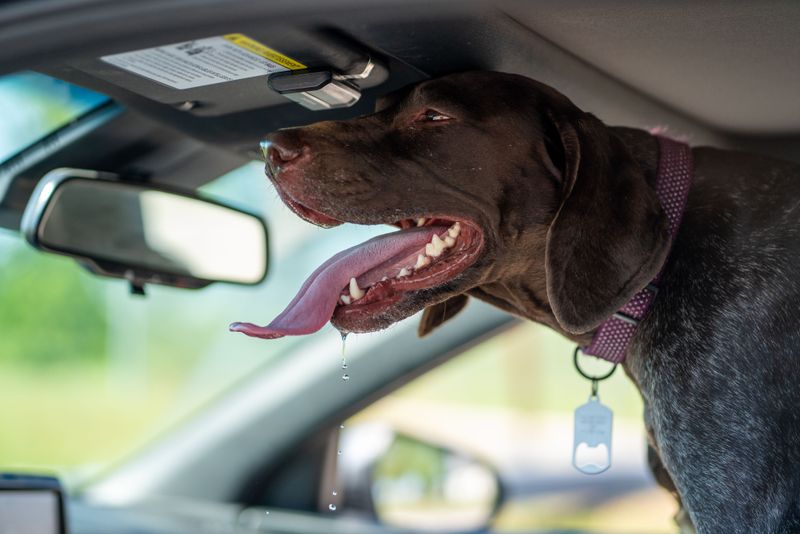
Warm steam plus a sunny canyon adds up quickly. Heavy panting, thick drooling, bright red gums, wobbly steps, or sudden disinterest in walking all deserve attention.
Shade and cool water are your first response.
Move your dog somewhere breezy, wet the belly and paws with cool water, and call a veterinarian if things do not improve promptly.
Keep Curious Dogs Close Around Unstable Terrain
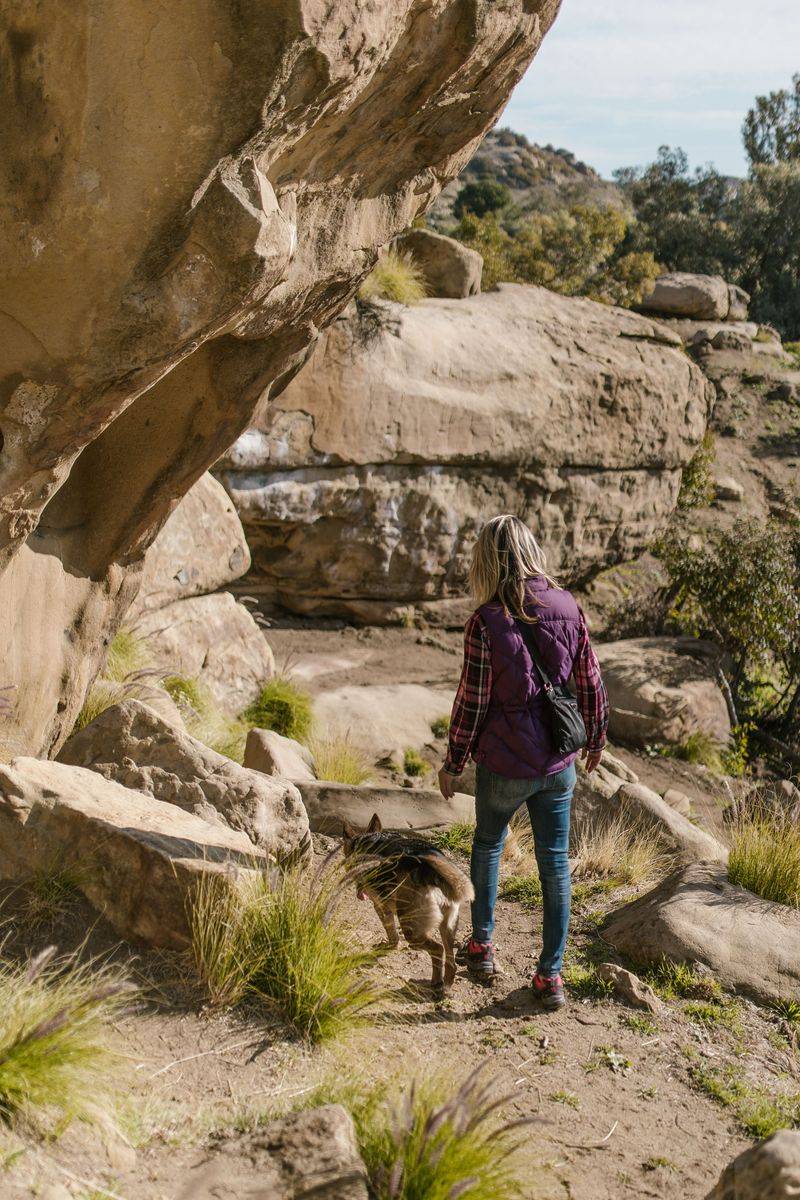
Idaho springs often sit in steep canyons with loose rock and undercut banks. Wet mineral surfaces get slick in a hurry.
Terrier types and scent hounds are especially good at finding the sketchiest ledge available.
Shorten the leash on slopes and pick the inside line where possible. Confident footing for you usually means safer footing for your dog too.
Give Wildlife Plenty of Space
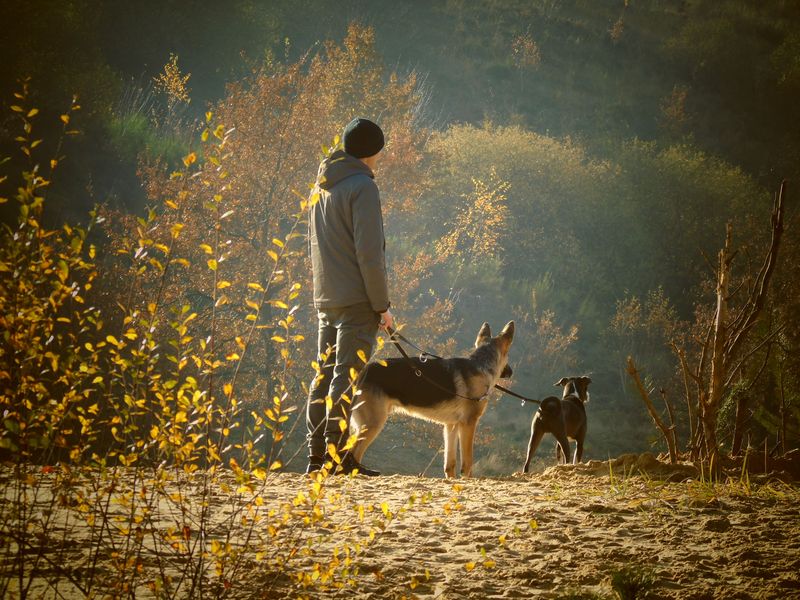
Thermal areas draw elk, deer, and smaller animals seeking warmth in cold months. A barking dog can startle them into unpredictable movement.
Leashes protect wildlife and your dog at once.
Keep noise low, avoid approaching for photos, and turn back calmly if an animal holds its ground. Idaho also asks visitors to leave nesting and denning areas undisturbed.
Have a Backup Plan for Pet Restrictions
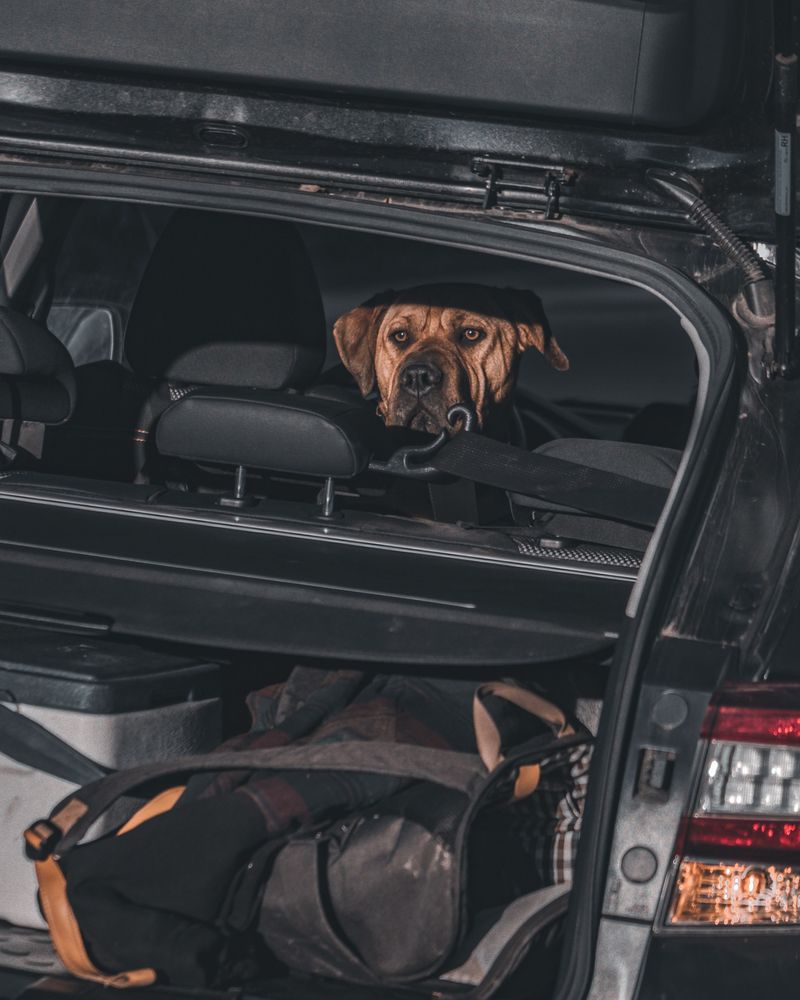
Signs change, trails close, and parking fills. Knowing a second option keeps the day pleasant instead of frustrating.
Save two alternate trails on your phone before you lose service, which happens often in Idaho canyons.
Also line up a pet sitter or dog-friendly lodging for trips where springs are off limits. Flexibility is the quiet skill behind every smooth outing.
Know What to Do if Your Dog Gets Too Close
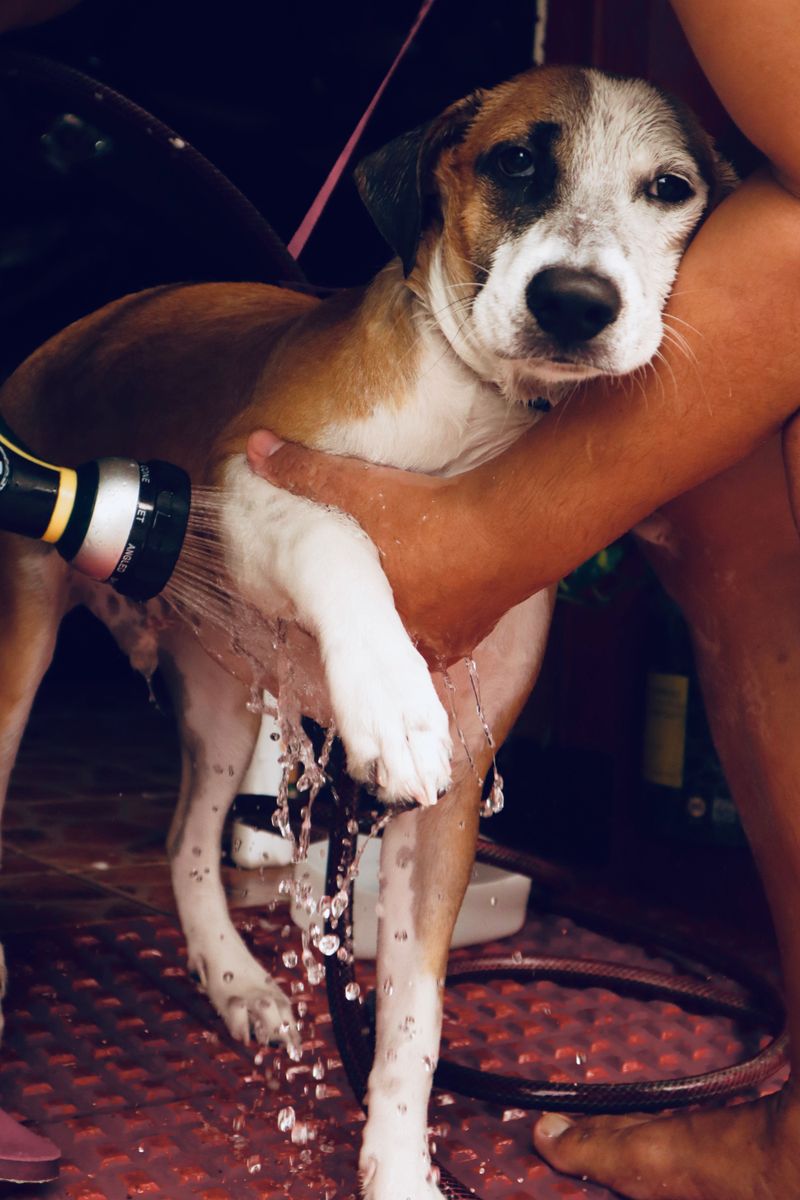
Should your dog come into contact with hot water, act calmly and quickly. Move away from the source and cool the affected area with cool running water while arranging veterinary care.
Skip ice and ointments, and do not rub the skin.
Call a veterinarian right away, even if your dog seems fine. Carrying a small pet first aid kit and clinic numbers makes that call easier.
Steady preparation is what turns a beautiful Idaho spring into a memory worth repeating.


